Typically, you come across four ratchet wrench sizes: 1/4″, 3/8″, 1/2″, and 3/4″.
- 1/4″ is suitable for small jobs and compact spaces.
- 3/8″ is suitable for general repairs.
- 1/2″ is suitable for heavy-duty jobs.
- 3/4″ is suitable for large machinery.
Selecting the appropriate ratchet wrench size helps you complete your work effectively and safely. Choosing the right ratchet for the job makes it easy to complete your work. Standard ratchet sizes make it easier to choose the appropriate ratchet for any task.
Standard Ratchet Wrench Sizes Explained
1/4-Inch Drive Ratchet Wrench
The 1/4 inch drive ratchet wrench will suit you perfectly for small projects. These ratchet wrench sizes are ideal for tight spaces, such as electronics or the dashboard interior. Both SAE and metric socket sizes can be used in this drive. Sae socket sizes measure in inches, while metric socket sizes measure in millimeters. Mostly, a 1/4-inch drive is used for light-duty jobs such as furniture assembly and bike repair.
3/8-Inch Drive Ratchet Wrench
The most common ratchet wrench size is the 3/8 inch. You can perform a variety of tasks using this type of wrench, whether for automotive maintenance or do-it-yourself projects at home. This particular drive is suitable for both SAE and metric socket wrench sizes. You can find it in mechanic tool kits. It provides you with adequate leverage and accessibility for medium-sized bolts and nuts.
1/2-Inch Drive Ratchet Wrench
It is recommended to select the 1/2-inch drive for tasks that require significant force. This particular size is used in applications dealing with larger fasteners, including automotive, construction, and machinery work. Like the previously mentioned wrenches, it is compatible with SAE and metric sockets. The torque provided by this ratchet wrench is greater than that of the previous ones, making it possible for you to loosen difficult-to-reach bolts.
3/4-Inch and 1-Inch Drive Ratchet Wrenches
For the toughest tasks, you need the 3/4-inch and 1-inch drives. They are commonly used in industrial applications and machines. As usual, they come in both metric and SAE socket types. People use them mainly for tasks requiring considerable power, such as truck work. Imperial sizes may be encountered occasionally.
Ratchet Wrench Size Chart
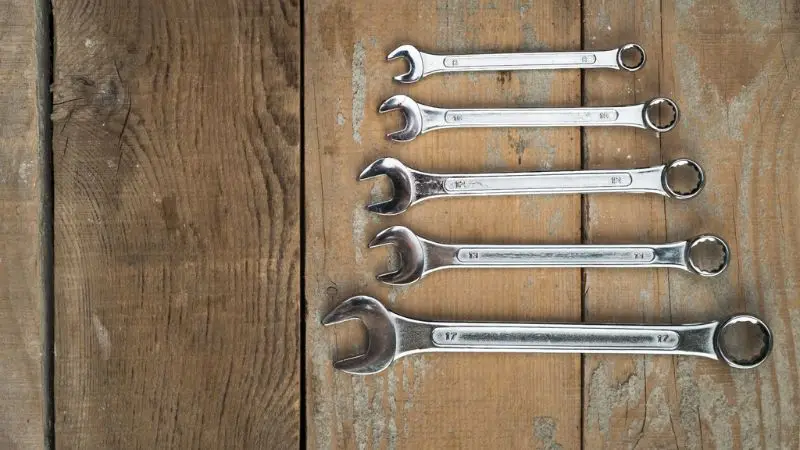
Drive Size and Recommended Applications
Use the wrench size chart to determine the ideal size for the job at hand. It provides useful information on how to use different drive sizes optimally. In response to the question about standard ratchet wrench sizes, you’ll find four basic drive sizes that fit the bill.
- 1/4-inch drive – for small bolts in electronics or bicycles.
- 3/8 inch drive – for general vehicle maintenance or household chores.
- 1/2 inch drive – for serious tasks such as construction or machinery repair.
- 3/4-inch and 1-inch drive – for big machines or industrial applications.
Note that there are two types of wrenches: SAE and metric. While SAE uses inches, metric uses millimeters. There are some imperial-sized tools that are used in certain situations.
Common Socket Sizes for Each Ratchet Drive
It is important for you to understand the appropriate socket sizes for each drive. This is because the wrench size chart lists the common socket sizes that fit each drive. It makes it easy for you to select the right socket size according to the drive. You can consult for SAE vs metric ratchet wrench sizes. As you will observe, the suggested sizes of the wrench sockets cover SAE and metric. Most people use metric for new cars and SAE for old cars. These are the best ratchet wrench sizes for car projects. You should have both SAE and metric sockets in your toolbox.
How to Choose the Right Ratchet Wrench Size
Consider the Bolt and Nut Size
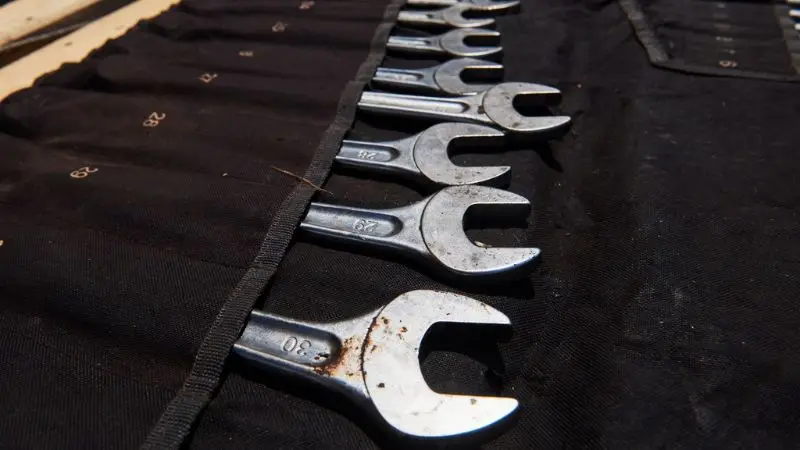
Always consider the size of the bolt or nut before selecting a ratchet tool. This will help you ensure a proper fit, making it easier to do your job without damaging the hardware. Over or undersizing the wrench can make it hard for you to get the job done. Check out the marking on the bolt. There are different types of bolts: some use SAE, others use metric or imperial. Using a table can help you match bolt sizes to the corresponding socket wrench sizes.
Consider the Work Area
How to select a ratchet wrench size? Consider the working area. When working in tight areas, you will need a small wrench. For example, a 1/4-inch drive will fit in a tight area while a 1/2-inch drive requires more working space. Consider the length of the handle. Shorter handles will give you more control in tight areas, while long handles are useful when working with bolts located far from your reach.
Matching the Ratchet to the Work to Be Done
The ratchet should be matched with the kind of work to be done. There are light jobs, such as bike repair, that require low torque, and there are heavy tasks that require high torque. The kinds of jobs determine the torque required by the particular size of the ratchet. It is easier to achieve higher torque with the 1/2-inch drive than with the 1/4-inch drive. The various ratchet sizes and their respective tightening torques can be found in your manual or in the online chart.
Choose Between DIY and Professional Use
It is important to consider the frequency of use of your tools when choosing which one to use. When repairing your things, all you need is a set that includes common ratchet wrench sizes. When doing professional work, you will need a full kit of SAE and metric sockets. The professional also considers the socket wrench size using a chart.
How to Use a Ratchet Wrench Correctly
Step 1 – Choosing the Appropriate Socket
This step involves selecting the proper socket to fit into the bolt or nut in question. The available sockets are either measured in SAE or metric standards. While SAE sockets are measured in inches, metric sockets measure the nuts or bolts in millimeters. The selected socket needs to fit well in the bolt or nut without wobbling.
Step 2 – Secure Attachment of the Socket to the Drive Square
In this case, one must connect the socket to the ratchet wrench’s square drive. The socket should be pressed until you hear a click or lock. It is important to make sure that the socket does not wobble after connecting it to the drive square. In case the wrench has a quick-release mechanism, pressing the button will detach the socket from the drive square.
Step 3 – Ratcheting Direction Orientation
One needs to make sure that the ratcheting direction is set properly. This process requires finding the lever or button on the wrench’s ratchet head. Moving the lever to the left loosens the bolts, whereas moving it to the right tightens them.
Step 4 – Tightening or Loosening the Fastener
Now you hold the handle and turn the ratchet. Apply constant pressure. Never force the tool to turn. The ratchet design allows operating in confined areas without removing the wrench. Move the handle back and forth until the bolt or nut starts turning. If the fastener is frozen, you should use a larger ratchet wrench.
Step 5 – Removing and Storing the Tool Correctly
Finally, you need to remove the socket from the ratchet. Push the release button or pull the socket off the wrench. Wipe your tools with a clean rag. Store your ratchet wrenches and sockets in a dry place. Proper storage of the tool ensures it remains rust-free and ready for the next job.
Conclusion
Now you understand the importance of choosing an appropriate ratchet wrench size. The correct size will help you to work faster and more safely. Before starting each job, check the quick reference table. Follow the selection tips to choose the right tool for the job. Would you like to get additional information? Find hand tools, guidebooks, or ask for assistance in your local hardware store.
FAQ
What is the most common ratchet wrench size to be used at home?
The most common ratchet wrench at home will be the 3/8-inch drive size. This is because of its wide range of applications, from automobiles and home furniture to bicycles. This size provides a great balance between power and torque.
Can I use metric sockets on SAE ratchets?
Yes, you can use metric sockets on SAE ratchets, provided that the drives match. In this case, the 3/8-inch drive socket will only fit the 3/8-inch ratchet. Always confirm the fit before undertaking any work.
How do I choose which socket size to use?
The socket size you use must match the bolt or nut size. Measure the bolt and ensure it fits perfectly, with no space for wobbling. Most socket sets have markings to guide you.
What should I do if the bolt is jammed in place?
Use a bigger size ratchet wrench for torque and apply enough force. Never force the tool. You may apply some oil to help remove the rust that holds the nut in place.