How to trim a tree that is too tall without damaging it? Trimming a tree should never include topping it. If you want to keep a healthy tree, crown reduction is the best method. When you are learning how to trim an overly tall tree, safety is paramount. You should plan before trimming a tree. How to trim a too-tall tree requires careful steps, good trimming tools like a gas chainnsaw and right timing. You should consult an expert who is familiar with how to trim a too-tall tree if you are not confident. With the right tools and knowledge, you can trim a large tree.
Understanding the Risks of Trimming a Tree That Is Too Tall
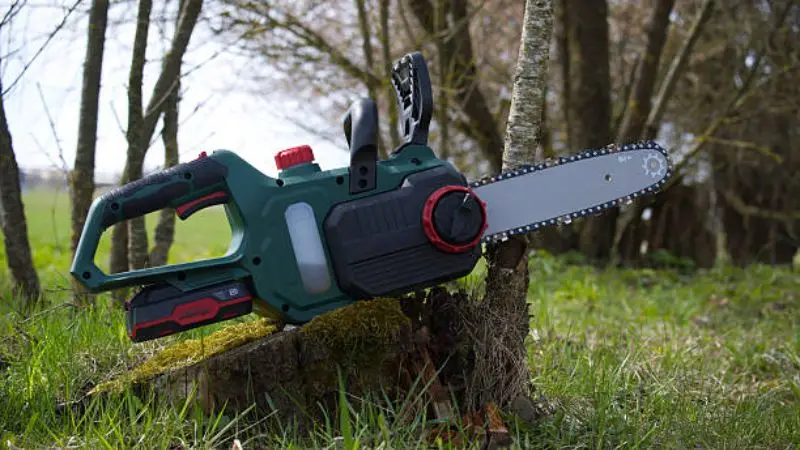
Before trimming a tall tree with a chainsaw, you must be aware of the potential dangers to avoid serious hazards, especially when learning how to prune a tall tree at home.
Why Tall Tree Trimming Can Be Dangerous
When you attempt to trim a large tree, there are many risks. You are more likely to fall when you work at heights. A branch can break, hitting you or damaging property. Another hazard is power lines close to the tree. It is possible that you will not notice weak branches until after you have stepped on them. Accidents are more likely when you use sharp tools on a ladder while balancing.
Check for power lines before trimming trees. Do not try to trim trees yourself if you find any power lines.
Common Mistakes Homeowners Make When Trimming Tall Trees
Most homeowners make mistakes when trimming trees. Use the incorrect tree trimming tools. Some people damage the tree by cutting too much at the top. Some people ignore safety equipment, believing they’ll be cautious. Trimming branches at the wrong season can also be a mistake. These mistakes may cause injury to the tree or even death.
Avoid these mistakes:
- Use of dull or unsafe equipment
- Cut large branches with proper technique
- Avoiding safety equipment like helmets, gloves
- Remove too much crown
- Checking for hazards nearby
When Tree Height Becomes a Safety Hazard
Tall trees can be a danger in many ways. The tree can cause power outages and fires if it grows close to power lines. During storms, weak or dead branches can fall. The tree could lean towards your home or driveway. The roots of a large tree can damage pipes or sidewalks.
| Hazard Type | Possible Risk |
| Power lines | Electrical shock, fire |
| Dead branches | Injury, property damage |
| Leaning trunk | Collapse, roof damage |
| Root spread | Cracked pavement |
Your tall tree should be inspected regularly. Consider hiring a professional to trim your tree if you see any of these dangers.
Tools and Equipment Needed to Trim a Tree That Is Too Tall
Here is the list of essential tools that are required when you trim the tall tree. It will make your process easier and smoother, especially when trimming tall trees with a pole saw.
Essential Tree Trimming Tools for Tall Trees
To ensure that tree trimming is safe and efficient, you need the correct tools. Begin with a sturdy ladder that is sturdy and can reach the highest branches. For branches that are too high, use a pole pruner. Hand saws are great for small limbs. You may need to use a pruning tool for thicker branches. A chainsaw is useful for large limbs. But only if it’s used safely.
Here’s a list of essential tools to trim trees:
- Sturdy extension ladder
- Pole pruners or pole saws
- Hand pruners to cut small branches
- Medium branch pruning saw
- Chainsaws for large limbs
Keep your tools clean and sharp. Sharp tools will make the cuts cleaner and allow the tree to heal more quickly.
Safety Gear You Should Never Skip
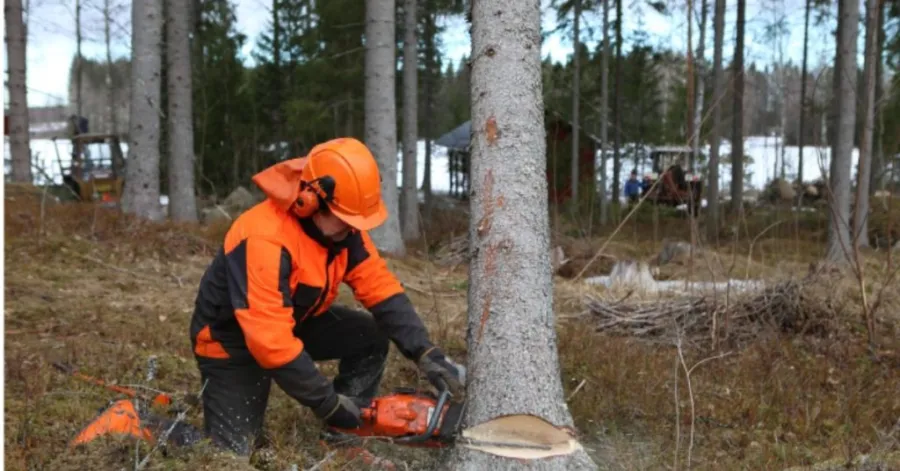
Wearing safety gear is essential when trimming trees. Wear a hardhat to protect your head from falling branches. Safety glasses can protect your eyes from wood chip dust. Gloves protect your hands and improve grip. Wear boots that have good traction. Wear hearing protection when using a chainsaw. Also, chainsaw chaps are recommended.
| Safety Gear | Purpose |
| Hard hat | Protects the head from branches |
| Safety glasses | Shield eyes from debris |
| Gloves | Improves grip, protects hands |
| Boots | Prevents slips and injuries |
| Hearing protection | Guard your ears from loud noise |
| Chainsaw chaps | Shield’s legs from chainsaw |
When Pole Pruners vs Chainsaws Are Appropriate
Choose your tool according to the size of the branch and your level of expertise. For small and medium branches, use a pole-style pruner. With this tool, you can stay on the ground while reaching tall branches. Chainsaws are only to be used for thick branches or when a handsaw is not possible. Chainsaws are best used for heavy-duty tree trimming. However, they do require extra caution and training.
Note: If you are unsure of using a tree trimmer or working from heights, it is best to call in a professional.
How to Trim a Tree That Is Too Tall Safely (Step-by-Step)
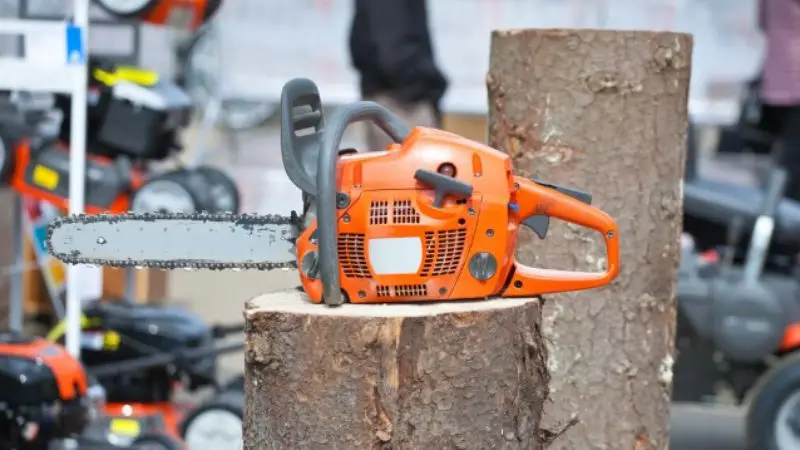
Here is the step-by-step guide to trimming tall trees safely and quickly, because trimming in the right season can increase your tree growth.
Step 1 – Inspect the Tree and Surroundings
Start by walking around the tree. Check for signs of disease or damage. Look for any roots or soil cracks that are sticking out of the ground. Be aware of the leaning or hanging branches over your home or power lines. Make sure that nothing is blocking your workspace. It is important to have a safe working area.
Look up before you begin. You may be at risk if there are overhead wires or nearby structures.
Step 2 – Identify Branches That Need Trimming
Look at the shape of your trees. Look for branches that are straight, cross or rubbing. First, remove any dead, diseased, or broken limbs. Focus on branches that make the tree appear uneven or pose safety issues. Mark those you intend to cut. This helps you to avoid cutting too much of your tree and keep it healthy.
Step 3 – Use the Proper Cutting Technique
Make precise cuts with sharp tools. Just outside the collar of the branch, the area that is swollen where the branch meets its trunk. Be careful not to tear the bark. Use the three-cut technique for large branches. Make a small notch at the bottom. Then, cut a tree a few inches further out from the top. Remove the stub near the trunk.
| Cutting Step | What to Do |
| Undercut | Make a notch underneath |
| Top cut | Saw from above |
| Final cut | Remove stub cleanly |
Step 4 – Trim the Top Without Damaging the Tree
Never cut off the top of an overly tall tree. Crown reduction is a better alternative. Shorten the smaller branches at the top. Spread your cuts out so that the tree maintains its natural shape. This technique lowers the tree’s height without compromising its health. Your tall tree will grow stronger, and you’ll avoid damage for a long time.
Step 5 – Clean Up and Dispose of Debris Safely
After you’ve finished, collect all the branches and leaves. Keep debris off the walkways. Pick up sharp twigs with gloves. Small branches can be placed in the yard waste bins. Cut large branches into manageable pieces. Check local regulations for disposal. Cleaning up keeps your yard safe and tidy.
Proper Tree Trimming Techniques for Very Tall Trees
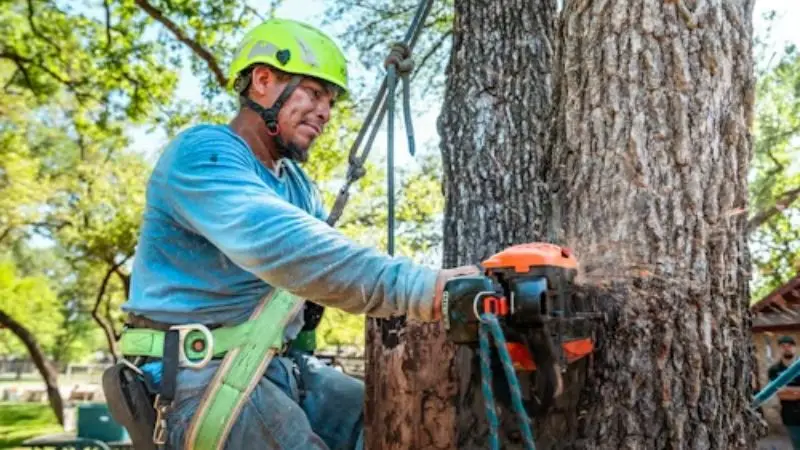
Proper trimming techniques help ensure safety, controlled cuts, and healthy growth of you tress when dealing with very tall trees, while following essential safety tips for cutting high branches.
The 3-Cut Method for Large Branches
When trimming large branches, you should follow the 3-cut method. This method will help you to avoid damaging the tree by tearing its bark. How to do it?
- First Cut (Undercut). Make a small undercut on the branch about 12-18″ from the trunk. This cut should be about one-third of the way into the branch.
- Second Cut (Top Cut). Move out a few more inches from the first cut. Cut down the branch from the top. This removes the branch’s weight.
- Clean Cut: Make your final cut just outside of the collar. Remove the stub by cutting straight through.
Tip: A branch collar is a swollen region where the branch meets the trunk. To help the tree recover, always cut outside of this area.
How Much of a Tall Tree Can Be Trimmed Safely
Never remove too much of a large tree all at once. Too much cutting can cause the tree to be stressed and slow down its growth. Trimming no more than 25 per cent of the canopy in a single season is a good rule.
| Tree Size | Maximum Canopy to Remove |
| Small Tree | Up to 25% |
| Medium Tree | Up to 20% |
| Large Tree | Up to 15% |
Plan to cut the tree in several years if you need to lower the height more. This method keeps the tree strong and healthy.
Avoiding Tree Topping and Long-Term Damage
Never top an evergreen tree. Topping is the act of cutting the trunk or large branches off at the top. This practice makes the tree weaker and more unstable. The shoots of trees that have been topped often break.
Attention: Crown reduction is always better than topping. Crown reduction is the best option. Crown reduction protects the health of your tree and keeps its natural shape.
Avoiding topping and using proper trimming techniques will help you to give your tree a longer life and a better appearance.
DIY vs Professional Help for Trimming Tall Trees
Choosing between DIY trimming and professional help depends on the height of the tree, safety risks, and the tools required for the job.
When DIY Tree Trimming Is Safe
If you are confident and it is a simple job, you can trim a large tree by yourself. If you have small branches that are easy to reach, you can cut them with a handsaw or a pole saw. Only trim trees yourself if the tree is far enough away from power lines or buildings. Wear safety gear, and make sure you have all the tools necessary before you begin. By following the correct steps, you will be able to keep your tree safe and healthy.
You increase your risks if you have to climb a tree or use a ladder. Keep your feet on the ground to do safer DIY.
Situations That Require a Professional Arborist
Expert help is needed for some tree trimming tasks. If the tree is tall or near power lines, you should contact a licensed arborist. You need to hire a professional if you notice signs of disease or large dead branches. Professionals know how to deal with dangerous situations and can detect hidden problems. Hiring professional tree services will also help you to protect your property and prevent injury.
| Situation | DIY Safe? | Call a Pro? |
| Small, reachable branches | ✅ | |
| Near power lines | ✅ | |
| Large or dead limbs | ✅ | |
| Signs of disease or pests | ✅ | |
| The tree leans or is unstable | ✅ |
Cost Comparison: DIY vs Professional Tree Trimming
It is important to understand the difference in tree trimming costs between hiring a professional and doing it yourself. If you own safety equipment and tools, DIY tree trimming is cheaper. You pay only for your time. While hiring a professional company to trim your trees costs more, you will receive expert care and safety.
| Service Type | Typical Cost Range |
| DIY (tools, gear) | $50 – $300 |
| Professional Service | $200 – $1,500+ |
The cost of professional tree trimming is dependent on the size, location and complexity of the job. DIY may be cheaper, but it can also lead to injury or damage.
Conclusion
Now you know how to trim a tree that is too tall. If you take the right steps, you can safely trim a large tree. Wear safety gear and use sharp tools. Crown reduction is better than topping. Plan each cut and check your tree. Call a professional arborist if you are unsure or can see dangers. Avoid topping and cut with care.
FAQ
How often should you trim a tall tree?
You should trim tall trees about every 3 to 5 years. Fast-growing trees might need to be trimmed more frequently. Regular tree trimming is essential for the health and safety of your tree.
Can you trim a tall tree in any season?
Trimming trees in the late winter or early Spring will give you the best results. These times are ideal for trees to heal and avoid trimming trees in extreme heat or cold.
What is crown reduction, and why is it better than topping?
Crown reduction means you shorten branches at the top and sides. You keep the tree’s natural shape. Topping removes the main trunk, which weakens the tree and causes long-term damage.
What should you do if a branch is near a power line?
Alert: Never trim branches near power lines yourself. You should call your local utility company or a professional arborist for help. This keeps you safe from electrical hazards.
Do you need a permit to trim a tall tree?
Some cities require permits for tree trimming, especially for protected species. Before you start, check with your local government. In this way, you can avoid fines and protect your tree.