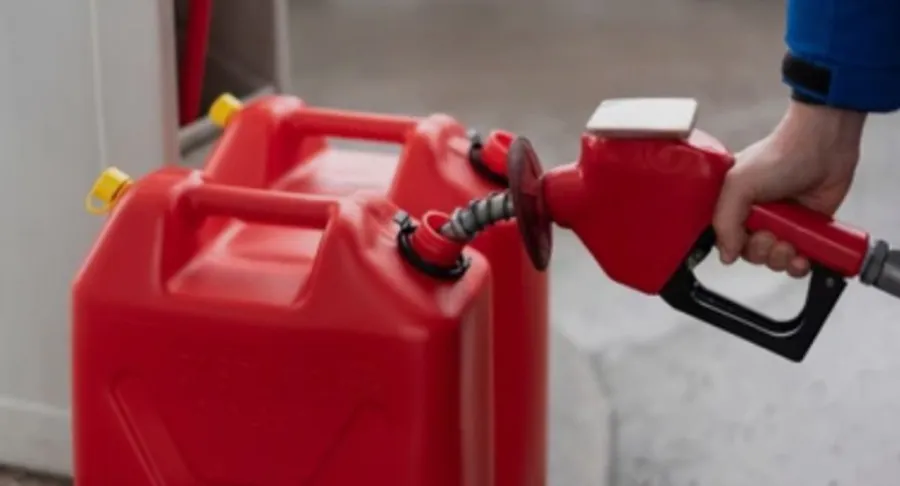
You can use a jerry can for gas safely by following a few important steps. Select a container that meets 2026 specifications, and be sure to check the label to ensure it has been approved for gasoline. When filling or pouring, place the can on the ground to avoid static build-up. After using, shut the lid properly. Store your jerry cans for gas in a cool, dry place, avoiding sunlight or heat. Don’t ever smoke or use other open flame devices when refuelling. Keep children and pets at a distance from the area. Also, avoid using damaged or leaking cans, which can cause other errors during refuelling.
- What Is a Jerry Can and Why Is It Used for Gas Storage
- How to Choose the Right Jerry Can
- How to Safely Fill Jerry Cans with Gas
- Proper Storage of Jerry Cans Containing Gas
- How to Safely Pour Gas from a Jerry Can for Vehicles and Equipment
- How to clean and maintain a jerry can for fuel storage?
- Safety Tips and Best Practices for Using Jerry Cans
What Is a Jerry Can and Why Is It Used for Gas Storage
A jerry can is a high-quality container that safely holds and transports many liquids. It is used by people for fuel, especially gasoline, as it helps make storing and moving gas easier and safer. You will see this can be used in houses, farms, and workplaces where fuel is regularly applied. Choosing the right container is critical to avoid spills, leaks, or accidents. Gas jerry cans effectively store your vehicles, generators, and garden equipment. You can depend on them, carry them around, and they handle fuel efficiently.
What Are Jerry Cans Made Of?
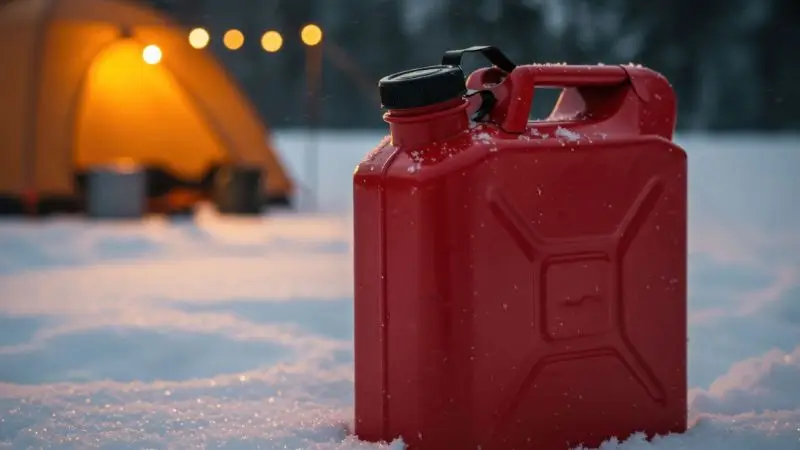
Typically made from metal or plastic, Jerry cans have their own advantages, in case you didn’t know. Metal cans, primarily made of steel, are quite strong and durable to withstand rough use. Plastic cans made of high-density polyethylene (HDPE) are lightweight, rustproof, and convenient to carry. It is essential that the two materials comply with safety standards to ensure the fuel’s safety. Gasoline-storing containers must be approved. So, always check for labels that confirm it has been approved for gasoline. It ensures that it is a safe gas storage container that does not leak. It is important that the can is properly sealed to remain safe, and fuel quality is maintained.
Common Uses of Jerry Cans for Gas
Jerry cans come in handy in plenty of emergency or everyday activities. Having a portable fuel tank means fuel is always on hand as and when needed. A lot of people like the jerry can for gas with a spout, as it pours easily. Common Utilization Includes
- Refueling cars, trucks, or maybe other vehicles when stations aren’t close enough.
- Powering small engines such as mowers, chainsaws, or generators.
- Having spare gasoline for emergencies such as storms and outages.
- Providing fuel for recreational vehicles.
When you use a high-quality leak-proof fuel jerry can, you ensure that the fuel is safe and that there are no spills. Further, it is a sure way to protect people and equipment. Always use approved liquids in a jerry can to keep the equipment functioning and safe. I
How to Choose the Right Jerry Can
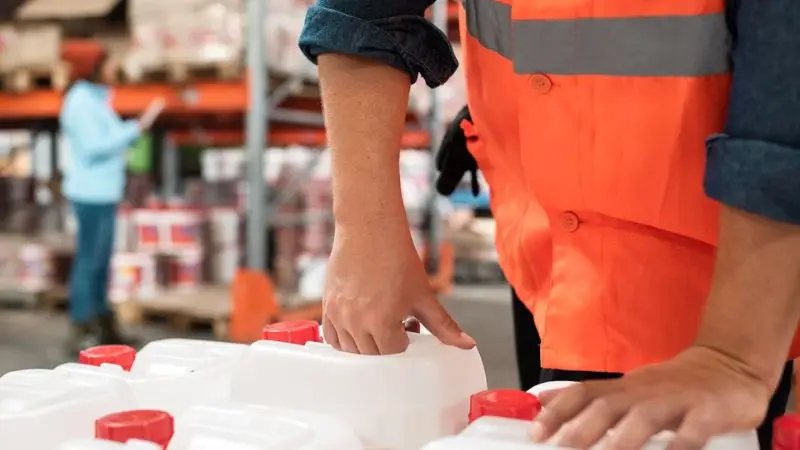
Choosing the right jerry can is very important for the safe storage and use of fuel. The right container must be used for the job, or else it can corrupt the product it’s not meant to hold. When you need fuel for just about anything – whether it’s a generator, car, or outdoor equipment – a strong gas jerry can will make for safer and easier storage and transport. Knowledge about the correct material, size, and design will help protect you and your equipment.
Look for Approved and Safe Cans
Always choose Jerry cans that comply with regulations. Make sure the label on the can says it’s approved for gasoline. Most certified cans in 2026 have Department of Transportation (DOT) or Underwriters Laboratories (UL) stamps, which tell you that they passed rigorous tests for strength, leak, and fire safety.
Be sure to check the spout and cap. A snug fit stops leaks and keeps vapors contained. Some canisters come with child-resistant caps. Cans that are approved for safe use are made out of HDPE plastic or steel. By using a certified container, you can be assured of the safety of your fuel. Moreover, the jerry can becomes a leak-proof fuel jerry can.
Choose the Right Size for Your Needs
Choosing the right size makes it easier and safer to store fuels. Most jerry cans are designed to hold 1 – 5 gallons in liquid capacity. The smaller cans can be used for lawnmowers, chainsaws, etc. The larger 5-gallon cans are fine for vehicles, generators, emergency storage, and so on.
- 1 gallon: Best for Small Tools and Engines.
- 2–3 gallons: Convenient for yardwork.
- 5 gallons: Perfect for cars or emergency backup.
Always leave a little bit of headroom in your fuel can so it doesn’t spill due to expansion. Choosing the correct size will allow for a safer and easier time carrying and pouring gas. This makes Jerry cans for gas with a spout suitable for everyday and emergency situations.
How to Safely Fill Jerry Cans with Gas
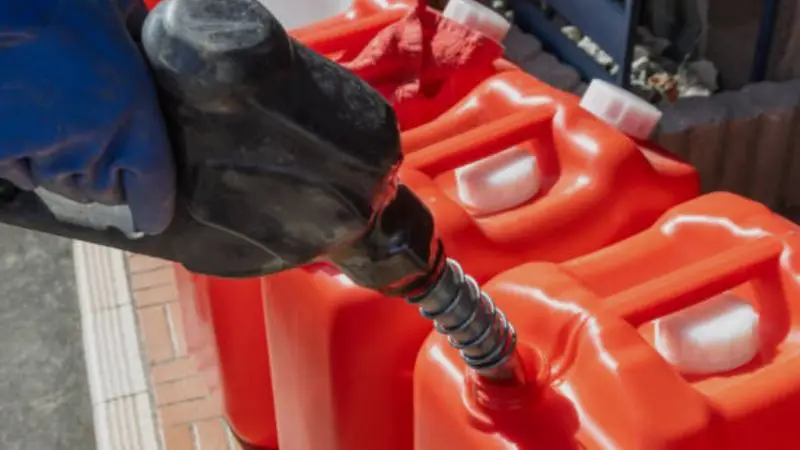
When a person fills a jerry can with gas, there is always a spill, fire, or accident. Following the correct procedures each and every time keeps the fuel safe as well as you.
Doing this properly will eliminate the risk of static electricity, fumes, or overfilling. So, handling your fuel becomes much safer. An anti-drip jerry can is easier to fill and transport, and using them correctly helps to protect your equipment and the environment.
Step-by-Step Instructions for Filling a Jerry Can
A jerry can is filled on the ground to prevent the buildup of static electricity. Making sure the can is clean and empty, and that the can is not dented. Keep yourself away from the wind. Follow these steps each time you fill a jerry can with gas.
- Isolate the can on a flat, stable surface away from vehicles and people.
- Switch off the engine before starting.
- Carefully put the pump nozzle in the can opening.
- Fill gradually and monitor the fuel level.
- Stop filling when the fuel reaches the fill line or has space for expansion.
- Take off the nozzle and wipe up spills.
- Secure the lid firmly.
Using approved cans and following these steps ensures safety, which makes fuel handling smooth and reliable.
Common Mistakes to Avoid When Filling
Steering clear of errors ensures that both the person and property are safe while filling. People tend to overfill cans, fill them inside the vehicle, or use damaged containers. Always.
- Fill to line to prevent spillage or overflow.
- Apply only to the soil, not in cars or trucks.
- Always check the cans before use to see that they are not dented.
- Avoid inhaling gasoline fumes by facing away.
If you follow a few simple precautions, you will be able to safely use a jerry can for gas with a spout.
Proper Storage of Jerry Cans Containing Gas
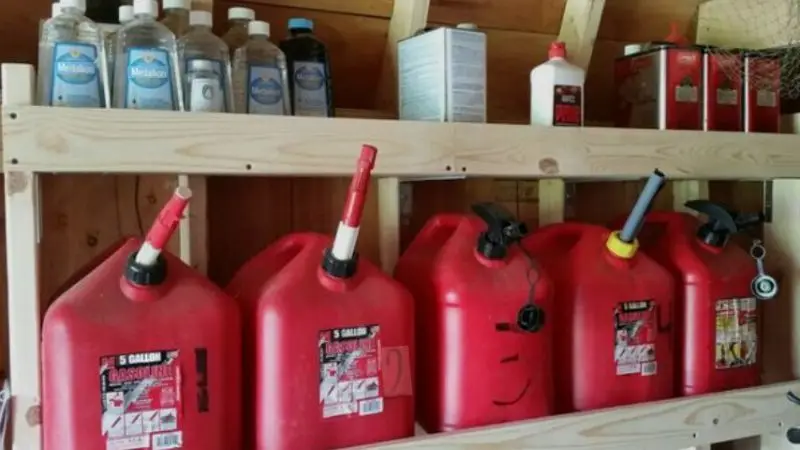
Methanol in gasoline prevents freezing but doesn’t affect octane levels. It should be stored in a well-ventilated area free from sunlight, heat sources, or ignition sparks. Keeps from pressure buildup, spillages, and fire hazards. A sturdy gas jerry can stored at the appropriate location can help keep your family and equipment safe.
Where to Store Gasoline Jerry Cans
Select a flat and stable surface located in a well-ventilated shed or garage. Never keep gasoline in your home or basement, as vapors can build up and cause a fire hazard. Keep cans away from heat sources and electrical plugs. Limit access to children or pets, and lock them up, or add to cabinets if possible. For convenience, please return portable fuel containers to a safe location after use. To prevent the contamination of clean gas, proper storage of your gas storage containers is important.
How Long Can Gas Be Stored
Gasoline can go bad over time, so it is best to store gas for 3-6 months. Fuel that is older may become less effective and may harm engines or machines. Using a fuel stabilizer can delay storage breakdown if longer storage is needed. Be sure to check the colour and smell of older gas before using it; use of sour-smelling or darker fuel is not recommended. If you properly store them, your first jerry can for gas storage will be ready to go when you need it.
How to Safely Pour Gas from a Jerry Can for Vehicles and Equipment
This is a dangerous thing to do if not carried out correctly. To avoid spills, fumes, or fire, use correct containers and follow safe steps. Modern fuel canisters with a spout allow for a controlled pour to reduce mess. When using a can, always place it on the ground. Stand upwind from the target area you are spraying. A leak-proof fuel jerry can ensures that the gasoline stays in its place, protecting you and your equipment. Also, it makes transferring fuel for day-to-day and emergency use a lot safer.
Using Spouts and No-Spill Systems for Jerry Cans
When Jerry cans have pour spouts or no-spill systems, it makes it easier to pour the fuel. A vented spout allows air to enter, enabling gasoline to flow out. A non-vented spout requires the user to pour slowly in order to avoid spilling and splashing the gasoline everywhere. It is advisable never to use a home-made spout or modify your can. Using the spout the right way helps keep your tough gas jerry cans safe and keeps them going for much longer. It prevents spills and keeps the fuel clean while pouring.
Safe Jerry Can Pouring Techniques for Vehicles and Equipment
When pouring gas, follow safe steps to avoid misfortunes. In order to minimize static electricity, set the can down on the ground. Also, touch a metal section of your vehicle first and position yourself upwind. Fix the spout, pour gradually, and stop before the tank gets full. Keep children out, avoid distractions, and never smoke. By following these simple steps, you can safely use jerry cans for gas every time and avoid spills or leaks to protect your jerry can and fuel.
How to clean and maintain a jerry can for fuel storage?
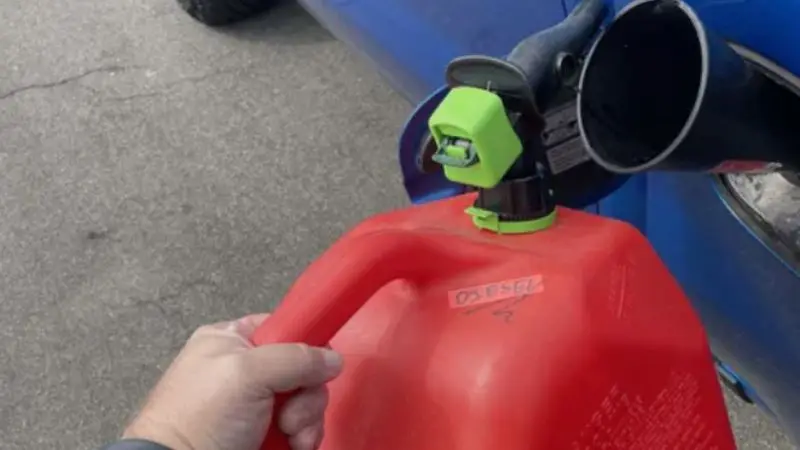
To make the fuel safer and the containers durable, jerry cans should be regularly cleaned and maintained. Examination of your cans for cracks, dents, or rust. Ensure that caps and spouts make a tight seal. Cleaning your containers prevents fuel contamination while regular checks make sure your safe gas storage containers work suitably. By following these steps, you can ensure that your cans last longer, your gasoline is safe to use in engines or equipment, and your best jerry cans for gas are ready to go.
How Often to Inspect Jerry Cans for Gasoline
Check Jerry Cans every three months at a minimum. Check for cracks, dents, rust, and loose handles. Verify that the caps and spouts are both tightly sealed. Immediately replace any damaged cans. Your sturdy gas jerry cans will stay safe and leak-free with regular inspection. By keeping an eye on your containers, you can avoid spills and accidents that will be damaging to your equipment as well as the gasoline used. Quality checks maintain the reliability and safety of your fuel.
How to Clean and Safely Dispose of Old Jerry Cans
Before storing a jerry can or switching between liquids, always rinse it with fresh gasoline. Twirl and pour it out safely, without using water. Allow the cans to dry in an airy place. If you have a broken or old can be it is best to drop it off at a hazardous waste center.
By following these steps, the jerry cans used for gas storage are safe and in use, plus the environment stays safe. Ensuring proper cleaning and disposal protects your community and fuel supply.
Safety Tips and Best Practices for Using Jerry Cans
Handling gasoline safely is very important when it comes to jerry cans. Having a proper rule protects you, your gear, and your home. The right use of durable gas jerry cans will limit spills, leaks, and accidents. Safe practices are to check containers each time used, use approved containers, and tightly close caps. If you go through the above tips, then you can ensure that your family members and safe gas storage containers are reliable while fuel is handled properly each time, either at home, job site, or outdoors.
Key Do’s and Don’ts of Gasoline Jerry Can Safety
When using jerry cans for gas, be sure to follow these dos and don’ts to avoid accidents.
Do’s
- Before you use your jerrycan, inspect it.
- Utilize only containers that are approved.
- Close caps tightly after filling or pouring.
- Position the can on the ground while you fill or pour.
- Make sure to label each can with the fill date.
Don’ts.
- Never smoke or use an open flame in the vicinity.
- Don’t fill cans in cars or buildings.
- Do not fill the container too much.
- Always Ensure To Use Fresh Cans
- Always keep old fuel away from new.
By adhering to these simple rules, the handling of fuel will be safer for people and equipment alike.
How to Transport Jerry Cans Safely
Essential guidelines to follow while transporting gasoline to avoid spills, fume issues, leaks, or accidents. Always keep jerry cans for gas up and secure them to prevent tipping over. Put them on stable surfaces in the trunk, truck bed, or a ventilated area. Do not leave petrol in a hot vehicle or in sunlight. Keep cans away from passengers and handle them cautiously during the trip. Adhering to safe transport practices will ensure your leak-proof fuel jerry can is secure and protects you and the community while travelling.
Wrap Up
A Jerry can is a container that is used for the safe storage and transportation of gasoline. This can be used for gas used in vehicles, generators, and outdoor tools. Using sturdy jerry cans for gas and following correct filling, pouring, and storage techniques helps to reduce spills, leaks, and fire hazards. Choose a safe gas storage container that has tight caps, is made of approved materials, and has spill-proof spouts. Check and maintain cans regularly, and don’t use damaged containers. Your fuel and the environment are both protected if handled, transported, and disposed of correctly. If you follow these best practices, you can count on your gas jerry cans to take care of your fuel, keeping it safe and ready for emergency or everyday use.
FAQ
Is it possible to store gasoline in any type of container?
Use only containers that are approved for gasoline. Examine the product for DOT or UL stamps. Do not use bottles or buckets. You can avoid leaks and keep safe with approved jerry cans.
When does it become time to replace your jerry can?
Check your jerry can no fewer than every ninety days. Check for any cracks, rust, or leaks. Replace the can immediately if you notice damage. Canned goods with dented cans are dangerous.
Can you safely leave a jerry can in a car?
Storing jerry cans inside your car for a long time is not advisable. Pressure can rise due to heat build-up. Always transport cans upright and remove them once you reach your destination.
What steps should you take if you spill gasoline from a jerry can?
Mop spills up immediately. Make use of sand or kitty litter. Let some air in. After cleaning, wash your hands. Never wash gasoline with water.
Is it possible to combine old gasoline and new gas in a jerry can?
Combining fresh and stale gasoline can be detrimental to your vehicle. Utilize fresh gasoline only. Old fuel should be discarded at a hazardous waste centre.