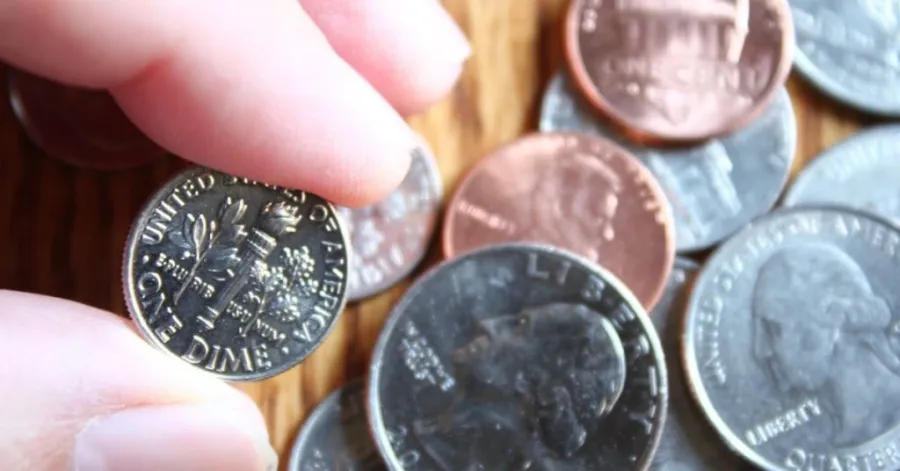
You might wonder if cleaning coins with ultrasonic cleaners is safe for your collection. The reason why people collect coins is that they are naturally beautiful. The use of harsh cleaning techniques can lower the value of a coin.
Ultrasonic cleaners rely on sound waves for loosening dirt and debris. For basic cleaning, it offers a gentler touch. However, they can’t remove tough deposits or corrosion. The safest way to clean coins tends to be the easiest way. Simply soap and water will do the trick. Then just dry them off carefully. Coins should always be handled with care to protect their surface and preserve their beauty forever.
How Cleaning Coins with Ultrasonic Cleaners Works
Ultrasonic cleaners have taken over the cleaning of coins by collectors. This technique allows for effortless dirt removal without the need for scrubbing or chemical products. Whether you’re interested in how it works or which coins are safe to clean, it’s all here. Find out how to avoid hurting rare or antique coins while keeping your collection shiny and clean.
What Is an Ultrasonic Cleaner
An ultrasonic cleaner uses high-frequency sound waves to clean items placed in water. These sound waves create thousands of tiny bubbles that move rapidly and gently lift away dirt and grime. You simply place your coins in the basket, add water, and let the machine do the work. It reaches small spaces that are hard to clean by hand, making it a great tool for collectors.
When it comes to choosing the best ultrasonic cleaner for coins at home, look for one that offers adjustable settings and a gentle cleaning mode. This helps ensure your coins remain safe during the process. Ultrasonic cleaning is especially effective for modern coins, giving them a bright, fresh look without damage.
Which Coins Are Safe to Clean
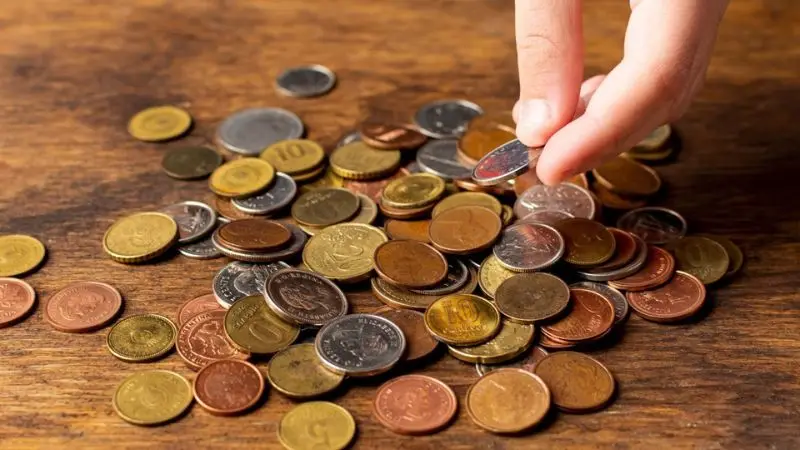
It is best to know what coins you can safely clean before you start. Ultrasonic cleaning is usually safe with modern coins, pocket change, or coins of low numismatic value. Warm water alone tends to be sufficient in loosening and removing dirt. Do not use chemicals and soaps, as these might spoil the surface of the coin.
When it comes to using an ultrasonic cleaner to clean coins, it is easy; all you need to do is make sure your coin is filled with water, put your coin in the tank, and run a short cleaning program. Dug coins are also cleaned in this manner, commonly coming out of soil material; they are rarely of value. Old or rare coins, however, must be handled delicately, as cleaning them might reduce their value.
Risks to Old and Valuable Coins
You should never use an ultrasonic cleaner on rare or valuable coins. These coins often have a patina — a natural layer that forms over time and adds character and value. Ultrasonic cleaning can strip away this patina, leaving the coin less appealing to collectors. It can also cause tiny scratches if the settings or cleaning solution are too harsh.
Many collectors ask, Does ultrasonic cleaning damage coins? For modern coins, it’s safe when done correctly. But for rare or historical pieces, it can cause irreversible harm. If you own expensive or unique coins, consult a professional before cleaning them. You might consider an ultrasonic coin cleaner for rare coins only under expert guidance.
How to Use an Ultrasonic Cleaner for Cleaning Coins
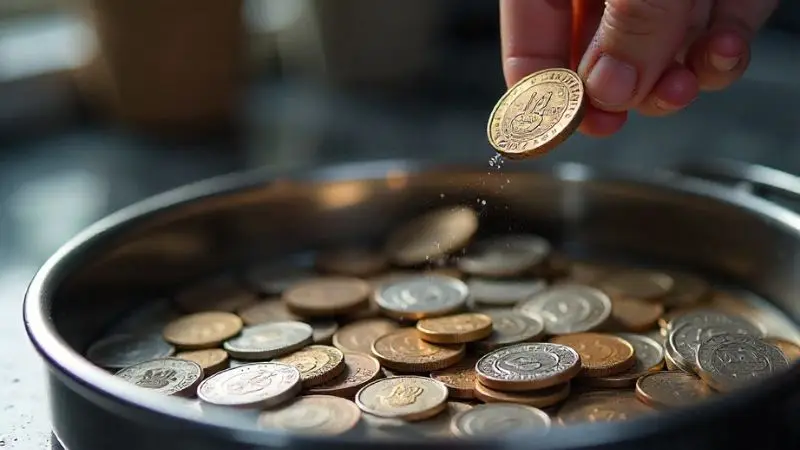
Once you understand the basics, learning how to use an ultrasonic cleaner for coins is simple. This process helps remove surface dirt while keeping your collection safe from harsh chemicals or damage. Before you start, make sure you handle each coin carefully and follow the right settings. With proper preparation and attention, your coins can look cleaner and more polished in just a few minutes.
Step 1: Prepare the Coins and Equipment
Prior to cleaning, check for cracks, chips, or deep scratches on the coin. Never put damaged coins in the ultrasonic cleaner. The vibrations can make the damage worse and even break off small pieces. Get your ultrasonic cleaner, basket, and clean water ready at hand.
Place coins in the basket carefully without allowing them to touch each other so that they don’t get scratched while being cleaned. Be sure to wash your hands to keep coins clean. Germs, oils, or dirt can hurt the coin. If you take some time when preparing your coins, you will protect their finish and achieve better cleaning results while keeping your collection looking great for years.
Step 2: Choose the Right Cleaning Solution
When using an ultrasonic cleaner, plain water is the safest and most effective choice for cleaning coins. Warm or hot water works best to loosen dirt and grime without harming the metal. Avoid using soaps, detergents, or chemical solutions, as they can strip away the coin’s natural shine or damage its surface.
Many collectors prefer distilled water because it prevents mineral spots and keeps coins looking clean and bright. Using only water helps protect the patina and finish that gives coins their character. For the best ultrasonic cleaner for coins at home, follow the manufacturer’s instructions and keep the process gentle and simple.
Step 3: Set the Time and Power Properly
Ultrasonic cleaning is powerful and efficient, yet it is necessary to use proper settings to ensure your coins are not damaged. Start off with a five- to ten-minute cycle and select the minimum power level possible. Putting a lot of power on or cleaning them for too long a time may scratch or make the delicate details on your coins dull.
Check the coins after every cycle and only rerun a short cycle if necessary. Gradual cleaning will always be preferable to excessive cleaning. It allows you to save your coins and, in the process, restore the natural shine of your coins.
Step 4: Follow Important Safety Precautions.
Always put safety first when using an ultrasonic cleaner to clean coins. Do not clean rare, antique, or precious coins, as it may remove their natural look and lessen their value after exposure to strong vibrations. Don’t mix coins made of different metals in the same cleaning cycle. The metals might react and discolor or stain.
Put coins in a basket that don’t touch each other to make the cleaning easier. If you don’t know what the coin is worth, then ask a professional before going forward. When thinking of using an ultrasonic coin cleaner for rare coins, you may want to avoid costly damage.
Step 5: Rinse, Dry, and Inspect Your Coins
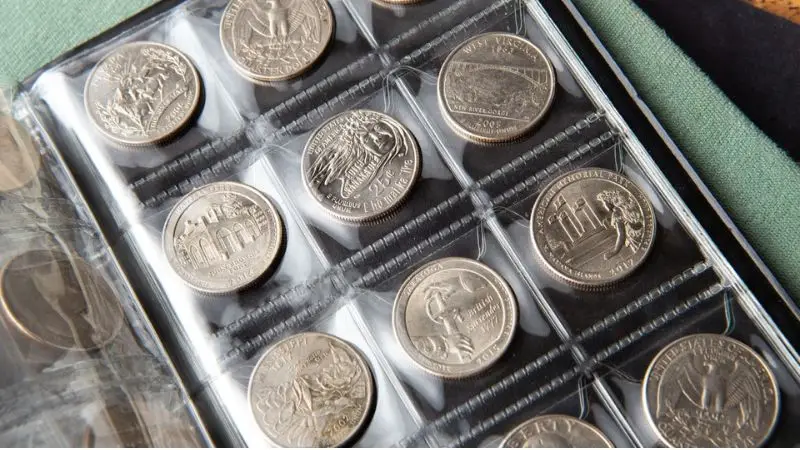
After cleaning, carefully remove the coins from the ultrasonic cleaner and rinse them with clean water to wash away any loosened dirt or residue. Use a soft, lint-free cloth to gently pat each coin dry, or let them air dry completely. Once dry, examine the coins under good lighting to check for any scratches, dull spots, or color changes.
If you notice any signs of damage, stop using the ultrasonic cleaner for those specific coins. When performed properly, ultrasonic cleaning restores a bright, polished look while protecting the coin’s fine details, natural finish, and overall collector value for the long term.
Wrap Up
Cleaning coins with ultrasonic cleaners is an easy and gentle way to remove dirt without harming modern coins. Always use clean water and the lowest settings to do it safely. Don’t use any soap, chemical, or cleaner on rare coins. The key is to clean carefully, not aggressively. Ultrasonic cleaning keeps the coin bright while not harming its surface. If you would like to learn how to use an ultrasonic cleaner for coins or are looking for the best ultrasonic cleaner for coins at home, gentle cleaning with patience will help you maintain the beauty and value of your collection.
FAQ
Do you use an ultrasonic cleaner on all coins?
No, one should not use an ultrasonic cleaner with all types of coins. Modern or low-value coins only. Coins of rare type or age may well lose the patina and value of such cleaning. Always ensure that you keep important coins; do not clean them with ultrasonic cleaning.
Which liquid is the safest to use in an ultrasonic cleaner?
Clean water is the safest liquid that can be used in an ultrasonic cleaner. Mild or hot water is most effective when it comes to cleaning dirt. Soaps, detergents, or chemicals should also be avoided because they harm the surface and lessen the natural shine of the coin and its collectible value.
Will ultrasonic cleaning decrease dirt on coins completely?
Ultrasonic cleaning is used to clean the surface of a coin to get dirt and grime off it and leave it looking cleaner. It is, however, unable to eliminate hard deposits, corrosion or deep stains. It also does not alter the natural color or patina of the coin, which allows it to maintain its original appearance and worth.