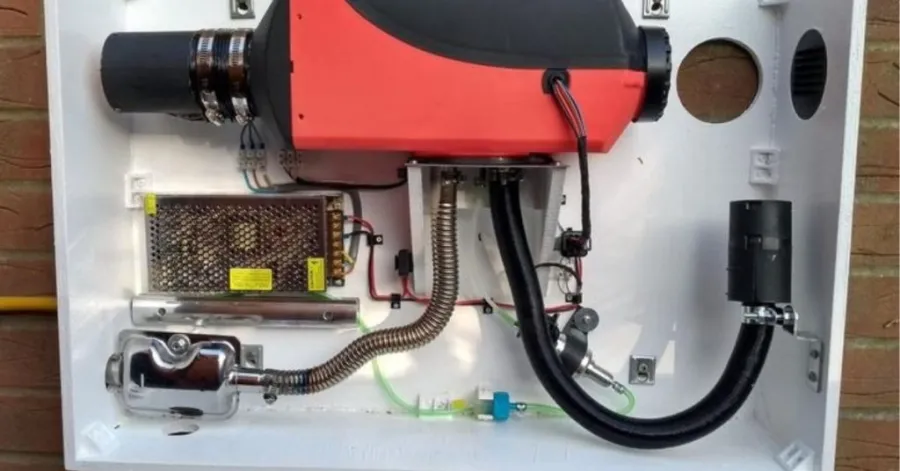
When selecting the best diesel heating for homes, prioritize safety above all. Ensure that the heater operates efficiently and is easy to install. Consider the reputation of the brand and the level of support or assistance available. It’s also essential to think about the maintenance requirements of the heater. Don’t forget that your home’s insulation plays a crucial role, and the specific room where you plan to use the heater is essential as well. Bedrooms and living rooms require a comfortable environment. Use these tips to guide your decision-making process.
Diesel Heating for Homes: Safety
safety certifications
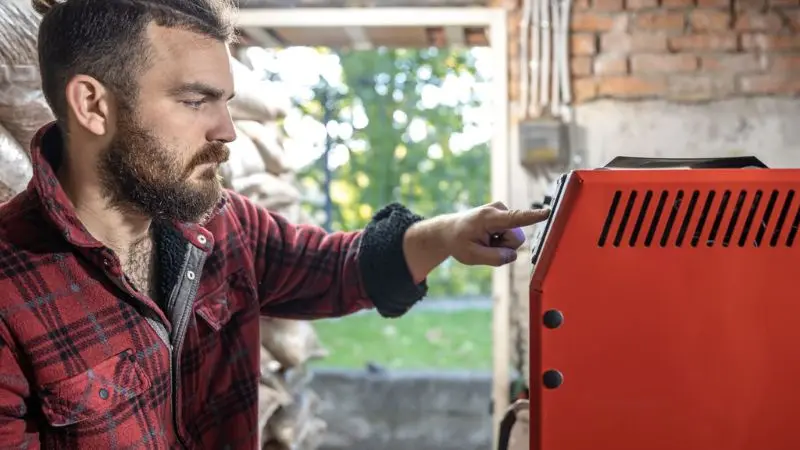
When you pick diesel heating for homes, look for safety certifications. These show the heater meets rigid safety rules. You should see labels from groups like UL or CSA. These groups check heaters for fire and electrical dangers. If you spot a certification, the heater has passed safety tests. This helps you stay away from unsafe heaters. Features like automatic shut-off and overheat protection help keep you safe. Always buy a diesel heater with clear safety certifications. This choice enables you to feel secure and follow good safety habits.
Carbon Monoxide Protection
Diesel heating for homes can produce harmful gases. Carbon monoxide is one of the worst dangers. This gas cannot be seen or smelled. If it builds up, it can make you sick or even kill you. You need a carbon monoxide detector when using a diesel heater inside. Put the detector close to the heater and near the bedrooms. The detector will beep if it finds too much monoxide. This warning lets you act before it gets dangerous. Test your carbon monoxide detector every month. Change the batteries often. Never ignore the alarm. If it goes off, turn off the heater and leave right away. Diesel heater safety requires you to pay attention to these things.
Fuel Leak Checks
Fuel leaks can start fires or let out harmful fumes. Before using diesel heating for homes, check all fuel lines and connections. Look for wet spots or the smell of diesel fuel. If you find a leak, fix it before turning on the heater. Always put your diesel heater on a surface that does not burn. This lowers the chance of fire if there is a leak. Good safety features are leak sensors and automatic shut-off valves. These help keep your home safe from danger. Make fuel leak checks part of your routine. This keeps your diesel heating for homes system safe and working well.
| Safety Step | Why It Matters |
| Check certifications | Make sure safety is tested |
| Use a carbon monoxide detector | Warns you about dangerous gas |
| Inspect for fuel leaks | Stops fire and harmful fumes |
| Place on a safe surface | Lowers fire risk |
You can enjoy diesel heating for homes if you follow these safety steps. Always watch out for dangers and use the right safety features. This keeps your family safe and your home warm.
Diesel Heater Efficiency & Installation
Heater Size and Output
If you are wondering, is diesel heating suitable for homes? You need to choose the right size diesel heater for your home. A heater that is too small will not warm your space. A heater that is too large can waste fuel and money. Start by measuring the room you want to heat. Check the heater’s output, which is usually listed in BTUs or kilowatts. Use the chart below to match your room size with the correct output:
| Room Size (sq ft) | Recommended Output (BTU) |
| Up to 200 | 5,000 – 8,000 |
| 200 – 400 | 8,000 – 15,000 |
| 400 – 600 | 15,000 – 20,000 |
Power Options (12V DC vs 120VAC)
How to install a diesel heating system at home? You can pick between 12V DC and 120VAC models. A 12V DC diesel heater works well if you want to use it off-grid or with a battery system. This option is popular for cabins or backup heat. A 120VAC model plugs into a standard home outlet. It is a good choice for most homes. Think about your power source before you buy. Each type may need a different installation process. Make sure you follow the instructions for appropriate installation to keep your heater safe and reliable.
Home Insulation Impact
Insulation plays a significant role in how well your diesel heater works. Sound insulation keeps heat inside your home. Poor insulation lets heat escape, so your heater must work harder. This lowers efficiency and raises your heating costs. Check your windows, doors, and walls for drafts. If there is a need, you can also add weather stripping or insulation. Better insulation will save fuel and keep you warmer.
Essential Factors to Consider Before Buying
Reputation and Reviews
You want a reliable diesel heater for your house. First, check what people think about each brand. Select brands that adhere to performance and safety regulations. Read actual customer reviews on reliable websites. Reviews let you know if a heater is effective in a home. Check for reviews regarding its usability, loudness, and duration. Choose a different brand if many people report issues. When comparing brands, follow professional advice. You can trust a product with a good name.
After-sales Service
After-sales service helps you fix problems after you buy. You need a company that answers your questions fast. Good support follows the rules for assisting customers. See if the company has phone, email, or chat help. Some brands give you online guides and videos. These help you fix minor problems by yourself. If you need new parts, ask how fast they send them. Good after-sales service makes owning a diesel heater easier.
| Service Type | What to Look For |
| Phone Support | Fast answers |
| Email Support | Clear instructions |
| Spare Parts | Quick shipping |
Warranty Coverage
A strong warranty keeps your money safe. Look for heaters with at least one year of warranty. Read the warranty rules before you buy. Some only cover parts, others cover labor too. If your heater breaks, a good warranty saves you money. Ask how to use the warranty if you need it. Keep your receipt and warranty papers safe. A good warranty means the company trusts its own product.
Common Mistakes to Avoid
Selecting the Wrong Heater Size
A bigger diesel heater will heat your home faster. In reality, the wrong size can cause problems. A heater that is too small will not keep you warm. A heater that is too large will waste fuel and money. Always check the size of your room and match it to the heater’s output. Use the manufacturer’s chart to help you choose. This simple step saves you from high bills and cold nights.
Poor Ventilation Setup
Ventilation is one of the most essential safety practices. Without proper ventilation, harmful gases can build up inside your home. You need to make sure fresh air can flow in and out. Place your diesel heater near a window or vent. Never block airways. Good ventilation keeps your air clean and safe. If you use your heater in a small room, double-check that you have proper ventilation. You should also install a carbon monoxide detector as an extra safety step.
Ignoring Fuel Quality
You may want to use any diesel fuel you find, but poor fuel quality can damage your heater. Dirty or old fuel can clog parts and lower efficiency. Always buy clean, fresh diesel from a trusted source. Check your fuel for water or dirt before you pour it in. Good fuel helps your diesel heater last longer and work better.
Skipping Regular Maintenance
Proper maintenance is key to a safe and long-lasting heater. Many people forget to clean filters or check for leaks. You should follow the manufacturer’s guide for regular maintenance and inspection. Replace worn parts with genuine ones. To verify genuine spare parts, look for the brand logo and buy from trusted dealers. These practices keep your heater safe and efficient.
| Maintenance Task | How Often |
| Clean filters | Every month |
| Check for leaks | Every use |
| Inspect ventilation | Every use |
| Replace worn parts | As needed |
Good practices and proper maintenance of a diesel heater will help you avoid costly repairs and keep your home safe.
Conclusion
You want the best for your home. Focus on these key points before you buy a diesel heater:
- Check safety features and certifications.
- Choose the right size and power for your space.
- Make sure installation is easy and fits your needs.
- Pick a brand with good reviews and firm support.
- Plan for regular maintenance.
Always put your safety and well-being first, especially in bedrooms or enclosed spaces.
FAQ
How often should you service your diesel heater?
You should check and clean your diesel heater every month. Replace filters and inspect for leaks. Regular service keeps your heater safe and efficient.
Can you use a diesel heater in a bedroom?
Yes, you can use a diesel heater in a bedroom. Always install a carbon monoxide detector. Make sure the room has good ventilation for safety.
What fuel works best for home diesel heaters?
Use clean, fresh diesel from a trusted source. Avoid old or dirty fuel. Good fuel helps your heater last longer and work better.
Do diesel heaters smell inside the house?
A properly installed diesel heater should not smell indoors. If you notice a smell, check for leaks or poor ventilation. Fix problems right away.
Are diesel heaters noisy?
Most modern diesel heaters run quietly. Some models make a soft humming sound. Check reviews for noise levels before you buy.