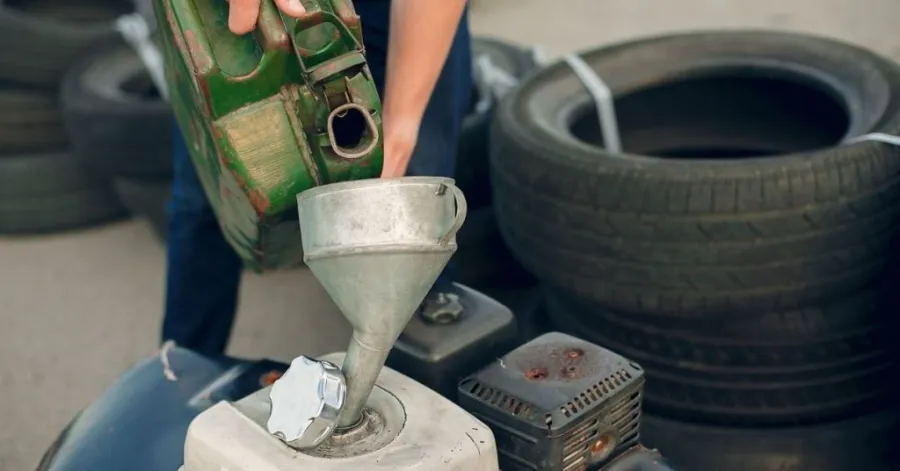
The Safe use of portable fuel storage tanks or jerry cans can save your life, the lives of other people, and your property. Approved tanks are manufactured in compliance with safety regulations, which helps prevent accidents such as leaks, fires, or spills. No matter the size of errors, they might pose significant risks; thus, caution is expected. Always place tanks on firm, dry ground, and do not leave them in the vicinity of heat or sparks.
Check lids and seals prior to use, and do not overfill. These are the key steps to take to keep your portable fuel storage tanks safe, maintain clean fuel, and prevent unnecessary risks during the storage and transportation of fuel.
How to Set Up Portable Fuel Storage Tanks Safely
Setting up portable fuel storage tanks correctly is essential to prevent accidents and keep your fuel secure. Following proper guidelines ensures your tanks are stable, safe, and compliant with regulations.
Choosing Approved Containers for Portable Fuel Storage Tanks
Always store flammable liquids in containers, such as a certified jerry can, that meet a suitable safety standard. Certified containers bear certification signs that indicate they have satisfied a leak test and a durability test. It is best to avoid using old paint cans, plastic bottles, or other untested containers that are likely to break and cause spills or fires.
- Check the certified marks on containers prior to use.
- Select containers that are best suited to the portable fuel storage tanks on the trucks.
- Remember to close lids and closures to avoid leakage.
Selecting a Safe Location for Your Fuel Tanks
Where you place your tanks is just as important as the containers themselves. Proper positioning reduces fire risk and makes fuel handling safer.
- Keep tanks at least 20 feet away from buildings, vehicles, and heat sources.
- Place tanks on firm, level ground to prevent tipping.
- Avoid locations near windows, doors, or vents.
- Protect tanks from direct sunlight, which can heat flammable liquids and increase fire hazards.
Maintaining Safe Distance Around Tanks
The safe distance from tanks is necessary to avoid unintentional ignition and spills. Do not place tanks less than 20 feet away. Do not place the stacks close to sources of heat or vents. The tanks are kept cooler in the shade, which lowers the chances of pressure buildup. Keep a distance to keep your property safe and to store fuels safely.
When storing fuel safely in portable tanks, consider testing the spacing and identifying potential hazards around them. Simple yet effective, proper distancing will help minimize fire hazards, stabilize flammable liquids, and make your portable fuel tanks with hose and nozzle less risky to transport.
Stacking Limits for Portable Fuel Storage Tanks
Making fuel tanks in stacks is likely to cause spills, leaks, or fire. To be safe, follow the following guidelines:
- Do not stack tanks greater than 30 gallons.
- Tanks should be placed on flat, even floors.
- When placing smaller tanks together, you should remember that the bottom tank should be able to hold the weight.
- Do not pile up on loose ground.
These setup steps can assist you in the safe use of portable diesel tanks using an electric pump and other fuel storage to ensure you, as well as others, and your property are not put at risk.
Fuel Preparation and Filling for Portable Fuel Storage Tanks
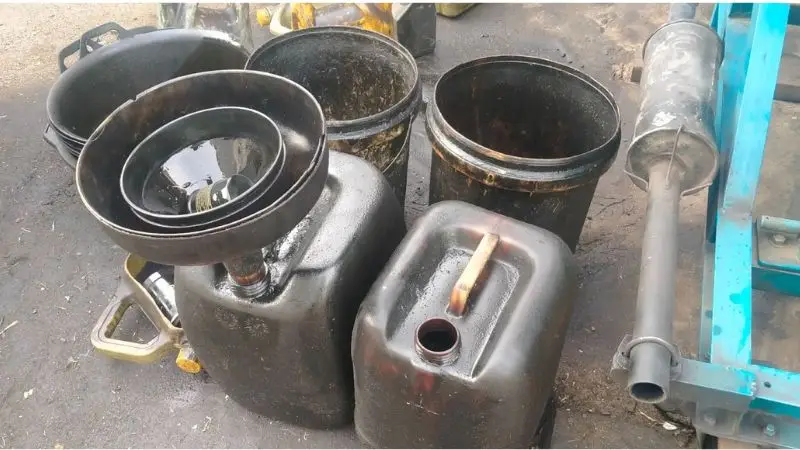
Proper fuel preparation and careful filling are essential for safe storage and reliable performance. Following the right steps ensures your fuel stays fresh and your equipment runs smoothly.
Using Fuel Stabilizers to Keep Fuel Fresh
Fuel stabilizers are necessary when storing gasoline or diesel for extended periods. They stabilize fuel and stop its degradation and loss of strength. Never fill your tanks to the top, never exceed the amount recommended by the label on your stabilizer. This ensures that the stabilizer is properly mixed with the fuel, preventing oxidation or gumming.
To learn how to keep fuel safe in portable tanks, the use of stabilizers is important. Stabilized fuel can improve your engine’s performance and reduce the likelihood of maintenance problems. It seems to be a good idea to add stabilizers to the best portable fuel storage tanks, truck or portable diesel tanks with an electric pump to store them long-term.
Safe Filling Procedures for Portable Fuel Storage Tanks
Making sure that your fuel tanks ir jerry cans are filled safely will help in avoiding spills, fires, and accidents. Never fill tanks on a sloping surface or on an open fire, or in the presence of a vehicle. Switch off engines prior to starting and close the nozzle tightly to the tank opening to prevent splashes.
Slowly fill up, leaving room at the top to allow fuel to expand. Wear gloves and protective glasses. Don’t smoke in the house and have a fire extinguisher close by. Portable fuel tanks with a hose and nozzle make the process safer and cleaner, and the technique will keep your fuel untouched and in place.
Labeling and Rotating Your Fuel Tanks
An essential aspect of safe control of fuel is the labeling of every tank. Write with waterproof markers or heavy labels the type of fuel and when it was filled. The rotation of your tanks using the old fuel is the best way to keep it fresh and prevent deterioration.
Check and renew the labels regularly whenever you refill the tank. Labeling and rotation are used to enable you to keep fuel safe using portable tanks and fuel quality. This is to ensure that your best portable fuel storage tanks, to trucks or portable diesel tanks with an electric pump, are in good health, safe, and clean for reliable working conditions.
How to Handle and Transport Portable Fuel Storage Tanks
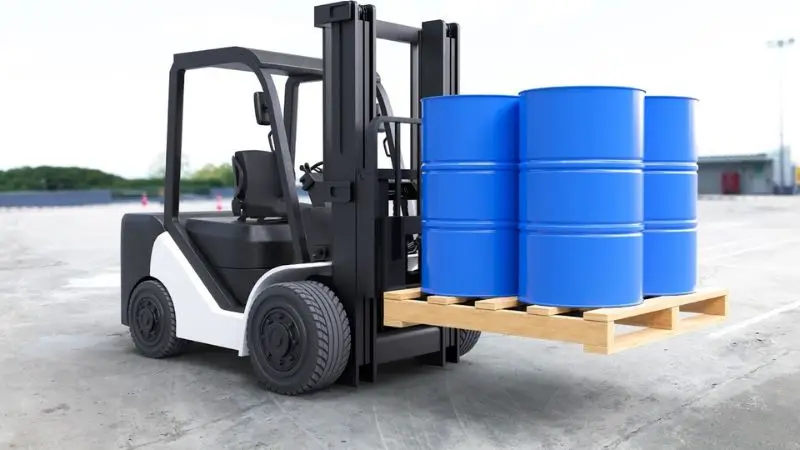
Safe handling and transport of fuel tanks are essential to prevent spills, leaks, and fire hazards. Proper preparation ensures that your fuel stays secure while keeping you and others safe.
Securing Tanks Before Transport
Fuel tanks should always be secured before relocating. Loose tanks may tip and lead to spills, fire, or injury. Ensure lids are closed securely and secure tanks with straps, bungee cords, or tie-downs to keep them upright in your vehicle or trailer.
Do not ever permit tanks to roll or shift in transit. To ensure safe storage of fuel in portable tanks, it is important to ensure they are properly secured. By adhering to these measures, there is a guarantee that the best portable fuel storage tanks in trucks will be stable and safe during transportation.
Using Trolleys to Move Heavy Tanks
Fuel tanks are heavy and hard to handle, especially when they are large. A trolley or cart comes in handy to avoid dropping tanks and spilling fuel. Balance the tank and travel slowly. Get help when a tank is too heavy. Select a trolley that has strong wheels and can sustain the weight and size of the tank.
Use your finger to push the trolley and not to pull. Portable fuel tanks with a hose and nozzle on a trolley are easier and less messy to transport; the chance of accidents is minimized in this way, and above all, so that the fuel does not spill onto the road.
Avoiding Heat and Sunlight During Transport
Heat and direct sunlight can cause fuel to expand inside tanks, leading to leaks or increased fire risk. Always transport and store tanks in shaded areas whenever possible. Covering tanks with a light-colored cloth can help reduce heat exposure.
Never leave tanks in a hot vehicle or near heaters. Following these precautions when using portable diesel tanks with an electric pump or other fuel storage ensures safety. Proper handling and placement help prevent spills, leaks, and accidents, keeping your fuel secure and reducing hazards during transport.
How to Refuel and Diesel Tank Safety
Refueling and handling diesel safely is critical to prevent fires, spills, and accidents. Following proper precautions ensures your equipment runs smoothly and your fuel stays secure.
Cooling Equipment Before Refueling
It is advisable always to provide time to allow the engines and equipment to cool down before refueling. Where it leaks, hot engines can catch fire, making the risk of having a fire or explosion come into existence. Wait at least ten minutes after the equipment turns off and touch the metal surface to measure the temperature.
Always refuel with stopped engines. Follow how to store fuel safely in portable tanks in order to protect your fuel during refueling. Keeping portable diesel tanks safe and using electronic pumps or other containerized and approved containers when equipment is cool minimizes risks and makes work on fuels safe.
Avoiding Static When Handling Fuel
Static electricity can ignite combustible liquids, so grounding is essential. Always place safety cans and tanks on the ground rather than on plastic or truck beds. Use approved grounding wires for larger diesel tanks, and avoid filling tanks in dry, windy conditions. Wear cotton clothing to minimize static buildup.
Static Safety Tips:
- Wire grounding: Sparks and ignition prevention.
- Cotton garments: Do not create static hazards.
- Plastic surfaces should be avoided: prevent the formation of statues.
By doing these measures, your portable fuel tanks’ hose and nozzle will be ina safe condition and the chances of igniting fire will be minimized.
Diesel Tank Safety
Diesel can also ignite, although it is not as flammable as gasoline. Always keep safety cans that are made to hold diesel and combustible liquids. Label each tank clearly, and keep them out of the heat and sunlight. Check tanks before usage to confirm that they are free of leaks and are in an upright and secure position.
Do not store diesel with other flammable liquids, and clean up any spills immediately to minimize risk. The best portable fuel storage tanks with an electric pump can be used after these precautions to avoid fires, explosions, and accidents, and keep the diesel fuel safe and available to use.
How to Maintain and Inspect Tanks
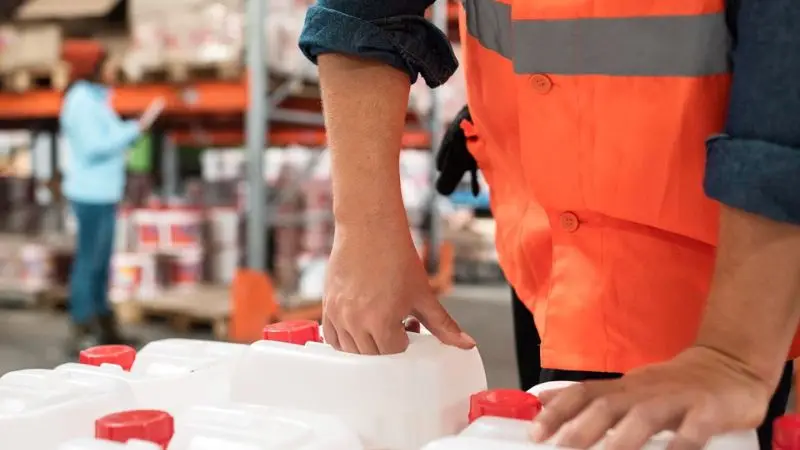
Regular maintenance and inspection of portable fuel storage tanks are essential for safety and longevity. Regularly checking tanks helps prevent leaks, spills, and other hazards, keeping both your fuel and equipment secure.
Checking for Leaks in Portable Fuel Storage Tanks
Never use a tank without first testing to see if there is leakage. Leaks may lead to spills, which could cause fires or environmental damage. Check the tank surrounding areas, including the area around the tank, for wet spots, stains, or foul fuel smell. Check on seams, valves, and rust or cracks.
Use a clean cloth to wipe the tanks to identify fresh fuel and inspect the bottom to confirm that there is no puddle or stains. Promptly clean up any spills. These steps are best followed using the best portable fuel storage tank in trucks, a portable fuel tank with a hose and nozzle, as these will result in big safety in handling and storage of the flammable liquids.
Monitoring Pressure in Fuel Tanks
Tanks containing flammable liquids can build up pressure over time. Too much pressure can cause bulging or bursting, while too little allows air and water in, damaging fuel quality. Always monitor pressure using a gauge if available. Listen for hissing when opening caps and release pressure slowly according to the manufacturer’s instructions.
Pressure Monitoring Tips:
- High pressure: Release carefully.
- Low pressure: Inspect for leaks or damage.
Regular pressure checks on portable diesel tanks with electric pumps help prevent spills, fires, and fuel contamination, keeping your storage safe and reliable.
Signage and Compliance for Fuel Storage Areas
There are clear safety signs on the tanks informing people of a possible danger. Install labels such as “No Smoking,” “Flammable,” or “Fuel Storage Area.” Hang them in visible places and change the old or broken signs as soon as possible. See local laws that may require extra compliance; some rules might require signage or inspections.
- Post signs all around the tanks.
- As necessary, update or replace signs.
- Adhere to local regulations of portable fuel storage tanks.
With the use of proper signage, inspections, and pressure monitoring, it is ensured that the methods of storing fuel safely in portable tanks are upheld, minimizing your risk and keeping your storage area safe and in compliance.
Wrap Up
Safety, efficiency, and long life of fuel tanks require proper handling, storage, and maintenance. Always keep them in approved containers, close the tanks, and store them with no heat and sunlight. To prevent fuel spoilage, add stabilizers, fill the tanks slowly, and check the pressure often.
Smart labeling, frequent inspections, and appropriate signage can be used to avoid accidents and improve safety regulation adherence. With the best portable fuel storage tanks used for trucks, portable diesel tanks with an electric pump, or portable fuel tanks with a hose and nozzle, these steps help retain the safety of fuel, protect your equipment, and ensure the safety of those around you.
FAQ
The question is, how frequently should you check portable fuel storage tanks?
Tanks can be inspected by you before use and at a minimum once a month. Look for leaks, rust, or damage. Fuel checks will protect you and ensure that you spot problems earlier.
Are you able to park portable fuel tanks inside the house?
Fuel tanks are not to be kept inside. Store tanks in the fresh air and dry. Storing resources indoors poses more risk of fires and might lead to toxic exhalations.
What do you do upon the spillage of fuel in a tank?
Wipe up any spillages immediately with absorbents. Gloves on and the place well ventilated. Properly discard clean-up materials. At all times, with easy reach to your storage space, be sure to have a spill kit.
Will any container be safe for storing fuel?
Containers that are approved should be used for fuel. Containers that have not been approved may leak or burst. Note: certification marks to ensure that your container is safe.