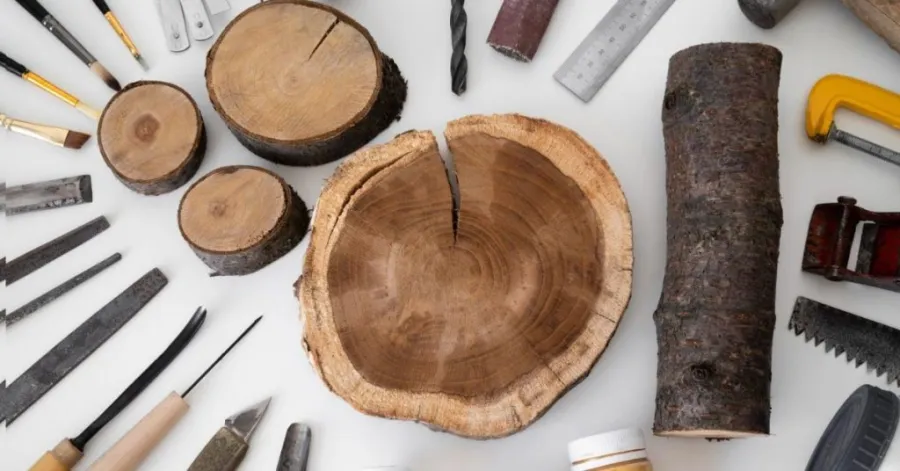
Wood-cutting tools are used to cut, shape, and carve wood, as it is used in every type of project. Hand tools are a common starting place for beginners because they are easy, safe, and suitable for small projects. When in need of cutting faster or more accurately, power tools like chainsaw come in handy. The selection of tools helps you to work more easily and efficiently.
Most woodworkers are seeking the best hand saw to cut wood, power tools to cut wood, or other equipment that will produce clear cuts with no splits. Craft tools are also required in creating decorations, models, or detailed designs.
Types of Wood Cutting Tools
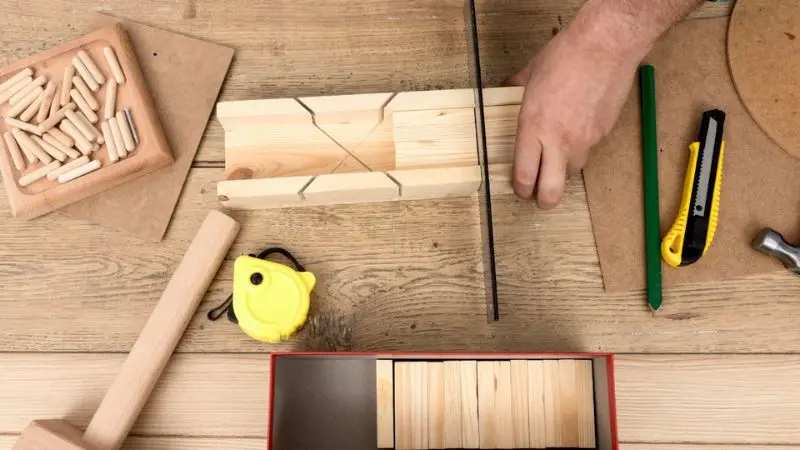
When starting woodworking, it’s important to understand the different types of wood-cutting tools. Each type has its purpose, whether you’re learning basic skills or tackling larger projects. Choosing the right tools can make your work safer, faster, and more precise.
Hand Wood Cutting Tools
Hand wood cutting tools are perfect for beginners and small projects. They give you control over each cut and let you shape the wood with care. If you’re wondering how to build a chicken coop for beginners, starting with hand tools is a great choice because they are simple, safe, and effective.
Some common hand tools for cutting wood include:
- Handsaws – ideal for slicing through boards accurately. Look for the best hand saw for cutting wood to make your cuts smoother.
- Chisels – perfect for carving out small sections or creating details.
- Planes – help smooth and flatten wood surfaces.
Hand tools do not require electricity, so you can use them anywhere. They are especially useful for detailed work or learning basic woodworking skills.
Power Wood Cutting Tools
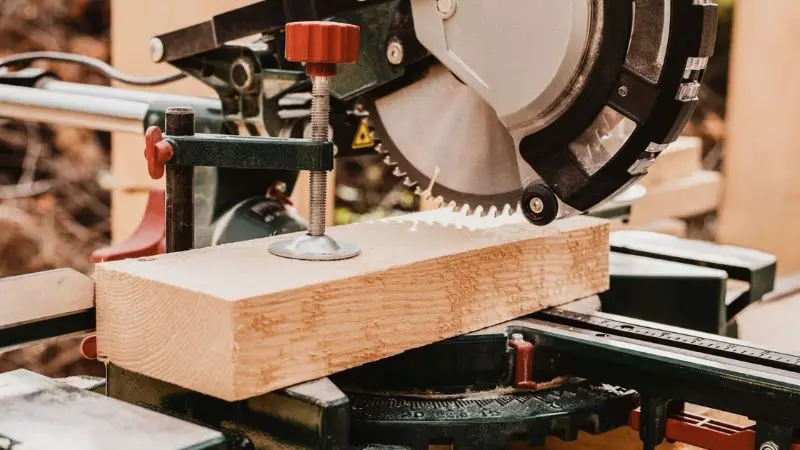
Power wood cutting tools conserve time and energy, particularly on bigger projects. I can cut thick boards and dense sheets easily with such tools. When you are wondering about power tools to cut wood, these are needed for furniture or cabinets, as well as for home repair.
Some of the typical products that could be used to cut wood at home in this category include:
- Circular Saws – they are ideal when cutting in a straight manner on long boards.
- Jigsaws – they assist you when creating curvature or bumpy cuts.
- Miter Saws – Useful in making an angled cut in the frame, trim, or mouldings.
- Chainsaw – cuts thick logs, firewood, and trees.
Power saws give you clean edges and a faster outcome but are always guided by the rules of safety. They are an excellent advancement in case you have already mastered the beginner tools in wood cutting and wish to achieve some more intricate projects.
Specialized and Modern Tools
For unique or professional projects, specialized and modern tools offer precision and versatility. These tools often use advanced technology to achieve detailed results that hand or standard power tools can’t easily match.
Examples of specialized wood cutting tools:
- Laser Cutter – for fine, detailed cutting.
- CNC Machine – lets you design patterns on a computer and cut them perfectly.
- Scroll Saw – perfect for intricate curves and decorative shapes.
These tools are ideal for crafts, signs, and decorative woodworking. As you gain experience, exploring modern cutting tools can help you create professional-quality results.
Types of Saws
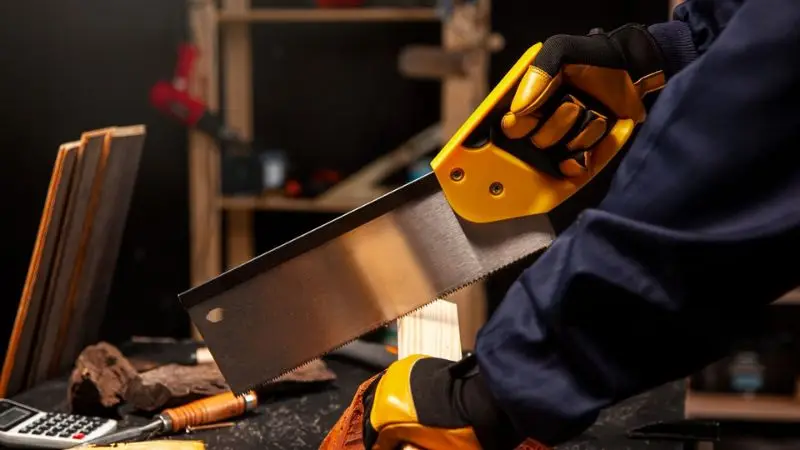
Woodworking uses many types of saws, each suited for certain tasks. Picking the right saw depends on your project, material, and skill level. Understanding saw types makes your work safer, faster, and more precise.
Hand Saws – Simple and Reliable for Beginners
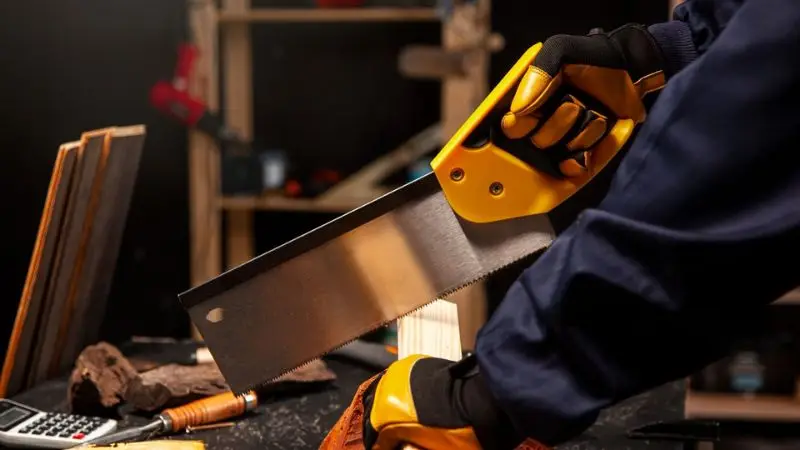
Hand saws are ideal to a novice since they provide you with control and precision. Sliding the blade up and down can be used to make straight lines in small pieces of wood. Hand saws can be used as one of the best tools of learning basic wood cutting skills as a beginner woodworker.
There are crosscut saws used to cut across the grain and ripple saws used to cut with the grain. Hand saws are very suitable when it comes to small-scale repairs, crafts and easy furniture and it goes anywhere without electricity.
Bow Saws – Lightweight and Ideal for Outdoor Work
Bow saws have thin blades held in a metal frame. They are lightweight and easy to carry, making them ideal for outdoor work or rough cuts. Bow saws cut branches, logs, and thick wood quickly. The wide blade allows faster cutting, while the lightweight frame is convenient for gardening or shaping wood for outdoor projects. Bow saws are often used for logs, yard work, or rough wooden furniture, giving beginners a simple tool for outdoor woodworking.
Jigsaws – Flexible for Creative Cuts
Jigsaws use a small blade that moves up and down to cut curves and shapes. You can change the blade depending on the material, which makes jigsaws versatile for different projects. They are great for thin boards, plywood, and decorative woodworking.
Jigsaws help create custom patterns or designs, giving you freedom to experiment. Many hobbyists and crafters use jigsaws as a key hand tool for cutting wood to make furniture accents, toys, or decorative projects.
Miter Saws – Perfect for Precise Angled Cuts
Miter saw machines are also used to cut wood with precision which is appropriate in frames, trim and molding. The rotary blade cuts the wood in a clean and precise cut. You can also make the angle of different projects, which are a picture frame, a baseboard, and sometimes a crown mold. Miter saws are a reliable power woodworking tool to make cuts in wood at home and also the right choice for a person who would like to do professional woodworking without making it look like a dangerous activity.
Band Saws – Smooth Cuts for Complex Work
Band saws have a long, flexible blade, which moves in a circular manner. They can be used to cut curves, spin boards, cut thin strips, or rather, resaw. Band saws can be used with thick wood and finer works. You may make wooden playthings, boards, or furniture out of them. Both hobbyists and professionals use these saws that give smooth and precise cuts that only the more complicated tools can help you in cutting wood at home.
Chain Saws – Powerful Tools for Heavy-Duty Cutting
Chain saws are powerful tools with a sharp-toothed chain that spins around a bar. They cut logs, trim trees, and clear brush quickly. Chain saws are essential for outdoor woodworking projects where speed and power are needed.
Always wear gloves and eye protection when using them. Chain saws are perfect for cutting firewood, preparing logs for furniture, or shaping large wooden pieces, making them a must-have for outdoor and heavy-duty woodworking tasks.
Other Essential Wood Cutting Tools
Beyond saws, several other tools are essential for woodworking. These tools help you carve, shape, smooth, and finish your projects. Whether you are learning how to build a chicken coop for beginners or creating furniture, using the right tools ensures clean, precise results. Hand tools and power tools each have their place, and combining them can make your work more efficient and enjoyable.
Chisels
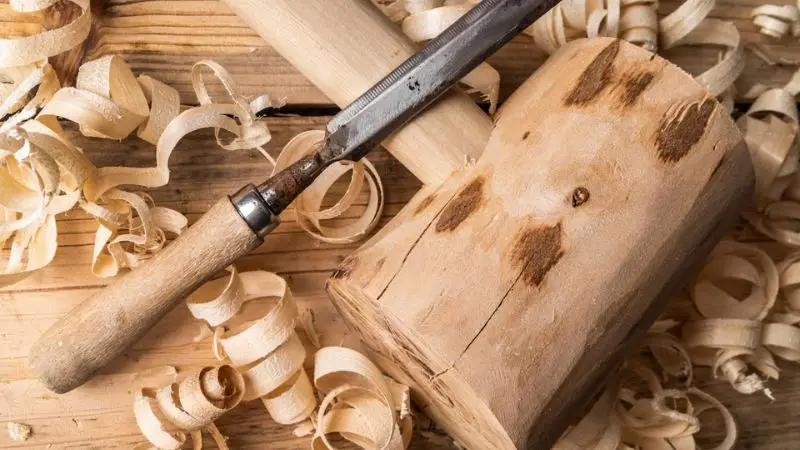
Chisels are versatile hand tools for cutting wood. You use them to carve, shape, or trim wood by pushing or tapping the blade into the surface. Chisels are ideal for making joints, removing small pieces, or adding fine details.
Common uses include:
- Furniture making and repairs.
- Craft projects and decorative woodworking.
- Small adjustments and finishing touches.
Choose a chisel with a comfortable handle for better control, and select different sizes and shapes depending on your project.
Planes
Planes provide a polished look to wood surfaces that have been smoothed out and leveled. As you slide the plane over the wood, you begin to shave towards the wood surface to even boards, remove stubborn patches, or alter the thickness of the wood.
Different Types Of Planes:
- Block Planes: Used for handwork on small pieces of wood, they are light and easy to handle.
- Jack Planes: Used on wide surfaces, they are heavier and bigger in size.
Before commencing on an artwork or furnishing, planes are the most easy and promising tool to use. Make sure to use the tool for an even surface to begin with.
Routers
Routers are power tools that let you cut grooves, edges, and patterns in wood. By guiding a spinning bit along the surface, you can create decorative designs or functional joinery.
Router types and uses:
- Fixed-base – straight grooves.
- Plunge – deep cuts, inlays, or patterns.
Routers are perfect for making signs, decorative edges, and detailed woodworking projects. Changing the bit allows you to match your design precisely.
Lathes
Lathes spin wood while you shape it using chisels or gouges. They are great for creating round objects such as bowls, table legs, or spindles. By adjusting speed and tool position, you can achieve smooth, even results.
Important tips:
- Always wear safety glasses.
- Control the cutting angle for different effects.
Lathes are commonly used for crafts and custom pieces, giving a professional finish to rounded woodworking projects.
Tree Loppers
Tree loppers are hand tools with long handles, designed to cut branches and small logs. They give extra force for rough cuts in outdoor or garden projects.
Uses include:
- Trimming trees and shrubs.
- Cutting firewood.
- Shaping wood for outdoor furniture.
Tree loppers work best for rough outdoor cuts, often used before moving to saws or other woodworking tools.
Other Hand Tools
There are many additional hand tools that make woodworking easier and more precise.
Common examples:
- Mallets – tap chisels without damaging the handle.
- Awls – mark lines or start holes.
- Rasps and Files – smooth rough edges and shape curves.
Keeping your hand tools sharp improves safety and efficiency. Many woodworkers combine these with saws and power tools to achieve the best results. Exploring new tools as you gain experience helps you expand your skills and creativity.
How to Choose the Right Wood Cutting Tool
To have efficient and safe woodworking, it is necessary to choose the appropriate wood-cutting tool. It will all depend on your project, level of skill and budget. The right tool will provide accurate cuts and achieve a higher result and minimize frustration. So, either you are beginning to build a chicken coop or you are making furniture, knowing more about your choices can help you to choose the tools that match your needs and master them in due course.
Match Tools to Your Project
Begin by thinking about your project. Various woodworking tasks cannot be applied with the same tools to give good results. As an illustration, constructing a table would require powerful saws to make straight cuts, and maybe a miter saw to make angles.
The crafts might need smaller saws/handsaw or a special hand tool, as well, to cut wood. To have smooth edges, a band saw or a jigsaw would be appropriate. A chainsaw is ideally used to cut thick logs. Knowing all the cuts you have to make prior to starting will enable you make a good choice.
Pick Tools Based on Skill Level
Your experience affects which tools are safe and effective. Beginners should start with simple hand saws or small jigsaws to learn control and safety. Intermediate users can try miter saws or band saws for larger or more detailed projects.
Advanced woodworkers often use table saws, CNC machines, or other precision power tools for cutting wood to handle complex or custom work. Choosing tools that match your skill level improves results and prevents accidents.
Balance Your Tool Choices with Budget
The budget is also a factor when choosing instruments. Hand saws are cheap, and it is easy to use them for small work or craft. Power saws are more expensive but time-saving on bigger jobs. Premier and expensive tools, such as CNC machines or entire toolkits, offer high features at higher prices. Begin with simple tools and add additional ones as your skills advance. The quality investment, such as the best hand saw to cut the wood or good power tools, gives efficiency and safety in the long run.
How to Maintain Your Wood Cutting Tools
Keeping your wood cutting tools in good condition is essential for safety and efficiency. Regular maintenance prevents accidents and ensures your tools last longer. Whether you are working as a beginner or working on advanced projects, clean, sharp, and properly stored tools make every cut easier and more precise.
How to Clean and Sharpen Wood Cutting Tools
Saws and other cutting tools may get dust, sap and debris, making them more difficult to use. After every project, wipe down each blade with a dry cloth and put a spot of mineral oil on sticky spots. Use a file or sharpening stone to sharpen saws to sustain performance.
Blades that are sharp make the cutting of wood easier and risk-free, whereas dull blades may slip and lead to accidents. Cleaning and sharpening of tools frequently is the key practice of the person that works with hand tools to cut wood or with power tools.
How to Handle Wood Cutting Tools Safely
Safe handling protects you while cutting wood. Always wear safety glasses to shield your eyes from flying chips, and gloves to protect your hands. Check each saw before use and focus on every movement—never rush a cut. Additional tips include:
- Wear ear protection when using loud saws.
- Keep fingers away from moving blades.
- Use clamps to hold wood steady during cuts.
Following these practices ensures both safety and better results, whether using tools to cut wood at home or professional equipment.
How to Store Wood Cutting Tools the Right Way
Proper storage prevents rust, keeps blades sharp, and maintains a safe workspace. Store saws in a dry place, hang them on hooks, or organize them on a pegboard. Cover blades to protect their edges. Well-organized tools are easy to find and help your projects go smoothly. Regularly check your wood cutting tools to ensure they stay in top condition. Good storage habits improve tool life and make every woodworking task safer and more enjoyable.
Wrap Up
Woodworking is rewarding when you use the right tools safely and effectively. Whether you are learning wood cutting tools for making furniture or understanding hand and power tools, it helps you work smarter. Start with basic hand tools for cutting wood and simple saws, then add power tools as your skills grow.
Keep all tools clean, sharp, and properly stored for safety and better results. With practice, patience, and the right equipment, you can complete projects efficiently and enjoyably. Every cut becomes easier, and your confidence as a woodworker will continue to grow.
FAQ
Which wood cutting tool is most appropriate to your beginners?
Being an old-fashioned person, begin with a handsaw. It gets you in charge and teaches you some elementary cutting skills. Small projects and repair work have been discovered to be worthwhile with handsaws. They are safe to use due to practice.
How frequently do you sharpen cutting tools?
After each few projects, you have to sharpen your tools. Wood is cut faster and safely by sharp blades. The sharp tools have the potential to drop and hit. Test your blades prior to use.
Are you able to use power tools in craft projects?
Surely, it is possible to work with power tools using crafts. Jigsaws and routers assist in the making of shapes and patterns. It is best that you use the correct blade and work slowly.
What laws are required when cutting wood?
Even when woodworking, put on safety gear. Eye protection with Safety glasses, hand protection use of gloves, and ear protection use of ear protection is available. These products provide safety in the case of using power or hand wood cutters.