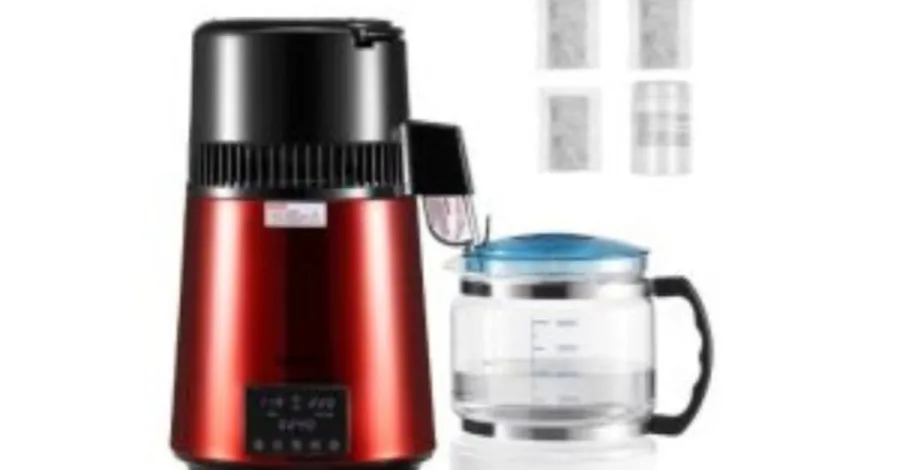
What are some methods to purify water when your supply becomes unsafe? It’s essential to have clean water for optimum health, but it’s not always easy to get. Germs, chemicals, and contaminants that are bad for your health can be hidden in even clear water. This makes things very hard when there is an emergency, when you are outside, or when you are not sure about the quality of your home water. Many people want easy, dependable ways to make their water safe.
In this article, we’ll talk about clean, drinkable water at home and outside, so you may feel comfortable and confident no matter what.
Why Purify Water for Health
Health Risks
Water from a stream or tap may look clean, but might nevertheless carry hidden risks. Bacteria, viruses, and parasites are examples of germs that can make you sick and cause stomach pain, vomiting, or diarrhea. People who are older, younger, or have poor immune systems are more likely to get sick.
A little bit of dirty water might still hurt your health. Using effective ways to clean dirty water ensures protection from harmful microbes and keeps your family safe.
Common Contaminants
Even while water may look clear, it can still contain hazardous substances from rain, farms, factories, or old pipes. These can make it dangerous to drink.
- Bacteria, viruses, and parasites
- Dirt and sand
- Chemicals from farms or factories
- Heavy metals like lead or mercury
You need to know how to clean water without a filter to keep it safe to drink. You can make it safer by boiling it, adding purification tablets, or using sunlight.
| Contaminant Type | Example | Health Risk |
| Germs | E. coli, Giardia | Stomach illness |
| Chemicals | Pesticides | Long-term sickness |
| Metals | Lead, Mercury | Brain or kidney harm |
What Are Some Methods to Purify Water
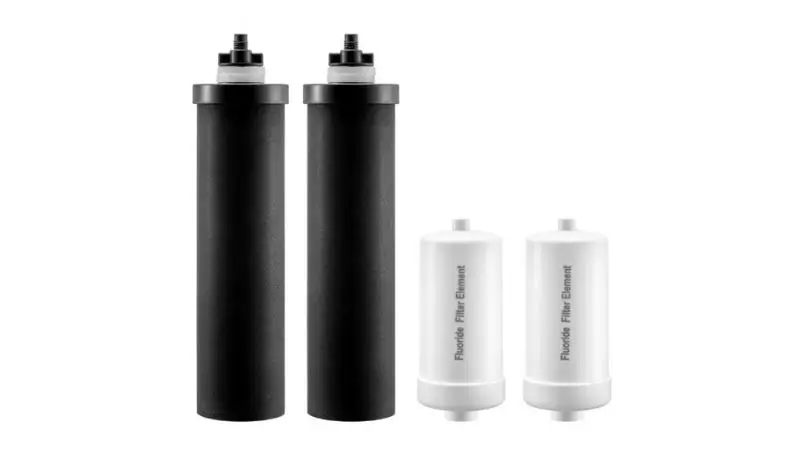
What are the best methods to purify water naturally when you need safe drinking water? The answer is, you have many options, both at home and outdoors. Each technique works in different ways. Some use heat, others use chemicals, and some use special filters.
Boiling
Boiling is one of the oldest and simplest ways to purify water. This is one of the effective ways to clean dirty water.
How to Boil Water:
- Put water in a clean pot or kettle.
- Heat until it starts to boil.
- Boil for one minute (three minutes at high elevations).
- Let it cool before you drink it.
Effectiveness:
Kills bacteria but not chemicals or dirt.
Pros:
- Easy to do
- No tools needed
- Eliminates most germs
Cons:
- Uses fuel
- Doesn’t get rid of chemicals
- It could start a fire
Chemical Treatment
Chemical treatment is a fast way to clean water outside. It kills germs with chlorine, iodine, or other chemicals like them. It is Ideal when considering what method is best for water purification during emergencies.
How to Use:
- Do what the packaging says to do.
- Add drops or pills.
- Mix well.
- Wait half an hour.
- First, filter the hazy water.
Effectiveness:
It kills most bacteria, but it doesn’t remove dirt or metals.
Pros:
- Easy to carry
- Works well for small amounts of water
Cons:
- It doesn’t taste well
- Does not remove heavy metals
Filtration
Filtration is a common way to purify water, helping answer the question of what method is best for water purification during emergencies. Filters vary in size, from home systems to portable ones for travel.
How to Use Filtration:
- Select a filter suitable for your needs (home, vacation, or DIY).
- Pour water through the filter.
- Safely store clean water.
Effectiveness:
Filtration removes sand, dirt, and pathogens. Several filters remove chemicals and metals. Always check filter capabilities.
Pros:
- Eliminates many pollutants
- Enhances flavour and scent
- Different filtration systems, from DIY to complex.
Cons:
- Clogged filters require cleaning.
- Some don’t eradicate viruses.
- Replace filters frequently.
Distillation
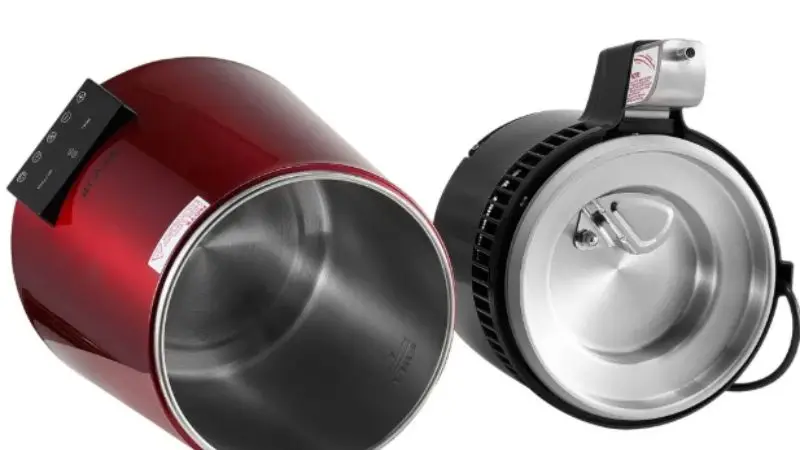
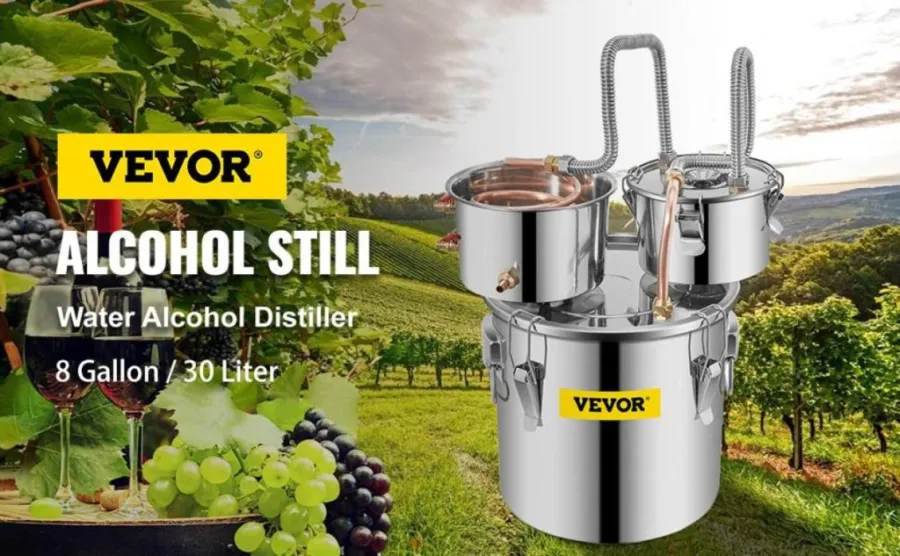
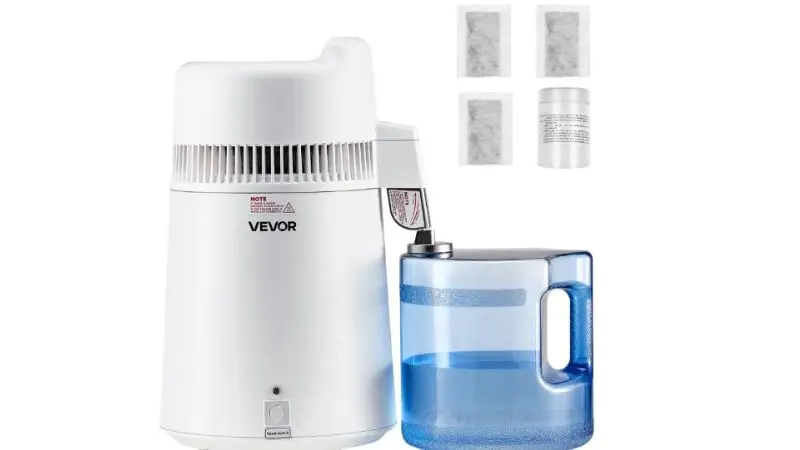
Distillation is one of the effective ways to clean dirty water. You heat water until it turns into steam. The steam leaves behind contaminants. When the steam cools, it turns back into clean water.
How to Distill Water:
- Fill a pot with water.
- Place a heat-safe bowl inside the pot (it should float).
- Cover the pot with a lid upside down.
- Heat the pot until the water boils.
- The steam will collect on the lid and drip into the bowl.
- Let the water cool before drinking.
Effectiveness:
Distillation removes germs, salts, and many chemicals. It works well if you need very pure water.
Pros:
- Removes most contaminants
- Suitable for salty or dirty water
- Can be a diy project
Cons:
- Slow process
- Needs heat and a special setup
- Does not remove some chemicals that turn into gas
Solar Disinfection
What are the best methods to purify water naturally? One practical option is solar disinfection (SODIS). This simple technique uses sunlight to make water safe and works best in sunny areas.
How to Use:
- Put water in a transparent plastic bottle.
- Put it in the sun for at least six hours.
- Sun’s rays will kill most germs.
Effectiveness:
It kills bacteria, but not chemicals.
Pros:
- No gas required
- Easy to do yourself
Cons:
- Needs strong sunshine
- It is sluggish
- It can’t be used with unclean water.
Summary Table: Water Purification Methods
| Method | Removes Germs | Removes Chemicals | Removes Dirt | Speed | DIY Friendly |
| Boiling | Yes | No | No | Fast | Yes |
| Chemical Treatment | Yes | No | No | Medium | Yes |
| Filtration | Some/Most | Some | Yes | Fast | Yes |
| Distillation | Yes | Some | Yes | Slow | Yes |
| Solar Disinfection | Yes | No | No | Slow | Yes |
Best Ways to Purify Water at Home
You want to keep your family safe, so learning how to purify water using household items is essential. Let’s look at the best ways you can do this right in your kitchen.
Boiling at Home
Boiling is a simple way to purify water at home. You just need a pot and a stove. Fill the pot with water and bring it to a rolling boil. Keep it boiling for at least one minute. If you live in the mountains, boil for three minutes. Boiling kills most germs and makes your water safe to drink. Always let the water cool before you use it.
Tip: Boiling does not remove chemicals or dirt. If your water looks cloudy, filter it first.
Filter Water at Home
You can use a water filter at home to remove dirt, sand, and some germs. Many people use a pitcher with a filter or install a filtration system under the sink. Filtration works well for daily use. Make sure you change the filter as the maker suggests. If you want extra safety, combine filtration with boiling or another water treatment method.
Chemical Disinfection
What method is best for water purification during emergencies? It usually comes down to disinfecting with chemicals.
- Mix 1/8 teaspoon of plain, unscented bleach into a gallon of clear water.
- Let it sit for 30 minutes to eliminate germs and make it safe to drink.
Distillation at Home
Distillation helps you purify water at home to remove salts or heavy metals. Heat water until it turns to steam, then collect the steam in a clean container. The steam leaves most contaminants behind. Distillation takes time, but it gives you very pure water.
UV Purification
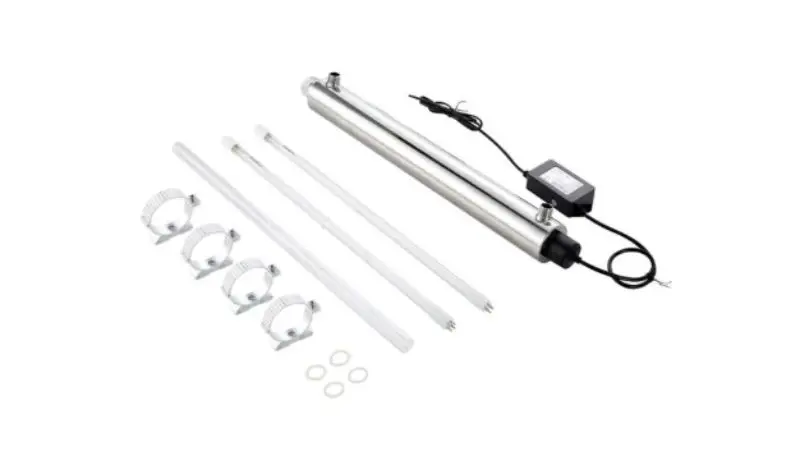
UV light can purify water quickly at home. You can buy a UV purifier that uses ultraviolet light to purify your water. The UV kills germs fast. This method works best with clear water. If your water is cloudy, filter it first. UV purification does not remove chemicals or dirt, but it is easy and safe for daily use.
Tip: Store your clean water in a covered container to keep it safe.
Ways to Purify Water Outdoors
When you head outside, you need to know how to purify water in the wild. You can’t always trust a stream or lake, even if it looks clean. Here are some innovative ways to purify water outdoors and keep yourself safe.
Boiling in Nature
What are the best methods to purify water naturally, especially outdoors? Boiling is one of the best answers. Boil water from a stream or lake in a metal saucepan over a fire until bubbles appear. Keep boiling for one minute (three at high altitudes). Let it cool down before you consume it. Boiling water kills germs but not dirt or chemicals, so use a cloth to filter murky water first.
Portable Filters
Portable filters are among the effective ways to clean dirty water while hiking.. They employ membranes to remove dirt, bacteria, and parasites.
• Pump filters work for groups.
• Straw filters are suitable for solo hikers.
• Squeeze bottles are good for quick pauses.
Chemical Tablets
Chemical tablets are a lightweight way to purify water in the wild. Drop a tablet into your bottle, shake, and wait. Most tablets use chlorine or iodine. They kill germs but do not remove dirt or metals. Always read the label for wait times. Some tablets leave a taste, so you should use a flavour packet after.
Solar Disinfection Outdoors
You can use the sun to purify water in the wild with a DIY method called SODIS, which is an excellent example of how to purify water without a filter. Put water in a clear plastic bottle in the sun for six hours. Many microorganisms die in the sun. It works best in clean water and bright sunlight. Filter turbid water first for optimum results.
DIY Filtration
Sometimes, knowing how to purify water using household items is crucial. A homemade bottle filter is easy to make and works well to remove dirt. It needs some simple materials and careful stacking.
- Cut a plastic bottle in two.
- Put the cloth over your neck.
- Put in charcoal, then sand, and lastly small stones.
- Let the water flow through.
- For safety, boil or use the pills after that.
Choosing a Method
Comparison Table
Here’s a quick table to help you compare the primary methods. You can use this as a cheat sheet when you need to make a quick decision.
| Method | Best For | Removes Germs | Removes Chemicals | Removes Dirt | Speed | Special Gear Needed |
| Boiling | Home/Outdoors | Yes | No | No | Fast | No |
| Chemical Tabs | Outdoors | Yes | No | No | Medium | Yes |
| Filtration | Home/Outdoors | Most | Some | Yes | Fast | Yes |
| Distillation | Home | Yes | Some | Yes | Slow | Yes |
| Solar (SODIS) | Outdoors | Yes | No | No | Slow | No |
Safety Tips
You want to stay safe while purifying water. Remember these most effective ways to clean dirty water:
- Make sure to read the instructions for the filter or chemicals attentively.
- Before using alternative ways, filter murky water first.
- Keep clean water in a container with a lid.
- Stay away from sources of water near companies or farms.
- If you’re not positive about safety, use two ways.
Conclusion
When you’re not sure if the water is safe, it’s essential to be ready. Knowing “what are some methods to purify water?” can make a big difference. Each method, such as boiling, filtering, distilling, or solar treatment, has its benefits. Depending on the situation, one method may function on its own or alongside other methods. Getting ready for these situations by practicing them in advance is a good idea. You may defend yourself from threats that come out of nowhere by making purification a habit. Not only is safe water a necessity, but it also gives you peace of mind no matter where you are.
FAQ
How long can you store purified water?
You can store purified water in a clean, covered container for up to six months. Keep it in a cool, dark place. Always label the date. If the water smells or looks strange, purify it again before drinking.
Can you use rainwater for drinking?
You can use rainwater if you purify it first. Rainwater may pick up dirt, germs, or chemicals from roofs and containers. Always filter and boil or treat rainwater before you drink it.
What if your water still tastes bad after purification?
Sometimes, water tastes odd even after you purify it. You can add a pinch of salt or use a flavour packet. If the taste is very strong or strange, try purifying it again or use a different source.
Do water filters remove viruses?
Most basic filters do not remove viruses. You need a special filter marked “virus removal” or use another method, such as boiling or chemical treatment. Always check your filter’s label for what it removes.