Winter storms come with severe weather conditions like extreme cold, snowstorms, freezing rain, sleet, ice, and strong winds. These situations can disrupt transportation, heating, electricity, and communication systems. Are you prepared for a winter snowstorm? Immediate steps to take if there is a snowstorm, stock up and stay safe than deal with the aftermath, right?
Winter storms are also linked to a higher risk of crashes, hypothermia, frostbite, and heart attacks. Staying warm and safe could be a big challenge in winter. For the safety of your family, home, and pets, it is crucial to plan and prepare in advance before winter arrives. Take your shovels and start clearing the winter mess, and learn these useful tips.
What is a snowstorm?
A winter snowstorm is a weather event characterized by heavy snowfall, followed by strong and freezing winds. It can quickly block roads, reduce visibility, and make travel dangerous for people. This usually also leads to the closure of schools, workplaces, and stores, affecting daily life and routines.
In this situation, it is crucial to see what immediate steps to take if there is a snowstorm. There are life-saving actions that you can take for your home, car, or office if you’re about to have a snowstorm. Here are the 16 steps you can take to survive a snowstorm this winter.
Secure your home right away
Securing your home becomes a top priority during extreme cold. Knowing the immediate steps to take if there is a snowstorm can help protect your home and family. Here are some hacks to efficiently secure your home:
Close and lock all windows and doors

One key step to block chilling winds is to shut all your doors and windows. Here are some immediate steps to take if there is a snowstorm:
- Shut all the windows and doors to keep cold air and icy winds out.
- Block the drafts by stuffing towels, rags, or weather stripping under windows and doors.
- Close heavy curtains to retain heat and reduce energy loss.
All in all, properly sealed openings block any cold sneaking in!
Check heating is working.
Don’t let this winter’s storm catch you off guard. A good heating system brings comfort and safety during freezing weather. You can achieve this by ensuring your heating system is working properly before the snowstorm.
Also, test thermostats and check for any issues to keep your home cozy and warm. If you use a gas heating system, crack the windows open slightly to avoid fume buildup. Safety first!
Bring pets indoors
Winter can be harsh on pets, too, as it can cause stiff joints, dry skin, and weakened immune systems. In extreme cold, pets can get hypothermia and frostbite, so bringing them in is one of the immediate steps to take if there is a snowstorm. For protecting them:
- Bring them inside, and prepare a cozy spot with bedding and blankets for them to rest.
- Watch out for chemicals used for ice melting. They can burn paw pads.
- Provide extra food, as burning calories helps them stay warm.
- Store pet food and medications to avoid delays.
Make sure your furry friends get some extra cuddles!
Move emergency supplies within reach
As storms can strike suddenly. It’s important to bring emergency supplies within reach. This is the foremost and immediate steps to take if there is a snowstorm. Make sure your essentials are close and easy to grab. Some of the crucial emergency supplies could be adjusted as follows:
- Keep blankets, water, food, and flashlights close. It is easy to access them quickly in the case of a power outage, road closure, or extreme cold.
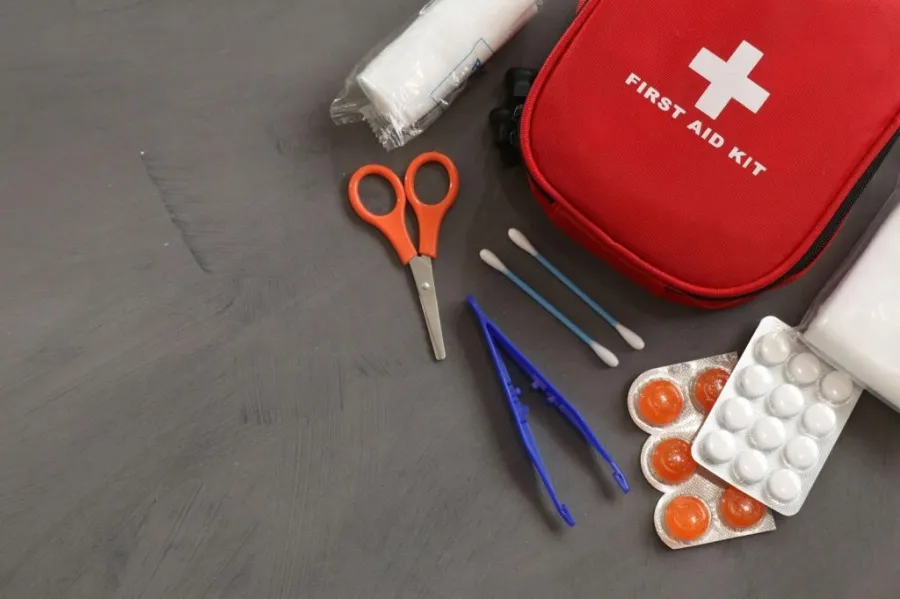
- Move batteries, first-aid kits, and any prescription or medication to a central location.
- Place ice melts and shovels near your doors for clearing snow as it falls.
Early preparations make you more resilient and help you handle sudden problems with ease.
Protect your pipes and utilities
As winter approaches, water begins to freeze in extreme cold. On freezing, water expands, which can burst pipes. Protecting your home’s pipes and utilities is essential to avoid pipe issues and keep essential services running. Some of the key steps to ensure this are
Let faucets drip slightly.
A quick hack to avoid pipe freezing is to let the faucet drip slowly during extreme cold (below 32°F (0°C)). It has two key benefits:
- A slow drip from both hot and cold faucets keeps water moving and gives expanding ice a way to escape.
- It also prevents pressure buildup in pipes and protects plumbing
Open cabinet doors under sinks
Open cabinet doors under sinks during a snowstorm or extreme cold, especially on exterior walls. It is one of the most crucial and immediate steps to take if there is a snowstorm. Some of its key benefits are
- Warm air circulates through pipes and helps prevent them from freezing and bursting.
- Extra warmth keeps water moving and prevents blockage from freezing during short cold snaps.
Turn on backup heat if needed
If your primary unit can’t keep up with extreme cold, activate your heat pump’s emergency or auxiliary heat. Some benefits that this provides are
- When the main unit struggles, it provides a backup.
- Maintains consistent indoor temperature and reduces pipe bursts.
Stay informed and connected
During a winter storm, staying informed helps you make safer decisions in response to changing conditions. Reliable communication and regular updates could make a big difference. Here’s how you can do it well:
Monitor weather updates
Monitoring updated weather helps us plan. Do check weather forecasts and emergency alerts regularly during extreme winter. By doing this:
- Safety warnings can be responded to quickly.
- The timing and intensity of the storm could be tracked.
A regular weather check is all it takes!
Keep phones charged
One of the immediate steps to take if there is a snowstorm is to keep your devices charged. Before the storm arrives, make sure your mobile phones and other important devices are fully charged. By doing this, you can:
- Contact your family members in case of an emergency.
- Weather updates and important tasks could be accessed in real time.
Your charged phones are your lifeline during a winter storm.
Limit unnecessary travel
Travel during a snowstorm should be avoided unless it is urgent. Staying indoors can help you in:
- Avoid icy roads and poor visibility issues.
- Helping emergency services operate more effectively during icy weather.
The safest place during winter is your warm and cozy home.
Make your space safe
A few simple precautions could bring safety to your home during a snowstorm. The key ideas are to stay warm, keep the home secure, prevent falls or slips, and avoid the risk of carbon monoxide (CO) poisoning from improper heating.
Clear entryways if safe to do so
Snowstorms might halt regular cleaning activities at home. If possible, you can clear snow from doorways and stairs with the help of shovels. By doing this:
- Packed snow or ice can be safely avoided.
- Entrances are accessible during emergencies.
Lay down salt or sand
Spread salt or sand on icy spots around entrances, stairs, and driveways. These are simple yet immediate steps to take if there is a snowstorm. It provides two key benefits:
- Movement on slippery surfaces is improved.
- Slips and falls during winter can be avoided.
A little traction can prevent a painful fall.
Keep flashlights accessible
Imagine waking up in the middle of a chilling night with no light or any power source nearby. For this, a flashlight should be kept in easy-to-reach places. This would:
- Help you move safely in the dark.
- Provide quick lighting during power outages.
How to prepare in case of power loss
Power outages are common during winter storms. A few simple steps can help you stay warm and comfortable until the power returns.
Keep warm blankets ready
Warmth is always the first line of comfort during a blackout. Keeping extra blankets, quilts, or sleeping bags ready is one of the key immediate steps to take if there is a snowstorm. Think, multi-layer or high-density blankets trap the heat that our body produces.
Extra blankets are important to stay warm if the heating system stops. You can also feel comfortable during long power outages by layering yourself up in sweaters and gloves and staying in your wool blankets.
Use battery-powered lighting
During power loss, keep flashlights, lanterns, or headlamps in accessible spots around your room. Key battery sources include power banks, portable power stations, stored traditional batteries for a flashlight, and car batteries.
Cold weather drains batteries faster and reduces their capacity. Battery-powered lighting sources are safe to use indoors, unlike gas generators. Such lighting sources help you to move around more easily without falling and provide safe lighting during power outages.
Avoid using unsafe heat sources
Heat sources are crucial for bringing warmth into a home. Unsafe heat sources include charcoal/gas grills, generators, and camp stoves, which can cause toxic carbon monoxide (CO) gas poisoning. Safely use them to prevent the buildup of deadly gases inside the house.
Also, keep space heaters at least 3 feet from inflammable items and plug them directly into a wall outlet. Ensure gas furnaces are not blocked by snowdrifts or toxic fumes that can seep back into your house. Go to the nearby designated emergency shelters if your home is too cold.
FAQs
Should I shovel snow during a storm?
Yes, the best snow removal timing is during a snowstorm and not after it. It is recommended to shovel every 2-3 hours during a heavy snowstorm.
What should I do if the power goes out?
If power goes out, focus on staying warm and safe and conserving resources. Try staying in one room and using blankets or quilt layers for heat. Never run stoves, ovens, grills, or generators indoors for heating purposes.
How do I stay warm without electricity?
All members of the family can gather in one room and wear layers of warm clothes like sweaters, hats, socks, etc. You can use blankets or quilts to trap heat and close doors and windows. Avoid using any unsafe heat sources and use safe, battery-powered alternatives instead.
Is it safe to drive during a snowstorm?
No, driving during a snowstorm is totally unsafe. Roads are icy, visibility drops, and accidents are more likely. If you are in dire need of travel, keep headlights on. Also, leave extra spaces between vehicles and carry emergency supplies like blankets, food, water, and a charged phone.
Conclusion
Early preparation before a snowstorm is the best defence. It is important to take immediate steps if there is a snowstorm, like securing the home, protecting the pipes, and keeping essentials close. Sometimes, a little proactiveness can save one from big problems.
Whether it’s shovelling snow timely, using heat safely, or staying warm during a power outage, every precaution can contribute a lot. So, small measurable safety steps can save you from worries this winter.