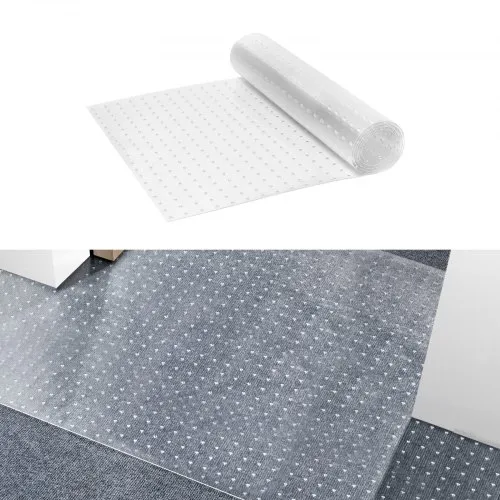
VEVOR Carpet Protection Films, Professional Floor Covering for Every Project
Are you managing busy occasions that could jeopardize your flooring investment, planning a move, or getting ready for home renovations? Selecting the appropriate self adhesive carpet protector film keeps walking surfaces safe throughout the job and prevents costly damage. VEVOR carpet protection plastic roll products provide dependable performance and safe coverage against equipment marks, paint spills, furniture scratches, and tracked dirt. Our selection of floor protector rolls offers thickness, adhesive strength, and coverage dimensions to protect flooring investments during construction, moves, and special events, whether you are a contractor overseeing multi week renovations, a homeowner organizing do it yourself projects, or an event planner protecting venue floors.
Thickness, Coverage & Adhesive Type: Selecting the Perfect Self Adhesive Carpet Protection Films
Understanding how material thickness, roll dimensions, and adhesive formulas relate to your project type, traffic volumes, and floor surface characteristics is essential for selecting the best carpet protection films.
Material Thickness and Protection Levels
The standard thickness of carpet protection films is 2 to 6 mil, with each level providing distinct protection properties appropriate for varying project intensities. Light duty 2 to 2.5 mil self adhesive carpet protector film is suitable for short term residential applications, such as open houses, house showings, or minor renovation projects lasting 1 to 3 days and involving modest foot traffic. For short-term coverage requirements, these thinner films offer cost-effective basic protection against tracked dirt and minor scuffs. The majority of moving and restoration applications are well served by mid-range 3 to 4 mil films, which can withstand 1 to 2 weeks of continuous foot traffic without breaking and provide puncture resistance against rolling carts, furniture legs, and tool drops.
For interior painting, flooring installation in neighboring rooms, and general remodeling, when moderate protection is required, many professional contractors favor this thickness range. For difficult construction conditions, such as significant renovations, commercial developments, and extended projects requiring three to four weeks of continuous coverage, heavy-duty 6 mil carpet protection plastic roll solutions are typically recommended. In addition to offering moisture barriers against paint spills and cleaning solution splashes that can pierce thinner alternatives, the extra thickness prevents punctures from fallen tools, ladders, scaffolding, and the movement of heavy machinery.
Roll Dimensions and Coverage Planning
Typically, floor protector roll products come in widths of 24 to 36 inches and lengths of 50 to 200 feet per roll. Careful planning is necessary to reduce seams and material waste. The most popular 24-inch width offers flexibility in irregular layouts but requires many parallel runs for full room coverage in conventional halls and small areas. With fewer edge overlaps that could cause trips, wide-format 36-inch rolls cover living rooms, master bedrooms, and commercial spaces more quickly and with fewer seams in open floor plans. The choice of length affects waste and convenience. 200-foot commercial rolls are ideal for large spaces and minimize mid project roll changes, while 100-foot rolls may suffice for most residential rooms.
Determine the amount of covering required by measuring the entire square footage, then adding 15% to 20% for waste, overlaps, and irregular cuts around fixtures and doorways. Taking seam overlaps and edge waste into account, a 300-square-foot living room needs roughly 345 to 360 square feet of self-adhesive carpet protection film. When designing, take roll orientation into account. While perpendicular installation may better fit traffic flow patterns in hallways, running protection parallel to the longest room dimensions minimizes cross seams and produces a cleaner appearance.
Specialized Features for Enhanced Performance
Beyond basic coverage, premium floor protector roll options include features that address certain project issues. On smooth films, textured or embossed surfaces increase slide resistance. This feature is especially crucial on ramps, stairs, and sloped entrances, where plain polyethylene can become dangerously slick when wet or dirty. For commercial projects with public access, printed films with warning signs are useful for directing traffic and communicating hazards.
Perforated films feature tear lines every 6 or 12 inches, allowing you to adjust the width precisely without scissors. This feature makes them ideal for creating runners or fitting into unusual spaces. UV resistant materials make it easier to use patio doors or sun porches outside while landscaping is underway. After a few days in the sun, regular plastics start to degrade.
Adhesive Formulations and Surface Compatibility
Products for self adhesive carpet protection films use pressure sensitive adhesives designed to strike a balance between smooth removal at the end of the project and safe attachment while in use. Low tack adhesives work well on fragile surfaces, such as wool carpets, natural fiber floor coverings, and antique rugs, where strong bonding could damage the fibers. These formulas hold up well for three to seven days under mild to moderate traffic. Standard nylon and polyester carpets work best with medium tack alternatives, which keep the edges tight even after two to three weeks of intense foot traffic, furniture movement, and equipment rolling without lifting at the seams.
On flat surfaces like tile or hardwood, full coverage adhesive offers the best hold and prevents film migration. On textured carpets, however, pattern adhesive systems let some air out and minimize bubbling. Because of their excellent aging properties, acrylic based adhesives predominate in professional grade carpet protection plastic rolls. Surface temperature affects how well adhesives work. Installations in chilly rooms below 50°F require climate adjustment to ensure adequate bonding, while setups above 85°F may result in early adhesive flow, making removal challenging.
Durability & Removal, Ensuring Protection and Clean Finish
Project managers can achieve effective protection while maintaining floor condition after project completion by understanding the durability features of self adhesive carpet protector film and how to remove it properly.
Removal Procedures and Residue Prevention
The right procedure is necessary for the successful removal of carpet protection plastic rolls, avoiding fiber damage, adhesive transfer, and roll distortion. Instead of pulling straight up, which can risk fiber lifting, remove films carefully at 45 degree angles, beginning at the corners and working toward the centers, to allow the adhesive to loosen gradually. In plush carpets, where vigorous pulling pulls fibers and causes obvious damage, low angle removal is especially advantageous. Films placed and removed at normal temperature (65°F to 75°F) release cleanly, whereas cold temperatures below 50°F cause the glue to harden, requiring patience and possibly gentle heating with hair dryers to soften connections.
Steer clear of extreme heat above 100°F, as the elevated temperature will liquefy the glue and allow it to penetrate the carpet. Extended installations run the risk of adhesive bonding that requires chemical intervention, whereas films removed within manufacturer recommended periods (usually 30 to 45 days) release cleanly. After careful removal, if residue remains, apply citrus based adhesive removers sparingly to the affected areas, blot rather than rub to remove the glue without spreading it further into the carpet protection films' pile. Before treating exposed carpet, test any chemical remover on concealed carpet areas, as some formulations may discolor specific fiber types. Following large scale undertakings, professional carpet cleaning restores attractiveness by removing compression marks from heavy machinery, adhesive residue, and tracked debris.
Durability Under Various Conditions
Over the course of a project, high quality carpet protection films can withstand a variety of challenges, including foot traffic, equipment movement, moisture exposure, and temperature changes. When workers unintentionally kick seams or furniture corners or grab edges, the tear resistance affects whether a film survives. Cross laminated reinforced films are more resistant to tearing than single layer alternatives. Puncture strength is important when protecting against falling tools, ladder feet, or rolling toolboxes. The high density polyethylene structure and 4 to 6 mil thickness provide barriers that prevent penetration by sharp objects. During prolonged coverage, continuous film layers without perforations offer superior liquid barriers, but they may retain existing carpet moisture in humid conditions.
Moisture resistance shields carpets from spilled paint, spilled beverages, and splashes of cleaning solutions. Maintaining edge integrity throughout the project prevents the most common failure mode, rising corners and seams that put carpet protection films at risk of damage and create trip hazards. High quality adhesive compositions do not curl or release when exposed to temperature fluctuations, humidity variations, or repetitive foot traffic along seam lines. Heavy duty protection that maintains integrity over weeks of use is necessary for commercial renovations with frequent worker mobility, whereas household moves with occasional furniture sliding can tolerate lighter films.
Why Choose VEVOR Carpet Protection Films for Professional Floor Coverage?
VEVOR carpet protection films offer contractors, homeowners, and property managers outstanding value by combining sturdy construction, dependable adhesive solutions, and affordable pricing. Light duty rolls for temporary residential applications, heavy duty commercial films for longer term building projects, and specialty alternatives with improved features are all part of our extensive product line. With the right thickness options for different traffic levels, clean removal for maintaining carpet integrity, and consistent quality supported by dependable customer service, VEVOR offers the protective films needed to safeguard flooring investments during events, transfers, and repairs. Check out our selection of self adhesive carpet protection plastic rolls now to professionally safeguard your floors.
FAQs
How long can carpet protection films stay installed safely?
For a maximum of 30 to 45 days, most self adhesive carpet protector film products are generally considered safe. Longer installations than advised by the manufacturer run the risk of adhesive bonding, making removal more difficult and potentially leaving residue that a professional carpet cleaner must clean thoroughly.
Will carpet protection films damage delicate or antique carpets?
Formulations for low-tack adhesives reduce the possibility of damaging sensitive fibers. Always begin testing in discrete locations. Before using any adhesive-backed protection products on pricey antiques, consider non-adhesive runner options or consult qualified conservators.
Can I reuse the floor protector roll after removal?
Self adhesive carpet protection plastic roll cannot be used more than once. After removal, the adhesive loses its effectiveness, and contamination from dirt renders reapplication useless. Carefully plan quantities to reduce waste and ensure sufficient coverage throughout the project.
Does thickness affect installation difficulty?
Because they lie flatter and do not wrinkle, thicker films (4 to 6 mil) are easier to install. Thin 2 mil films require extra attention to avoid wrinkles and bubbles. However, with the right technique and constant pressure, all thicknesses apply similarly.