







Download VEVOR App 

Get $5.00 Off $99.00+ Orders on Your First 3 App Orders
Scan the QR code to download
SKU: SDKMJQLSSCHC8R2YZ001V1
Copy


+13
More


VEVOR Hat Heat Press Machine, with 4 Interchangeable Platens and Caps Stretcher, Precise Temperature & Time Control, Heat Press for Hats and Caps, for HTV Iron On and Sublimation Projects, Light Blue
4.6 679 Reviews
$ 114 90
Earn at least 2% points on purchases or save up to 15%.
Each when you buy 0+.
Shop
Get -% off for new user
Get $5.00 Off $99.00+ Orders on Your First 3 App Orders.
Download Now


Features & Details
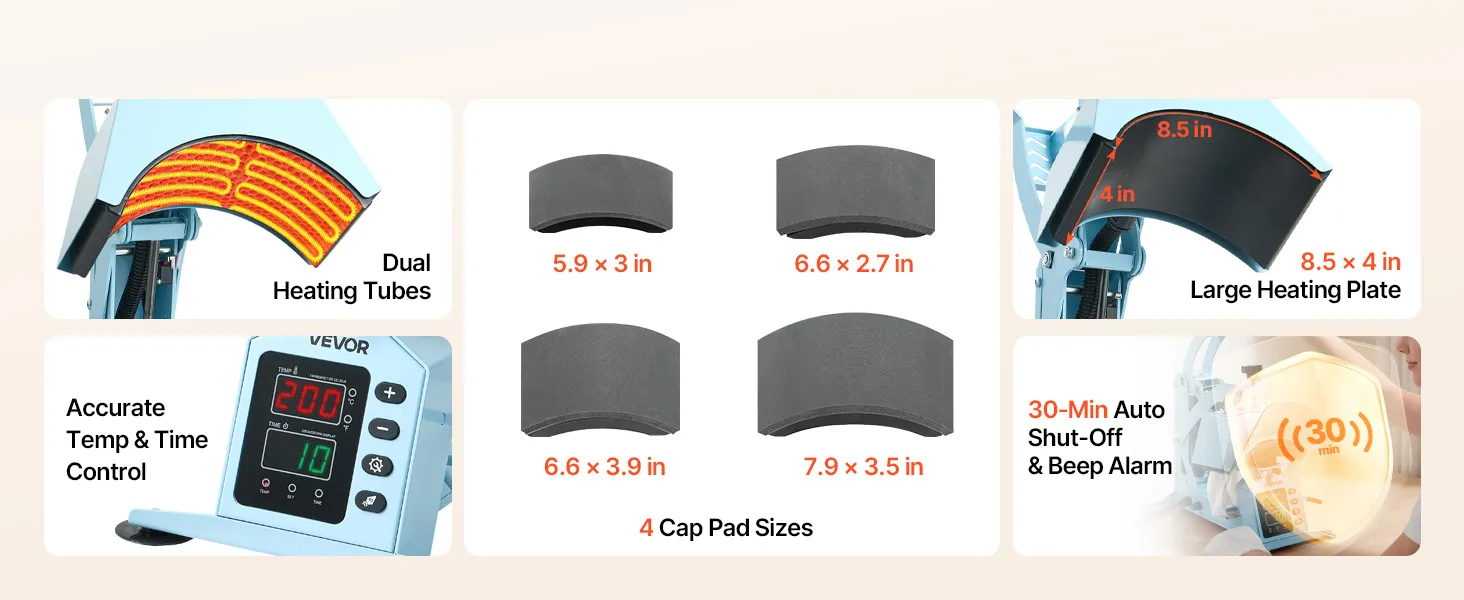
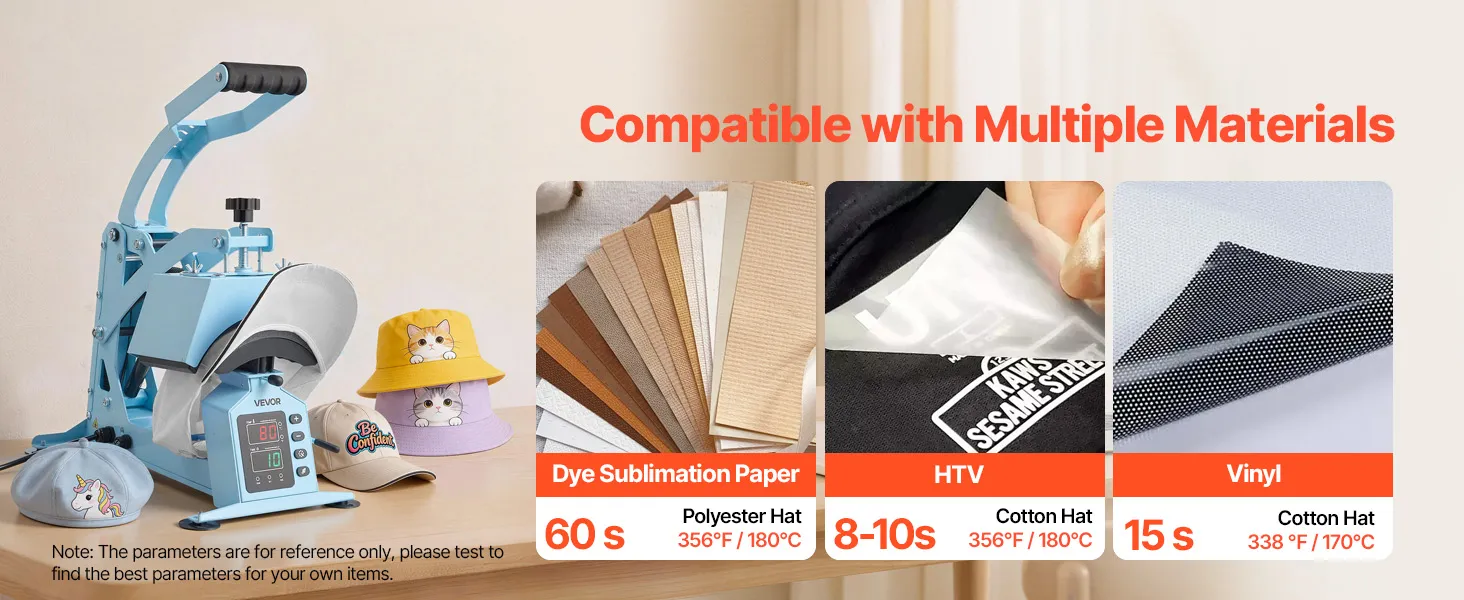
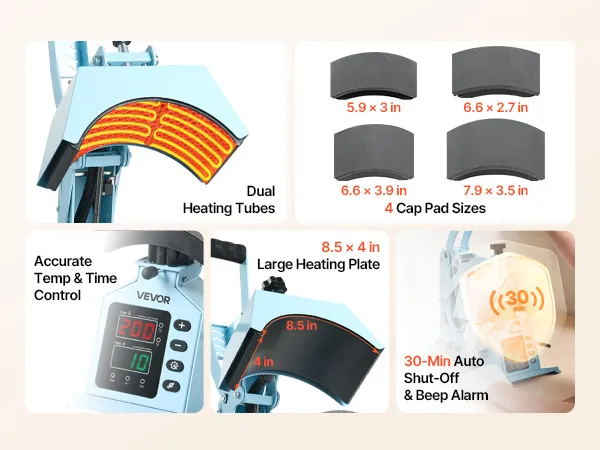
- Precision LED Temp & Time Control: Set 32-449℉ / 0-232℃ and 1-999s with countdown alerts for consistent, accurate transfers. This hat heat press machine reduces misprints, boosts output, and gains full control for professional-grade results
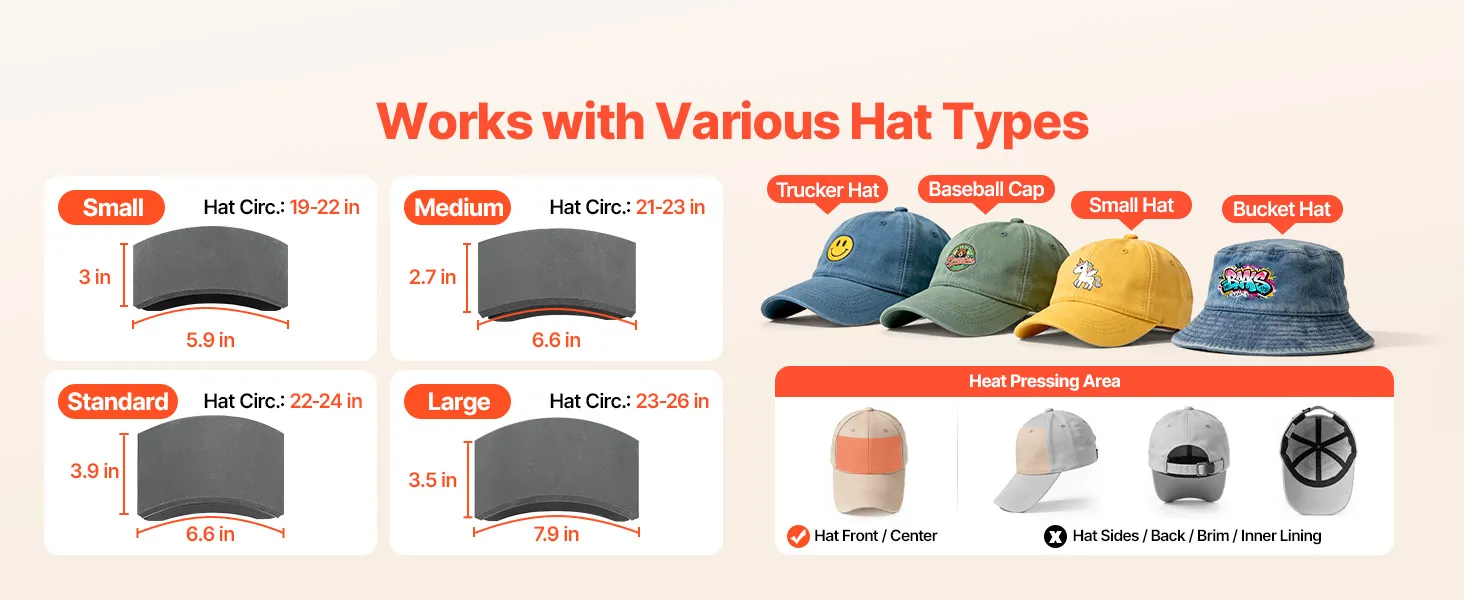
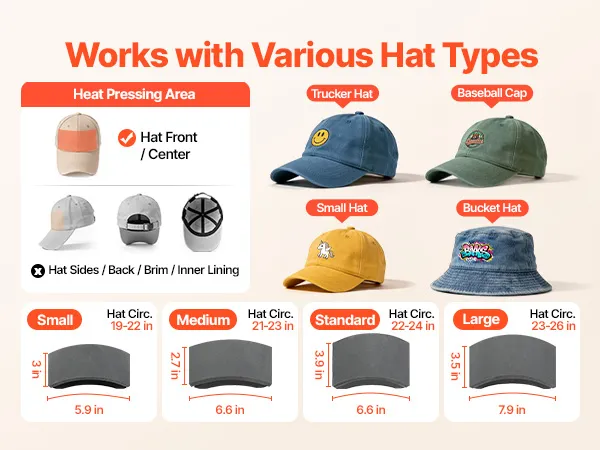
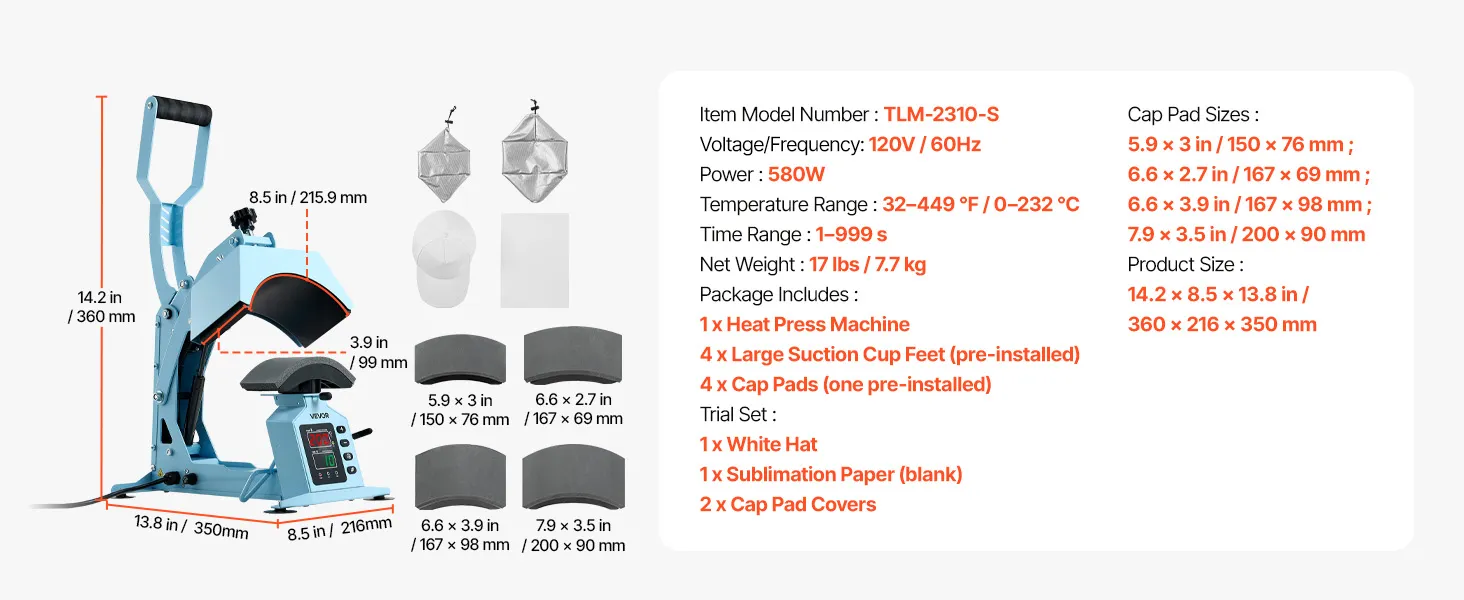
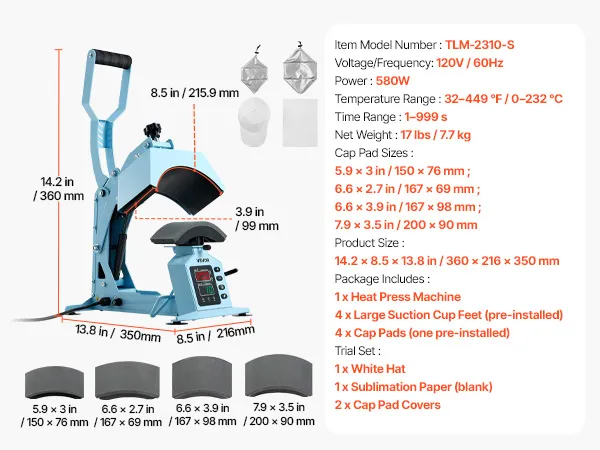
- Various Hat Fit Design: The heat press for hats includes four platens (5.9 x 3 & 6.6 x 2.7 & 6.6 x 3.9 & 7.9 x 3.5 in), compatible with multiple hat shapes and sizes. It ensures precise design placement for DIY, small business, and batch production.
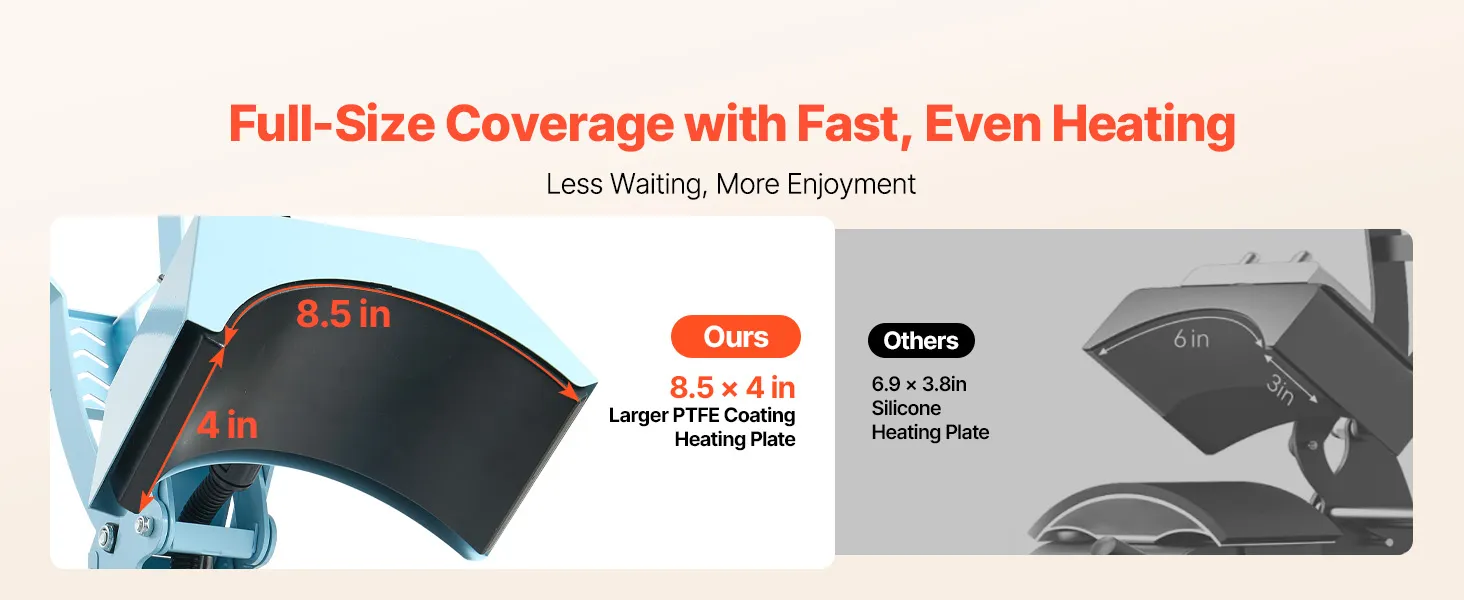
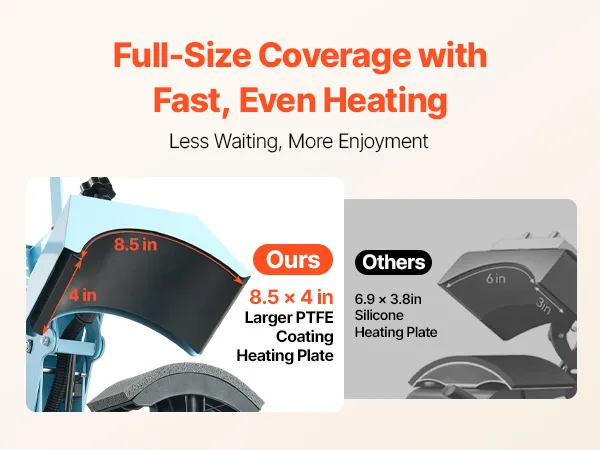
- Dual Heating + 580W Fast Performance: Dual heating tubes and a PTFE-coated plate on this hat press heat machine for caps deliver faster warm-up, even heat distribution, and shorter wait times for improved productivity and smoother workflows
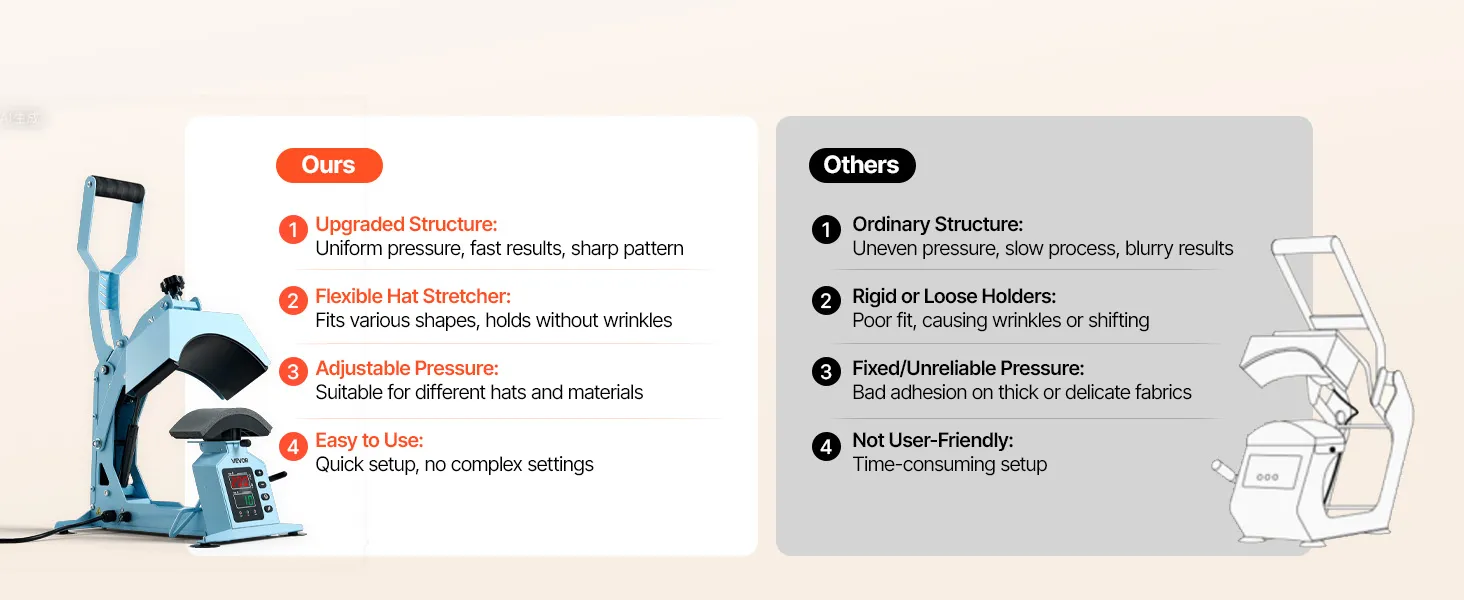
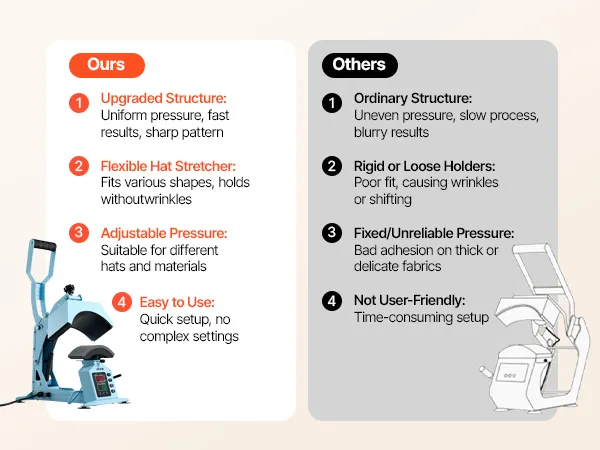
- Even Pressure & Enhanced Security: The hat press features a cap stretcher to avoid misalignment, platen covers to reduce marks, a gas spring for smooth pressure, and four suction feet for stable pressing. Auto shut-off with buzzer conserves energy
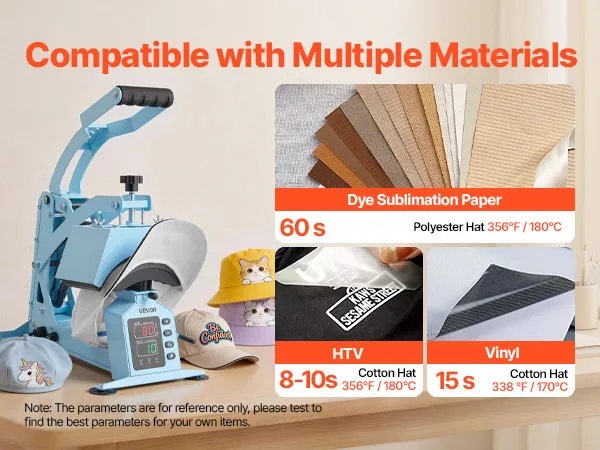
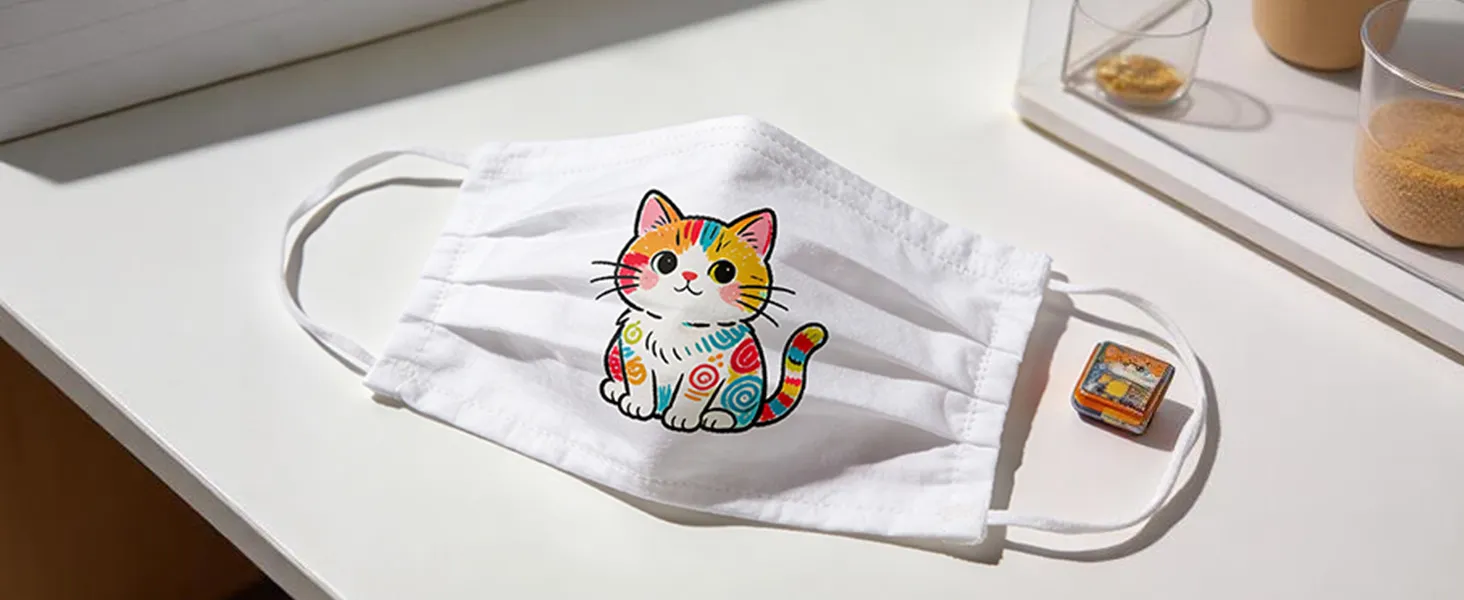
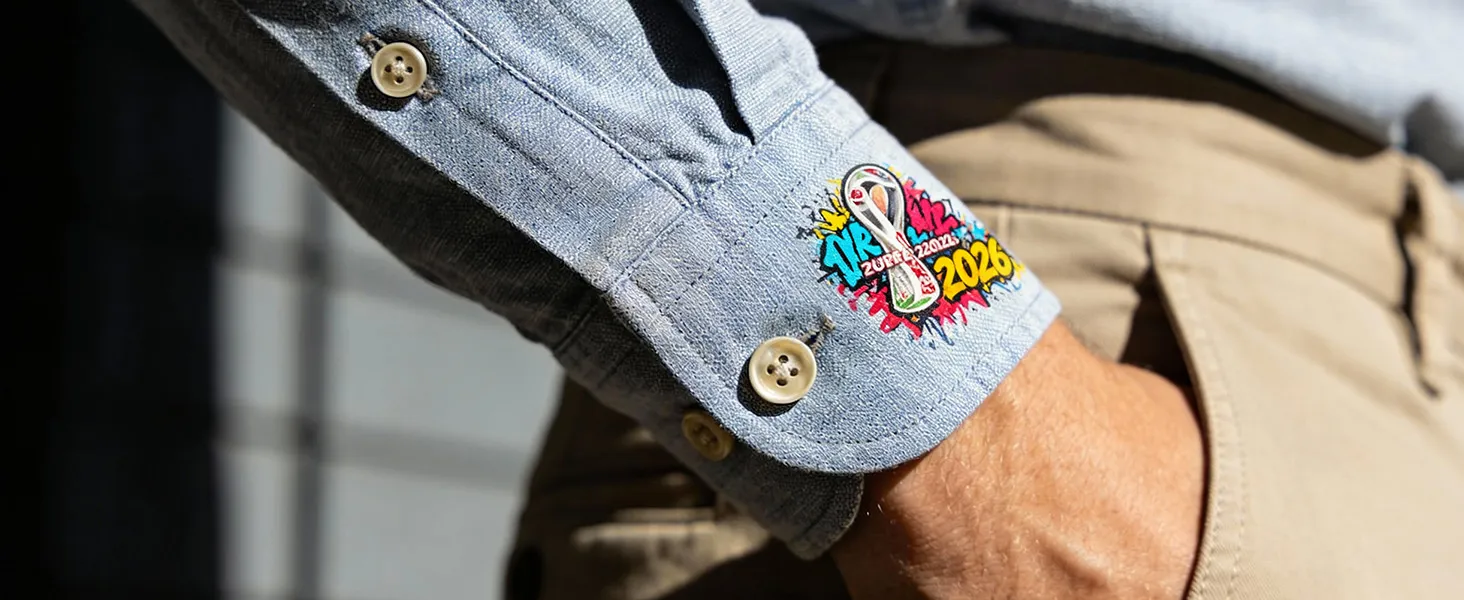
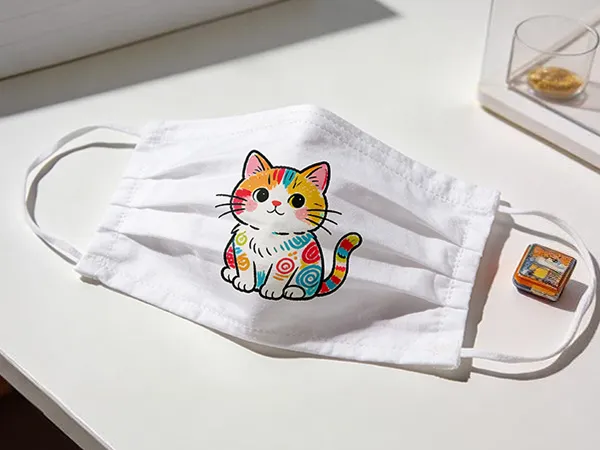
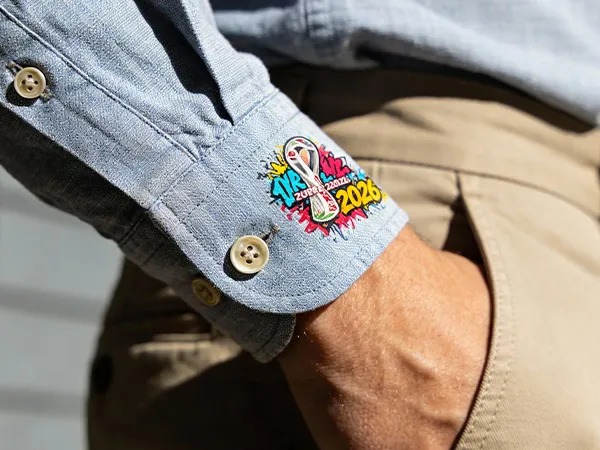
- Multi-Material & Multi-Item Ready: This hat heat press works with cotton, polyester, canvas, and more. It is ideal for hats, headbands, pet apparel, tote bags, and masks for meeting different needs
Product specification
- Item Model Number TLM-2310-S
- Power 580W
- Temperature Range 32–449 ℉ / 0–232 ℃
- Time Range 1–999 s
- Net Weight 17 lbs / 7.7 kg
- Product Size 14.2 x 8.5 x 13.8 in / 360 x 216 x 350 mm
Reviews summary
4.6 679 Reviews
Customers say: The VEVOR hat press is widely praised for being easy to use, versatile, and effective for various hat styles and materials, though some users noted minor build issues like screws and plate fittings.
Al-generated from customer reviews
Frequently Bought Together
Reviews
About this item
Questions and Answers
Explore
Reviews 4.6
All reviews are from verified purchases
Average rating based on 679 reviews
Reviews 4.6
All reviews are from verified purchases
Customers say
The VEVOR hat press is widely praised for being easy to use, versatile, and effective for various hat styles and materials, though some users noted minor build issues like screws and plate fittings.
Al-generated from customer reviews
Top Reviews
See all 679 reviews
About this item
Product specification
- Item Model Number
- TLM-2310-S
- Power
- 580W
- Temperature Range
- 32–449 ℉ / 0–232 ℃
- Time Range
- 1–999 s
- Net Weight
- 17 lbs / 7.7 kg
- Product Size
- 14.2 x 8.5 x 13.8 in / 360 x 216 x 350 mm
Description
Hat Heat Press Machine
Designed for creators and small businesses, this heat press for hats delivers fast, consistent results. LED time and temperature controls, dual heating tubes, and a PTFE-coated heating plate ensure even heat and clean transfers. Multi-material compatibility expands its range of applications.




Q: Why can't the machine start heating but display works?
A: Contact the after-sales service to check whether the heating plate or relay is damaged.
Q: Why is the transferred color light or faded?
A: Adjust the temperature and/or increase the heating time.
Q: Why is the transferred color dark or blurry?
A: Adjust heating temperature and time.
Q: Why does the actual temperature exceed the set temperature?
A: Contact the after-sales service to replace the relay.
Q: Why does the machine not work after startup?
A: Check that the plug is in good contact. Check whether the fuse is fused.
Heat Press Machine for Hats with 4 Interchangeable Platens for Versatile Cap Customization
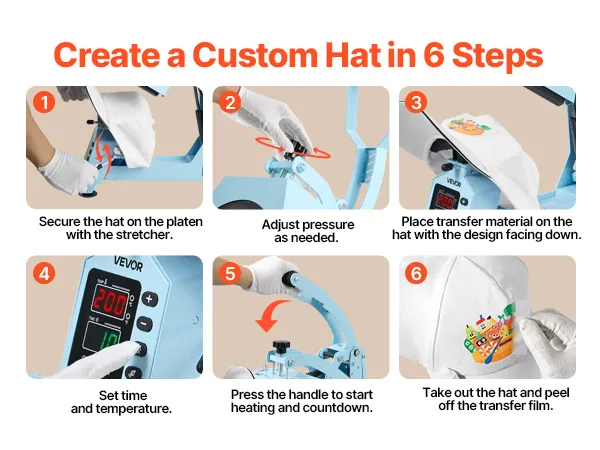
This heat press machine for hats features four replaceable platens of different sizes, each curved to fit the profiles of various cap types, including soft caps, bucket hats, peaked caps, baseball caps, and berets. You may switch from a wide-brimmed cap to a fitted baseball hat without stopping to reset the machine or find another tool, since switching platens between jobs takes only a few seconds. It is useful for both hobbyists experimenting with various hat types and small company owners handling a variety of custom orders because of its all-in-one adaptability.
Every platen has a PTFE coating to prevent sticking, shield the hat's surface from burning, and make cleanup simple between uses. Over time, the platen does not deteriorate or leave residue on the cap material, as the coating maintains a smooth, non-reactive pressing surface during repeated heating cycles. The coating adheres uniformly to polyester, cotton, linen, canvas, and nylon.
Dual-Screen Digital Display with 33.8°F to 450°F Temperature Range for Accurate Transfer Control
What distinguishes a clear, vivid transfer from a faded or burnt one is exact control over temperature and timing. This heat press machine for hats eliminates the need to switch between readings or toggle through settings on a single display, thanks to two display panels that show temperature and time in both Fahrenheit and Celsius. The entire range of needs for HTV iron-on, sublimation paper transfers, and rhinestone application is covered by a temperature range of 33.8°F to 450°F and a timer with a maximum duration of 999 seconds.
Entering the proper parameters for the material and transfer method is all that is required to set up each operation, and the machine consistently maintains those settings throughout the press. The improved heating circuit minimizes hot and cold areas that cause uneven transfer on the curved surfaces of caps by monitoring temperature in real time and automatically adjusting the heating output to maintain consistent output. This consistency greatly minimizes reprints and wasted materials for someone making several hats in one session.
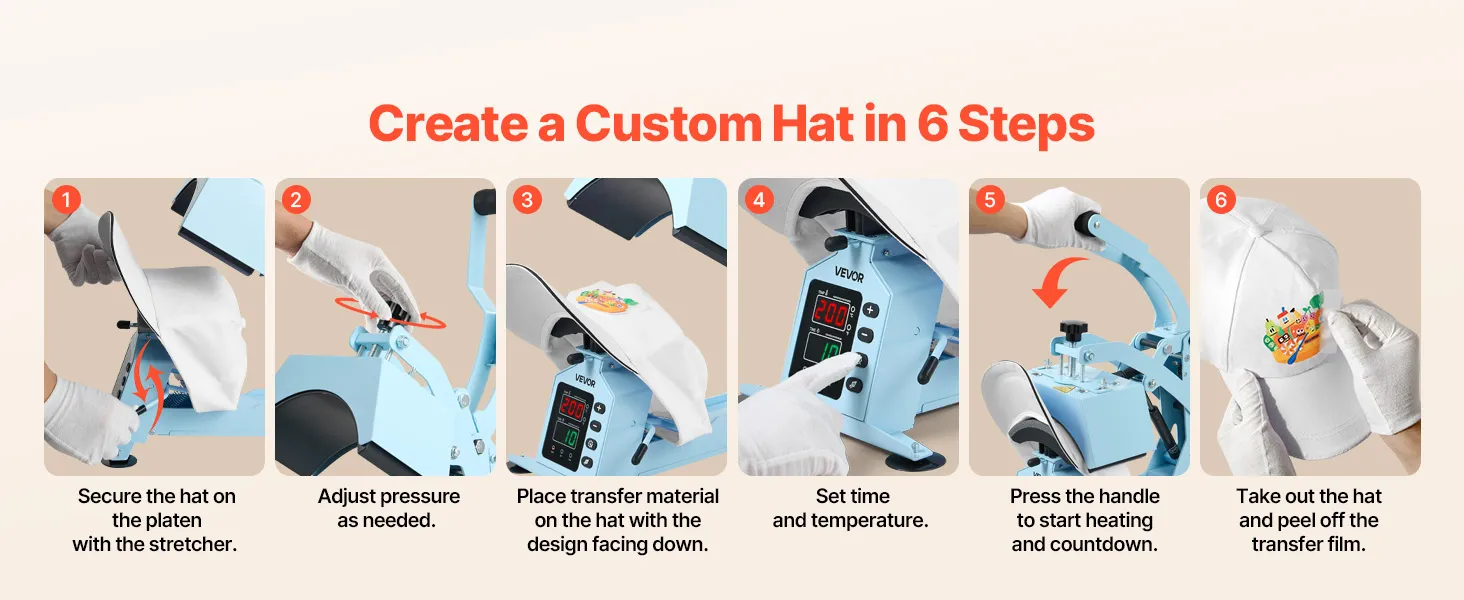
Caps Stretcher Included for Wrinkle-Free Surface Preparation Before Pressing
The caps stretcher, which forms the hat to a smooth, taut profile before it goes onto the platen, is one of the kit's most useful features. Because the design cannot be made completely, even contact with the heating element throughout the whole print area, caps that are wrinkled, malformed, or have uneven surfaces do not press cleanly. By pre-forming the cap to the proper curvature so that it fits flush against the platen from the moment of first contact, the stretcher directly addresses this issue.
This feature is particularly helpful when dealing with caps that have been compressed during delivery, older caps, or structured hats with rigid brims. Compared to pressing an unshaped cap, stretching the cap before pressing yields cleaner edges, more consistent color saturation, and superior overall print quality. This accessory is a necessary component of the typical workflow for anyone serious about creating professional-looking outcomes.
Ergonomic Long-Arm Handle with 220 lbs Pressing Force for Consistent Even Pressure
The long-arm handle is designed to minimize the physical effort required per push while maximizing pressing leverage. The mechanical advantage increases with handle length, eliminating the need for substantial hand power or frequent repositioning to achieve firm, even contact across the entire platen surface. This feature is particularly important when pressing thicker, structured caps, as it takes more force to fully compress the material against the curved heating element.
The pressure adjustment knob allows the heat press machine for hats to deliver up to 220 lb of pressing force, accommodating a variety of hat materials and thicknesses. While stiffer structured hats benefit from higher pressure settings, thinner, softer caps require less power to create effective contact. Because of the customizable range, the same machine can handle both extremes without risking under-pressing thicker materials or damaging delicate ones. As a result, print quality is consistent across the full range of cap types you may encounter during a production run.
Heat Press Machine for Hats with Auto Shut-Off, Built-In Fuse, and Anti-Slip Base
Instead of being added as an afterthought, safety precautions are included in the design of this product. If the machine overheats, the built-in fuse will instantly disconnect power, preventing component damage or fire hazards. The auto-shutoff feature of the flip design reduces the risk of unintentional contact with the heating element between presses by activating when the handle is raised. Together, these two systems offer a secure working environment in both small production locations and home studios.
During pressing, anti-slip rubber pads on the base keep the machine securely attached to the work surface, preventing lateral movement that might shift the cap or alter the design in the middle of the transfer. Additionally, the improved heating circuit offers real-time temperature output monitoring, identifying anomalous variations before they compromise print quality or pose a safety risk. These features offer added reassurance to users who run the machine on their own without continual supervision during a press cycle.
Multi-Transfer Compatibility for HTV Iron-On, Sublimation Printing, and Rhinestone Application
Three of the most popular methods for customizing hats are supported by this machine, and no machine change is needed between jobs. When the temperature is set appropriately, HTV iron-on transfers bind neatly to cotton and cotton-blend cap materials. Sublimation printing produces full-color, photo-quality results with a permanent bond that does not peel, break, or fade with washing, and it works best on textiles with a high polyester content.
The curved platen's uniform heat and pressure distribution is advantageous for rhinestone and patch installation. For small custom merchandise firms, event planners making branded caps, or artistic hobbyists working with various decoration techniques, the ability to handle all three processes with a single machine is a big advantage. Not every transfer type requires a separate piece of equipment, reducing initial cost and workspace footprint.
Product guides and documents
User manual-en (PDF) Review
Questions and Answers (1)
How do you stretch a hat with the machine? Use heat?
This machine is designed for hot stamping hats.
By vevor
Helpful
(
0
)
Select product protection plan
Accident and warranty protection by Xcotton (partner with AIG)
No thanks
3-Year
2-Year
1-Year
In Stock
Security & Privacy
FREE Returns
Professional Service
Compare with similar items
Similar Items You Might Like
People Who Bought This Item Also Bought
Best sellers in this category
People Who Viewed This Item Also Viewed
Your Browsing History