







Download VEVOR App 

Get $5.00 Off $99.00+ Orders on Your First 3 App Orders
Scan the QR code to download
SKU: EYHTJGDKJLDSZPQ6J001V1
Copy


+12
More


VEVOR 50W CO2 Laser Engraver, 20 x 12 in, CO2 Laser Engraver Cutter Machine with 4 Way Pass Air Assist, Engraving Cutting Machine, Compatible with LightBurn CorelDRAW RDWorks, for Wood Acrylic Glass
4.4 27 Reviews
$ 1,899 90
Earn at least 2% points on purchases or save up to 15%.
Each when you buy 0+.
Shop
Get -% off for new user
Get $5.00 Off $99.00+ Orders on Your First 3 App Orders.
Download Now


Features & Details
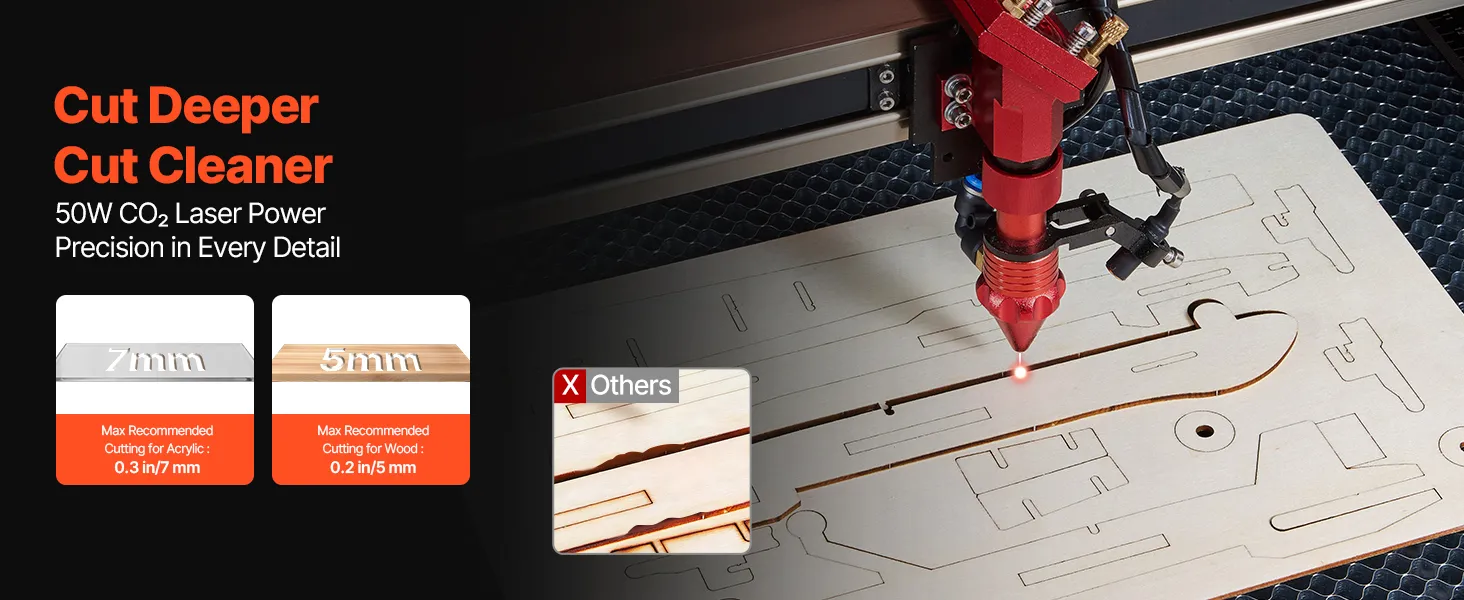
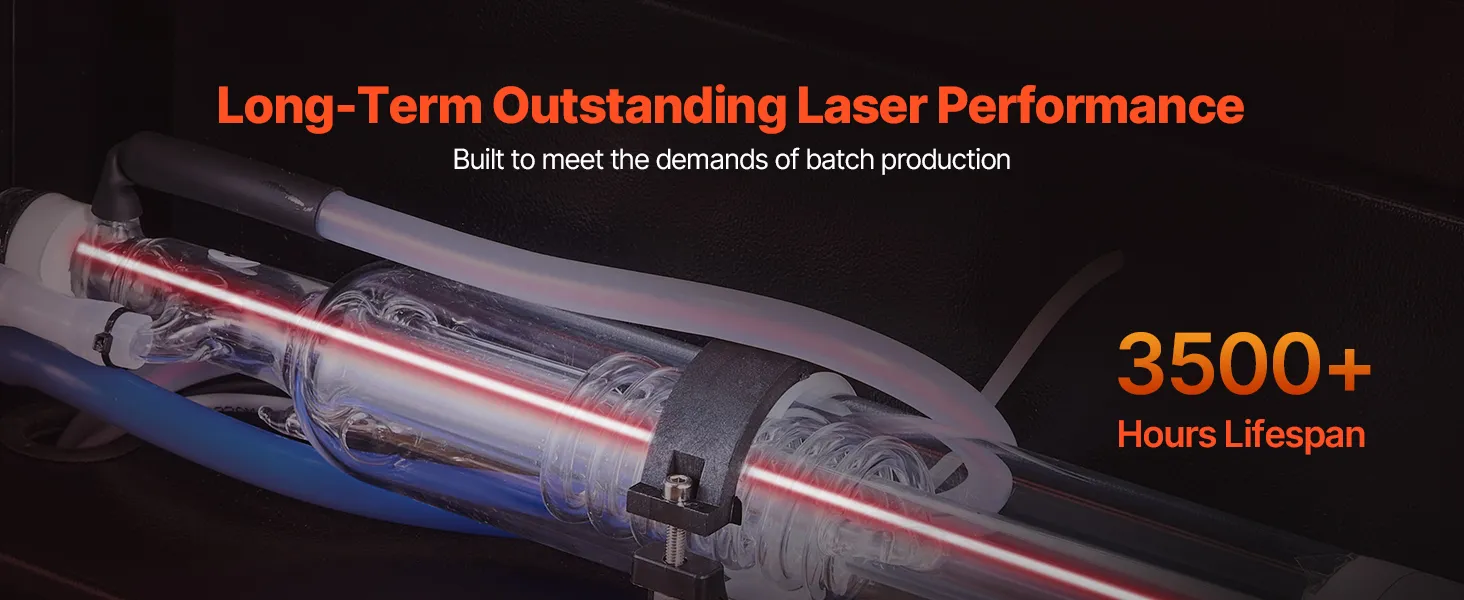
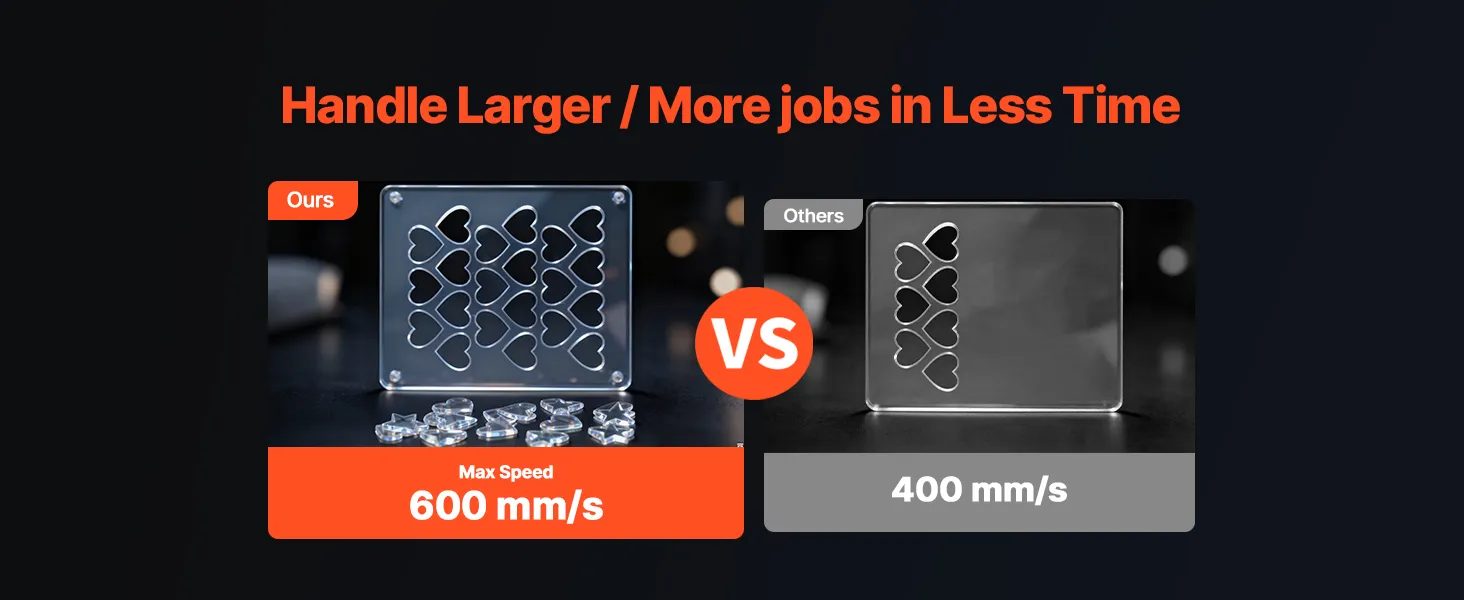
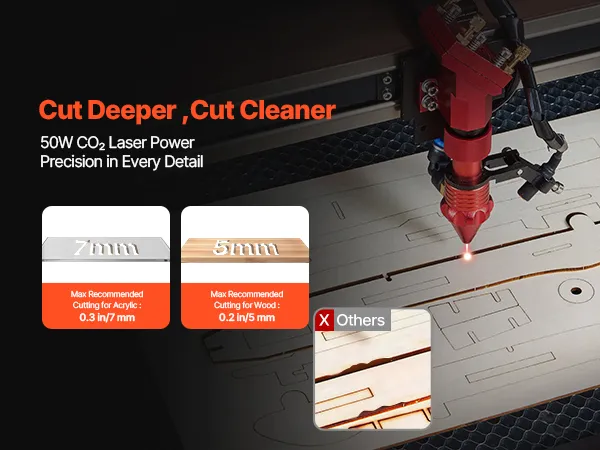
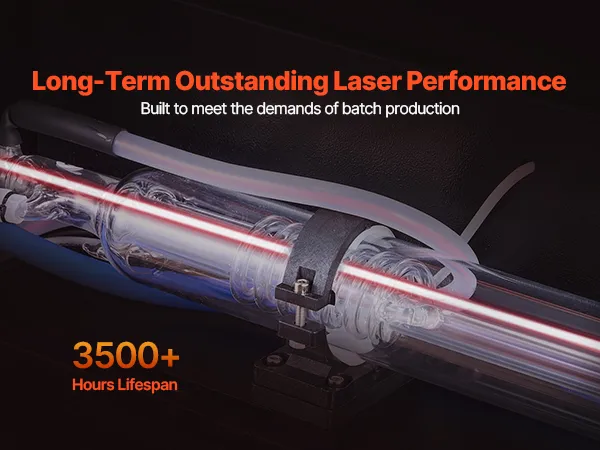
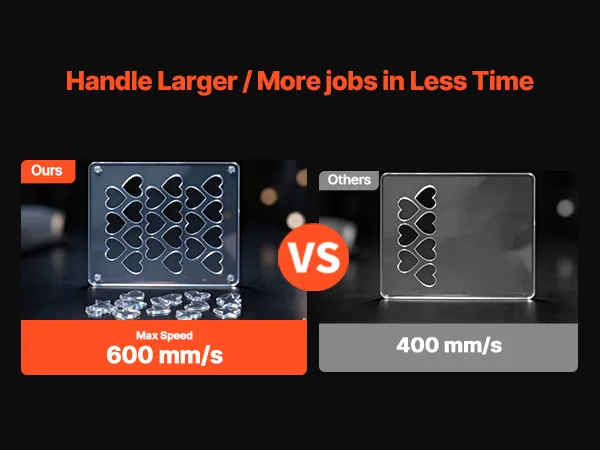
- High-Efficiency Engraving & Cutting: This 50W CO2 laser engraver engraves or cuts wood, acrylic, and other non-metal materials with burr-free edges. Recommended for ≤ 7 mm acrylic and ≤ 5 mm wood, it reaches up to 600 mm/s. Laser tube life: 3,500+ hours. Note: not for metal engraving, only suitable for coated metals
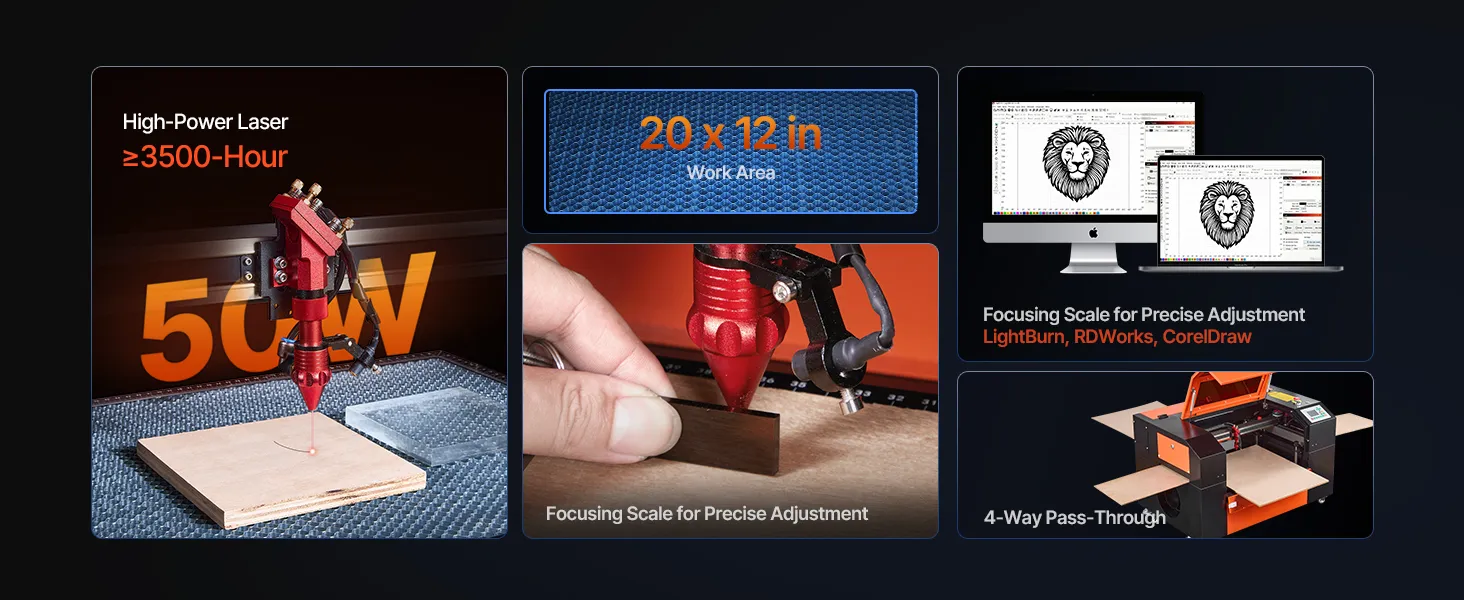
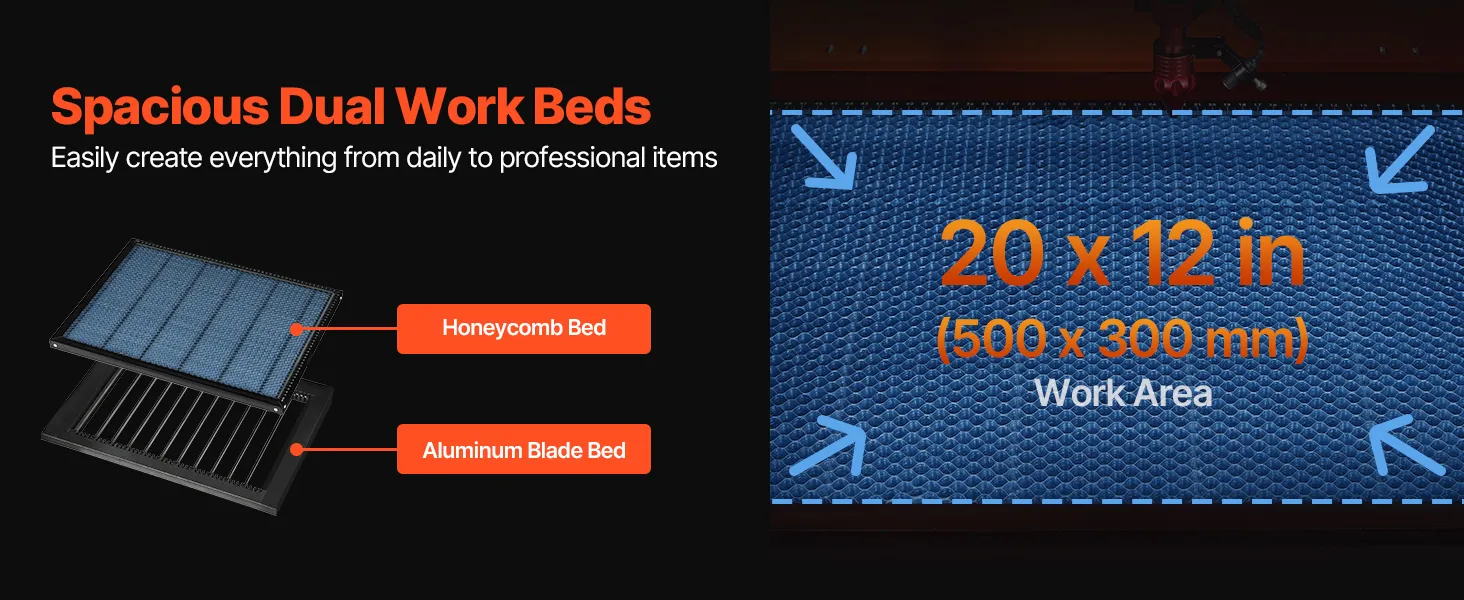
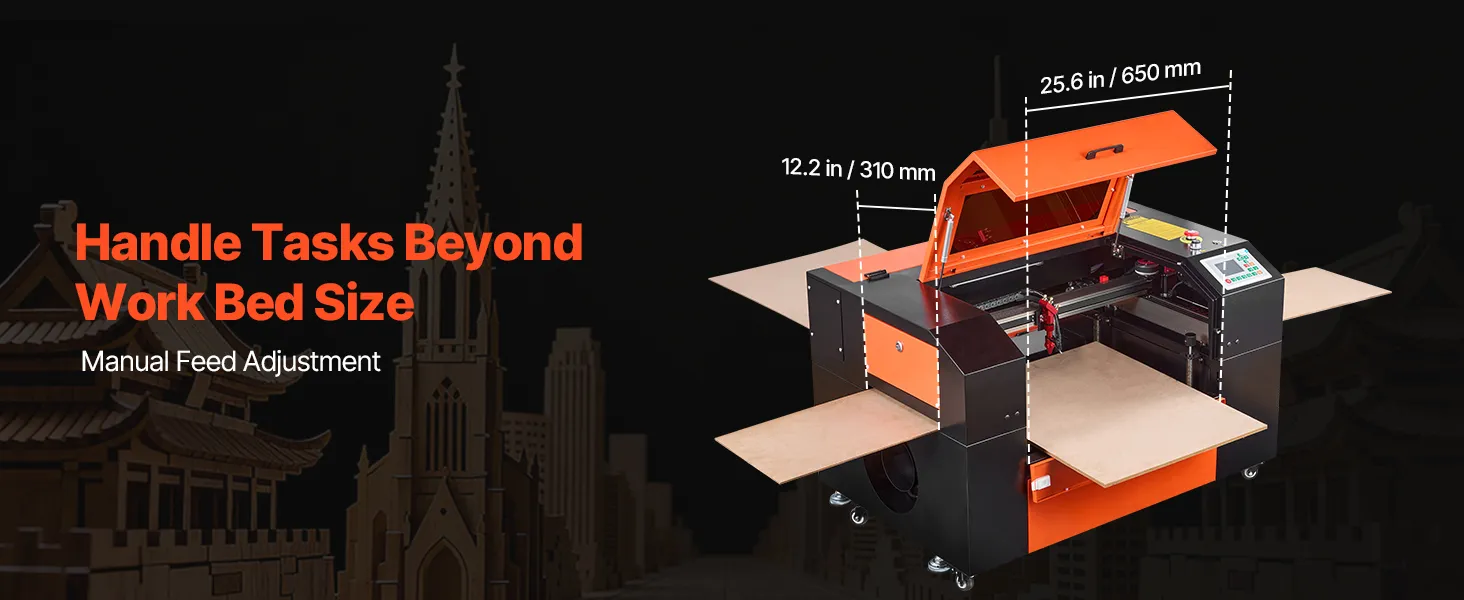
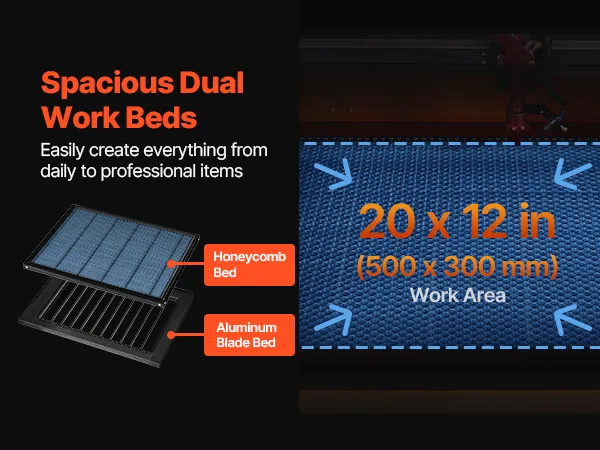
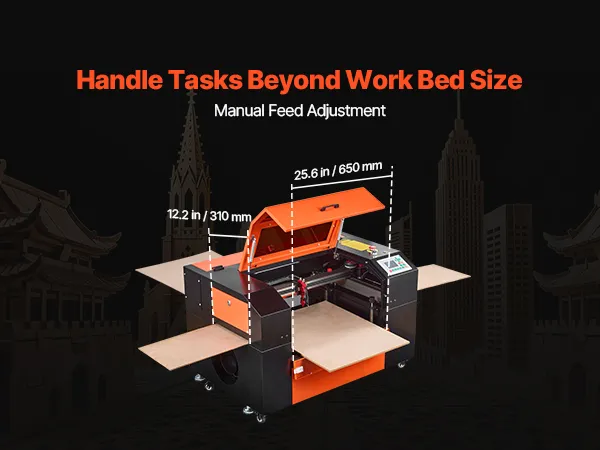
- Spacious Dual Work Beds: The 20 x 12 in work area accommodates leather goods and wooden décor. The four-way pass-through design allows for longer materials and easy manual feeding. This CO2 laser cutter includes a honeycomb bed and an aluminum blade bed.
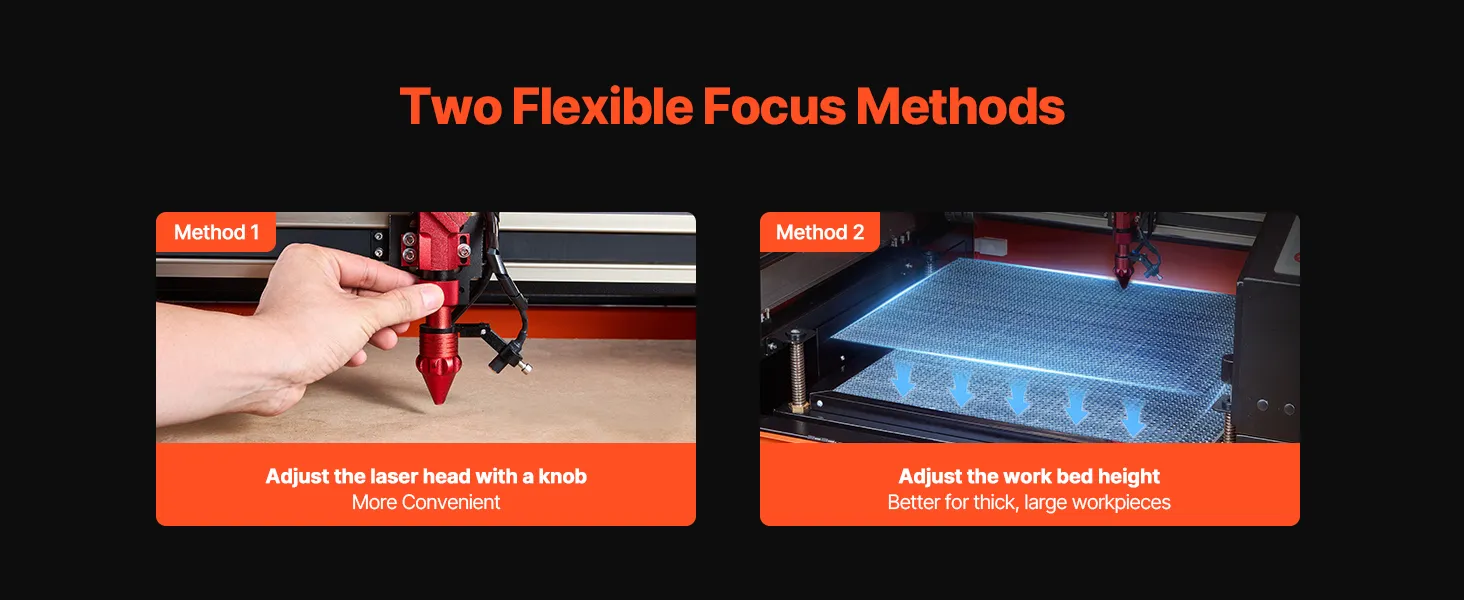
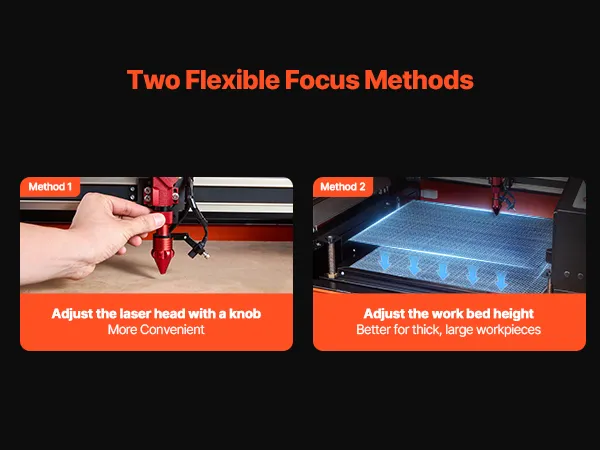
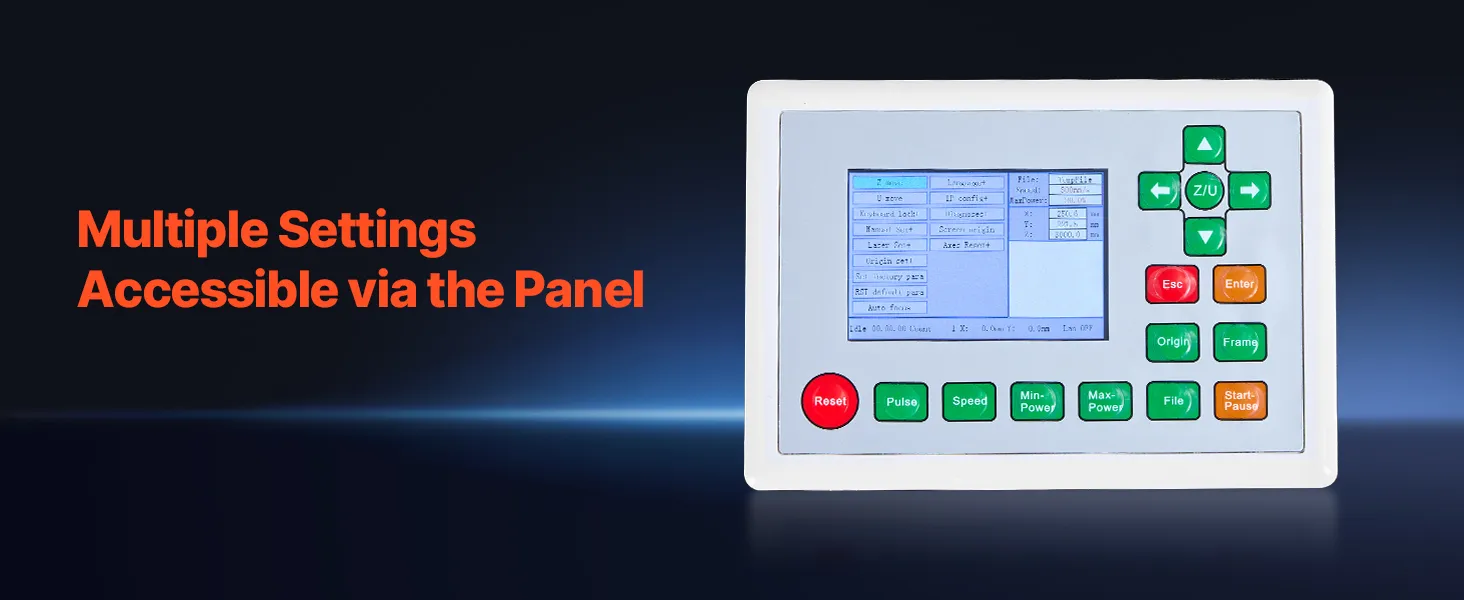
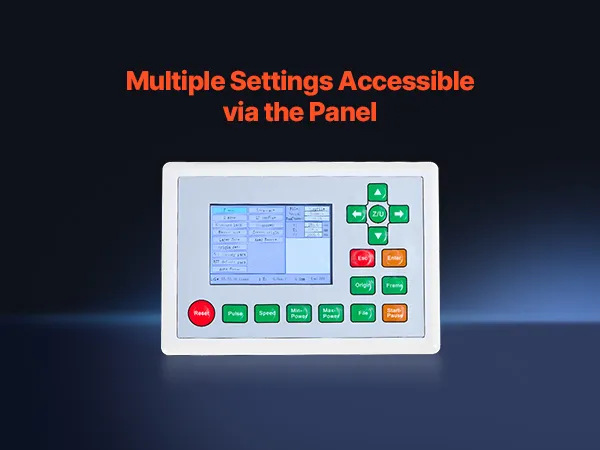
- Simple Manual Focusing: Adjust the laser head’s position using the control panel. Fine-tune focus through the knob or by raising and lowering the worktable. Guided by the focusing scale, this CO2 laser engraver cutter ensures optimal engraving accuracy.
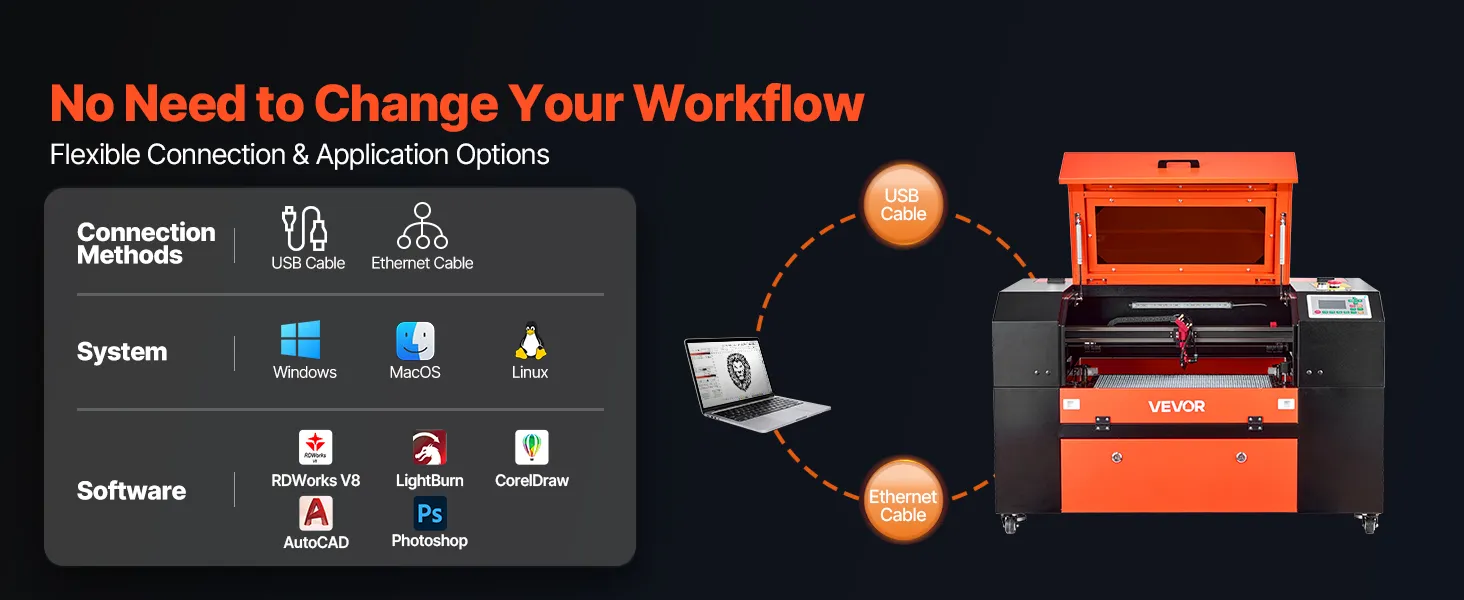
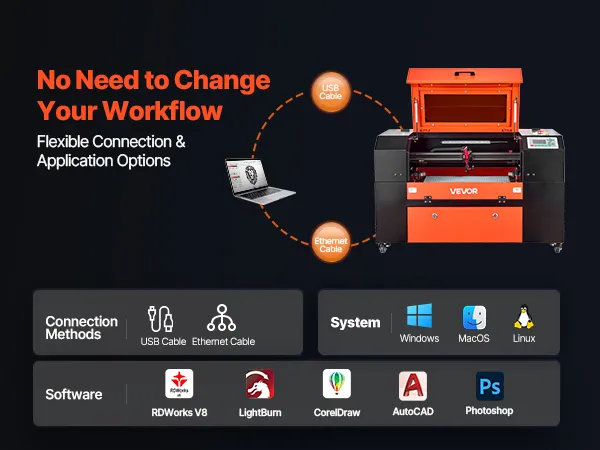
- Broad Compatibility: Connect via USB or power cable and work seamlessly across Windows, macOS, and Linux systems. This CO2 laser engraver cutter is fully compatible with LightBurn, RDWorks, and other popular design software
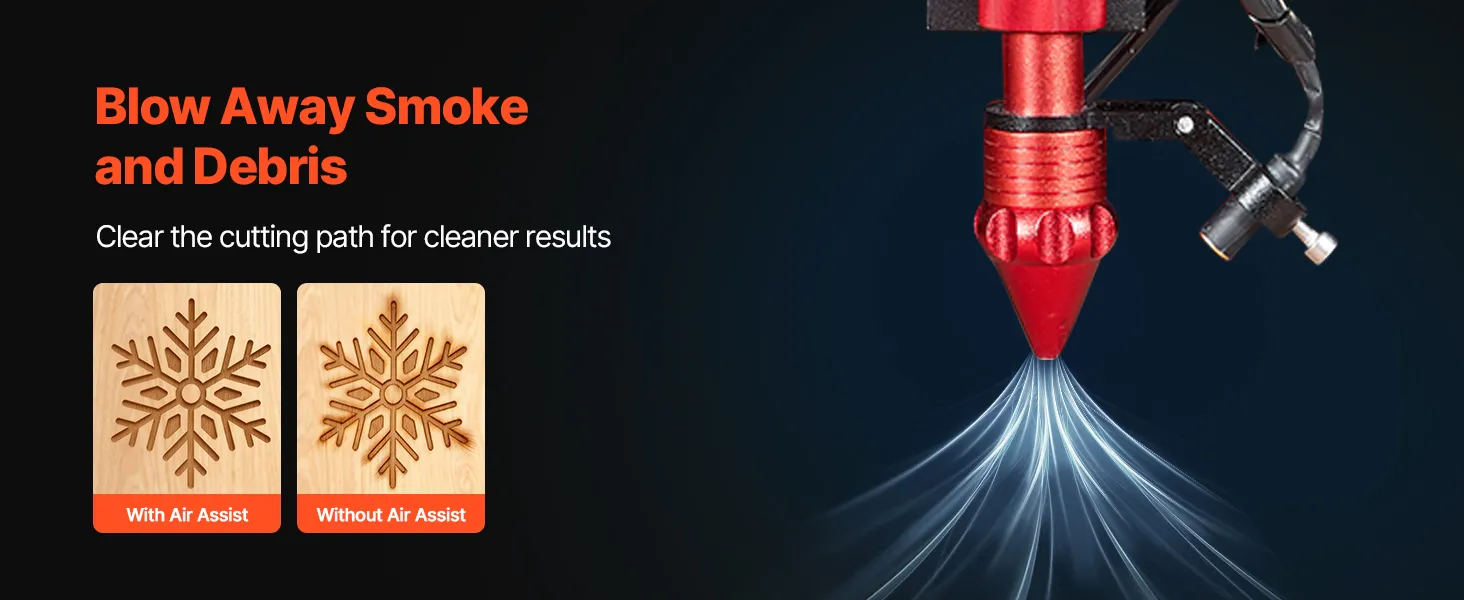
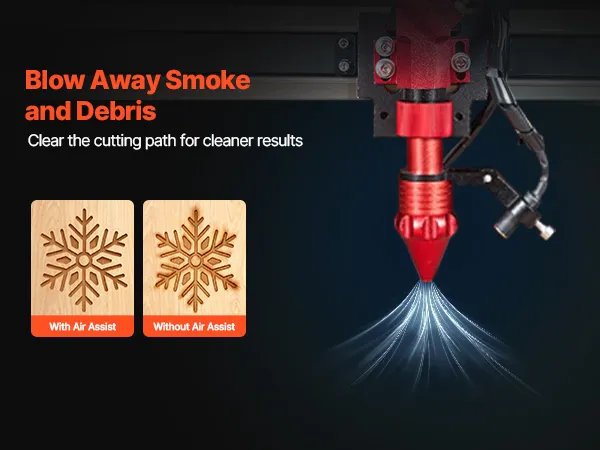
- Clean & Reliable Operation: The built-in air-assist system clears dust and smoke, keeping the workspace fresh. The pull-out waste tray simplifies cleanup, and water pump cooling plus multiple security features ensure stable, secure operation
Product specification
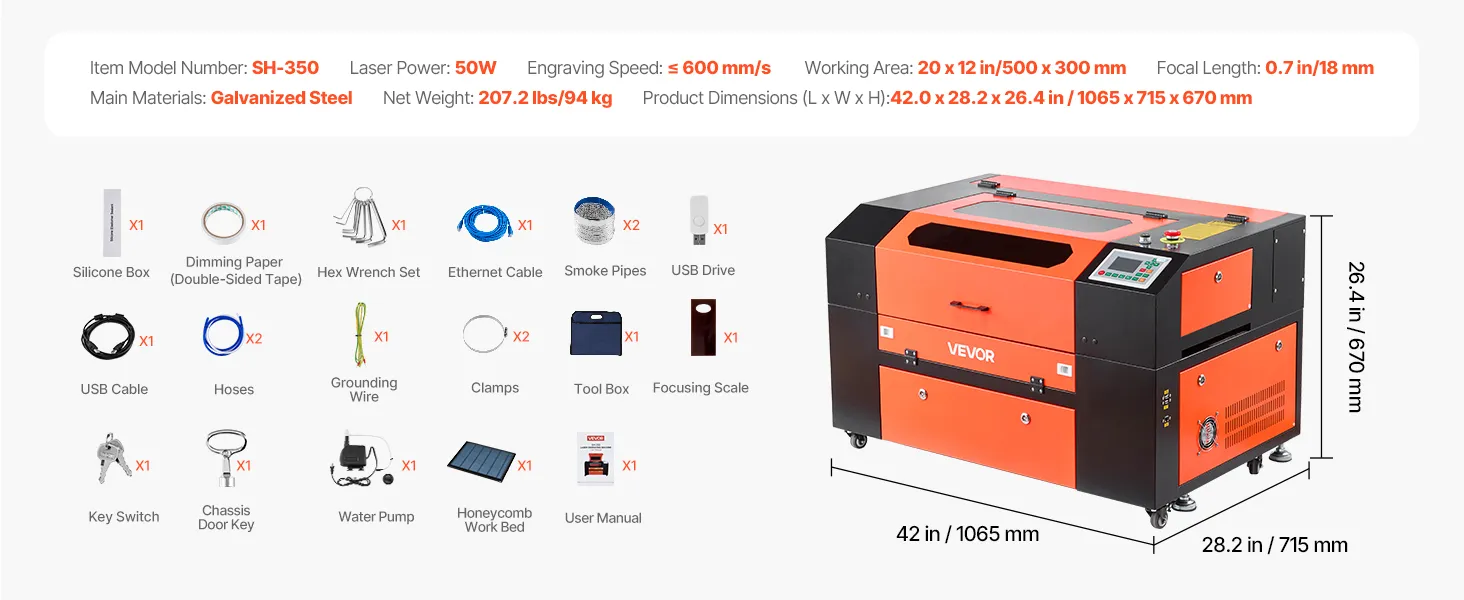
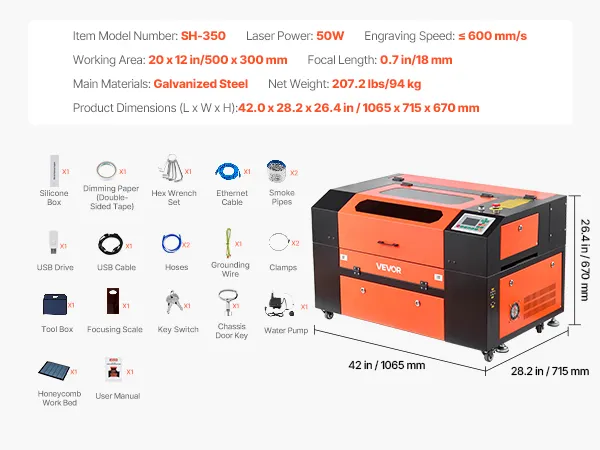
- Item Model Number SH-350
- Laser Power 50W
- Engraving Speed ≤ 600 mm/s
- Focal Length 0.7 in/18 mm
- Main Materials Galvanized Steel
Reviews summary
4.4 27 Reviews
Customers say: The laser cutter is praised for its solid build, ease of setup, accuracy, and strong support, though some users report issues with engraving quality and beginner usability.
Al-generated from customer reviews
Frequently Bought Together
Reviews
About this item
Questions and Answers
Explore
Reviews
No customer reviews
Be the first to rate this product. your feedback will helps others make informed decisions.
Write a Review
Customers say
The laser cutter is praised for its solid build, ease of setup, accuracy, and strong support, though some users report issues with engraving quality and beginner usability.
Al-generated from customer reviews
Top Reviews
About this item
Product specification
- Item Model Number
- SH-350
- Laser Power
- 50W
- Engraving Speed
- ≤ 600 mm/s
- Focal Length
- 0.7 in/18 mm
- Main Materials
- Galvanized Steel
Description


50W CO2 Laser Engraver Cutter, Bring Your Ideas to Life
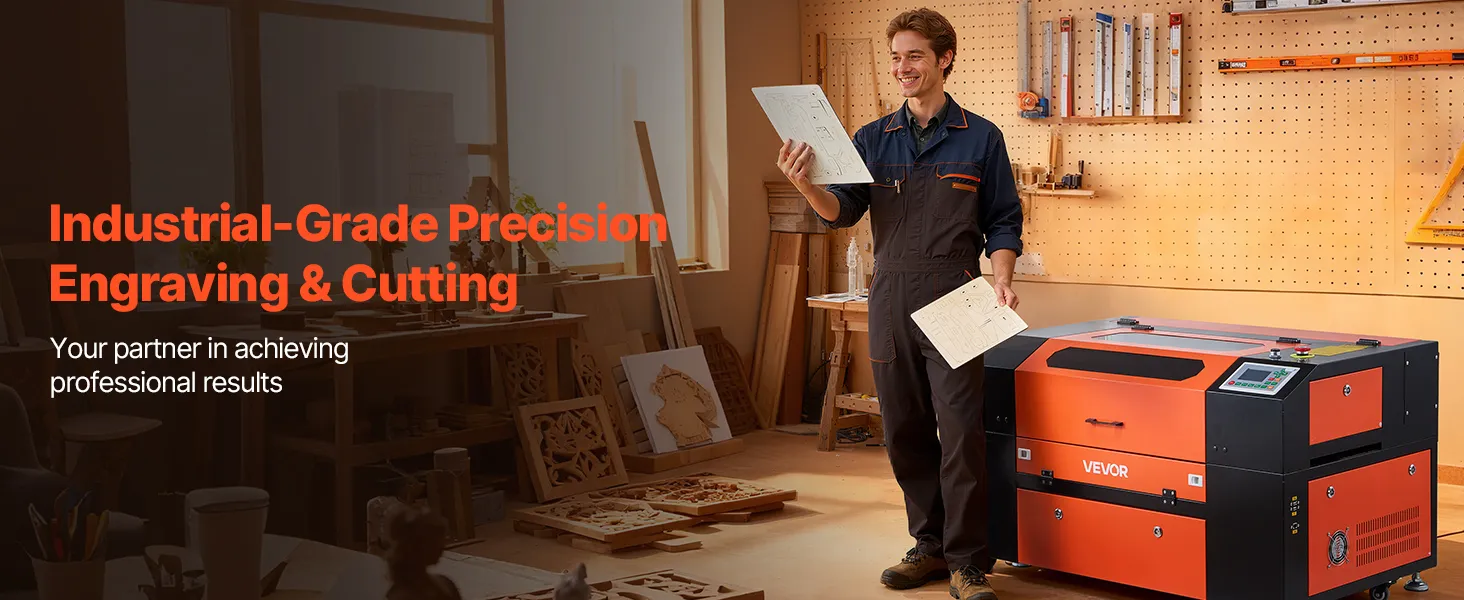
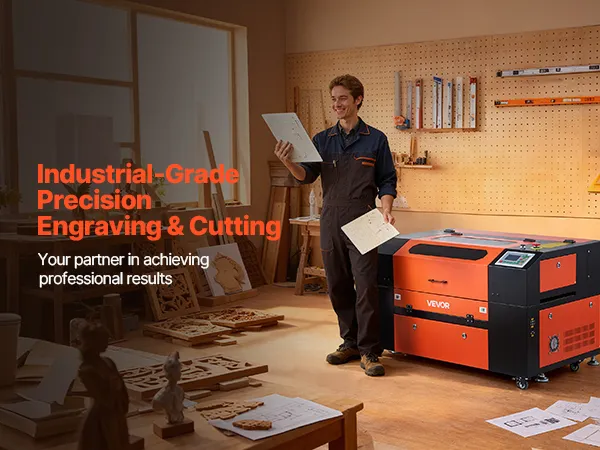
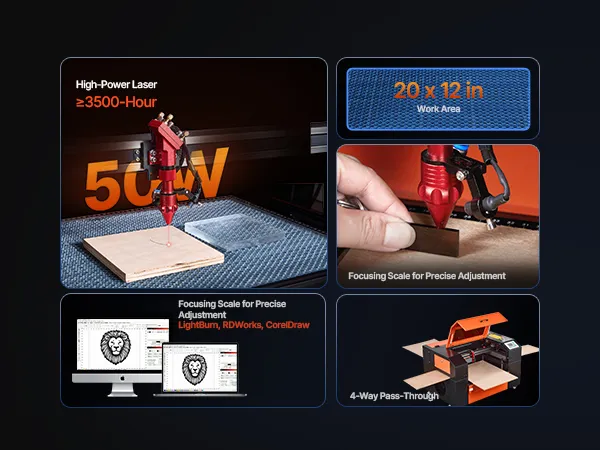
Designed for makers, small businesses, and growing studios, this laser engraver handles everything from intricate wood designs to cutting 7 mm acrylic. Its 20 x 12 in work area with four-way pass-through supports oversized materials, while manual focus ensure accurate results every time.
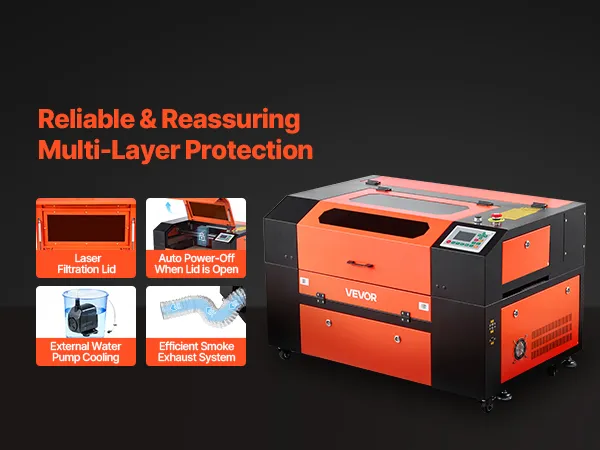
Key Features
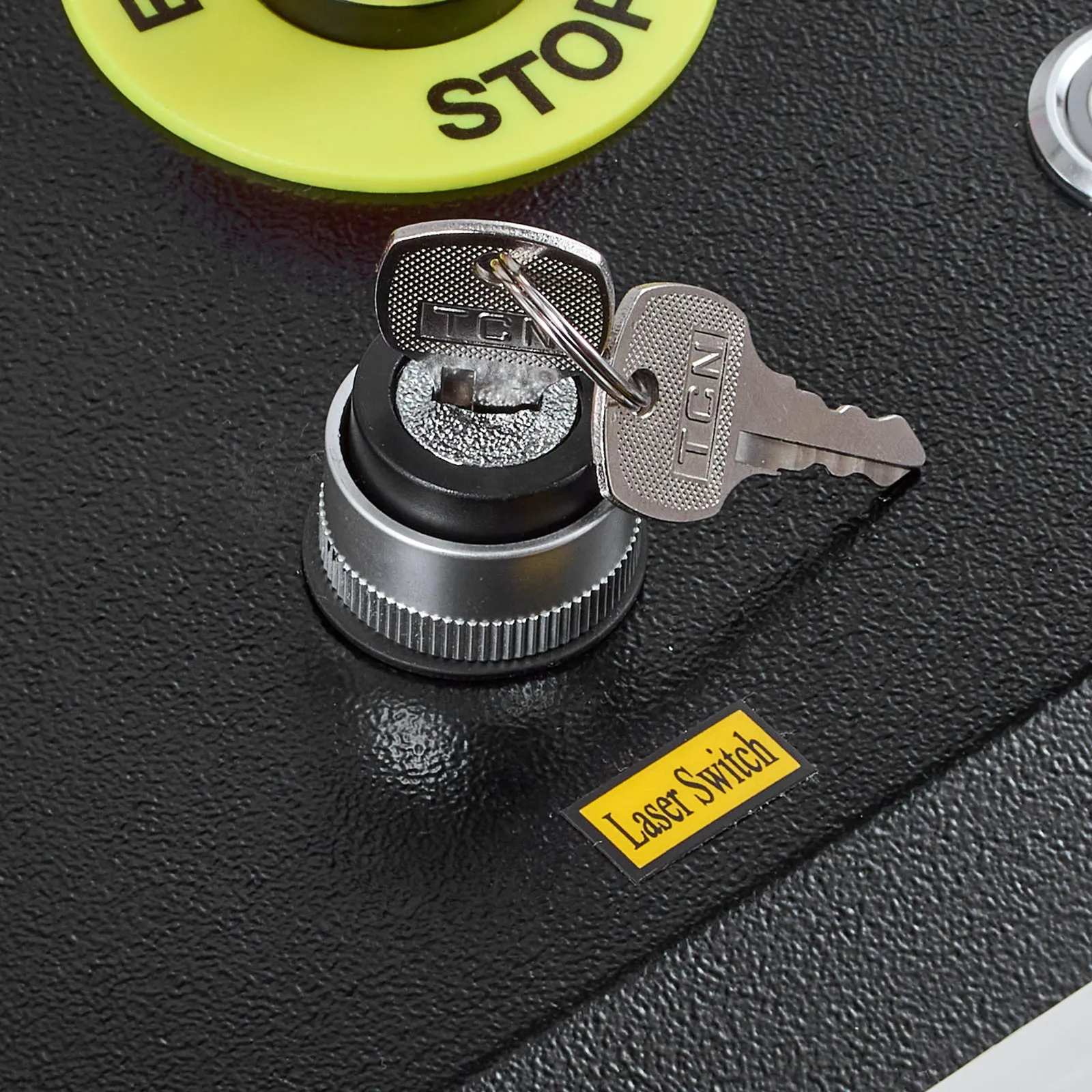
Key Switch
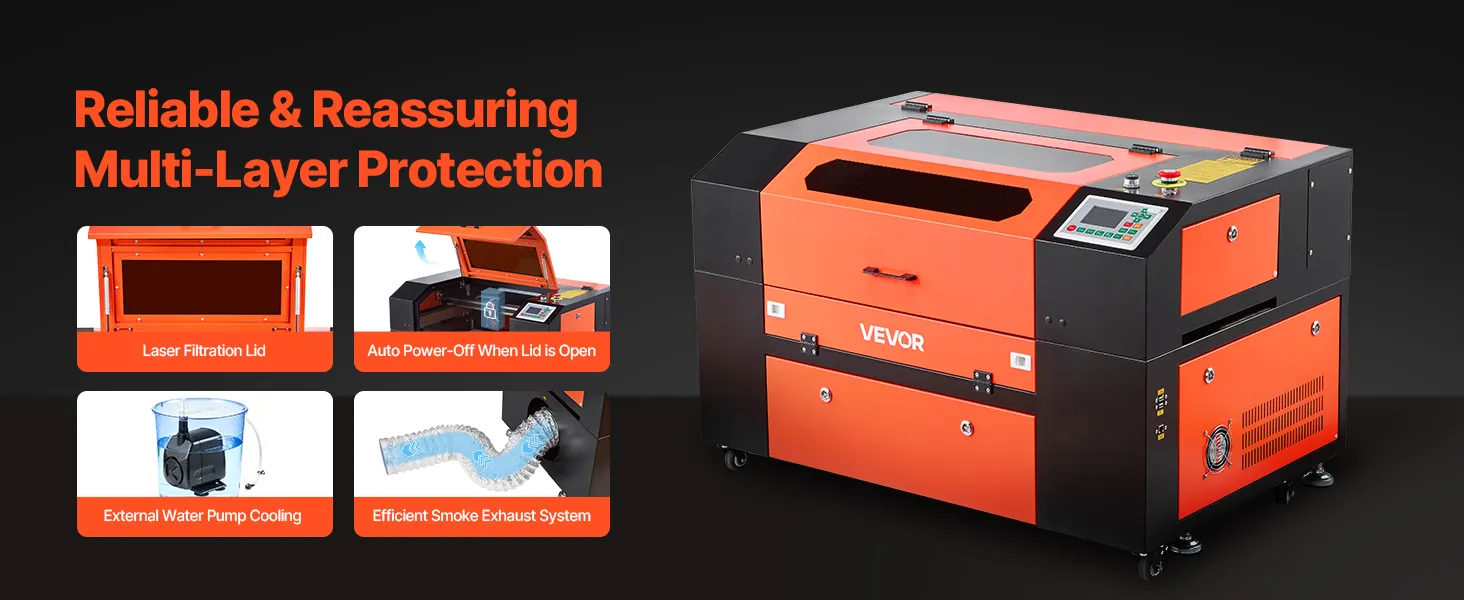
Our CO2 laser engraver comes with a key switch, giving you control over power access.
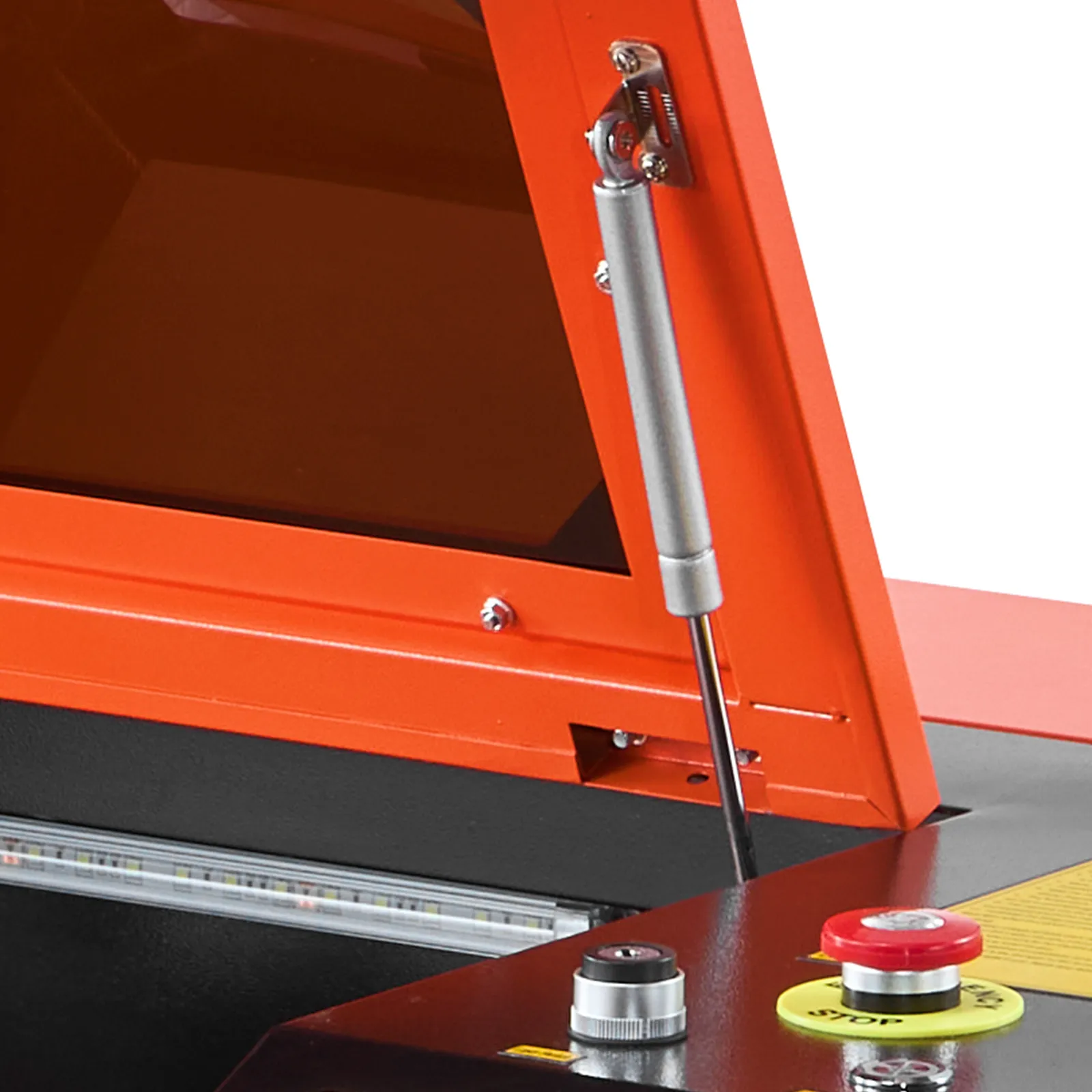
Hydraulic Lid Support
Our CO2 laser engraver cutter is equipped with a hydraulic lid support to provide smooth and reliable support when opening the heavy lid.
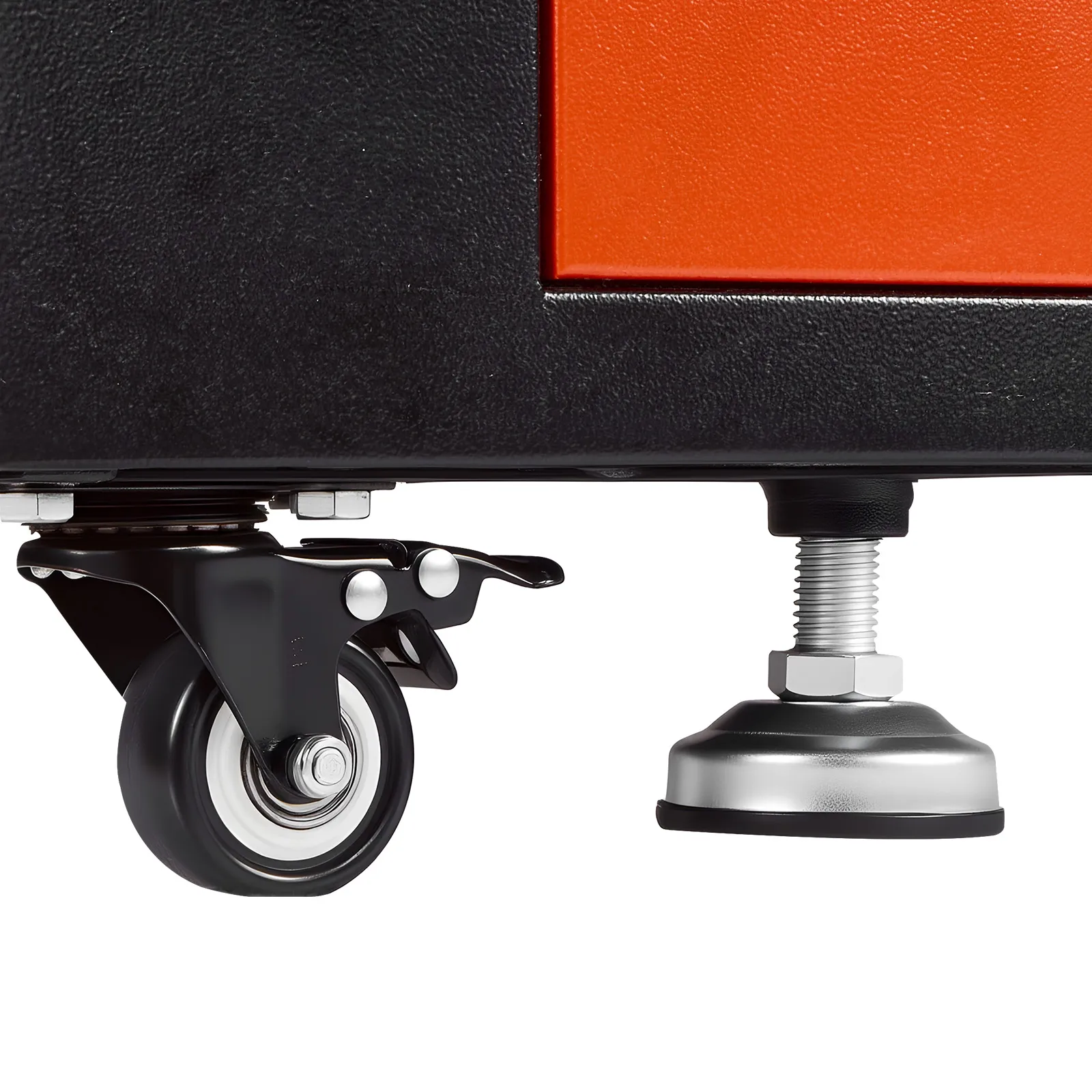
Adjustable Feet & Casters
Our CO2 laser engraving cutter machine features adjustable feet and casters, ensuring stable placement and easy mobility.
50W CO2 Laser Engraver Cuts 7mm Acrylic and 5mm Wood at 600 mm/s with Burr-Free Edges
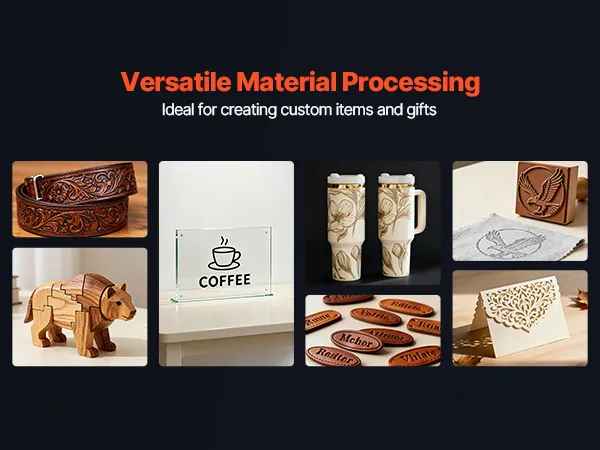
The VEVOR 50W CO2 laser engraver is designed to quickly and cleanly process wood, acrylic, leather, glass, and many other non-metal materials at engraving speeds of up to about 600 mm/s. The machine makes burr-free cuts that don't need any extra finishing or edge cleaning within the recommended thickness limits of 7mm for acrylic and 5mm for wood.
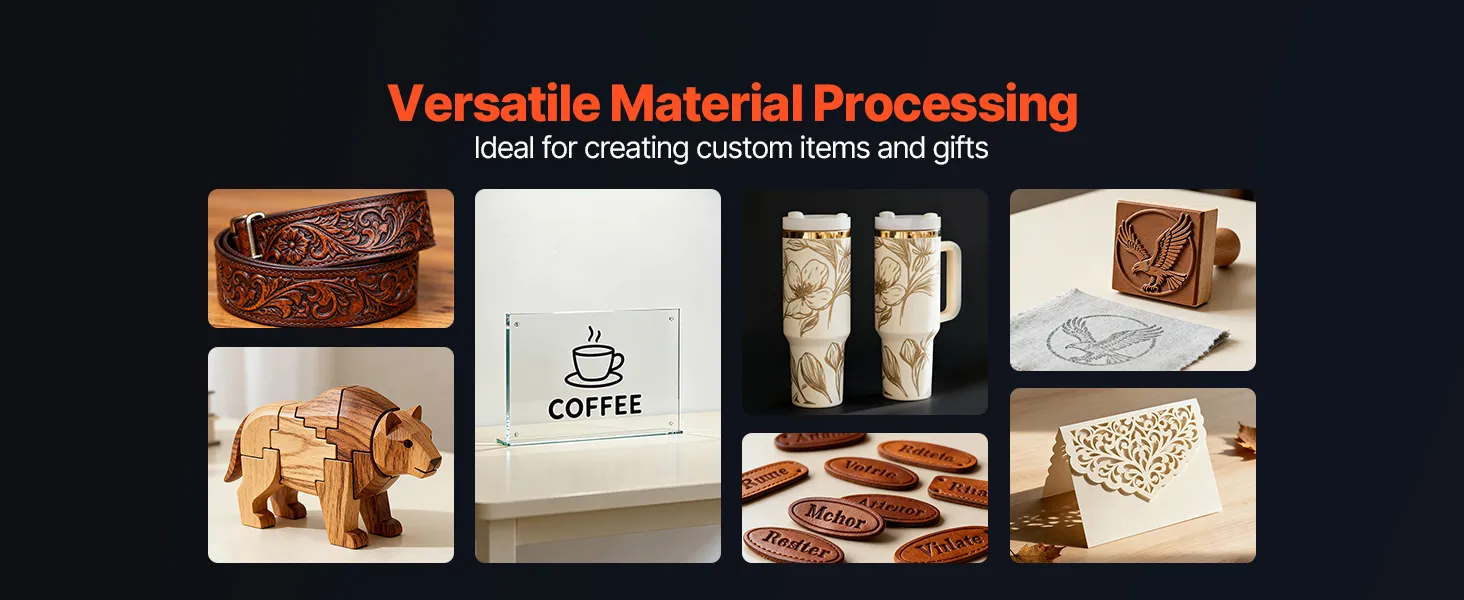
At this power level, the machine can handle the main tasks of craft and small-batch production, such as making personalized leather goods, custom wooden decor, detailed signs, and precise engraving on certain coated metals. The edges and contrast are clear enough for a professional presentation. The 50W output tier is a good way to start using CO2 lasers without the space, infrastructure, or cost of higher-wattage industrial systems.
50W CO2 Laser Engraver Offers 4-Way Pass-Through on 20 x 12 in Dual-Surface Work Bed
The 20 x 12-inch work area can hold leather goods, wooden decor panels, custom signs, and many other mid-sized engraving projects typical of daily work in craft and light production businesses. The standard equipment includes two interchangeable work surfaces: a honeycomb bed and an aluminum blade bed.
The four-way pass-through design eliminates the fixed-bed size limit by allowing longer material stock to feed through the enclosure from different directions while it is being processed. You can manually feed boards, strips, and panels that are longer than 20 inches through the machine and process them in sections. This greatly increases the range of project sizes this 50W CO2 laser engraver can handle without changing any hardware or pre-cutting the material.
Manual Focus System Uses Control Panel, Adjustment Knob, and Graduated Scale for Accuracy
The focusing system is one of the most important parts of any laser engraver because it directly affects engraving contrast, the consistency of cut depth, and the sharpness of edges on every piece processed. This machine has a structured three-step manual focusing system: you can roughly move the laser head using the control panel, make fine adjustments with a separate knob, and adjust the worktable height to add another axis of focal control.
Manual focusing lets operators directly control the focal parameters, which is especially useful in specialized situations where non-standard focal distances can improve results on certain surface textures, curved materials, or layered substrates. Adjusting the height of the worktable lets you correct the focus from below the workpiece, rather than just moving the laser head.
USB and Cable Connectivity Supports LightBurn, CorelDRAW, RDWorks Across All Major OS
Software compatibility affects how quickly a new laser engraver can be added to an existing design and production workflow. This machine connects to Windows, macOS, and Linux systems via USB or a network/data cable (as supported), without requiring any special drivers or workarounds. Cross-platform support means that the machine works with whatever computing environment is already in place.
Full compatibility with LightBurn, CorelDRAW, and RDWorks covers all design software workflows used in craft, signage, and laser light production applications. LightBurn offers tools for editing nodes, mapping variable power, and aligning cameras, all of which are essential for precise engraving workflows. CorelDRAW integration supports graphic designers and sign makers in their vector-based design processes, enabling them to create output that can be controlled and scaled.
Air-Assist System and Pull-Out Waste Tray Maintain a Clean Workspace During Every Session
The built-in air-assist system sends a steady stream of pressurized air to the active processing point during every engraving and cutting cycle. This clears away smoke, vaporized material, and combustion byproducts from the beam path in real time. Active debris clearance at the cut point prevents debris buildup that reduces cutting efficiency, can leave char or discoloration on the edges of finished workpieces, and slowly damages the laser head's optical components.
The pull-out waste tray collects debris that falls through the work bed during cutting. This makes cleanup after the session easier because you only have to remove, empty, and replace the tray, rather than vacuuming or manually picking up the debris. Water-pump cooling keeps the laser tube temperature within its stable operating range during long processing sessions.
Honeycomb and Blade Beds Provide Optimized Support for Thin Sheet and Thick Stock Materials
The two interchangeable work surfaces that come with this 50W CO2 laser engraver are designed to support the various materials it can work with. The honeycomb bed raises the workpieces above the bed surface, so the cut-through laser energy travels downward and reduces the chance of reflections marking the underside of the workpiece.
The aluminum blade bed provides thicker or heavier workpieces with stable line contact, which is important for materials that need rigid support across their full width while reducing full-surface contact that can trap heat and debris under the stock as it is being processed. Operators can switch between bed types in seconds and without any tools.
Water Pump Cooling and Multi-Security Features Protect Stable Long-Run Laser Performance
Safety systems must actively manage the thermal, electrical, and mechanical stresses that build up when lasers are used for extended periods to protect equipment and operator safety. This machine has multiple built-in safety features that monitor its operation during each session and automatically respond to new risk factors without the operator having to take any action.
The water-cooling system helps keep the laser tube temperature within its stable operating range, maintaining consistent output power and a long tube lifespan during extended sessions. Thermal drift in poorly cooled systems causes the output power to slowly drop over a long run. It worsens the cut quality of later pieces in the same batch compared to earlier pieces.
Product guides and documents
User manual-en (PDF) Review
Questions and Answers (3)
Could this be used to customize cowboy hats?
Great for custom hat bands, leather patches, accessories
Risky for direct engraving on the hat body
Not suitable for reshaping or “customizing” felt cowboy hats directly
By vevor
Helpful
(
0
)
Do the machine cut acrylic and plexiglass? If so, how thick do it should be in order to get a clean cut by the laser for the acrylic sheets and plexiglass? Do this machine has a pass through for longer sheets or wood? Do it cut wood? Thank you.
Can cut acrylic, plexiglass, and wood
Aren't acrylic and plexiglass the same material?
50W can cut acrylic up to 5mm thick; with a channel, it can cut thin wood panels
Acrylic offers superior transparency
If this response does not resolve your current issue, please contact us again for assistance.
By vevor
Helpful
(
0
)
can you use corel draw 2025 for this laser directly without converting the drawing to another program
Yes, you need to install Corel Draw, uncheck the delay in the VBA options (if there is no VBA plugin, the customer needs to install it themselves), and then select the Corel Draw plugin when installing RDWorks.
By vevor
Helpful
(
0
)
Select product protection plan
Accident and warranty protection by Xcotton (partner with AIG)
No thanks
3-Year
2-Year
1-Year
In Stock
Security & Privacy
FREE Returns
Professional Service
Compare with similar items
Similar Items You Might Like
People Who Bought This Item Also Bought
Best sellers in this category
People Who Viewed This Item Also Viewed
Your Browsing History
Recommended Searches
cnc near me best cnc cnc one cnc cnc machine near me used cnc machines cnc machines cnc routers carving cnc cnc machine for engraving rails cnc cnc linear guide laser welding machine for sale jewelry engraving machine jewelry engraving chillers used cnc lathe plate chiller cnc machine tools chiller pumps