Ask about this product by AI

VEVOR Automotive Smoke Machine Leak Detector, DC 12V EVAP Vacuum Diagnostic Tester with Built-in Air Pump, Pressure Gauge, Flow Meter, Oil Level Gauge, 2-Mode for Cars, Motorcycles, Trucks, Boats, ATV
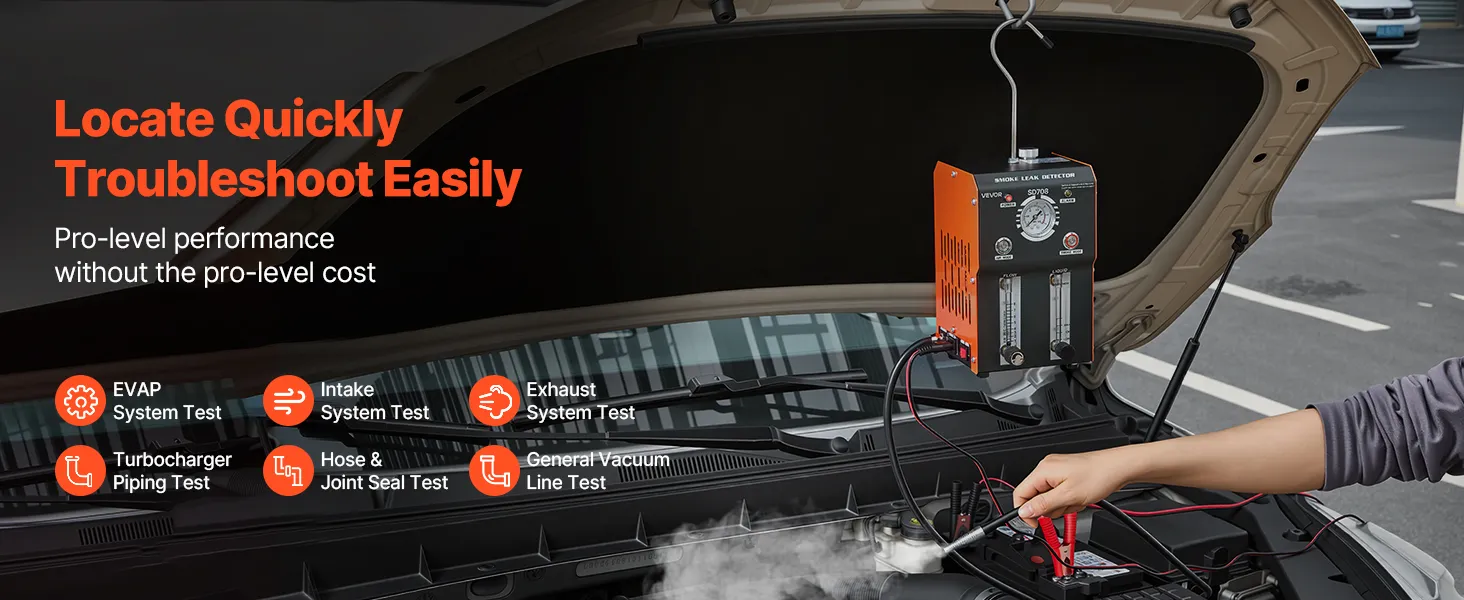
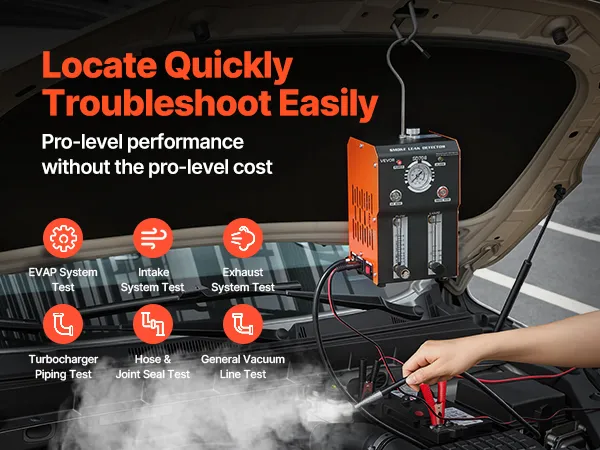
- Wide System Coverage: This automotive smoke machine leak detector supports leak detection for EVAP lines, vacuum hoses, intake passages, turbo piping, and exhaust systems. It is suitable for cars, trucks, boats, motorcycles, and ATVs
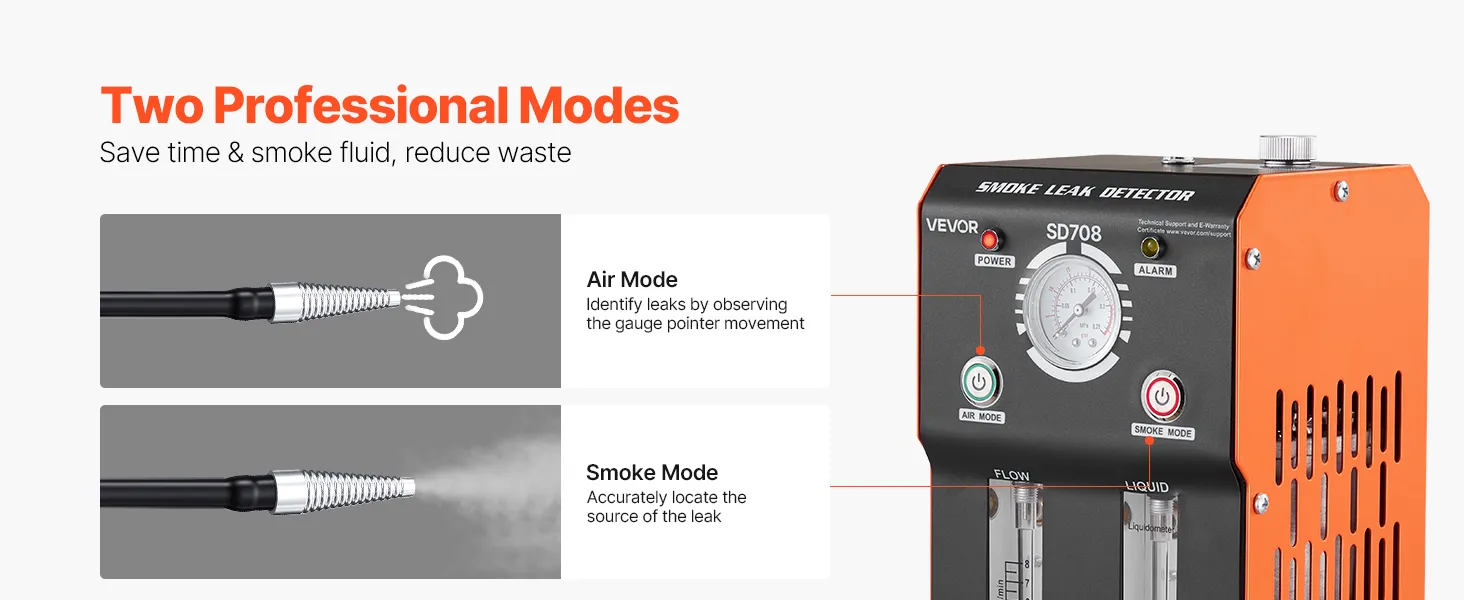
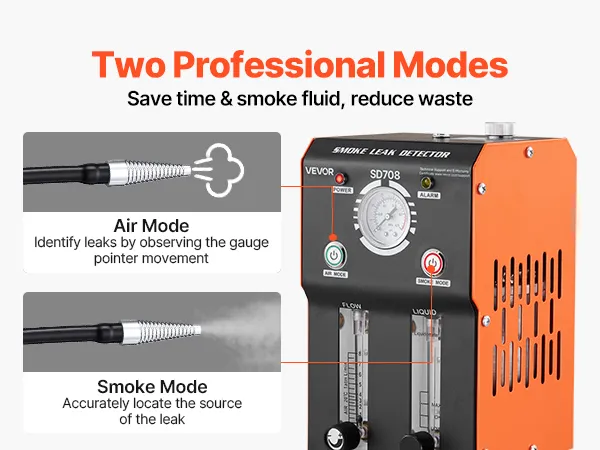
- Dual-Mode Testing: Our automotive smoke tester allows you to use Air Mode first to check the system sealing condition. Then switch to Smoke Mode to visually locate leak points, reducing unnecessary smoke fluid consumption
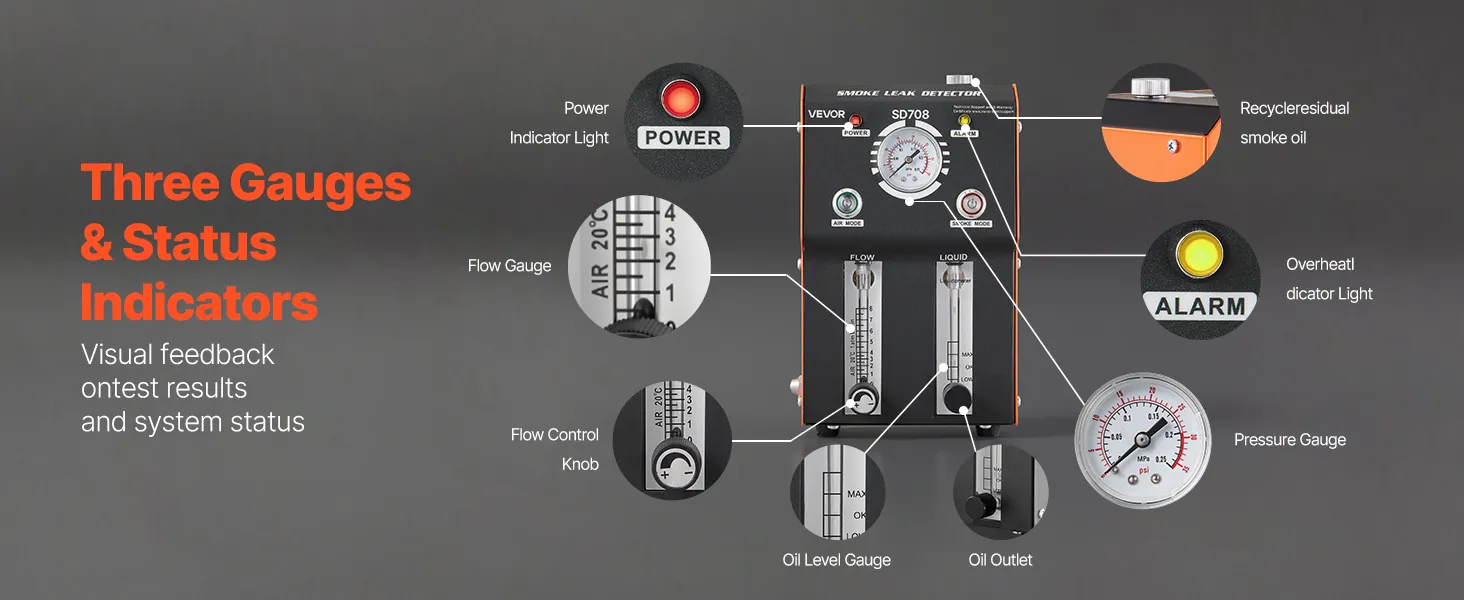
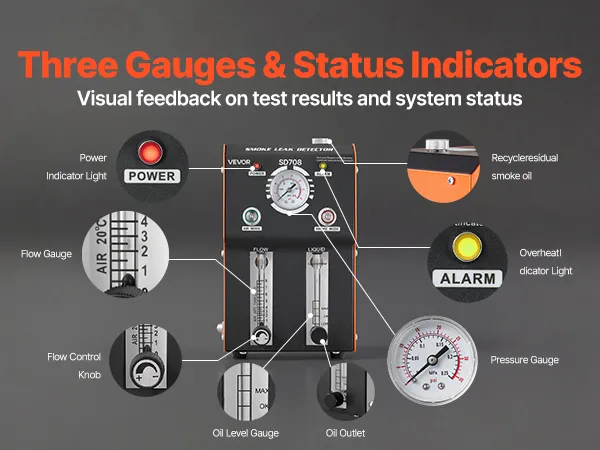
- Triple-Gauge Assistance: The automotive smoke machine features a pressure gauge to quickly identify major leaks. The flow meter and flow control knob help detect small leaks, while the oil level window allows you to monitor the remaining smoke fluid
- Dual Air Pump Output: This car smoke machine is equipped with dual built-in air pumps that provide stable airflow and dense smoke. It makes leak points easier to detect, even in tight engine compartments
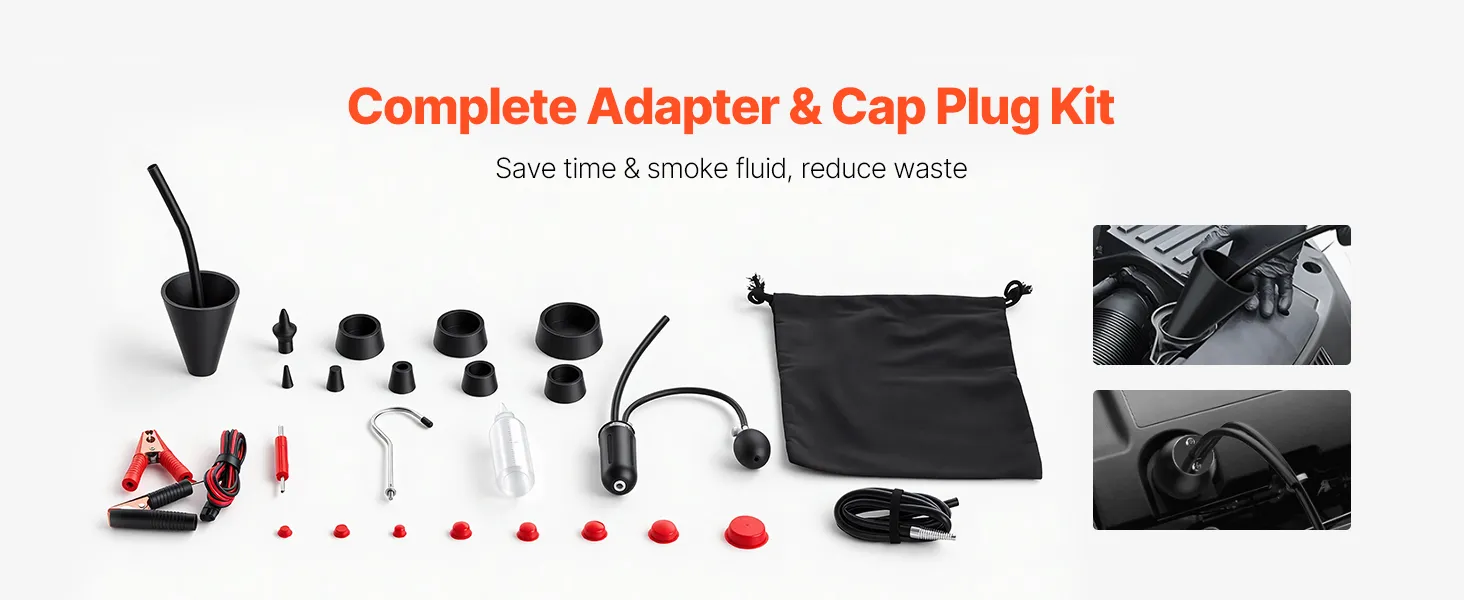
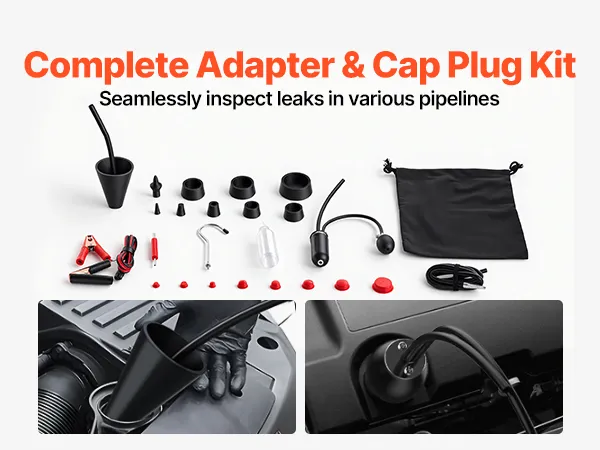
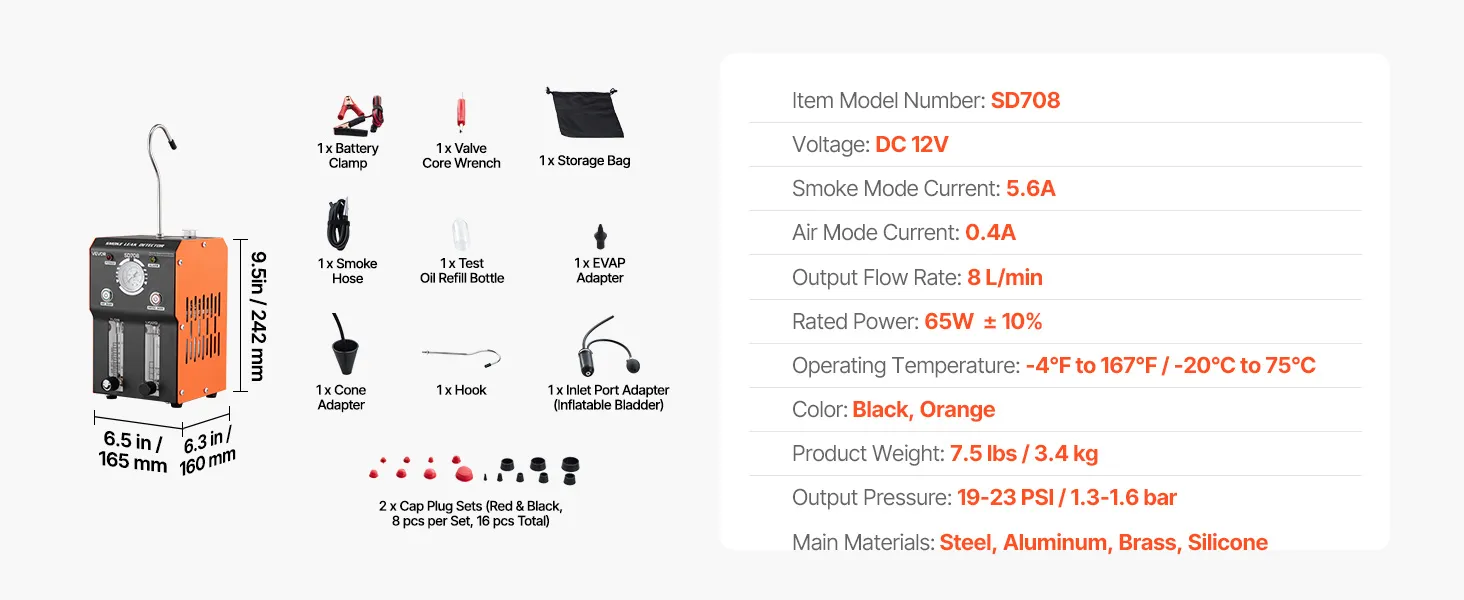
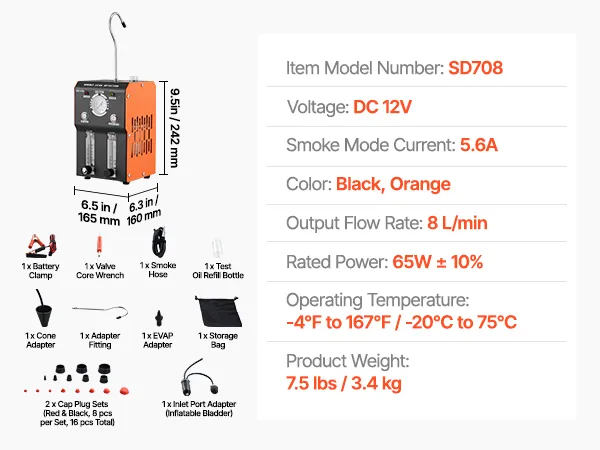
- Complete Sealing Kit: Our auto smoke machine comes with a 16-piece cap plug kit, cone adapter, EVAP adapter, and inlet port fitting. It allows you to seal various lines and passages for accurate leak detection
Reviews summary
Al-generated from customer reviews
Frequently Bought Together
Reviews
About this item


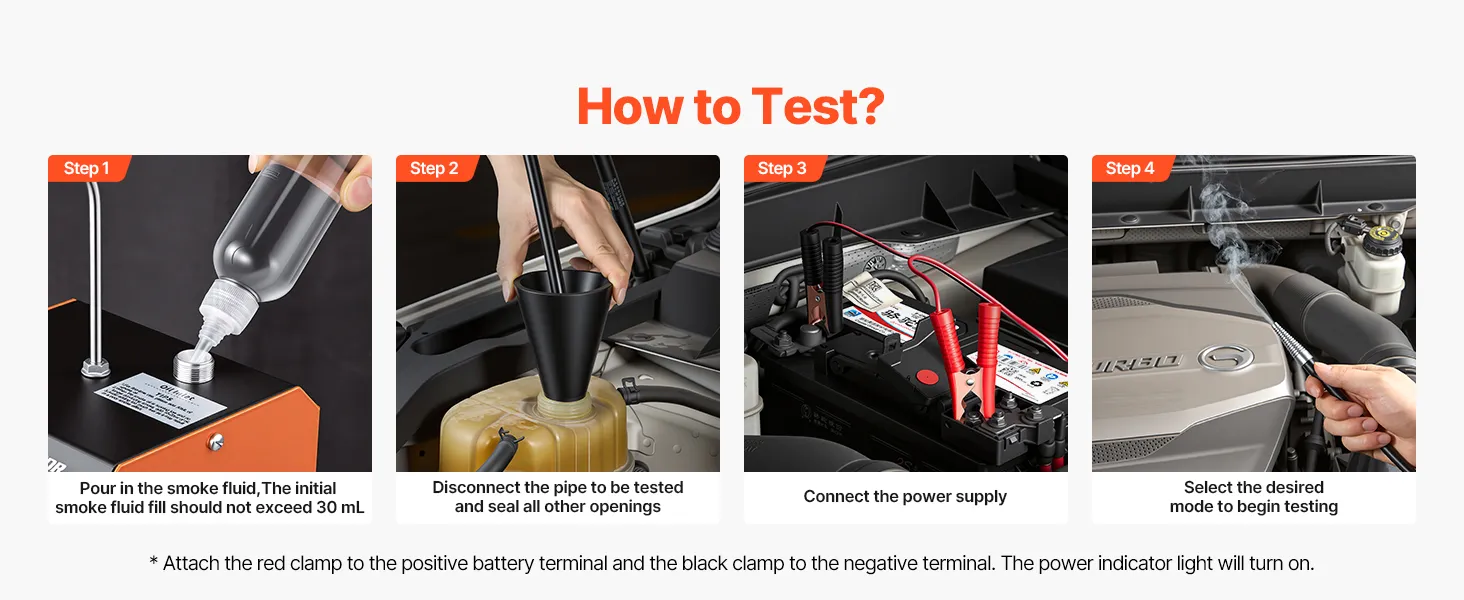
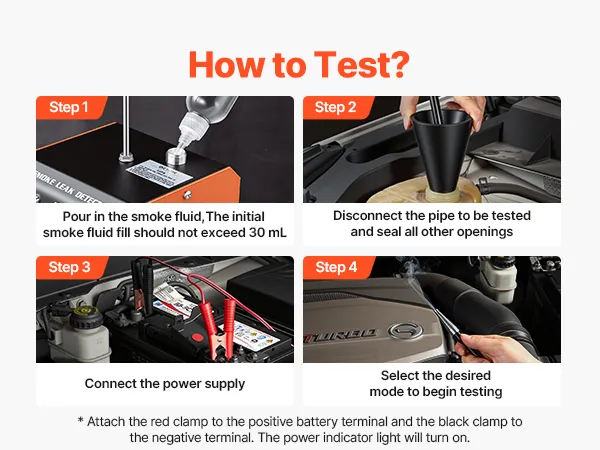
EVAP Smoke Leak Detector with Triple-Gauge Precision Monitoring
With a triple-gauge arrangement built into the device, this EVAP smoke leak detector reduces much of the guesswork that slows leak diagnosis. By displaying a noticeable pressure reduction as soon as testing starts, a pressure gauge promptly detects severe leaks, allowing a technician to identify a critical issue before wasting time visually tracking smoke. At the beginning of a diagnostic session, this instant feedback distinguishes between modest leaks, smaller leaks, and glaring system problems.
The smaller leaks are handled by the flow meter and flow control knob, which detect tiny leaks that a pressure gauge might miss. In addition to these two, an oil level gauge allows the remaining smoke fluid to be quickly seen, preventing a test from unexpectedly running dry during a session. Compared to a single-gauge device, the Model SD708 integrates all three into a single panel, providing technicians with greater diagnostic feedback at a glance.
Dual Air Pump Output for Dense, Consistent Smoke Delivery
To track a leak back to its source, smoke must remain visible and dense for a sufficient period. This equipment uses two integrated air pumps to maintain a consistent smoke output during a test. In small engine compartments, where smoke can quickly evaporate if output is weak, two pumps working together produce stronger, more consistent airflow than a single-pump design. Before a leak site becomes apparent, thin, erratic smoke often dissipates.
The dual-pump system, rated at 65W ± 10% with an output flow rate of 8 L/min, is designed to maintain airflow throughout the diagnostic session rather than losing pressure midway. The primary function of an EVAP smoke leak detector, which is to locate leak spots visually, depends on the smoke being dense enough to be seen against the surrounding hardware.
16-Piece Cap Plug Kit for Complete Line and Passage Sealing
This kit includes a 16-piece cap plug set, a cone adapter, an EVAP adapter, and an inlet port fitting, all essential for accurately sealing off a system. Compared to smaller kits on the market, this larger plug count covers a wider range of fitting sizes across various vehicle makes and models, reducing the likelihood that a separate adapter will be required mid-job. This kit can seal a wider variety of vehicles and systems without the need for improvisation, even as adapter size varies.
By addressing specific connection points commonly used in evaporative emissions testing, the specialized EVAP adapter and inlet port fitting enable technicians to create a tight seal without leaks at the connection. A full kit helps protect test accuracy: a weak seal at the adapter can result in a misleading reading, as air or smoke escaping there is mistaken for a system leak rather than a sealing problem.
Dual-Mode Air and Smoke Testing to Save Fluid
Without using smoke fluid, testing begins in Air Mode, which pressurizes the system and examines the general sealing condition. Switching to Smoke Mode only makes sense after Air Mode has confirmed a leak, as that phase visually locates the precise leak spot after a fault has been confirmed. By following this two-step procedure instead of going directly to smoke, systems that turn out to be sealed properly can avoid burning through fluid.
This difference is evident in the power draw: Air Mode draws only 0.4A, whereas Smoke Mode draws 5.6A, demonstrating how much more work the unit does once smoke creation begins. This EVAP smoke leak detector's dual-mode design maintains its effectiveness through repeated testing, which is especially helpful in shop environments where several diagnostics are run consecutively throughout the workday.
19-23 PSI Output Pressure with Flow Control for Small Leaks
The output pressure, specifically designed for automotive systems such as EVAP lines, vacuum hoses, and intake passages, ranges from 19 to 23 PSI (1.3 to 1.6 bar) and is safe for many automotive seals and connections. While keeping well below pressure levels that could stress delicate components during testing, that range provides enough force to propel smoke through longer or more constricted passageways.
In addition to the base pressure, the flow control knob allows operators to precisely alter airflow when searching for tiny leaks that a fixed-pressure system could miss. This degree of control, together with the flow meter's reading, is what distinguishes a simple single-setting smoke tester from one designed to identify both overt failures and more subtle, difficult-to-detect leaks during the same testing session.
EVAP Smoke Leak Detector for Cars, Motorcycles, and ATVs
Cars, trucks, motorcycles, boats, ATVs, and systems other than EVAP lines, like vacuum hoses, intake passages, turbo pipes, and exhaust systems, are all covered by this EVAP smoke leak detector. Because most conventional automotive and powersport systems use the same pressure output and adapter kit, its breadth makes it appropriate for shops or individuals working with a variety of vehicle types rather than just one.
The unit, which weighs 7.5 pounds and measures 6.5 x 6.3 x 9.5 inches, is designed to be stored in a shop or garage between uses. Its operating temperature range is -4°F to 167°F, allowing it to be used in both hot and cold climates. Having gauges, pump output, and adapter coverage suited for many vehicle types in a single unit eliminates the need for different tools per vehicle category for technicians troubleshooting leaks across a diverse fleet.