








Download VEVOR App 

Get $5.00 Off $99.00+ Orders on Your First 3 App Orders
Scan the QR code to download
SKU: WLMZ07507548WSYFD001V0
Copy


+12
More


 Ask about this product by AI
What material are the VEVOR Wooden Garden Stakes made of?
How do you install these wooden garden stakes into the ground?
What are the dimensions and weight of a single wooden garden stake?
Ask something else
VEVOR Wooden Garden Stakes, 25 Pcs 48x0.75x0.75 in Survey Grading Stakes, Garden Ground Stake with Sharp Point, Fir Wood Plant Support Stake, Sign Posts for Silt Fence Backyard Boundaries Baselines
5 10 Reviews
$ 37 90
Earn at least 2% points on purchases or save up to 15%.
Each when you buy 0+.
Shop
Get -% off for new user
Get $5.00 Off $99.00+ Orders on Your First 3 App Orders.
Download Now

Features & Details
- Garden Stakes: Our wood garden stakes are suitable for building garden fences, supporting plants, guiding pathways, and creating decorative borders. A practical and beautiful choice for home gardening, farms, and outdoor projects.
- High-Quality Fir Wood: Made from natural fir, the wooden ground stakes are ideal for outdoor use, ensuring long-lasting durability and peace of mind.
- Sharp Point Design: The silt fence stake features a pointed bottom for easy insertion into soil or grass with a hammer, saving time and effort.
- Multiple Size Options: Available in various lengths and widths, these wooden grading stakes are suitable for different plant heights, fence structures, or decorative designs to meet various needs.
- Wide Application: The wooden garden stakes are ideal for supporting climbing plants like tomatoes and beans, marking garden zones, or enclosing temporary construction sites. These wood stakes are versatile and reliable in many settings.
Product specification
- Item Model Number 1.91x1.91x121.92x25
- Wood Material Fir Wood
- Number of Piece 25PCS
- Product Weight 9.26 lbs / 4.2 kg
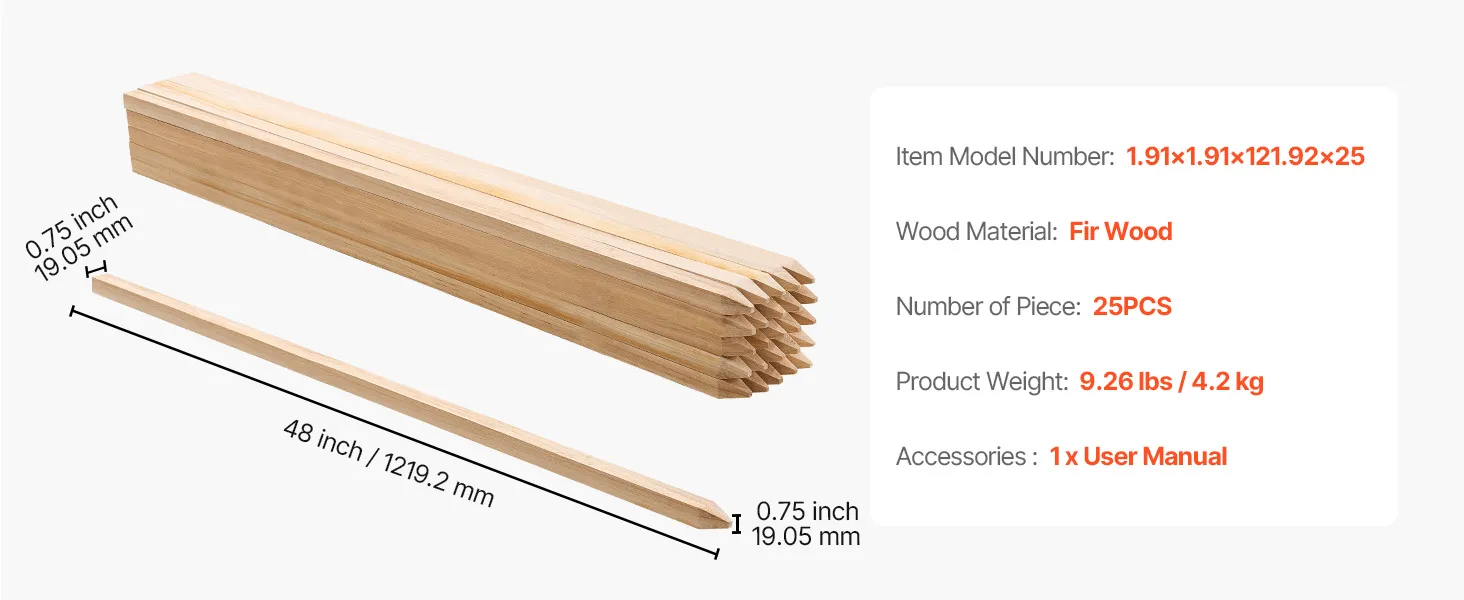
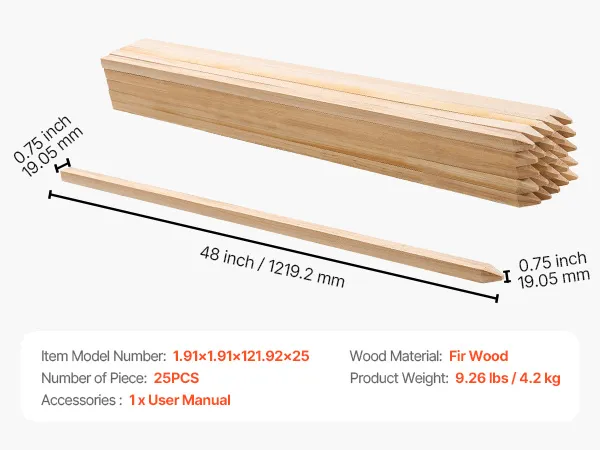
- Single Product Size 0.75×0.75×48 in / 19.05×19.05×1219.2 mm
Reviews summary
5 10 Reviews
Customers say: The product is sturdy, reliable, easy to use, and effective for various marking purposes without splintering or defects.
Al-generated from customer reviews
Frequently Bought Together
Reviews
About this item
Questions and Answers
Explore
Reviews
No customer reviews
Be the first to rate this product. your feedback will helps others make informed decisions.
Write a Review
Customers say
The product is sturdy, reliable, easy to use, and effective for various marking purposes without splintering or defects.
Al-generated from customer reviews
Top Reviews
About this item
Product specification
- Item Model Number
- 1.91x1.91x121.92x25
- Wood Material
- Fir Wood
- Number of Piece
- 25PCS
- Product Weight
- 9.26 lbs / 4.2 kg
- Single Product Size
- 0.75×0.75×48 in / 19.05×19.05×1219.2 mm
Description


Sturdy Wooden Garden Stakes
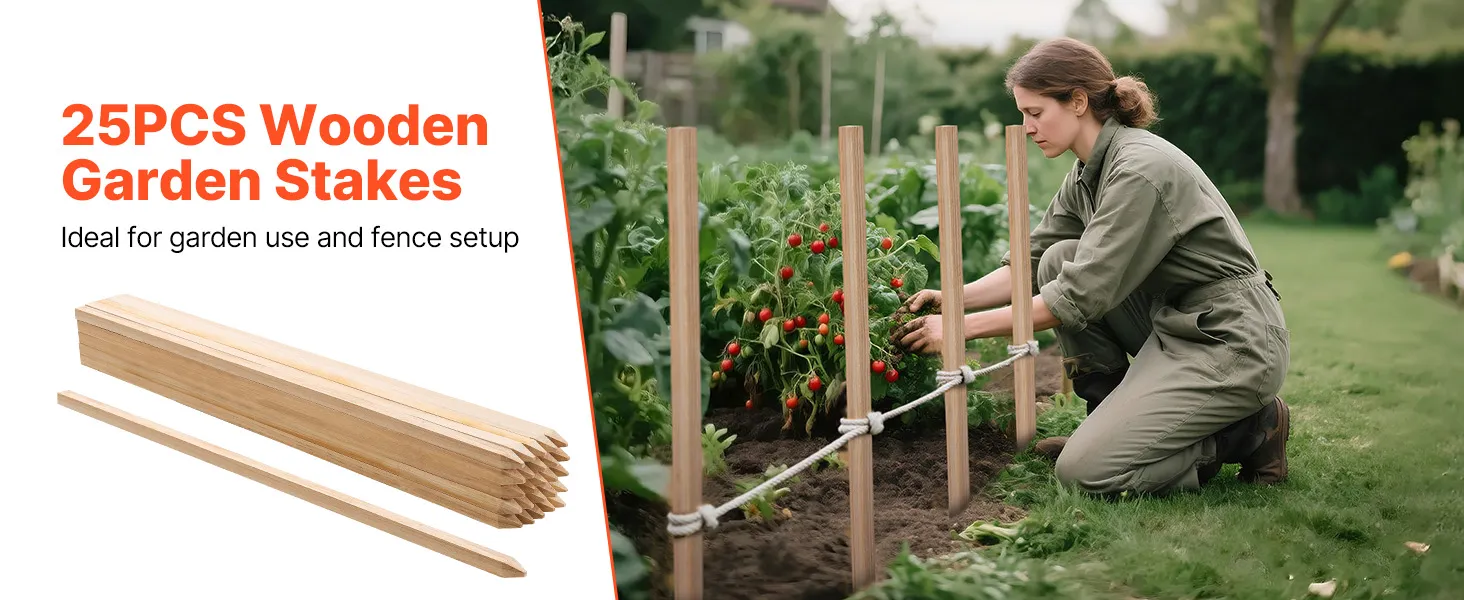
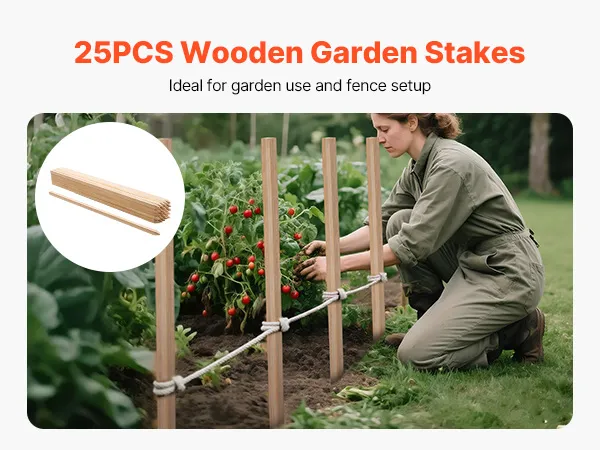
These fir wooden garden stakes are ideal for building fences, supporting plants, marking pathways, and creating decorative borders. With a pointed design for easy soil insertion, they come in multiple sizes to suit different plants and outdoor needs. Ideal for gardening, farms, and outdoor projects.
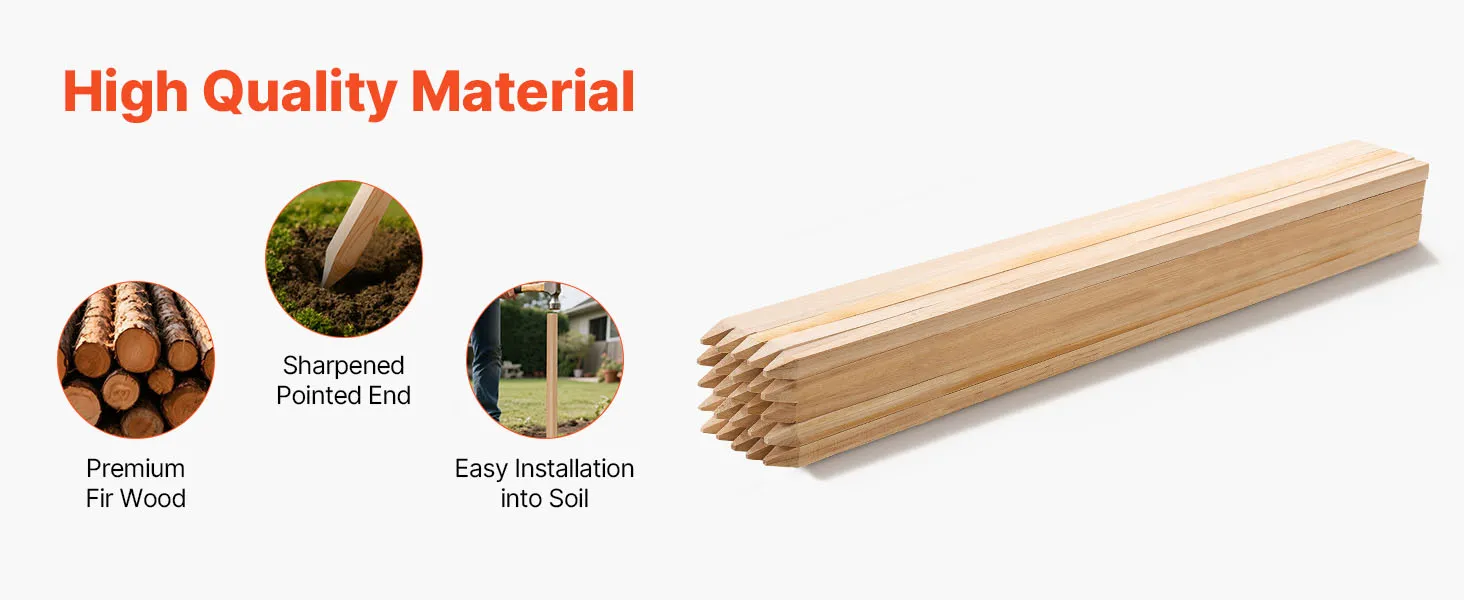
Made from high-quality cedar wood, our grading stakes are ideal for outdoor use, ensuring long-lasting durability and peace of mind.
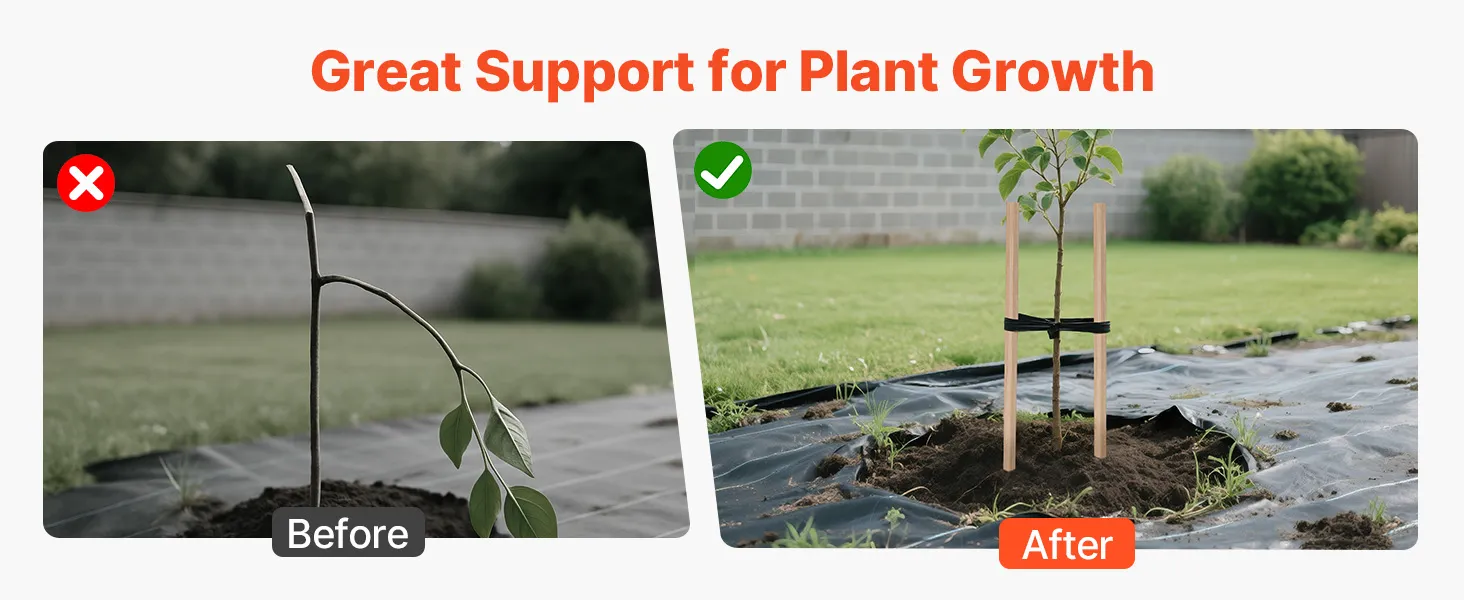
These wooden stakes for garden provide stable support for vegetables and climbing flowers, offering reliable support throughout the growing season for healthy, vigorous growth.
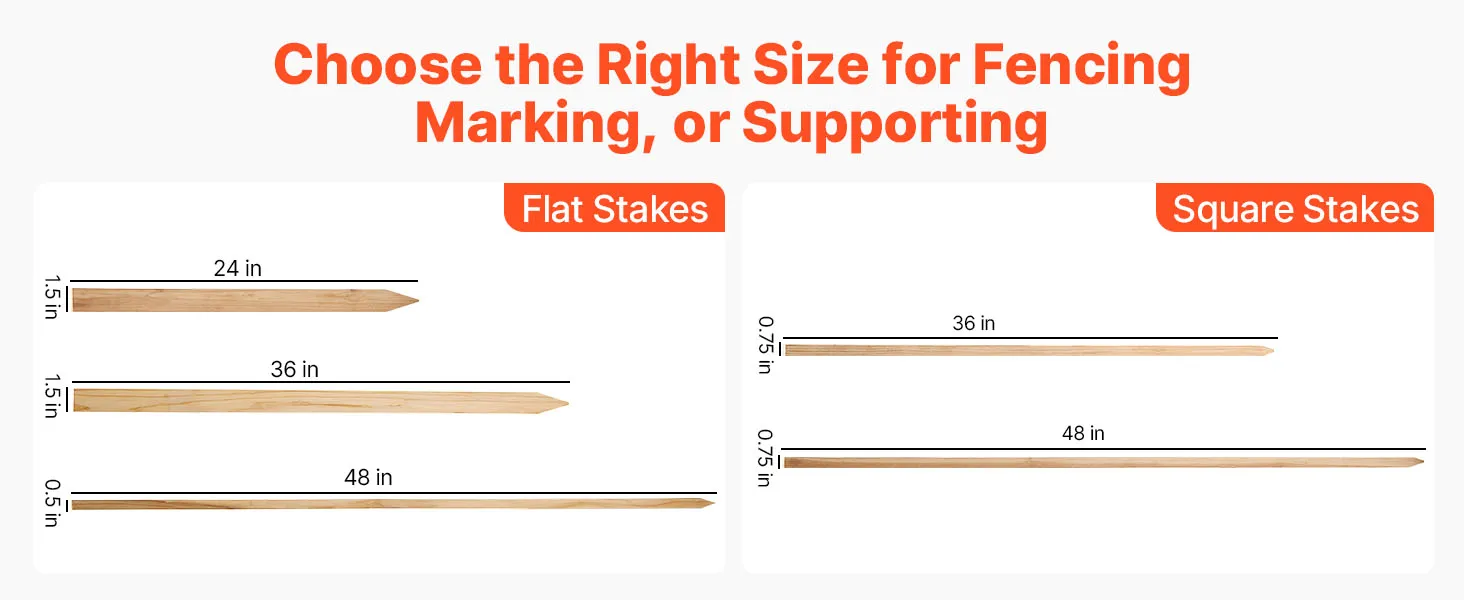
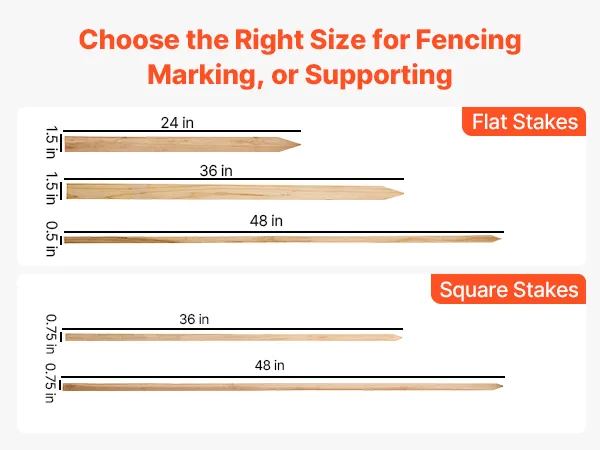
Choose the ideal size to suit your planting or fencing needs, adapting to different outdoor applications.
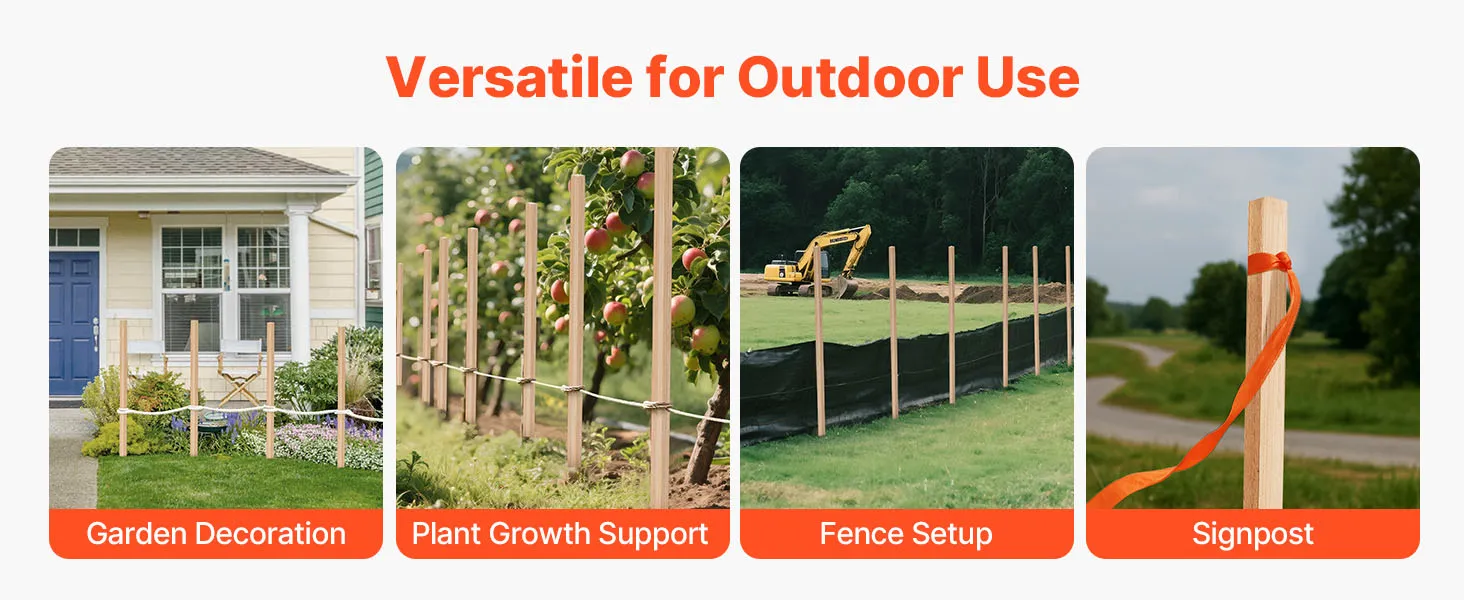
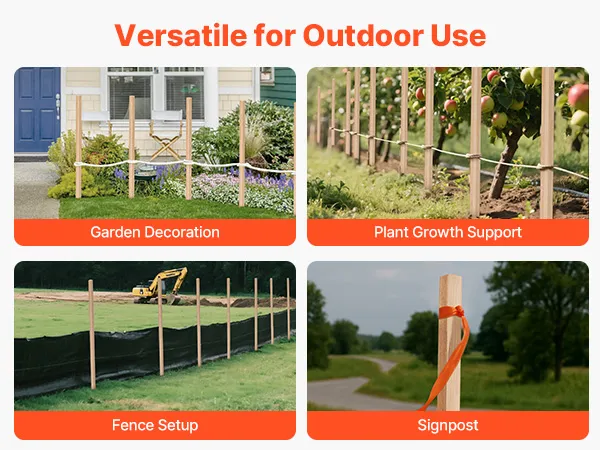
In addition to gardening, these wooden survey stakes are perfect for various uses such as fence installation, measuring projects, directional signs, and construction sites.
Grade A Fir Wood Construction with Natural Weather Resistance Properties
Fir wood has a good name among gardeners, and for good reason. These stakes do not rot or warp, and they can support large tomato vines and climbing bean plants without bending. Pine and cedar split easily, but fir holds together through spring rains, summer heat, and winter freezes. Fir wood's natural resin content prevents water from entering the wood, helping it resist warping and breaking.
Each stake is made from fir trees cut down in responsibly managed forests. These trees are known for having thick grain patterns. Because of their natural density, these stakes will not break when grown plants or strong winds push on them. The natural oils in the wood keep bugs away and keep it from rotting, so you do not have to use chemicals that could hurt plants or dirt.
0.75×0.75×48 Inch Dimensional Specifications for 4 Foot Wooden Garden Stakes
Getting the dimensions right is very important for a successful garden. The stakes measure 0.75 by 0.75 by 48 inches, making them both strong and useful. The four flat sides keep the stakes from spinning when plants get heavy or the wind picks up. The square cross-section grips the ground better than round stakes.
The 48-inch length lets you do things that other stakes can't. It stays stable when you sink about 12 inches into the ground, leaving 36 inches of space above for tall plants. You can use these 4 foot wooden garden stakes to mark property lines or to hold up temporary fencing around building sites.
Machine-Sharpened Point Design for Efficient Ground Penetration
Points that have been machine-sharpened make work that was once a chore go quickly. It only takes a few taps with a hammer to drive these stakes into firm clay or rocky ground. You do not have to drill pilot holes or struggle with blunt ends that just push the dirt around. The exact taper cuts neatly through packed dirt without making stress cracks in the wood that weaken it.
These points can penetrate firm or partially frozen ground in the winter. This is a trick that builders and landscapers know: sharp stakes go in quickly and straight, which saves hours on big jobs. A cheap stake will lose its edge after one season, but this point will still work after dozens of uses. Compared to standard pointed stakes, the 30-degree angle provides optimal soil displacement while minimizing insertion force. This technique cuts installation time by up to 40%.
25-Unit Bundle System with 9.26 Pound Total Weight Distribution
You might think that 25 stakes are a lot until you use them in a real garden job. Put tomato supports every 6 feet, mark the corners of the raised beds, and add more for the bean teepees. All of a sudden, 25 seems like the right number. The bundle weighs only 9.26 pounds, making it light enough to carry anywhere without straining your back.
Standard 4x8 raised beds (8 stakes per bed plus extras), small fence runs, or mixed veggie gardens work great with this count. When planting season starts, and stakes are no longer available, having extras on hand is better than making multiple trips to the store.
Multi-Application Design for Garden and Construction Use
Tomato plants that bear a lot of fruit put a lot of stress on their supports. These stakes can hold indeterminate types that get 8 feet or more tall and are full of fruit. When loaded, the fir wood bends a little instead of breaking like flimsy materials would. This keeps your harvest safe during summer storms. In typical garden soil, each stake can support around 25 pounds of plant weight with proper installation.
Climbing beans can easily wrap around the square sides, making spirals that get stronger as they grow. The rough surface of the fir is good for cucumber plants, peas, and flowering climbers. Besides veggies, these stakes define the edges of the garden, provide temporary shade cloth, and serve as a framework for row covers that protect plants.
Survey-Grade Precision Manufacturing with ±0.05 Inch Tolerance
There is no guessing or sorting through different sizes because each stake is manufactured to approximately 0.75 by 0.75 by 48 inches. This level of accuracy is important when you need to line up fence stakes correctly or mark the exact edges of a property. The straight grain helps the wood resist warping, which can otherwise affect measurements.
Professional landscapers use the same guidelines to prepare the site and plan the layout of their job. You can use the accurate measurements for anything, from marking the locations of sprinkler lines to putting concrete form guides. These 4 foot wooden garden stakes deliver surveyor-quality results at garden-store prices for precision projects.
Natural Surface Treatment for Custom Marking Applications on 4 Foot Wooden Garden Stakes
Many common marking methods work well on clean fir wood. You can use spray paint to color-code yard areas, lumber crayons for short-term marking, and permanent markers for long-term plant labels. These markings generally stick and stay visible. When projects need extra protection, the unfinished surface works well with stains and weatherproof finishes.
These 4 foot wooden garden stakes soak up finishes evenly, unlike treated wood, which prevents them from soaking up finishes. The natural color of the wood blends into outdoor settings while remaining clear enough to mark and identify. You can change the markings with the seasons or give the wood a fixed finish for long-term projects. The wood can adapt to your garden's needs.
Product guides and documents
User manual-en (PDF) Review
Questions and Answers (0)
Typical questions asked about products: Is the product durable? ...
In Stock
Security & Privacy
FREE Returns
Professional Service
Compare with similar items
Similar Items You Might Like
People Who Bought This Item Also Bought
Best sellers in this category
People Who Viewed This Item Also Viewed
Your Browsing History