







Download VEVOR App 

Get $5.00 Off $99.00+ Orders on Your First 3 App Orders
Scan the QR code to download
SKU: DGNSDJJS550W2VP8O001V1
Copy


+12
More


 Ask about this product by AI
What is the compatible belt size for this grinder?
Can the grinder be used for both high-speed grinding and precision polishing?
Does the grinder support bidirectional rotation?
Ask something else
VEVOR Belt Grinder Sander with VFD, 30 x 1-Inch Variable Speed Belt Polisher, 550W Polishing Grinding Machine with 2 Grinding Modes & 3PCS Sanding Belts for Metalworking, Knife Making
4.7 19 Reviews
$ 214 90
Earn at least 2% points on purchases or save up to 15%.
Each when you buy 0+.
Shop
Get -% off for new user
Get $5.00 Off $99.00+ Orders on Your First 3 App Orders.
Download Now
Features & Details
- Powerful & Efficient: Powered by a 550W brushless motor, this belt grinder sander delivers strong output with a belt line speed of up to 21 m/s, enabling fast material removal and improved grinding efficiency for woodworking, knife making, and metalworking
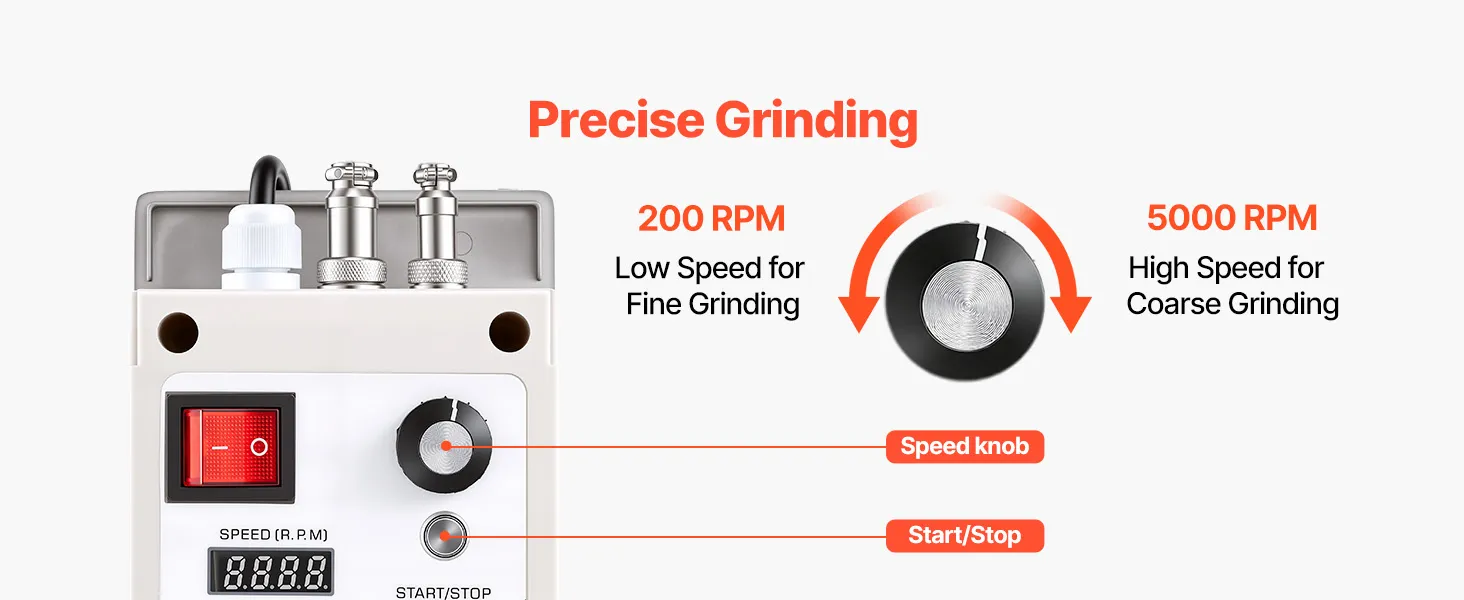
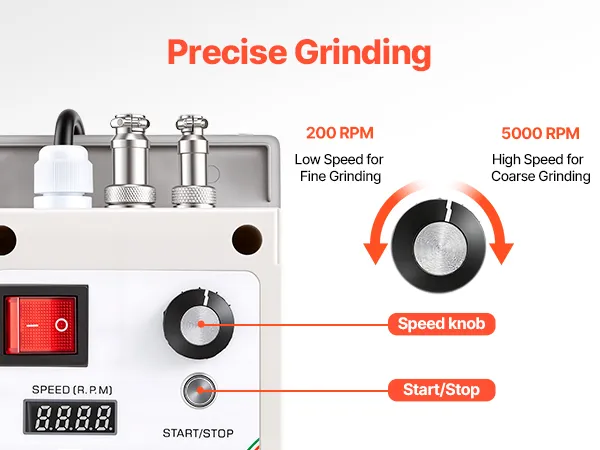
- Variable-Speed Control: Featuring a VFD variable frequency drive, this belt polisher knife sharpener supports 200–5000 RPM stepless speed adjustment, allowing easy switching between high-speed grinding and low-speed precision polishing
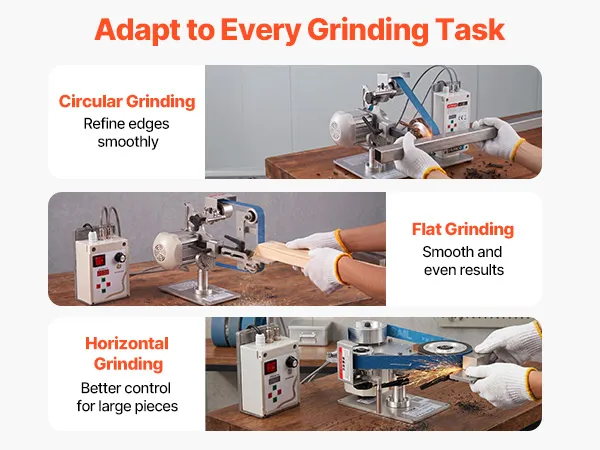
- Enhanced Grinding Flexibility: This knife making grinder provides 2 grinding modes - circular and flat grinding for more flexible use. Also supporting both vertical and horizontal use, it adapts easily to different grinding angles and working needs
- Forward & Reverse Rotation: Our polishing grinding machine supports bidirectional rotation control, allowing greater grinding flexibility, easier material positioning, and smoother operation for various tasks
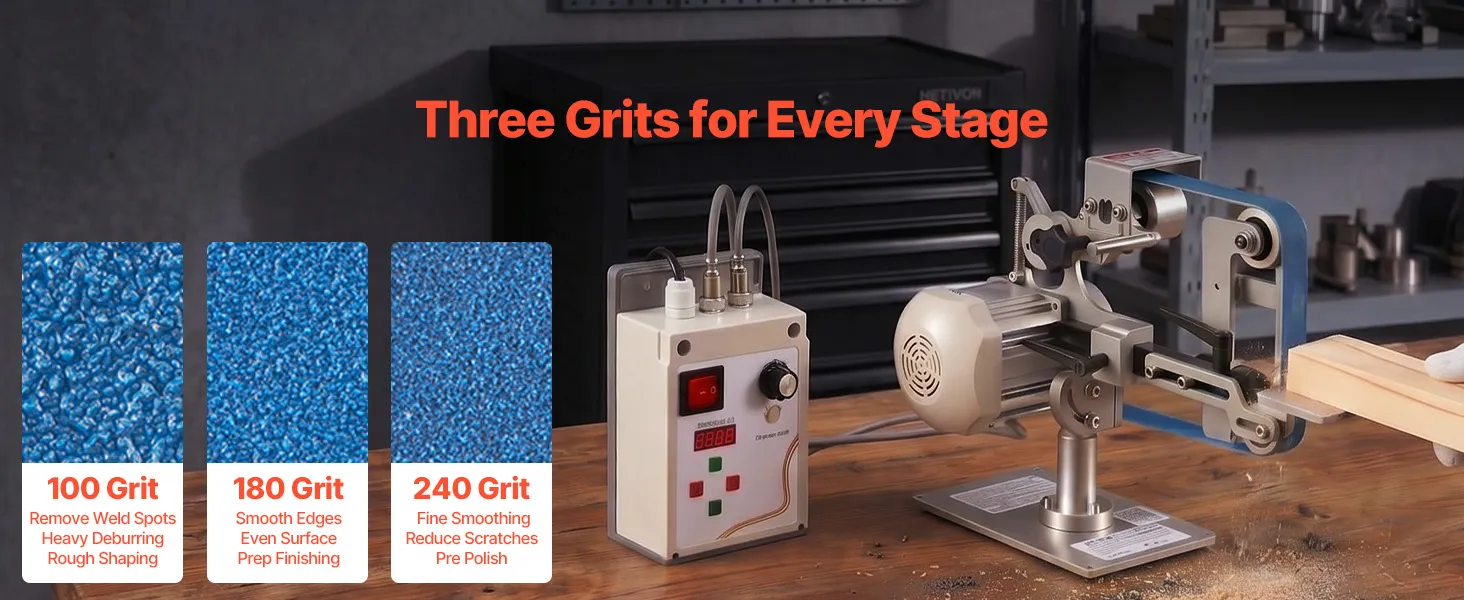
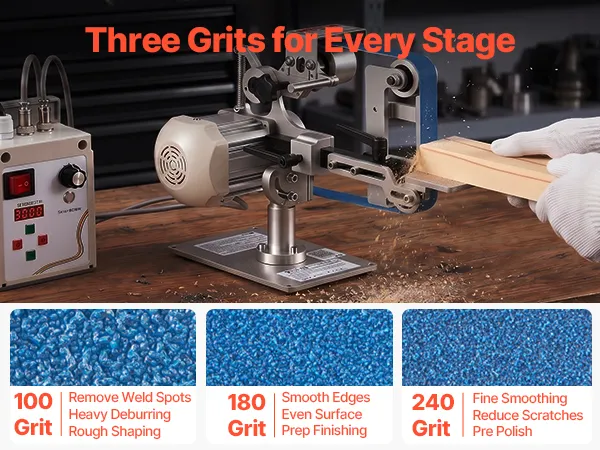
- Versatile Sanding Options: We provide three 30*1 inch sanding belts with different grits: 100/180/240 grit. You can choose the appropriate belt for optimal performance for your sanding tasks. From coarse grinding to fine polishing, we've got you covered
Product specification
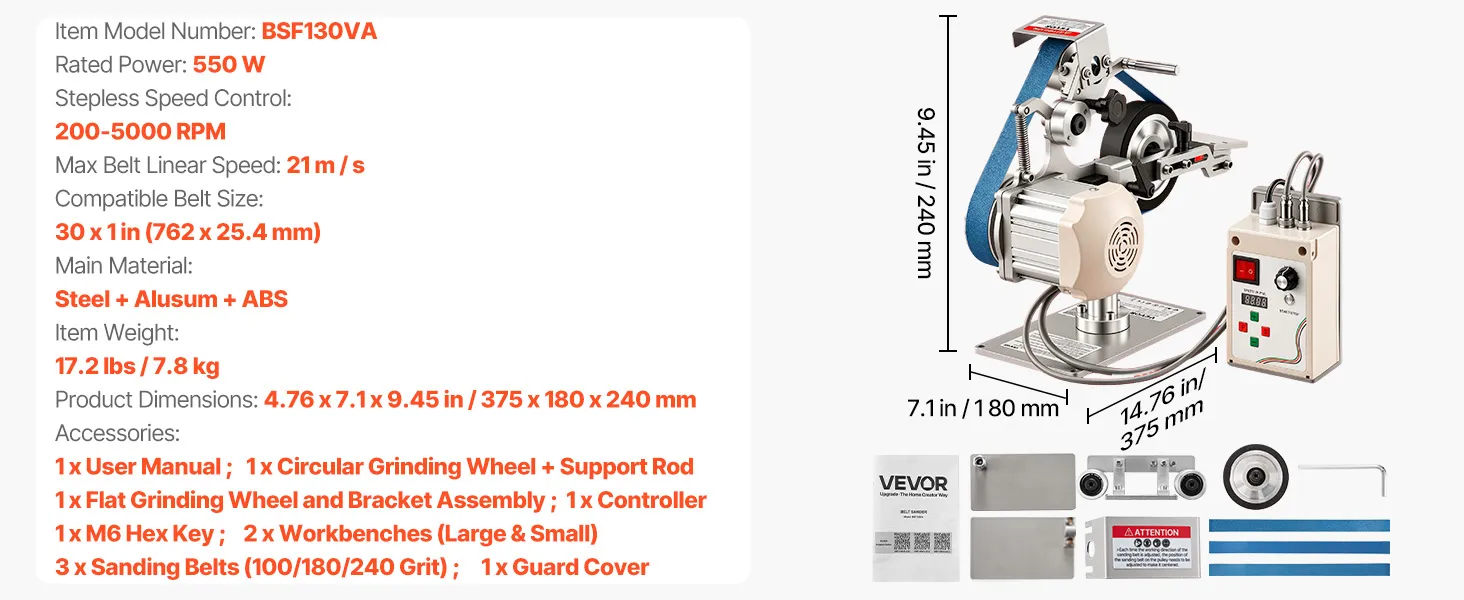
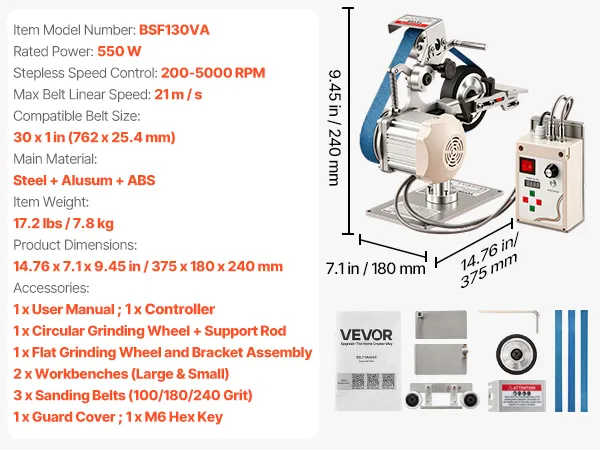
- Item Model Number BSF130VA
- Rated Power 550 W
- Stepless Speed Control 200-5000 RPM
- Max Belt Linear Speed 21 m / s
- Compatible Belt Size 30 x 1 in (762 x 25.4 mm)
- Main Material Steel + Alusum + ABS
Reviews summary
4.7 19 Reviews
Customers say: The product is praised for its ease of use, quality, stability, and versatility, with minor issues like occasional bearing noise and the need for user adjustments.
Al-generated from customer reviews
Frequently Bought Together
Reviews
About this item
Questions and Answers
Explore
Reviews
No customer reviews
Be the first to rate this product. your feedback will helps others make informed decisions.
Write a Review
Customers say
The product is praised for its ease of use, quality, stability, and versatility, with minor issues like occasional bearing noise and the need for user adjustments.
Al-generated from customer reviews
Top Reviews
About this item
Product specification
- Item Model Number
- BSF130VA
- Rated Power
- 550 W
- Stepless Speed Control
- 200-5000 RPM
- Max Belt Linear Speed
- 21 m / s
- Compatible Belt Size
- 30 x 1 in (762 x 25.4 mm)
- Main Material
- Steel + Alusum + ABS
- Item Weight
- 17.2 lbs / 7.8 kg
- Product Dimensions
- 14.76 x 7.1 x 9.45 in / 375 x 180 x 240 mm
Description


Pro-level performance without the pro-level cost
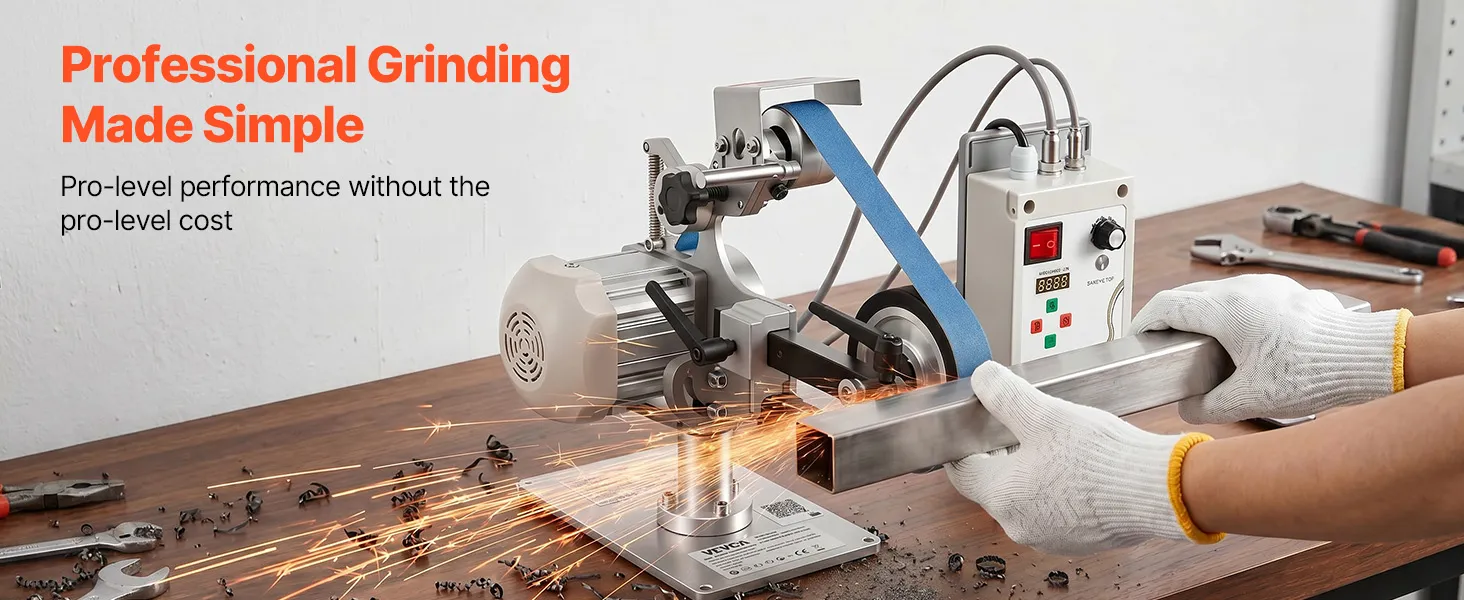
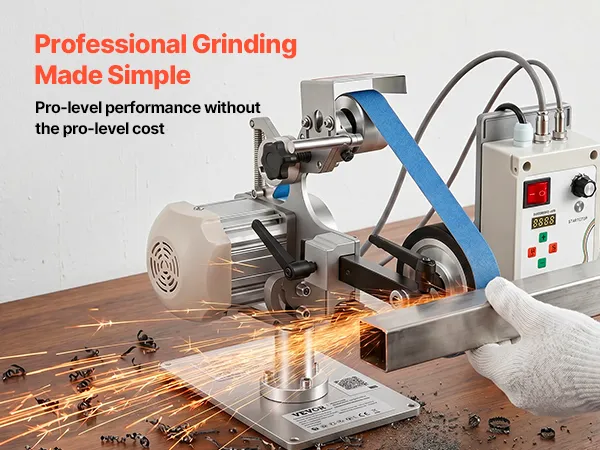
This belt grinder sander features a powerful brushless motor, variable-speed control, and versatile grinding modes, providing efficient and precise grinding for woodworking, knife making, and metalworking tasks.

Key Features
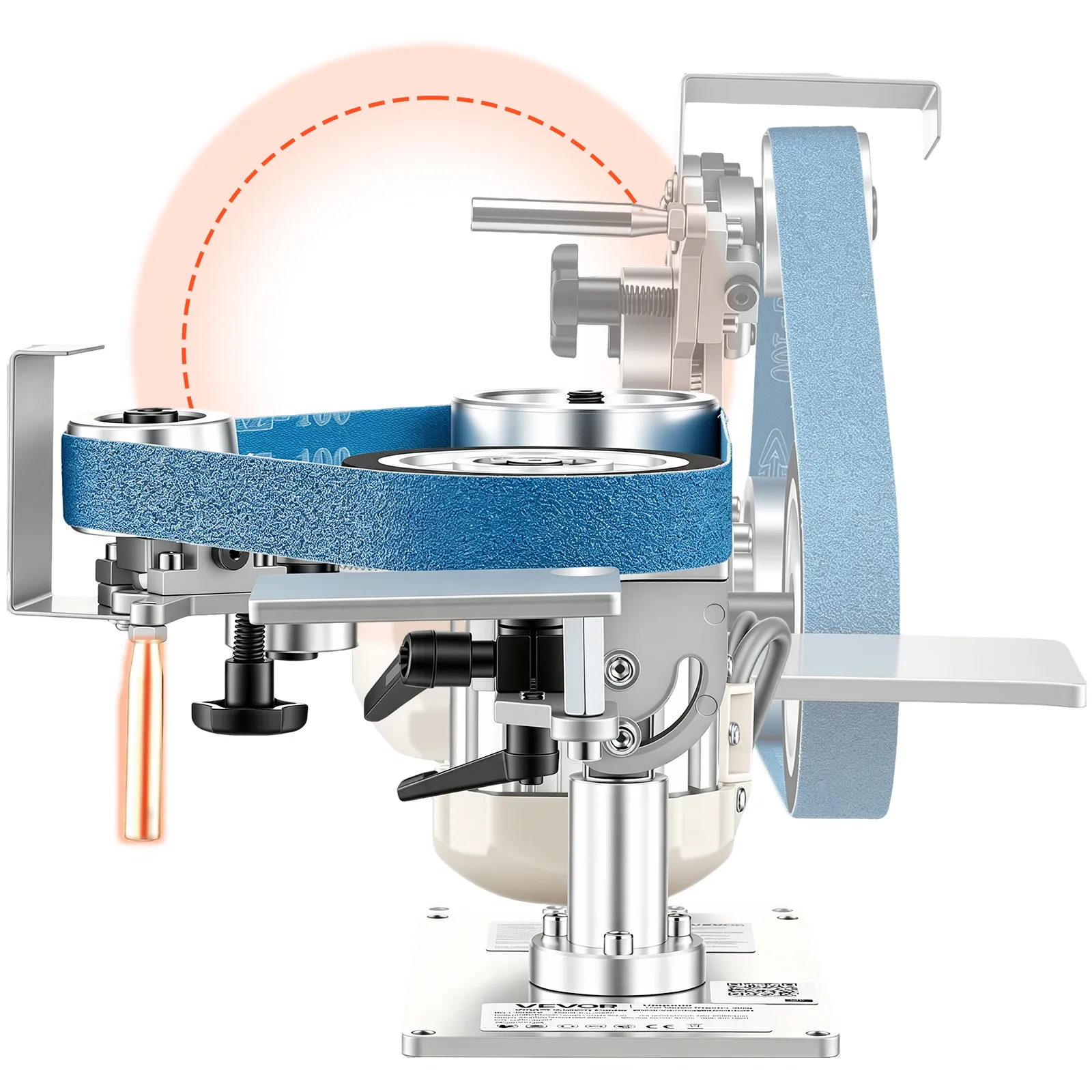
Vertical & Horizontal Use
Easily switch between vertical and horizontal positions for flexible grinding and better control across different tasks.
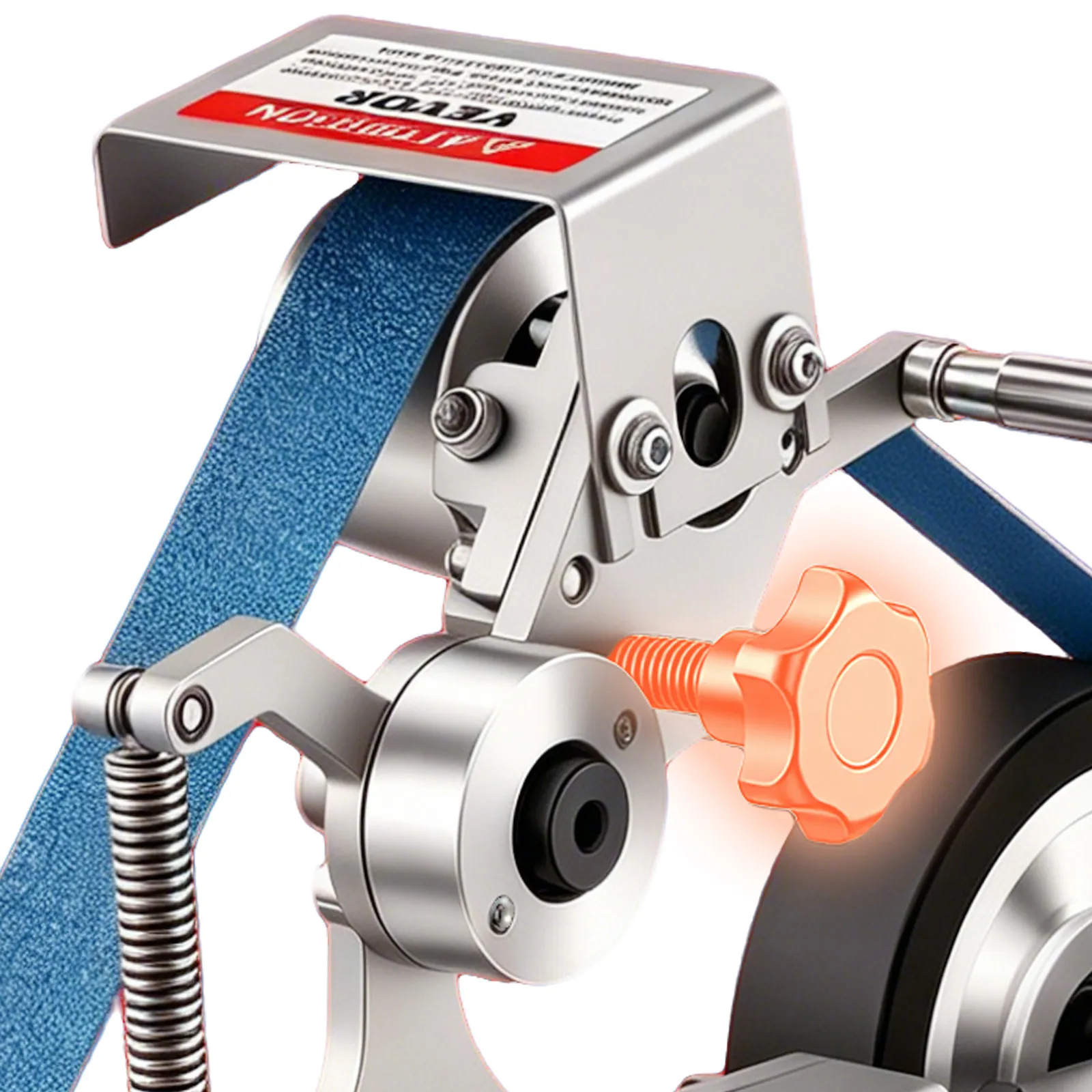
Belt Tracking Adjustment
Quickly adjust the belt position for accurate tracking, helping maintain stable operation and improve grinding precision.
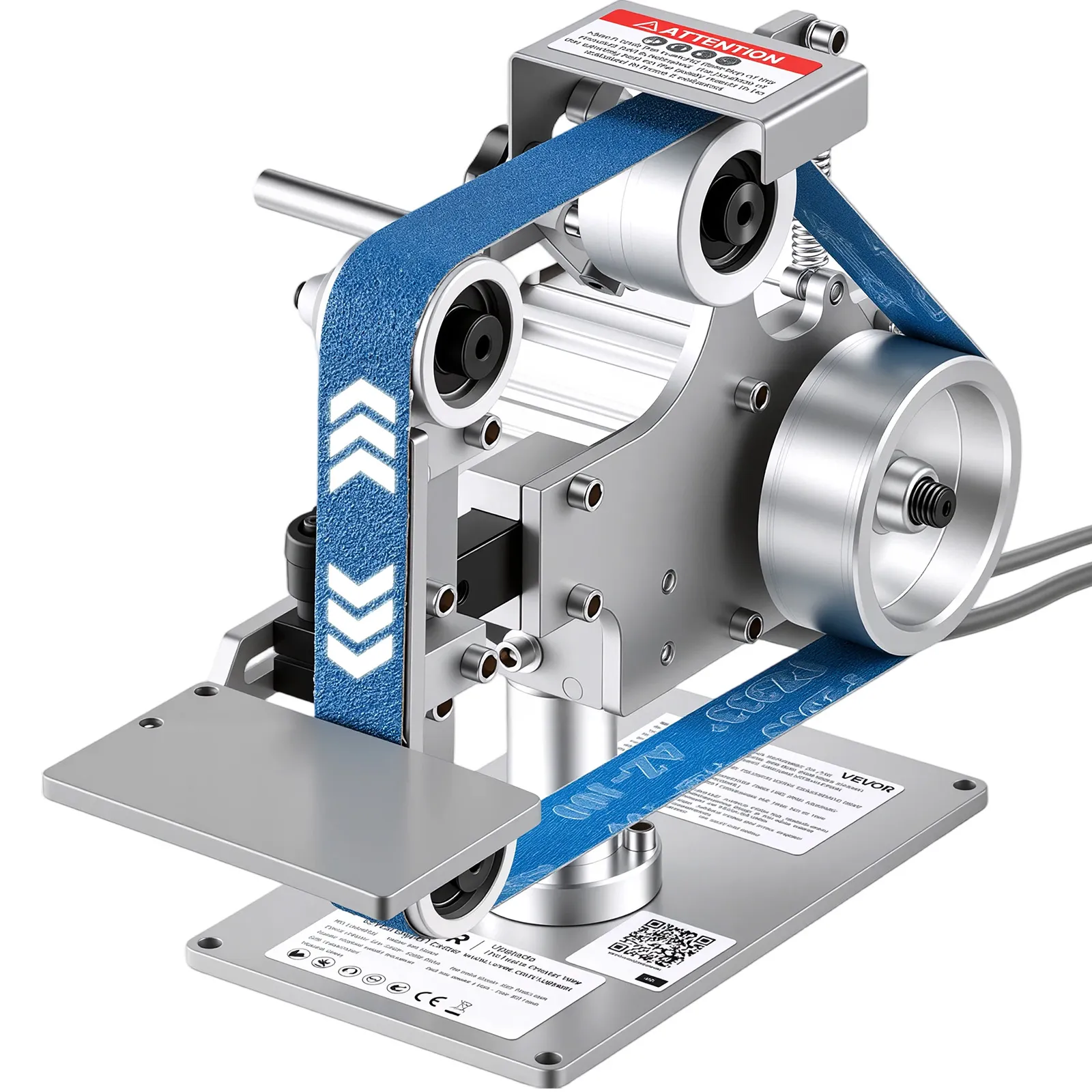
Bidirectional Belt Rotation
Switch between forward and reverse belt rotation to suit different grinding tasks and achieve optimal results.
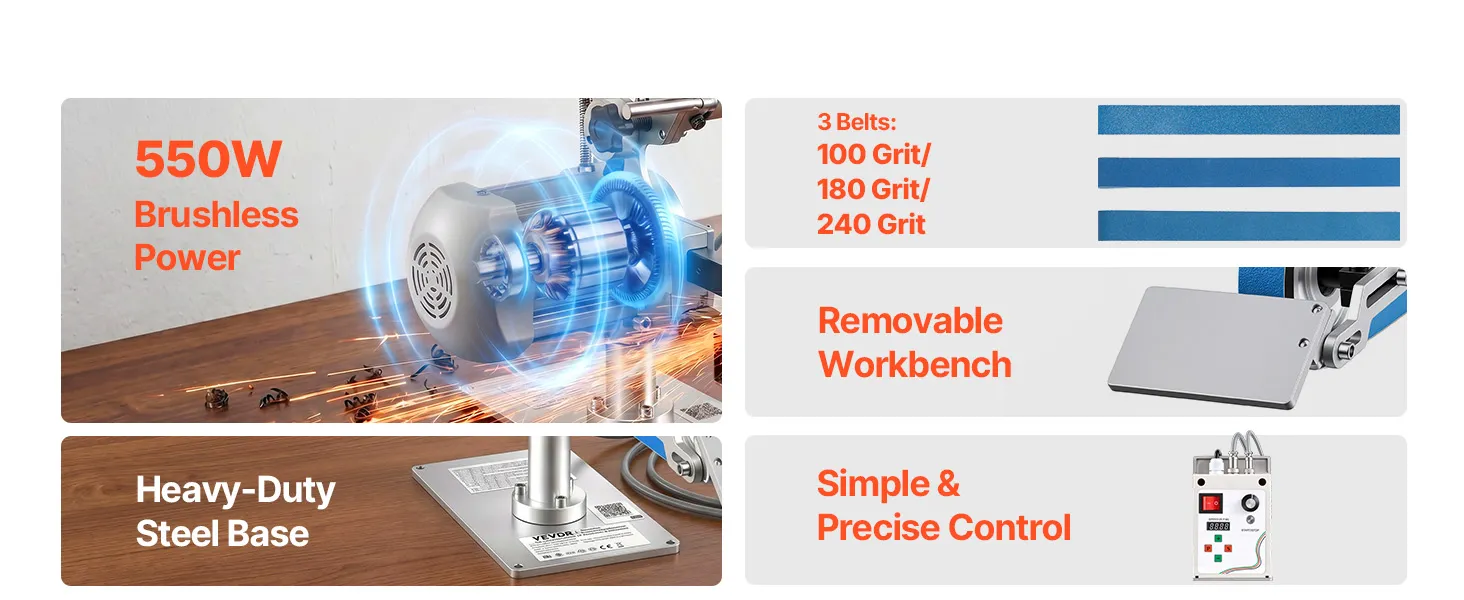
550W Brushless Motor Reaching 21 m/s for Efficient Stock Removal
The VEVOR VEVOR belt grinder sander is powered by the 550W brushless motor. This motor drives a 30 x 1-inch sanding belt at up to 21 m/s without stalling. The brushless construction means no brush replacements, reduced heat, and quieter operation. This feature also allows for prolonged knife profiling and metal shaping. Unlike brushed motors, which wear out their brushes over time and lose performance, this motor will maintain consistent power over long sessions.
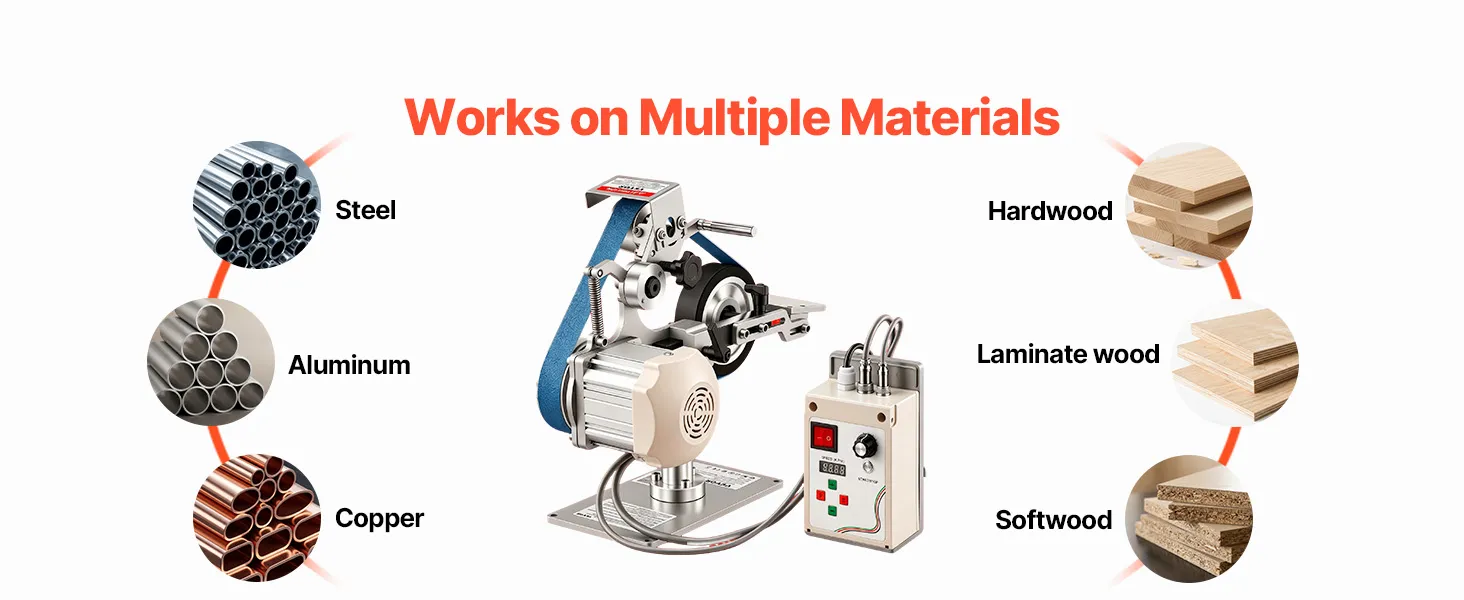
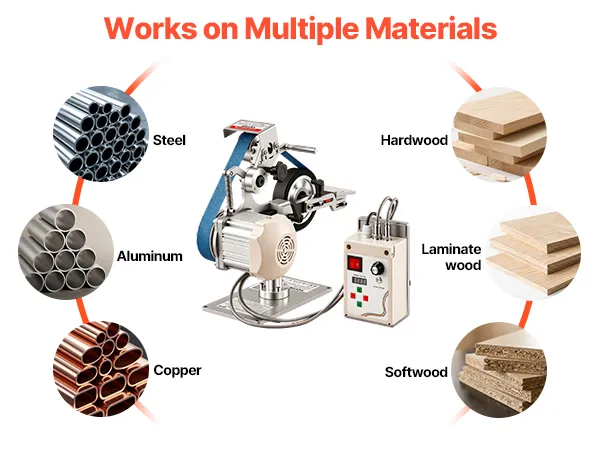
With the belt, you can also remove aggressive amounts of material from steel, aluminum, brass, and hardwood at 21 m/s, without the slow feed rate of underpowered grinders. This speed removes mill scale, cleans weld spatter, and profiles blade bevels at a consistent rate. Brushless efficiency and belt speed are comparable to those of larger, more powerful machines for a 550W machine.
200–5000 RPM Stepless VFD Control for Grinding Through Polishing
The variable frequency drive (VFD) allows spindle speed adjustment from 200 to 5000 RPM. This feature is preferable for maximum control across a variety of woodworking projects. Slower speeds of 200 to 800 RPM are best for gentle finishing, polishing, and working with thin or heat-sensitive materials. These slow rates avoid burning the surface. Higher rates above 3000 RPM are more suitable for rough shaping, quick material removal, edge profiling, and bevel cutting, where cutting efficiency is the emphasis.
Stepless speed control lets you dial in the exact RPM you need for each task. It will accelerate evenly and maintain constant speed in response to changes in cutting resistance. This fine control leads to better cutting accuracy, a cleaner finish, and reliable, reproducible results in a wide range of applications. All these features make the machine perfect for detailed artistry and robust carpentry.
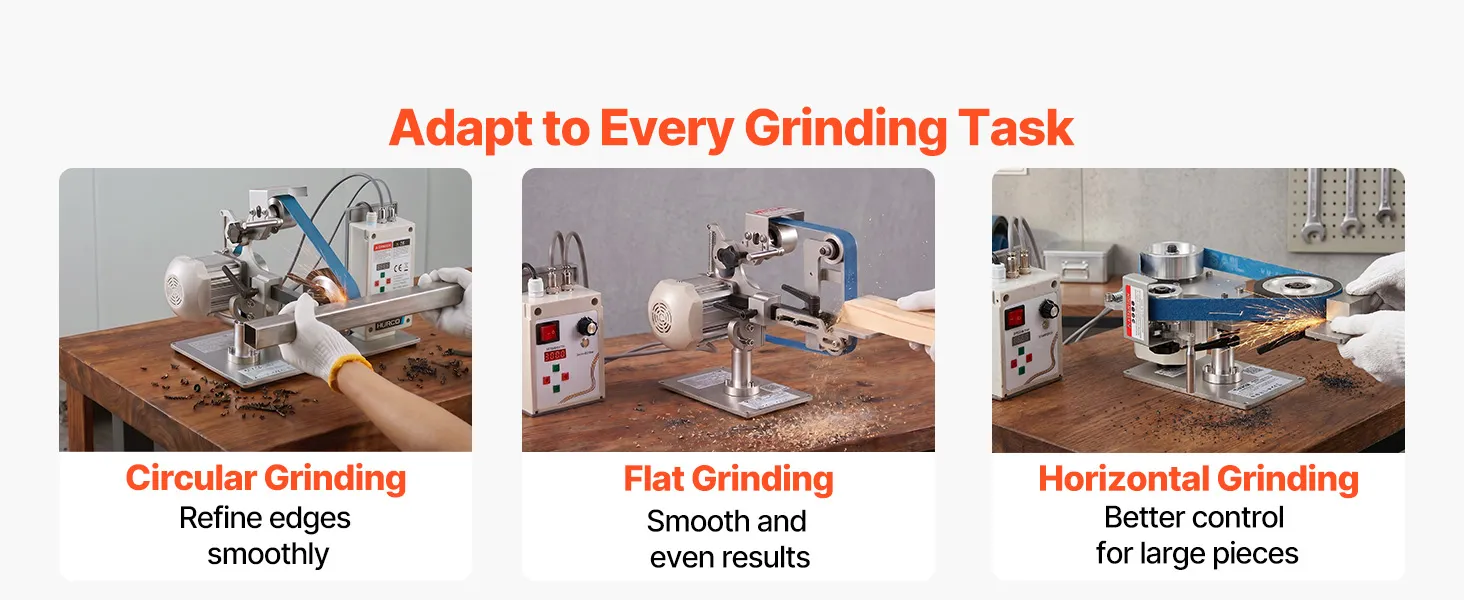
Belt Grinder Sander with 2-Mode Circular and Flat Grinding Setup
Two grinding modes, circular and flat, allow diverse contact geometries for different shaping jobs. For convex surfaces, the circular mode wraps the belt around the drive wheel. It makes it perfect for profiling bevels, rounding edges, and shaping handles. Flat mode is for constant-angle work and surface finishing, where dead-flat contact is important.
Both options permit vertical and horizontal machine orientations, so you can route the belt to suit the workpiece rather than contorting difficult angles on items that don't fit a single preset arrangement. Vertical is best for freehand bevel work and downward grinding pressure. Horizontal opens up side-grinding approaches for broader stock and longer edge passes. Two modes in two orientations on this compact belt grinder sander yield four practical working options from a single tool footprint.
Bidirectional Forward and Reverse Belt Rotation for Flexible Finishing
A direction toggle lets you run the belt forward or reverse without removing it, flipping it, or modifying any hardware or switches. It means you can continue your work without any interruptions. The forward rotation forces the workpiece into the platen for effective stock removal. Maximum belt contact and downward pressure deliver the fastest results.
Bidirectional control allows you to access the same workpiece from multiple angles. You hold the hand position, grinding one side of the blade bevel forward and the other side backward; let the belt do the directed work. Having both rotation options available from the controls removes the repetitive setup adjustments that suck up valuable grinding time for the knife maker or tool sharpener who spends hours perfecting edge geometry.
30 x 1 in Belt Size with 3 Included Grits at 100, 180, and 240
The belt grinder sander uses a 30 x 1-inch (762 x 25.4 mm) belt, a compact size well suited for detail-oriented work on knives, small tools, jewelry components, and precision metal parts, where a broader belt would remove material too extensively. The 1-inch width compresses the abrasive contact into a tiny strip, which affords greater control over precisely where material is removed, a key factor on blade bevels, where grinding even a millimeter too wide alters the edge profile altogether.
The equipment ships with three sanding belts at 100, 180, and 240 grit, covering the normal transition from coarse removal to mid-range shaping to pre-polish surface prep. The 100-grit takes care of the initial profiling and heavy stock removal; 180-grit cleans up the shape and deeper scratch patterns; and 240-grit prepares the surface for final hand finishing or polishing. The common 30 x 1-inch size is widely available in aftermarket abrasives.
17.2 lb Compact Belt Grinder Sander for Benchtop and Portable Use
This machine weighs only 17.2 lbs and measures only 14.76 x 7.1 x 9.45 inches. It takes up a fraction of the bench space full-size floor grinders require. It is light enough to be moved around between workstations or transported to another shop altogether. Steel, aluminum, and ABS components maintain a stiff frame under grinding loads and keep the overall weight within a range that one person can easily handle. You may clamp it to a bench, bolt it to a specific stand, or just set it on a firm surface and get to work without a permanent installation.
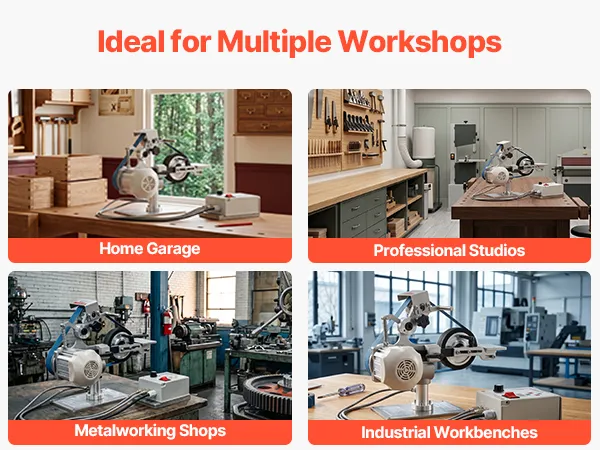
Compact size does not mean limited power; you still get VFD speed control, an efficient brushless motor, reverse rotation, and dual grinding modes in a footprint smaller than most desktop printers. The reduced weight also helps minimize vibration that transfers to the bench during operation, which helps keep the machine tracking true and the work surface stable underneath it. This belt grinder sander is great for home workshops, small fabrication firms, and knife makers working in tight spaces, and it gives you full grinding capabilities without taking up half the workbench.
Product guides and documents
User manual-en (PDF) Review
Questions and Answers (2)
is this wired for 115V, for use in USA?
This Item is suitable for the U.S.
By vevor
Helpful
(
0
)
Is the motor reversible?
Yes, this VFD belt grinder supports forward and reverse rotation, the motor can be reversed to meet different polishing needs.
By vevor
Helpful
(
0
)
Select product protection plan
Accident and warranty protection by Xcotton (partner with AIG)
No thanks
3-Year
2-Year
1-Year
Security & Privacy
FREE Returns
Professional Service
Compare with similar items
Similar Items You Might Like
People Who Bought This Item Also Bought
Best sellers in this category
People Who Viewed This Item Also Viewed
Your Browsing History