







Download VEVOR App 

Get $5.00 Off $99.00+ Orders on Your First 3 App Orders
Scan the QR code to download
SKU: HJGKPZPHJGQBRRXPI001V0
Copy


+13
More


VEVOR Curved Weight Vest Plates, 5.75 LB Pairs, Premium Steel Tactical Weighted Plates for Vest, Ergonomic Design, for Strength Endurance Training, Running, Jogging, Fitness, Heavy Workouts
5 4 Reviews
$ 30 90
Earn at least 2% points on purchases or save up to 15%.
Each when you buy 0+.
Shop
Get -% off for new user
Get $5.00 Off $99.00+ Orders on Your First 3 App Orders.
Download Now


Features & Details
- Dual 5.75 LB Plates for Training: This set includes two 5.75 lb weight vest plates designed to increase workout intensity and help you push further in every session. Vest not included
- Fits Most Weighted Vests: Designed for seamless compatibility with a wide range of weighted training vests, making these plates a practical addition to your workout gear
- 3D Curved for Better Fit: The ergonomic curved design follows the natural shape of your chest and back, providing a comfortable and stable fit during movement
- Heavy-Duty Steel Construction: Made from solid steel with smooth, rounded edges for long-lasting use and reduced vest wear. Each plate is packed with triple-layer bubble wrap. Not for body armor
- Train at Your Level: Available in 5.75 lb / 8.75 lb / 14.5 lb pairs, these plates let you adjust weight as you progress. Ideal for running, strength, hiking, pull-ups, and push-ups
Product specification
- Item Model Number JSQB-5.75LB
- Material Steel
- Product Weight 11.3 lbs / 5.1 kg
- Product Dimensions 11.6 x 9.4 x 1.2 in / 295 x 240 x 30 mm
Frequently Bought Together
Reviews
About this item
Questions and Answers
Explore
Reviews
No customer reviews
Be the first to rate this product. your feedback will helps others make informed decisions.
Write a Review
Top Reviews
About this item
Product specification
- Item Model Number
- JSQB-5.75LB
- Material
- Steel
- Product Weight
- 11.3 lbs / 5.1 kg
- Product Dimensions
- 11.6 x 9.4 x 1.2 in / 295 x 240 x 30 mm
Description


Pro-level performance without the pro-level cost
Upgrade your workouts with curved weight vest plates designed for comfort, stability, and balanced load. Choose from three weight options to match your training intensity.
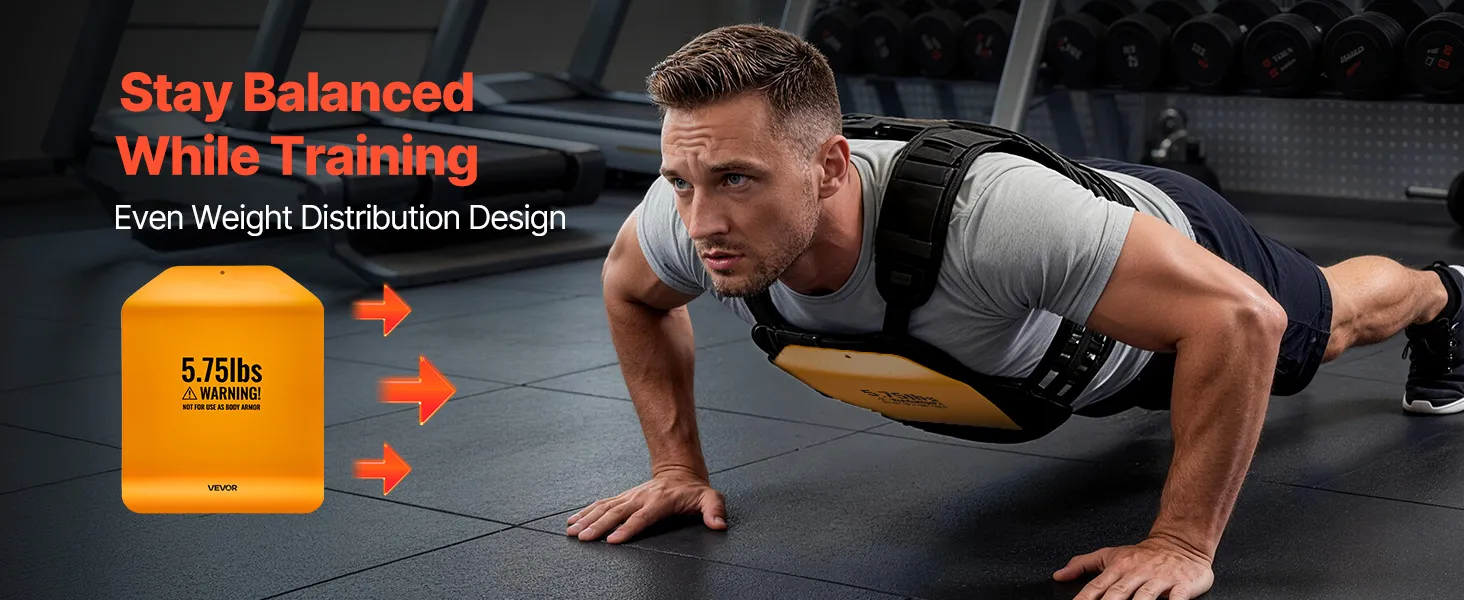
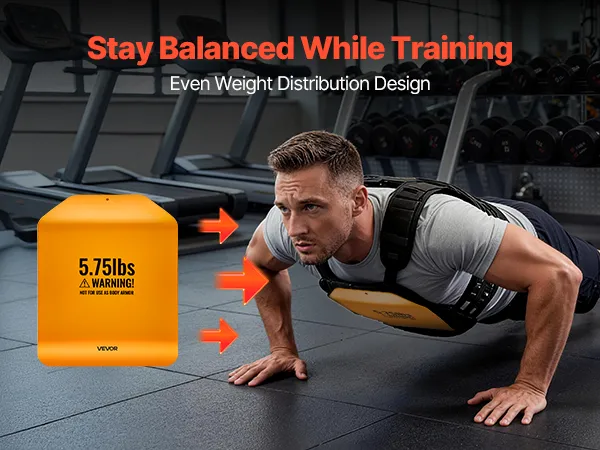
Curved weight vest plates help distribute weight evenly across your chest and back, improving stability and comfort during running, strength training, and intense workouts.
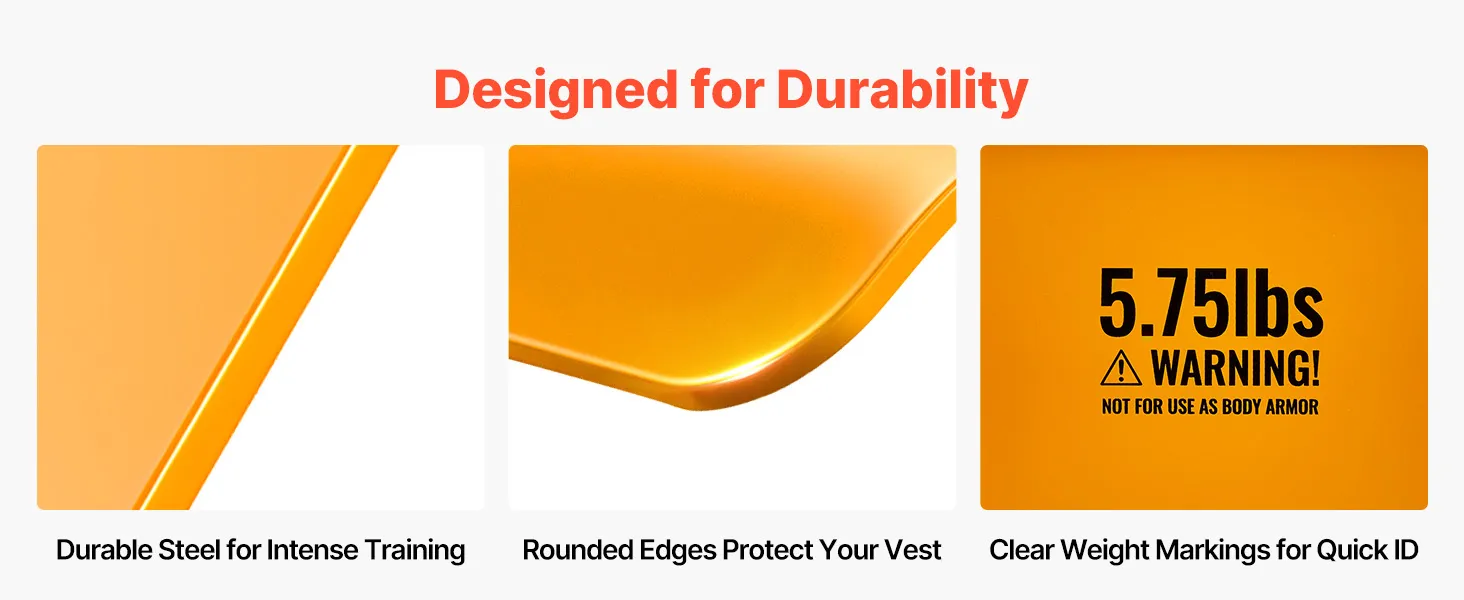
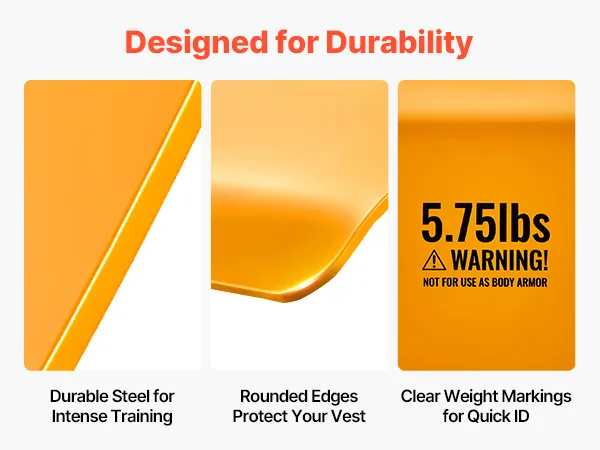
Durable steel weight vest plates feature rounded edges to guard your vest and clear markings for quick weight identification during training.
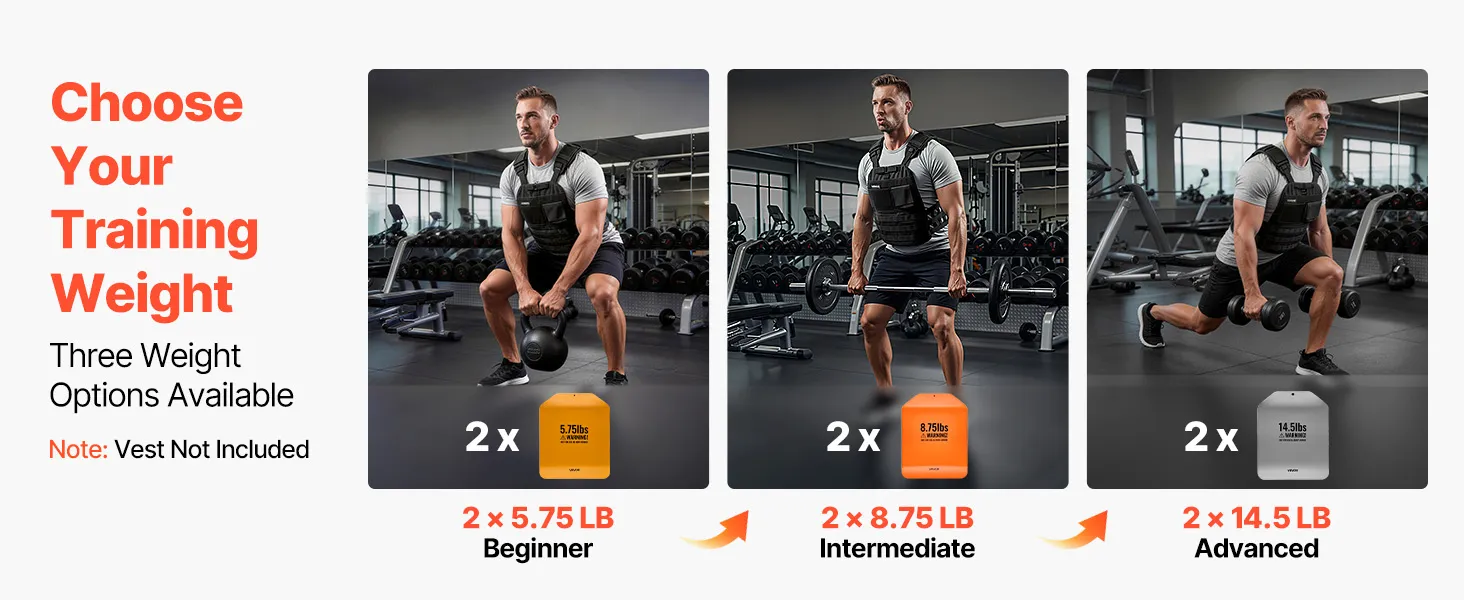
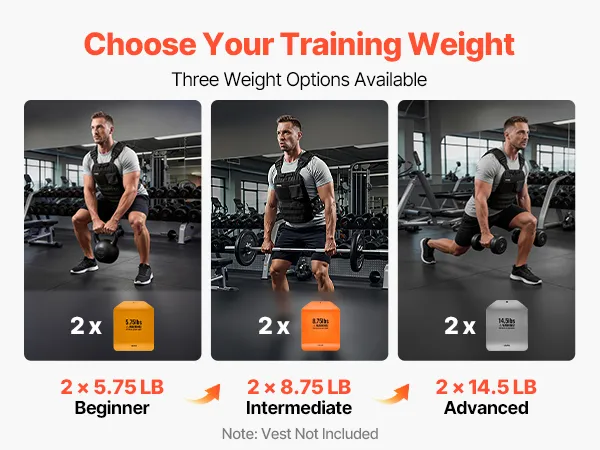
Weight vest plates available in three options—5.75 lb, 8.75 lb, and 14.5 lb pairs—so you can match your training level from beginner to advanced. Vest not included.
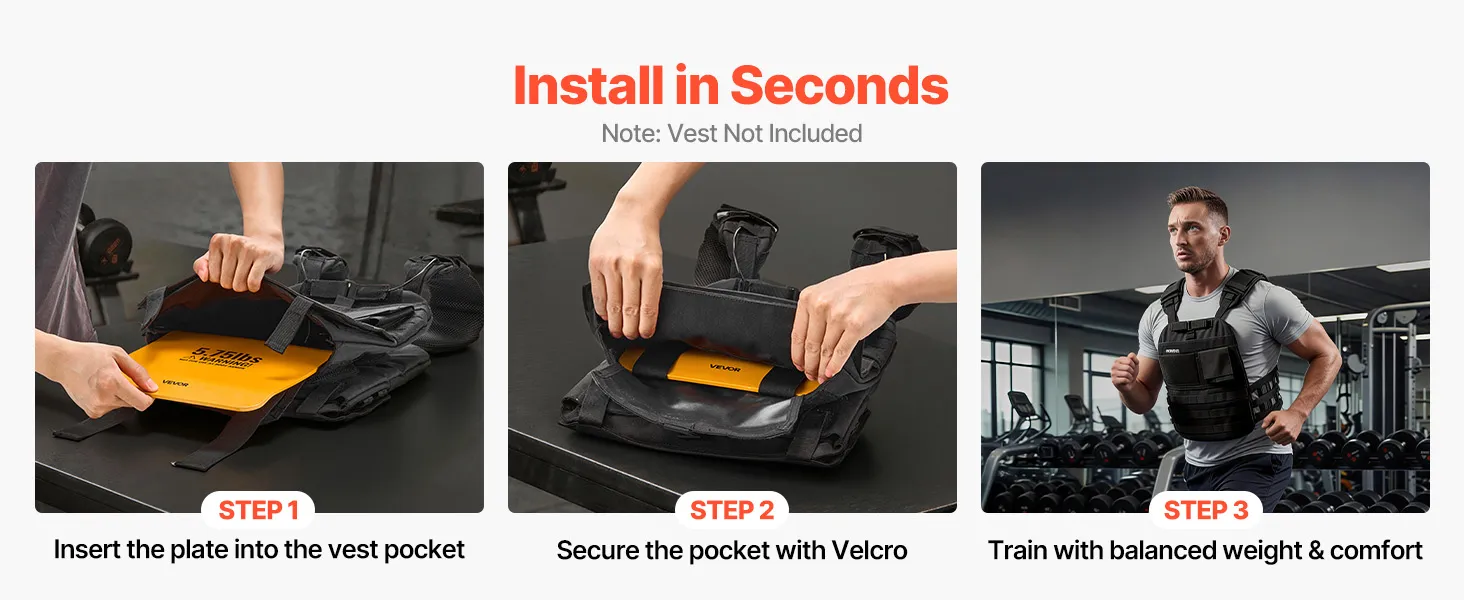
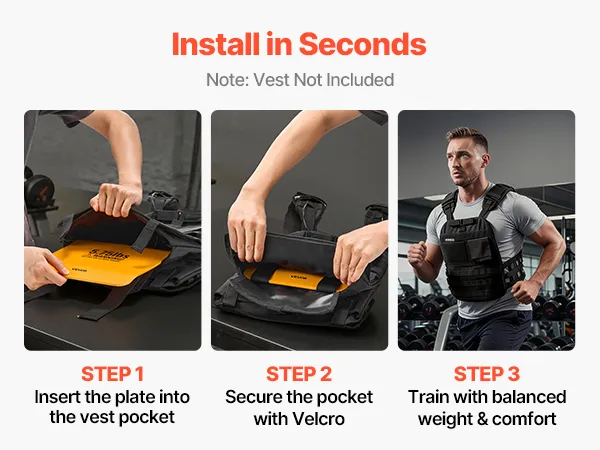
Install weight vest plates in seconds—insert the plate, secure with hook-and-loop, and enjoy balanced weight distribution for stable, comfortable workouts.
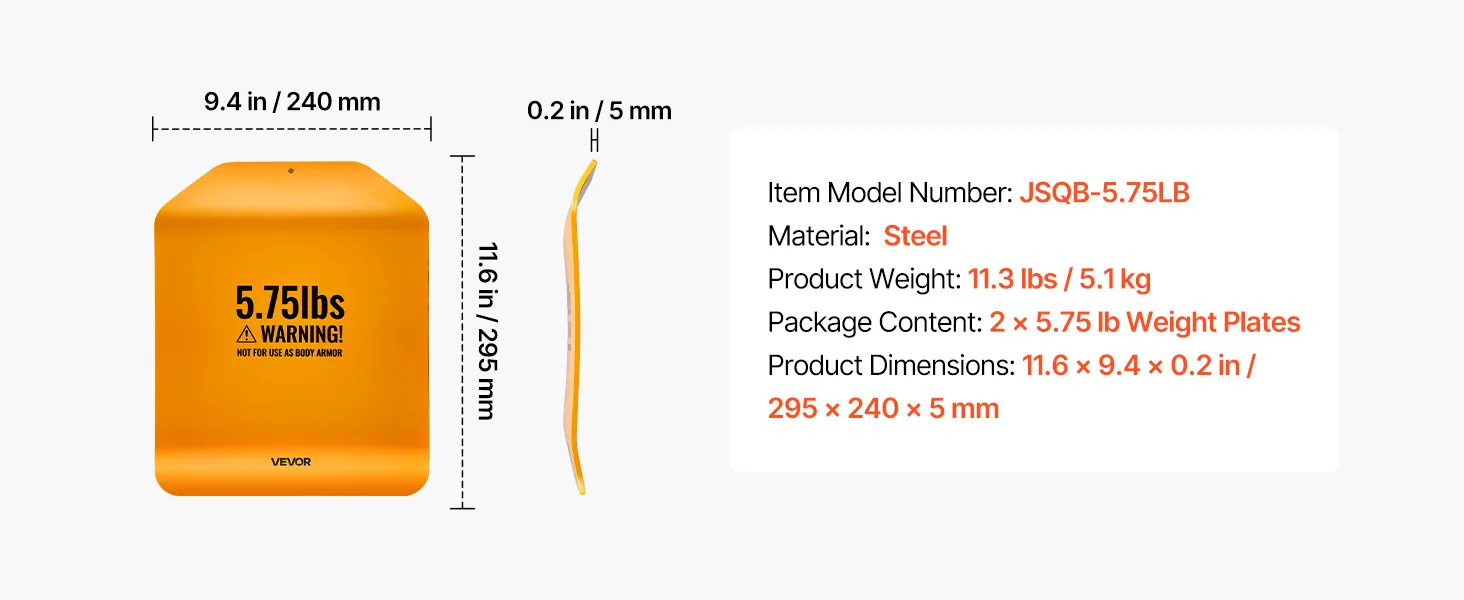
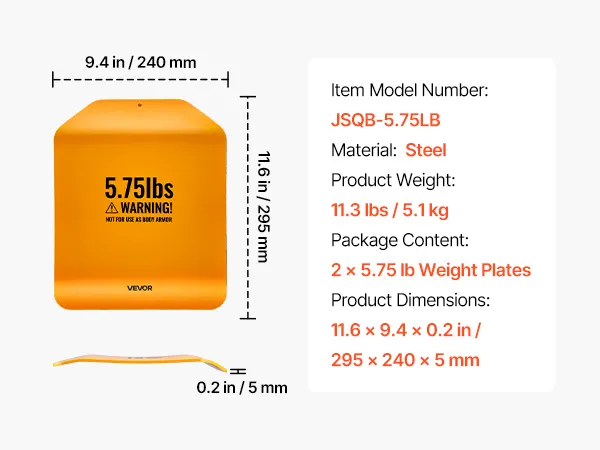
5.75 lb Curved Weight Vest Plates Add 11.3 lbs of Balanced Training Load
This package includes two 5.75 lb plates, totaling 11.3 lbs of added resistance. This starting weight is ideal for athletes new to loaded training, runners seeking light resistance, and anyone returning after a break who wants a measured reintroduction to weighted exercise. An equal load on each plate keeps your front and back balanced, maintaining a stable posture with every motion.
Even loading across both plates prevents the compensating lean that occurs when one side pulls harder. Even at just 5.75 lbs per plate, an uneven setup forces your core to work asymmetrically, causing fatigue and discomfort that are unrelated to your workout. Curved weight vest plates solve this problem by matching the weight, allowing your muscles to handle resistance equally from the first to the last rep.
3D Ergonomic Curve Matches Your Chest and Back for All-Day Comfort
Instead, each plate curves in three dimensions to match the natural curvature of your ribcage, rather than lying flat against it. This contoured design distributes contact over the entire plate surface rather than along the top and bottom edges, as a rigid flat plate would. If you're running, hiking, or doing circuit training where the plates constantly press on your torso with each step or rep, the 3D design makes a big difference in how comfortable the load feels after 20, 30, or 60 minutes of continuous wear.
The curved design also conforms and fits closely to your body shape, limiting plate movement in the vest pocket. Flat plates create gaps between the plate and your body, allowing rocking and shifting during lateral cuts, jumps, or abrupt changes in direction. These curved weight vest plates hug your frame closely enough that the weight stays locked in place, which helps keep the load consistent and predictable if you are doing burpees, racing stairs, or slogging through a long trail trek.
Solid Steel Material Packs Maximum Weight into a Compact 11.6" x 9.4" Frame
These curved weight vest plates use premium steel for a high weight-to-size ratio: 5.75 lbs in just 11.6 x 9.4 inches, with a 1.2-inch thickness. Steel’s density provides real resistance in a plate thin enough to fit inside your vest. Lighter materials would require larger plates, leading to fit issues in standard vest pockets.
The same small dimension helps maintain the increased weight near your center, where it has the least impact on your natural movement mechanics. If a plate is overly long in the shoulder or hip area, it pushes the effective center of gravity away from your trunk, which can make agility-based workouts feel unnatural and limit your ability to perform rapid footwork. It’s 11.6 by 9.4 inches, keeping the bulk in the ideal range for dynamic training across a wide variety of activities.
Smooth, Rounded Edges on These Curved Weight Vest Plates Prevent Vest Wear
On these plates, all edges and corners have been rounded and flattened during manufacturing, resulting in a perimeter that will not snag, abrade, or cut the fabric lining of your vest pocket. Even at a modest 5.75 lbs, the sharp edge of the plate against vest material hundreds of times per workout slowly saws through stitching and fabric, resulting in holes that let the plate move out of its intended place. Rounded edges eliminate the friction and protect your vest investment over the long term.
The smooth texture also feels good on days when you wear the vest over a lightweight shirt or directly against bare skin in warm-weather training. After a long session, especially in the collarbone and lower rib areas where the plate edges are closest to the surface, red streaks and irritation lines appear along the steel plate edges that have not been adequately deburred. These curved weight vest plates have a coating that prevents direct-contact abrasion, no matter how long your exercise runs.
Drop-In Compatibility Works with Most Weighted Training Vests on the Market
They are 11.6 inches by 9.4 inches and compatible with the plate pocket sizing used in most weighted training vests on the market, so they fit into your existing vest. This all-purpose approach means you pick your vest based on fit, features, and brand preference, and you don’t have to worry about whether these plates will fit inside it. The vest is sold separately, so you can mix and match these plates with any carrier that fits your training approach.
This broad compatibility also makes for a sensible shared-equipment purchase for home gyms, CrossFit boxes, and training groups where many people use different vest models. Who owns what vest doesn’t matter; one set of plates works across the room. If you upgrade or replace your vest down the line, the plates are directly transferable to the new one. They will continue to work in precisely the same manner as they did in the prior setup, protecting your investment for several vest lifecycles.
3 Pair Weights Let You Scale Up from 5.75 lbs through 8.75 lbs to 14.5 lbs
This 5.75 lb pair is the entry-level of a three-tier plate system that goes up to 8.75 lb and 14.5 lb offerings as your strength and conditioning improve. Starting with the lightest tier, you can establish a foundation of heavy movement patterns with acceptable resistance before moving on to plates that demand more from your muscles, joints, and cardiovascular system. That measured progression is the same overload technique employed in barbell and dumbbell training, now applied to wearing resistance.
You can also program your training week with purposeful diversity if you have multiple plate weights. Light plates are for long ruck days, simple recovery sessions, and high-rep conditioning circuits when total volume is more important than peak effort. Short, hard efforts like weighted pull-up ladders, hill sprint intervals, and timed WODs, where peak load is the training impact, can be filled in with heavier pairs.
Product guides and documents
User manual-en (PDF) Review
Questions and Answers (0)
Typical questions asked about products: Is the product durable? ...
In Stock
Security & Privacy
FREE Returns
Professional Service
Compare with similar items
Similar Items You Might Like
People Who Bought This Item Also Bought
Best sellers in this category
People Who Viewed This Item Also Viewed
Your Browsing History