







Download VEVOR App 

Get $5.00 Off $99.00+ Orders on Your First 3 App Orders
Scan the QR code to download
SKU: DGNSDJ1500WDW6SDQ001V1
Copy


+12
More


 Ask about this product by AI
What is the voltage requirement for the VEVOR Belt Grinder Sander?
What belt sizes are compatible with this grinder?
What are the speed settings and range for this belt grinder?
Ask something else
New
VEVOR Belt Grinder Sander with VFD, 72 x 2-Inch Variable Speed Belt Polisher, 1500W Knife Making Machine with 3 Grinding Modes & 3PCS Sanding Belts for Metalworking, Compatible with 72"-82" * 2" Belts
New
4.9 11 Reviews
$ 1,099 99
Earn at least 2% points on purchases or save up to 15%.
Each when you buy 0+.
Shop
Get -% off for new user
Get $5.00 Off $99.00+ Orders on Your First 3 App Orders.
Download Now


Features & Details
- Powerful & Efficient: Powered by a 1500W brushless motor, this belt grinder sander delivers strong output with a belt line speed of up to 32 m/s, enabling fast material removal and improved grinding efficiency for woodworking, knife making, and metalworking
- Variable-Speed Control: Featuring a VFD variable frequency drive, this belt polisher knife sharpener supports 600–6000 RPM stepless speed adjustment, allowing easy switching between high-speed grinding and low-speed precision polishing
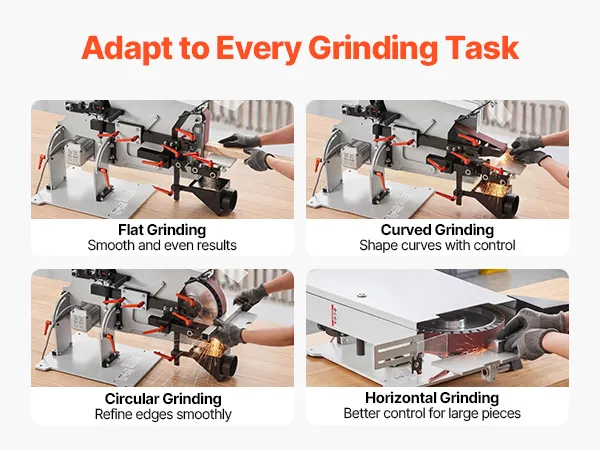
- 3-in-1 Grinding Flexibility: This knife making grinder provides 3 grinding modes - circular, arc, and flat grinding for more flexible use. Also supporting both vertical and horizontal use, it adapts easily to different grinding angles and working needs
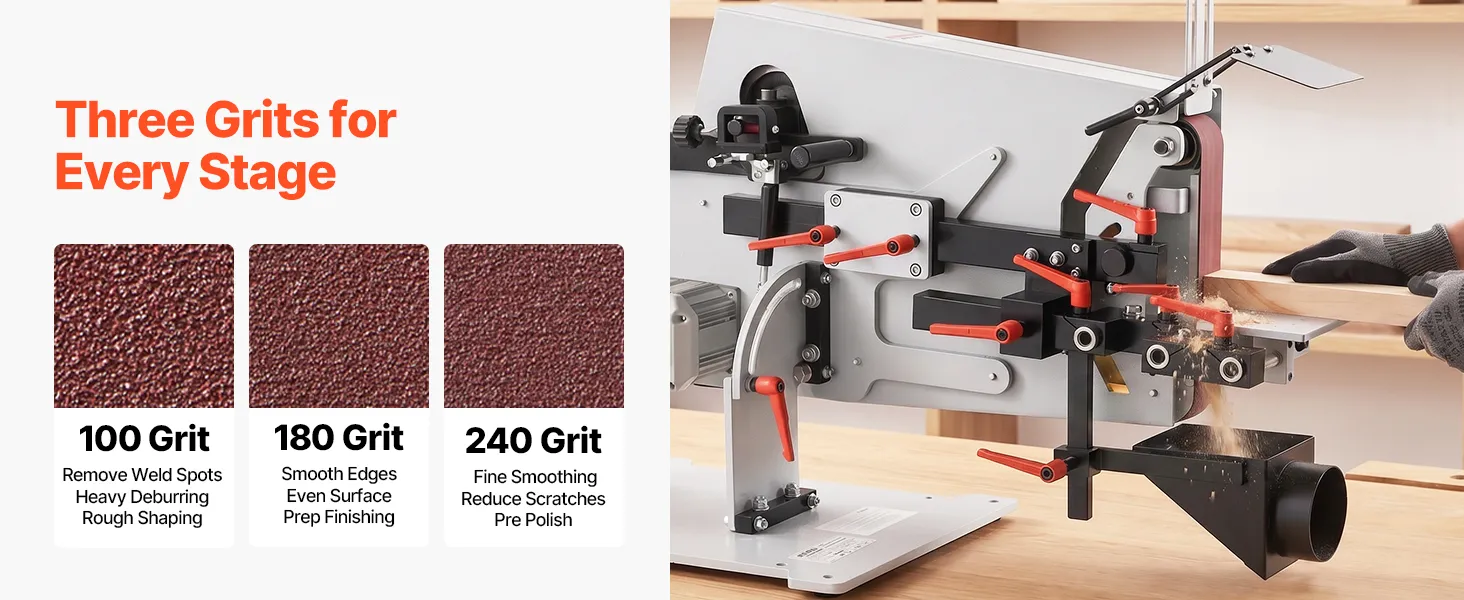
- Forward & Reverse Rotation: Supports bidirectional rotation control for greater grinding flexibility and easier material handling. Includes three 72" x 2" sanding belts (100/180/240 grit) to handle both coarse grinding and fine finishing tasks. Compatible Belt Size: (72-82) x 2 inch
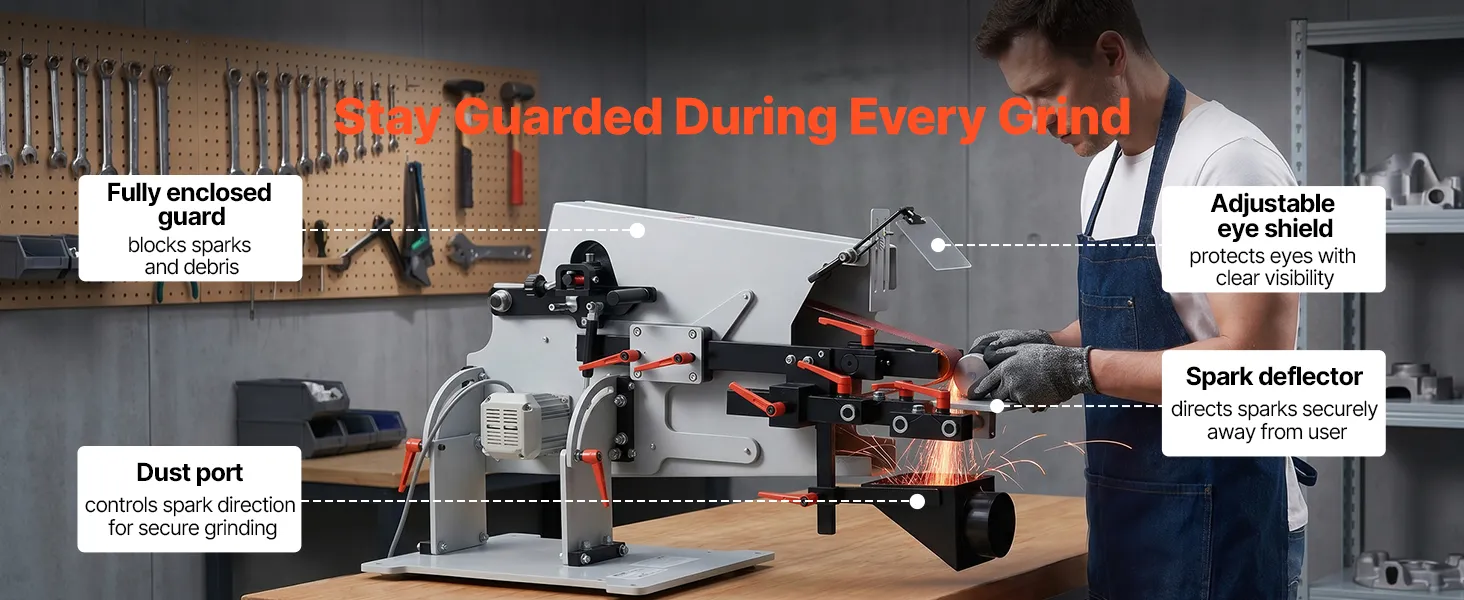
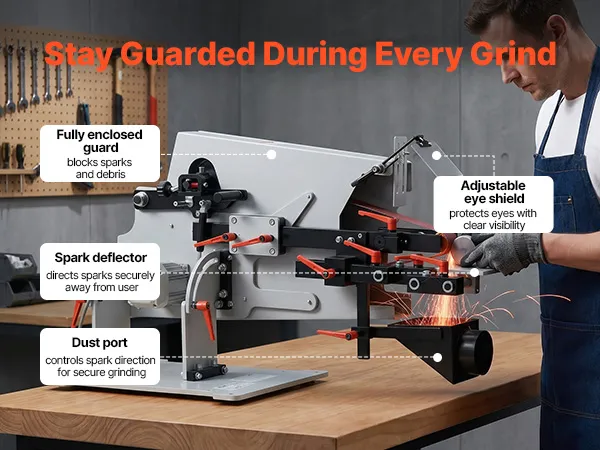
- Security Guarded: Our polishing grinding machine features a full protective cover, adjustable eye shield, and spark deflector to guard you from sparks and debris. Combined with the heavy-duty steel base to enhance stability for consistent sanding results
Product specification
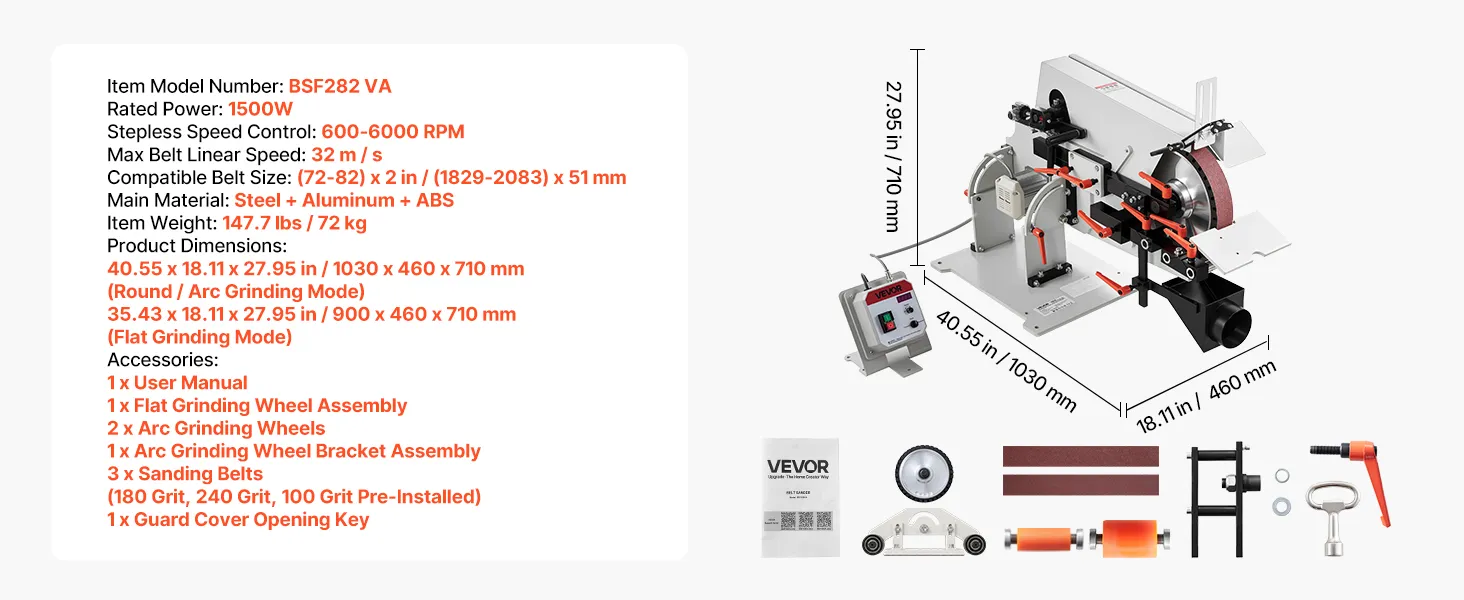
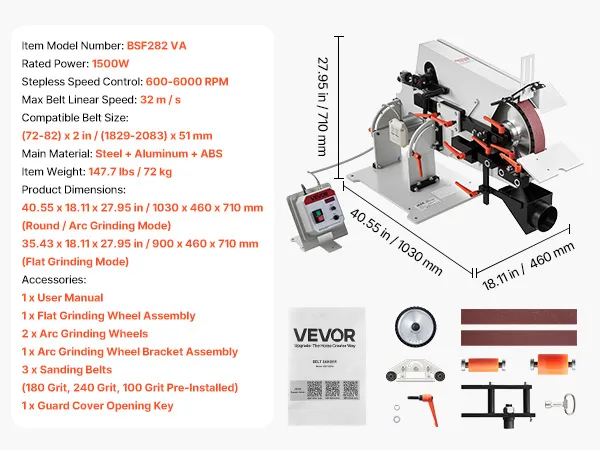
- Item Model Number BSF282 VA
- Rated Power 1500W
- Stepless Speed Control 600-6000 RPM
- Max Belt Linear Speed 32 m / s
- Compatible Belt Size (72-82) x 2 in / (1829-2083) x 51 mm
- Main Material Steel + Aluminum + ABS
Reviews summary
4.9 11 Reviews
Customers say: The product is praised for its ease of use, quality, stability, and versatility, with minor issues like occasional bearing noise and the need for user adjustments.
Al-generated from customer reviews
Frequently Bought Together
Reviews
About this item
Questions and Answers
Explore
Reviews 4.9
All reviews are from verified purchases
Average rating based on 11 reviews
Reviews 4.9
All reviews are from verified purchases
Customers say
The product is praised for its ease of use, quality, stability, and versatility, with minor issues like occasional bearing noise and the need for user adjustments.
Al-generated from customer reviews
Top Reviews
See all 11 reviews
About this item
Product specification
- Item Model Number
- BSF282 VA
- Rated Power
- 1500W
- Stepless Speed Control
- 600-6000 RPM
- Max Belt Linear Speed
- 32 m / s
- Compatible Belt Size
- (72-82) x 2 in / (1829-2083) x 51 mm
- Main Material
- Steel + Aluminum + ABS
- Item Weight
- 158.73 lbs / 72 kg
Description


Pro-level performance without the pro-level cost
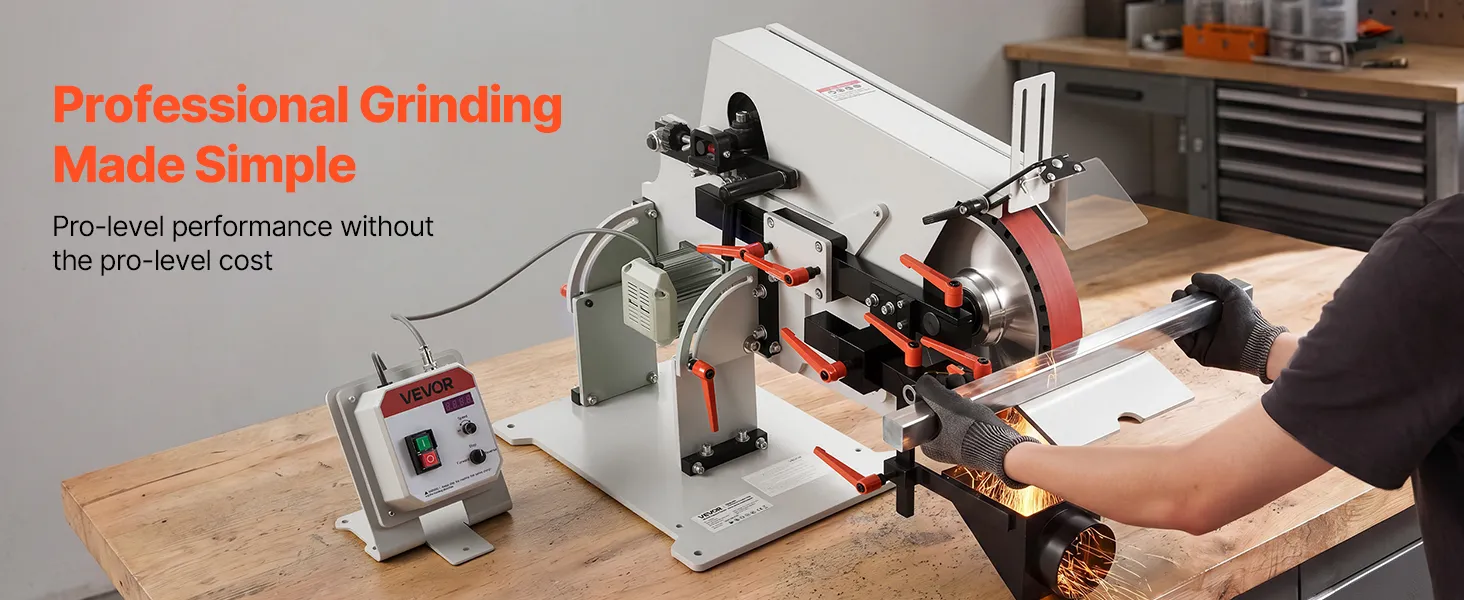
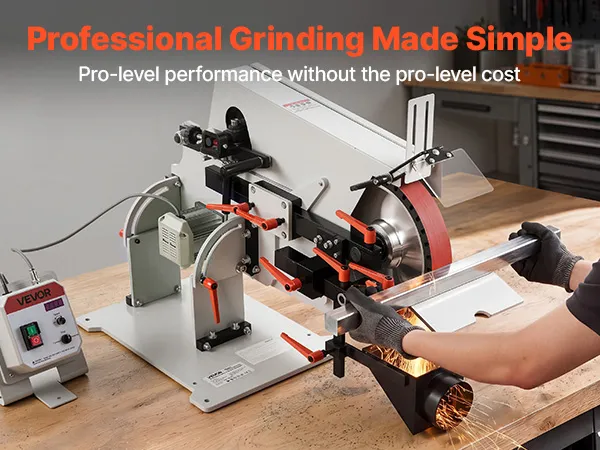
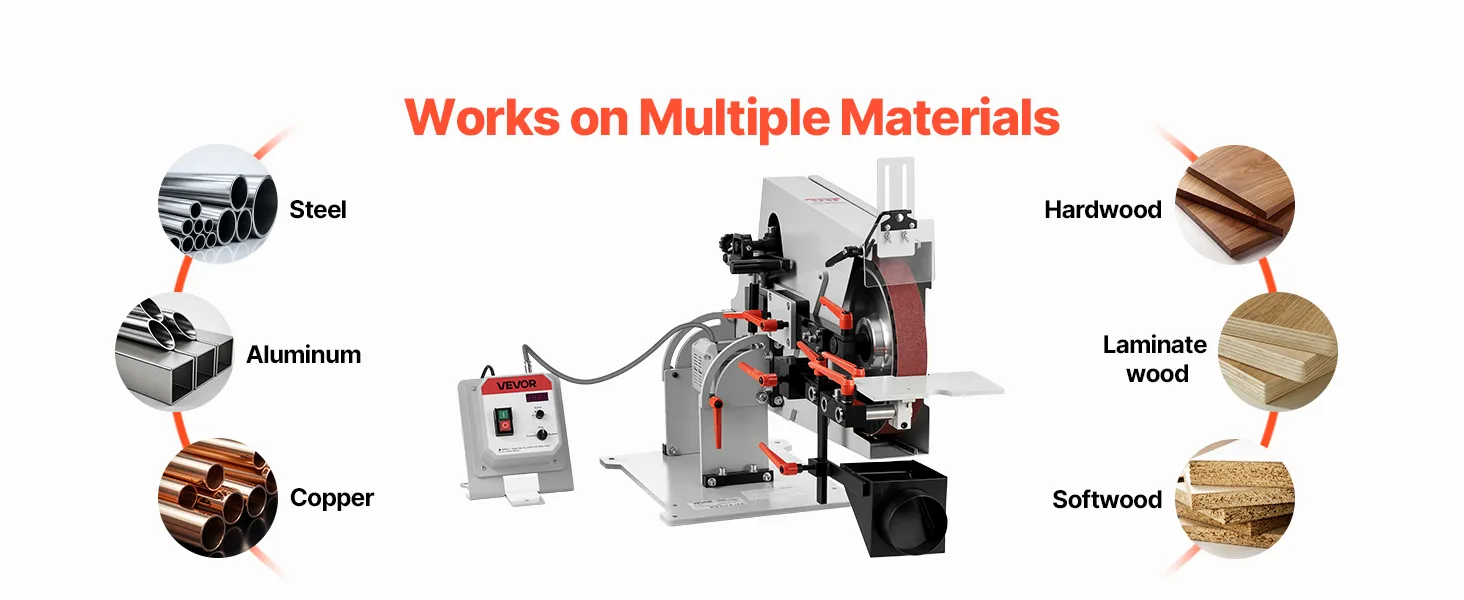
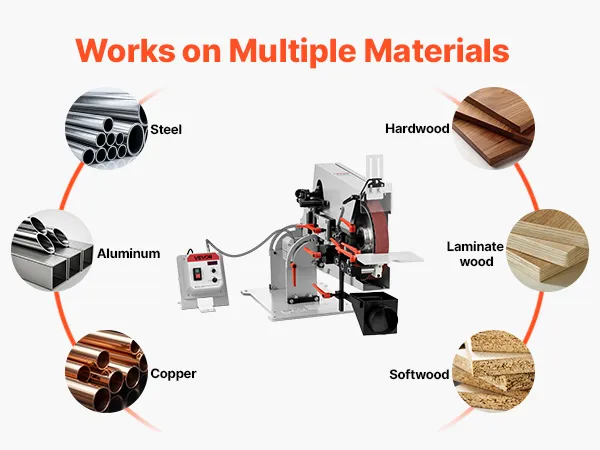
This belt grinder sander features a powerful brushless motor, variable-speed control, and versatile grinding modes, providing efficient and precise grinding for woodworking, knife making, and metalworking tasks.
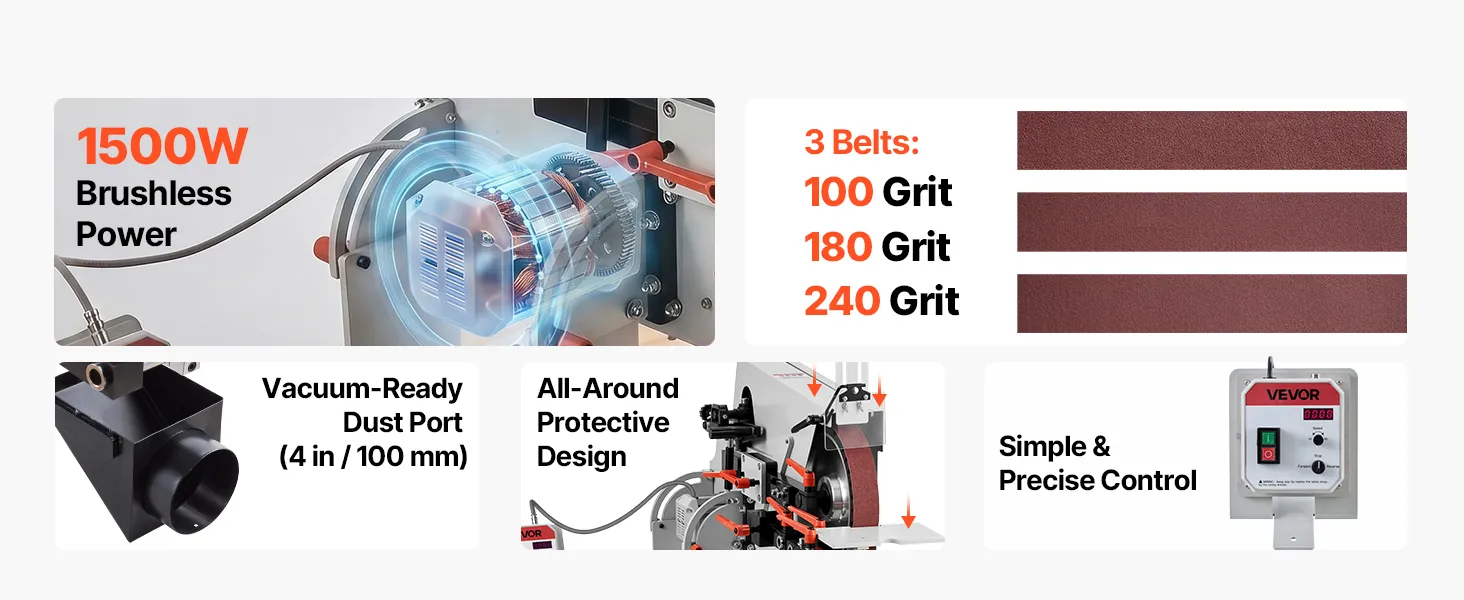
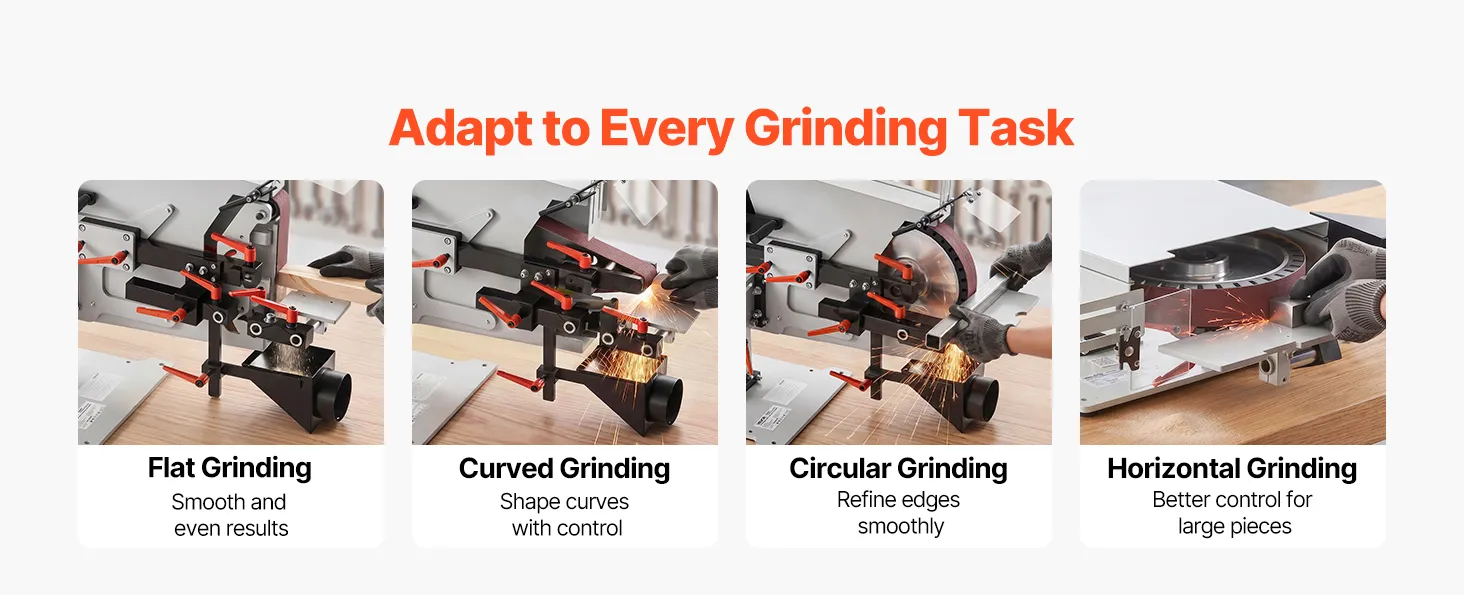
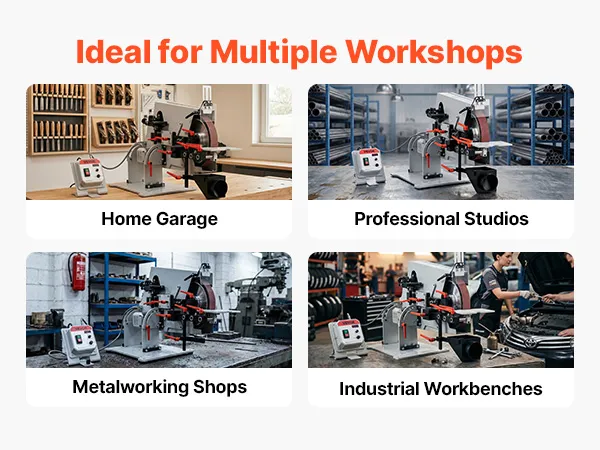
Key Features
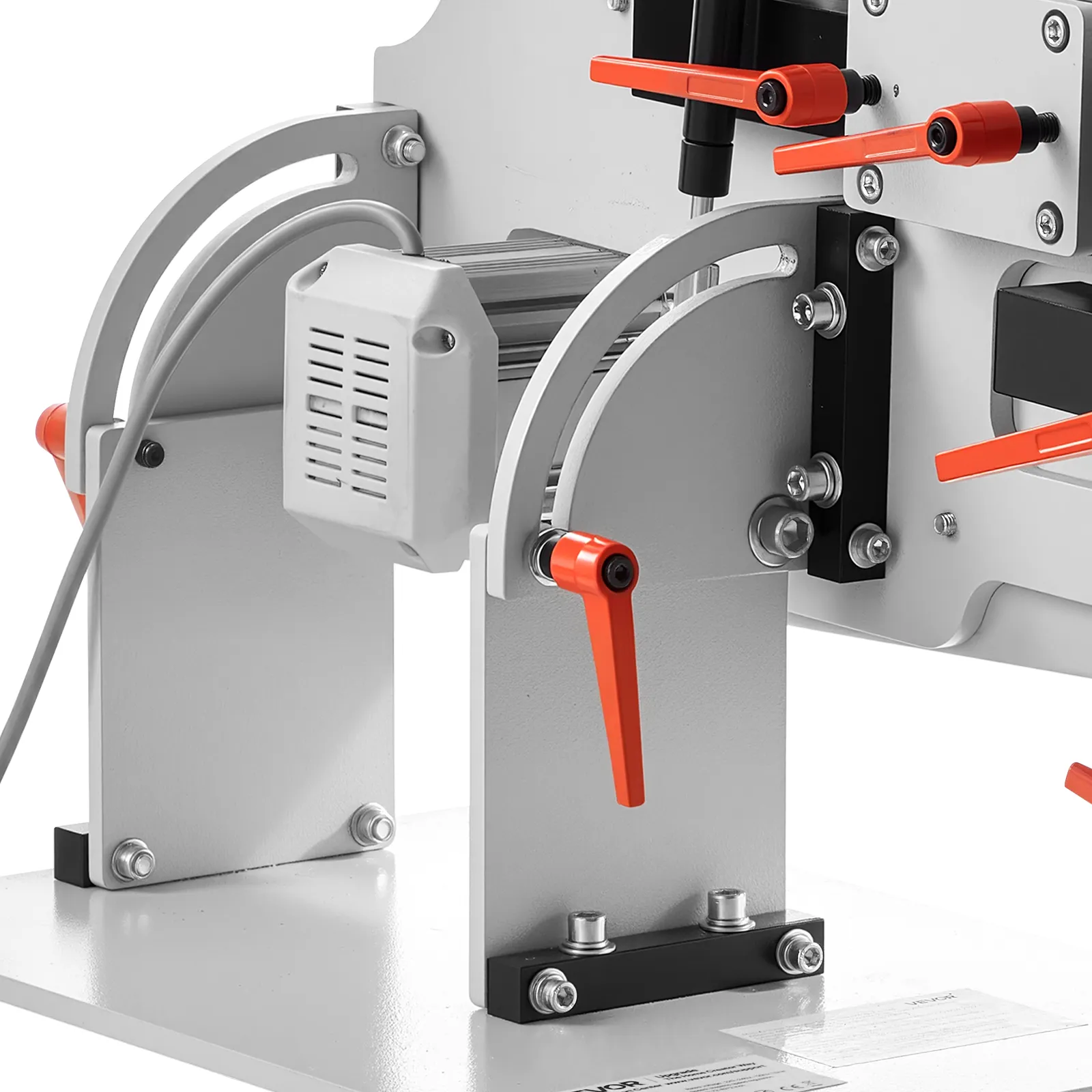
Sturdy Steel Base
Provides stable support for both vertical and horizontal grinding, ensuring precise and secure operation.
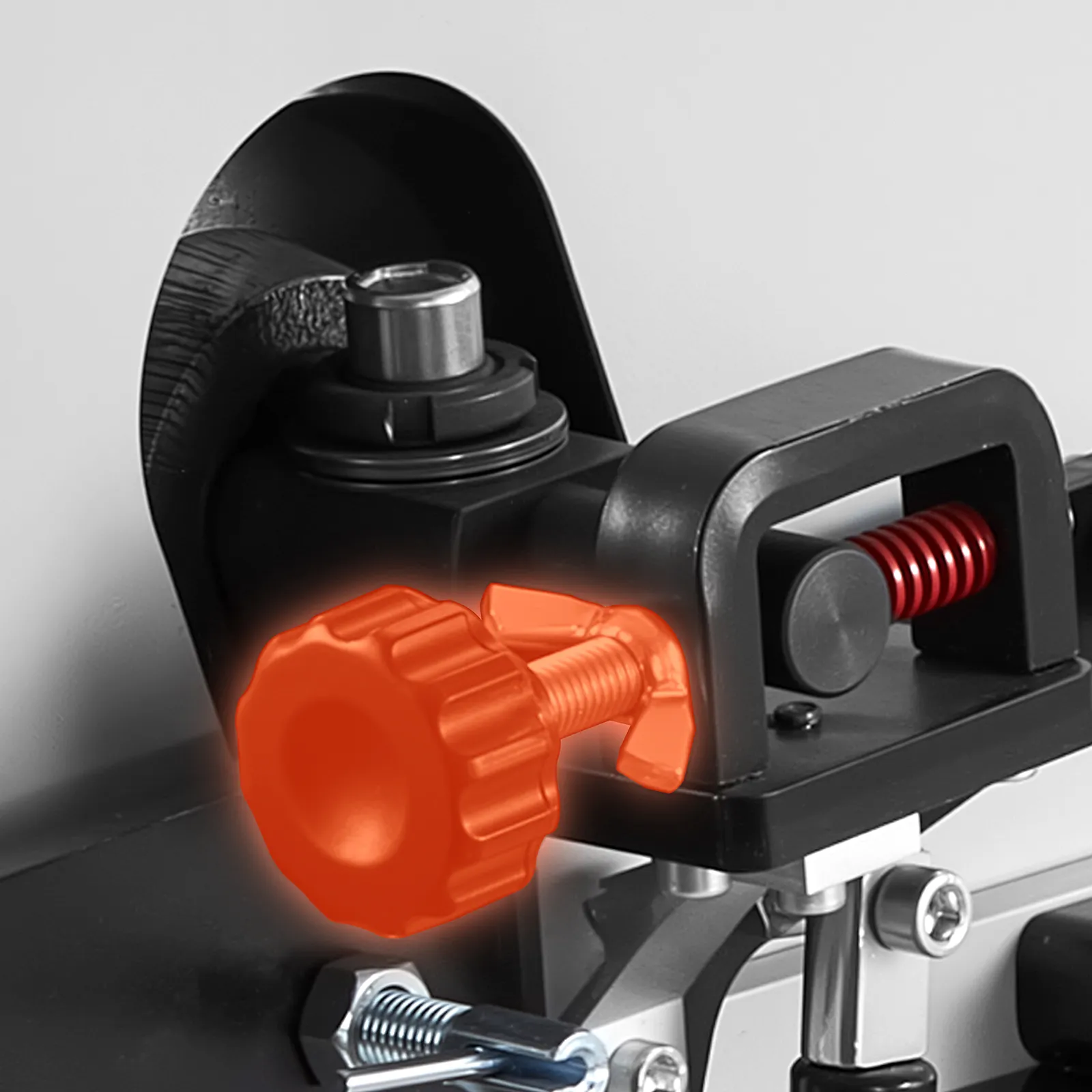
Belt Tracking Adjustment
Quickly adjust the belt position for accurate tracking, helping maintain stable operation and improve grinding precision
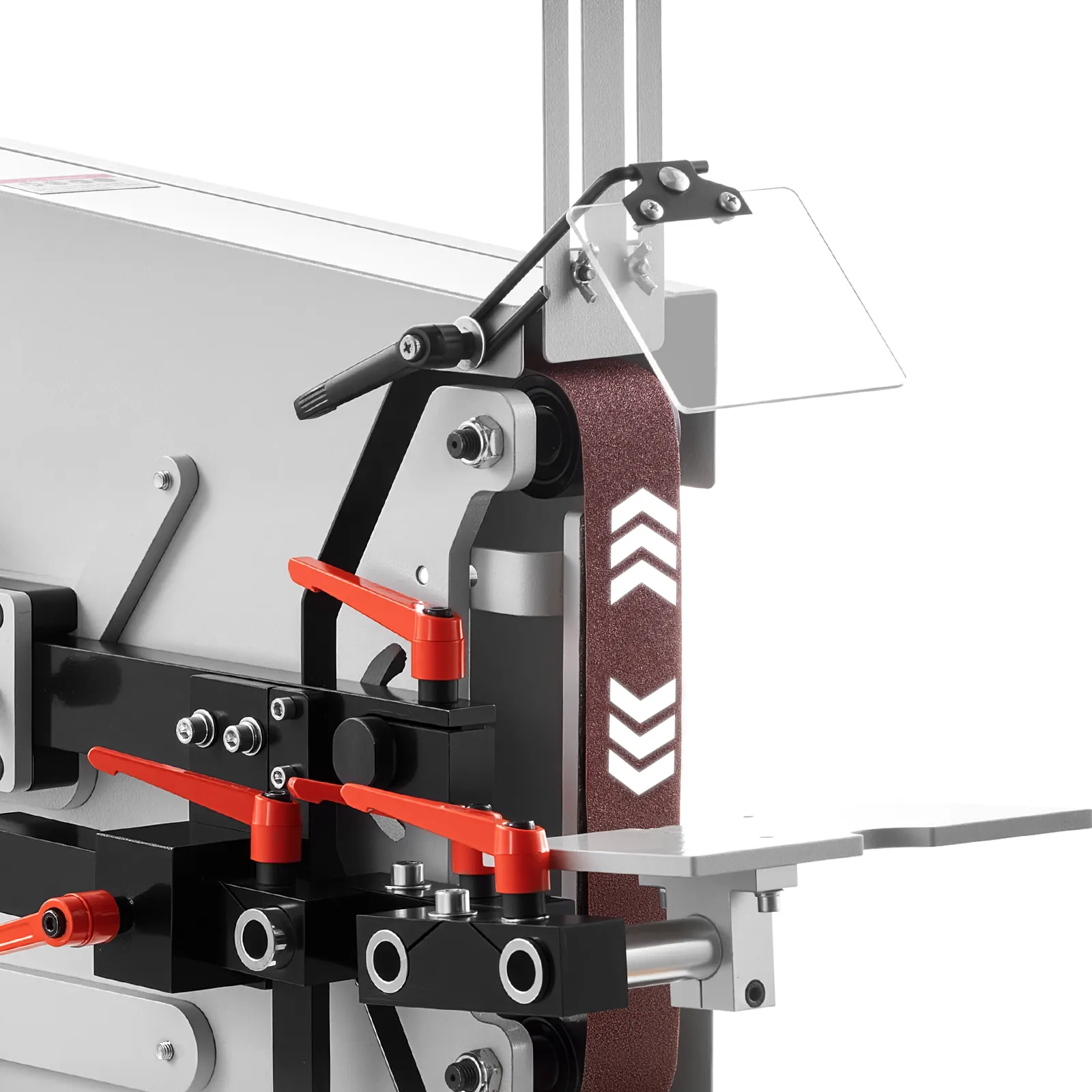
Bidirectional Belt Rotation
Switch between forward and reverse belt rotation to suit different grinding tasks and achieve optimal results.
1500W Brushless Motor with 32 m/s Belt Speed for Fast Material Removal
This bench grinder and belt sander has a 1500W brushless motor. Brushless motors provide a constant torque without the brush wear and maintenance downtime of regular motors. The brushless design runs cooler and quieter under load, which is critical for extended grinding sessions on hardened steel, tool blanks, and knife bevels. The belt can reach speeds up to 32 m/s, fast enough for vigorous material removal during rough-shaping passes yet manageable for finishing operations.
The 32 m/s top speed means it’s capable of severe stock removal, profiling blade blanks, grinding welds flat, reshaping tool edges, and removing fabrication markings. The brushless motor holds speed; it doesn't bog down under load. With a 1500W output, it is perfect for knife manufacturers, metal fabricators, and workshop users dealing with difficult metals to satisfy production standards.
600–6000 RPM VFD Stepless Speed for Grinding and Precision Polishing
Unlike step speed controls, a VFD (variable frequency drive) allows stepless speed adjustment from 600 to 6000 RPM. Set the RPM you need (low for heat-sensitive polishing, mid-range for bevel work, maximum speed for forceful grinding). This accuracy minimizes overheating, staining, and temper loss that damage knife blades and hardened edges.
Stepless adjustment lets you fine-tune speed on the go, keeping your workflow uninterrupted as you move from coarse shaping to finish passes. The VFD electronically controls the motor for smoother acceleration and consistent speed under various loads. One machine performs roughing and fine finishing without requiring a tool change.
3-in-1 Circular, Arc, and Flat Grinding Modes for Versatile Shaping
This bench grinder belt sander has three grinding settings: circular, arc, and flat – each creating different belt-to-workpiece contact. Circular mode wraps the belt for convex grinding on bevels, tool profiles, and edges. In arc mode, a curved segment of the belt is exposed, allowing for concave shaping, hollow grinds, and internal radius work.
Flat grinding uses the platen segment of the belt path to provide a perfectly straight contact surface for constant bevel angles, surface finishing, and edge work where flatness is important. The bench grinder belt sander also allows for both vertical and horizontal positioning, tripling the number of working locations across all three modes. That 3-grinding geometry and 2-operating orientation combination allows the versatility to do practically any shaping job without improvising jigs or changing machines.
Bench Grinder Belt Sander with Forward and Reverse Rotation Control
You can run the belt in either direction with bidirectional rotation, depending on which strategy yields better results for the individual cut you are making. Forward movement drops the workpiece onto the platen for stable, controlled grinds when maximum contact pressure is desired. The reverse rotation is an upward push, which is handy for finishing passes, edge-trailing work, and situations where you want the belt moving away from a sharp edge rather than toward it.
The controls allow both directions, so you don't have to flip the belt over manually, saving setup time and enabling techniques that aren't possible on single-direction machines. Reverse rotation is very useful for knife makers finishing cutting edges, since a belt moving away from the edge gives a cleaner, burr-free result. Includes three sanding belts - 100, 180, and 240 grit - to take you from coarse stock removal, through medium shaping to fine surface finishing right out of the box.
72–82 in x 2 in Belt Compatibility with 3 Included Sanding Belts
3 belts are supplied, but you have a wide variety of aftermarket abrasive kinds, grades, and materials to choose from. Belt size ranges from 72 to 82 inches in length, with a typical width of 2 inches. That 10-inch adjustment window will fit belts from most major abrasive producers without requiring a specific size. This size range includes ceramic, zirconia, aluminum oxide, and custom-finishing belts, so you can match the abrasive to the material rather than settling for whatever fits.
The 3 supplied belts at 100, 180, and 240 grit meet immediate needs – 100 for initial shaping and heavy removal, 180 for refining profiles and clearing up grind marks, and 240 for pre-polish surface preparation. The tensioning system accommodates the length difference across the 72- to 82-inch compatibility range. Changing the belt is easy. A single project that involves many grit levels and abrasive kinds is no problem for the user, with rapid belt swaps and wide size tolerance to keep the workflow flowing.
158.73 lb Steel-Base Bench Grinder Belt Sander with Full Safety Guards
This bench grinder belt sander sits plumb on the bench during intense grinding runs that would move a lighter unit across the surface, and it weighs 158.73 lbs on a heavy-duty steel base. That bulk absorbs vibration, lowers chatter, and keeps the belt tracking true even when you’re applying strong side pressure during bevel work or profile grinding. The steel and aluminum construction can withstand the mechanical loads of everyday workshop use without the frame bending or loosening over time.
A comprehensive protective cover, adjustable eye shield, and spark deflector enclose the grinding area, protecting the operator from flying debris, hot sparks, and accidental belt contact during operation. The eye shield may be adjusted to suit different operator heights and sight lines so you can see well without compromising protection. For a machine that runs abrasive belts at speeds of up to 32 m/s, these safety elements are not optional extras; they are critical barriers between the operator and the high-energy debris generated by every pass.
Product guides and documents
User manual-en (PDF) Review
Questions and Answers (1)
Is this item 110 or 220 voltage
This item operates on 110V voltage.
By vevor
Helpful
(
0
)
Select product protection plan
Accident and warranty protection by Xcotton (partner with AIG)
No thanks
3-Year
2-Year
1-Year
In Stock
Security & Privacy
FREE Returns
Professional Service
Compare with similar items
Similar Items You Might Like
People Who Bought This Item Also Bought
Best sellers in this category
People Who Viewed This Item Also Viewed
Your Browsing History