Ask about this product by AI

Deals
VEVOR Cabbing Machine, 6" 2/5 HP 1800 RPM Efficient, Lapidary Rock Grinder Polisher With Diamond and Resin Wheels, LED Lamp, Water System, Lapidary Equipment for Gemstone Grinding, Stone Polishing

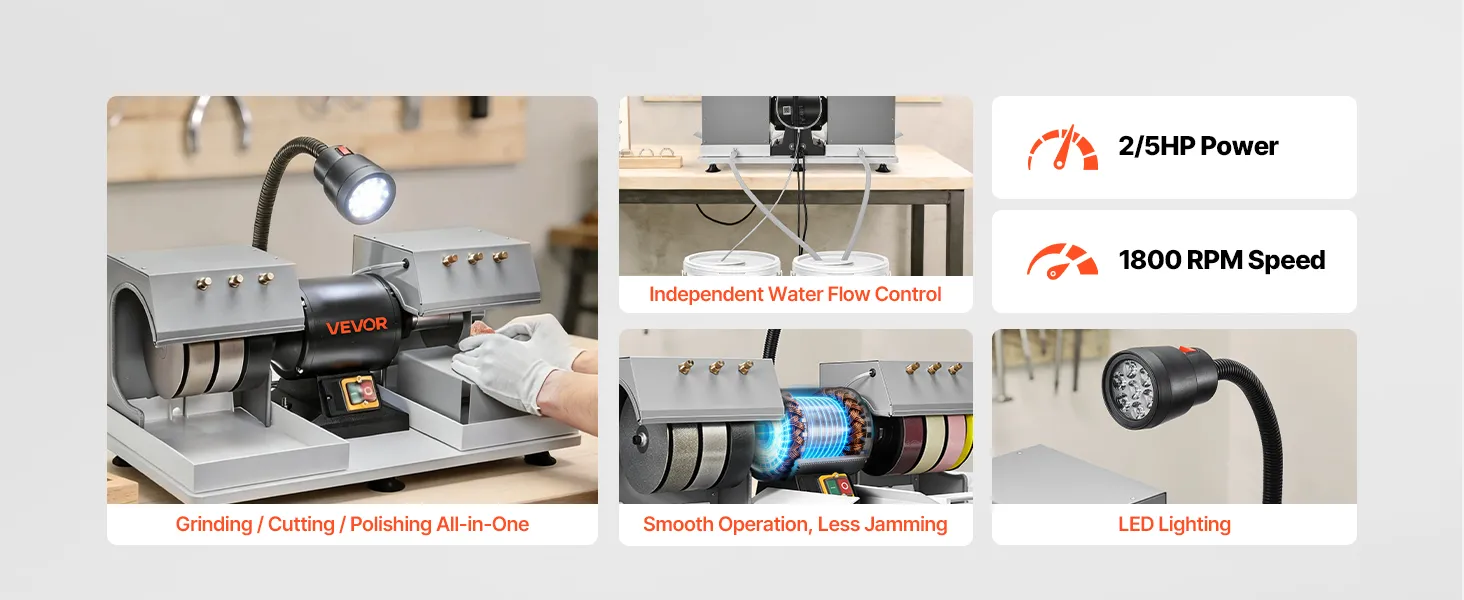
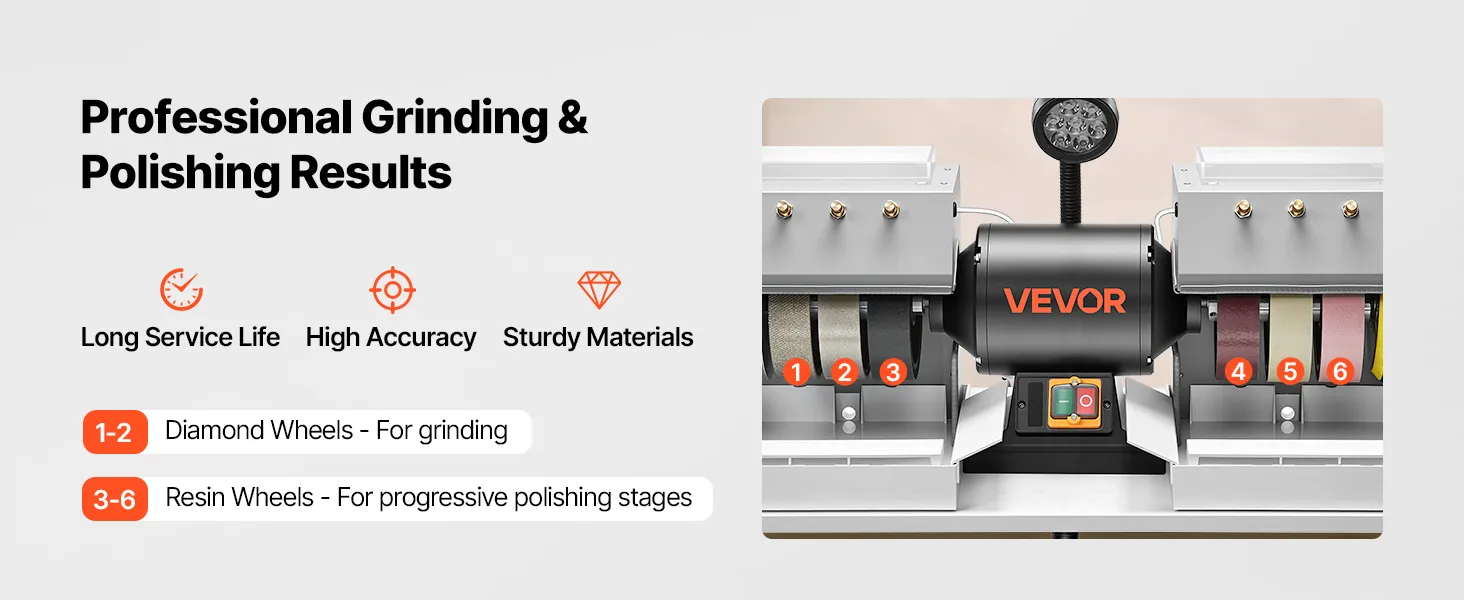
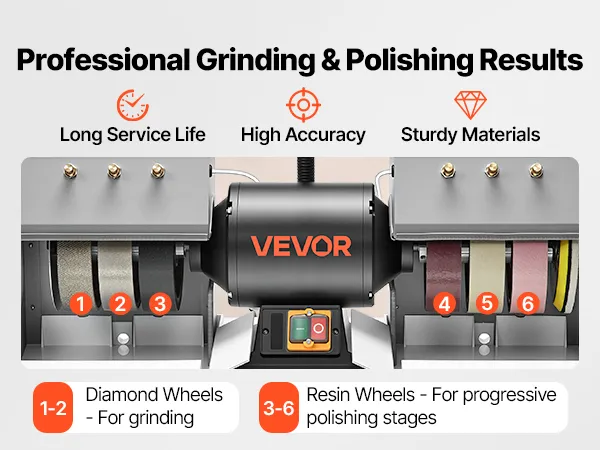
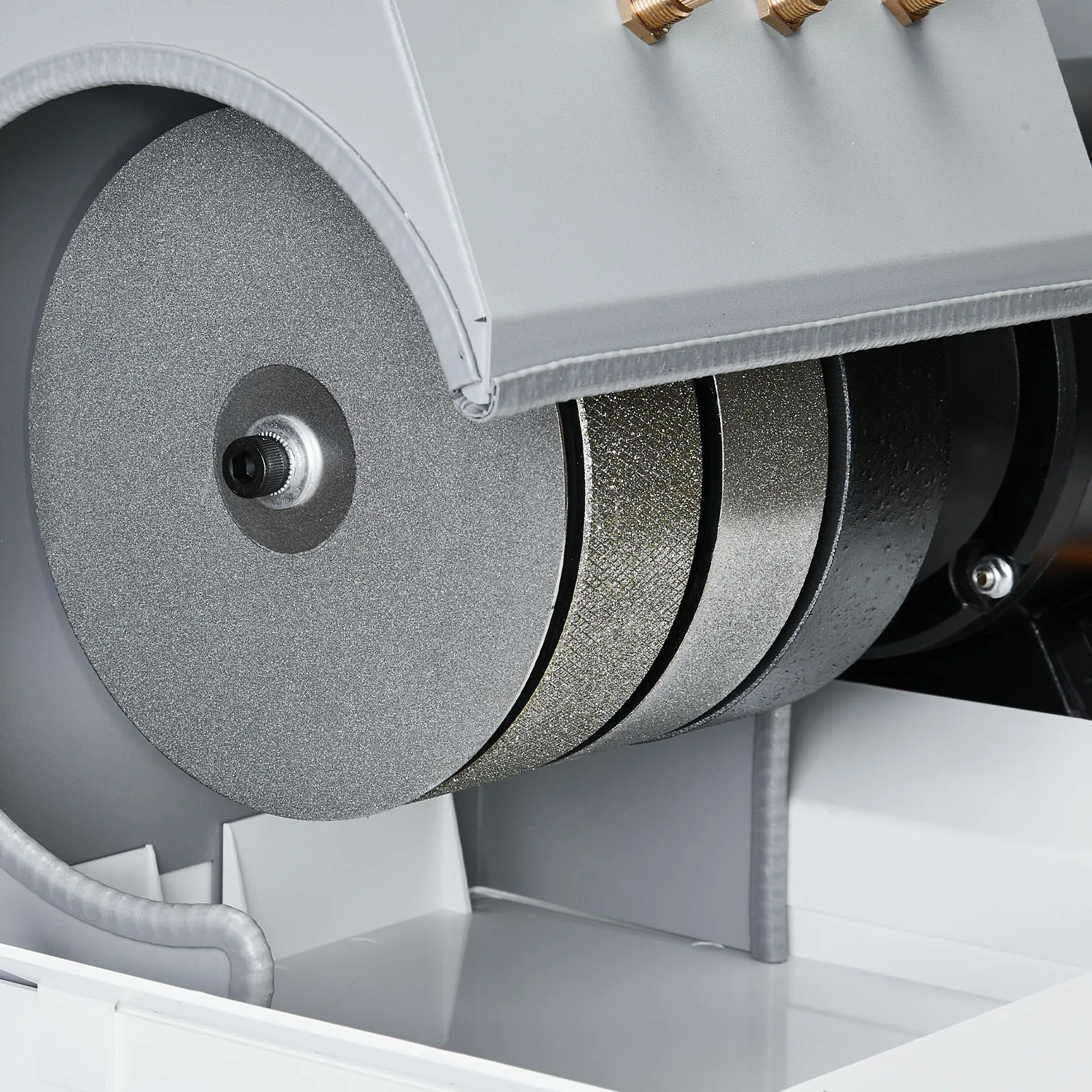
- Flexible Wheels: This cabbing machine features six 6" diamond wheels in varying roughness levels and a diamond lap, completing the full rough-to-polish process. It is ideal for processing hard and brittle materials with additional grinding requirements
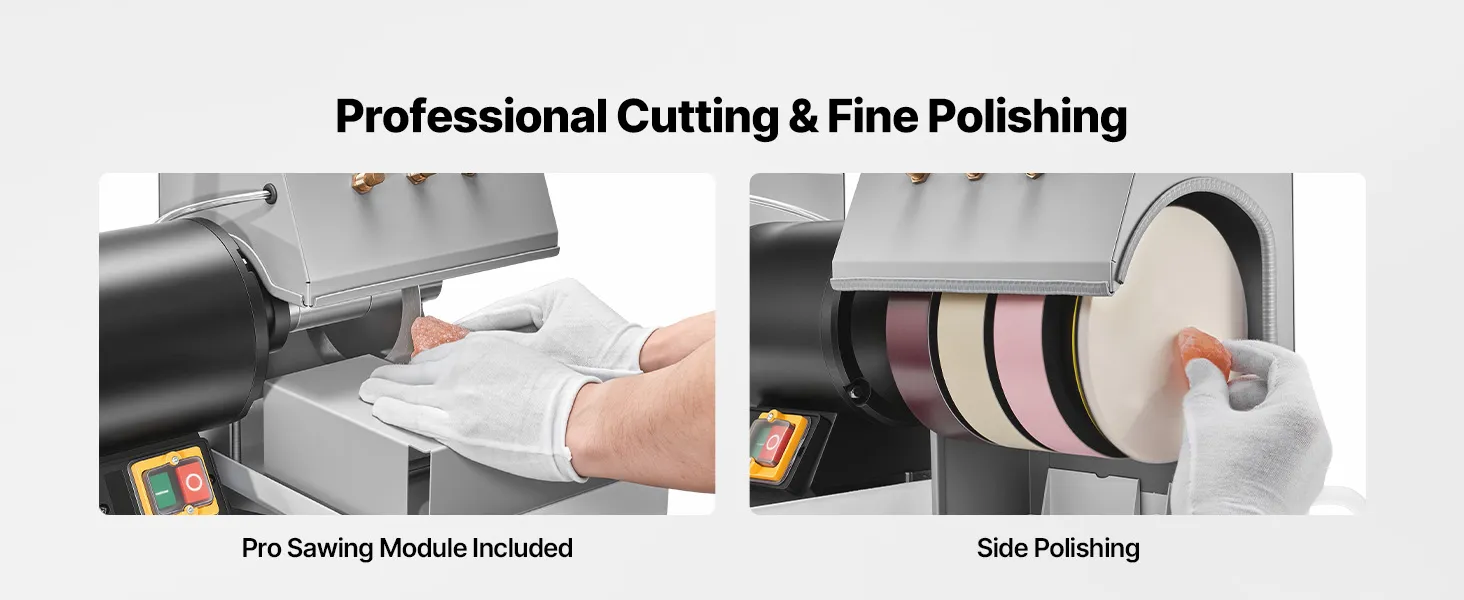
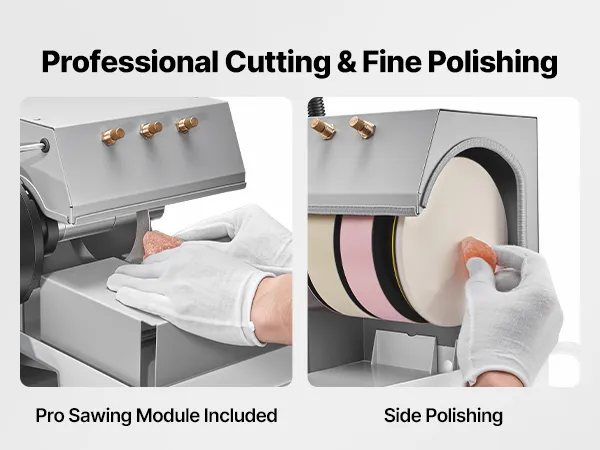
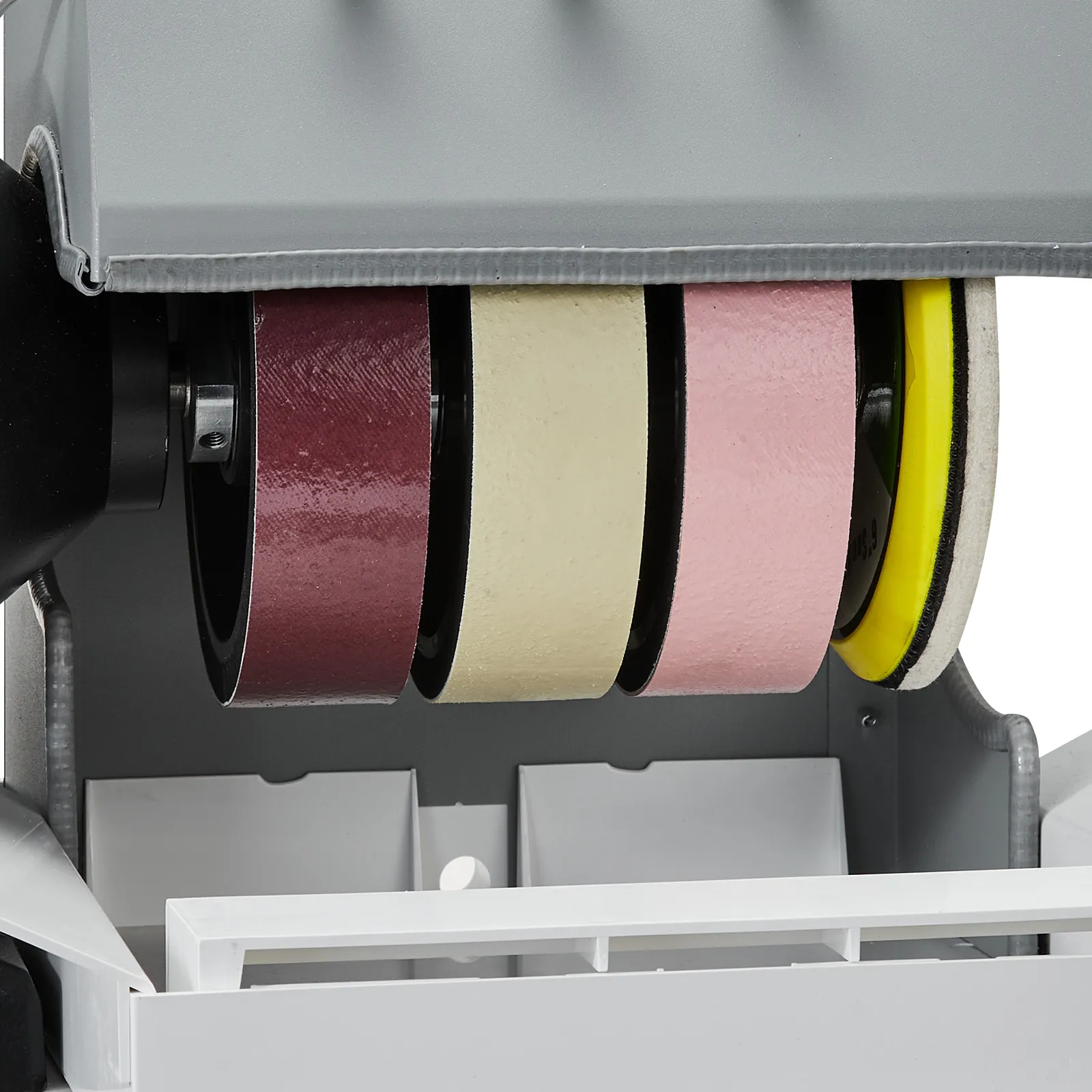
- Professional Cutting & Side Polishing: Equipped with a dedicated saw cutting module and side-polishing function, this lapidary machine enables one-stop processing from rough stone cutting to full-dimension fine polishing on the face and sides
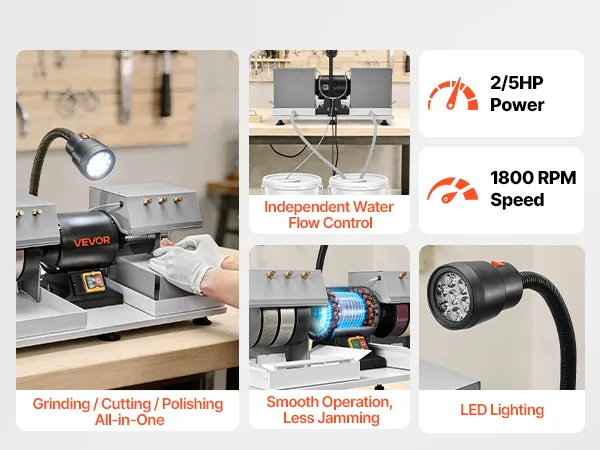
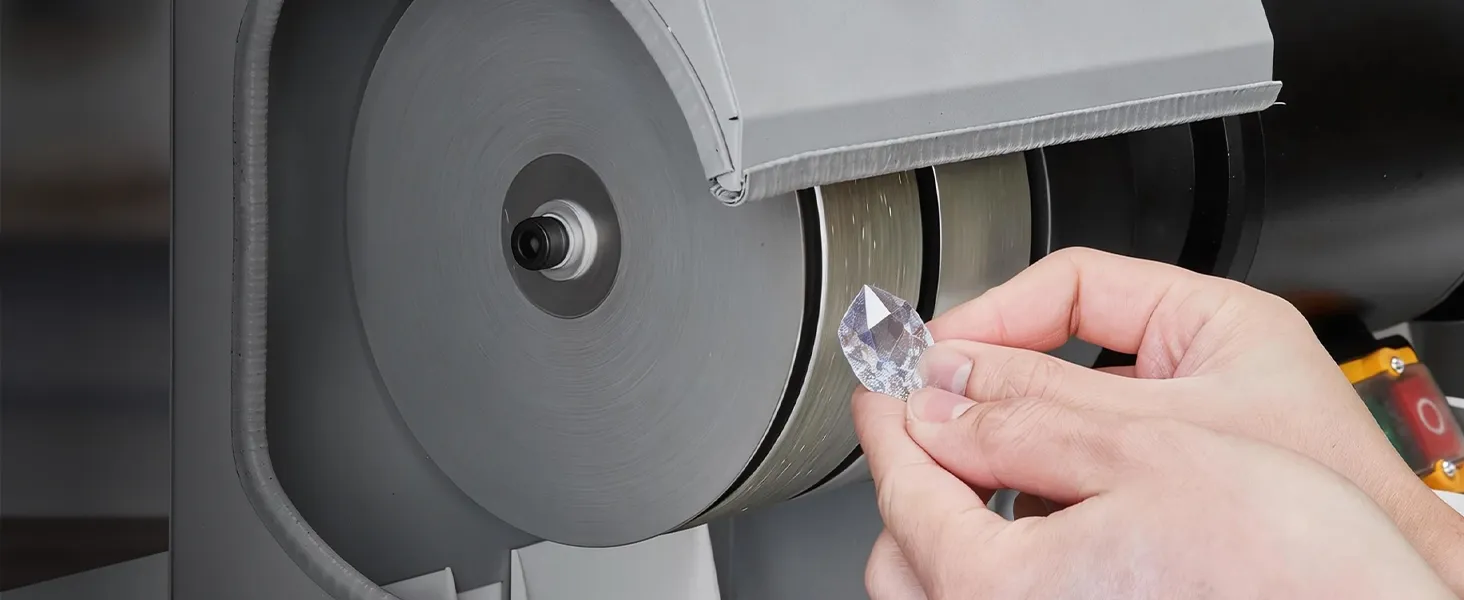
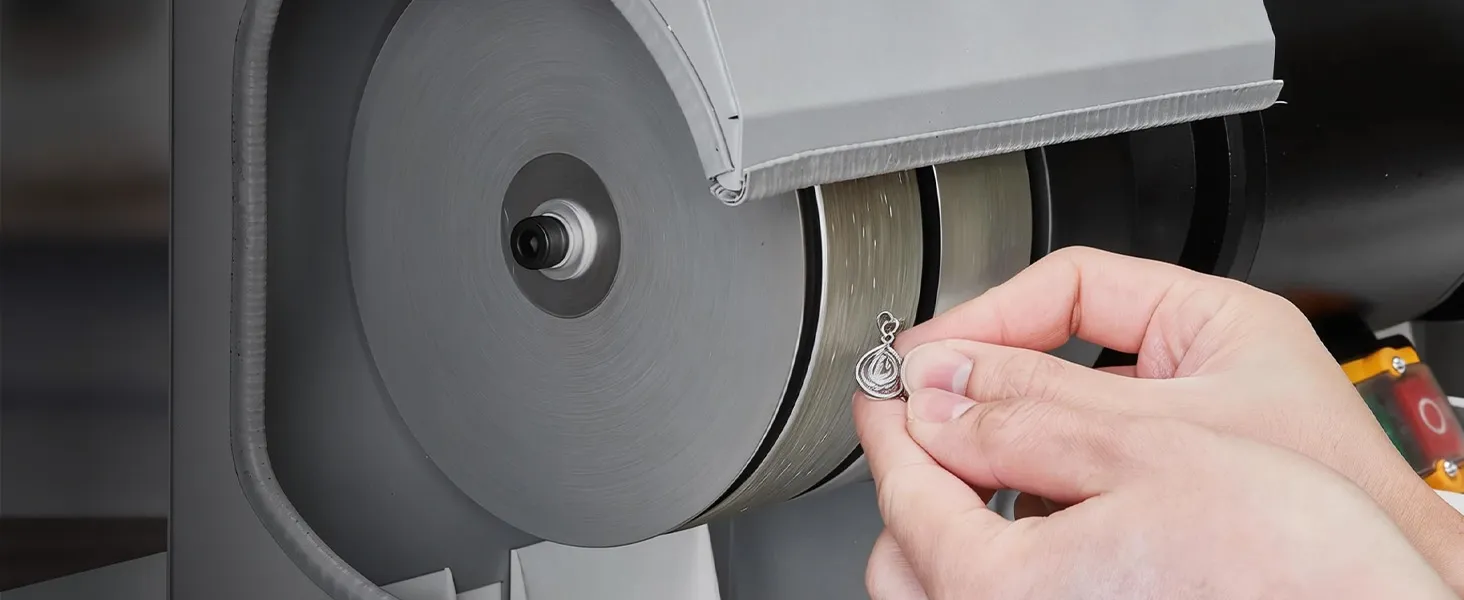
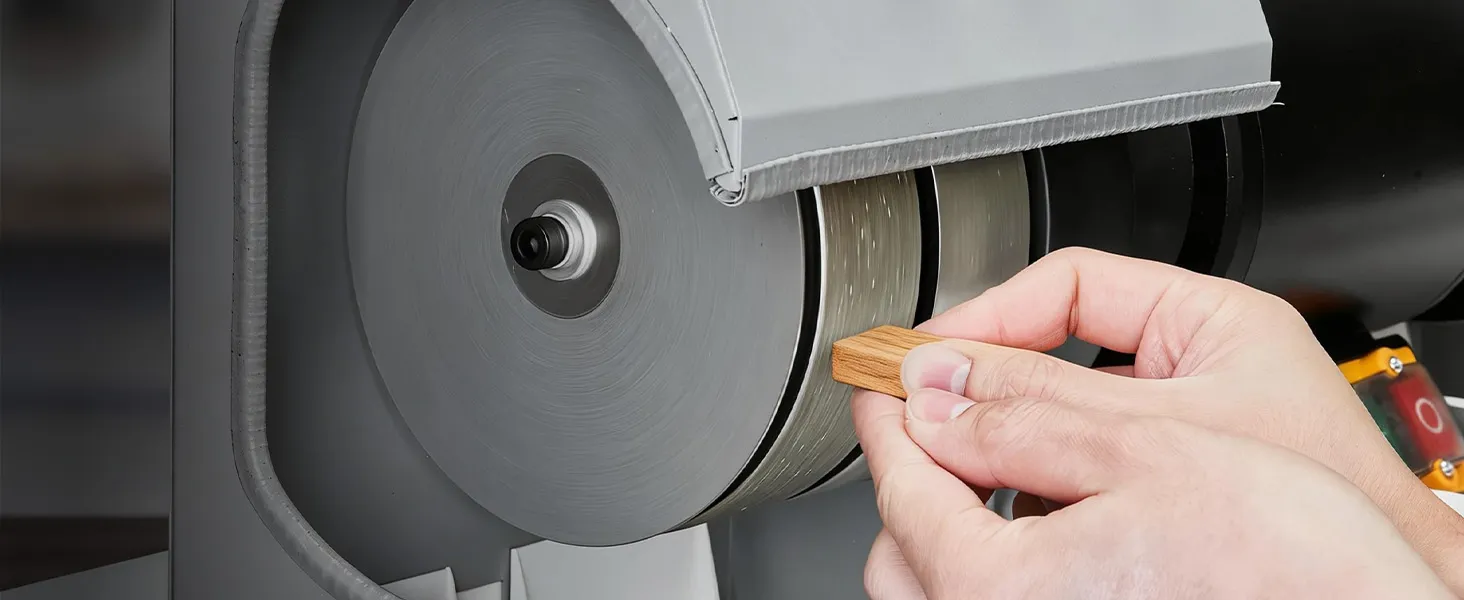
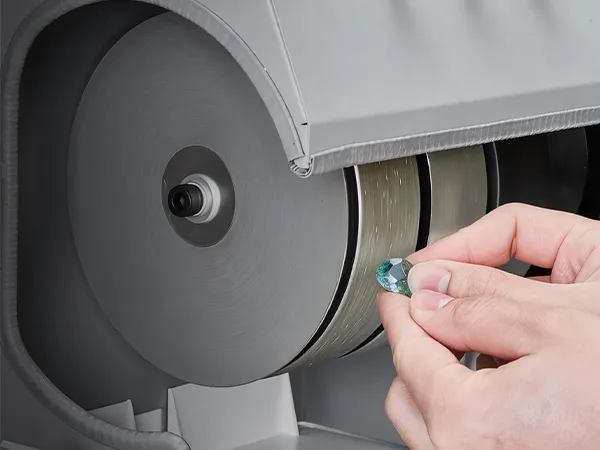
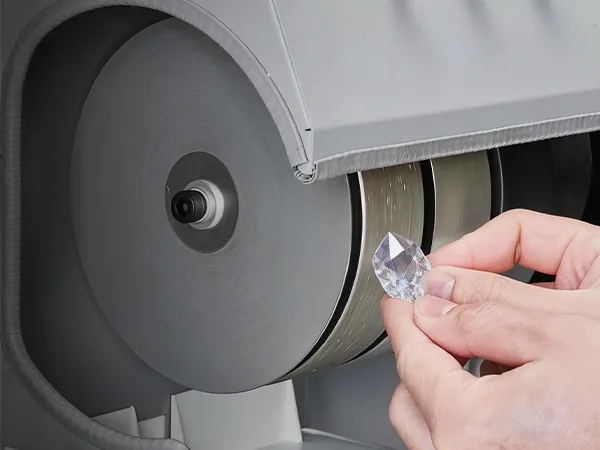
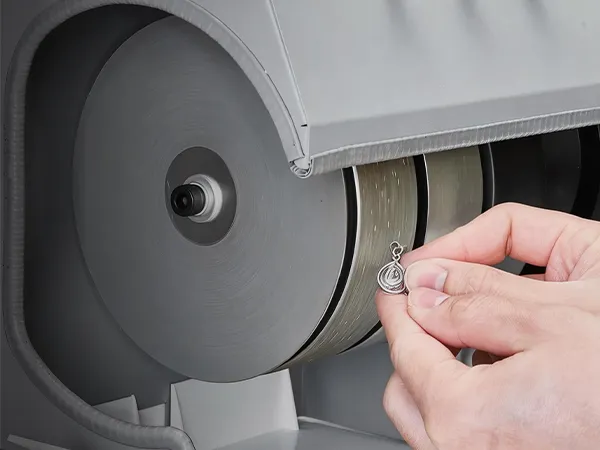
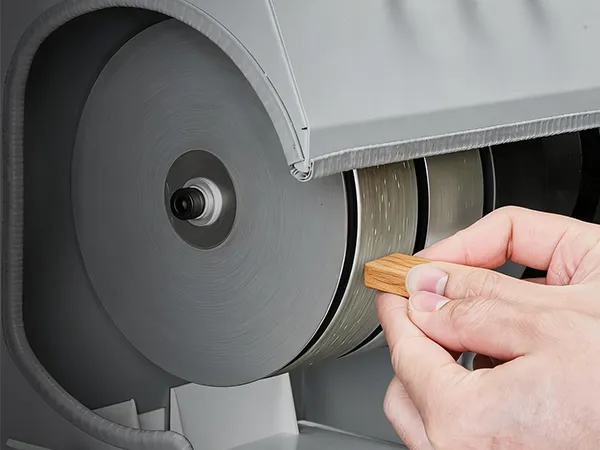
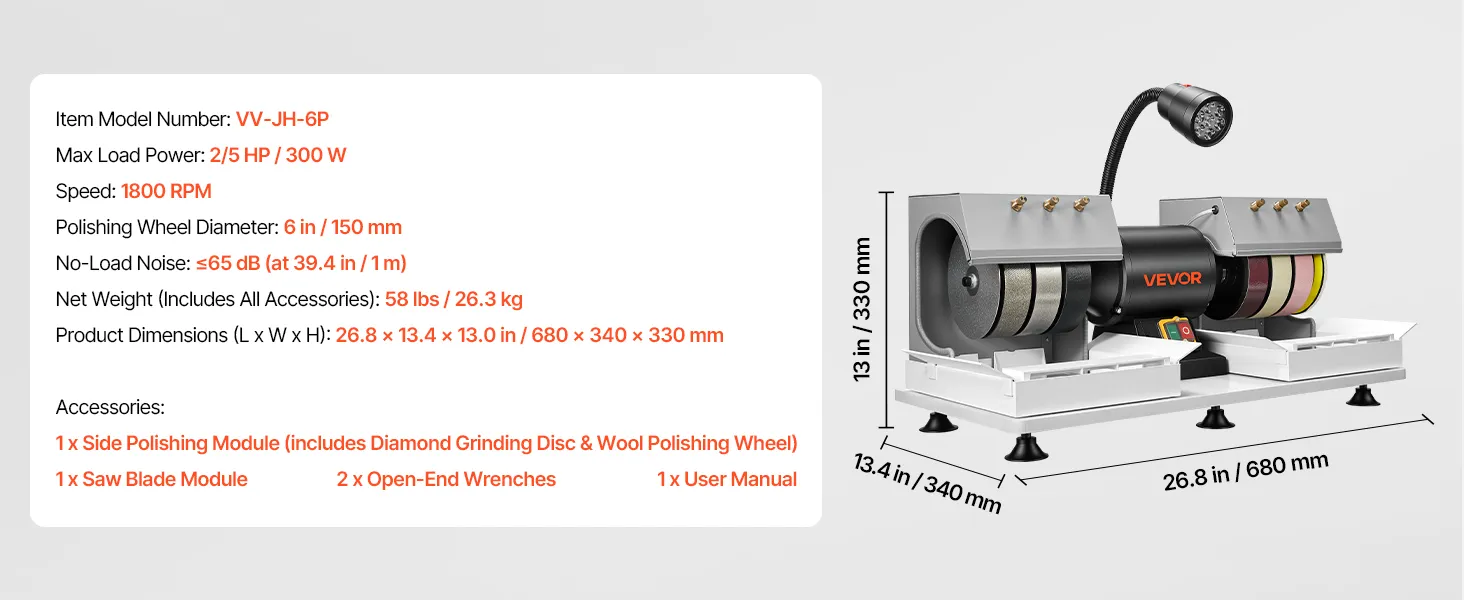
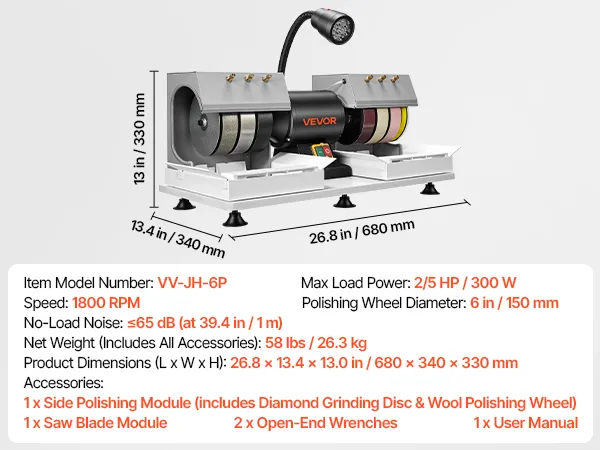
- Powerful Performance: Powered by a smooth, low-noise 2/5 HP, 1800 RPM direct-drive motor, this lapidary rock grinder polisher creates cabochons for necklaces, earrings, and rings, and also polishes ceramics, metal pendants, wood, and other crafts
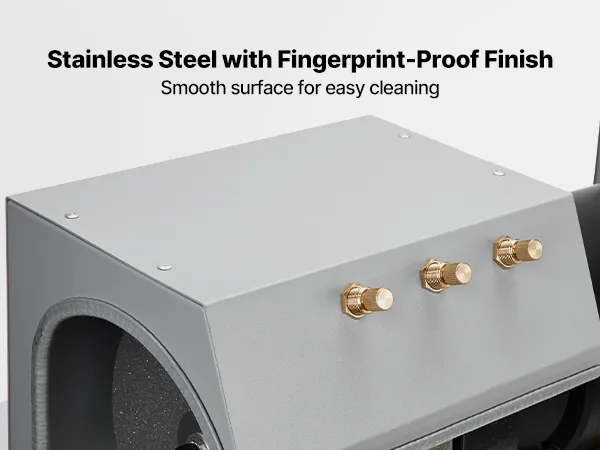
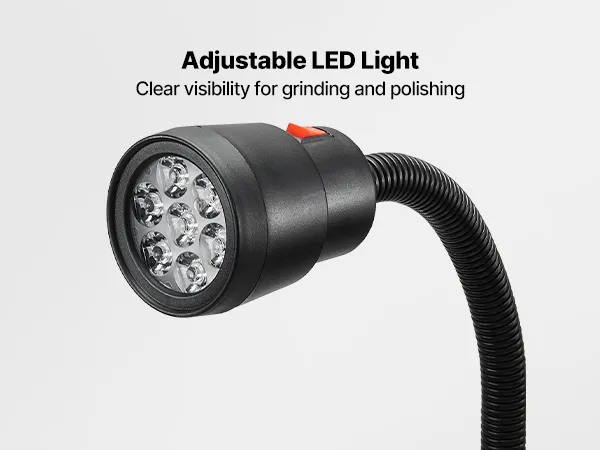
- Compact Design: The electromagnetic switch provides overcurrent protection during operation. The adjustable top-mounted lamp of the flat lapidary machine adds extra lighting, while the 304 stainless steel housing resists fingerprints
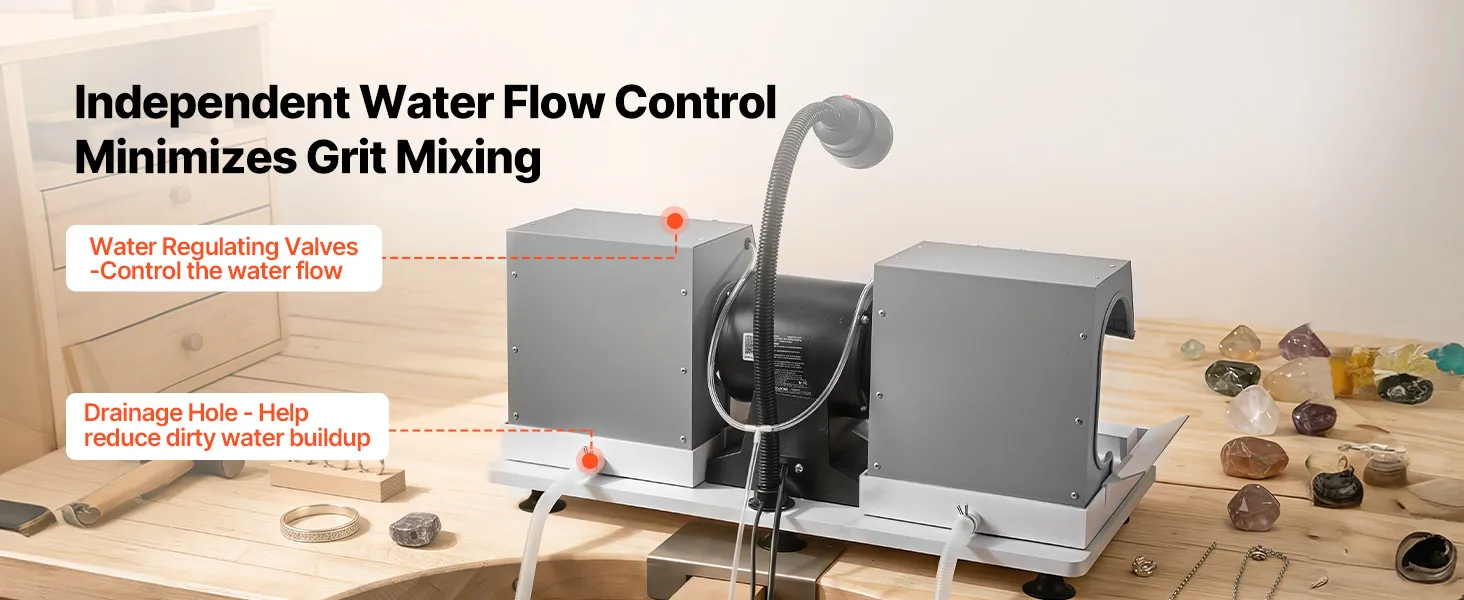
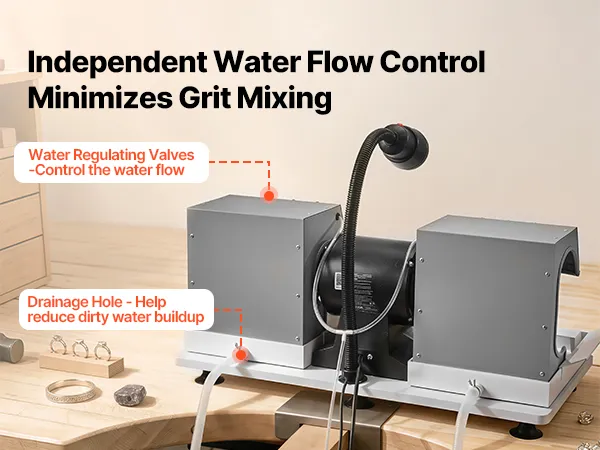
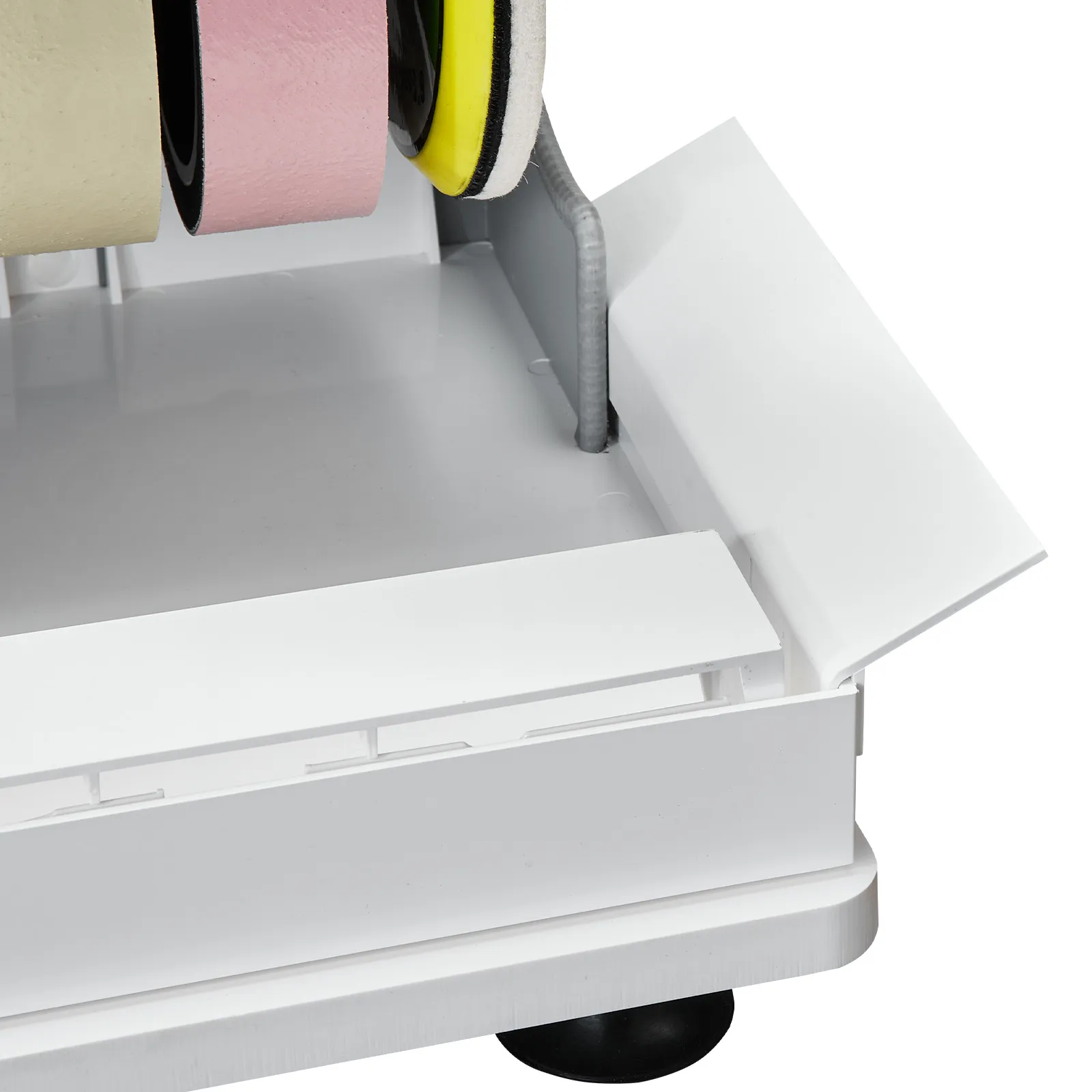
- Adjustable Water System: The unique water system allows you to independently control the water flow to each wheel. When using this cabbing machine lapidary equipment, you can always maintain sufficient water flow to prevent the wheels from running dry
Reviews summary
Al-generated from customer reviews
Frequently Bought Together
Reviews
About this item

VEVOR Rock Cabbing Machines Run on a 2/5 HP, 1800 RPM Direct Drive Motor for Consistent Gemstone Output
The quality of the motor determines whether a cabbing machine rotates smoothly and without vibration, or grinds unevenly, which can damage delicate stone surfaces. The VEVOR rock cabbing machine has a 2/5 HP direct-drive motor that spins at a steady 1800 RPM. This feature gives it the torque and stability it needs to grind hard gemstones without stopping mid-cut or leaving the surface uneven during long sessions.
The direct-drive setup eliminates belt slippage and mechanical lag that can occur at critical grinding stages with belt-driven options. This motor design also produces less noise than gear-driven systems, making it a good choice for workshop settings where the unit will be used for long periods and low noise levels are important for user comfort and focus.
Six 6” Diamond Wheels at Varying Grits Complete the Full Rough to Polish Lapidary Sequence
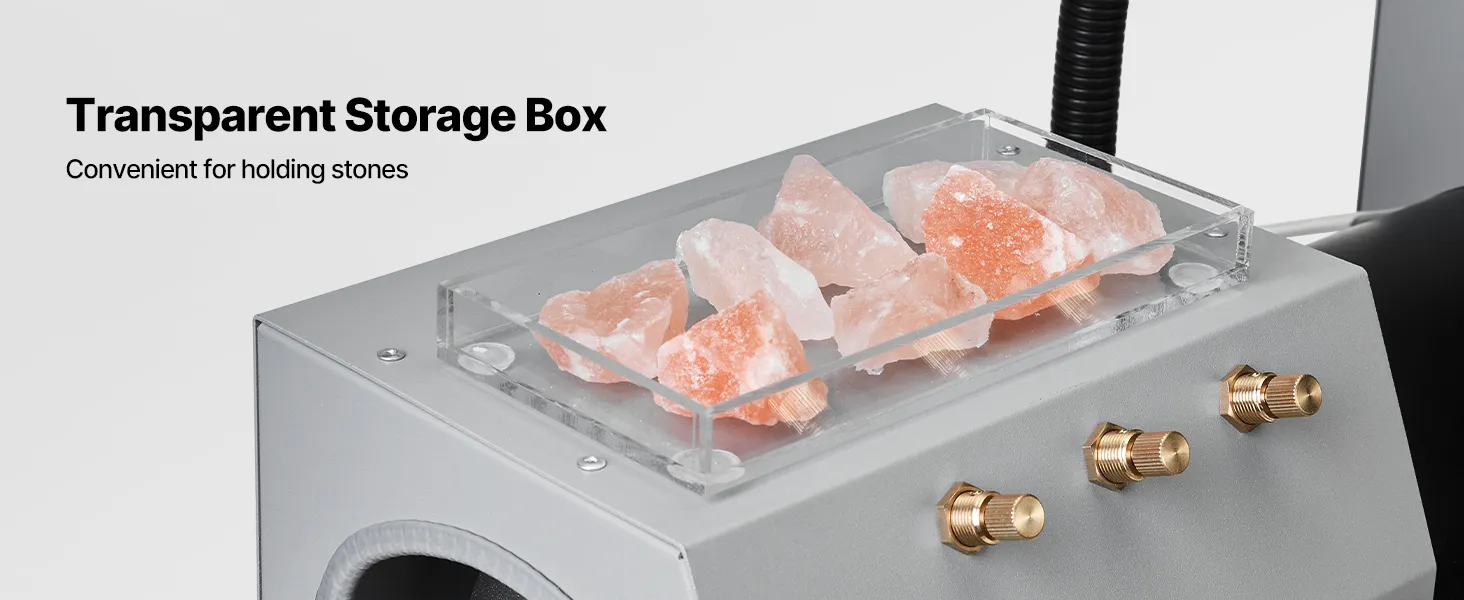
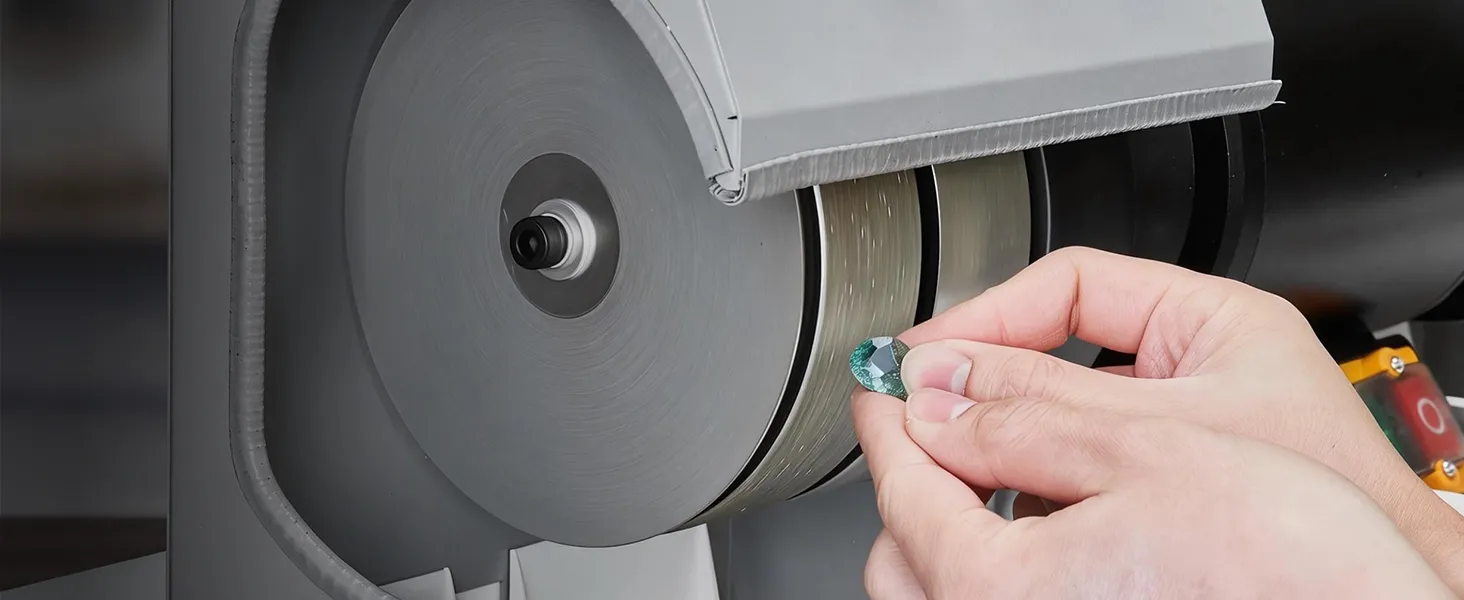
To finish a cabochon professionally, you need to go through several stages of abrasives without changing machines between each one. These machines have six 6” diamond wheels with different grits, as well as a separate diamond lap. They can do everything from rough shaping to intermediate grinding to final surface refinement in a single continuous process on a single unit.
With wheels of different grits, you don't have to find extra wheels before you start working with hard stones that need more abrasive passes than softer ones. Each wheel is designed for a specific stage of material removal or surface development. It ensures that the transition between stages produces predictable results rather than leaving visible scratches or uneven geometry that wheels from earlier stages should have corrected.
Dedicated Saw Cutting Module Plus Side Polishing Function Enable One Stop Stone Processing
Most entry-level cabbing machines only let users grind faces, so they need separate tools for cutting stones and finishing edges. The VEVOR rock cabbing machine features a saw-cutting module and a side-polishing function. It lets operators cut raw rough material, shape the cab profile, grind the dome, and finish the girdle edges, all in a single machine setup.
This ability to process everything in one place reduces the need for additional equipment, bench space, and workflow interruptions caused by moving materials between machines at each stage. For hobbyists making cabochons for necklaces, earrings, and rings, and for professionals finishing lapidary pieces, consolidated processing ensures finished pieces have faster throughput and more consistent dimensions.
Independent Per-Wheel Water Flow Control Prevents Dry Running Across All Six Grinding Stages
Running abrasive wheels without enough water quickly wears them down, heats the stone surface, and creates dust that is dangerous to breathe during long lapidary sessions. The machine features a water system that can be independently adjusted for each wheel. It ensures that each active wheel receives exactly the right amount of water flow for the job it is performing throughout the grinding and polishing process.
Independent control is important because rough wheels cutting hard stone need more water than fine polishing wheels working on a surface that is almost done. This granular adjustment feature prevents water waste during lighter grinding stages and prevents dangerous dry-running during heavier grinding stages. It extends wheel life and protects stone surfaces from heat-induced cracking during processing.
Electromagnetic Overcurrent Protection Switch Safeguards the Motor During Heavy Grinding Operations
When grinding for a long time under load, electrical conditions can damage unprotected motors due to current spikes and overheating. These rock-cabbing machines have an electromagnetic switch built in that protects against overcurrent by automatically breaking the circuit when the current exceeds safe levels. This way, the internal motor parts don't get damaged by overload.
This safety feature is especially useful when the machine is under heavy grinding load and hard gemstone materials are putting the most pressure on it. Operators can push the machine through tough material-removal phases without manually checking the electrical load. They can trust the built-in protection system to step in if operating conditions approach levels that would shorten the motor's service life.
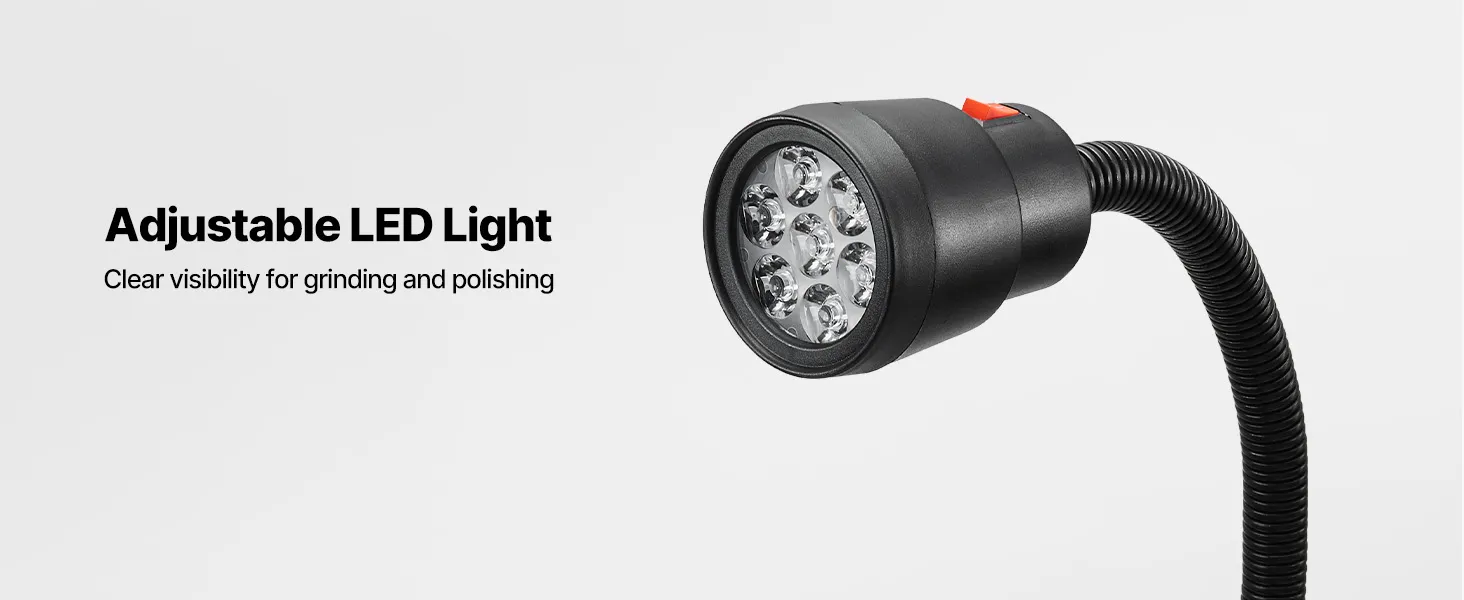
Rock Cabbing Machines - Adjustable Top Mounted LED Lamp Illuminates the Grinding Surface
When the grinding surface isn't very visible, it results in uneven cab profiles, causes flat spots, and creates non-symmetrical dome geometry, lowering the quality of the finished stone. The VEVOR rock cabbing machine has an adjustable LED lamp on top that shines light directly onto the work area. This focused light helps shape decisions at every stage of the cabbing process by providing visual feedback on the stone contact point.
The adjustable mounting lets you adjust the lamp's angle so glare from water spray doesn't obscure the stone's profile as it emerges against the wheel surface. This built-in lighting makes it easier to see and shape cabochons for lapidary work that requires close detail work, where symmetry and the smoothness of the surface determine the cabochon's final value.
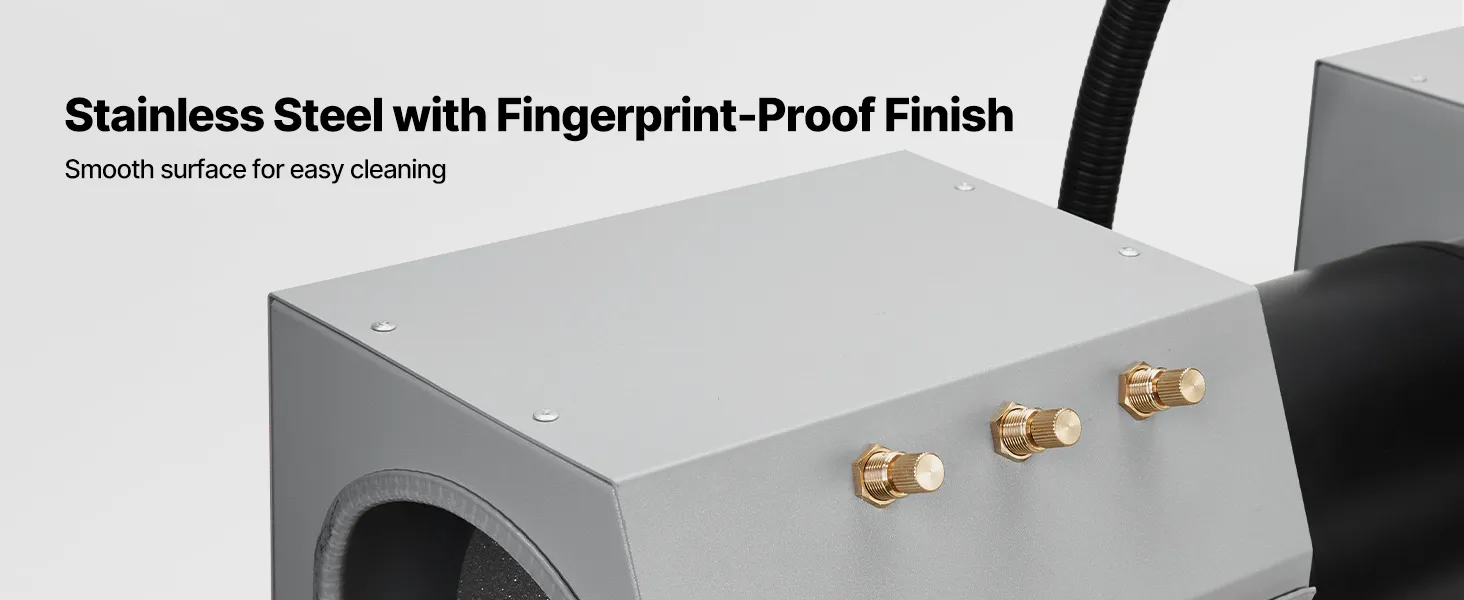
304 Stainless Steel Housing Provides Corrosion Resistance Against Constant Water and Slurry Exposure
Cabbing machines operate in a constantly wet environment, with water spray, stone slurry, and mineral residue contacting every exterior surface during each session. The VEVOR rock cabbing machine features a 304 stainless steel housing. This grade was chosen because it is resistant to surface oxidation, staining, and corrosion when exposed to moisture and particles, which are common in lapidary work.
The 304 stainless steel surface not only resists rust but also helps resist fingerprints and mineral deposits. It keeps the machine looking clean and reduces maintenance time between sessions. The material's structural rigidity also reduces the vibration transmitted by the motor and wheels through the machine while it is running. It is one of the reasons these machines can operate quietly enough for use in both private home workshops and shared studio spaces.