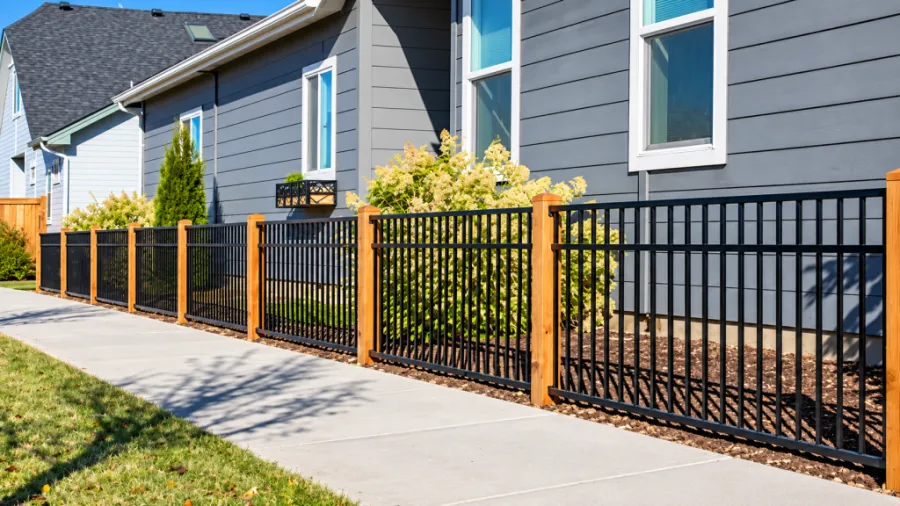
You’ve got a roll of wire, a free weekend, and a long fence line to cover. The big question is: which metal fence posts should you buy? The right metal fence post project depends on your fence style, soil, and tools. Below you’ll find post types, materials, sizing, and installation steps so you can buy once and build with confidence. Want to browse first? Check out these metal fence posts.
Types And Materials Of Metal Fence Posts
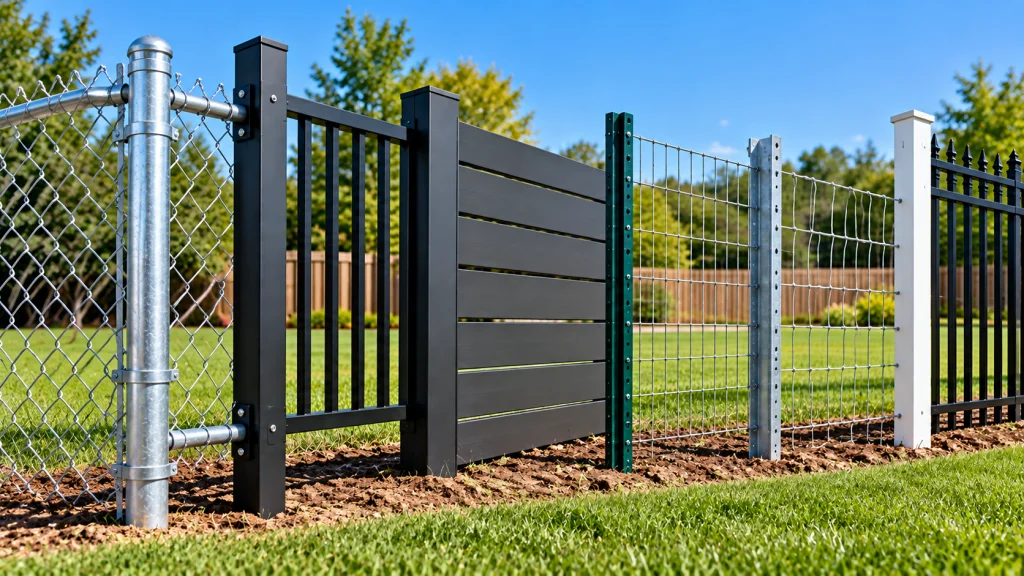
The shape of every kovový stĺpik plota determines how you install your fence. Round posts are popular for chain-link fences because most fittings accommodate their shape. Square and rectangular posts provide a flat surface for attaching rails and fence panels. T-post and U-channel posts are popular for wire fencing projects that require fast post installation. When choosing metal post fence, start by determining the fence system you intend to install, since the post must match all the fence hardware.
What are the main types of metal fence posts, and how do they differ?
The main types include round steel, square and rectangular steel, T-posts, U-channel posts, and aluminum posts. They differ in shape, strength, weight, installation method, and compatibility with hardware.
| príspevok Type | Scenár najlepšieho použitia | Výhody | Nevýhody | Typical Fence |
| Okrúhla oceľ | Chain-link, general fencing | Fits many fittings | May need prepared holes | Reťazový článok |
| Štvorcová oceľ | Panel, privacy, decorative | Easy bracket mounting | Needs matching hardware | Panel, privacy |
| Rectangular steel | Rails and panels | Široká montážna plocha | Limited fitting choices | Rail fences |
| T-post | Farm, garden, wire | Easy to drive, budget-friendly | Not for rigid fences | Drôt |
| U-kanál | Light-duty wire | Simple profile | Needs matching hardware | Light wire |
| Hliník | Decorative, lightweight | Light, corrosion-resistant | Not for heavy fences | Ozdobný |
Metal Fence Post Materials and Coatings
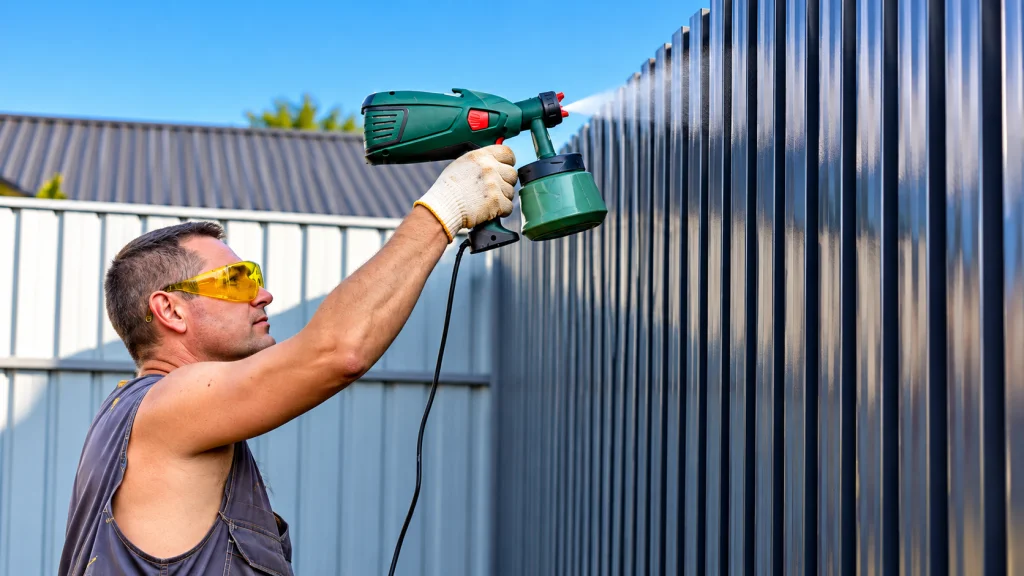
Outdoors, the coating is as important as the metal fence post itself. They will be exposed to rain, sunlight, and wind for many years, so a poor-quality coating may nullify your posts’ high quality.
What materials and coatings help metal fence posts withstand outdoor conditions?
Steel offers durability and strong tensile strength. Aluminum is lighter and naturally rust-resistant. Galvanized steel has a zinc coating that protects the metal from moisture and climate changes. Powder coating adds an extra protective layer and lets you paint the fence any color you like, so it’s ideal for visible areas. If you are mainly concerned about the weather, then use pozinkované oceľové stĺpy. Cutting, drilling, or scraping your posts leaves them with bare metal. Cover these areas with the appropriate paint to protect them from moisture.
| Materiál / Povrchová úprava | Odolnosť proti korózii | najlepší | údržba |
| Galvanizovaná oceľ | Good, zinc coating | Wet or changing weather | Skontrolujte škrabance |
| Oceľ s práškovým nástrekom | Good while the coating is intact | Visible, decorative fences | Touch up chips |
| Hliník | Naturally resists rust | Light-duty, decorative | Nízky |
| Lakovaná oceľ | Fair | Dry climates, budget builds | Repaint when needed |
What Types of Fences Can You Build With Metal Fence Posts?
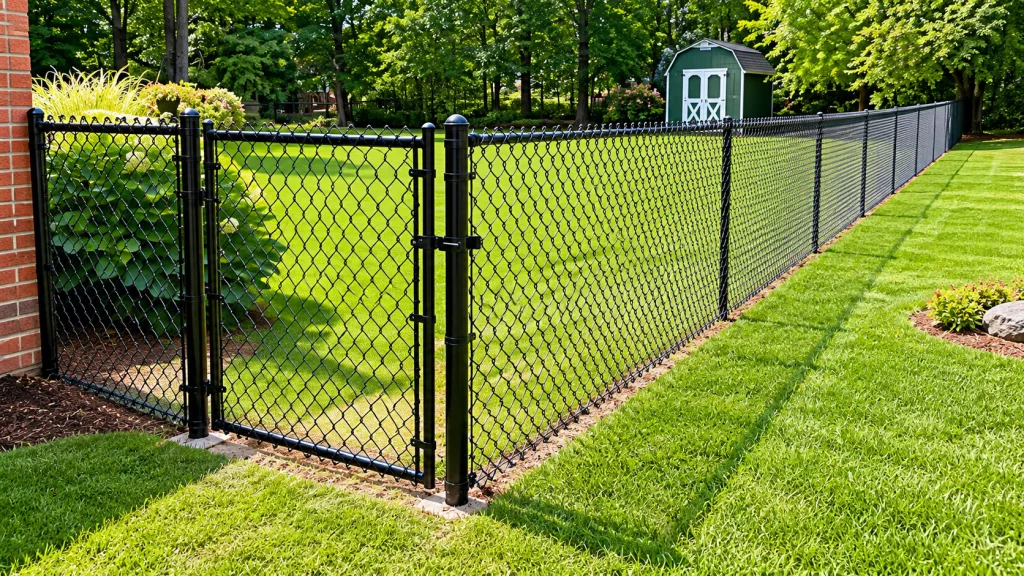
Metal fence post installations can take various forms, depending on the post, fencing material, and hardware used. The following is a description of how the common combinations function:
- Wire and farm fences: T-shaped posts are most appropriate here. They install quickly, and you can replace a damaged post individually.
- Chain-link fences: Round posts work well because they can accommodate top rails, tension bands, and post caps.
- Panel and privacy fences: Square, rectangular, or round posts will provide a firm foundation for brackets. Higher panels attract more wind and therefore require sturdier posts.
- Decorative fences: Aluminum or powder-coated steel keeps the look clean and resists weather.
| Typ plotu | Odporúčaný príspevok | Scenár najlepšieho použitia | Pozor na |
| Wire/farm | T-post, steel post | Livestock, large areas | Corners need extra support |
| Reťazový článok | Okrúhla oceľ | Yards, boundaries | Match fittings to post size |
| Panel/privacy | Square or round steel | Dvory | Wind load on tall panels |
| Ozdobný | Hliník, práškovo lakovaný | Front yards, entrances | Finish scratches |
| Garden/pet | T-post, U-channel | Malé ohrady | Light posts bend under strain |
Building around a yard, a field, or a garden bed? Check out fence posts for gardens and match them to your layout.
Metal vs. Wood Fence Posts
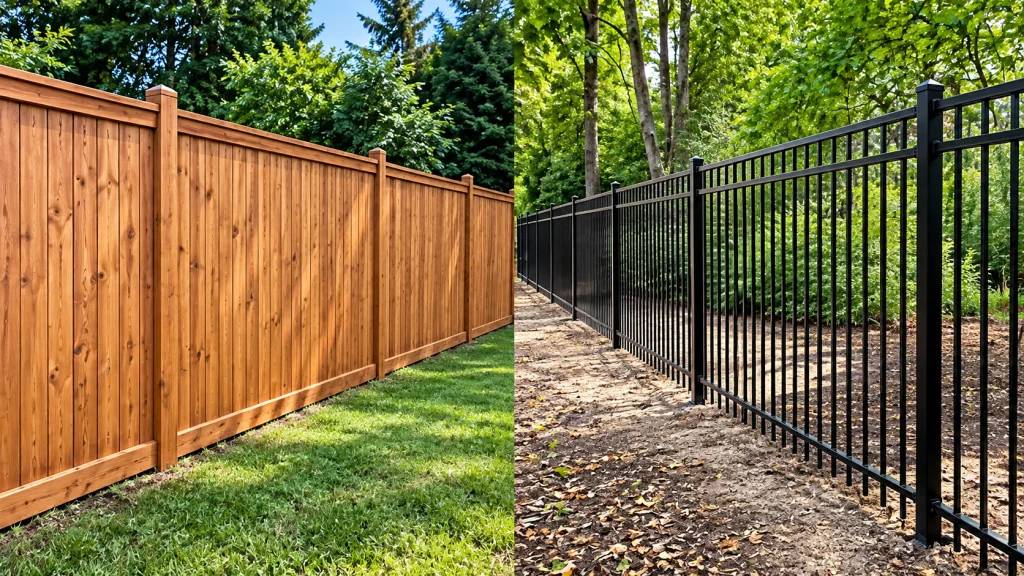
Metal and wood posts can both work well, but the better choice depends on your fence style, maintenance needs, and personal preference. A metal fence post offers a uniform shape and no maintenance like wood. Wood’s advantage is its aesthetic appeal and its compatibility with wood rail fences. Wood requires treatment for fungus and pests, while metal needs rustproofing.
Ako robiť metal fence posts compare with wood posts in strength, durability, and maintenance?
The metal posts have a consistent shape and are less susceptible to decay. However, the wood posts can have a classic appearance but might require protection from fungus and insects. You can install metal posts by driving them into the ground where possible, while wood posts are typically installed by digging. The best option will depend on the fence type and its location.
| faktor | Kovové stĺpiky | Drevené stĺpiky |
| pevnosť | Steel holds its shape under tension and wind load. Aluminum is lighter but less rigid. | Solid when thick and treated, but can crack, warp, or rot over time. |
| Trvanlivosť | Závisí od kovu a povrchovej úpravy | Depends on wood type and treatment |
| údržba | Check finish and connections | Regular inspection and treatment |
| Vzhľad | Modern or decorative | prírodný |
| inštalácia | Many can be driven | Usually needs dug holes |
| Najlepšie pre | Wire, chain-link, panels | Traditional wooden-rail fences |
You don’t have to go with just one. Metal poles and wooden rails work well together. Just make sure the brackets you choose are compatible with both the pole and the rail sizes.
How to Choose the Right Metal Fence Posts
Begin with the fence height and style. Then move on to post sizes, post thickness, distance between posts, and hardware used. Your soil type, your climate, and even the tools that you have affect the decision as well.
How Post Height, Size, and Thickness Affect Fence Stability
The taller the fence, the more wind force it must withstand. As a result, the metal fence post experiences more leverage at the base. The deeper the fence post is planted, the more stable it becomes than a shorter post. In addition, a thicker post can better withstand tension and pressure from the fence material. Thicker walls mean greater stability over time, and the wider the post, the more force it can endure. Larger, taller fences with gates should require larger posts.
Fence post depth is another factor to consider when choosing a post. Generally, plant the post about one-third of its length in the ground. However, this can vary by fence type and soil.
| Fence Situation | Post Size & Thickness | Prečo je to dôležité |
| Short wire or garden fence | Lighter T-post or U-channel | Low load, easy driving |
| Medium chain-link fence | Mid-weight round steel | Handles tension from the mesh |
| Tall privacy fence | Thicker square or round steel | More wind load on each post |
| Gates and corners | Heaviest posts, extra bracing | Carry the most strain |
Soil, Climate, and Spacing
Ground type determines which post you purchase. Firm ground favors posts you can drive in, such as T-posts. Posts placed in loose, wet, rocky, or root-filled soil are usually hammered into an excavated hole. Climate is another factor to consider. If your residence faces heavy rainfall or coastal winds, prioritize this. Spacing is the last consideration. Close spacing makes your fence stiffer, while wider spacing saves costs. Wire fences can have longer spacings, while panels and chain-link fences use the same spacing as their materials. Make measurements first and calculate the number of posts needed plus some extras for corners and gates.
Stručný kontrolný zoznam pred kúpou:
- Fence type and height
- Post shape, size, and thickness
- Materiál a povrchová úprava
- Soil and weather
- Spacing, gates, and corners
- Tools you own or plan to buy
How Do You Install Metal Fence Posts Correctly?
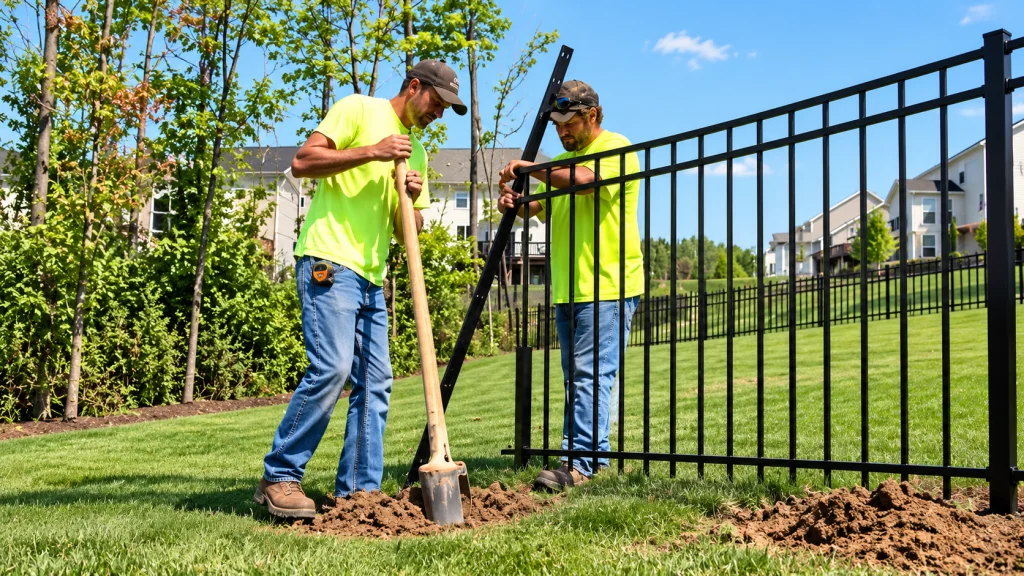
After you select your posts, develop a strategy before you start installing them. Keep spacing and alignment consistent, since you’ll follow the same sequence for every post. Install the posts using wooden rails. Choose brackets or connectors that are compatible with your posts and rails.
1. Pripravte pôdu
Mark the fence line with strings or stakes, and test for buried utility lines before you begin to dig or drive posts into the ground. Remove all rocks, brush, and roots along the fence line. Verify whether the posts will be driven or dug into the ground. If you’re digging, read up on kopanie jamiek pre stĺpy ako prvý.
2. Mark Spacing and Post Locations
First, mark the corners, end posts, gate locations, and turns. Next, measure along each straight line to make sure your wires, railings, and fence panels are long enough to reach each post location. Small flags or paint marks will make each post location easier to locate. Looking for more tipy na inštaláciu for your new fence?
3. Position and Align the Posts
Mark the corner posts, string a line between them, and use it as a guide when setting the remaining posts. Ensure that each post is straight using a spirit level before doing any attaching. This is because mistakes become more noticeable as the fence gets taller.
4. Drive or Set the Posts
Follow the procedure specified for your post. You can drive T-post-compatible posts using a corresponding driver, holding the driver level and the strikes steady. Insert other posts into holes using the appropriate setting procedure. In case the post hits anything firm, stop, since bending it will affect the entire line.
@ezequielgutierr87 @Vevor Nástroje #OSN MEXICKÝ ČINGÓN
♬ sonido originál – UN MEXICANO CHINGÓN
Tools for Installing Metal Fence Posts
Choose a tool compatible with your fence post, soil type, number of posts, and power availability. If you have few posts to install, a manual rammer for small yards is ideal because it doesn’t require any power source.
| Typ vodiča | Napájanie | najlepší | Výhody | Nevýhody |
| Manuálny | Hand power | Few posts, small yards | No fuel, low cost | Tiring on long runs |
| Na plyn | palivo | Dlhé plotové línie | Fast, portable | Palivo, hluk, údržba |
| elektrický | Zásuvka alebo generátor | Medium jobs near power | No fuel, quieter | Vyžaduje zdroj energie |
When power is close at hand, a Elektrický ovládač s výkonom 2200 W will do the trick, fuel-less and complete with two sleeves. Below, the tools are arranged by post diameter, energy use, and purpose. Is your project in a large yard? Then a gas pounder for big yards will save you from swinging a hammer all day.
Odporúčané pre váš projekt
Drivers come in various models that differ in size and power type. Make sure the driver head or sleeve matches your metal fence post shape and size. A post driver with an inner diameter that matches the post will work well, such as a 4.11-palcový stĺpikový ovládač. Safety also deserves a mention. Wear gloves, protective goggles, and earmuffs, especially when using a gas or electric post driver. Keep your hands away from the sleeve, and read the tool’s operating instructions before first use. Don’t know which size to choose? Take a look at post driver comparisons.
Záver.
Putting up an effective, lasting fence comes down to making the right choices. Pick the right post for your fence, protect it properly, and install it correctly, and your metal fence posts will last for years. This is also an excellent way of maximizing the use of any metal post for the fence you have.
Často kladené otázky
Can I attach wooden rails to a metal fence post?
Yes, but with proper use of brackets or clamps. Ensure that the rails remain parallel and that you adhere to the hardware guidelines. You should only tighten everything up when all is even.
What should I check before using a post driver on a metal post fence?
Check the post’s profile, driver sleeve size, soil conditions, and operating instructions. Do not force the driver when it does not match the post. Always wear gloves and eye protection during operation.
Do metal fence post systems need maintenance?
It depends on the metal, coating, and weather conditions. Check the surface often, and repair any scratches or chips immediately to prevent rust from starting there.
Should I use a manual or powered driver for metal fence posts?
Consider post count, ground, power, and effort. A manual driver will suffice for small projects, while a powered driver works well for repeated installations. If it’s a long fence row, then the powered driver will do.