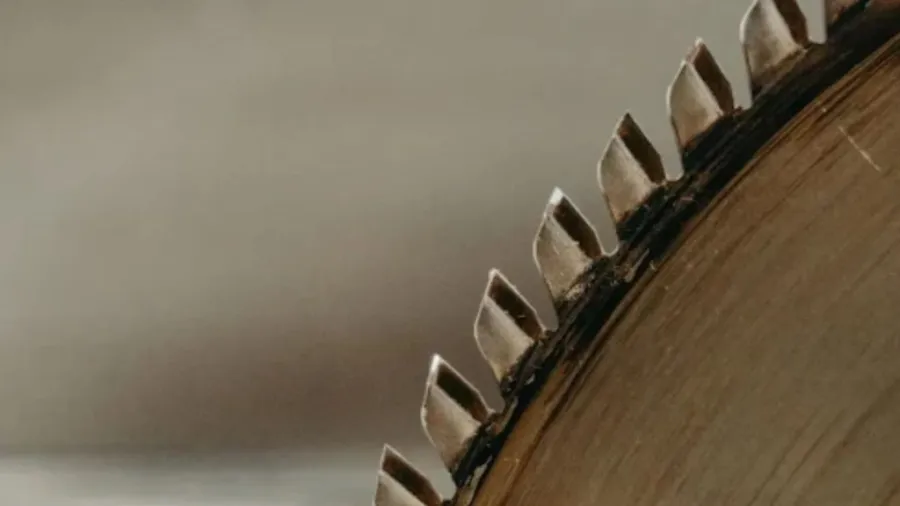
Is your mower leaving ragged, brown-tipped grass and wet clumps behind? A dull mulching blade is usually the cause. It tears grass instead of slicing it, and that stress invites disease. The good news is that learning how to sharpen mulching blades is an easy DIY job, and a заточной станок для лезвий газонокосилки can make it even faster. Disconnect the spark plug, remove the mower blade, clean and inspect it, file the cutting edge at the factory bevel angle (usually 30 to 45 degrees), balance it, and reinstall it right-side up.
Рекомендуется для вашего проекта
How to Sharpen Mulching Blades Step by Step
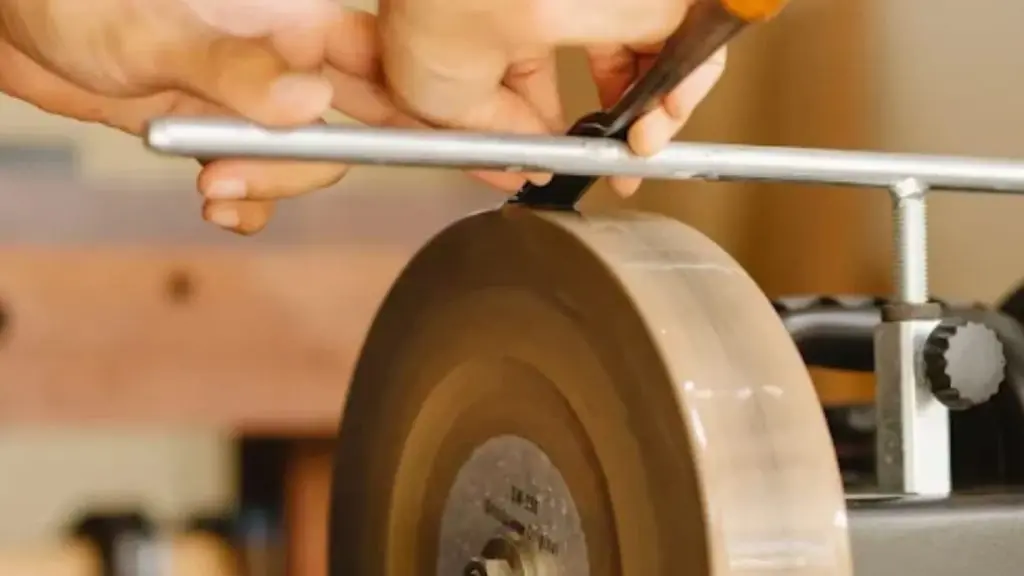
Here is how to sharpen a mulching blade in about 30 minutes. Work on a flat surface with good light. You’ll need a metal file, a clamp or vise, work gloves, and safety glasses. Understanding how lawn mower blade grinders actually work helps you to sharpen mulching blades more effectively.
Step 1: Safety & Disconnect
- Disconnect the spark plug wire (gas mower) or remove the battery (electric mower).
- Never skip this; a mower can turn over even with the key off.
- Tilt the mower on its side with the air filter facing up to prevent oil and fuel from flooding the carburetor.
Step 2: Blade Removal & Inspection
- Wedge a block of wood against the blade to keep it from spinning.
- Loosen the center bolt using a wrench (usually a 5/8-inch or 15mm socket).
- Draw an arrow or mark the side facing the grass so you don’t reinstall the mulching blade upside down.
- Scrape off grass with a wire brush. Check for cracks, nicks, or deep bends. If the mulching blade is cracked, throw it away.
Step 3: Secure & Sharpen
- Secure the sharp mulching blade tightly in a bench vise with the cutting edge facing up.
- Follow the factory bevel angle (30 to 45 degrees). Do not create a new angle.
- Push the file in one forward direction, away from the blade. Lift the file on the return stroke. Five to 10 passes are usually enough.
- Try slicing a scrap piece of paper. A sharp mulching blade slices it cleanly; a dull one tears
Step 4: Balance the Blade
- Hang the blade’s center hole on a wall nail or screwdriver.
- If one side dips downward, file a little more metal off that heavy edge until the blade hangs perfectly level. Unbalanced mulching blades cause heavy mower vibrations.
Шаг 5: Переустановка
- Place the sharp mulching blade back on the mower with your marker sign facing down toward the grass.
- Lock the mulching blade with the wood block again, then tighten the center bolt to your manual’s torque spec.
That is the full method for how to sharpen газонокосилка mulching blades at home. Sharpening mulching blades by hand takes patience more than skill.
When to Sharpen Mulching Blades?
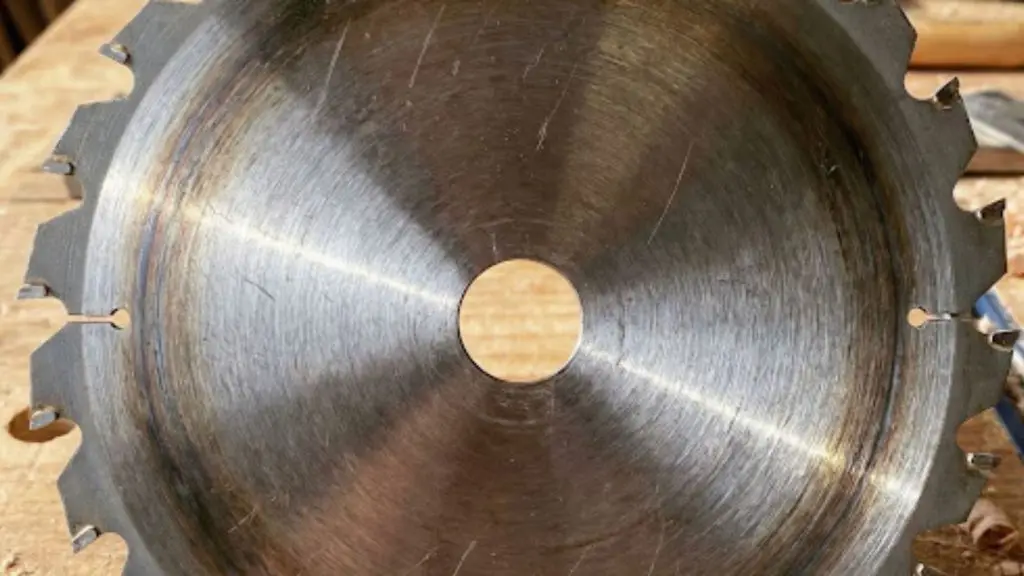
Check for the signs below before sharpening mulching blades. Not sure how to sharpen a mulching blade yet? How to sharpen lawn mower mulching blades is covered in the steps above.
Signs Your Mulching Blade Is Dull
- Torn grass tips. Step off the lawn after mowing. Brown, ragged tips mean the blade rips grass instead of slicing it.
- Clumps of clippings. A sharp mulching blade recuts clippings into fine pieces. A dull blade leaves wet clumps across the yard.
- Неравномерный срез. Wavy or patchy stripes appear even when you mow straight lines.
- Shaking and vibration. Strong vibration through the handlebar often points to a dull, bent, or unbalanced lawn mower blade.
Spotted one of these? Most dull blades can be sharpened. Only a bent or cracked blade needs replacing.
How do you sharpen mulching blades without removing them?
First, disconnect the spark plug, tilt the mower, and file along the factory bevel. You need to know that removal is the better choice. If you still want to try, move on. The problem is that you can’t see the whole edge or check the mower’s balance. Removing the blade gives a safer, more even result, so use the steps above whenever possible.
Bevel Angle and Sharpness Level for Mulching Blade
The angle and the edge decide how well a sharp mulching blade cuts. Get both right, and the rest is easy. Too steep, and the edge chips on the first rock. Too shallow, and the blade never cuts cleanly. A little attention here saves you from sharpening again in a few weeks.
What angle should you sharpen a mulching blade at?
When you learn how to sharpen a mulching blade, match the factory bevel, which usually sits between 30 and 45 degrees. Changing the angle changes how the blade cuts. By using a измельчитель газонокосилок, sharpening lawn mower mulching blades at the right angle comes down to steady, even strokes. A steeper edge turns brittle. A shallower edge leaves the blade dull.
How Sharp Should a Mulching Blade Actually Be?
Вам нужно понять how sharp a lawn mower blade should be. Sharp mulching blades don’t need to be shaved. A thin, mirror-like edge dulls quickly and chips fast on the first rock. A sharp mulching blade is firm and even, not paper-thin. When you learn how to sharpen a mulching blade, don’t chase a razor edge.
If you are also wondering, are mulching blades supposed to be sharp? Yes, but not razor sharp. You’re not shaving with it. The edge should slice a blade of grass cleanly. If the edge cuts paper easily, that’s about right.
Tools for Sharpening Mulching Blades
Sharpening a mulching blade starts with the right tool for your comfort level. Here’s a quick comparison of the best lawn mower blade sharpeners для ваших нужд.
| Тип инструмента | Для каких задач | Ключевой момент |
| Металлический напильник | Новичкам | Full control, slow metal removal |
| Скамья точильщика | Быстрая работа | Keeps the bevel angle consistent |
| Насадка для дрели | Быстрые исправления | Проезд только на свет |
| Powered blade sharpener | Frequent sharpeners | Holds the angle for you |
All four tools work for sharpening mulching blades. A metal file alone is enough for most blades, and it costs little. The настольный шлифовальный станок saves time but demands a steady hand. To keep a mulching blade sharp, let the tool rest against the bevel. Mulching blades have a unique shape, so the way you sharpen them is not quite the same as for a standard blade. Before you start, it helps to understand exactly how the two differ.
Mulching vs. Standard Blades
If you are considering mulching blades, you need to understand how sharpening a mulching blade is different from sharpening a standard blade. The answer is simple: sharpening a mulching blade is a bit different from sharpening a standard blade. Mulching blades have a long, curved edge, while regular blades are flat and straight. When you sharpen a mulching blade, you must follow that curved edge carefully. Make sure to sharpen the whole edge evenly. If you miss a spot, the blade will cut the grass unevenly and leave ugly clumps on your lawn.
| Характеристика | Мульчирующий клинок | Стандартный клинок |
| Передовой | Longer and curved | Flatter and simpler |
| Скос | Часто глубже | Simpler |
| Как заточить | Follow the full curved edge evenly | Follow the straight edge |
| If you skip a section | Uneven cut and clumps | Неравномерный срез |
Can you sharpen mulching blades with an angle grinder?
If your sharp mulching blade has a complex curved design, you can sharpen mulching blades with an угловая шлифовальная машина. This ensures better control. An angle grinder removes metal fast and builds heat. Make short passes, keep the factory bevel, and let the blade cool between passes. If the steel turns blue, you’ve overheated it and softened the edge. For faster, more controlled sharpening, a bench grinder is a reliable option.
Balance and Common Mistakes
A decent job takes a sharp edge and a balanced blade. Any hurry creates most other faults, and any skipping of balance destroys the product. Many people quit when the edge gets sharp. But that’s only half the job. When you cut metal, it pulls off unevenly. Even a tiny discrepancy can make the mower tremble. A couple more minutes here can save your mower and give you an even cut.
Do you need to balance a mulching blade after sharpening
And the secret to sharpening lawn mower mulching blades is balance. Every. Time. Filing removes metal, and removing it from one side throws off the balance. You can’t safely bypass the balance check. An imbalanced blade makes your mower vibrate and can ruin the spindle.
To check the blade’s balance, hang it on a nail or a balancer. Drop one side, then file a few strokes on the heavy side and recheck until the blade is level. A sharp mulching blade that wobbles still cuts badly.
What mistakes should you avoid when sharpening mulching blades?
Most problems with how to sharpen lawn mower mulching blades come from a handful of easy errors. Watch for these when sharpening mulching blades.
- Неправильный ракурс: Changing the factory bevel will kill the cut. Always match the original angle.
- Чрезмерная заточка: The first rock chips a paper-thin edge. Stop when the blade cuts neatly.
- Skipping the balance check: An imbalanced blade will shake the mower and wear down the spindle.
- Mounting the blade in reverse: The mulching wing must be up. Impossible with your chalk.
- Blade repair (damaged): A bent or damaged blade can come apart at full speed. Never sharpen any of them.
Keep Your Blades Sharp All Season
Knowing how to sharpen a mulching blade gets you halfway. The other half is habit. Even a perfectly sharpened blade dulls over time from rust, dirt, and rough mowing. A few simple habits slow that down and keep your cut clean from spring to fall. You’ll also spend less time at the bench.
Sharpening Frequency and Replacement
You can sharpen a blade many times, until the steel wears thin. Plan to sharpen at least twice per season, or after every 25 hours of use. Even if you know how to sharpen a mulching blade well, some blades reach the end of the road. A bent, cracked, or severely worn blade is not worth saving. Replace it instead. A new set of VEVOR заточной станок для лезвий газонокосилки keeps your cut clean without the guesswork.
| Состояние лезвия | Что делать |
| Dull edge, no damage | Sharpen it |
| Small nicks or minor wear | Sharpen it and check the balance |
| Hit a rock or stump | Inspect it first, then sharpen if undamaged |
| Bent or cracked | Замени это |
| Missing chunks | Замени это |
| Edge worn past the bevel | Замени это |
Quick Maintenance Habits
Sharpening mulching blades is easier when the deck and bolts are in good shape. The following maintenance habits take minutes after every mow. If you really want effective results, make sure to follow them.
- Check blade tightness. Vibration loosens the center bolt over time. If the blade moves, tighten the bolt to the torque in your manual.
- Очистите колоду. Disconnect the spark plug first, then scrape off wet grass from underneath. Caked-on grass traps moisture, rusts the steel, and dulls the edge faster.
- Косите, когда трава сухая. Wet grass clumps and drags the edge down.
- Set the right height. Never remove more than one-third of the grass blade at a time. Cutting too low makes the blade strike dirt, which dulls the edge.
- Store the mower dry. A damp shed rusts a sharp mulching blade between mows.
Feel the edge with a gloved finger every few weeks. Then how to sharpen mulching blades stays a once-in-a-while job.
Заключение
Keep your lawnmower blade sharp so it cuts grass easily and protects your mower. A sharp mulching blade косит траву cleaner and puts less strain on your mower. You should sharpen the blade at least twice a year to keep it working well. If you see that your blade is bent or cracked, do not use it and replace it with a new one instead. VEVOR offers solid replacement blades and инструменты для заточки to keep your cut perfect all year.
Часто задаваемые вопросы
How often should you sharpen mulching blades?
Twice per season at minimum. Heavy mowing needs more, so sharpen after every 25 hours of use. If you hit a rock or stump, inspect the mulching blade right away.
What angle should you use when sharpening mulching blades?
Match the factory bevel, usually 30 to 45 degrees. Clamp the blade securely and file in one direction along that angle. Changing the angle makes the edge brittle or dull.
Do you need a special tool to sharpen mulching blades?
No, a basic metal file works well. Bench grinders and drill attachments speed things up, and powered lawn mower sharpeners like VEVOR’s hold the angle for you. Whichever you pick, match the bevel and check balance.
Why must you balance a mulching blade after sharpening?
Filing removes metal and shifts the weight. An unbalanced blade shakes your mower, wears the spindle, and cuts unevenly. Hang the mulching blade on a nail, file the heavy side lightly, and recheck until it hangs level.
How do you know when a mulching blade is dull?
Look for torn, brown-tipped grass, wet clumps of clippings, and an uneven cut. Extra vibration or engine strain is another sign. If you notice any of these, it’s time to sharpen.