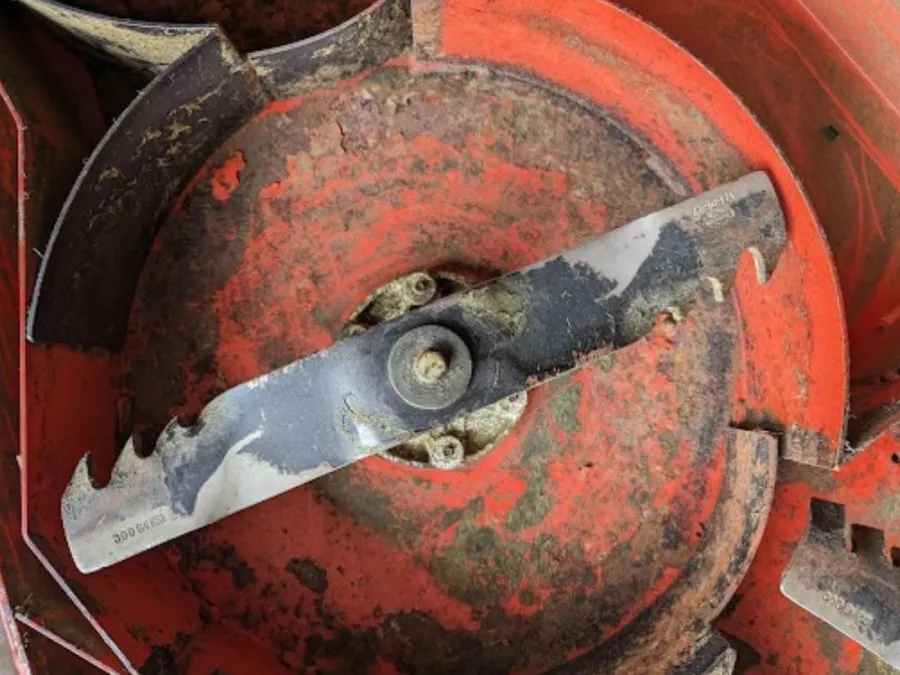
Instead of being razor-sharp, a lawn mower grinder blade should be about as sharp as a butter knife. This edge cuts grass cleanly. It is also resistant to chipping. It feels impressive to have a razor edge. But it chips quickly on small rocks or dirt. Instead of косил траву, a dull edge rips it. The outcome? Your lawn is covered in brown, frayed tips. How sharp should mower blades be? Aim for an edge that cuts cleanly and is between 0.030 and 0.045 inches thick. Sharpen at an angle of about 30 to 45 degrees.
Рекомендуется для вашего проекта
How Sharp Should Mower Blades Be?
You want a sharp lawn mower blade that cuts grass neatly without being brittle. Holding a razor-sharp lawn mower blade feels amazing. But it can chip as soon as it hits a dry patch of dirt or a small rock. Another issue arises from a dull blade. Rather than slicing grass, it tears it.
Within days, torn grass tips fray and turn brown. What is the ideal level of mower blade sharpness? The ideal approach falls somewhere between those two options. The answer to the common question of how sharp should mower blades be is always the same: a butter-knife edge.
Butter-Knife Edge vs Razor Edge
Consider a butter knife’s edge. It is steady and fluid. With little effort, it cuts through soft material. You should get a sharp lawn mower blade like that. The ideal cutting edge is between 0.030 and 0.045 inches thick. Because of its thickness, the edge has sufficient mass to withstand collisions with debris. It also holds its edge long enough to complete multiple mowing sessions.
By comparison, a razor-sharp edge thins out to a nearly imperceptible point. For the first few minutes, it cuts beautifully. Then it strikes a stray twig or a pebble. The thin metal chips away or folds over. This creates an edge that shreds the grass worse than a blade that’s simply dull. You also risk throwing a broken blade out of balance, which could damage your mower’s spindle over time.
| Тип края | Thickness & Feel | What It Does to Your Lawn |
| Butter-knife edge (ideal) | 0.030–0.045 inch; steady and smooth | Cuts grass cleanly, resists chipping, lasts several mowing sessions |
| Razor edge (too thin) | Tapers to almost nothing | Cuts well briefly, then chips or folds on debris and rips grass; can throw the blade off balance |
| Dull blade (too blunt) | Flattened, rounded over | Tears grass, leaves brown ragged tips, and lets disease in |
A completely dull blade causes its own set of issues. The cutting edge flattens and rounds over. The blade tears grass blades apart rather than slicing them. The ripped ends rapidly lose moisture. Your lawn can start to look patchy and discolored in just a couple of days. Those frayed tips also make it easy for disease to enter. The ideal balance is thick enough to endure yet sharp enough to cut cleanly.
Best Angle for Lawn Mower Blades
The sharpening angle for lawn mower blades determines your edge’s performance and longevity. Most manufacturers recommend an angle of 30 to 45 degrees. The best angle for lawn mower blades is typically 30 or 40 degrees. It depends on your blade type and mowing conditions.
For sharp lawn mower blades, a 30-degree sharpening angle results in a finer edge. It cuts through grass more easily. For spotless lawns with few obstructions, this angle works well.
A 40-degree angle produces a slightly blunter but more resilient edge. It is more resilient to occasional debris strikes and rougher terrain. To match the angle to your yard, many bench-mounted sharpeners come with both settings.
| Угол заточки | Edge Character | Для каких задач |
| 30 градусов | Finer, sharper | Clean lawns with few obstacles |
| 40 градусов | Более прочный | Rough terrain, debris-prone yards |
A mulching blade sharpener is simply a bench-mounted sharpener set to the right angle, since mulching blades use the same 30- or 40-degree bevel as standard blades but have curved edges that need steady, even passes.
If you can recognize the factory angle, keep it. Changing the angle shortens the blade’s service life and removes more metal. To find the recommended angle, refer to your mower’s manual for the manufacturer’s specifications. 30 or 40 degrees will work well if you can’t find it.
How to Test Mower Blade Sharpness at Home?
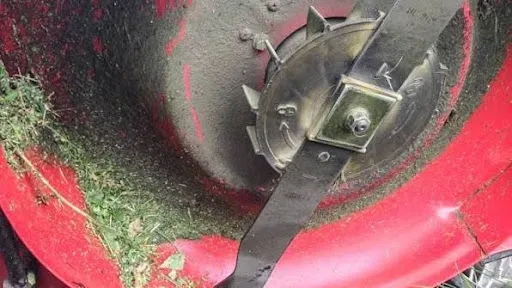
To check your lawn mower blades, you don’t need a full workshop. You can determine whether the edge is still sharp or has become dull with a few fast tests. These quick tests help you avoid brown, shredded grass tips and require just a couple of minutes. Whenever your cut begins to appear ragged, run them.
Paper Test and Visual Edge Inspection
To see if your edge is still cutting cleanly, take these actions:
Step 1: Remove and secure the sharp lawn mower blade. Remove the mower’s blade and hold it firmly with a gloved hand or clamp it in a vise.
Step 2: Try the paper test: glide the blade’s sharpened edge over a sheet of printer paper held upright.
- You should feel minimal resistance as a sharp lawn mower blade cuts through.
- A dull blade tears the paper or catches the fibers.
- Fix the edge if the blade rips or drags rather than gliding.
Step 3: Examine the edge in a bright light. A properly sharpened blade has a smooth, uniform bevel.
- Reflective or shiny areas indicate the edge has rounded over and can’t cut cleanly.
- Carefully run your finger along the edge; you should feel a tiny bite, not a razor-like grab.
- Keep in mind how sharp should mower blades be: butter-knife edge, not a razor.
Step 4: Examine any damage. Check for gouges, flattened areas, or nicks. Small nicks are to be expected after several mowing sessions, but if you spot deep gouges or any cracks, the заточной станок для лезвий газонокосилки needs replacing, not sharpening.
Warning Signs in Your Lawn
You can tell when the sharp lawn mower blade is losing its edge by looking at your lawn. Keep an eye out for these indicators:
- Within a day or two of mowing, grass tips may turn brown or fray because the blade tears rather than cuts.
- Uneven cuts, where certain areas appear shorter than others.
- A rough, uneven surface that results from a dull blade pushing grass down rather than cutting it cleanly.
- Once the blade cuts clean again, a кромкообрезчик газона tidies the borders along beds and walkways for that finished look.
The Best Way to Sharpen Mower Blades
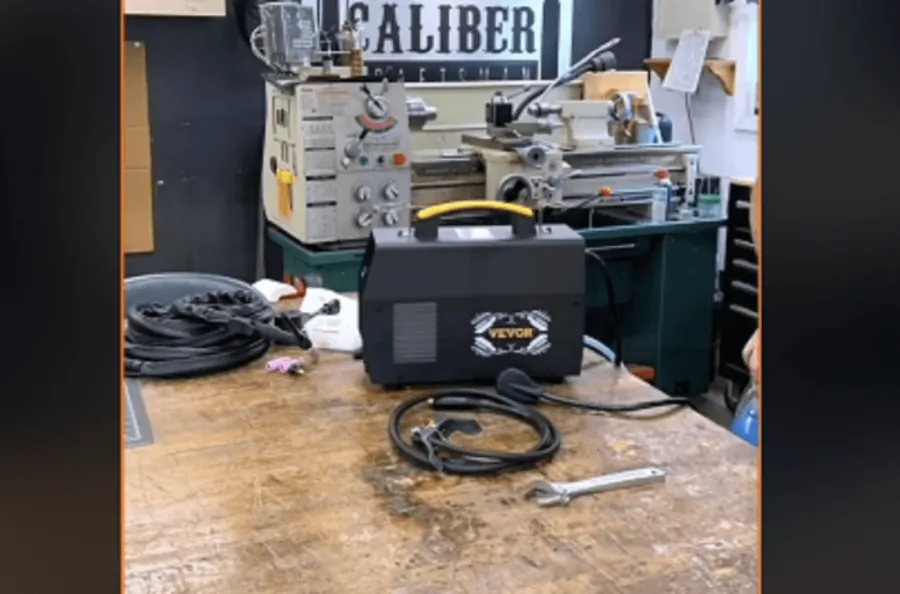
@jeromy_henson_bfss Заточной станок для циркулярных пил VEVOR, 370 Вт, 3600 об/мин, с 6 центрирующими площадками для пил и 5-дюймовым шлифовальным кругом. #вевор #точилкадлялезвий #точилка #шлифовальныйкруг #tiktokshopcreatorpicks @Vevor Shop US @Vevor Store US @CreatorCollab_Mabel @Haidee_Collab
♬ Оригинальное звучание – Джероми Хенсон - BFSS☑️
You have the blade off. You know how sharp should mower blades be: a clean butter-knife edge. Now, the best way to sharpen a mower blade is to choose the right sharpening method. Two options work: a manual file or a bench-mounted sharpener.
Manual File vs Bench-Mounted Sharpener
A manual file gives you control. You hold the sharp lawn mower blades in a тиски. At the proper angle, you push the file across the bevel. It is inexpensive. It can be used anywhere. However, it requires time. Your steadiness determines your edge. A single uneven pass can alter the angle. Deep nicks also don’t fix quickly with hand filing.
A bench-mounted sharpener works much faster. The blade is guided against a revolving wheel. The wheel removes metal evenly. It maintains a constant angle. Most models have a 30- or 40-degree setting. For a balanced cut, that consistency is important. Maintaining balance is harder with a manual file. Заточные станки also remove equal amounts of material from both sides. The table below contrasts the two side by side.
For most homeowners, a bench-mounted sharpener is the лучший инструмент for sharpening lawn mower blades. It holds the angle and removes metal evenly.
| Характеристика | Файл руководства | Настольная точилка |
| однородность кромки | Depends on your hand | Even and repeatable |
| Скорость | Замедлять | Быстрый |
| Контроль баланса | You must check and adjust | More uniform metal removal |
| Управление углом | Needs a guide or skill | Set 30 or 40 degrees |
| Усилие | Высокий | Низкий |
How Often Should Mower Blades Be Sharpened?
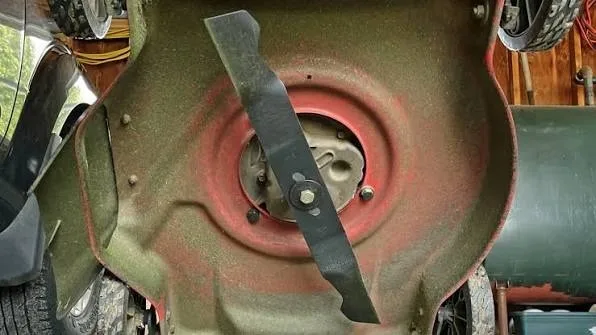
Sharpen by Hours of Use and Season
Regular use causes a sharp lawn mower blade to lose its edge. Most газонокосилки require sharpening every 20 to 25 hours. Mowing a typical lawn takes about an hour. This means a weekly mowing schedule equals about one sharpening session each season. You will need to sharpen sooner if you mow bigger areas or come across sandy soil. Sand and grit wear down a blade edge faster than pure grass.
Sharpening riding mower blades usually comes around sooner than push-mower blades, because riding mowers cover far more ground each session and often run multiple blades at once.
Mower blade sharpness matters, but so does balance. The заточной станок для лезвий газонокосилки will tremble if a blade throws your sharpener off balance. Over time, this vibration can harm the engine by stressing the spindle. Check the balance after each sharpening. Put the sharp lawn mower blade through its center hole on a balancer or a nail. The blade ought to remain level. Remove a bit more metal from the heavy side if one side dips.
Damaged Mower Blades: Sharpen or Replace?
Damaged mower blades are blades with deep nicks, visible cracks, or bends that sharpening alone cannot fix; they need replacing, not just a fresh edge. Not every blade needs a точилка для лезвий газонокосилки for sharpening. You can file away small nicks and flattened areas.
However, deep nicks weaken the metal. Replace any blade with a visible crack. Bent sharp lawn mower blades can cause problems. A twisted blade throws the entire mower out of alignment and makes uneven cuts.
Cracked metal cannot be negotiated. When a blade spins quickly, fragments of it can fly across the yard. Replace any sharp lawn mower blade with bends, deep gouges, or cracks.
Заключение
Aim for a butter-knife edge that cuts cleanly. It also helps keep the grass healthy. Additionally, it endures numerous mowing sessions. This answers the question of how sharp should mower blades be. Test your lawn mower blades regularly. Make use of the paper test. Look for any shiny areas on the edge. Watch for frayed, brown grass tips on your lawn. It’s time to sharpen those tips. A sharp mower blade is just the start, keeping the rest of your садовые инструменты sharp makes every job around the yard easier.
FAQ
How sharp should mower blades be for a healthy lawn?
Instead of a razor, aim for a butter-knife edge. The cutting edge should be between 0.030 and 0.045 inches thick. Grass is cut cleanly and without chipping at this thickness. On impact, a thinner edge folds over. Brown tips are left, and a thicker edge tears the grass.
Can I test mower blade sharpness without removing the blade?
While the blade is still mounted, you can do a simple inspection. Disconnect the spark plug and turn off the mower. Run a piece of paper along the cutting edge. A sharp blade makes a clean cut. A dull blade tears or catches the paper. Take out the blade for a detailed examination.
What sharpening angle works best for most mower blades?
Most manufacturers recommend between 30 and 45 degrees. On spotless lawns, a 30-degree angle produces finer cuts. In rough terrain, a 40-degree angle is more resilient. To find the factory specifications, consult your mower’s handbook. To maintain blade life and cutting efficiency, match that angle.
How often should I sharpen my mower blades?
Sharpen every 20 to 25 hours of mowing, which is about two to three times a season for most lawns. Sandy soil or heavy debris wears the edge faster, so check the blade monthly and sharpen sooner if the cut starts to look ragged.
Should I sharpen or replace a damaged mower blade?
File away small nicks and flat spots during sharpening. But replace any blade with a crack, a deep gouge, or a bend. A cracked blade can throw metal at high speed, and a bent one cuts unevenly and strains the mower.