Moving diesel between tanks, vehicles, generators, and heavy equipment is straightforward with a 12V DC transfer pump. They run off standard 12V DC power. Because of that, they come in handy on farms, in repair shops, on construction sites, and aboard service trucks.
Even so, these pumps vary widely from one model to the next. Specs like flow rate, power draw, duty cycle, hose diameter, and overall weight can all differ. Picking the right one comes down to reviewing those specifications and balancing them against your fuel volume.
Here, we walk through how a 12V diesel transfer pump operates and where people actually put them to work. You will also find the key specifications worth looking at, plus advice on picking the right unit for tractors, trucks, generators, and storage tanks.
Inhoudsopgave
What Are the Best 12V DC Diesel Transfer Pumps?

Performance varies across 12V diesel pumps; they do not all run the same. Certain models are designed just for odd jobs and lighter duties around a farm. Other models are built to take on bigger fueling tasks and steady commercial shifts.
Aanbevolen voor uw project
The list below lets you weigh different 12V diesel transfer pumps side by side without much fuss. Look closely at the flow rate, motor, included accessories, power draw, and what the unit is actually meant for before you buy.
Here is a quick comparison of popular electric diesel transfer pumps. The table shows their power, common uses, and key features to help you compare them easily.
| VEVOR 12V | 12V DC | Farms, vehicles, workshops | Kit options and value |
|---|---|---|---|
| Fill-Rite 12V | 12V DC | Mobile and fleet fueling | Durable fuel-transfer design |
| GPI 12V | 12V DC | Tanks and diesel equipment | Flow and dispensing options |
| HORUSDY 12V | 12V DC | Light-duty refueling | Compact kit-style setup |
| SEAFLO 12V | 12V DC | Mobile fluid transfer | Model-specific fuel compatibility |
Never base your decision on flow rate by itself. Factor in your tank volume, expected usage frequency, battery capacity, hose reach, nozzle style, and how the unit mounts. That way, your selection fits your day-to-day jobs instead of just chasing the highest advertised flow rate.
VEVOR 12V DC Diesel Pump
VEVOR built this 12V DC transfer pump to pull diesel out of storage drums or tanks and push it into matching vehicles and equipment. Since it runs on 12V power, you can use it out in the field where wall outlets are out of reach. Depending on which version you buy, it might come with a self-priming setup, delivery hose, dispensing nozzle, inline filter, or an automatic shutoff. It fits the bill for farms, repair bays, trucks, tractors, and generator sets that need steady diesel top-offs. Make sure to confirm the exact flow rate, hose length, amp draw, and what accessories come in the box before you buy. Anyone weighing the best 12V DC diesel transfer pump will get more value out of these technical details than relying on the brand name alone.
12V Diesel Transfer Pump from Fill-Rite
Fill-Rite manufactures 12V fuel transfer pumps built specifically for dispensing diesel in the field or on mobile rigs. People frequently hook them up to tanks meant for vehicle fleets, construction machinery, farm equipment, and standard vehicles. Different models come with different perks, such as thermal overload protection, bypass functions, fuel-rated hardware, or a heavy-duty motor. These Fill-Rite units are built specifically to move fuel, not to serve as general-purpose utility pumps for other liquids. Take a close look at the duty cycle, rated flow, electrical draw, and fuel system compatibility before settling on a specific model. Getting the sizing right means the pump delivers a steady flow without pulling too hard on your battery or vehicle electrical system.
12V Diesel Transfer Pump from SEAFLO
SEAFLO produces 12V pumps intended for handling various fluids. The company produces models meant specifically for fuel, too. Pick a diesel-approved unit if you are looking for a compact DC pump to use with vehicles, machinery, storage tanks, or field gear. You cannot count on every SEAFLO pump being diesel-compatible. Verify the specific model number before you make the purchase. Flow rate, duty cycle, working pressure, self-priming ability, and power draw are all key specifications to watch. Matching the pump with the proper wire gauge, filter, fittings, and hoses is just as necessary. Stick to the builder’s directions whenever you set up or run the pump.
12V Diesel Transfer Pump by GPI
GPI makes 12V diesel transfer pumps to move fuel out of storage tanks and into diesel machines and vehicles. Because they run on 12V power, they suit mobile tanks well, especially in spots where hauling out an AC power cord is not practical. Depending on which model you choose, it might come in a compact housing with bypass protection, a self-priming motor, and either a manual or automatic nozzle. Mounted and wired correctly, they perform reliably on service trucks, farm machinery, generators, and similar diesel hardware. You will want to measure the pump’s amp draw and rated flow against the actual work you expect it to handle. Looking over the specs for the hose, fittings, filter, and nozzle is also the best way to make sure you have everything needed to get it running.
12V Diesel Transfer Pump by HORUSDY
HORUSDY built its 12V diesel transfer pumps for anyone looking for a small-footprint way to shift fuel between storage tanks and machinery. You will usually find them sold as full kits that include the pump, hoses, a nozzle, and matching hardware. Because it runs on a 12V supply, you can hook the pump up to a matching battery, which makes it handy around farm equipment, work vehicles, shops, and transportable tanks. Before putting one into service, make sure the exact unit is certified for diesel and check that the wiring matches the power supply you plan to use. Looking closely at flow rate, hose length, built-in motor protection, and supplied parts will tell you if the pump fits what you actually need to do.
How to Compare 12V DC Diesel Transfer Pumps
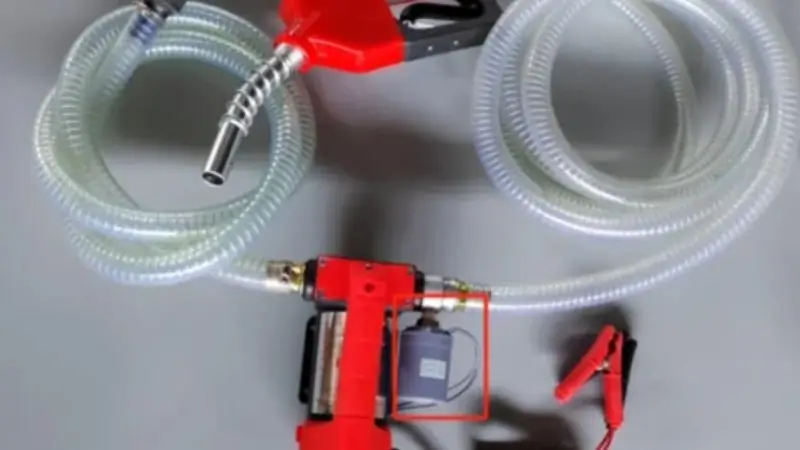
Not all 12V diesel transfer pumps operate in the same way. Two models might look almost identical on paper yet handle quite differently once you put them to work. To compare them properly, you have to weigh sheer pumping power alongside practical usability.
Look closely at flow rate, pressure, current draw, hose diameter, physical dimensions, and duty cycle. Those factors show whether a given unit suits light, occasional jobs or constant, everyday fuel transfers.
Compare Power Consumption
These 12V diesel overdrachtspompen run off a battery or an equivalent DC power supply. You get faster fuel delivery out of a higher-power pump, but it can draw more current in the process. Keep that in mind if you are hooking the unit up to a truck, tractor, or another vehicle battery.
Look up the pump’s voltage rating and amp draw before you hook anything up. Make sure you verify the proper fuse rating and wire gauge, too. Running it for long stretches empties the battery more quickly. Pick a pump that delivers the output you need without overtaxing your electrical wiring or battery.
Compare Flow Rate and Pumping Speed
How quickly a pump transfers fuel between tanks is reflected in its flow rate. Most of the time, this figure is given in gallons per minute (GPM) or liters per minute (L/min). Pumps with higher flow rates cut down the time it takes to top off a tank. That comes in handy when you are dealing with tractors, heavy equipment, trucks, or sizable storage tanks.
Keep in mind that manufacturers often test these numbers under perfect conditions. Out in the real world, things like hose length, narrow fittings, lift height, and fuel temperature will drag that rate around. Factor in how big your tank is and how fast you actually have to get it filled. A medium flow rate is usually plenty for smaller equipment. If you have bigger tanks and fill up constantly, you’ll probably want a faster pump.
Look at Pump Dimensions and Portability
If the pump has to travel from one spot to another, its physical size counts for a lot. You can haul a compact 12V pump between fuel tanks, vehicles, and equipment without much trouble. If the plan is to bolt it to a single stationary tank, a bigger model might be the better fit.
Take a close look at how much it weighs, along with the carry handle, mounting brackets, cord length, and where the hose wraps up. Going with a lighter unit keeps rigging simpler when you are working on farm equipment or truck beds. Solid, dependable mounting matters more than portability once a pump is connected to a large supply tank. Base your choice of size on where the unit will actually run and where it gets put away.
Check Maximum Pressure and Lift
These two figures give you an idea of how easily the pump pushes diesel through the lines. Lift measures the vertical distance the unit can push or draw diesel in those specified conditions. That becomes an issue whenever your supply and destination tanks sit at different levels.
Tight fittings and longer hose runs also drag down your delivery speed. Never base your decision on flow rate by itself. Check what the manufacturer lists for pressure and lift capability. Pick a 12V diesel transferpomp sized to handle the elevations and routing of your specific setup. That keeps your flow from sputtering or dropping off.
Check the Hose and Fitting Dimensions
Your fuel flow rate and how easily everything mounts together both depend on hose and fitting sizes. An undersized hose restricts output and cuts into the pump’s flow. Mismatched fittings can fight you during assembly or start leaking later.
Look over the inlet and outlet measurements before you purchase anything. That matters even more if you plan to tie into a tank or fuel setup you already have in place. Verify that the hose is rated specifically for diesel and tough enough for the environment you work in. Go over every piece as a complete set, including both the intake and discharge hoses, the fittings, the filter, the nozzle, and the clamps. Doing that keeps you from running into trouble when you put everything together.
Look at Duty Cycles and Run Times
The duty cycle tells you precisely how long you can pump before shutting it off so it cools down. That spec counts when you have high volumes of fuel to shift or a line of rigs waiting to be topped off.
Zeker dieselpompen are built only for quick bursts. Other models are built to stay on for longer stretches. Pushing a pump past its rated runtime risks building up excessive heat. You also risk cutting into the motor’s lifespan. Look up the manufacturer’s stated caps for both continuous runtime and intermittent duty. If you are buying a 12V diesel transfer pump for farm equipment, trucks, or generators, pick a duty cycle that reflects how you actually refuel.
Which Fluid Transfer Pumps Deliver the Highest Flow per Dollar—Best Value by GPM?
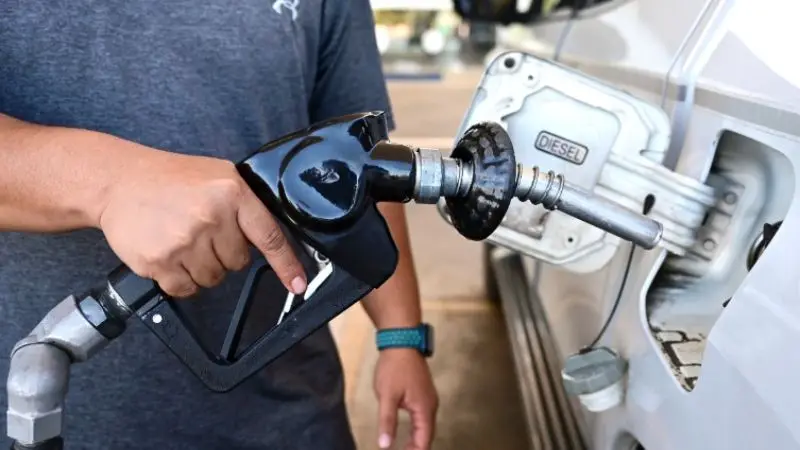
Weighing the flow rate against the purchase price helps you spot a pump that pays off in volume. Even so, GPM should not be the sole spec you look at. A high-GPM pump might pull more electrical power. Real-world flow can fall off, too, if your hose is long or your setup requires significant lift.
Look at the build quality, duty cycle, warranty coverage, fuel compatibility, hose, and nozzle too. A budget pump might be completely fine if you only use it on the farm now and then. If you are running it commercially every day, you might require something heavier duty. Make sure you evaluate pumps against each other in the same operating environments. That gives a clearer, more practical picture of what they are really worth.
Which Fluid Transfer Pumps Hold Up Best on Farms
Pumps on a farm have to withstand regular operation alongside dirt, vibration, moisture, and shifting weather. How long they last is not determined by a single detail. Look over the pump housing, motor enclosure, seals, corrosion resistance, mounting hardware, and operating parameters.
Take the time to go over the warranty terms as well. Terms and coverage periods often vary from one brand or model to the next. A longer warranty period is not always proof that the pump will survive more years of use. Weigh what the warranty covers against how the pump is constructed and how hard you plan to run it. When buying for a farm, pick a pomp built from materials suited to your actual operating hours and environment.
| Factor | What to Check for Farm Use |
| Behuizing | Durable, fuel-compatible construction |
| Motor | Overload or thermal protection |
| Zegels | Compatible with diesel |
| Slang | Fuel-rated and appropriately sized |
| Garantie | Coverage period and exclusions |
| arbeidscyclus | Suitable for expected fueling frequency |
Which Fluid Transfer Pumps Work Best for Emergency Outages
A 12V diesel transfer pump comes in handy during blackouts as long as you have a compatible battery or DC supply on hand. Portability matters in an emergency, as you will likely have to haul the pump back and forth between fuel storage and a vehicle or generator. Proper fuel compatibility and built-in safety gear matter just as much. Make sure the setup includes tight electrical fittings, the right fuse, hoses certified for fuel, a dependable nozzle, and whatever overload or thermal safeguards the manufacturer specifies. A smaller boxed kit tucks away more neatly for rare emergencies, but frequent generator runs call for a heavier-duty build. Do not run a fuel-transfer pump anywhere near open flames, sparks, or potential sources of ignition.
verpakken
Het juiste krijgen 12V DC diesel transfer pump comes down to what you are fueling, how much diesel you move, how quickly it needs to flow, your power setup, and how often you run it. Occasional top-offs usually only call for a compact pump, but heavy-duty versions tend to make more sense for farms, trucks, jobsite machinery, and bigger bulk tanks. Take time before purchasing to weigh flow rate, duty cycle, power draw, hose and fitting dimensions, fuel ratings, and built-in safety protections. You will also want to decide whether a portable setup or a permanent mount fits your workflow better. Reliable operation depends on actually sticking to the manufacturer’s directions for installing and running the pump. Matched to the right specs, a 12V diesel transfer pump cuts down the time and hassle of day-to-day fueling.
FAQ
Will a car battery power a 12V DC diesel transfer pump?
Yes, you can run a compatible 12V DC diesel transfer pump directly from a car battery. Before hooking it up to the battery, look over the manufacturer guidelines, wire gauge, fuse needs, and amp draw.
What is the maximum run time for a 12V DC diesel transfer pump?
How long it can run comes down to the motor style, battery size, duty cycle rating, and how hard it is working. A lot of these pumps have to cool down between uses. Make sure you always stick to the manufacturer’s suggested limits for both continuous and intermittent operation.
Will a 12V DC diesel transfer pump handle gasoline?
Not automatically. Stick exclusively to pumps with explicit ratings and approvals for pumping gasoline. Pumps meant solely for diesel might carry the wrong electrical parts, materials, or gaskets. Always look over the manufacturer specs to confirm the unit handles your fuel.
Which fluid transfer pumps work best for gasoline, and what sets them apart from each other?
Any pump you pick must be explicitly rated for gasoline and match the specific job you have in mind. Before deciding, look at build quality, hose compatibility, flow rates, electrical safeguards, ratings, operational specs, and approved fuels.
Which gasoline-safe transfer pumps work best for filling jugs, and how do their features compare?
When filling gasoline jugs, stick strictly to pumps certified for gasoline and built to work with your specific containers. To make sure the pump runs safely and fits your setup, check the flow rate, nozzle control, hose build, portability, electrical safeguards, official certifications, and how it needs to be stored.
In the US market, which fluid transfer pumps earn the highest customer ratings and carry the strongest warranties?
Both the warranty terms and the customer scores differ depending on which model you pick and where you buy it. Before buying a unit for use in the US, look at the length of the manufacturer’s warranty, what it excludes, return terms, access to support, reviews from verified buyers, build quality, and what the pump is meant to handle.