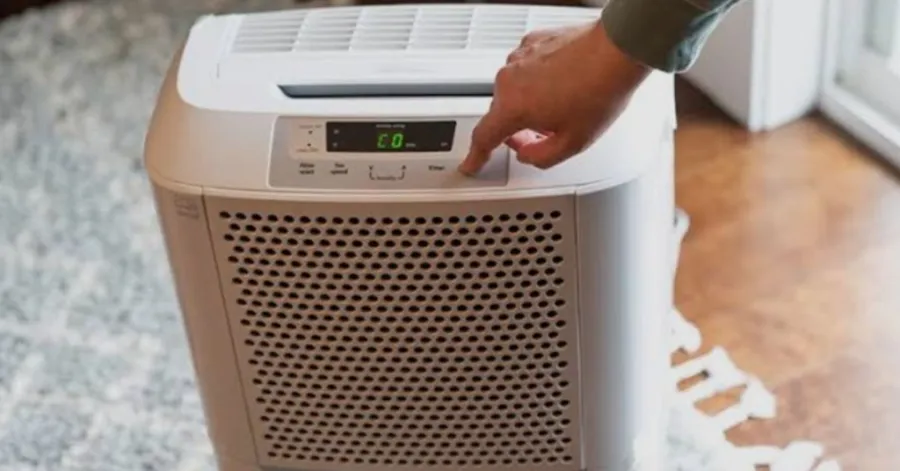
A deumidificatore Il deumidificatore è un utile dispositivo domestico in grado di regolare il livello di umidità nell'aria e garantire un'atmosfera confortevole in casa. Stanze appiccicose, odori di muffa e persino la formazione di muffa possono essere causati da un'umidità elevata. Saper utilizzare un deumidificatore è fondamentale per mantenere una buona qualità dell'aria e preservare a lungo termine la propria abitazione. Ogni passaggio è importante, dalla scelta delle dimensioni e della posizione più adatte, alla regolazione del livello di umidità desiderato. Può essere utilizzato in qualsiasi stanza della casa (camera da letto, cantina e soggiorno) e un utilizzo corretto contribuirà a migliorare il comfort, la salute e l'efficienza energetica, mantenendo al contempo un'aria interna fresca ed equilibrata durante tutto l'anno.
Cos'è un deumidificatore e come funziona?
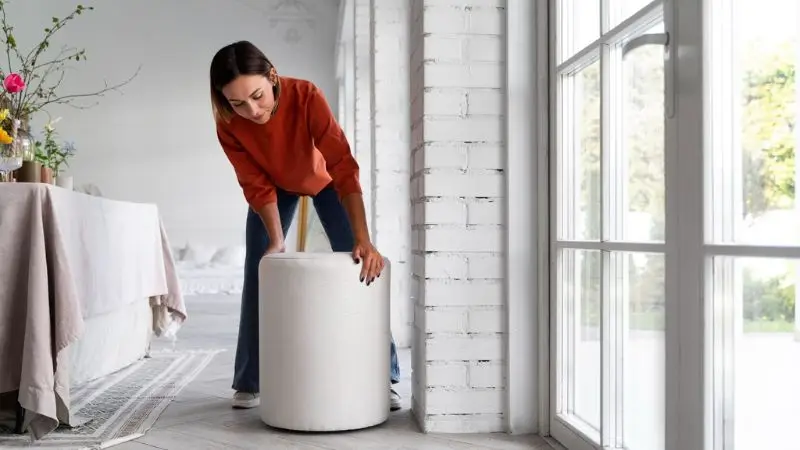
Un deumidificatore è un elettrodomestico che aiuta a gestire l'eccessiva umidità nell'aria. Rende l'ambiente interno più confortevole riducendo il livello di umidità. Questo risulta particolarmente utile nelle zone umide dove l'aria è densa. È necessario comprenderne il meccanismo di funzionamento prima di imparare a utilizzare un deumidificatore nelle diverse aree della casa.
È silenzioso, funziona in background e, a lungo termine, contribuisce a purificare l'aria e a prevenire danni causati dall'umidità a mobili e pareti.
Cosa fa un deumidificatore
Un deumidificatore riduce l'umidità eccessiva nell'aria interna e contribuisce a mantenere un clima moderato. L'umidità eccessiva può rendere gli ambienti scomodi e persino conferire loro un odore di muffa. Questo dispositivo risolve il problema grazie alla costante purificazione dell'aria.
Il suo funzionamento segue il seguente ciclo:
- Aspira l'aria umida dalla stanza
- Rimuoverà l'umidità dall'aria.
- Immette nell'ambiente aria più secca e confortevole.
Questo contribuirà a mantenere gli ambienti interni più puliti e stabili. Inoltre, molti hanno notato che previene la formazione di umidità su tessuti, mobili in legno e pareti, soprattutto negli ambienti chiusi.
Come rimuove l'umidità dall'aria
Un deumidificatore è un dispositivo che rimuove l'umidità attraverso un sistema di trattamento continuo dell'aria. Una ventola spinge l'aria umida all'interno e la fa passare su serpentine di raffreddamento o su materiale assorbente l'umidità, a seconda del tipo di apparecchio. Il vapore acqueo si trasforma in goccioline d'acqua quando entra in contatto con una superficie fredda presente nell'aria calda.
Funziona come segue:
- L'aria viene aspirata nella macchina.
- L'acqua si condensa.
- L'acqua viene raccolta in una cisterna oppure scaricata all'esterno.
- L'aria secca viene immessa nella stanza.
Questo processo continua indefinitamente finché l'umidità non raggiunge un livello confortevole. Si tratta di un meccanismo particolarmente utile quando si impara a utilizzare un deumidificatore in camera da letto, dove una qualità dell'aria stabile è auspicabile per il riposo e il comfort.
Diversi tipi di deumidificatori
Esistono diversi modelli di deumidificatori, ognuno adatto a specifiche esigenze. La scelta del modello più adatto dipende dalle dimensioni della stanza, dal clima e dalla frequenza di utilizzo.
I principali sono:
- I deumidificatori a refrigerazione sono comunemente utilizzati nei climi caldi e umidi.
- I deumidificatori a essiccante sono più adatti ai climi freddi.
- I deumidificatori per tutta la casa vengono utilizzati per controllare l'umidità in tutta l'abitazione.
Ogni tipo di deumidificatore è unico nel modo in cui gestisce l'umidità, ma tutti mirano a mantenere un livello di umidità interna salutare. Questo è fondamentale quando si decide di installare un deumidificatore o quando si sceglie il modello più adatto alla propria abitazione.
Come scegliere il deumidificatore giusto
@jeromy_henson_bfss Deumidificatore commerciale Vevor da 125 pinte con tubo di scarico. Deumidificatore di grande capacità per il ripristino di immobili danneggiati dall'acqua. #fyp #deumidificatore #vevorttshop #fai #deumidificatoricommerciali #fyp シ ゚ virale #deumidificatori #vevor #assorbimentoacqua #virale #tic toc #assorbitorediumidità #fypagina #fyp シ ゚ virale #vevorproducts #utensili #ttslevelup #ttsdelightnow #saldiprimaverili #springtok #offerteprimaverili #offerte #risparmiprimaverili #tiktokstore #tiktokshopcreatorpicks #saldi #tiktokshopspringglowup #affare #rifornimentonegoziotiktok #ora in saldo #tiktokshopsummersale #Aspetto #vibrazioniestive #risparmio #vibrazioni estive #saldiestivi #tiktokshopsummerturnup #vendere #tiktokshop #shoppingsutiktok #tendenze2025 #video virali #inofferta #venditaflash #idee regalo #idearegalo #trovatesunegoziosutiktok #tiktokmi ha fatto comprare #per te #perlapagina #trending #Wow #tiktokmademedoit #prendiiltuo #oggi #trovatesutiktok #trovatitok #tiktokvirale #tiktokvideo virale #tiktokviraltrending #ttsacl #festa del papà #regalofestapapà #saldiperlafestadelpapà #vitaestivadivevor @Vevor_US @vevor shop @HAIDEE_collab
♬ suono originale – JEROMY HENSON-BFSS☑️
La scelta del deumidificatore più adatto è fondamentale, poiché influisce direttamente sul comfort, sul consumo energetico e sulle prestazioni. Non tutte le case sono uguali in termini di umidità e condizioni ambientali, quindi un singolo modello non sarà efficace in tutte le situazioni. È essenziale conoscere le caratteristiche cruciali prima di imparare a utilizzare un deumidificatore nella pratica, ad esempio in una cantina o in un'altra stanza. Un apparecchio scelto con cura sarà più efficiente, più durevole e migliorerà la qualità dell'aria interna senza alcuno sforzo aggiuntivo.
Scegli in base alle dimensioni e alla capienza della stanza
La prima cosa da considerare quando si sceglie un deumidificatore è la dimensione della stanza. Un apparecchio piccolo non sarà sufficiente per deumidificare uno spazio ampio, mentre un dispositivo troppo grande non sarà necessario in una stanza piccola, con conseguente spreco di energia. L'obiettivo è quindi quello di scegliere un apparecchio adatto all'ambiente in cui verrà utilizzato.
I modelli compatti sono particolarmente indicati per le stanze più piccole, mentre le unità standard sono adatte ad ambienti di medie dimensioni. Gli apparecchi in metallo, in grado di resistere a elevati livelli di umidità, sono più indicati per ambienti più ampi o umidi. Questo equilibrio è particolarmente importante quando si considera l'utilizzo di un deumidificatore in camera da letto, dove il comfort e una qualità dell'aria costante sono fondamentali nella vita quotidiana.
Prima dell'acquisto, accertatevi della capacità in pinte.
La capacità in pinta è la quantità di umidità che un deumidificatore può assorbire dall'aria in un periodo di 24 ore. È un valore che ti darà un'idea della potenza dell'apparecchio e dell'ambiente in cui può funzionare al meglio.
Gli ambienti piccoli con bassa umidità dovrebbero essere dotati di deumidificatori con capacità inferiore. Gli utenti domestici in genere utilizzano modelli di media capacità. Gli ambienti molto umidi, come scantinati o stanze con scarsa ventilazione, richiedono unità di maggiore capacità. Tenendo presente questo, diventa più facile determinare la configurazione appropriata, soprattutto quando si considera come installare un deumidificatore in diverse zone della casa per la prima volta.
Caratteristiche di efficienza energetica per l'uso quotidiano
L'efficienza energetica è fondamentale perché un deumidificatore viene solitamente utilizzato per periodi prolungati. Un modello a basso consumo energetico, senza compromettere le prestazioni, permette di ridurre i costi energetici a lungo termine. I deumidificatori moderni sono progettati per regolare il proprio funzionamento in base al livello di umidità della stanza.
La maggior parte dei modelli a basso consumo energetico si spegne automaticamente una volta raggiunto il livello di umidità desiderato e si riaccende quando necessario. Questo aiuta a evitare inutili consumi energetici e a mantenere la stanza confortevole senza bisogno di un monitoraggio costante. Tutte queste caratteristiche risultano utili quando ci si chiede per quanto tempo un deumidificatore debba rimanere acceso per ottenere i migliori risultati senza consumare troppa energia.
Livelli di rumorosità e facilità di trasporto
Il livello di rumorosità è molto importante per il comfort, soprattutto quando un deumidificatore viene installato in camera da letto o in soggiorno. Esistono modelli silenziosi e altri più rumorosi, a seconda delle dimensioni e della potenza. Scegliere un modello silenzioso contribuirà a creare un'atmosfera tranquilla all'interno dell'abitazione.
Dovrebbe inoltre essere portatile, nel caso in cui si intenda spostare l'apparecchio in altre stanze. La struttura leggera e le ruote integrate facilitano lo spostamento dell'unità dove necessario. Questo è utile per decidere dove installare un deumidificatore nella stanza, poiché la posizione può variare in base ai livelli di umidità e alle attività quotidiane.
Funzioni integrate di controllo dell'umidità
I regolatori di umidità integrati semplificano l'utilizzo del dispositivo, regolando automaticamente il livello di umidità nell'aria. Il deumidificatore si accende e si spegne automaticamente, anziché funzionare ininterrottamente, a seconda del livello di umidità selezionato. In questo modo, la stanza rimane confortevole senza bisogno di frequenti interventi.
Questi sistemi di controllo sono vantaggiosi anche per il risparmio energetico e per garantire una qualità dell'aria uniforme durante tutta la giornata. Risultano particolarmente utili nelle case moderne, dove la comodità è un valore fondamentale. L'efficacia è ancora maggiore se si impara a utilizzare un deumidificatore insieme al condizionatore, poiché entrambi i sistemi possono essere impiegati per stabilizzare l'ambiente interno.
Dove posizionare un deumidificatore
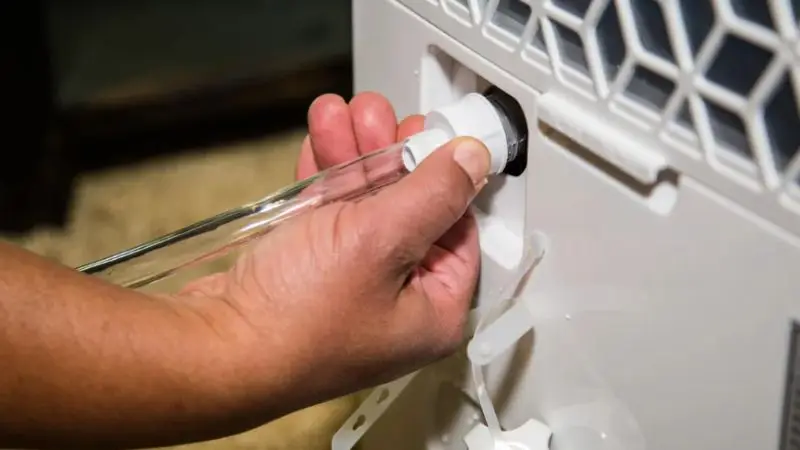
La posizione di un deumidificatore è fondamentale, poiché ne determina l'efficacia. Anche un apparecchio molto potente non funzionerà correttamente se non è posizionato nel punto giusto o se è coperto da mobili. Un posizionamento corretto favorisce la circolazione dell'aria, accelera la rimozione dell'umidità e contribuisce a mantenere una temperatura ambiente confortevole. Prima di imparare a utilizzare un deumidificatore in cantina, in camera da letto o in qualsiasi altro ambiente, è essenziale sapere dove posizionarlo per ottenere prestazioni ottimali.
I posti migliori in casa dove posizionare un deumidificatore.
Le aree con maggiore accumulo di umidità sono i luoghi migliori in cui posizionare un deumidificatore. Queste stanze tendono ad essere umide, poco ventilate o soggette ad attività che producono umidità. Uno dei luoghi più comuni è la cantina, poiché è soggetta all'accumulo di umidità. Questo è vantaggioso anche per le camere da letto, dato che il sonno è più confortevole quando l'aria è pulita. Altri luoghi adatti sono i bagni e i garage, a causa della frequente presenza di vapore o della scarsa ventilazione. È importante conoscere queste posizioni quando si impara a installare un deumidificatore, perché un posizionamento corretto è fondamentale per ottenere risultati immediati.
Come posizionare un deumidificatore per una migliore circolazione dell'aria
Un flusso d'aria adeguato è essenziale per un deumidificatoreIl dispositivo non deve mai essere posizionato in un ambiente chiuso dove l'aria non possa circolare liberamente. Se è troppo vicino a pareti, tende e mobili, il flusso d'aria verrà bloccato e l'apparecchio risulterà meno efficace. È inoltre consigliabile lasciare un po' di spazio intorno all'unità per consentirle di aspirare l'aria umida ed espellere quella secca. Questo è particolarmente importante quando si considera per quanto tempo far funzionare un deumidificatore, poiché una migliore circolazione dell'aria aiuta la stanza a raggiungere più rapidamente il livello di umidità desiderato.
Luoghi da evitare per posizionare un deumidificatore
Alcuni ambienti non sono adatti per posizionare un deumidificatore, poiché ciò ne riduce le prestazioni. È necessario evitare fessure, armadi chiusi o zone dietro oggetti ingombranti, in quanto ostacolano il flusso d'aria. In caso di flusso d'aria limitato, l'apparecchio non riesce a estrarre l'umidità in modo efficace e impiega più tempo a funzionare. Inoltre, è sconsigliabile posizionarlo in ambienti caldi o affollati. Anche la posizione in cui viene collocato un deumidificatore può influire sulle sue prestazioni, quindi è fondamentale posizionarlo nel luogo più adatto per garantirne il funzionamento ottimale.
Come installare un deumidificatore
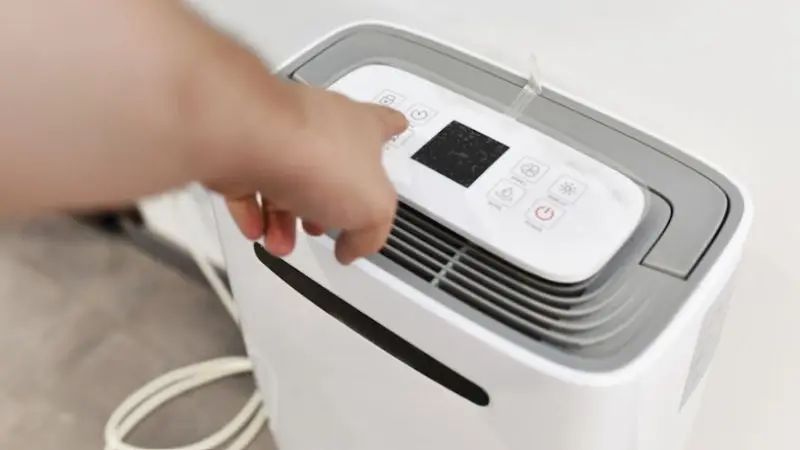
Una delle cose più importanti da ricordare quando si utilizza un deumidificatore è di installarlo correttamente. Una corretta installazione permette all'apparecchio di iniziare a funzionare senza problemi e previene guasti prematuri. Inoltre, semplifica le operazioni quotidiane e ne aumenta l'affidabilità in diverse stanze della casa. Per imparare a usare un deumidificatore in cantina o in qualsiasi altro ambiente, è fondamentale conoscere i passaggi per installarlo correttamente e garantire che il dispositivo funzioni a dovere fin dal primo utilizzo.
Passaggio 1: Disimballare il deumidificatore e controllare tutte le parti
Il primo passo consiste nell'aprire la scatola con molta attenzione ed estrarre il deumidificatore. All'interno si trovano solitamente l'unità principale, il serbatoio dell'acqua, il filtro e il tubo di scarico. È importante assicurarsi che tutto sia pronto prima dell'uso, per evitare che qualche componente vada perso o danneggiato durante il trasporto. Questo rapido controllo previene problemi futuri e garantisce che l'apparecchio sia sicuro da utilizzare. Questo passaggio aggiuntivo è particolarmente utile quando si installa un deumidificatore per la prima volta, in quanto fornisce indicazioni chiare ed evita confusione durante l'installazione.
Passaggio 2: posizionare il deumidificatore in posizione verticale prima dell'uso.
Il deumidificatore, una volta estratto dalla confezione, deve essere lasciato riposare per alcune ore prima di essere acceso. Questo periodo di attesa è importante perché i fluidi interni del sistema necessitano di stabilizzarsi dopo il trasporto. Se l'apparecchio viene acceso troppo presto, potrebbe non funzionare correttamente o addirittura danneggiarsi. È preferibile lasciarlo stabilizzare per garantirne le prestazioni e la durata. Questo consiglio è utile anche per calcolare per quanto tempo far funzionare un deumidificatore: è più efficace impostarlo correttamente fin da subito.
Passaggio 3: Collegare il serbatoio dell'acqua o il tubo di scarico
Una volta che l'unità è pronta, il secondo passo è installare il sistema di raccolta dell'acqua. La maggior parte dei deumidificatori ha un serbatoio integrato che raccoglie l'umidità presente nell'aria. Questo serbatoio deve essere posizionato correttamente in modo che l'apparecchio non venga interrotto. Esistono anche modelli con un tubo di scarico per mantenere l'acqua fuori dalla camera d'aria, un'opzione utile in ambienti molto umidi. La scelta tra serbatoio e tubo dipende dalla frequenza con cui si desidera svuotare l'acqua. È particolarmente importante sapere come utilizzare un deumidificatore in una cantina, dove il livello di umidità è spesso maggiore.
Passaggio 4: Collegare la macchina alla presa di corrente e accenderla.
L'ultima cosa da fare è installare il deumidificatore in un'area adeguata e collegarlo a una presa di corrente sicura. Dopo averlo collegato, è possibile accenderlo tramite il pannello di controllo o il pulsante di accensione. Se l'apparecchio dispone di impostazioni di umidità, impostarle al livello desiderato. Una volta acceso, il deumidificatore inizierà ad aspirare l'aria umida e a immettere aria secca nella stanza. A questo punto, il processo è completato e il deumidificatore può essere utilizzato regolarmente. Questo vale anche per l'utilizzo di un deumidificatore in combinazione con un condizionatore d'aria, poiché entrambi possono essere utilizzati insieme per un controllo ottimale della qualità dell'aria interna.
Come utilizzare correttamente un deumidificatore
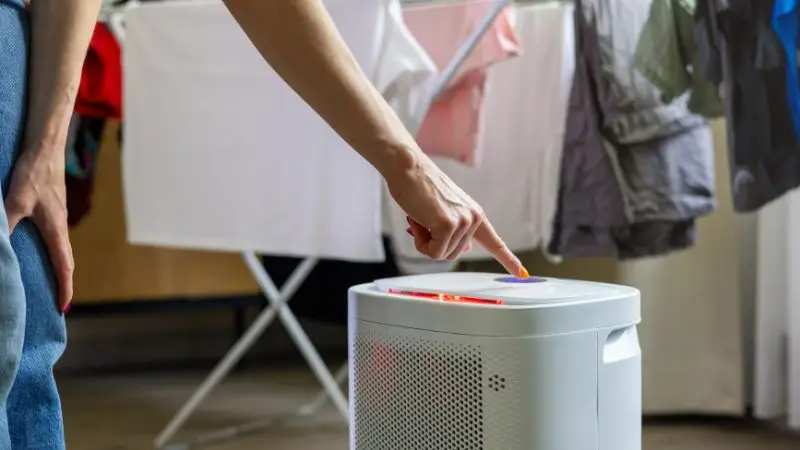
È fondamentale utilizzare un deumidificatore correttamente tanto quanto acquistarne uno di buona qualità. Un uso appropriato consentirà all'apparecchio di eliminare l'umidità più rapidamente, mantenere un ambiente più confortevole e risultare più efficiente nel lungo periodo. Anche in installazioni preesistenti e ben posizionate, un utilizzo scorretto può ridurne le prestazioni. Ciò è particolarmente importante in ambienti umidi, come cantine o stanze chiuse, dove i livelli di umidità variano durante il giorno. Conoscere la tecnica corretta contribuirà a ottenere risultati migliori nell'utilizzo di un deumidificatore in cantina o in altri ambienti della casa.
Imposta il livello di umidità corretto (40%–50%)
La cosa più importante è impostare il giusto livello di umidità nella stanza. L'umidità interna ottimale è compresa tra il 40% e il 50%, il che rende l'aria confortevole e salubre. Un'umidità superiore a questo livello può rendere la stanza umida e appiccicosa, o addirittura favorire la formazione di muffa. Se invece è troppo bassa, l'aria può risultare secca e sgradevole. Mantenere un'umidità interna compresa tra il 40% e il 50% crea un ambiente equilibrato che favorisce il comfort e la qualità dell'aria. Questa impostazione è particolarmente utile quando si impara a configurare un deumidificatore per la prima volta, in quanto fornisce un obiettivo chiaro da seguire per utilizzarlo correttamente.
Scegli la velocità della ventola più adatta alla tua stanza
La velocità di rimozione dell'umidità dall'aria da parte del deumidificatore è controllata dalla velocità della ventola. Quando la stanza è molto umida e richiede un processo di asciugatura più rapido, è utile una velocità maggiore. Una velocità ridotta è più adatta per mantenere un livello di umidità costante, riducendo al contempo la rumorosità e il consumo energetico. Selezionare la velocità della ventola appropriata consente all'apparecchio di funzionare in modo efficiente senza sovraccaricarsi. Ciò contribuisce a mantenere un ambiente interno stabile in base alle condizioni della stanza. Questo è fondamentale per stabilire per quanto tempo far funzionare il deumidificatore, poiché le impostazioni corrette garantiscono un funzionamento ottimale, evitando di utilizzarlo troppo a lungo e mantenendo comunque un comfort adeguato.
Tenete le porte chiuse e utilizzate il deumidificatore correttamente.
Per ottenere il miglior effetto, il deumidificatore Deve essere sempre posizionato in uno spazio chiuso. Tenere porte e finestre chiuse impedirà all'aria umida di entrare nella stanza, consentendo all'apparecchio di funzionare in modo più efficace. Questo lo aiuterà a raggiungere più rapidamente il livello di umidità desiderato e a mantenerlo. È inoltre consigliabile evitare di interrompere il funzionamento dell'apparecchio, in modo che possa completare il ciclo di deumidificazione senza problemi. Questa abitudine è particolarmente utile quando si utilizza un deumidificatore in combinazione con un condizionatore, poiché i due sistemi possono essere utilizzati insieme per gestire la qualità dell'aria interna in modo più efficiente.
Per quanto tempo tenere acceso un deumidificatore ogni giorno
Nella maggior parte delle case, un deumidificatore non deve necessariamente rimanere acceso tutto il giorno. Molti utenti lo utilizzano per diverse ore al giorno, fino al raggiungimento del livello di umidità desiderato. Durante i periodi più umidi, in zone con maggiore umidità, come le cantine, potrebbe essere necessario un utilizzo più prolungato o più frequente. Quando la temperatura ambiente è stabile, l'apparecchio può essere acceso o spento a seconda delle necessità, oppure, se possibile, impostato per funzionare automaticamente. Questo aspetto è fondamentale per determinare la durata ottimale del funzionamento del deumidificatore; è importante trovare il giusto equilibrio tra tempo di utilizzo e durata, evitando di tenerlo acceso ininterrottamente.
Come capire quando la tua stanza ha il giusto livello di umidità
L'umidità ideale in una stanza si raggiunge quando l'atmosfera è confortevole, né troppo afosa né troppo secca. Nella maggior parte delle case, si preferisce un'umidità compresa tra il 40 e il 50%. Se il deumidificatore è dotato di un igrometro integrato, è possibile monitorare facilmente il livello di umidità. Un altro indicatore è la diminuzione dell'odore di muffa e della condensa su finestre e pareti. Una volta risolti questi problemi, l'aria si stabilizza generalmente. Questo è particolarmente utile quando si impara a usare un deumidificatore in combinazione con un condizionatore, poiché i due sistemi possono essere utilizzati insieme per mantenere costanti le condizioni dell'aria interna.
Errori comuni da evitare quando si utilizza un deumidificatore
L'utilizzo di un deumidificatore può sembrare semplice, ma anche piccoli errori possono comprometterne l'efficacia. Non tutti sanno che il posizionamento, la manutenzione e le abitudini quotidiane influenzano le prestazioni dell'apparecchio. È possibile evitare questi errori per garantire un funzionamento efficiente e duraturo del deumidificatore, riducendo efficacemente l'umidità. Ciò è particolarmente importante quando si utilizza un deumidificatore in cantina, dove i livelli di umidità tendono ad essere più elevati e qualsiasi errore può facilmente compromettere il comfort.
Posizionare il deumidificatore troppo vicino a pareti o mobili
Un errore comune è installare il deumidificatore troppo vicino a pareti, angoli o mobili ingombranti. Se l'aria non circola, l'apparecchio non sarà in grado di aspirare o espellere l'aria in modo efficace, riducendo le sue prestazioni. Ciò causa un'asciugatura lenta e un controllo non uniforme dell'umidità nella stanza. L'unità deve avere uno spazio libero per poter funzionare correttamente. La posizione corretta è particolarmente importante quando si decide dove collocare un deumidificatore in una stanza, poiché la velocità con cui un ambiente diventa confortevole è direttamente correlata al flusso d'aria.
Non pulire regolarmente il filtro
Un altro errore comune è quello di non pulire correttamente il filtro dell'aria. Col tempo, polvere e sporco possono accumularsi nel filtro, riducendo il flusso d'aria e sovraccaricando l'apparecchio. Questo non solo ne riduce le prestazioni, ma può anche comportare un maggiore consumo energetico. Un filtro pulito contribuisce al corretto funzionamento del deumidificatore e garantisce una qualità dell'aria stabile. È inoltre importante effettuare la manutenzione durante l'utilizzo prolungato, poiché l'installazione di un deumidificatore richiede una certa competenza e una corretta manutenzione inizia fin dai primi passaggi.
Utilizzo di un deumidificatore di dimensioni errate
Un altro errore comune è quello di utilizzare un deumidificatore troppo piccolo o troppo grande per la stanza. Un apparecchio piccolo in una stanza grande o molto umida difficilmente riuscirà a controllare l'umidità, mentre un apparecchio sottodimensionato rimuoverà l'umidità troppo velocemente, sprecando energia. La dimensione giusta garantirà prestazioni equilibrate e un maggiore comfort. È particolarmente importante considerare per quanto tempo è consigliabile tenere acceso il deumidificatore, poiché la dimensione appropriata influisce direttamente sull'efficienza del sistema.
Incartare
Deumidificatore L'utilizzo di un deumidificatore può migliorare significativamente il comfort e la qualità dell'aria in casa. Con le dimensioni e la posizione appropriate, e con una manutenzione regolare, è facile controllare l'umidità interna. Mantenere le impostazioni al 40-50% garantirà un sano equilibrio che aiuta a evitare ambienti troppo umidi o troppo secchi. È possibile utilizzarlo in cantina, in camera da letto o in qualsiasi altra stanza, ma un utilizzo regolare e costante offre i migliori risultati. Queste semplici operazioni, che permettono di evitare errori comuni e di sfruttare al meglio il dispositivo, sono facili da eseguire. Con la giusta mentalità, un deumidificatore può essere una soluzione efficace per un ambiente domestico più sano, fresco e confortevole.
FAQ
È possibile utilizzare un deumidificatore quotidianamente?
Sì, è possibile utilizzare un deumidificatore quotidianamente, a condizione che l'ambiente domestico sia molto umido. Aiuta a mantenere l'aria in equilibrio, evitando la formazione di condensa e rendendo in generale gli interni più confortevoli.
In quale intervallo di umidità vorrei che si trovasse la mia casa?
Il livello di umidità ottimale in casa è del 40-50%. Questo valore contribuisce a riscaldare l'aria, riduce al minimo la possibilità di formazione di muffa, elimina la secchezza e favorisce un ambiente interno generalmente più sano.
Un deumidificatore consuma molta elettricità?
Come altri elettrodomestici, anche un deumidificatore consuma una certa quantità di elettricità. Il consumo dipende dalle dimensioni, dalle impostazioni e dal tempo di funzionamento; tuttavia, i modelli più efficienti possono far risparmiare molta energia.
Un deumidificatore raffredda una stanza?
Un deumidificatore non raffredda una stanza; si limita a renderla meno appiccicosa e più confortevole rimuovendo l'umidità. Questo può avere un leggero effetto rinfrescante.