Tudjon meg többet a szennyvízszivattyú működéséről. A szennyvízszivattyú be Az otthonod szennyvizet szállít a fő csatornarendszerbe. Ez a megfelelő higiéniai körülmények biztosítása érdekében szükséges. Ha a vízvezeték-szerelésed a közcsatorna szintje alatt található, kénytelen leszel szennyvízszivattyút használni. Ez azért van, mert a város szennyvize az ilyen létesítmények alatt található. Ha értesz a szennyvízszivattyúkhoz, segíthetsz megelőzni a problémákat és megvédeni otthonod biztonságát. Ez segít hatékonyabban elkerülni a bajokat.
Ebben a cikkben azt fogjuk áttekinteni, hogy hogyan is működik egy szennyvízszivattyú munka és miért olyan létfontosságú része a vízvezeték-rendszernek sok otthonban. Megtudhatja, mikor van szükség szennyvízszivattyúra, hogyan szállítja a szennyvizet, és hogyan segíthet a működésének ismerete elkerülni a költséges vízvezeték-problémákat.
Tartalomjegyzék
Mi az a szennyvízszivattyú?
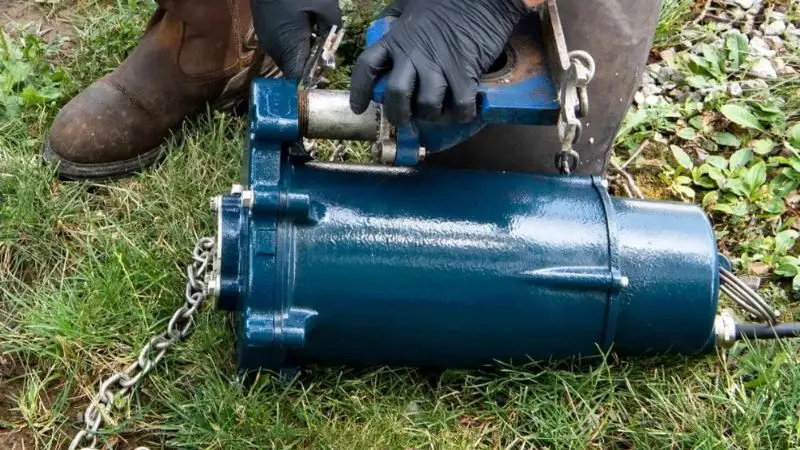
A szennyvízszivattyú meghatározása
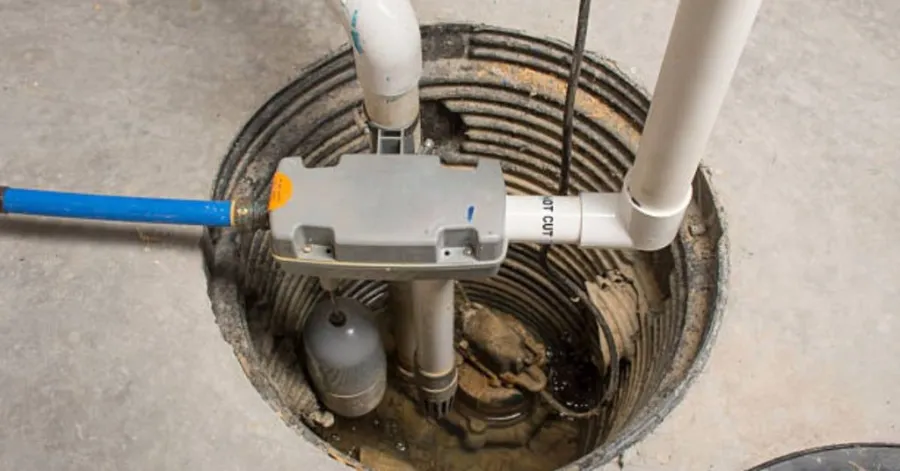
Hogyan működik a merülő szennyvízszivattyú működik? A szennyvízszivattyú a szennyvizet és a szennyvizet az otthon alsóbb szintjeiről a fő csatornarendszerbe szállítja. Egy speciális gödörben, amelyet gyakran medencének neveznek, található a talajszint alatt. Amikor WC-t öblít vagy a pince lefolyóját használja, a szennyvíz ebbe a medencébe folyik. A szennyvízszivattyú ezután a hulladékot felfelé és kifelé juttatja a városi csatornába vagy emésztőgödörbe. Ha a vízvezetéke a fő csatornavezeték alatt található, akkor erre a szivattyúra van szüksége.
Projektjéhez ajánlott
Hol használják a szennyvízszivattyúkat
Hogyan működik egy szennyvízszivattyú? A szennyvízszivattyúkat általában a házak alagsorában vagy alsó szintjén telepítik. Ezek a fő csatornacső alatt helyezkednek el, így a gravitáció nem tudja kinyomni a szennyvizet. Olyan házakban is láthatjuk őket, ahol alagsori fürdőszobák vagy mosókonyhák vannak. A szennyvízszivattyú segít elkerülni a csatornadugulásokat és biztonságban tartani az ingatlanát. Előfordulhat, hogy új fürdőszoba vagy mosókonyha telepítéséről kell gondoskodnia a földszint alatt.
Szennyvízszivattyú vs. szivattyúszivattyú: Mi a különbség?
Hogyan működik egy szennyvízátemelő állomás? A szennyvízszivattyú összetéveszthető a szivattyúval. Mindkét szivattyú aknában van, és mindkettő vizet mozgat, de különböző céljaik vannak. A szivattyú tiszta vizet távolít el az esővízből vagy a talajvízből. A szennyvízszivattyú kinyomja a szilárd hulladékot és a szennyezett vizet a rendszerből. Keressen egy olyan szivattyút, amely elvégzi Ön helyett a munkát. Ha szennyvízszivattyút szeretne építeni, meg kell tanulnia, hogyan működnek ezek a szivattyúk, és hogyan kell helyesen telepíteni őket. A szennyvízszivattyúk működésének megértése segít abban, hogy megalapozottabb döntéseket hozzon otthonával kapcsolatban.
Hogyan működik a szennyvízszivattyú??
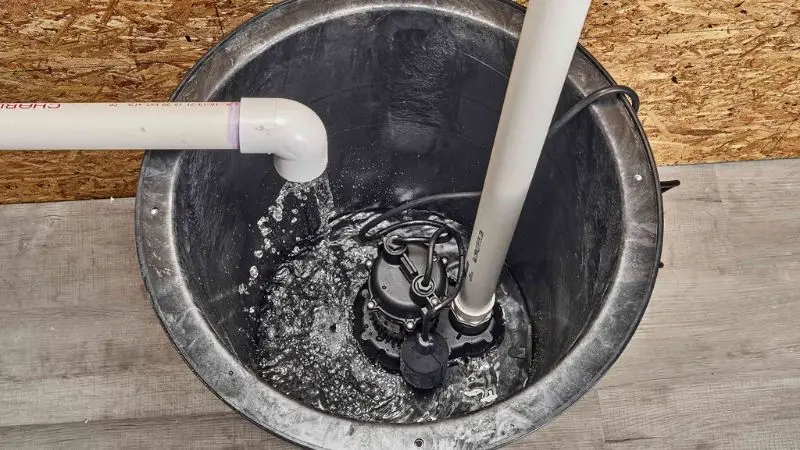
Talán azon tűnődsz, hogyan is működik valójában egy szennyvízszivattyú a házadban. Hogy jobban megértsd, hogyan működik egy szennyvízszivattyú hulladékot kezel, bontsuk le lépésről lépésre a folyamatot.
1. lépés: A szennyvíz bejut a szivattyúmedencébe
Ha bekapcsolja a vizet a pincében, vagy lehúzza a WC-t, a szennyvíz elkerülhetetlenül egy kifejezetten erre a célra tervezett medencébe folyik. Az alacsonyabban fekvő területeken keletkező összes szennyvíz ebben a medencében gyűlik össze. A hulladék rendszerből történő eltávolításához szennyvízszivattyúra lesz szükség.
2. lépés: Az úszókapcsoló érzékeli a vízszintet
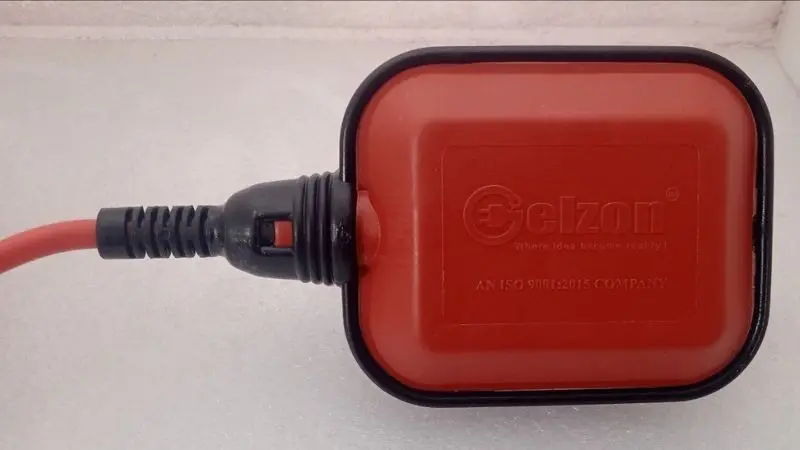
Egy úszókapcsoló található a medencében lévő szennyvíz felszínén. Ahogy a medence megtelik, az úszó felemelkedik. Hogyan működik egy lakossági szennyvízszivattyú működik? Amikor a víz eléri a meghatározott szintet, az úszókapcsoló bekapcsol, lehetővé téve a víz visszatérését az eredeti szintjére. A rendszer ezért azt jelzi, hogy készen áll a szivattyúzás megkezdésére.
Tipp: Ha az úszókapcsoló beragad, előfordulhat, hogy a szennyvízszivattyú nem kapcsol be. A problémák elkerülése érdekében rendszeresen ellenőrizze az úszót.
3. lépés: A szivattyúmotor bekapcsol
Az úszókapcsoló segítségével egy ravaszt alkalmaznak a szivattyúmotor aktiválásához. Hogyan működik egy merülőmotor? szennyvízszivattyú munkaA motor minden bekapcsoláskor hangot ad ki. A szennyvíz felfelé és a medencéből való kihajtásához a szennyvízszivattyú a rendszer saját nyomását használja.
4. lépés: A hulladékot a nyomócsövön keresztül szivattyúzzák
A szennyvizet elvezető cső egy olyan vezeték, amelyen keresztül a szivattyú egyik pontból a másikba szállítja a vizet. Ez a cső hozzáférést biztosít a szennyvíztartályhoz vagy a fő csatornavezetékhez, attól függően, hogy melyiket választja. szennyvízszivattyú segít a hulladék biztonságos és gyors elszállításában.
5. lépés: A szivattyú automatikusan kikapcsol
Hogyan működik egy szennyvízszivattyú? Az úszókapcsoló lenyom, amint a medence teljesen kiürült. Jelenleg a szivattyúmotor ki van kapcsolva. Jelenleg semmilyen módon, alakban vagy formában nem köteles semmilyen intézkedést tenni. Kétségtelen, hogy a rendszer minden külső befolyástól függetlenül működik.
Most már tudja, hogyan működik egy szennyvízszivattyú. Láthatja, hogyan tartja tisztán otthonát egy szennyvízszivattyú, és hogyan előzi meg a visszafolyást.
A szennyvízszivattyú fő részei
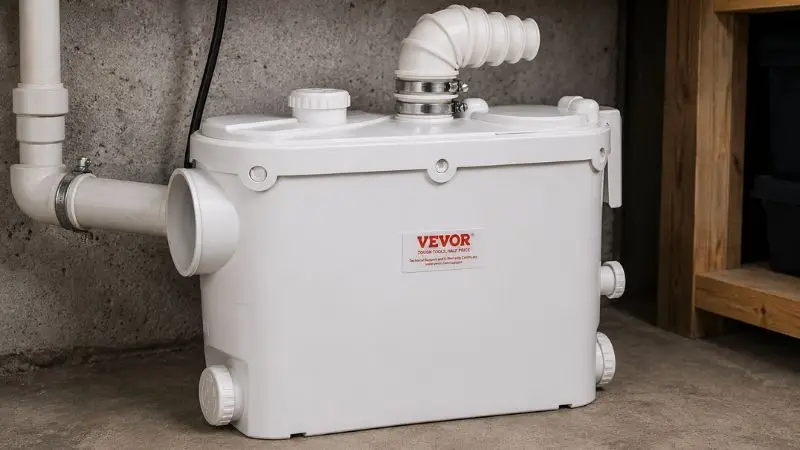
Hogy megértsük, hogyan a szennyvízszivattyú működik, alaposan ismernie kell az alapvető részeit. Ahhoz, hogy a szennyvíz biztonságosan el lehessen távolítani otthonából, minden alkatrésznek megfelelően kell megépítenie és működnie.
Szivattyúmotor
A rendszert a szivattyúmotor energiája működteti. Mivel ez a kulcsa a szennyvíz medencéből való fel- és kimozgatásának, erre a motorra van szükség. Hogyan működik egy szennyvízszivattyú? Az úszókapcsoló aktiválja a motort, amely ezután elkezdi mozgatni a hulladékot a csöveken keresztül.
járókerék
A járókerék egy a szivattyú alkatrészebelső konstrukciója. A tárgy gyors forgása jelentős erőt generál. Ez az erő jelentősen hozzájárul a szennyvíz széteséséhez, és a nyomócsőhöz vezető alagút felé is irányítja azt.
Úszókapcsoló
Van egy úszókapcsoló található a medencében. Hogyan működik egy szennyvízátemelő állomás? A medencébe juttatott szennyvíz mennyisége a vízszint emelkedését okozza. A kapcsoló aktiválja a szivattyúmotort, ha a szint eléri az előre meghatározott küszöbértéket. A szivattyú beindítása nem olyan dolog, amit Önnek kell elvégeznie.
Szivattyúmedence
Mielőtt kiszivattyúznák, a szennyvizet egy a szivattyúmedence amíg el nem távolítható. Ez a medence látható a földfelszín alatt. A lefolyók és mosogatók mellett ez a berendezés a WC-kből és mosogatókból származó szemét összegyűjtéséért is felelős.
Kifolyócső
Hogyan működik egy lakossági szennyvízszivattyú? A szennyvíz szivattyúból a fő csatornavezetékbe vagy a szennyvíztartályba történő szállításához a nyomócsövet használják. A megfelelőbb alternatíva kiválasztása a körülményektől függ. Erre a csőre támaszkodik a szemét eltávolításában a házból. Ezért tartja elengedhetetlennek.
Ellenőrizd a szelepet
Miután a szennyvíz kiürült a medencéből, a visszacsapó szelep bezárul, megakadályozva, hogy a szennyvíz visszafolyjon a medencébe. Ezzel a szeleppel kiküszöbölheti a visszafolyás lehetőségét az ingatlanán.
| Rész | Funkció |
| Szivattyúmotor | A szivattyút működteti |
| járókerék | Szennyvíz mozgatása és felbontása |
| Úszókapcsoló | Aktiválja a szivattyút |
| Szivattyúmedence | Szennyvíz tárolására |
| Kifolyócső | Elvezeti a szennyvizet |
| Ellenőrizd a szelepet | Megakadályozza a szennyvíz visszaáramlását |
Gyakori problémák a szennyvízszivattyúkkal
Hogyan működik egy merülő szennyvízszivattyú? Problémák adódhatnak a ... szennyvízszivattyú otthonában. Ha tisztában van ezekkel a problémákkal, gyorsabban elvégezheti a szükséges javításokat, ezzel is megvédve ingatlanát a szennyvíz visszafolyásától.
A szivattyú nem kapcsol be
Lehetséges, hogy a szennyvízszivattyú nem indul el a várt időpontban. Először is ellenőrizze, hogy az áramforrás megfelelően működik-e. Lehetséges, hogy a szivattyú egy hibás úszókapcsoló vagy egy eltömődött járókerék miatt nem tud bekapcsolni.
Eltömődött járókerék
A szennyvíz rendszeren keresztüli szivattyúzására a járókereket használják. Hogyan működik egy lakossági szennyvízszivattyú? Ha törmelék akadályozza a járókereket, a szennyvízszivattyú nem lesz képes eltávolítani a hulladékot. A szivattyú üzemen kívül helyezése és a járókerék tisztítása lehetővé teszi az elzáródás áttörését.
Úszókapcsoló problémák
A szennyvízszivattyú működésének időpontját az úszókapcsoló határozza meg. Hogyan működik egy szennyvízszivattyú? A szivattyú nem kapcsol be, ha a kapcsoló beszorul vagy eltörik. Az úszón manuális emelési teszt végezhető. A kapcsoló megfelelő működését akkor lehet megállapítani, ha a szivattyú beindul.
Furcsa zajok vagy rezgések
Hogyan működik egy szennyvízátemelő állomás? A szennyvízszivattyú furcsa hangokat adhat ki. Ha a szivattyú hangos zajokat ad ki vagy rázkódik, valószínűleg valami beszorult a belsejébe. Ellenőrizze a szivattyút, hogy nincsenek-e benne részecskék vagy sérült alkatrészek.
A szivattyú folyamatosan működik
A te szennyvízszivattyú nem kell folyamatosan működnie. Ha ez előfordul, előfordulhat, hogy az úszókapcsoló eltömődött, vagy a visszacsapó szelep hibás. Ez a probléma a kapcsoló tisztításával vagy a szelep cseréjével oldható meg.
| Probléma | Mit kell ellenőrizni? |
| A szivattyú nem kapcsol be | Teljesítmény, járókerék, úszókapcsoló |
| Furcsa hangok | Törmelék, kopott alkatrészek |
| A szivattyú folyamatosan működik | Úszókapcsoló, visszacsapó szelep |
Hogyan kell karbantartani a szennyvízszivattyút
Hogyan működik egy szennyvízszivattyú? A szennyvízszivattyú karbantartása az egyik módja annak, hogy biztosítsa otthona biztonságát. RA külső karbantartás segíthet elkerülheti a költséges javításokat és a bonyolult biztonsági mentéseket. A rendszer megfelelő működésének biztosítása érdekében kövesse az alábbi utasításokat.
Rendszeresen ellenőrizze a szivattyút
Javasoljuk, hogy a szennyvízszivattyút legalább néhány havonta ellenőrizze. Végezzen alapos vizsgálatot a sérülések vagy kopások jelei szempontjából. Ha repedéseket vagy rozsdát fedez fel a tárgy felületén, azonnal javítsa meg azokat.
Tisztítsa meg a szivattyúmedencét
A medence eltávolítása a törmeléktől az eltömődések megelőzését szolgálja. Viseljen kesztyűt és szerezzen be egy vödröt, mielőtt kimerné a szilárd hulladékot. A medence tisztítása után a szennyvíz áramlása zavartalanabb lehet.
Tesztelje az úszókapcsolót
Az úszókapcsoló teszteléséhez óvatosan emelje meg. Hogyan működik egy merülő szennyvízszivattyú? Ha a szivattyú aktiválva van, a kapcsoló megfelelően fog működni. Ha semmi sem történik, szükség lehet a kapcsoló cseréjére. A szennyvízszivattyú nem indul el és nem áll le a megfelelő időben, ha az úszókapcsoló nem működik megfelelően.
Szivárgások és elzáródások ellenőrzése
Hogyan működik egy szennyvízszivattyú? A csöveket és a csatlakozásokat ellenőrzik szivárgás szempontjából. Amint vizet vagy szennyvizet észlel a szivattyú közelében, azonnal megszünteti a szivárgást. Ezenkívül ellenőrzi a nyomócsövet is, hogy nincs-e rajta dugulás. Távolítson el minden olyan akadályt, amely megakadályozhatja, hogy a szennyvíz elhagyja otthonát.
Szakszerű karbantartás ütemezése
Átfogó ellenőrzéshez évente egyszer hívjon vízvezeték-szerelőt. Hogyan működik egy szennyvízátemelő állomás? A szennyvízszivattyú-állomások karbantartása terén a szakemberek ismerik a leghatékonyabb megközelítéseket. Minden alkatrészt megvizsgálnak, hogy biztosítsák a szennyvízszivattyú biztonságos működését.
| Karbantartási feladat | Milyen gyakran |
| Vizsgálja meg a szivattyút | 3 havonta |
| Tiszta mosdó | 6 havonta |
| Úszókapcsoló tesztelése | 3 havonta |
| Ellenőrizze a szivárgásokat/eltömődéseket | 3 havonta |
| Professzionális karbantartás | Évente egyszer |
Összegzés
A szennyvízszivattyú működésének megértése segíthet abban, hogy otthona vízvezeték-rendszere biztonságosan és hatékonyan működjön. A vízelvezető rendszer rendszeres ellenőrzése és szennyvízszivattyú segít azonosítani a potenciális problémákat, mielőtt azok nagyobb, komolyabb, költséges javításokat igénylő problémákká válnának. Ha furcsa zajokat, lassú vízelvezetést, kellemetlen szagokat vagy szivárgás jeleit észleli, azonnal forduljon szakképzett vízvezeték-szerelőhöz a további károk megelőzése érdekében. Ez segít megelőzni a további károkat. A megfelelő rendszeres karbantartás és javítás jelentősen meghosszabbíthatja a szennyvízszivattyú élettartamát és növelheti a teljesítményét.
FAQ
Milyen gyakran kell ellenőrizni a szennyvízszivattyút?
A szennyvízszivattyút háromhavonta ellenőrizni kell. A rendszeres ellenőrzések segítenek a problémák korai felismerésében és a rendszer megfelelő működésének fenntartásában.
Mi az a felvonóállomás?
Az átemelő állomás a szennyvizet az alacsonyabb talajszintről a magasabbra szállítja. Akkor használjuk, ha a gravitáció nem tudja a szennyvizet a fő csatornavezetékbe juttatni.
A szennyvízszivattyú állomás ugyanaz, mint a szennyvízszivattyú?
A szennyvízszivattyú állomás szivattyúkat, vezérlőket és egy medencét tartalmaz. Nagy mennyiségű szennyvíz otthonokból vagy vállalkozásokból a tisztítótelepekre szállítására szolgál.