VEVOR Headstand Benches for Safe, Supported Inversion Practice at Home and in the Studio
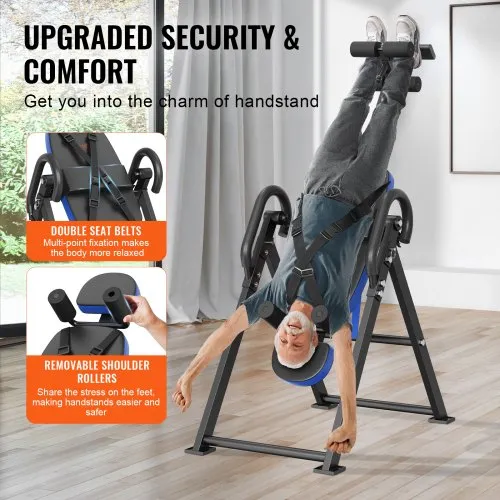
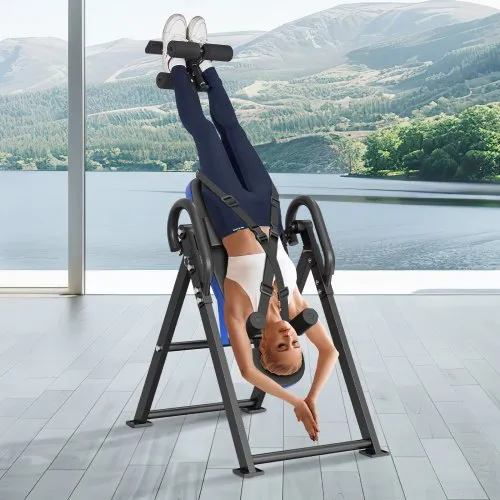
Looking for headstand chairs that will support you safely and make you feel good about your inversions at every stage of your practice? With a rigid frame that stays stable, a high weight capacity, and comfortable padding that relieves pressure on the neck and shoulders during inverted holds, VEVOR headstand chairs make inversion practice easy and long-lasting for users of all fitness levels. VEVOR has the right yoga headstand bench for you, whether you want to practice yoga every day at home or need an alternative to an inversion table for decompression therapy.
Weight Capacity and Stability as the Foundation of Safe Headstand Benches
The weight limit and structural support of a headstand bench are the two factors that really indicate whether it is safe and empowering to use while inverted. When people practice on an underrated or unstable bench, they may feel anxious, which can prevent them from performing relaxed, controlled inversions effectively. Because safety and stability are the most important factors for VEVOR engineers, their headstand benches come in a range of weight capacities and frame designs.
Weight Capacity Ratings and Choosing the Right Load Rating for Your Practice
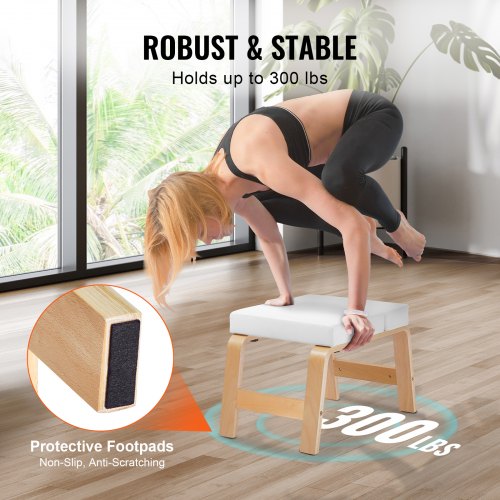
The weight limits for VEVOR headstand benches range from about 220 pounds for small, personal yoga headstand bench models to 265-300 pounds for mid-range units. The weight limit is up to 330 pounds and higher for heavy-duty inversion table alternative models designed for people who need the most structural headroom during full-body weight inversion. It is not advisable to choose a headstand bench rated only slightly above your body weight. This is the minimum safety standard for inversion equipment in which the full bodyweight is transferred through the frame during every inverted hold.
When you go into and out of an inversion, dynamic loading can generate peak forces exceeding your body weight. This is especially true during leg-kick-up transitions, when motion temporarily increases the structural load on the bench frame and base. According to VEVOR, the bench should be rated for at least 20% more than your actual body weight. This ensures you have a safe working margin that covers these dynamic load peaks without getting too close to the frame's structural limit during normal practice transitions. This safety margin is particularly important for people who perform dynamic inversions such as leg raises, tucked holds, and transitional movements. This is because the load changes more during the movement cycle than during steady held inversions.
Frame Design and Structural Stability During Inversion
The shape of a headstand bench's frame decides how stable it feels when you're holding yourself upside down. The wide-base A-frame or U-frame steel design of VEVOR headstand benches distributes the weight of an upside-down person across a large contact area on the floor. This prevents the bench from tipping over when the body position changes during an inversion hold. Lateral stability increases as the base footprint widens relative to the frame height. VEVOR's frame proportions are designed with this stability ratio as the primary criterion, not as a secondary consideration to save material.
By choosing the right steel tube width and wall thickness across VEVOR headstand bench frames, they can remain rigid under full load without bending or moving, which would make an inverted hold feel unsettlingly unstable. During inversions, frame flex can create instability and reduce user confidence. Even small movements in the arms and shoulders during a hold can cause a protective anxiety response that keeps you from relaxing into the position and getting the spinal decompression and mental calmness that comes from inversions. VEVOR's rigid frame design minimizes this type of bending, providing a solid and stable platform for confident inversion practice.
Non-Slip Feet and Floor Contact Stability
The final part of a headstand bench's stability chain is its floor-touch system. This is also the part that is most affected by the surface it is used on. VEVOR headstand benches feature wide, non-slip rubber feet on all contact points. These feet grip both tough, smooth surfaces like hardwood floors, tiles, and gym mats, as well as softer surfaces like carpet and foam flooring. This prevents the feet from sliding or moving during entry or exit from an inversion.
We chose the rubber compound for the VEVOR yoga headstand bench base feet because it has a high static friction coefficient across a wide range of common surface types in home yoga studios and gyms. This means the feet won't leave marks or residue on wood or tile floors, which could damage the finish over time. The VEVOR headstand bench base feet feature wide-diameter rubber pads that spread the frame's concentrated load across a larger area of the floor. This reduces the point pressure that narrow feet exert on soft wood floors and gym mats, which can become permanently dented from repeated concentrated loading.
Cross-Bar Reinforcement and Long-Term Frame Integrity
The cross-bar reinforcement system in a headstand bench frame determines how well the structure maintains its shape over months or years of regular practice with full-load inversion cycles. There is welded cross-bar bracing between the main frame members of the VEVOR headstand benches. This stops the frames from racking and deforming, so they don't move out of square. This condition happens when the body isn't perfectly centered during an inversion hold, leading to uneven loading.
Weld quality at the frame joints and crossbar connections in VEVOR headstand benches is one of the most important quality standards for manufacturing. Full-penetration welds at all structural connections ensure that the joint strength matches or exceeds that of the parent tube material. This way, dynamic loading starts in the tube rather than at the weld toe, preventing fatigue cracking. For people who have been doing daily inversions for years, the cumulative load cycle count on a headstand bench frame is high. VEVOR's welded and cross-braced frame construction is designed to maintain the structure's integrity over this long service life without gradually loosening, deforming, or failing joints, which would make the bench less safe over time.
Padding and Features in VEVOR Headstand Benches
How comfortable long inversion holds feel, how safe the bench is for pressure-sensitive body parts during practice, and how easy it is to use in a home yoga or exercise routine depend on the quality of the padding and the bench's useful features. There is a lot of high-density padding and intelligent features on VEVOR headstand benches that make them comfortable to use every day.
Arm and Head Pad Thickness and Pressure Distribution
The user's body primarily contacts the arm and head cushions on a headstand bench. The cushions' thickness, density, and surface coverage directly affect their safety for extended inversion holds and their ability to protect the elbows, forearms, and crown of the head from pressure-related pain that limits practice time. VEVOR headstand benches have high-density foam padding on the arm and head cushions. The padding is usually 2 to 4 inches thick, which is just the right amount of depth to cushion and spread the bodyweight pressure that full inversion places on the forearm contact points without flattening under load and losing its cushioning effect.
For VEVOR yoga headstand benches, the arm cushions are large enough to support the entire forearm, from the elbow to the wrist, in the standard inversion grip position. This keeps the elbow from feeling painfully squished, which happens with narrow cushions after just a few minutes of holding an inverted position. When it comes to headstand benches, a wide distribution of forearm contact surfaces is more important than the foam's thickness for comfort. This is because pressure per unit area, not total load, determines how quickly discomfort sets in during a long inversion session.
Cover Material and Hygiene Maintenance
The cover material on the VEVOR headstand bench cushions affects comfort, sweat resistance during intense sessions, and ease of cleaning between uses. The arm and head pads on VEVOR headstand benches are covered with PU leather or high-density fabric. These materials give the pads a smooth, comfortable feel and are easy to clean, unlike foam or textile covers that haven't been treated on the surface.
During yoga practice, sweat does not easily penetrate the PU leather covers used on VEVOR headstand benches. This keeps the foam cushions from becoming stale and smelly over time, which happens when they're not cleaned often enough. A damp cloth wipe-down after each practice session keeps the pad surface clean and fresh for months of daily use. Busy practitioners can easily maintain this level of cleanliness without removing the covers or using special cleaning products between each session.
Why Choose VEVOR Headstand Benches?
With their high weight capacity, rigid frame stability, ample high-density padding, and useful features, VEVOR headstand benches are perfect for both home yoga practitioners and exercise enthusiasts. Our selection includes small yoga headstand benches for daily use and heavy-duty inversion tables for therapeutic relaxation and multiple users in shared spaces. There is something for every level of practice and need. It's easy to find the right bench for your business when it comes with reliable customer service after the sale and clear weight limits. Pick up a VEVOR headstand bench today to make your inversion exercises safer and more comfortable.
FAQs
What weight capacity do I need in a headstand bench?
Choose a VEVOR headstand bench that is rated for at least 20% more than your body weight. This accounts for the dynamic loading that occurs when you enter and leave an inversion. For someone who weighs 220 pounds, a bench that can hold at least 265 pounds is safe for daily practice.
Are VEVOR headstand benches suitable for beginners?
Yes, VEVOR yoga headstand benches feature arm and head supports that let newbies do inversions even if they don't have the neck and shoulder strength for headstands without support. Because the frame is stable and the arm pads are padded, you can slowly move from a partial to a full inversion as your strength and confidence grow.
How do headstand benches differ from inversion tables?
When doing a free inversion hold, headstand benches support the forearms and head. This keeps the core and upper body actively engaged throughout the pose. Inversion tables hold the feet in place and rotate the body into an inverted position with minimal muscular effort. Both help decompress the spine, but they do so in different ways and with different amounts of work.
Can VEVOR headstand benches be used on carpet?
Yes, VEVOR headstand benches have non-slip rubber feet that grip carpet surfaces well, so you won't slide or move when you get into and out of an inversion. If you have deep-pile carpet, placing a firm yoga mat or a thin wooden board under the bench base can further stabilize the floor.
How do I clean the padding on a VEVOR headstand bench?
After each use, wipe the PU leather or fabric pillow covers clean with a damp cloth and a mild cleaner. This will remove sweat and other dirt from the surface. Do not soak the cushion surface or clean it with harsh chemicals that could harm the cover. Regular wiping after use keeps the practice area clean, even with long-term daily use.