At a bare minimum, the jääkone needs to be cleaned every six months. However, busier places should have the ice machine cleaned every three months. Wondering how often a kaupallinen jääkone should be cleaned? This depends on the usage, water quality, and the local health code regulations. Daily cleaning and wiping, as well as monthly cleaning, are necessary to prevent the formation of mold, slime, and scale, which may cause problems such as fines from health codes and bad-tasting ice.
Sisällysluettelo
Kuinka usein kaupallinen jääkone tulisi puhdistaa?
How Often Should You Deep Clean a Commercial Ice Machine?
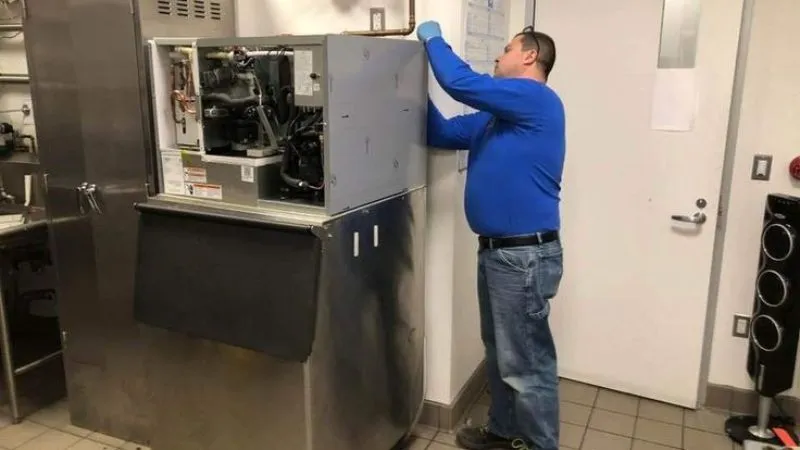
Deep cleaning of the jääkone involves completely removing the ice, disassembling the unit, and cleaning every part with an appropriate detergent. This cleaning procedure should be done at least once every six months. For busy places like restaurants and hotels, this deep cleaning procedure should be done every three months instead. How often you need to clean a kaupallinen jääkone depends largely on the ice production per day.
Suositellaan projektiisi
Your water quality also changes the cleaning schedule. Hard water with high mineral content leaves calcium and lime deposits that trap bacteria. If you notice cloudy ice or a musty odor before your scheduled deep clean, do not wait. Perform the cleaning immediately. Many manufacturers recommend quarterly cleaning for machines connected to unfiltered hard water. You can check your owner’s manual for specific guidance, but the baseline remains every six months for standard conditions.
How Often Should a Commercial Ice Machine Be Sanitized?
Sanitizing differs from deep cleaning because it targets bacteria and pathogens rather than mineral buildup. You should sanitize your kaupallinen jääkone every time you perform a deep clean. This means you sanitize at least twice per year, or four times annually for high-volume operations.
You can also perform a quick sanitizing cycle monthly without a full deep clean. This involves wiping down the interior surfaces and ice bin with a diluted sanitizer. This lighter disinfection takes only 15 minutes and prevents biofilm from establishing a foothold. Jääkoneet serving the public undergo strict health code inspections, and inspectors often swab interior surfaces for bacteria.
Why Is Regular Commercial Ice Machine Cleaning Important?
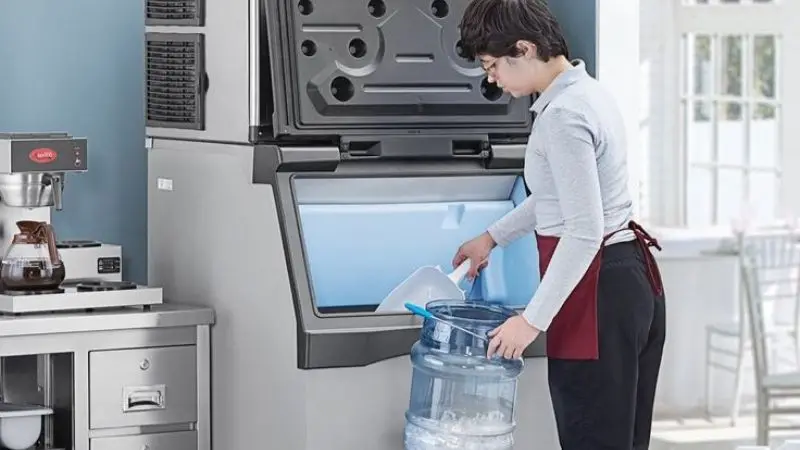
Routine maintenance protects your business. It stops hidden dangers from growing. Jääkoneet run all day and night. They gather moisture, dust, and dirt. This makes a perfect home for bacteria. You need to stay on top of upkeep. A good plan prevents serious problems. It also makes your equipment last longer. You save money on repairs and replacements. You avoid health code violations. This effort directly supports your food safety program.
Prevents Bacteria and Mold Growth
Sinun jääkone is dark and moist. Such conditions allow mold and slime to grow. Bacteria thrive in such an environment. There is biofilm on all the interior surfaces. The biofilm harbors very dangerous microbes. These microbes pose serious health hazards to the people who use them. Contamination starts gradually. You will not be aware of the contamination initially. The dirty ice machines will fail any health inspection.
Cleaning and sanitization procedures will solve the problem. They will eliminate the disease-causing microorganisms. In this way, you will protect your consumers. Regular cleaning is the key for you. You cannot afford to ignore such a procedure. It is critical for food safety. All the health inspectors check the jääkone for signs of contamination.
Keeps Ice Clean and Safe
Ice is a food item. You must treat it that way. Customers expect clean ice. Cloudy, smelly, or slimy ice is not okay. It shows dirty equipment. Jääkone upkeep removes scale and buildup. It stops bad tastes and smells. Your ice stays clear and fresh. This meets strict health code rules. You keep your reputation for quality. Ice quality affects your service. Commercial kitchens depend on this consistency. You avoid complaints and lost business. Proper care protects your investment. You prevent costly breakdowns. A dirty water line can clog. A clogged line stops production. You make sure your jääkoneet run well. This keeps your business going smoothly. You serve safe, great-tasting ice every time. Your customers see the difference. They come back for the quality you offer.
What Happens If You Don’t Clean a Commercial Ice Machine?
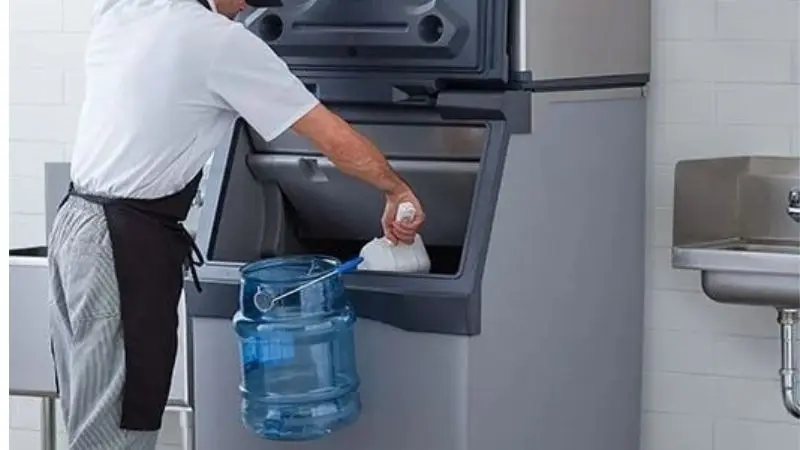
Mineral and Scale Buildup
Hard water has minerals like calcium and magnesium. When you skip regular cleaning, these minerals settle inside your machine. They form a hard, chalky layer called scale. Scale coats the evaporator plates, water lines, and storage bins. This layer traps bacteria and makes a rough surface that promotes biofilm growth. Then your machine has to work harder to make ice. The scale acts like an insulator. It makes the system run longer cycles. Your energy bills go up. Your equipment wears out faster.
Scale buildup also damages parts inside the machine. The thick deposits block water flow. They clog the distribution tubes. Your machine makes less ice each day. You may see smaller cubes or slower production. The mineral layer can eventually damage the evaporator. Then you face costly repairs. A regular cleaning schedule stops this damage. You remove the scale before it hardens. Then your jääkoneet work at their best. You protect your investment with simple maintenance.
Bad-Tasting or Cloudy Ice
Dirty equipment makes poor-quality ice. Mineral deposits and biofilm buildup create bad flavors. Your ice picks up these tastes. Your customers notice right away. Cloudy ice forms when trapped minerals and air bubbles are present. This cloudy look means your machine is dirty. Clean ice should be clear and smell fresh. Cloudy ice signals to customers that you are not taking care of your equipment. They wonder if your whole place is clean.
The problems affect your business directly. A bartender serves a drink with bad-tasting ice. The customer sends it back. You lose that sale. You also lose future business. Word spreads fast about a dirty place. Health inspectors also pay attention. They check your jääkone closely. They look for signs of contamination. A failed inspection means fines or a temporary shutdown.
How to Clean a Commercial Ice Machine
Turn Off and Empty the Ice Machine
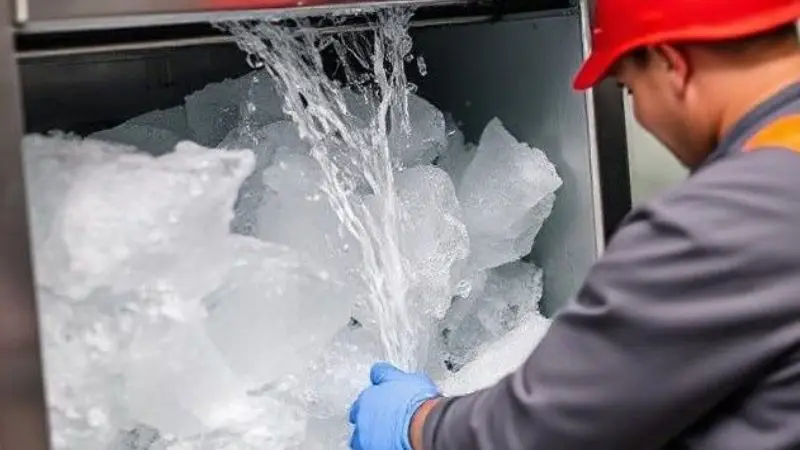
Begin the deep cleaning by turning off the appliance. Switch off the power to the device, and if there is an external plug, disconnect the appliance from it. Also, disconnect the water source to prevent any new water from coming in as you conduct the cleaning process. Safety should be your priority in this situation. This will protect it from any electrical or water damage.
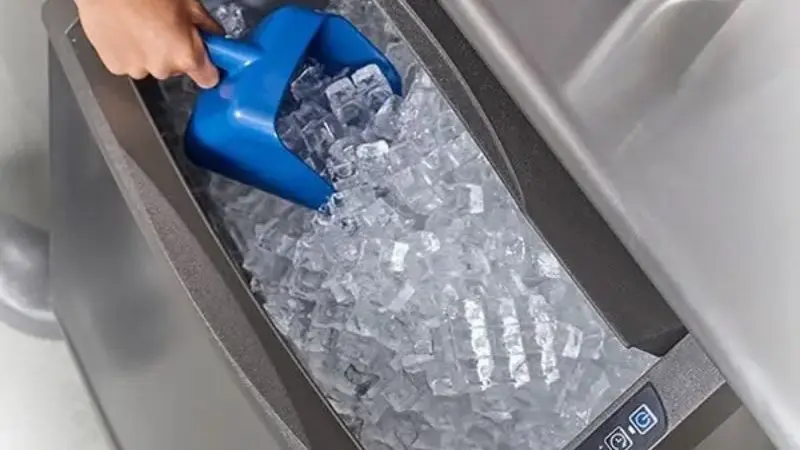
Remove all the ice cubes from the bin. Make sure you use a clean plastic scoop when removing the ice. Avoid using metal scoops, as they may leave scratches on the interior parts. Scratches could be breeding grounds for bacteria. Dispose of the ice cubes because they cannot be returned to the ice maker.
Remove and Clean Removable Parts
Remove all removable components from the jääntekijä. This may include the ice bin liner, baffles, curtains, and water distribution tubes. Refer to your manual for a complete list of components, which vary by model. Immerse the components in a basin of warm water mixed with food-grade cleaner. Soak the components for as long as the product label recommends. This allows minerals and biofilm to become dislodged.
Thoroughly scrub each component using a soft brush or non-abrasive scrubbing pad. Focus your efforts on cracks and crevices where slime and mold often accumulate. Rinse each component with clean water. It is necessary to rinse off any remaining cleaner completely. Leftover residue may affect the flavor of your ice. Finally, sanitize the components with an appropriate food contact sanitizer. The two-phase cleaning process will eliminate both dirt and germs.
How Often Should You Clean a Commercial Ice Machine‘s Condenser?
Why the Condenser Needs Regular Cleaning
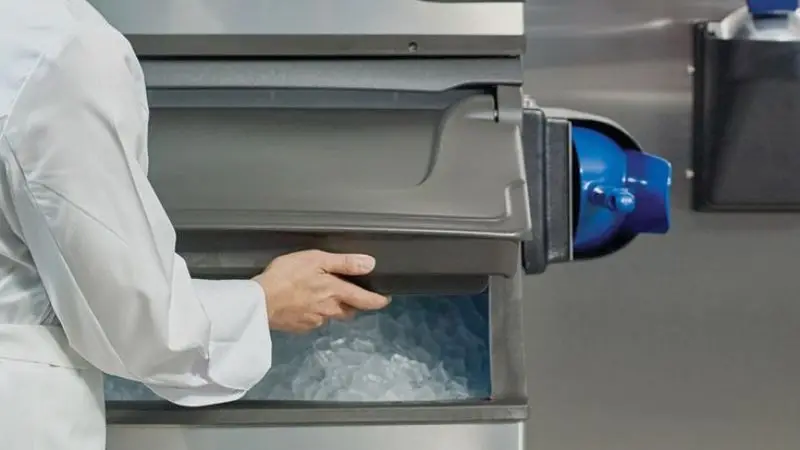
The condenser works like a radiator for your jääkone. It lets out heat from the cooling system so the machine can freeze water. Air moves over the condenser coils to remove that heat. Over time, dust, grease, and lint build up on these coils. This layer acts like a blanket. It traps heat inside the system. Then your machine has a hard time releasing heat. The condenser needs cleaning more often than the inside parts.
A dirty condenser makes the compressor run hotter and longer. The extra strain wears down the compressor faster. That part is expensive to replace. Regularly cleaning the condenser prevents this damage. You can use a soft brush or compressed air to remove loose dirt. For tough buildup, a coil cleaner works well. Always unplug the power before you touch the condenser.
How a Dirty Condenser Affects Ice Production
When the condenser cannot let out heat, the whole system slows down. The cooling cycle takes longer to finish. Your kaupallinen jääkone makes fewer batches of ice each day. You might see smaller cubes or thinner ice. The time to make ice gets much longer than normal. In severe cases, the system overheats and shuts down completely. You lose all ice production until someone fixes the problem. That downtime hurts your business. You cannot serve drinks or fill coolers without ice.
Increased heat raises pressure in the cooling lines, which is harmful to the compressor and all equipment. Seals will be damaged, leading to refrigerant leaks that require expensive repairs costing hundreds of dollars. A simple cleaning process can solve all these problems. The condenser must be examined every time you clean your machine. Check for layers of dust or a greasy coating; examine the airflow coming out of the unit – low flow means the coils need cleaning.
Yhteenveto
The cleaning frequency of a kaupallinen jääkone is determined on a case-by-case basis. The most common recommendation is to begin with a biannual cleaning period; busy establishments require deep cleaning every three months. Daily cleaning and monthly inspections are equally important; these small procedures prevent buildup until the next major cleaning.
Refer to your local laws and instructions in your ice machine user manual for precise requirements. It may be necessary to clean more frequently than recommended.
FAQ
Can I clean my ice machine on my own?
Yes, you can clean your ice machine yourself. You will need food-safe cleaner and sanitizer specifically designed for commercial ice machines.
What do health inspectors look for when checking the condition of the ice machine?
They will examine for possible improper maintenance. Health inspectors will look for any signs of mold, slime, or mineral buildup. They will also examine your sanitization schedule.
Does water quality play a role in frequency of cleaning?
Indeed, it does. Hard water contains more minerals that cause scale buildup. Scale buildup is a source of bacteria and reduces the machine’s effectiveness. If you have hard water, you should clean your machine more often.
How often should a commercial ice machine be cleaned for a small business?
If you have a small business that produces not so much ice, you can use the six-month rule. Nevertheless, you will still need to clean your machine daily and monthly.