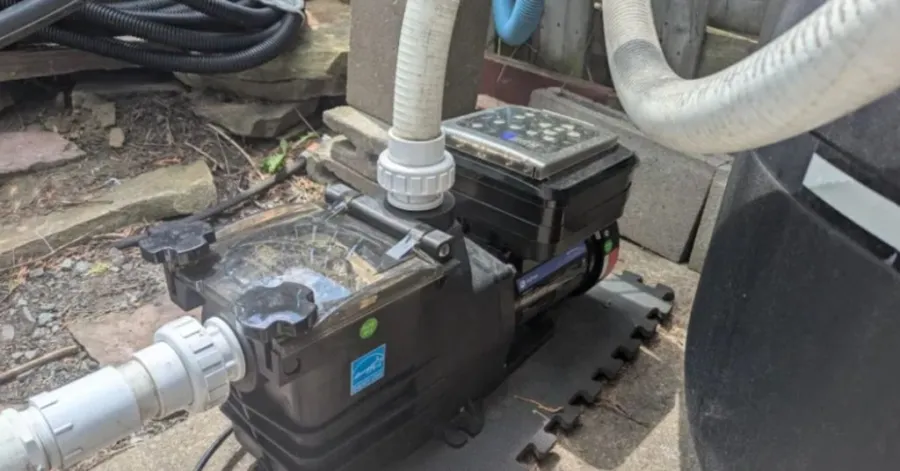
Es importante seleccionar la correcta bomba de piscina Para mantener el agua de la piscina limpia, cristalina y saludable. Una bomba de tamaño insuficiente podría no circular el agua de manera eficiente, y una bomba de tamaño excesivo puede aumentar sus costos de electricidad y sobrecargar innecesariamente su sistema de filtración. Esta es una guía para calcular el tamaño de una bomba de piscina utilizando fórmulas simples y ejemplos reales. También aprenderá a usar una calculadora de tamaño de bomba de piscina, comprender los requisitos de caudal y comparar bombas. tamaños para diferentes tipos de piscinasy determinar el tamaño de la bomba de piscina que necesita para que su piscina funcione de manera eficiente, confiable y rentable.
Índice
- Información necesaria antes de elegir el tamaño adecuado de la bomba de piscina.
- Cómo calcular el tamaño correcto de la bomba de la piscina.
- Explicación de las fórmulas para calcular el tamaño de la bomba de la piscina
- Cómo elegir el tamaño de bomba adecuado para diferentes tipos de piscinas
- Preguntas Frecuentes
Información necesaria antes de elegir el tamaño adecuado de la bomba de piscina.
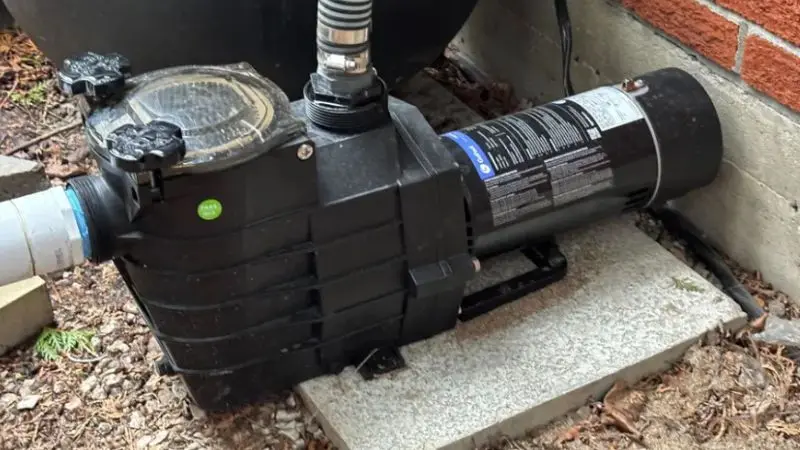
Hay algunos detalles que debe recopilar sobre su piscina antes de decidir el tamaño adecuado de la bomba. Estas medidas le ayudarán a determinar el caudal y la potencia que su piscina debe tener para lograr la circulación requerida. Usando una bomba de piscina La guía de dimensionamiento garantizará que su bomba no sea ni demasiado pequeña ni demasiado grande para sus necesidades, ahorrando energía y suministrando agua limpia y equilibrada.
Recomendado para su proyecto
Mide el largo, el ancho y la profundidad promedio de tu piscina.
El primer paso para dimensionar un bomba de piscina El primer paso es medir su piscina. Comience con el largo y el ancho en pies. Luego, calcule la profundidad promedio sumando la profundidad del extremo menos profundo y el extremo más profundo, y dividiendo el resultado entre dos. Para piscinas de forma irregular, divídala en unidades más pequeñas, calcule las áreas individualmente y luego súmelas. La precisión en las mediciones es fundamental, ya que pequeñas imprecisiones pueden afectar el tamaño final de la bomba. Si no está seguro de sus cálculos, puede usar una calculadora de tamaño de bomba para piscinas para facilitar la tarea y obtener estimaciones más precisas.
Calcula el volumen total de agua de tu piscina.
Una vez que haya medido su piscina, determine el volumen total de agua. Este volumen se suele medir en galones y se utiliza para determinar la capacidad adecuada de la bomba. Para piscinas rectangulares, el producto de la longitud, el ancho y la profundidad promedio se multiplica por 7.5. Las fórmulas varían ligeramente según la forma de la piscina; por lo tanto, utilice siempre la fórmula que corresponda al diseño de su piscina. Los propietarios también suelen usar una calculadora de caudal para bombas de piscina para determinar los galones por minuto necesarios para una circulación eficiente. Conocer la cantidad correcta de agua le ayudará a evitar elegir una bomba que desperdicie energía o que no limpie la piscina eficazmente.
Decida el tiempo de renovación del agua.
El tiempo de renovación del agua es el tiempo que tarda su bomba de piscina Para bombear toda el agua de su piscina una sola vez, tenga en cuenta que las piscinas residenciales tienen un tiempo de recirculación de diseño de seis a ocho horas, aunque las autoridades locales pueden recomendar lo contrario. Cuanto menor sea el tiempo de recirculación, mayor será el caudal, y cuanto mayor sea la recirculación, menor será la bomba necesaria para un funcionamiento eficaz. Al preguntarse "¿Qué tamaño de bomba de piscina necesito?", uno de los factores más importantes es comprender el tiempo de recirculación. Un tiempo de recirculación adecuado ayuda a mantener la limpieza del agua y reduce el consumo innecesario de energía.
Cómo calcular el tamaño correcto de la bomba de la piscina.
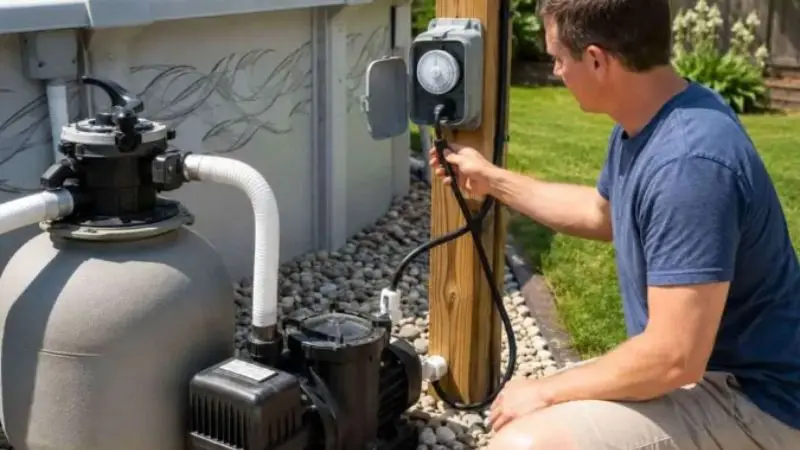
Todo lo que necesitas son las medidas de tu piscina, el volumen de agua y el tiempo que deseas que la renueve, y luego puedes determinar el tamaño adecuado de la bomba. Cuando se hace por etapas, el proceso de cálculo es bastante simple. Otra forma de hacer que tus resultados sean comparables es usar una calculadora de potencia de bomba de piscina para asegurar que bomba El producto que ha elegido se ajusta al sistema de fontanería y al equipo de filtración de su piscina.
Paso 1: Calcula el volumen de agua de tu piscina.
Primero, se calculará el tamaño de su piscina. En el caso de una piscina rectangular, se utilizan el largo, el ancho y la profundidad promedio, multiplicados por el factor de conversión de 7.5, para estimar el volumen total de agua. Las fórmulas para piscinas redondas y ovaladas difieren, pero el objetivo es similar: determinar el volumen óptimo de agua. Esta cifra es la base de todos los cálculos. Siempre verifique sus medidas dos veces antes de continuar, ya que unas dimensiones incorrectas pueden llevar a elegir un bomba que sea demasiado grande o demasiado pequeño para limpiar y que pueda afectar a los costes operativos.
Paso 2: Seleccionar la tasa de renovación de agua ideal
Luego, el segundo paso es determinar la velocidad a la que desea que el agua de la piscina pase por el sistema de filtración. La mayoría de los propietarios de viviendas utilizan una tasa de renovación de seis a ocho horas, ya que es eficiente para limpiar la casa y requiere poca energía. Debido a las normas sanitarias y al uso de la piscina, las piscinas comerciales pueden necesitar una renovación más rápida. Reflexione sobre la tasa de uso de su piscina, el entorno circundante y su sistema de filtración. Una tasa de renovación adecuada mejora la claridad del agua y la distribución de los productos químicos y le ayuda a seleccionar un bomba que resulta eficiente durante la temporada de natación.
Paso 3: Calcular el caudal requerido (GPM)
Después de determinar el volumen de la piscina y el tiempo de renovación, calcule el caudal requerido en galones/minuto (GPM). Divida el volumen total de la piscina por el tiempo de renovación (en minutos). Para ilustrar, una piscina de 24,000 galones con una renovación de 8 horas requiere aproximadamente 50 GPM. A la mayoría de los propietarios les resultará más conveniente utilizar un bomba de piscina Calculadora de caudal: proporciona resultados rápidos y fiables con un riesgo mínimo de imprecisiones. El caudal calculado le ayudará a comparar diferentes tipos de bombas y a asegurarse de que su sistema de filtración pueda gestionar el caudal de agua necesario.
Paso 4: Elija la bomba adecuada para su sistema de piscina.
Lo último que hay que hacer es elegir un bomba que se ajuste a su caudal calculado y sea compatible con su filtro, tuberías y demás equipos de piscina. Antes de comprar un filtro, asegúrese de considerar factores como el diámetro de la tubería, la capacidad del filtro, la altura dinámica total y la eficiencia energética. En lugar de centrarse únicamente en la potencia, compare el rendimiento real del caudal en condiciones normales de funcionamiento. Una calculadora de potencia para bombas de piscina en línea puede ayudarle a estimar el tamaño adecuado del motor, pero siempre debe utilizarse junto con las tablas de rendimiento del fabricante. La correcta combinación de todos los componentes del sistema garantiza una circulación adecuada, ahorro de energía y una mayor vida útil del equipo.
Explicación de las fórmulas para calcular el tamaño de la bomba de la piscina
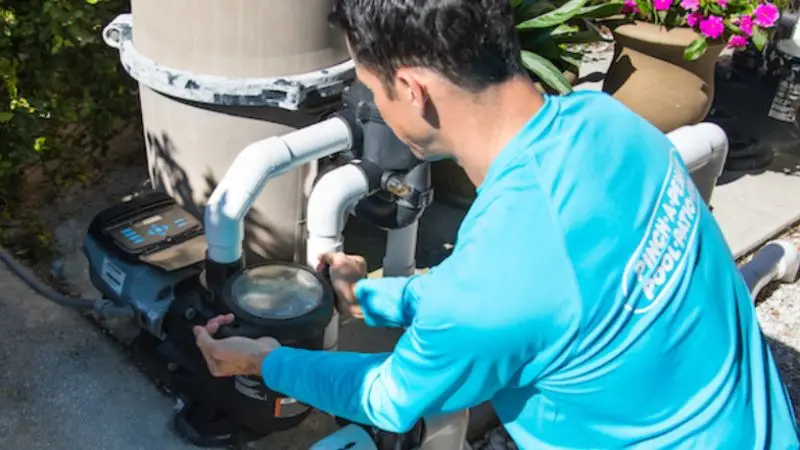
Conocer las ecuaciones fundamentales para bomba de piscina El dimensionamiento puede ayudarte a verificar tu trabajo y asegurarte de seleccionar el equipo correcto. Estas ecuaciones se utilizan ampliamente en los manuales de dimensionamiento de bombas para piscinas y son aplicables a la mayoría de las piscinas residenciales. Puedes hacerlo manualmente o con una calculadora de tamaño de bomba en línea; es mejor saber cómo se obtienen los números para elegir una bomba que proporcione una buena circulación de agua.
Fórmula para calcular el volumen de la piscina
La fórmula anterior determina el volumen total de agua en su piscina, y en base a esto sabrá el tamaño adecuado de una bomba. Para calcular el total de galones de agua en una piscina rectangular, multiplique el largo por el ancho de la piscina, multiplique el resultado por la profundidad promedio y luego multiplíquelo por 7.5. Otras formas de piscina, como las circulares u ovaladas, requerirán fórmulas ligeramente diferentes según su tamaño. Los cálculos de volumen precisos pueden ayudarle a evitar equipos demasiado pequeños o demasiado grandes. Para calcular el tamaño de las bombas de piscina, primero determine el volumen exacto de agua que contiene su piscina.
Fórmula para calcular el caudal (GPM)
Una vez calculado el volumen de la piscina, el siguiente paso es determinar el caudal requerido en galones por minuto (GPM). Divida el volumen total de la piscina entre el número de revoluciones por minuto que desea que logre su bomba para obtener el caudal necesario. Por ejemplo, en una piscina de 24000 galones, se desearía una renovación de ocho horas y se calcularía 24000/480 minutos para obtener 50 GPM. bomba de piscina La calculadora de caudal es otra herramienta que muchos propietarios utilizan para calcular el caudal de forma rápida y precisa. Un caudal adecuado garantizará una filtración suficiente y permitirá controlar el consumo de energía.
Ejemplo de cálculo del tamaño de la bomba de una piscina residencial
Considere su piscina residencial con dimensiones de 16 pies de ancho por 32 pies de largo y una profundidad promedio de 5 pies. El volumen de la piscina es igual a 16 × 32 × 5 × 7.5, lo que equivale aproximadamente a 19,200 galones. Suponiendo que desea que el agua circule una vez cada 8 horas, tome 19,200/480 minutos = aproximadamente 40 GPM. Si se pregunta "¿Qué tamaño?" bomba de piscina ¿Qué necesito? Esta ecuación me da una buena base para empezar. Luego puedes comparar tu resultado con las tablas de rendimiento de la bomba y, finalmente, hacer la selección definitiva.
Cómo elegir el tamaño de bomba adecuado para diferentes tipos de piscinas
El tamaño, el diseño y las características de la piscina determinan el tamaño de la bomba que necesita. Si bien existen pautas generales que pueden reducir las opciones, cada piscina tiene necesidades de circulación específicas. Con una guía de dimensionamiento de bombas para piscinas y el caudal calculado, será más sencillo seleccionar una bomba que ofrezca un rendimiento constante sin desperdiciar electricidad ni sobrecargar el sistema de filtración.
Tamaño de la bomba para piscinas pequeñas elevadas
Pequeña piscinas elevadas Suelen tener menos agua que las piscinas enterradas y, por lo tanto, tienden a usar bombas con caudales y potencia menores. Las bombas de un tercio a tres cuartos de caballo de fuerza serían adecuadas en la mayoría de las piscinas con sistemas de filtración simples. Nunca compre una bomba cuyo caudal supere la capacidad máxima de su filtro. Una bomba del tamaño adecuado bomba Mantiene la limpieza del agua, minimiza los costos operativos y ayuda a prolongar la vida útil de los componentes de su piscina. No elija una bomba más grande solo porque tenga una mayor potencia.
Tamaño de la bomba para piscinas residenciales medianas enterradas
Las piscinas enterradas de tamaño mediano normalmente necesitan zapatillas que puedan manejar volúmenes de agua moderados y mantener una circulación constante. Las bombas de tres cuartos a un caballo y medio de fuerza suelen ser adecuadas, dependiendo del tamaño de la piscina, el diseño de la tubería y los requisitos del filtro. En lugar de usar solo la potencia en caballos de fuerza, superponga la curva de rendimiento de la bomba con el caudal requerido (GPM). Puede estimar la potencia correcta del motor utilizando una calculadora de potencia para bombas de piscina, pero debe usarse junto con la información de rendimiento del fabricante para asegurar que la bomba funcione eficazmente en su sistema de piscina.
Tamaño de la bomba para piscinas grandes con fuentes de agua.
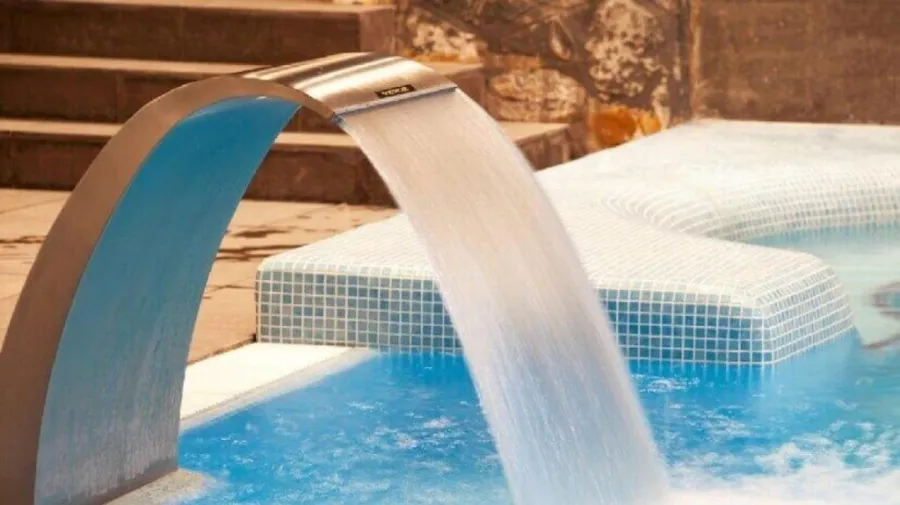
Las piscinas grandes con cascadas, fuentes, spas o múltiples líneas de retorno requieren más agua que las piscinas residenciales normales. Estas características adicionales aumentan la altura dinámica total, lo que implica que la bomba debe esforzarse más para mantener la circulación. Con frecuencia se requieren bombas de mayor capacidad, pero también deben ajustarse al sistema de filtración y al diseño de la plomería. Estimar el caudal necesario para la compra reducirá el consumo innecesario de energía y todas las características acuáticas se utilizarán según lo previsto. El tamaño adecuado bomba Proporciona una circulación equilibrada, agua más clara y un funcionamiento fiable durante la temporada de piscinas.
Cierre
El primer paso para elegir el adecuado bomba de piscina Es fundamental medir correctamente su piscina y determinar sus necesidades de circulación de agua. Con un volumen de piscina calculado, un tiempo de recirculación adecuado y un caudal estimado, podrá elegir el equipo correcto para su piscina. El proceso se simplifica con una guía de dimensionamiento de bombas para piscinas, una calculadora de caudal y una calculadora de potencia, lo que le ayudará a evitar errores costosos. No importa si tiene una piscina pequeña elevada o una piscina grande enterrada con cascadas; el tamaño adecuado de la bomba no solo mejora la calidad del agua, sino que también ahorra energía y prolonga la vida útil de todo el sistema de su piscina.
Preguntas Frecuentes
¿Qué tamaño de bomba de piscina necesito?
Determina el tamaño de tu piscina, la cantidad de agua que contiene, el tiempo de circulación deseado y el caudal (GPM) que necesitas. Estos datos te permitirán elegir la bomba de piscina del tamaño adecuado.
¿Es demasiado grande la bomba de la piscina?
Sí. Una bomba demasiado grande puede aumentar la factura de la luz, generar presión innecesaria y disminuir la eficiencia del filtro, lo que a la larga provocaría un desgaste innecesario del equipo de la piscina.
¿Cuál es el tiempo óptimo de renovación del agua de la piscina?
Las piscinas residenciales suelen funcionar mejor con una tasa de renovación del agua de seis a ocho horas, lo cual es eficaz para la filtración, a la vez que se mantiene un consumo de energía moderado.
¿La potencia de la bomba determina el tamaño adecuado de la misma?
No del todo. Al elegir la bomba adecuada, la potencia es menos importante que el caudal, la resistencia de la tubería, la capacidad del filtro y la altura de elevación dinámica total.
¿Funciona una calculadora para determinar el tamaño de la bomba de la piscina?
Sí. Con las dimensiones exactas de la piscina, el volumen de agua y el tiempo de circulación, una calculadora de tamaño de bomba para piscinas proporciona estimaciones fiables, lo que simplifica significativamente la selección de la bomba.