Your fish hang near the surface, gasping. The water looks like pea soup. You may wonder whether aeration can solve these problems. A top-tier pond aerator introduces oxygen, gets the water moving, and keeps fish in better health. Still, the ideal pick comes down to pond dimensions, depth, shape, and how you supply power.
How do you track down the best pond aerator for what you spend, then? Begin with your pond’s dimensions and work out how much oxygen it requires. From there, weigh the different aerator designs alongside airflow rates, power draw, overall expenses, and upkeep demands. Matching the setup to your specific water body is what matters most, whether you are shopping for the best pond aerator for small ponds, the best pond aerator for large ponds, or an option built for deep water.
What Are the Best Types of Pond Aerators?
Aireadores para estanques come in multiple styles, with each operating on a somewhat different principle. What suits your setup best comes down to how deep, wide, and shaped the pond is, along with what power source you can reach.
When evaluating the best pond aerator, begin with water movement and the exact spot where the system introduces oxygen. The choices listed below run through the most typical pond aeration systems.
Recomendado para su proyecto
Bottom-Diffused Pond Aerators
When dealing with ponds that have significant depth or acreage, bottom-diffused aerators are frequently selected. The setup relies on a shore-mounted compressor connected via air lines to diffusers placed underwater. Diffusers emit fine bubbles near the pond bed. The upward path of these bubbles drags deep water toward the top, generating circulation throughout. Dissolved oxygen spreads across the various water layers through this action.
Si necesitas el best pond aerator for deep ponds or the best pond aerator for large ponds, this style of bottom-diffused setup frequently fits the bill. Surface movement is also far less noticeable with this setup than with a surface unit or a fountain. Make sure to evaluate the system’s airflow capacity along with the pond’s shape, depth, and total size before settling on one.
Surface Pond Aerators
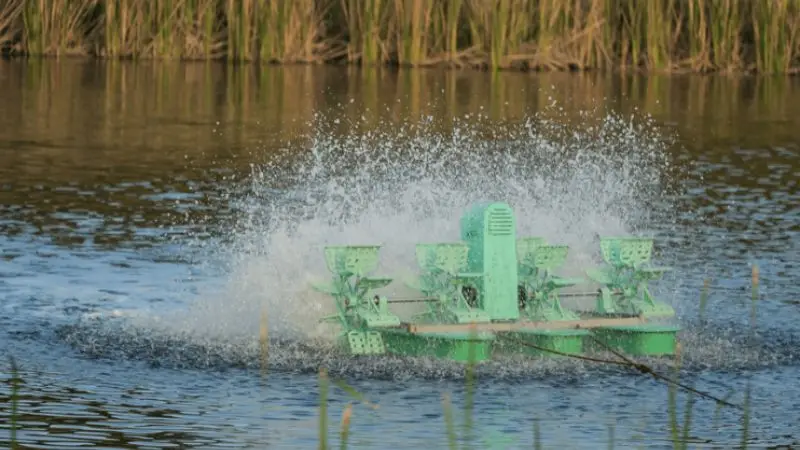
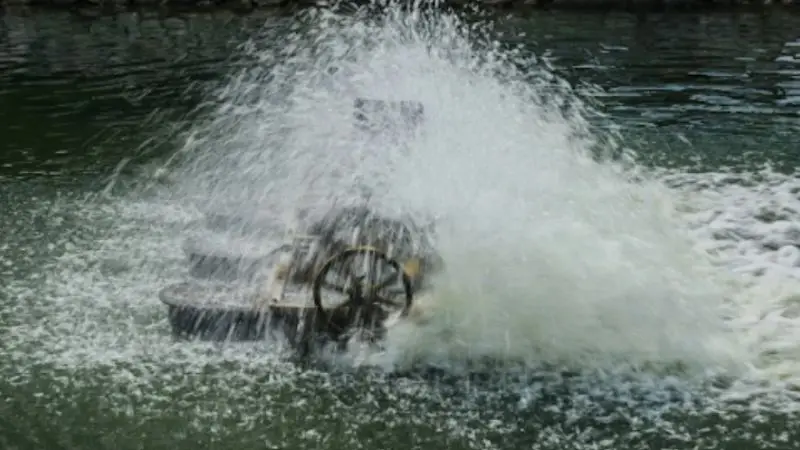
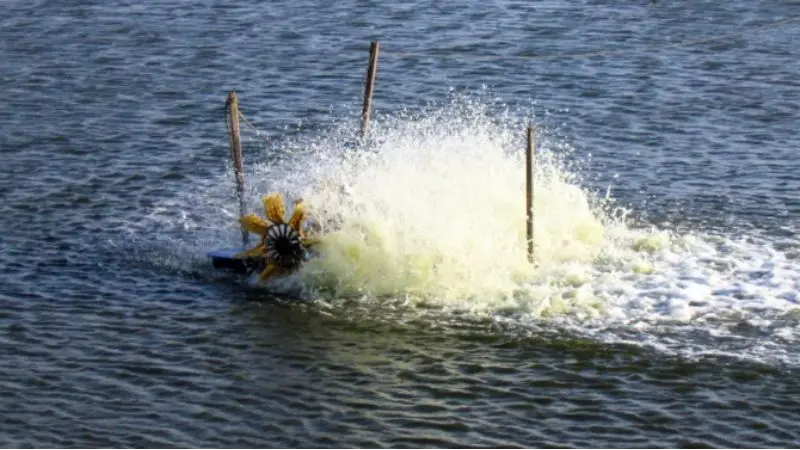
Floating right at or near the surface, these units rely on a motor to throw water upward. The result is splashing, continuous circulation, and fast oxygen exchange right at the top of the water. Ponds that are shallow, smaller sections of water, or spots that call for heavy surface agitation are good candidates for them. If you are looking at the best pond aerator for small ponds, pay attention to how much area the unit covers, what it draws in power, and how much water it moves.
They also make sense if what you are after is clear surface motion instead of mixing water down deep. They might not drive oxygen down into deeper water as well as a correctly sized bottom-diffused system would, though. Make sure the aerator’s rating aligns with both the size and the depth of your pond every time.
Fountain Pond Aerators
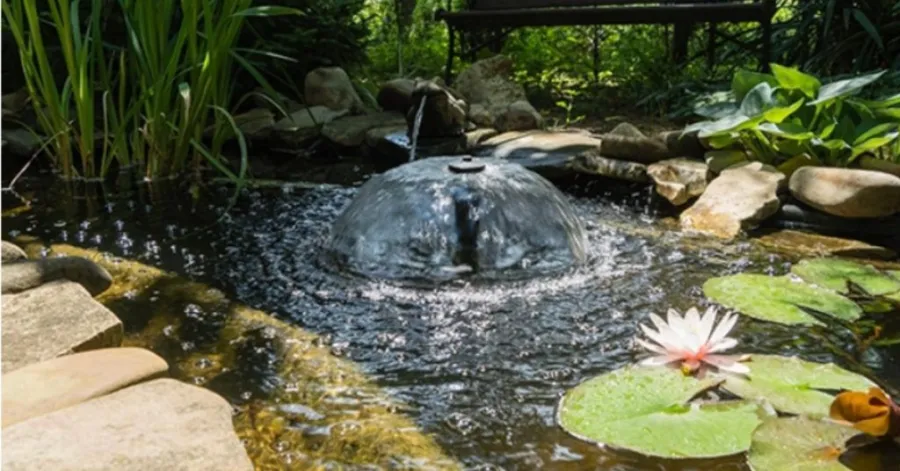
Fountain aerators offer oxygenation alongside decorative water displays. Water is drawn up and thrown into the air, picking up oxygen on the way before falling back into the pond. That makes them a solid fit if visual appeal counts just as much as getting oxygen into the water. Besides creating an eye-catching spray, fountain setups help keep surface water moving.
If you are looking at best aireador de estanque for shallow ponds options, a fountain can work well as long as churning up the bottom is not your primary goal. Spray shapes and how high they reach depend on the particular model, though. Before buying a fountain aerator, look over the recommended pond size, motor horsepower, and depth requirements.
Solar-Powered Pond Aerators
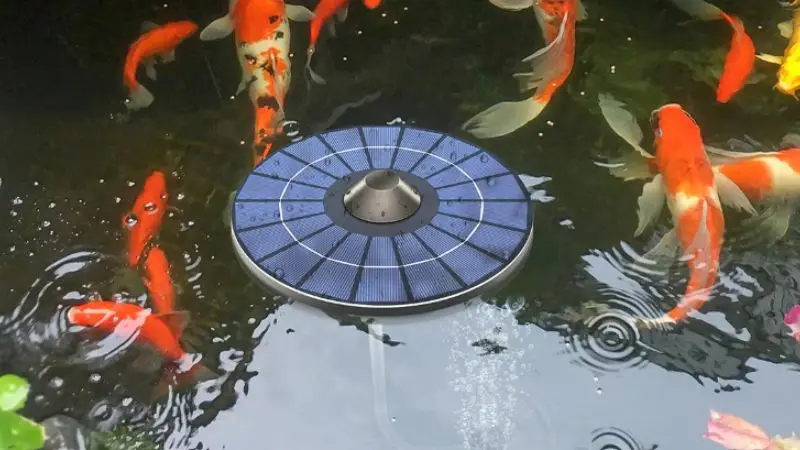
Sunlight drives the compressor, pump, or other equipment in a solar aerator setup. They come in handy whenever there is no power outlet within easy reach of the water. While some setups run only while the sun is out, others rely on battery storage to keep going past dark. Output varies based on how much sun you get, the weather, your panel dimensions, and how much the battery can hold.
Al pesar el best pond aerator for the money, solar is worth a look, particularly if trenching power out to the water would cost a small fortune. Even so, take a close look at the upfront price tag, runtime per day, and expected airflow before you buy anything. Whatever solar setup you choose still has to push sufficient air to match the pond’s dimensions and biological oxygen demand.
Wind-Powered Pond Aerators
Because they harness the breeze to drive the aeration gear, wind-powered units do well in open spots where the wind blows reliably. They help cut reliance on the electrical grid and often suit out-of-the-way ponds. The catch is that their output shifts right along with wind speed and the weather. If the air goes calm, a wind-driven model might leave the pond without air, whereas an electric unit runs steadily.
Because of this, picking the right spot and sizing the unit accurately matter a great deal. Before settling on this route, check your pond’s oxygen requirements alongside its depth and surface area. Wind setups suit off-grid spots well enough, but you need to judge them against real ground conditions instead of how they look or what their nameplate says.
Aerating Ponds Stocked with Fish
Fish require sufficient dissolved oxygen to thrive, which is why fishing waters generally demand consistent water movement. Depending on how deep and large the pond is, and how heavily it is stocked, you can install either surface units or bottom-diffused setups. Bottom diffusers tend to suit deeper fishing water because they pull up and turn over the colder lower water.
A aireador de superficie, on the other hand, often handles a modest or shallow water body just fine. To pick the right unit for a fishery, factor in fish population, depth, temperature, and how much oxygen the pond consumes. You want to keep the water moving adequately without churning it into a mess. Getting the dimensions right counts for far more than buying the biggest motor on the shelf.
Cómo elegir el aireador de estanque adecuado
Getting the right setup starts with getting your measurements straight and knowing what kind of water you are dealing with. Everything from pond shape and depth to power availability, size, and oxygen demand dictates the right model.
With those figures in hand, weighing different styles and system outputs becomes much more straightforward. You want adequate circulation and oxygen without drawing any more electricity than the job takes.
Consider Pond Size, Depth, and Shape
How much aeration capacity you need comes down to the pond’s dimensions, depth, shape, and overall water volume. Diffused systems tend to suit deep water because they lift water right off the bottom and push it up to the surface. In shallow water, a surface aerator or a compact diffused system is often a better fit.
Get exact figures for length, width, and maximum depth before you buy anything. Water circulates differently through a long, narrow channel than it does across a circular pond. When shopping for the best pond aerator for large ponds, circulation and overall coverage should be your main focus. With smaller bodies of water, use the true water volume to guide your choice of the best pond aerator for small ponds. When depth drives the decision, use your actual measurements to weigh choices built as the best pond aerator for deep ponds against the best pond aerator for shallow ponds.
Check Airflow, Oxygen Needs, and Diffuser Placement
Do not judge a system by horsepower alone; check its airflow, diffuser coverage, and rated oxygen transfer instead. A bigger motor is no guarantee that oxygen levels will actually improve. How deep the water is, where you put the diffusers, and the size of the bubbles all change the outcome.
Oxygen requirements shift with water temperature and algae levels, as well as the number and size of fish in the pond. Size the system around peak heat and worst-case demand, not what happens on an average afternoon. These variables carry even more weight when you are picking the best pond aerator for fishing ponds.
Your air hose and diffuser have to fit the rest of the setup, too. Airflow drops if the hose runs too long or its diameter is too narrow. Position diffusers to move water efficiently and cut down on dead zones.
Choose the Right Power Source and Operating Cost
What kind of power you have on hand will limit which aerators you can run. If you have a safe electrical hookup close at hand, electric pond aerators make a lot of sense. Unlike setups tied to sun or wind, these units run continuously without relying on either.
If a pond sits far from grid power, a aireador alimentado por energía solar is a practical alternative. How well they run, though, is tied directly to weather, panel size, battery storage, and available sun.
Weigh power consumption, setup demands, routine upkeep, and what the system will cost to run over time. The model that gives you the best return delivers adequate air volume and reach without driving up running costs.
Match the Aerator to Your Pond’s Purpose
What you actually use the water for has to factor into that final call as well. For an ornamental pond, a fountain aerator can work well by stirring up the surface visually while putting oxygen into the water. Ponds stocked for fishing, by contrast, usually require more forceful, steady water movement to keep fish alive.
Factor in the pond’s dimensions, depth, contour, how many fish live in it, power access, and required upkeep before deciding on a setup. From there, look at the coverage area and output rates of the units that fit those criteria.
El top aerator for your setup is rarely just the biggest or highest-powered one on the shelf. What you want is a unit that fits the pond’s actual physical state and moves enough air and water to suit your goals.
Best Pond Aerators for 2026
la elección de una aireador comes down to your pond’s volume, depth, current water quality, and required flow rate. Modest garden ponds generally do fine with compact hardware, whereas deep or sprawling ponds rely on heavier bottom-diffused setups.
The five units listed below span a variety of pond dimensions and air requirements. The list ranges from modest setups for shallow basins up to heavy-duty options for broad, deep water.
Aquascape 2-Outlet Pond Aeration Kit
Aquascape designed the 2-Outlet Pond Aeration Kit for smaller ponds that require steady aeration without needing a large compressor. Each of its two ports pushes out as much as 4,000 cc/min. Power draw is just 6 watts, and the pump handles operating depths down to 8.5 feet under load. A pair of 25-foot air lines and two diffusers come right in the box. For small backyard setups or shallow water features, that makes this a sensible unit to consider. Because of its small footprint, setting it up is far less work than dealing with a full-sized cabinet system. Before settling on this unit for a small pond, make sure to verify how deep the water is and how much airflow you actually need.
EasyPro PA50D Sentinel Deluxe Aeration System
EasyPro designed the PA50D Sentinel Deluxe specifically for larger ponds requiring more potent bottom-diffused aeration. Delivering up to 4.5 CFM, its 1/4 HP compressor is rated for water up to 18 feet deep and covers as much as 2 acres. Included in the full package are the compressor, a cabinet, a pressure gauge, a pressure relief valve, and 200 feet of 1/2-inch Quick Sink tubing.
A built-in cooling fan keeps air moving through the lockable cabinet, which safeguards the machinery inside. If your large pond does not run particularly deep, this setup works well for buyers sizing up the best pond aerator for large ponds. Because real-world coverage shifts from pond to pond, always confirm your own depth and shoreline contours first.
Airmax PondSeries PS20
Ponds with more surface area and greater depth are what the Airmax PondSeries PS20 is designed to handle. Rated for depths up to 50 feet and surfaces up to 2 acres, it fits sizable water features that require circulation driven from the floor up. You can get the system in either 115V or 230V configurations, and both run two ProAir 4 diffuser plates.
Specs from Airmax state a 1/2 HP compressor delivering 4.7 CFM, backed by a three-year warranty. The manufacturer also states that the system runs quietly and is built to operate efficiently. Anyone hunting for the best pond aerator for deep ponds should have this model on their shortlist. Compare your pond’s real dimensions against what the system is rated for in depth and acreage before ordering.
VEVOR 550W 5.2 CFM Pond Aerator
Larger ponds and lakes that require heavy bottom aeration are the primary target for the VEVOR 550W Aireador de estanque. Driven by a 550W motor, its 3/4 HP oil-free compressor produces as much as 5.2 CFM. According to VEVOR, this unit handles depths up to 50 feet and surface areas between 1 and 3 acres.
You can tune the system’s air volume yourself, as the unit includes an adjustable airflow control. That flexibility helps if you are weighing value for money on an aerator for a bigger pond. It works well for fishing pond owners too, as long as its output fits the water volume and the fish population.
Kasco Robust-Aire RA1
Kasco’s Robust-Aire RA1 uses bottom diffusion built purposefully for deep water. A compressor on the bank pairs with an underwater diffuser to draw deep water up toward the surface. Kasco markets the Robust-Aire line for water 8 feet deep or more, making it a good fit when you need real turnover at depth. You can run it around the clock, and the diffuser layout can be tailored to the specific pond.
Keep this unit in mind if you are searching for an aerator for deep ponds or fishing spots that need steady circulation throughout. Because requirements vary from pond to pond, check your site measurements and the specific RA1 package before you install anything.
Pond Aerator Comparison
Here is a breakdown to help you weigh all five options side by side. Always confirm the latest specs prior to buying, since bundled gear and exact setups can vary.
| Aireador de estanque | Tipo | Max Pond Depth | Pond Size/Capacity | Airflow/Power | El más adecuado para |
| Aquascape 2-Outlet | Difundido | 8.5 pies | pequeños estanques | 6W, 2 outlets | Small, shallow ponds |
| EasyPro PA50D | Difundido | 18 pies | Hasta 2 acres | 4.5 CFM, 1/4 HP | Medium to large ponds |
| Airmax PondSeries PS20 | Difundido | 50 pies | Hasta 2 acres | 4.7 CFM, 1/2 HP | Large, deep ponds |
| VEVOR 550W | Difundido | 50 pies | 1 a 3 acres | 5.2 CFM, 3/4 HP | Large and fishing ponds |
| Kasco Robust-Aire RA1 | Difundido | 8 pies+ | Depende de la configuración | 1/4 HP RA1 configuration | Deep ponds and continuous aeration |
Do not pick an aerator just because its airflow or horsepower numbers are the highest. Base your selection on your pond’s depth, total area, outline, fish count, and available power. That way you get solid circulation without wasting money on power your pond cannot use.
How Much Does Pond Aeration Cost?
Expect aeration costs between roughly $100 and over $3,000, shaped by pond volume, aerator mechanics, and the specific hardware included. While smaller water setups get by on lower wattage and minimal hardware, deeper or larger bodies of water can demand heavier compressors alongside several diffusers.
What you pay upfront is merely one slice of the total bill. Ongoing expenses can creep up as well once you factor in power bills, setup, upkeep, and spare components. The figures listed below reflect current U.S. pricing and are subject to change.
Small vs. Large Pond Aerator Costs
For compact setups and basic aeration gear, small pond aerators generally run between $100 and $300. As an illustration, a linear air pump on VEVOR is listed right now at roughly $107.90, and its 5.2 CFM pond aerator starts at around $159.90 if you buy it without a diffuser.
Because they require more diffusers, longer air lines, and more powerful compressors, larger systems naturally carry higher prices. At the moment, a 5.2 CFM system that includes two diffusers and two 100-foot weighted tubes is listed on VEVOR for about $364.90.
If you move up to larger, premium setups, the price can climb into several thousand dollars. According to Kasco’s listed prices, Robust-Aire setups start near $2,397 and can top $4,000, tied directly to the chosen compressor, cabinet, and diffusers.
Costos de electricidad y operación
Power is the next ongoing expense you have to factor in once the aerator itself is paid for. To put numbers on it, leaving a 550W aerator on around the clock burns roughly 13.2 kWh daily, which comes out to about 396 kWh over a 30-day month.
If power runs you $0.15 per kWh, continuous operation comes out to roughly $59.40 each month. Bump that rate to $0.20 per kWh, and monthly expenses for the exact same unit reach roughly $79.20.
What you actually end up paying comes down to local utility rates and the daily hours the aerator stays on. A smaller compressor or scheduled operation can reduce electricity use. Check the wattage before buying so you can estimate the ongoing cost.
Costes de instalación
Installation costs depend heavily on the pond and the equipment included with the aerator. A simple pond might only need a run of airline and a diffuser, whereas a bigger project could call for multiple diffuser stations, extra weighted line, dedicated wiring, or an outdoor cabinet.
Certain VEVOR bundles, for instance, come boxed with pieces like 100 feet of weighted hose and a diffuser, cutting down on what you have to source on your own. With some packages, you only get the bare pump, so every other part has to be bought on top.
Doing the work on your own means you will not have to pay an installer. Still, any wiring has to be done safely and follow the codes in your area.
Solar vs. Electric Aeration Costs
Going solar cuts down what you spend on grid power month to month, though the hardware costs more up front. Going this route can involve picking up a solar collector, a battery pack, a charge regulator, the air pump, and several other pieces.
Standard electric models are usually less of a headache to install if you already have solid power at the pond. Power consumption makes up the bulk of what they cost to run. To put numbers on it, a 550W pump run 8 hours a day draws roughly 4.4 kWh, which jumps to 13.2 kWh if you leave it running around the clock.
When weighing electric against solar, look at the sticker price alongside what the unit will cost to keep running. For an isolated pond where running a trench for utility power would break the bank, solar can easily be the smarter pick.
Costos de mantenimiento a largo plazo
Every setup has different upkeep demands, but the parts that typically wear out are the hoses, air heads, connectors, and compressor internals. Right now, you can pick up a VEVOR kit with a replacement diffuser and 100 feet of aeration tubing for roughly $90.90.
Keeping the heads clean and looking over the hoses on a regular basis keeps air moving freely and saves the pump from working harder than it has to. Having extra tubing or an extra diffuser on hand also keeps a minor breakdown from shutting down aeration for long.
Para encontrar la best pond aerator for the money, weigh what it costs up front against its power draw, bundled gear, spare-part pricing, and routine upkeep. The cheapest system is not always the lowest-cost option over several years.
Cierre
It’s not always the best unit that is the most expensive. It is not always the one with the most reviews. It’s important to see how well your pond will fit. Look at the size, depth, shape, number of fish, and power supply of the pond.
Use the comparison table and the points in this guide to narrow down your selection. Please check the starting price, power consumption, maintenance requirements, and the area of coverage. A well-sized aerator can help keep fish healthy. It can also enhance the movement of the water and help keep the pond in good condition.
Preguntas Frecuentes
¿Qué bombas para estanques funcionan mejor para mantener el agua cristalina?
Pumps with steady water flow move the water through filters, and they also reduce stagnant areas. Select a pump according to the pond size, flow rate and head height filter requirements. Aeration may also help improve the movement of water.
What are the best koi pond water garden pumps, and what makes them the right choice?
Koi ponds require a steady flow of water and proper filtration. Match the pump with the size of the pond, the number of fish, the filter, flow rate, and the height of the head. It may also need a separate aerator to maintain increased levels of oxygen.
What are the best water garden pumps to run a stream or waterfall?
A waterfall pump needs to move enough water to the height required. Check your maximum flow rate and head height prior to purchase. Water going through waterfalls also generates greater air contact and makes oxygen an added benefit.
Which water garden pumps run quieter if placed near a deck or terrace?
Submersible pumps can be silent since they are sitting underneath water. A low-vibration model should be selected for the pump located close to the deck or patio. Make sure that it is also placed on a stable surface.
What are the most energy-efficient water garden pumps and what type of energy savings do they generate?
Energy-efficient pumps use less energy but still deliver the flow from your pond. Your savings depend on pump wattage, operating duration and local electricity costs. Before choosing a pump, compare energy consumption with flow rate.