You want to know what the weather is like at home. Both experts and buyers agree that wireless weather stations, such as Weather Flow Tempest and Ambient Weather WS-2902, are worth the investment. You should pay close attention to the features and the price. Some models are easy to use and relatively inexpensive. Some are more advanced and cost more. This helps you choose the best station for you.
Top Wireless Weather Stations
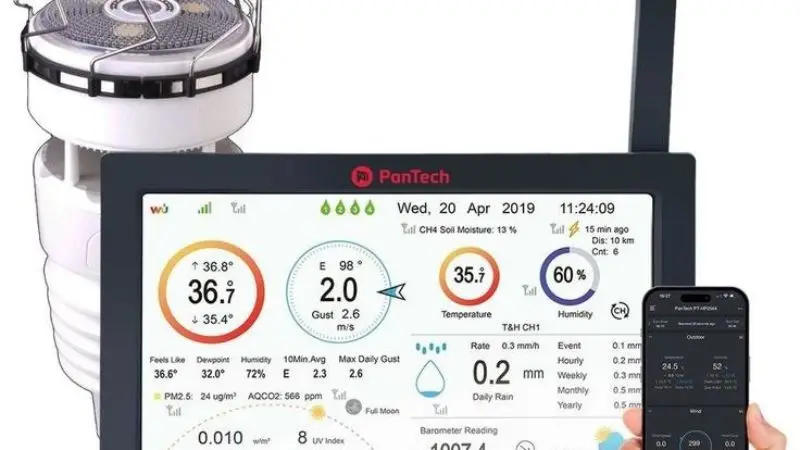
Quick List of Best Weather Stations
There are many different weather stations to consider. Based on expert reviews and what people who have bought them say, these are the best models for 2025:
- La Crosse Technology C85845
- Ambient Weather WS-2902
- Davis Instruments Vantage Pro2
- The Ecowitt HP2551 and VEVOR Weather Station are examples of weather stations.
These wireless weather stations provide accurate information and function reliably. You can use them at home, at school, or even at a small business.
VEVOR Weather Station
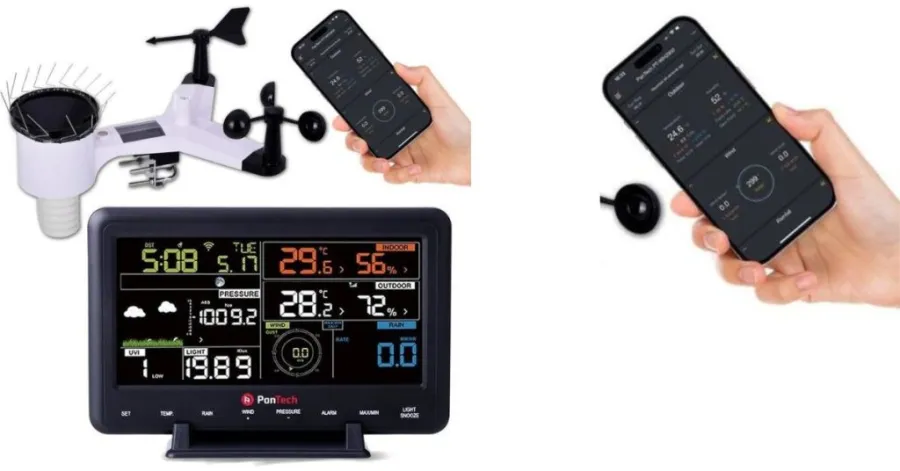
The VEVOR Weather Station stands out as a budget-friendly option. You get a complete set of sensors that measure temperature, humidity, wind speed, and rainfall. The display is easy to read, and you can check your data from your phone. You do not need to spend a lot to get useful weather information. Many users like the simple setup and the clear instructions. If you’re looking for a starter model, this one offers good value for the price.
What Makes Them Different
Each model has its own special features. Some are more accurate, while others let you connect to your devices in more ways. The WeatherFlow Tempest, for instance, has smart sensors and updates quickly. The Davis Instruments Vantage Pro2 provides professional-level data and performs well in adverse weather conditions.
You can connect the Ambient Weather WS-2902 to smart home systems, allowing you to view your weather data on your phone or tablet. Look at what each station has to offer and think about what’s most important to you. Think about how good the display is, how far the sensor can reach, and how easy it is to use. This makes it easier for you to choose the right station.
Features & Price Comparison
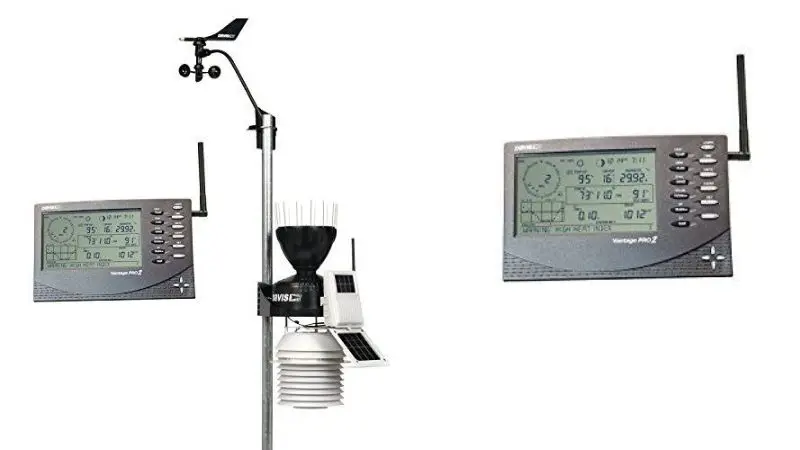
Key Features Compared
When considering wireless weather stations, you want to know what makes each one unique. Compare the main features before making a purchase. Here is a table that shows how the top models stack up:
| Model | Connectivity | Sensor Accuracy | Display Type | Compatibility | Real-Time Data |
| WeatherFlow Tempest | Wi-Fi, App, Smart Home | High (Temp, Wind, Rain) | Color LCD, App | Alexa, Google, IFTTT | Yes |
| La Crosse Technology C85845 | Wi-Fi, App | Good (Temp, Humidity) | Color LCD | App | Yes |
| Ambient Weather WS-2902 | Wi-Fi, App, Smart Home | High (Temp, Wind, Rain) | Color LCD, App | Alexa, Google, IFTTT | Yes |
| Davis Instruments Vantage Pro2 | Console, PC, Add-on Wi-Fi | Pro-level (All sensors) | Monochrome LCD | PC, Add-ons | Yes |
| Ecowitt HP2551 | Wi-Fi, App, Smart Home | High (Temp, Wind, Rain) | Color LCD, App | Alexa, Google, IFTTT | Yes |
| VEVOR Weather Station | Wi-Fi, App | Good (Temp, Wind, Rain) | Color LCD | App | Yes |
You can see that most models give you real-time data. Some connect to smart home systems, so you can use voice commands or check the weather on your phone. Others focus on sensor accuracy, which helps you trust the numbers you see. Consider which features are most important for your home weather station.
Price Overview
Prices for these weather stations vary widely. You can find a basic model for as little as $44. If you want a professional-grade system, you may pay $995 or more. Here is a quick look at the price range for each model:
- VEVOR Weather Station: $44 – $69 (budget-friendly)
- La Crosse Technology C85845: $55 – $80 (entry-level)
- Ambient Weather WS-2902: $180 – $220 (mid-range)
- Ecowitt HP2551: $210 – $260 (mid-range)
- WeatherFlow Tempest: $329 – $389 (advanced)
- Davis Instruments Vantage Pro2: $695 – $995+ (professional-grade)
You should match the price to your needs. If you want simple weather updates, a budget model is a suitable option. If you need more data or want to connect to other devices, you may want to spend more. Always check what features you get for the price. This helps you make a wise choice.
Individual Model Overviews
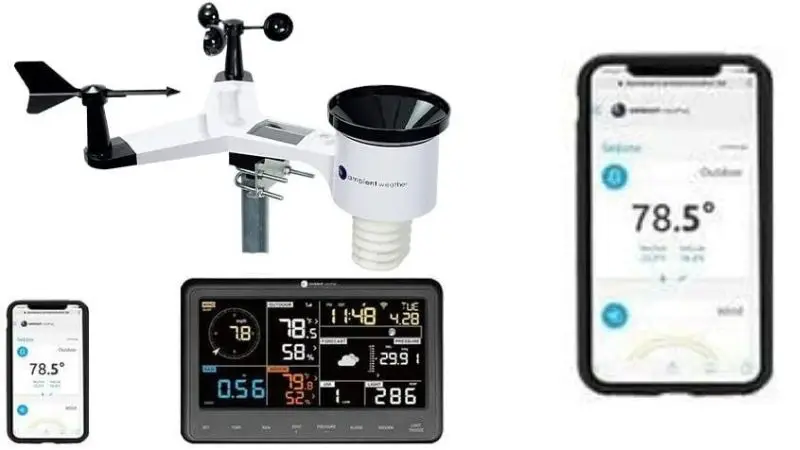
VEVOR Weather Station
What is the best wireless weather station for home use? You get a great start with the VEVOR Weather Station. This model provides you with all the essentials for tracking the weather at home. You can measure temperature, humidity, wind speed, and rainfall. The color display is easy to read, allowing you to check your data directly on your phone. Many people like the simple setup and the clear instructions. If you’re looking for a home weather station that won’t break the bank, this one offers substantial value. You can use it for your garden, backyard, or even a small farm. The price makes it a wise choice for beginners.
WeatherFlow Tempest Weather System
You will find the WeatherFlow Tempest Weather System at the top of many expert lists. This model utilizes advanced sensors to provide you with real-time data on temperature, wind, rain, and even lightning. You can connect it to your smart home devices, allowing you to receive weather updates on your phone or through voice commands. The Tempest updates quickly and works well in all kinds of weather. You do not need wires, and the solar power keeps it running. If you want the best weather stations for innovative features and accuracy, Tempest stands out.
La Crosse Technology C85845
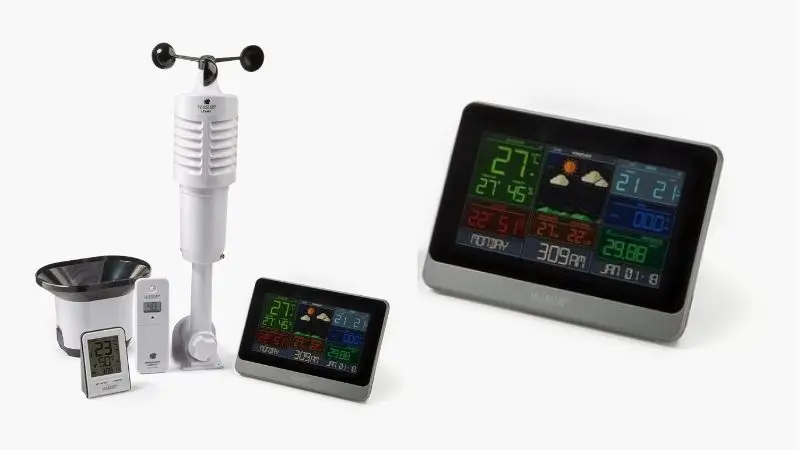
You can trust the La Crosse Technology C85845 for daily weather updates. This model provides accurate temperature and humidity readings. The color display shows the forecast, time, and indoor comfort level. You can set alerts for high or low temperatures. The setup is easy, and you can place the sensors almost anywhere around your house. If you want a simple and reliable weather station, La Crosse C85845 fits well. The price is low, so you get good value for your money.
Ambient Weather WS-2902
You get a lot of features with the Ambient Weather WS-2902. This model measures temperature, humidity, wind, rain, and even UV and solar radiation. The color display is bright and easy to read. You can connect the station to Wi-Fi and see your weather data on your phone or tablet. It also works with Alexa and Google Assistant. Many users like the detailed reports and the smart home compatibility. If you’re looking for a wireless weather station with numerous features at a fair price, the WS-2902 is a top pick.
Davis Instruments Vantage Pro2
You will see the Davis Instruments Vantage Pro2 in schools, farms, and research sites. This model provides professional-level accuracy for all weather measurements. The sensors perform well in harsh weather conditions, and additional sensors can be added as needed. The display is simple, but you get detailed data. You can connect it to a computer or add Wi-Fi for online access. The Vantage Pro2 costs more, but you get the best performance and reliability. If you need a weather station for serious use, this is a strong choice.
Ecowitt HP2551
You can enjoy advanced features with the Ecowitt HP2551. This model tracks temperature, humidity, wind, rainfall, UV radiation, and solar radiation. The color display is large and easy to use. You can connect the station to Wi-Fi and view your data from anywhere. It works with Alexa, Google Assistant, and IFTTT, so you can automate your smart home. The HP2551 gives you detailed reports and graphs. If you’re looking for a modern weather station with strong connectivity and a competitive price, the Ecowitt HP2551 is an excellent option.
Choosing a Home Weather Station
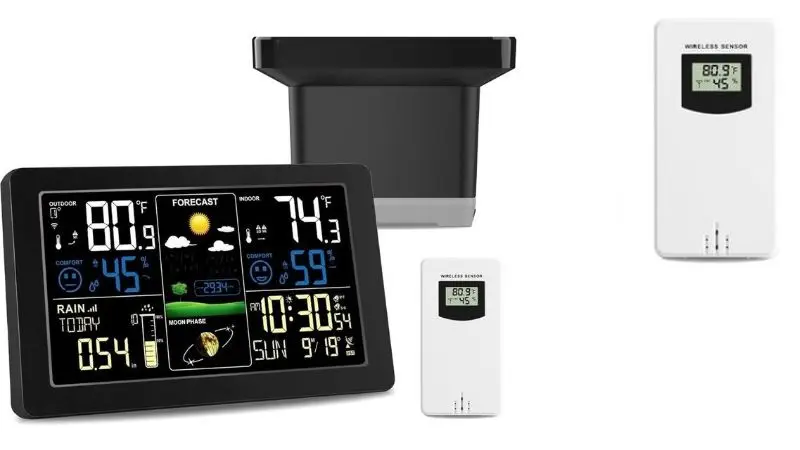
Connectivity
You want your home weather station to connect easily to your devices. Many wireless weather stations use Wi-Fi or Bluetooth. Some models allow you to view real-time data on your phone or tablet. If you use smart home systems, look for stations that work with Alexa or Google Assistant. Good connectivity helps you see weather conditions quickly and share updates with family.
Sensor Accuracy
How accurate are wireless weather stations? Accurate sensors help you trust your weather readings. You should see how well each model can measure wind speed, rainfall, humidity, and temperature. Better results are achieved by using high-quality sensors. If you need to monitor the weather for gardening or farming, choose a station with highly accurate sensors. You can consult expert reviews to compare the performance of different models.
Power Options
You need to consider how your weather station obtains power. Some stations use batteries, while others use solar panels. Solar-powered models save you money over time. Battery-powered stations work well if you want to place sensors far from your house. Always check how long the power lasts before making a purchase.
Compatibility
Ensure your home weather station is compatible with your other devices. Some stations are compatible with apps, computers, or smart home systems. If you want to use your weather data with different tools, look for models with good compatibility. This helps you get more value for the price you pay.
Installation & Use
Easy installation saves you time and effort. Many wireless weather stations come with clear instructions. You can set up most models in less than an hour. Place sensors away from buildings and trees for the best results. If you want simple use, choose a station with a user-friendly display and app.
Best Weather Stations for Different Needs
For Beginners
If you are new, you want something simple. The VEVOR Weather Station is easy to use. It has simple buttons and straightforward steps. The display is easy to read. You can see temperature, humidity, wind speed, and rainfall. The La Crosse Technology C85845 is also suitable for beginners. You can check the forecast and indoor comfort fast. Both models help you learn about the weather without requiring a significant amount of time or money.
For Enthusiasts
If you enjoy tracking the weather, you’ll appreciate more features. The Ambient Weather WS-2902 is a good choice. It measures temperature, humidity, wind, rain, UV, and solar radiation. You can connect it to Wi-Fi and see reports on your phone. The Ecowitt HP2551 also features advanced sensors and is compatible with smart homes. You can set alerts and see graphs of your weather data. These models help you find patterns in your area.
For Professionals
If you need very accurate data, you need a strong station. The Davis Instruments Vantage Pro2 is well-suited for demanding tasks. Its sensors work well in adverse weather conditions. You can add more sensors for soil or leaves. The WeatherFlow Tempest Weather System also gives pro-level data. It updates quickly and utilizes solar power to extend its lifespan. Both stations help you track the weather for farms, schools, or research.
For Budget Buyers
If you want to save money, there are good options. The VEVOR Weather Station offers essential features at an affordable price. You can check the basics and see your data on your phone. The La Crosse Technology C85845 also provides accurate readings at a lower cost. When considering price and features, these models help you save and stay informed.
Conclusion
There are many wireless weather stations to choose from.
- If you are new or want to save money, VEVOR and La Crosse C85845 are simple to set up. They present weather data in a clear and easy-to-understand format.
- If you want extra features, Ambient WS-2902 and Ecowitt HP2551 have more options for you.
- If you need very accurate numbers, Davis Vantage Pro2 and WeatherFlow Tempest are trusted by experts.
Consider the features and prices before making a purchase. Think about what is most essential for you to. This guide helps you select the ideal weather station for your specific needs.
FAQ
What is a weather station that doesn’t need wires?
Sensors in a wireless weather station measure temperature, humidity, wind speed, and rain. You can see the data on your phone’s screen. You don’t need wires to connect the sensors.
How do you set up a weather station that doesn’t need wires?
You put the sensors outside, away from trees and buildings. You do what the box says to do. Most stations can connect to your home’s Wi-Fi. You can complete the setup in under an hour.
Can weather stations be linked to your phone?
You can see weather data on your phone or tablet by using app integration. Many stations send updates to your device. You can look up the weather at any time.
What should you look for in a product?
- Sensors that work right
- A display that is easy to read
- Good connection
- Works with smart homes
Select features that align with your needs and budget.