Every year, winter brings unique challenges that can damage your home and surroundings if you are not prepared. Ice dams, frozen pipes, power outages, and much more leave you and your family frustrated during the cold weather. A careful preparation is necessary to avoid these problems, therefore, winter home maintenance is essential for keeping your property safe and comfortable during the season.
Making a clear winter home maintenance checklist ensures that everything is in reach, whether it is a power station or any minor tool, and you are prepared before the problem arises. This guide provides practical steps and winter maintenance tips to help you secure your home in 2026 and for the years to come.
Inspect and protect exterior surfaces
Extreme cold weather can make your exterior weak because of moisture absorption. The moisture is trapped in the structures and causes damage to them. Regular checking helps you identify minor problems before they become big repairs.
Check siding for cracks or gaps
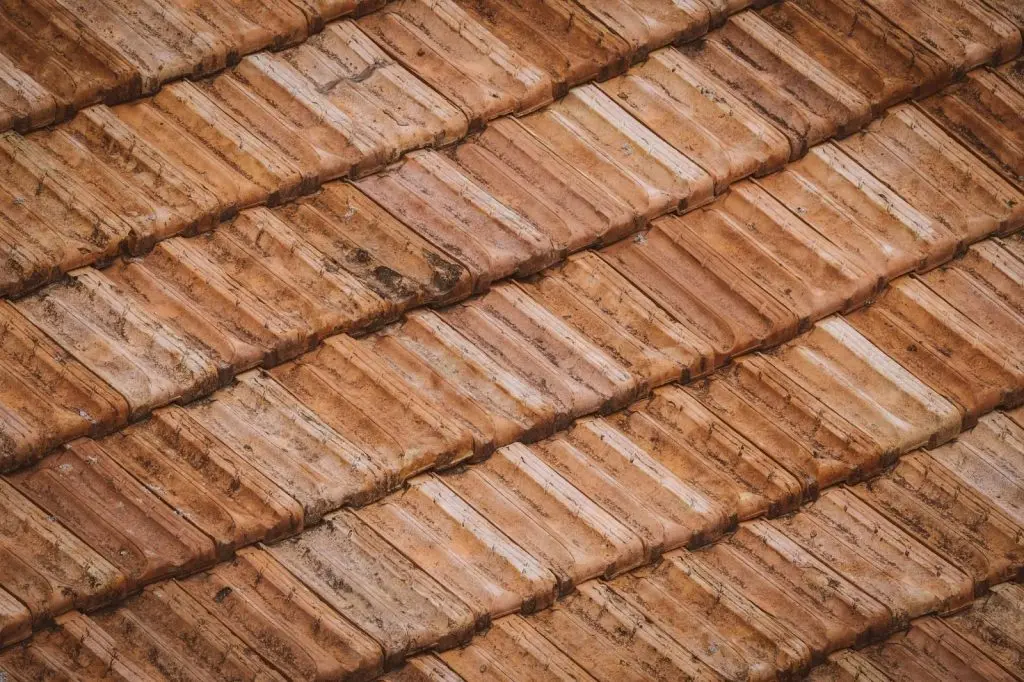
Examine your home siding carefully. If there are cracks or gaps, they allow cold air and moisture to enter the walls.
When the temperature drops, small openings can expand and cause severe damage. Sealing these gaps and cracks is essential for winter home maintenance and for the protection of the internal structure of the wall.
Inspect the foundation for small openings
Examine the base of your house and check if there are small openings or cracks. These gaps allow water to go inside the concrete and freeze there, causing it to crack. They cause structural damage to the base. Sealing these gaps is an important part of home maintenance strategies.
Reseal driveways and walkways if needed
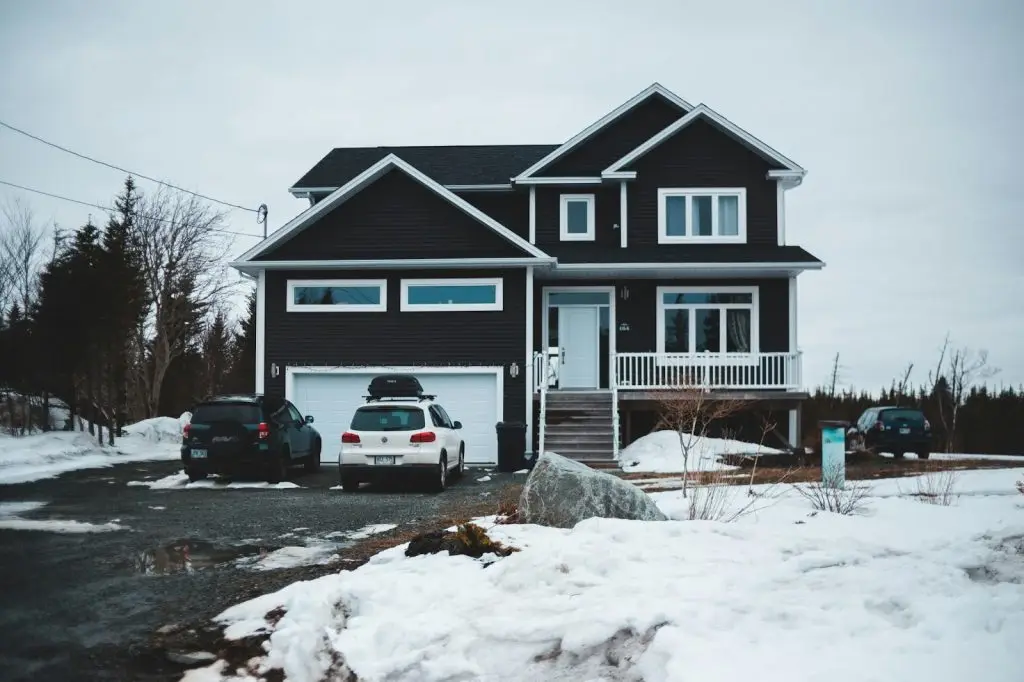
Driveways and pathways are exposed to cold air and freezing temperatures. Examine them and if you notice any cracks and openings, repair them before they cause serious loss, before the weather becomes harsh.
Sealing your pathways protects them from freeze-thaw cycles and prevents structural damage in the long run.
Secure loose outdoor fixtures
Strong cold winds in winter storms cause outdoor lights, mailboxes, and railings to loosen. Securing these fixtures saves your house from damage during winter storms. Fixing them is an important winter home maintenance task.
Maintain winter home roofing and drainage systems
The roof is one of the riskiest parts of the house during cold weather. Snow accumulation causes cracks and drainage, which can cause leaks and structural wear.
Check flashing around chimneys and vents
Flashing blocks the joints around chimneys, skylights, and vents from drainage. If it becomes loose or cracks, it can cause leaks. Analysing these areas regularly can prevent serious damage and keep your roof maintained.
Ensure downspouts direct water away from the home
The work of downspouts is to direct water several feet away from the home. If this water pools near the house territory, it can freeze and cause foundation stress, therefore, proper drainage is essential for effective winter home maintenance.
Remove debris before heavy snowfall
Twigs, leaves, and dirt can clog gutters and hinder proper water flow. Cleaning debris before extreme cold confirms that melting snow will drain properly and not freeze in the gutters.
Monitor roof load during extended storms
Heavy snow can apply pressure to the roof. Snowing for long hours needs monitoring of snow buildup. You should remove excess snow with a roof rake to reduce structural stress. It will help the roof remain strong and prevent collapse.
Optimize indoor systems for winter performance
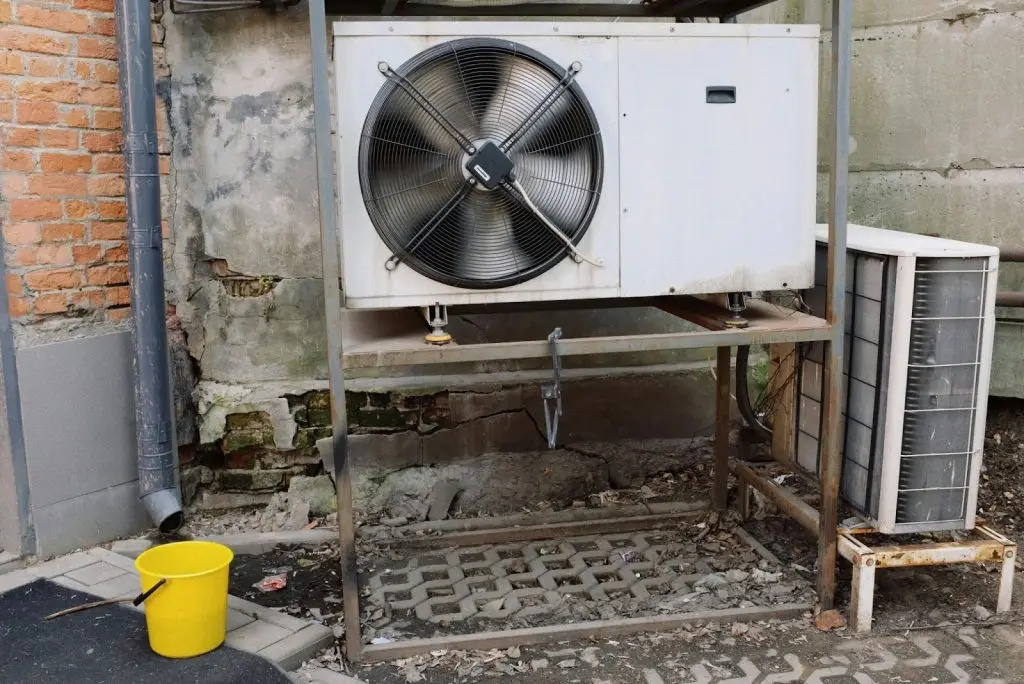
It is important that the indoor systems, like a power station in your house, operate properly during the winter season. These devices provide heat in the house for comfort and warmth. Here are some areas to inspect:
Reverse ceiling fans to circulate warm air
Many ceiling fans have reverse settings. The clockwise motion of the ceiling fan causes warm air to move down from the ceiling. It improves heat circulation and prevents heat loss. It is one of the effective winter home maintenance tips.
Check insulation in attic spaces
Attic insulation is a thermal barrier which is installed in the roof space for preventing heat loss in cold areas. Thin insulation makes heat loss readily. Inspecting attic insulation ensures your heating system insulates correctly.
Inspect humidifiers and adjust levels
In winter heating, indoor air becomes very dry. To keep it moderate, use humidifiers to maintain moisture levels in the home. Proper humidity protects your skin and furniture from dryness.
Check ventilation in bathrooms and kitchens
Good ventilation systems remove moisture produced by bathing and cooking. If there is no proper ventilation, it can cause condensation to form on walls and roofs. Inspect exhaust fans if they are maintaining a healthy indoor environment.
Prepare storage areas and garages
Storage spaces and garages are ignored most of the time in winter home maintenance tasks. Although they play a vital role in protecting your equipment and tools.
Organize winter tools for easy access
Winter tools like snow shovels, ice scrapers, and salt containers should be organised in a visible and accessible location. Doing this helps you respond quickly when snow starts accumulating.
Protect stored equipment from moisture
Cold air causes condensation in storage spaces that can cause damage if ignored. Secure your garden equipment, power tools, and seasonal items by storing them in elevated shelves or containers.
Inspect garage door seals
The garage door seal prevents snow and cold air from entering the garage area. If these seals are worn, you have to replace them for proper insulation in the garage.
Keep de-icing supplies ready
De-icing materials like salt, sand, and calcium chloride should be stocked before the extreme weather. Stocking these materials help you maintain safe walkways and driveways throughout the season.
Protect landscaping and outdoor systems
Take care of your plants and irrigation systems as well in winter. Fix these areas if they are damaged.
Winterize irrigation systems
As a precaution, drain the irrigation pipes completely so no water is left in them in the cold weather. Left water can cause it to freeze and damage the pipes. Proper drainage protects your outdoor system and pipes from breakage.
Wrap fragile shrubs or trees
Shrubs and young trees can suffer from frost. Wrap them with protective materials a portable ice shelter so they get a shield from cold air and freezing temperatures.
Protect outdoor valves and faucets
Cover your outdoor faucets with insulated and protective covers and turn off exterior water supplies and draining hoses. In this way they don’t burst when frozen.
Check retaining walls for drainage issues
Retaining walls maintain soil pressure and the flow of water. Checking drainage around these walls avoids water buildup that causes it to freeze in cold temperatures.
Ongoing winter maintenance habits
Winter care includes preparation with regular monitoring of your surroundings to keep your home safe during the harsh weather. Practise these habits to avoid problems:
- Inspect indoor humidity levels because a balance in humidity prevents air issues and reduces the growth of mold.
- Check condensation on windows, as improper condensation shows poor insulation or ventilation.
- Observe strange heating noises from the heating system. If you face these, this indicates the system may have some mechanical issues that need attention.
- Check outdoor gutters, siding, and fixtures weekly so you can fix them immediately before time
Following these habits makes your winter home maintenance routine stronger and more protective.
FAQs
How often should I inspect my home in winter?
You should perform quick inspections weekly and have detailed checkups after a storm. Regular inspection helps detect problems early and save you from unnecessary disasters.
Can snow damage siding?
Yes, snow exposure for a long time can accumulate moisture and weaken siding. This becomes more severe when there are cracks in the it. Sealing these cracks and openings helps avoid damage.
Should I worry about condensation?
Yes, condensation indicates a humidity imbalance or poor ventilation, which can lead to structural damage.
What winter task is most commonly overlooked?
The most overlooked winter task is forgetting attic insulation and ventilation. Improper insulation is the cause of energy loss and contributes to ice dams.
Conclusion
Winter is a challenging time for people living in extreme regions. If you are one of them, proper preparation can make a huge difference for you and your loved ones. You can protect your property from snow, ice, and moisture with planned winter home maintenance strategies.
Proper insulation, regular checkups, and paying attention to outdoor systems can help you avoid costly repairs and damage before the harsh weather hits. Consistent planning in preparation for the weather keeps you and your home protected and maintained during extreme weather.