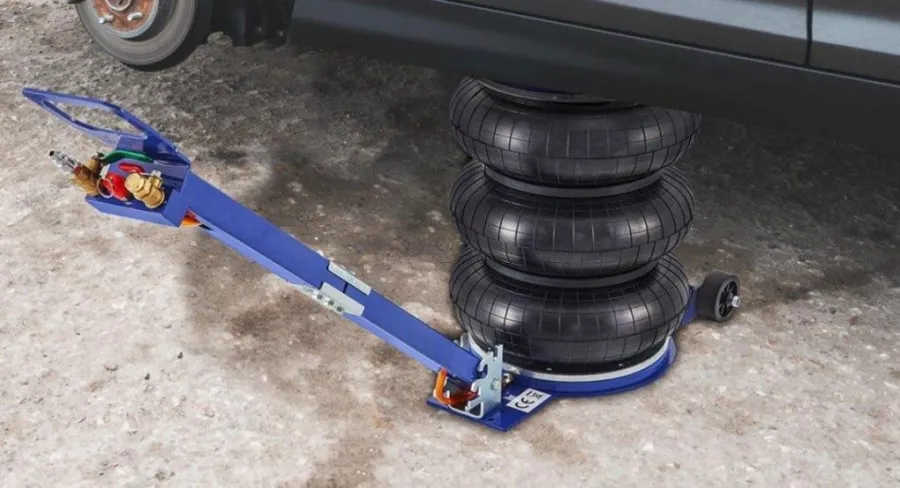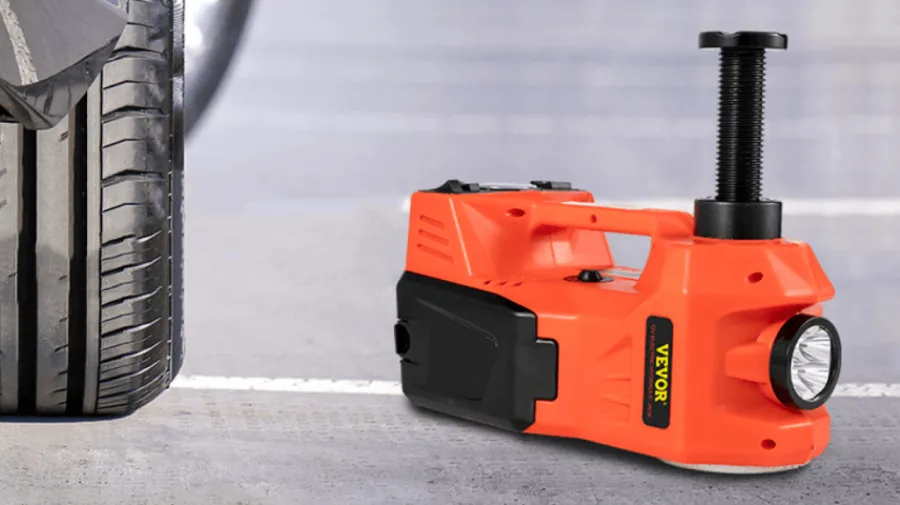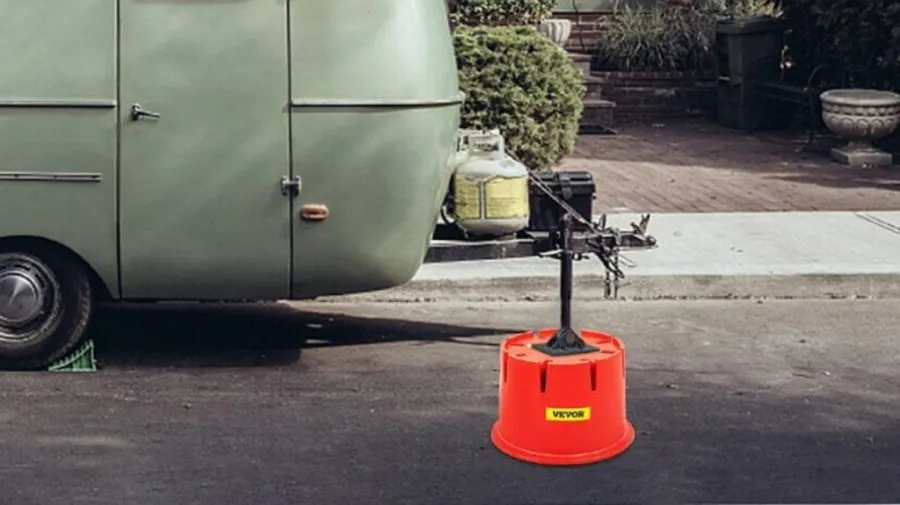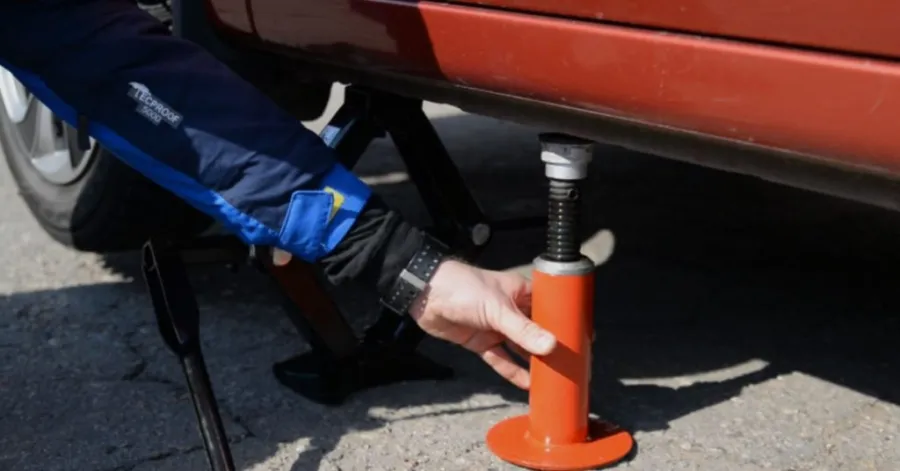
You might be thinking, where do you put a jack on a car? The answer is simple but important: always use the prescribed jacking points that your car manufacturer has marked. These reinforced areas are designed to safely hold the vehicle’s weight. Placing the Jack in the wrong spot might cause bending and cracking of metals, casting of plastics, or even lead to slips and resulting accidents. Look underneath your car to see if there are notches, flat pads, or other markings that will tell you where the car is safe to lift. Using the car jack properly protects your car and your person every time you lift.
Where Should You Put A Jack on a Car?
When asking the question, where do you put a jack on a car they are usually getting ready for a tire change or basic inspection. This is a more important step than many would realize. A car should only be lifted from strong and reinforced areas capable of supporting the car’s weight. Guessing or placing the jack under random parts can cause serious damage or sudden slipping of the jack. Bent metal, cracked plastic, and safety issues often occur as a result of poor placement. Your owner’s manual tells you exactly where the right place to put a jack on a car is, and reading it first ensures you avoid costly blunders and the lifting process remains a stable and controlled one.
What Are Jacking Points on a Car?
Jacking points are reinforced sections that are built into the frame of the vehicle to enable it to be safely lifted. Manufacturers make these areas to bear the car’s weight without bending (or shifting). You will normally find them near the wheels, since this is the strongest part of the structure. They can be found in the form of flat pads in the metal, pinch welds, or small notches in the bottom. Some cars have arrows or markings to help place them. Learning how to find the jack points on a car is an important task because using the wrong area can cause damage to body panels or unsafe lift conditions. Correct jacking points allow the car to be balanced in different locations of lifting and minimize the risk of accidents.
Common Locations of Jack Points on a Car
Most vehicles are laid out rather similarly as far as the jack point location is concerned. These areas are often under the rocker panels just behind the front wheels and just in front of the rear wheels. Many cars use pinch welds, too, reinforced seams running along the underside of the car. Some models feature a solid cross member in the middle. These reinforced features are a very clear indication of where to put a jack to change a tire without damaging the vehicle. Knowing these places aids in the best use of a car jack without its damage, especially for picking up the car on uneven ground.
How Jack Point Locations Vary by Vehicle Type
Jack point placement may vary for the type of vehicle you drive. Sedans and hatchbacks usually have four standard lift points, one near each wheel of the vehicle. SUVs and trucks tend to have stronger areas in their frames, or points at the axles, because of their size and weight. Some contemporary vehicles conceal jack points behind plastic trim that has to be moved aside carefully. This variation often leads drivers to think about where do you put a jack on a car for their specific car model again. Checking the manual helps to ensure proper placement, to protect the structure of the vehicle, and to make the lifting process safe and predictable.
How to Locate the Jacking Points on your car
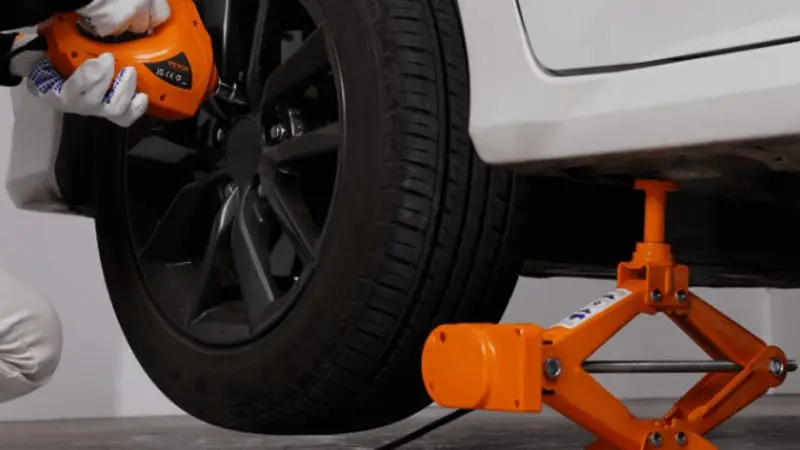
Finding the proper jacking points is an important step before raising any vehicle. These points will help ensure the car’s weight is safely and evenly distributed.
Knowing where they are will help ensure that they don’t get damaged, and the lifting process will be stable.
Check Your Owner’s Manual
The safest way to start is to look at your owner’s manual. It clearly demonstrates how to locate the points for the jack on a car for your model. Reinforced areas made for lifting are pointed out by diagrams. These spots are tested by the manufacturer and can safely withstand the weight of the car. If you do not have a printed manual, digital versions are typically available online. Using the manual takes the guesswork out and indicates the correct spot to put a jack on a car that will keep you and the car safe.
Look for Visual Cues Under the Car
You can also check out the car jack points by looking underneath the car. Most vehicles have small notches, grooves, or flat pieces of reinforced metal on the pinch welds, usually behind the front wheels and in front of the rear wheels. Some cars are equipped with arrows or stickers directing to these spots. Identifying these cues indicates where to place a jack in order to change tires without endangering safety. Avoid rusted and damaged areas as they may not support the car properly.
Identify Factory Jack Pads
Some cars have inbuilt jack pads, which consist of thick rubber or metal. These pads are attached to the frame near each wheel and help the jack to remain secure. Sedans typically have four primary pads, and SUVs and trucks can have additional pads on the frame and or near the axles. These clearly indicate where do you put a jack on a car and support the best way to use a car jack without damage and keep the car stable during lifting the car.
How to Use a Car Jack Safely
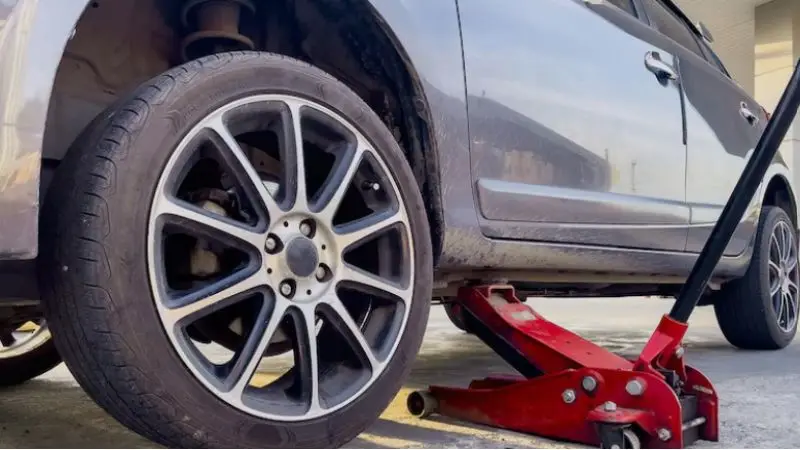
Using a car jack correctly is important to ensure that you don’t damage it or get injured. A consistent method, proper placement, and careful lifting are all that is required.
Following these steps means that the car will not move while you are working on it.
Prepare Your Car Before Lifting
Before you lift, check to see that your car is in a flat, solid place, such as on concrete. Set the parking brake and put wheel chocks behind the tires that will be standing on the ground. This prevents the car from rolling over. Work: Gather your tools: a car jack, jack stands, and your owner’s manual. For additional safety, wear gloves and closed-toe shoes. Avoid lifting on soft ground or a slope, as they could cause the jack to slip or sink. By taking these precautions, the lifting process becomes safer and smoother.
Position the Jack Correctly
Always identify the proper jacking point before putting your jack down. If you are unsure, check your owner’s manual to find out where the right place for the jack on a car. Slide the jack under the reinforced area, making sure it is flat and lines up properly. For a scissor-type jack, rotate the handle until the top meets the jacking point. For a floor jack, pump the handle until the saddle is in contact with the car. Check that the jack is sitting on level ground, that it is not leaning, and is stable. Proper positioning is critical as the best way to use a car jack without causing damage.
Lift and Lower the Car Safely
Raise the car slowly while being close to watch the jack and the vehicle. Stop as soon as the car begins to roll or the jack starts to move. Once the car is high enough, place jack stands under the car near the jacking point and lower the car gently onto the jack stands. Never work under a jack-supported car!! When done, lift the car up a little, remove the jack stands, and bring the car down to the ground. Understanding where to position a jack for a tire change and using jack stands is definitely essential to ensure safety and avoid damage to your vehicle. Always consider the weight limit of the jack and properly support the car.
Safety Tips When Using a Car Jack
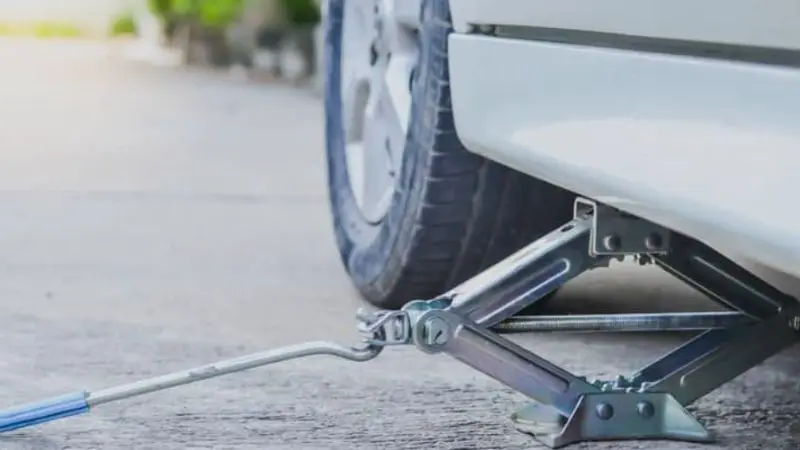
Safety is the most important aspect of lifting a car. Using the proper precautions helps to protect you and your vehicle.
Following these steps will ensure that the process remains controlled and without any hazards.
Wear the Right Safety Gear
Before lifting, wear gloves for protection, closed-toe shoes for protection against your feet, and safety glasses to protect against the dust or debris that may be present. Keep a flashlight handy to see clearly where the jack and jack stands are. Checking your gear before you start out helps to ensure you can secure the car and that you don’t get injured. Proper preparation makes lifting safer and gives you confidence in where to put a jack on a car.
Avoid Hazards While Lifting
Always work on flat, solid ground. Uneven surfaces provide more opportunity for the jack to tip or slip. Keep pets and children away from the area, and never put the jack under weak areas such as the floor pan or exhaust. Make sure the jack is flat and stable before lifting. Check out the jacking point forrust or damage and select a safer location if necessary. Taking your time and ensuring that every step is double-checked ensures that you are following the best way to use a car jack without damage and also ensures that there are no accidents.
Use Jack Stands for Additional Safety
After raising the car with a jack, always put jack stands underneath the good frame rails. Never use the jack alone; use two jack stands on either side for stability. Make sure that the stands are sitting flat and do not wobble. Once the car is on the jack stands, gently push it to make sure that it is stable. Using jack stands provides additional security while working underneath the car, as well as ensuring safe lifting while performing a task such as changing a tire. Proper use of jack stands is key to knowing where to place a jack for a tire change safely.
Mistakes to Look Out for When Lifting a Car
Lifting a car can be dangerous when you make common mistakes. Errors with the placement of jacks, the choice of surface, or the weight limits may cause damage to your vehicle and put you in danger.
Following these guidelines helps you lift safely and use jack stands correctly.
Be Careful Not to Put the Jack in the Wrong Spot
Always put the car jack on the correct jacking point. Using weak areas such as the floor pan, exhaust, or bumper can cause metal to bend or plastic to crack. When it comes to lifting the front, refer to your owner’s manual to know where the proper place is to put a jack on a car. For side lifts, use the area of reinforcement close to the pinch weld. Never lift the car from the side without checking. After lifting the car, always try to use jack stands to support the car. Correct placement is the best way to use a car jack without damage to the car jack and to yourself and your car.
Do Not Lift on Unstable Surfaces
Choose a strong and flat surface, such as concrete or asphalt, before lifting your car. Avoid gravel, grass, or slopes that the jack can sink or tip over. Jack also needs a flat, stable surface in order to keep the car safe. Check the ground first whenever lifting, especially those on the rear or side of a car. A sound surface makes lifting safe enough to avoid accidents and makes it easier to know where one can place a jack for a tire change.
Follow Weight Limits Carefully
Every jack and jack stand has a weight limit. Using equipment that will not support your car can lead to failure and serious injury. Always check the weight of your car in your owner’s manual, and look for jack stands designed for that weight. It is dangerous to use undersized jack stands or to overload the jack. Following weight guidelines is crucial for determining where to place the jack on a car and for safe lifting each and every time.
What to Do If You Don’t Know Where the Jacking Points Are
Sometimes it can be difficult to find the right jacking points. To be safe and prevent damage to your car, knowing what to do in this situation prevents you from being in harm’s way.
Following the right steps, you ensure that you are lifting only from reinforced areas.
Check the Manual or Manufacturer
If you can not find the jack points, start with your owner’s manual. Look for sections such as “Lifting the Vehicle” or “Jacking Instructions.” The manual will usually contain uncomplicated diagrams of where the reinforced spots are on the map. If you do not have a printed copy, several car manufacturers offer digital manuals online. You can also call your dealership for advice. Using the manual or manufacturer’s instructions makes sure that you know where the correct spot to put a jack on a car and lowers the risk of mistakes.
Call a Professional if in Doubt
If you are still unsure or any rust or damage appears around potential jacking points, contact a professional mechanic. Mechanics know how to locate the jack points in a car and can lift a car safely with no harm inflicted. Never guess and don’t take risks, as lifting in the wrong place may bend the frame or cause dangerous situations. Calling a professional is the safest bet when markings are questionable or you aren’t sure about the process.
Temporary Lifting Solutions
In cases of emergency, no one is saying you shouldn’t lift your car if it just can’t be avoided, but give the jack points a wide berth and use extreme caution. Never put the jack on any plastic, thin metal, or exhaust areas – only put the jack on strong and flat metal areas. You should always use jack stands for additional support. Temporary methods of lifting are risky and are to be used as a last resort. Once it’s possible, find the correct jacking points or refer to your manual to avoid damage in the future. Following the steps will ensure the best way to use a car jack without damage, even in emergencies.
Wrap-Up
Knowing where to put a jack on a car and how to use it safely is essential to every driver. Always find reinforced jacking points either from the owner’s manual or visible clues under the vehicle. Lift the car on a level, hard surface and use jack stands for additional support. Avoid weak areas, unstable ground, and exceeding weight limits in order to avoid damage or injury. Whether you are changing a tire or doing some maintenance, these steps will ensure that your car is safe and stable. Careful preparation work, proper jack placement, and normalized safety practices make lifting your car easy and worry-free.
FAQ
What do you do if you cannot locate your car’s jacking points?
The first thing you should do is check your owner’s manual. If you still are not able to find them, check under your car for notches or reinforced pads. When in doubt, ask a mechanic for help. Never guess the location.
Can you use a car jack on all surfaces?
You should only use a car jack on flat, solid ground such as concrete or asphalt. Avoid grass, gravel, or sloped surfaces. These can cause the jack to slip or sink that puts you at risk.
How to safely change a flat tire using a car jack?
First, park on level ground and set the parking brake. Put wheel chocks in the back of the tires. Have the jack in the correct jacking point. Raise the car either and use jack stands for safety. Replace the flat tire and lower the car slowly. Always be sure the jack is properly seated before lifting your car.
Do you need jack stands if you are only changing a flat tire?
You do not always need jack stands for a quick flat tire change. However, jack stands also provide you with extra safety in case you plan on working underneath the car, or the ground is uneven.
What is the weight capacity for most car jacks?
Most car jacks have a capacity of 2,000 to 4,000 pounds. You should look at the label on your jack and the weight of your car in your owner’s manual. Never exceed the rated capacity of the jack.