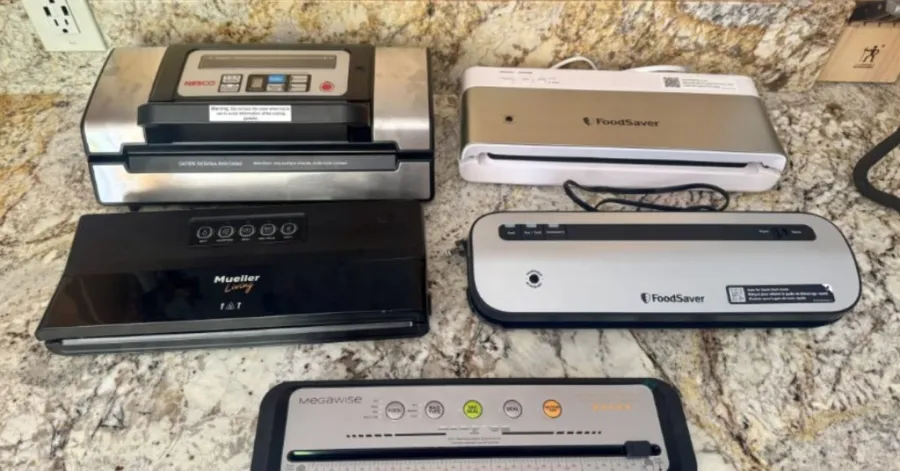
Vacuum sealers are highly beneficial equipment for preserving food for longer and reducing waste at home or in business operations. They operate by removing air from special bags and then sealing them tightly, ensuring that food is not exposed to moisture, bacteria, or freezer burn. When selecting the appropriate machine, many people feel lost because there are various models. Understanding the differences between vacuum sealer types can help you make a better choice based on your needs. No matter what you are storing, whether dry food, liquids, or bulk items, the appropriate vacuum sealer can enhance food storage, freshness, and overall efficiency in the kitchen.
- What Is A Vacuum Sealer And How Does It Work?
- Main Types Of Vacuum Sealers Explained
- Key Differences Between Vacuum Sealer Types
- Which Vacuum Sealer Type Is Best For You?
- Pros And Cons Of Each Vacuum Sealer Type
- Common Mistakes When Choosing A Vacuum Sealer
- Easy Tips To Get The Best Results From A Vacuum Sealer
What Is A Vacuum Sealer And How Does It Work?
Vacuum sealers are basic devices that help preserve food, making it last longer. What they do is take the air out of a bag, then seal it so no air can get back in. This will reduce spoilage and ensure food remains safe. To learn more about this topic, it is better to know how to select the proper type of vacuum sealer for your needs before purchasing one.
Now we are going to observe the simple steps for working.
Simple Explanation of the Vacuum Sealing Process
Sealing with a vacuum is a very easy procedure. The food is placed in a plastic bag, after which the machine removes the air from the bag and seals it completely. Food does not go bad quickly in the absence of air. When reading about this process, many people ask what the difference is between the types of vacuum sealers. It primarily depends on how the machine removes air. Vacuum sealers are also available in various types for use at home and in the workplace. Home models are small and commercial, more powerful. The primary purpose is always the same: to remove air and ensure the food remains fresh, thereby extending shelf life.
How Air Removal Helps Preserve Food
The most important aspect of vacuum sealing is removing air. Oxygen is present in the air, which is why food spoils more quickly. By eliminating air, bacteria and molds multiply much more slowly. This preserves food longer and in a safe condition. To understand which system is more effective at removing air, people tend to compare the chamber vs. the external vacuum sealer, which is better. You may also wish to determine the best type of vacuum sealer to use for storing and preserving your food, according to your requirements. This is also a way to avoid freezer burn and preserve the taste and texture of food to allow longer usage.
Basic Components Of A Vacuum Sealer
A vacuum sealer contains a relatively small number of parts that function as a system. They consist of a vacuum pump, a sealing bar, and special bags. The air is eliminated by the pump, and the sealing bar ensures the bag is sealed firmly. These sections help preserve fresh and safe food. People also consider the various types of vacuum sealers available in the market, both domestic and commercial. Small and easy to use, home models are stronger and faster than commercial ones. All components play significant roles in food preservation.
Main Types Of Vacuum Sealers Explained
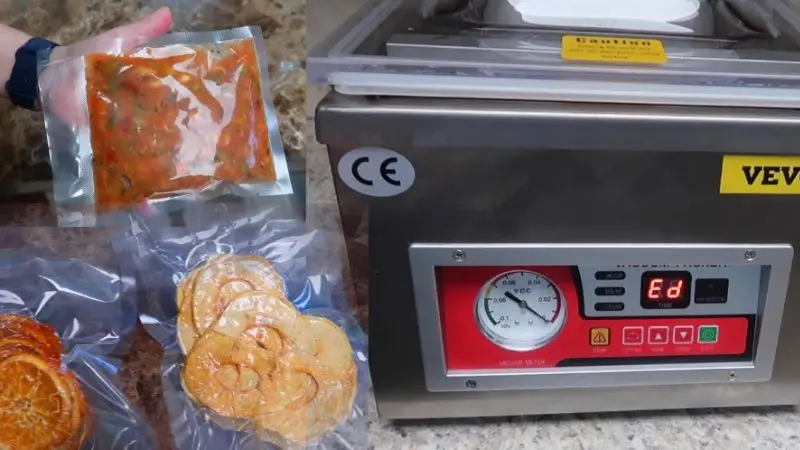
Vacuum sealers also come in various types, each designed to suit specific needs. Some are designed for home use, and others are built for heavy commercial work. With these differences in mind, you can easily choose the correct machine. This part will also explain the differences between the types of vacuum sealers in a simple way, so you can settle on one you would like to use in your kitchen or business.
We will now consider each type in particular.
External Vacuum Sealers (Clamp Sealers)
The most common type is the external vacuum sealer, widely available in homes. They operate by placing the open end of a bag outside the machine, then squeezing the air out and sealing the bag. The food remains in the bag while the machine removes air through the hole. These sealers are popular for their simplicity and low cost. They are used by most people when learning about various types of vacuum sealers for home and commercial use, since they are user-friendly. They are ideal in dry foods such as snacks, grains, and vegetables. They, however, do not work well with liquids, and heavy use may reduce their performance over time.
Chamber Vacuum Sealers
The chamber vacuum sealers operate differently from the external models. The entire bag is inserted into a chamber in this system, and all the air is pumped out of the entire space. This enables a more powerful and balanced seal. These machines are used in restaurants, food companies, and commercial kitchens. They are sometimes taken into consideration when the question arises as to which is better between a chamber and an external vacuum sealer, which is the best to use in heavy-duty operations. Chamber sealers are ideal for liquid foods, sauces, and marinated foods since they do not spill during sealing. They are strong, robust, and suitable for high-volume food preservation.
@meatfreakz #vevor #kitchengadgets #tiktokshop @Vevor_US @Anginen666 @Texas Legends BBQ
♬ original sound – MeatFreakz
Handheld Vacuum Sealers
Handheld vacuum sealers are compact, portable devices that are lightweight and convenient. They are portable, can be stored anywhere, and are ideal for small kitchens or when traveling. These sealers work by sealing over special bags or containers and then removing the air with a small motor. They are a good choice when one needs to know which type of vacuum sealer is most appropriate for storing and preserving food in a simple, affordable way. Nevertheless, they cannot be used for large volumes or heavy-duty sealing. They are most effective in snacks, leftovers, and small portions of food.
Key Differences Between Vacuum Sealer Types
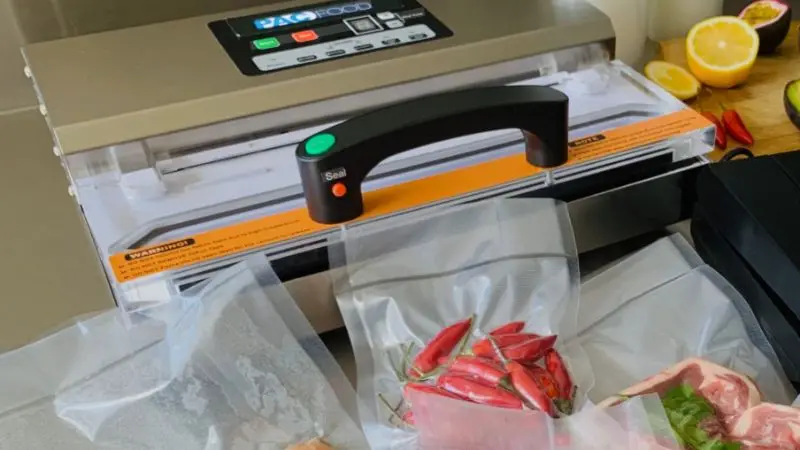
Understanding the differences between vacuum sealer types can help you select the right one without confusion. All types are designed to suit various needs, budgets, and food storage habits. Some machines are easy to use at home, whereas others are robust and suitable for commercial kitchens. The differences also help you understand how to select the appropriate type of vacuum sealer to meet your needs in a practical way.
And then we shall decompose the main differences between a balanced and a simple way.
Performance And Sealing Strength
One of the most significant differences between vacuum sealers is performance. It indicates a machine’s effectiveness at removing air and closing the bag.
- External sealers have moderate power and are suitable for daily household use.
- Chamber sealers are powerful, even those used in heavy-duty applications.
- Handheld sealers are low-powered and can be useful in small jobs.
That is why many users compare the chamber and external vacuum sealers to determine which is more powerful. To be more exact, more powerful machines provide greater freshness and extended food storage.
Cost Differences
Another significant factor to consider when purchasing a vacuum sealer is price. The types are available on various price scales, depending on their characteristics.
- External sealers are cheap and are commonly used in residential premises.
- Chamber sealers are very costly,y yet they provide professional work.
- The most affordable type of sealer is the handheld sealer, which is used on a light basis.
Cost is usually the determining factor when choosing among various types of vacuum sealers for home and workplace use. The higher price typically indicates greater longevity and additional features.
Usage Level (Home Vs Commercial)
The vacuum sealers are designed to meet different usage levels, depending on the frequency and quantity of food you store.
- External or handheld sealers are often preferred by home users for light use.
- Chamber sealers are used by commercial users for continuous operation.
- Heavy-duty kitchens require machines capable of processing large volumes of food.
The most common question in comparing the usage of two types of vacuum sealers is: What is the difference between the two types of vacuum sealers? The mere explanation is workload: home use is only frequent, whereas commercial use is frequent and heavy.
Food Type Compatibility
Various sealers are also better suited to various types of food. The selection of the correct one will depend on what you intend to store.
- Dry foods such as grains, snacks, and vegetables are best in external sealers.
- Chamber sealers are easy to use with both dry and liquid foods.
- Small portions of food and soft storage items are best served using handheld sealers.
This is significant when choosing the most suitable type of vacuum sealer to use in storing and preserving foodstuffs. Chamber sealers will be the most suitable option in case you store liquids or marinated food.
Which Vacuum Sealer Type Is Best For You?
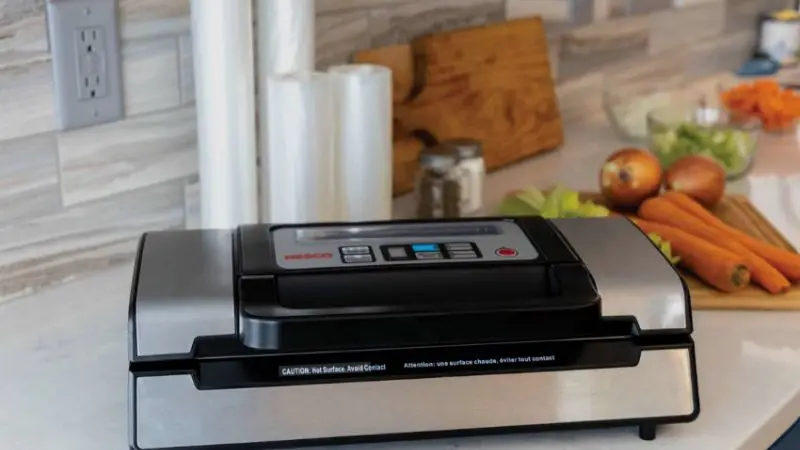
The type of vacuum sealer you choose is dependent on your intended use of the device. Others just require it as a simple home storage, whereas others require it as a regular or heavy food storage. Knowing how you are using it will make you avoid using up a lot of money or purchasing the wrong machine. This is where the issue of how to select the correct type of vacuum sealer to suit your needs comes into the picture and becomes quite important in real-life decision-making.
We should divide it into parts according to various users.
For Home Users
When you are a home user, you tend to require a simple and easy-to-use machine. The majority of these people do not have lots of food stored, so a simple model will be effective.
- The most appropriate choice is the external vacuum sealers.
- Simple to clean, use, and store in small kitchens.
- Good, the everyday foods such as snacks, vegetables, and leftovers.
The question What’s the difference between vacuum sealer types before buying is also commonly answered by many home users who often find that simple external models are all they require.
For Small Families
Small families require a compromise between performance and convenience. They can keep food in slightly larger amounts, yet not on a commercial scale.
- External sealers that have higher suction are also suitable.
- Quick and small sealing jobs can be assisted with the help of handheld sealers.
- The chamber sealers might prove handy in case you keep liquids or marinated meat.
Individuals in this group tend to compare various vacuum sealer options for home and business use to find a middle ground, so they can afford an efficient product for preparing and storing meals weekly.
For Business Or Bulk Storage
To use in a business or to store large amounts of food, powerful and durable machines are needed. These sealers are made to be used continuously and on large amounts of food.
- The vacuum sealers that will best suit heavy-duty applications are the chamber vacuum sealers.
- They can easily deal with liquids, sauces, and huge food batches.
- Perfect for the restaurant, catering, and food companies.
It is here that most professionals compare the chamber vs external vacuum sealer, which is better, and would obviously give preference to the chamber models. They also focus on the type of vacuum sealer best suited for storing and preserving food to ensure good shelf life and product quality.
Pros And Cons Of Each Vacuum Sealer Type
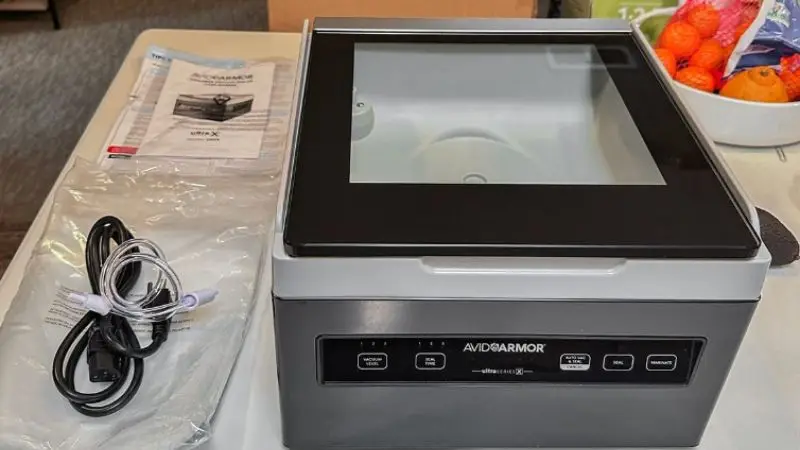
All types of vacuum sealers possess their advantages and disadvantages. Knowing these assists you in choosing the appropriate one depending on ease of use, durability, and price. Rather than being lost in the choices, a simple comparison between choices makes things more definite and practical. This also relates well to how to select the correct type of vacuum sealer that best fits your needs to help you avoid spending a lot of money or buying a lot of money.
We shall compare each type in a simple and easy-to-read format.
External Vacuum Sealers (Clamp Sealers)
The most popular and easiest to use is external sealers. They can be used for normal home use, but they also have certain limitations.
Pros:
- Simple to operate and easily accessible.
- Affordable and budget-friendly
- Good for dry food storage.
Cons:
- Should not be used with liquids or wet food.
- In-between sealing power relative to chamber models.
- May is easily worn out when used heavily.
They tend to be the choice of people who are looking for different types of vacuum sealers for use at home and in the workplace, since they provide a good starting point.
Chamber Vacuum Sealers
Chamber sealers are powerful devices that are primarily used in commercial kitchens. They are good performers but are expensive.
Pros:
- Heavy and professional-grade sealing.
- Good with liquids, sauces, and marinades.
- Very strong for use on a heavy day.
Cons:
- Very costly in comparison with other types.
- Occupies more space in the kitchen.
- No light home use required.
That is why many specialists compare the chamber vs. external vacuum sealer to see which is better and invest in one.
Handheld Vacuum Sealers
Small, portable, and designed for light use, handheld sealers are ideal for light use. They are ideal for quick sealing applications and not for heavy storage applications.
Pros:
- Very portable and lightweight
- They can be easily stored and used anywhere.
- Low-cost approach to newcomers.
Cons:
- Minimal power and sealing strength.
- Not suitable when in large amounts.
- Uses particular bags or containers only.
When trying to find the most suitable type of vacuum sealer to store and preserve food in small kitchens or when traveling.
Common Mistakes When Choosing A Vacuum Sealer
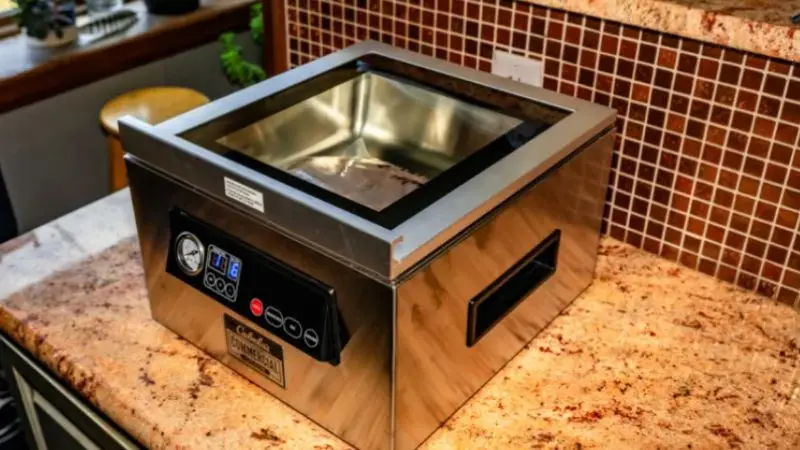
Most individuals end up rushing into a purchase without a clear picture of what they really need. This typically results in low performance, financial loss, or frustration when using it. A more intelligent solution would be to thoroughly consider before choosing a machine and how to use it. This is closely related to selecting the right type of vacuum sealer for your storage needs and the types of food you usually store.
We will discuss the most popular errors in a simplistic manner.
Buying Without Checking Usage Needs
The first mistake is to buy a vacuum sealer without considering the frequency of use and the amount of food it can hold. Others will buy heavy-duty machines when they just require power for light use in their homes, and others buy simple machines and realize that they require more power as they may use it on a frequent basis or to store a large amount of goods. Such a misunderstanding may be created easily when users are unaware of the difference between the two types of vacuum sealers in detail before proceeding to make a selection. As a result, they will result in higher costs or purchasing a machine that fails to satisfy their expectations, which may impact the quality and convenience of food storage.
Ignoring Bag Compatibility
The next error that lots of buyers make is disregarding bag compatibility. Not every vacuum sealer can be used with the same type of bag, which may lead to issues in the future. External sealers may also require specially textured bags to achieve a proper seal, and chamber sealers may use smoother and more flexible bags without problems. When the wrong sort of bag is used, it can cause poor sealing of the bag or leakage of air, which reduces the freshness of food. This is even more significant when one compares various models of vacuum sealers for home and commercial use, as each system has specific bag specifications that should be adhered to to ensure the best results.
Overlooking Maintenance Requirements
Maintenance is another consideration that most people have when purchasing a vacuum sealer. They concentrate only on features and price, yet forget that every machine requires a certain degree of regular maintenance to ensure efficient operation in the long run. To ensure high seals, the sealing bar must never be used carelessly, and in the chamber, style filters and internal parts may also be subjected to commonsense inspections. The inability of the performance maintenance can lower the performance, and the machine can fail to last as long as it should. This becomes even greater when deciding the best vacuum sealer to use when putting food in storage and preservation, of food, since the correct types will directly reflect on the freshness of the food, its durability, and its consistent reliability in the long term.
Easy Tips To Get The Best Results From A Vacuum Sealer
The appropriate use of a vacuum sealer can not only keep food fresh significantly longer but also enhance the quality of sealing. Even a good machine may produce poor results if improperly used or maintained. Little things can go a long way toward performance and food safety. This also comes in handy when deciding which type of vacuum sealer you may need. With proper use, you will get more out of any model you use.
We shall consider a few simple and useful hints.
How To Seal Food Properly For Strong And Air-Free Packaging
Good sealing starts with the correct management of the bag and machine. It is important to ensure the bag aperture is flat and straight in the seal zone, and this means the air needs to be removed. The seal may be weak, resulting in the reintroduction of air in case the bag is folded wet or dirty at their edges. This is another thing to remember, not to fill up the bags until they can be closed in order to keep them well closed. This knowledge of the specifics of different types of vacuum sealers can help you adjust your approach, as external and chamber machines operate differently. Food freshness and increased storage reliability are associated with proper food sealing.
How To Store Vacuum-Sealed Food To Keep It Fresh Longer
Once food has been sealed, proper storage is essential to keeping it fresh. The freezer is to store frozen products, and dry goods (such as rice or snacks) are to be kept in a cool and dry place. In the case of packaged foodstuffs, exposure to heat or direct sunlight should be avoided since it can negatively affect the quality of such food products in the long run. People who research different types of vacuum sealers, home and commercial, also get to know that the requirements of storage are different depending on the type of food. Long-term freshness and reduction in food waste can be achieved by proper storage, as vacuum sealing can.
How To Take Care Of Your Vacuum Sealer For Long-Term Use
When you take care of your vacuum sealer a few times, it will perform better and will last longer. Clean the sealing area after use to remove food particles or moisture that may interfere with the next sealing’s strength. Regularly check machine parts to ensure that all is going well. Certain machines, particularly chamber sealers, might require more in-depth care than the simple models found in homes. This is even more critical when determining the most appropriate vacuum sealer for storing and preserving food, as proper maintenance leads to superior performance, longer machine life, and consistent sealing results over time.
Wrap Up
Vacuum sealers are handy devices that can be used to preserve food, minimize waste, and enhance long-term storage. It is not merely a matter of purchasing any machine, but of ensuring you acquire the right one for your requirements, budget, and level of use. It is a lot easier to make the right choice when you have a clear understanding of the differences. This also relates to the question of how to select the type of vacuum sealer best suited to their needs, which is the most crucial thing to consider before making a purchase.
FAQ
What Is The Major Difference in Vacuum Sealer Type?
Their primary distinctions are how they eliminate air, how tightly they can seal, and the types of food they can handle. External sealers are easy and preferred in the case of home applications, whereas the chamber sealers are more robust and are used in commercial operations.
What Vacuum Sealer is the best option to use at home?
External vacuum sealers are most suitable for most homes as they are easy to use, affordable, and can be used in everyday food storage, such as snacks, vegetables, and leftovers.
Do Vacuum Sealers hold liquids?
Yes, however, not all types manage liquids safely. Chamber vacuum sealers are most suitable for liquids and wet foods, whereas external sealers are generally more effective for dry foods.
What is the Shelf Life of Vacuum-Sealed Food?
Food vacuum-packed can take much longer to expire than when stored without vacuum packaging. Frozen foods can last months, and dry foods last weeks or even months, depending on the storage environment.
Are Vacuum Sealers Maintained?
No, it is not in vain that they clean and take good care of them. Maintaining the sealing zone and periodically inspecting parts helps enhance performance and prolong machine life.