The right paint for your kitchen cabinets is important, for both appearance and durability. Your paint choice should be sturdy and durable, as kitchen cabinets are used daily and are exposed to grease, moisture, and cleaning. The right paint will resist peeling, chipping, and fading, keeping your cabinets looking fresh and easy to clean. Besides, it adds a modern or traditional touch to your kitchen. Choosing the right paint will not only protect your cabinets but also add value and beauty to your area.
In the following, we will discuss what type of paint to use on kitchen cabinets and how to choose the right one for lasting effects.
- Best Types of Paint for Kitchen Cabinets
- What Finish Is Best for Kitchen Cabinets?
- How to Choose the Right Paint for Your Kitchen Cabinets
- Do You Need Primer Before Painting Kitchen Cabinets?
- How to Paint Kitchen Cabinets Like a Pro
- Common Mistakes to Avoid When Painting Kitchen Cabinets
- DIY vs Professional Cabinet Painting
Best Types of Paint for Kitchen Cabinets
@araujoeldelaford Vevor sprayer #vevortools #vevor #tool #tools #araujoeldelaford
♬ sonido original – Santy Chivas 🐐❤️.
Acrylic Paint for Kitchen Cabinets
What type of paint is best for kitchen cabinets wood? If you prefer a smooth, firm finish, you can go for acrylic paint. Acrylic paint dries swiftly and is chip-resistant. It’s easy to clean, which is crucial in a kitchen. Many individuals favor acrylic paint because it doesn’t have a strong smell. It can be used on wood or MDF cabinets. Bright colors that stay are created with acrylic paint. Acrylic paint is ideal for kitchen cabinets.
Alkyd Paint for Cabinets
Alkyd is like an oil-based paint, but it can be cleaned away with water. You obtain a tough finish that can take everyday use. What paint to use on kitchen cabinets for durability? Alkyd paint is a good choice if you want your cabinets to look like new for a long time. It can be used on numerous surfaces. Alkyd paint dries more slowly than acrylic paint, but it provides a smooth finish. Pros often recommend alkyd paint for a tough finish.
Latex Paint for Kitchen Cabinets
Latex paint is easy to apply and dries quickly. You can wash it with soap and water. Latex paints are not too smelly. Latex-based paints, the best paint for kitchen cabinets without sanding, can be used to paint wood, laminate, or metal cabinets. The paints will not yellow over time. If you want an easy solution, latex-based paints work well for most cabinet paint jobs.
Oil-Based Paint for Kitchen Cabinets
Oil-based paints are the best paint for kitchen cabinets that don’t chip and provide a very durable finish. You can choose oil-based paints if you want cabinets that are scratch- and stain-resistant. Oil-based paints dry more slowly but last longer. You will need mineral spirits to clean up oil-based paint. Kitchens with heavy traffic often use oil-based paints. Oil paints perform nicely on wood and other surfaces.
Tip: Always check the label to see if the paint is compatible with your cabinet material.
| Paint Type | Durability | Ease of Cleaning | Dry Time | Odor Level |
| Acrylic Paint | High | Easy | Fast | Low |
| Alkyd Paint | Very High | Easy | Medium | Medium |
| Latex-Based Paints | Medium | Easy | Fast | Low |
| Oil-Based Paints | Very High | Moderate | Slow | High |
What Finish Is Best for Kitchen Cabinets?
Satin Finish vs Semi-Gloss for Cabinets
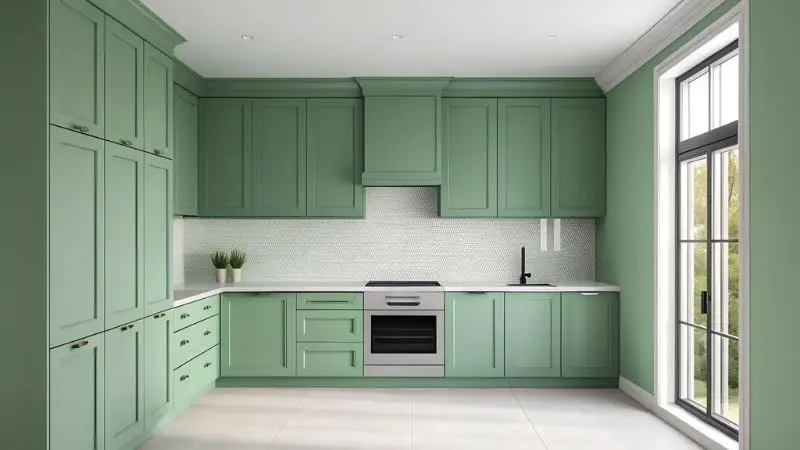
What kind of paint to use on laminate kitchen cabinets? Two of the most typical finishes for kitchen doors are satin and semi-gloss. Each offers a distinctive design for your kitchen. Cabinets with a satin finish appear soft and smooth, and light doesn’t bounce off them much. This makes them excellent for a modern, clean, and modest design. It also covers smudges, fingerprints, and minor scratches better than glossier finishes, making it a fantastic choice for houses with lots of people who are always on the go.
The finish is semi-gloss, which is brighter and reflects more light, making the cabinets’ color pop more. This finish is commonly used in traditional or bold kitchen designs because it gives the kitchen a clean, stunning appearance. But the semi-gloss can make lines, fingerprints, and other surface imperfections more apparent. If you have kids or pets, a smooth surface might be ideal for disguising daily wear and minor dings.
Why Glossy Finishes Are Easier to Clean
You want cabinets that are easy to clean, with the best paint for kitchen cabinets that don’t chip. Glossy coatings, such as semi-gloss or high-gloss, are easy to clean. Grease, food splatters, and fingerprints clean off easily. Its smooth surface does not hold dirt. Glossy cabinets are easy to clean with a moist towel.
- The glossy finish resists staining.
- You don’t need harsh cleaners.
- It cuts down your everyday duties time.
Note: Scratches and dents are more visible on glossy finishes than on satin. Choose the finish that matches your lifestyle.
How to Choose the Right Paint for Your Kitchen Cabinets
Consider Your Cabinet Material
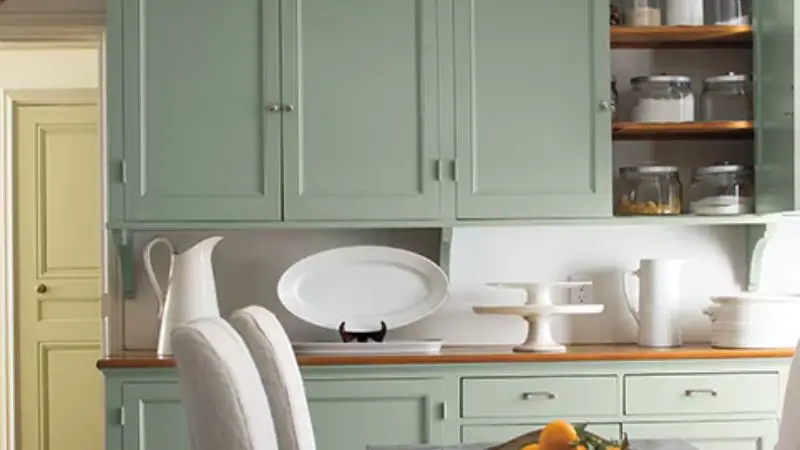
What type of paint is best for kitchen cabinets wood? Before you choose paint, you need to know what your cabinets are composed of. Wood cabinets are good with most paints. You may sand them and the paint adheres well. Laminate cabinetry requires extra attention. Use a bonding primer to prevent paint peeling. For metal cabinets, the paint needs to be rust-resistant. Always read the label to see if the paint is suitable for your cabinet material.
Tip: Try a place to see how the paint looks and feels.
Choosing Paint Based on Kitchen Usage
Consider how much you use your kitchen. If you cook every day, you need paint that can withstand grease and moisture. High-traffic kitchens require paint that is durable and doesn’t chip. Look for cabinet-specific paints; they last longer and clean up easily. The best paint for kitchen cabinets without sanding, if you don’t use your kitchen much, you might choose a paint with a softer finish.
Here is a quick guide:
| Kitchen Use | Best Paint Type |
| High Traffic | Alkyd or Oil-Based |
| Moderate Use | Acrylic or Latex |
| Low Use | Latex or Acrylic |
Budget vs Premium Cabinet Paint Options
There’s paint to suit every budget. Budget paints are cheaper but could require more coats. Premium paints cost more, but they stay longer and produce a smoother surface. To achieve the best results, invest in high-quality paint. In the long term, you will save time and money as you will not need to repaint often.
Note: Most premium paints include a primer, which saves you a step.
Do You Need Primer Before Painting Kitchen Cabinets?
When Primer Is Necessary
What paint to use on kitchen cabinets for durability? A primer is necessary when you want your paint to adhere nicely. Primer helps hide stains and makes for a smooth surface. If your cabinets have previous paint, stains, or glossy surfaces, priming helps the fresh paint last longer. Use primer when going from dark to light hues. Primer is particularly useful if you wish to utilize no-sanding paint alternatives. These paints say no sanding is required, but priming still makes a better finish.
Tip: Primer stops wood from soaking up paint and keeps your color even.
Best Primers for Cabinets
You have numerous sorts of primer to choose from. The best paint for kitchen cabinets that don’t chip, Water-based primers work well on most cabinet materials. Oil-based primers inhibit stains and smells. Shellac primes and seals difficult areas, and dries quickly. Search for primers designed for kitchen cabinetry. These primers are resistant to oil and moisture. Many brands sell no-sanding paint that contains primer. You save time. You finish strong.
| Primer Type | Best For | Dry Time | Odor Level |
| Water-Based | Wood, MDF, laminate | Fast | Low |
| Oil-Based | Stains, odors, wood | Medium | High |
| Shellac | Tough stains, glossy | Very Fast | Medium |
Primer for Laminate and Glossy Surfaces
What kind of paint to use on laminate kitchen cabinets? Laminate and shiny cabinets require extra attention. You have to use a bonding primer so the paint sticks. A normal primer may not adhere to these surfaces. Bonding primers adhere to slick surfaces and prevent peeling. If you want to skip sanding, no-sanding paint alternatives are available, but make sure to read the label. Some paints require a primer even if they state you don’t have to sand.
Note: Always test your primer in a small area first. Make sure it adheres before painting the whole cabinet.” .
How to Paint Kitchen Cabinets Like a Pro
Cleaning and Degreasing Cabinets
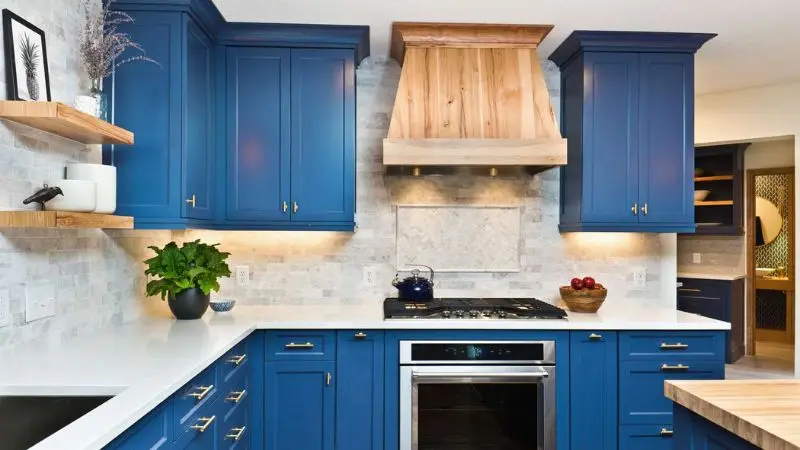
The best paint for kitchen cabinets without sanding: First, remove all cabinet doors and hardware. Use a mild cleanser or a mix of warm water and dish soap. Clean all grease and dirt-free surfaces. Pay special care to the stove and handles. Allow the cabinets to dry thoroughly before continuing on to the next step.
Sanding and Surface Preparation
Sanding helps the paint stick better. Sand the surfaces smooth (use medium-grit sandpaper). Sand with the grain of the wood. Wipe the dust off with a moist cloth after you sand. If you do not do this, the paint may flake or chip.
Best Tools for Painting Cabinets
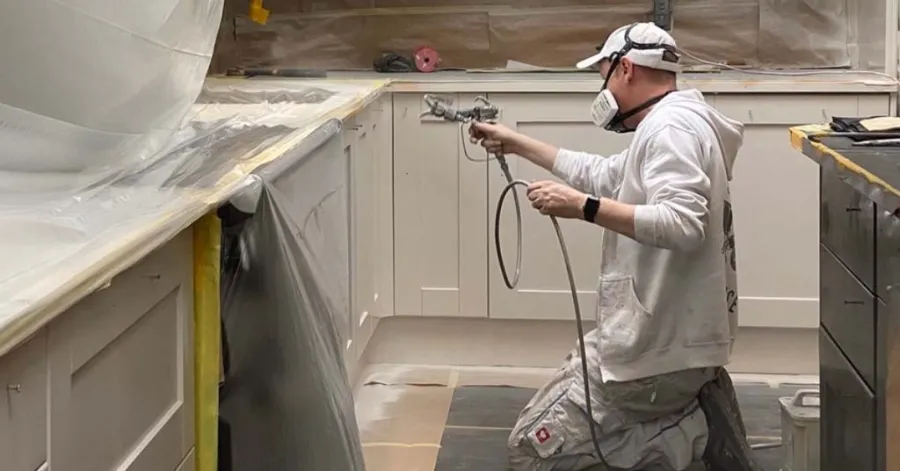
You need the right tools for a smooth finish. Use a high-quality brush for corners and edges. A small foam roller works well for flat surfaces. For a professional look, consider a paint sprayer. Always use painter’s tape to protect walls and counters.
How Many Coats of Paint Are Needed?
You need the right equipment to produce a flawless finish.” Use an excellent brush for corners and edges. A tiny foam roller works well on flat surfaces. What paint to use on kitchen cabinets for durability? For a professional finish, try a paint sprayer. Always use painter’s tape to cover walls and counters.
Drying and Curing Times Explained
Use at least two coats of paint for an even coating. Let the first coat dry before applying the second. Thin coats dry faster and look smoother. Apply a third coat if streaks or spots are visible through.
Tip: Patience leads to a longer-lasting, professional finish!
Common Mistakes to Avoid When Painting Kitchen Cabinets
Painting kitchen cabinets can really change the look of your kitchen, but even small mistakes can spoil the overall appearance. What type of paint is best for kitchen cabinets wood? Most homeowners are left with peeling paint, visible brush strokes, uneven finishes, or cracked cabinets because they skipped critical preparation steps. Avoiding these typical cabinet painting blunders can ensure a smooth, durable, and professional-looking finish.
Skipping proper cleaning
Grease and dirt are not good for paint adhesion. Before painting, clean the cabinets with a cleaner or soap and water.
Not Using Primer
Plaster also helps the paint stick better and prevents chipping. This is especially important with plywood or high-gloss cabinets.
Applying Thick Paint Coats
Thicker paints could leave drips and unevenness. Thin, even coats give a smoother finish.
Using the Wrong Paint
What kind of paint to use on laminate kitchen cabinets? You can’t paint shelves with regular wall paint, as it wears off easily. Try a cabinet paint like liquid alkyd or acrylic enamel paint.
Rushing Drying Time
Paint needs to dry and cure. Using shelves too soon can cause scratching and peeling.
Ignoring Sanding
What paint to use on kitchen cabinets for durability? A light sanding will help the paint attach better to the surface and will smooth out the finish. Paints that do not need sanding work better on surfaces that are scraped sporadically.
Using cheap brushes or rollers
Bad tools can leave brush marks and stains. “Good quality foam rollers and brushes give a cleaner, more professional look.
DIY vs Professional Cabinet Painting
You can give your kitchen cabinets a facelift with the best paint for kitchen cabinets that don’t chip, whether you do it yourself or hire a professional painter. The choice depends on your budget, time, and the finish you are looking for.
DIY cabinet painting is cheaper and works great for homeowners who love home renovation tasks. You cut labour costs, and you can work at your own pace. But painting it yourself is a time-consuming process that needs meticulous preparation, sanding, priming, and numerous coats of paint to get decent results.
It’s more expensive to have a professional paint your cabinets, but you generally end up with a smoother and more durable finish. Professionals often utilize paint sprayers and high-quality materials to achieve a factory-like appearance. It also saves time and reduces the risk of mistakes.
Painting your cabinets yourself is a smart way to modernize them on a budget. If you want a perfect finish that lasts, professional cabinet painting is a great choice.
Conclusion:
What type of paint to use on kitchen cabinets? Choosing the right type of paint is vital if you want to give your kitchen cabinets a beautiful, long-lasting finish. The most common types of paint are acrylic, enamel, and waterborne alkyd. They are durable, smooth to cover, and easy to clean. Avoid peeling, staining, and damage from everyday usage with appropriate cabinet prep and high-quality paint. Knowing the type of paint to use on kitchen cabinets also helps you get the design and finish you desire for your kitchen. With the right steps and the best paint, you can give your cabinets a professional-looking, long-lasting, and durable finish.
FAQ
Can you paint kitchen cabinets without sanding?
If you use a bonding primer, you may paint without sanding. Test a tiny area first to be sure the paint sticks well.
How long should you wait before using painted cabinets?
Allow 2-3 days before using your cabinets. The paint needs to cure and get strong.
What is the most durable paint for kitchen cabinets?
The most lasting finish comes from cabinet-grade enamel or aqueous alkyd paint. These paints stand up to chipping, stains, and grease.