You want to know what size car jack you need for your vehicle. The answer depends on your car’s weight and height. Always match the jack to your vehicle’s weight and ground clearance for safe use. Check the table below for the recommended jack size and lifting capacity for each vehicle type.
| Vehicle Type | Recommended Jack Size |
| Compact Car/Sedan | 2-ton, 12-15 inch lift |
| SUV/Crossover | 3-ton, 18-20 inch lift |
| Pickup Truck | 3-ton, 18-20 inch lift |
| Heavy-Duty/Commercial | 4-ton or higher |
What Size Car Jack Do I Need
Choosing the right car jack can keep you safe and make repairs easier. You might ask, What size car jack do I need? The answer depends on your vehicle’s weight, ground clearance, and the job you want to do. Let’s break down the key factors.
Weight Ratings
You should always check the weight rating before you buy a car jack. The general rule says you need a jack that can support at least 75% of your vehicle’s total weight. This is because you usually only lift one end of the car at a time. For example, if your car weighs 4,000 pounds, a 1.5-ton jack (3,000 pounds) can safely lift one end. Most compact cars and sedans work well with a 2-ton jack. SUVs and trucks often need a 3-ton jack or higher. Never use a jack with a lower rating than your vehicle needs. This can cause the jack to fail and put you in danger. You should know what size floor jack for a pickup truck.
Lift Height
Lift height indicates the maximum height to which the jack can raise your vehicle. You need enough height to remove a tire or work underneath. Low-profile cars require a jack that fits under the frame yet lifts high enough. Trucks and SUVs have more ground clearance, so you need a jack with a higher lift range.
Always measure the distance from the ground to your car’s lifting point before you buy a jack. Ensure the jack’s minimum height fits under your car, and its maximum height can lift your vehicle enough for the job.
Vehicle Specs
Every vehicle has different specs. You should check your car’s weight, ground clearance, and lifting points. Look in your owner’s manual for this information. If you’re wondering what size car jack you need, start by checking these details. Using the right size jack keeps you safe and protects your car from damage. Never guess or use a jack that seems “close enough.” The right car jack will let you lift your vehicle safely and easily.
Car Jack Size by Vehicle Type
Choosing the right car jack depends on your vehicle type. Each type has different weight and ground clearance. You need to match the jack’s lifting capacity and height to your car for safe and easy use. Here is a breakdown for each vehicle type.
Compact Cars & Sedans
Compact cars and sedans usually weigh less than 4,000 pounds. You can use a 2-ton car jack for these vehicles. This size gives you enough strength to lift one end of your car safely. Look for a jack with a lift height of 12 to 15 inches. This range fits most sedans and lets you change a tire or do basic repairs. If your car sits low to the ground, pick a low-profile jack. This type of slide fits under your vehicle easily.
SUVs & Crossovers
SUVs and crossovers have more weight and higher ground clearance. Most of these vehicles need a 3-ton car jack. This size supports the extra weight and gives you a safety margin. You should look for a jack with a lift height of 18 to 20 inches. This height lets you reach the lifting points and gives you enough space to remove a tire. Some SUVs have off-road packages that raise the body even higher. In that case, make sure you know what ton jack you need for an SUV and that your jack can reach the frame.
Pickup Trucks
Pickup trucks are heavier than most cars and SUVs. Many trucks weigh over 5,000 pounds. You need a 3-ton jack for most pickups. Some heavy-duty trucks may need a 4-ton jack. Choose a jack with a lift height of at least 18 to 20 inches. Trucks often have high frames, so a standard jack may not reach. Always check your truck’s specs before you buy.
- For light-duty pickups: 3-ton, 18-inch lift
- For heavy-duty pickups: 4-ton, 20-inch lift
Vans & Minivans
Vans and minivans carry more weight than sedans but less than trucks. A 3-ton car jack works for most minivans and passenger vans. You should look for a lift height of 15 to 18 inches. This range covers most van frames and lets you change a tire or do repairs. Some vans have lower ground clearance, so check the minimum height of the jack.
Sports Cars & Low-Profile
Sports cars and low-profile vehicles sit close to the ground. You need a low-profile car jack that fits under the frame. A 2-ton jack is usually enough for these cars. Look for a jack with a minimum height of 3 to 4 inches and a maximum lift of 12 to 15 inches. This type of jack lets you reach the lifting points without damaging the body. Always measure the space under your car before you buy.
Heavy-Duty & Commercial
Heavy-duty and commercial vehicles include large trucks, vans, and work vehicles. These vehicles weigh much more than regular cars. You need a 4-ton or higher car jack for these types. Look for a jack with a lift height of 20 inches or more. Some commercial vehicles have very high frames. Make sure your jack can reach the lifting points and support the weight. Always use jack stands for extra safety.
Matching jack size to vehicle type keeps you safe and makes repairs easier. If you ever wonder what size car jack you need, always check your vehicle’s specs and choose a jack that fits both the weight and the height. The correct car jack helps you lift your vehicle safely, whether you need to change a tire or do more serious repairs.
Types of Car Jacks

You will find several different types of car jacks on the market. Each type works best for specific vehicles and situations. Knowing the differences helps you pick the right tool for your needs.
Scissor Jacks
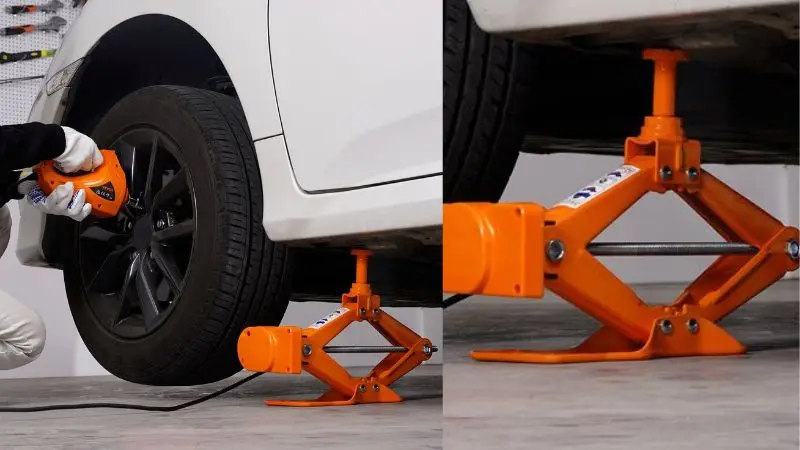
A scissor jack uses a simple screw mechanism to lift your car. You often find this jack in your car’s trunk as part of the emergency kit. It works well for compact cars and sedans.
Pros:
- Lightweight and easy to store
- Simple to use for quick tire changes
Cons:
- Limited lifting capacity
- Not ideal for heavy vehicles or frequent use
Bottle Jacks
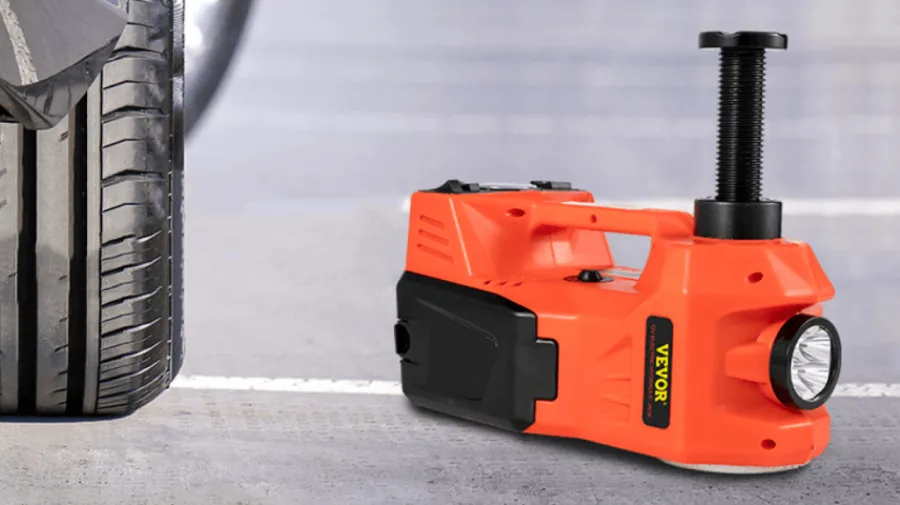
A bottle jack resembles a small bottle and utilizes hydraulic power to lift your vehicle. You can use this car jack for trucks, SUVs, and vans because it has a high lifting capacity.
Pros:
- Lifts heavy vehicles with ease
- Compact and portable
Cons:
- Needs more ground clearance to fit under your car
- Not stable on uneven surfaces
Floor Jacks
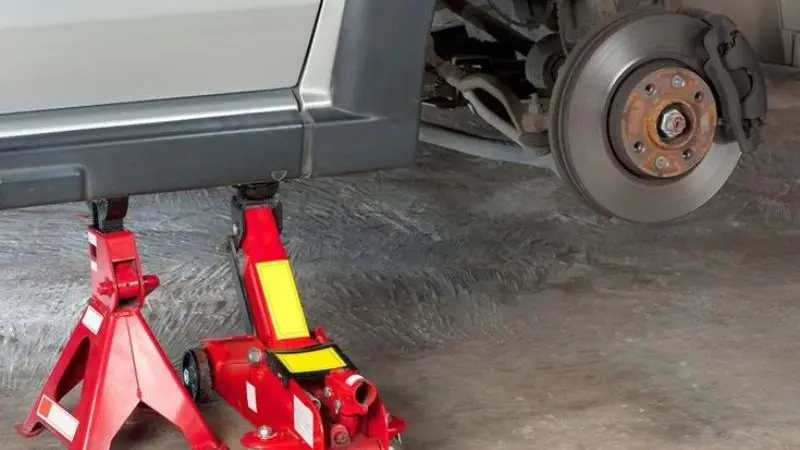
A floor jack rolls on wheels and uses a hydraulic arm to lift your vehicle. You will see this jack in most auto shops. It works well for almost any vehicle, from sedans to trucks.
Pros:
- Fast and easy to use
- Offers great stability and control
Cons:
- Heavier and takes up more space
- Not ideal for carrying in your car
Specialty Jacks
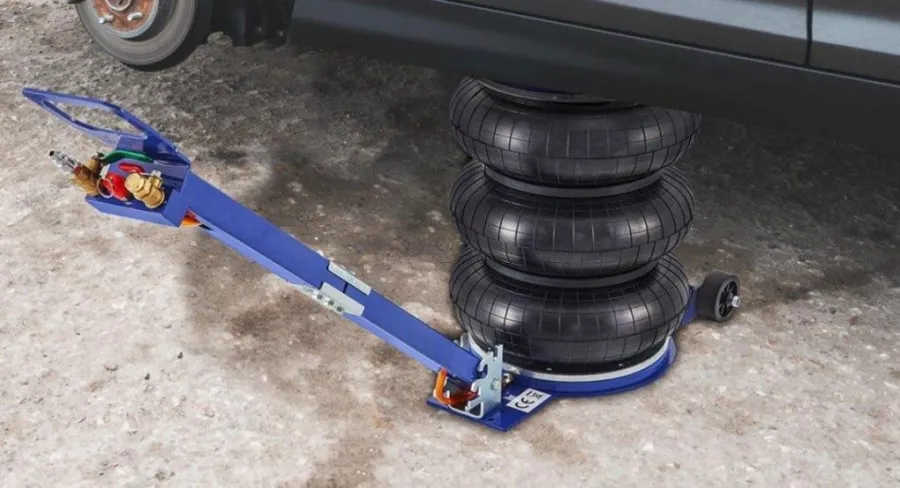
Specialty jacks include models like low-profile jacks and high-lift jacks. You need these for sports cars or off-road vehicles. These jacks solve problems that standard car jacks cannot handle.
Pros:
- Designed for special vehicle needs
- Can reach hard-to-access lifting points
Cons:
- Often more expensive
- May not work for all vehicles
When you know the different types of car jacks, you can choose the best one for your vehicle and repair needs.
What Size Floor Jack Do I Need
Choosing the Right Floor Jack
When determining the size of floor jack needed, consider your vehicle’s weight and ground clearance. Floor jacks come in many sizes, so you must pick one that matches your car or truck. Unlike scissor or bottle jacks, floor jacks offer more stability and a smoother lift. You can use them for many types of vehicles, but you must check the weight rating and lift range. To choose the right floor jack, follow these steps:
- Check your vehicle’s weight. Find this in your owner’s manual or on the driver’s door sticker.
- Look at your car’s ground clearance. Measure the space from the ground to the lifting point.
- Pick a jack with a weight rating above your needs. Most people use a 2-ton or 3-ton jack for cars and SUVs.
- Make sure the jack fits under your car. Low-profile cars need a jack with a low minimum height.
Floor Jack for Each Vehicle Type
You may wonder what size floor jack works best for your car, truck, or SUV. The answer depends on your vehicle type and how high you need to lift it. Here is a quick guide to help you choose:
| Vehicle Type | Recommended Floor Jack Size |
| Compact Car/Sedan | 2-ton, 12-15 inch lift |
| SUV/Crossover | 3-ton, 18-20 inch lift |
| Pickup Truck | 3-ton, 18-20 inch lift |
| Heavy-Duty/Commercial | 4-ton or higher, 20+ inch lift |
When selecting a floor jack, always ensure it matches your vehicle’s needs. If you drive a sports car, you need a low-profile jack. For trucks or SUVs, pick a jack with a higher lift range. Asking what size floor jack you need helps you stay safe and makes repairs easier. The right floor jack gives you confidence every time you work on your vehicle.
Car Jack Safety Tips
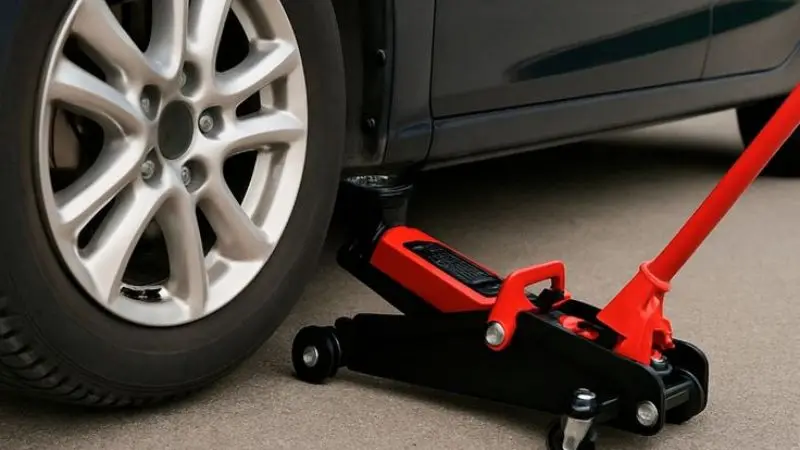
When you use a car jack, safety should always come first. Paying attention to a few key tips can help you avoid accidents and keep your vehicle secure while you work.
Weight Capacity
Always check the weight rating on your car jack before you use it. The jack must support your vehicle’s weight. If you use a jack with a lower capacity, it can fail and cause injury. Look at your car’s manual or the sticker inside the driver’s door to find the correct weight. Choose a jack that can handle more than the weight of the part of the car you plan to lift. This step is the first rule for lifting your vehicle safely.
Stability
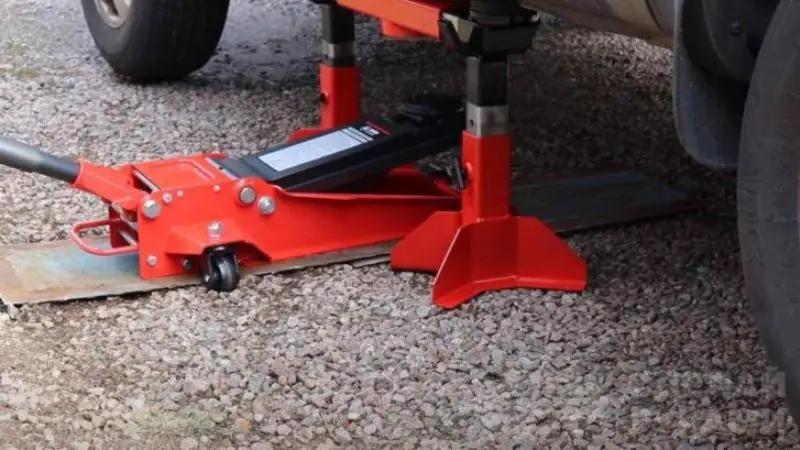
Place your car jack on a flat, solid surface. Uneven ground can cause the jack to slip or tip over. Make sure the jack sits straight under the lifting point. If you work on gravel or dirt, use a piece of wood or a jack pad under the base. This helps keep the jack steady. Never crawl under a car unless you know the jack is stable.
- Check the ground before you start.
- Use a jack pad if needed.
- Double-check the jack’s position.
Guidelines for Manufacturers
Follow the directions that come with your car jack. Every jack works in its own way. The guide from the manufacturer will show you how to use it correctly. Follow the instructions for setting up, lifting, and lowering. If you don’t follow these steps, you could hurt yourself or damage your car.
Jack Stands
Don’t trust a car jack to hold up your car by itself. After you lift the vehicle, always use jack stands. Jack stands give the car more support so it doesn’t fall. Put the stands in the right places to lift. Before you start working under the car, lower it onto the stands.
Bottom Line
Now you can decide what size car jack I need? Always make sure that the jack’s weight rating and lift height are right for your car, whether it’s a compact car, an SUV, or a truck. Use jack stands with your jack and follow all safety rules to stay as safe as possible. The use of the right jack not only prevents accidents but also makes the lifting process smoother and quicker.
FAQs
How can I find out how much my car weighs?
You can look in your owner’s manual or look for a sticker on the inside of the driver’s door. This sticker shows the weight of the whole vehicle. Use this number every time you need to pick the right car jack.
Is it okay to use a 2-ton jack on an SUV?
Most SUVs may not be able to be safely lifted with a 2-ton jack. For better support and safety, you should use a jack that can lift 3 tons. Before you lift your SUV, always check its weight.
How do you safely use a car jack?
Always park on a flat surface. Put the jack in the right place to lift. To be extra safe, use jack stands. Never work on a car that is only supported by a jack.
Is a low-profile jack necessary for my sports car?
Yes, sports cars are low to the ground. A low-profile jack fits under the frame and safely lifts the car. Before you buy a jack, check how high off the ground your car is.