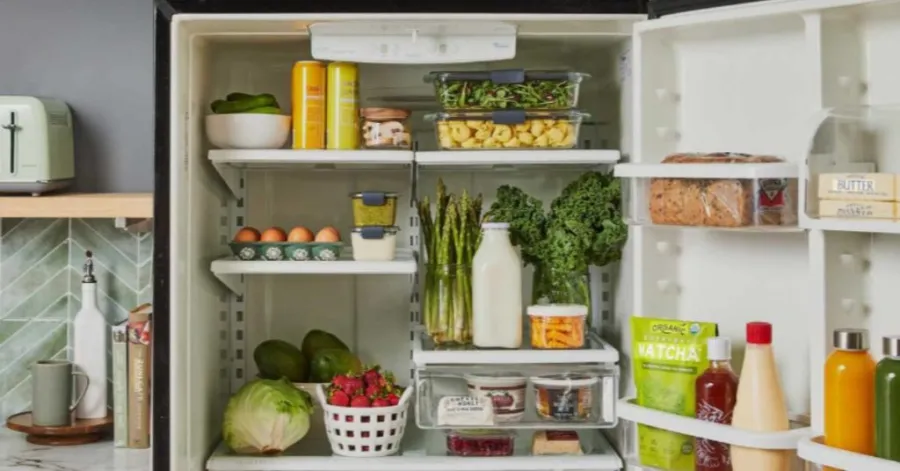
It is important to maintain the correct temperature in your refrigerator and freezer to preserve food, keep it safe, and healthy. The fact that improper temperature settings can cause food spoilage, higher energy bills, and increased odds of foodborne illness is unfamiliar to many homeowners. However, knowing the optimal temperatures for a freezer and refrigerator can help you keep your food in great condition and minimize waste. You may be interested in knowing what temperatures a refrigerator and a freezer should be set to, or you may just want to ensure you have a better time using the appliances; proper settings are another easy but very important way to make the kitchen a safer and more efficient place.
- What Is the Ideal Temperature for a Refrigerator and Freezer?
- Why Keeping the Right Refrigerator and Freezer Temperature Matters
- How to Check if Your Refrigerator and Freezer Are at the Right Temperature
- Signs That Your Refrigerator or Freezer Temperature Is Not Set Correctly
- Factors That Can Change Refrigerator and Freezer Temperature
What Is the Ideal Temperature for a Refrigerator and Freezer?
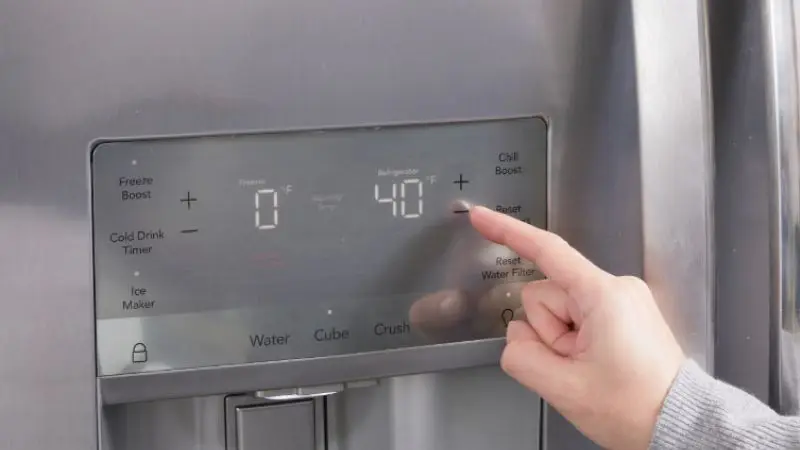
It is important to make sure that your refrigerator is kept at the correct temperature to preserve the quality of food and avoid the development of dangerous bacteria. This setting is often neglected by many homeowners, yet even a slight temperature variation can affect how long food stays fresh.
This will help you save food and enhance food safety in your kitchen by considering the proper refrigerator temperature. It is also significant in ensuring the optimum fridge and freezer temperatures to keep food safe.
Recommended Refrigerator Temperature
The suggested temperature for the refrigerator is 37 °C. Most food safety experts consider this setting the best balance between keeping food fresh and preventing bacterial growth. Dairy products, fruits, vegetables, leftovers, and beverages are kept longer at this temperature.
The safe range for refrigerator temperature is 35°F to 38°F (1.7°C to 3.3°C). Remaining within this range ensures appropriate refrigerator and freezer temperatures to preserve food’s taste and texture. When asking what temperature a refrigerator and a freezer should be, 37F is commonly regarded as the most reasonable option. These suggested freezer and refrigerator temperatures help households store food at the highest quality and maintain optimal temperatures in the refrigerator and freezer compartments in daily life.
@dwscustoms vevor car cooler 12v #12volt #carcooler #12vcooler #vevor #dwscustoms #tiktokshop #kingscoot21
♬ original sound - King Scoot
Recommended Freezer Temperature
The recommended temperature for a freezer is 0°F (-18°C). This is the preferred environment by food safety experts since it keeps the food frozen and eliminates spoilage caused by long-term food storage. It does not matter whether you are storing meat, vegetables, frozen meals, or leftovers; this temperature will allow you to keep the food fresh and of high quality for a long time.
Keeping your freezer at 0°F is considered part of the freezer and refrigerator temperature ranges recommended for all households. Bacterial growth is slowed down remarkably at this temperature. Freezing does not kill the bacteria, but instead leaves them in an inactive state, and they cannot multiply. That is why it is crucial to keep the optimum temperature of the fridge and freezer in which food is stored. These tips help maintain appropriate refrigerator and freezer temperatures for storing food and answer the popular question of what the best temperatures for a freezer and refrigerator should be for safe daily use.
Why Keeping the Right Refrigerator and Freezer Temperature Matters
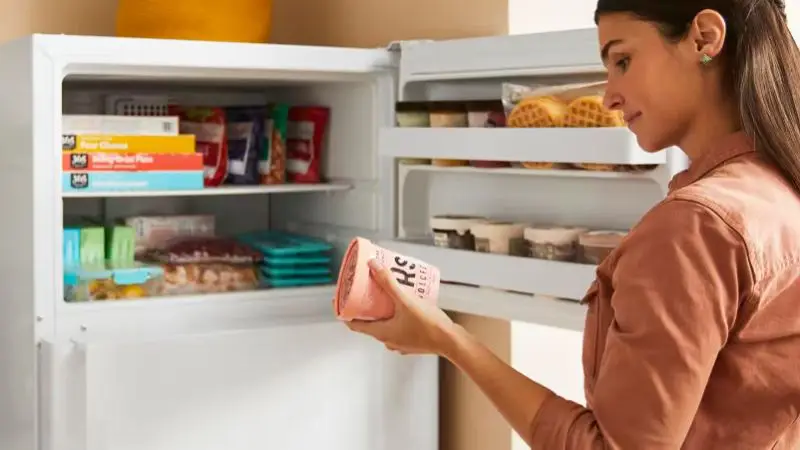
It is critical to keep your refrigerator and freezer at the proper temperature to keep food safe and convenient. Many people change appliance settings without knowing whether the temperature is right for storing food.
Learning about the optimal temperature of a freezer and a refrigerator may prevent food waste, decrease the risk of health concerns, and enhance the performance of the appliances. By adhering to the suggested freezer and refrigerator temperatures, food will remain fresh, safe, and of high quality longer.
How the Right Temperature Prevents Food Spoilage
Storing food at the wrong temperature can easily cause food to spoil. When the refrigerator is excessively warm, bacteria multiply at a higher rate, and dairy products, fruits, vegetables, meat, and leftovers spoil more quickly than anticipated. Similarly, a non-cold freezer may compromise the quality of frozen foods and cause freezer burn. Keeping the refrigerator and freezer at the right temperature to keep food ensures that food spoilage is delayed and that the texture, taste, and nutritional value of food are preserved. Consequently, households will be able to minimize food waste and save on purchasing groceries.
How Proper Temperatures Reduce the Risk of Foodborne Illness
One of the best methods of ensuring your family is not affected by foodborne illnesses is by ensuring safe temperatures. Salmonella, Listeria, and E. coli are harmful bacteria that may quickly grow when food is kept at temperatures that exceed the recommended levels. This contamination can lead to acute health complications, such as stomachache, nausea, vomiting, and diarrhea. It is essential to know the ideal temperatures a refrigerator and freezer should be set to for storing food safely. As a homeowner, you can make a big difference in preventing bacterial growth in food by keeping the fridge and freezer at the ideal temperatures, ensuring the stored food is safe to eat.
How Correct Temperature Settings Keep Food Fresh for Longer
Correct temperatures are also conducive to maintaining the quality and freshness of food over long durations. Vegetables and fruits do not go bad, dairy products do not go sour, and food that has been cooked does not lose its taste when stored under the appropriate conditions. Regular cooling also serves to maintain nutrients and to keep food from drying up or becoming spoiled over time. Knowing the optimal temperature of the freezer and refrigerator at home enables families to have longer periods with fresh food and minimize wastage. Constant temperature also makes sudden changes impossible, and this can adversely affect the texture and taste of what is stored.
How the Right Temperature Improves Energy Efficiency
It helps to preserve food by setting your refrigerator and freezer to the appropriate temperature, as well as enhancing energy efficiency. When appliances are used at lower temperatures than required, more electricity is used, and energy bills are paid in the long run. Conversely, excessively hot environments compel the appliance to strain more to keep the temperature cooler, which may accelerate wear and tear. The optimal refrigerator and freezer temperature settings are useful in ensuring that appliances are more efficient. Proper temperature management helps save on energy use and utility bills and can even prolong the life of your refrigerator and freezer.
How to Check if Your Refrigerator and Freezer Are at the Right Temperature
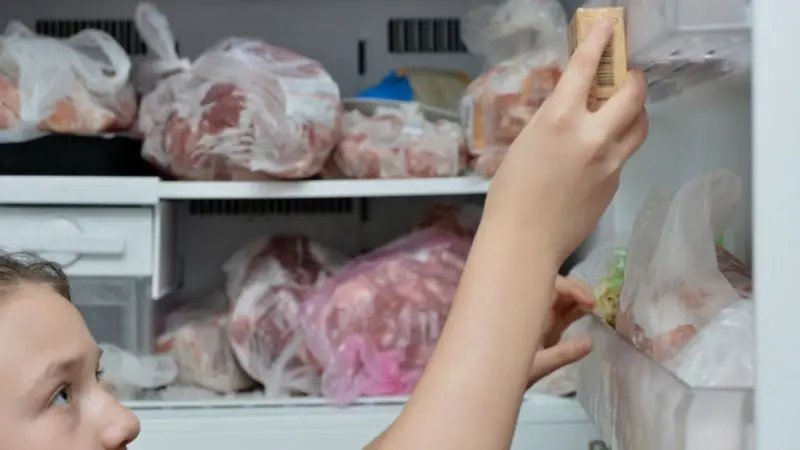
It is worthwhile to check the temperature of your refrigerator and freezer to maintain the safety and freshness of food. Not all appliances can maintain the temperature they display on the control panel at all times; hence, a constant check is required.
Temperatures can be checked periodically to ensure your refrigerator and freezer are operating at the manufacturer’s recommended temperatures. This is just a basic practice that can preserve the optimal fridge and freezer temperature that safeguards food and prevents unforeseen food spoilage.
Use a Refrigerator Thermometer for Accurate Readings
One of the surest tools for checking appliance temperatures is a refrigerator thermometer. All you need to do is just insert the thermometer in the middle shelf of the refrigerator, leave it there for some hours, and then check the reading. In the case of freezes, insert the thermometer between the frozen products to obtain a better reading. This is the way to tell whether your refrigerator and freezer are keeping the right refrigerator temperature and freezer temperature to keep your food. When the reading is not within the recommended range, then you can change the settings to maintain food safety and freshness.
Check the Built-In Temperature Display on Your Appliance
Many new refrigerators have built-in digital temperature gauges. These displays are fast and easy to use to check the internal temperatures without having to employ other tools. Nonetheless, in-car monitors might not consistently indicate the actual temperature in all the compartments. It is for this reason that it is occasionally useful to compare the display reading with a separate thermometer. Knowing the right temperatures to set a refrigerator and freezer will help ensure the settings are within the recommended range for safely storing food.
Monitor Refrigerator and Freezer Temperatures Regularly
Temperature checks should be performed frequently, as appliance performance may vary over time. Cooling efficiency may be impacted by frequent door openings, power outages, overloading, or mechanical problems. Checking temperatures at least once a week will help identify issues before food safety becomes a concern. At home, homeowners who monitor temperatures on a regular basis could make sure that the optimal temperatures in a freezer and refrigerator are maintained. Regular checks also aid in maintaining the optimal refrigerator and freezer compartments temperature that will maintain food freshness over time and optimize the efficiency of the appliances.
Signs That Your Refrigerator or Freezer Temperature Is Not Set Correctly
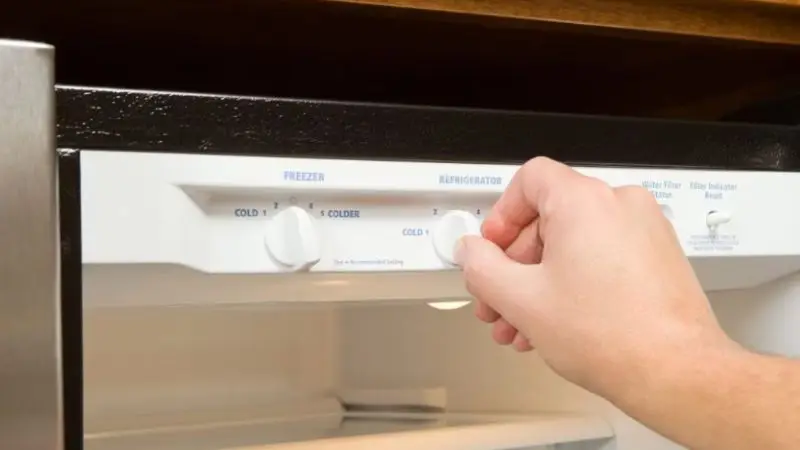
When you are not setting the refrigerator or freezer temperature properly, they can still be running. Sadly enough, wrong temperatures are usually not noticed until there is food spoilage or some other issues.
Early warning signs of issues can be used to make some changes before food safety becomes an issue. Checking these indicators frequently also helps you maintain optimal fridge and freezer temperatures to keep food safe and prevent unnecessary food loss.
Food Spoils Faster Than Expected
Food spoiling earlier than expected is one of the most frequent indications of improper temperature settings. Milk can get sour fast, fruits and vegetables can get soft,t and leftovers can get moldy before the anticipated expiry date. Such problems usually signify that the fridge is not as cold as it needs to be. Storing food at the right temperature in the refrigerator and the freezer will ensure that perishable foods last longer before going bad. When you find that your appliances are frequently spoiled, then it is also a good time to check the temperature of your refrigerator with a refrigerator thermometer.
Excessive Ice Build-Up Inside the Freezer
The presence of a lot of ice in the interior of the freezer can be an indication that the temperature is too low or that warm air is getting into the compartment. The build-up of ice may also result in cases where the freezer door is not closing well or when the door is opened excessively. Too much frost reduces storage capacity and may affect the appliance’s performance. The suggested freezer and refrigerator temperatures will reduce the amount of ice and keep frozen foods well-preserved and long-lasting in a refrigerator.
Unusual Odors Coming From the Refrigerator
Another indicator that your refrigerator temperature is not right is the occurrence of unpleasant odors over time. Bacteria multiply at higher rates when stored at a temperature that is above the recommended range, thereby causing food to spoil and produce strong smells. The refrigerator might emit the same odors even after cleaning, unless the temperature problem is addressed. Knowing the best temperature a fridge and a freezer should be kept at will help avoid the growth of bacteria and will preserve food longer, avoiding the emergence of unpleasant odors.
Frost Forming on Packaged Frozen Foods
If you see frost or ice crystals forming on packaged frozen foods, your freezer temperature may be fluctuating. This frequently occurs when the freezer is too hot and refreezes food over and over again. A change in temperature may decrease food quality, texture, and create freezer burn. Keeping the optimum temperature of a freezer and refrigerator at home allows frozen foods to be in the most optimal conditions and maintain their taste.
Drinks or Food Freezing Inside the Refrigerator
Freezing of food and beverages in the refrigerator tends to suggest a low temperature of the fridge. The products close to air vents will be specifically prone to freezing when the cold air flows in an uneven manner. Fruits, vegetables, and beverages can become frozen and lose their texture and quality when thawing. The optimal temperature to use in refrigerator and freezer compartments will ensure that there is a balance in the cooling of the appliance. This also helps in determining the optimal temperature that a freezer and refrigerator should have by keeping the refrigerator at the right setting, so that food is not frozen when it does not need to be frozen.
Factors That Can Change Refrigerator and Freezer Temperature
Although your appliance may be set to the right temperature, there are still other factors that can affect its ability to maintain the same cooling temperature. Alterations in everyday activity patterns, weather, and maintenance of appliances are all likely to affect internal temperatures.
Knowing these can help you preserve the optimal temperature of a freezer and refrigerator at home. By working on these problems, you will be in a position to make sure that your appliance is still functioning at the recommended temperatures of the freezer and refrigerator to keep food safe.
How Frequent Door Opening Affects Temperature
Repeatedly opening the refrigerator or freezer door enables the cold air to escape and the warm air to come in. This causes the appliance to exert more effort in heating the unit to the right temperature. Many door openings can affect the temperature, especially during peak meal times or family meetings. Such changes can impact the quality of foods and the possibility of food spoilage. Having a time limit on how long to keep the doors open is one way of ensuring that the fridge and freezer maintain the optimal temperature to keep food safe. Food arranging can also minimize the time spent maintaining the door open when looking after certain things.
How Overloading the Appliance Impacts Cooling Performance
When a refrigerator or freezer is overloaded, it may limit the amount of air that is able to circulate, and leave cold air unable to circulate as it should. The inability to move freely leads to uneven cooling of some of the areas when air is unable to move freely. Large loads in the compartments can also cause the appliance to work harder,r consuming more energy. Adequate spacing of the items stored is used to ensure that the refrigerator and freezer temperatures are maintained at the right level to store food. Adequate organization will make sure that every piece of food is given the necessary cooling and will last longer.
How Improper Air Circulation Leads to Uneven Temperatures
Air flow helps in ensuring that refrigerators and freezers retain uniform temperatures. Cold air can be prevented in every part of the appliance by blocking air vents with big containers or tightly stuffed food. Consequently, some areas will turn overly warm, and others will get overly cold. The refrigerator and freezer compartments should be set at the most suitable temperature by having good airflow that will evenly distribute the cold air. By keeping vents clear and proper food setups in place, better cooling and food preservation can be achieved.
How Hot Weather Conditions Affect Appliance Temperature
The external temperature can cause refrigerators and freezers to have problems keeping the internal temperatures at safe levels. In sum, when the weather is hot, appliances tend to run longer and work harder to take the heat out of the inside. In case the kitchen gets too hot, there can be a change in the internal temperatures. During hot seasons, homeowners are advised to routinely monitor the temperature to make sure that it remains at the same temperature that a refrigerator and a freezer should be set to. This is a basic measure to keep food safe and to avoid unnecessary spoilage.
How Dirty Condenser Coils Reduce Cooling Efficiency
Cold gadgets known as the condenser coils are in charge of the heat released by the refrigerator and the freezer. When such coils are dusted or dirtied or even by pet hair, then the appliance will not be able to release heat effectively. This leads to worse cooling performance, and the appliance might have trouble keeping the temperature that is optimum in a freezer and refrigerator. Dirty coils may also consume more energy and place additional stress on the appliance. Regular cleaning of condenser coils can contribute to efficient operation and aid in the long-term functionality of the appliances,
Wrap Up
One of the simplest ways to preserve food quality and ensure its safety at home is to keep the refrigerator and freezer at the right temperature. Keeping the suggested freezer and refrigerator temperatures prevents food spoilage, lowers the risk of foodborne illnesses, and saves energy. Periodic temperature checks, well-kept appliances, and good storage habits all improve performance. Knowing the best possible temperature of a freezer and refrigerator at home will help you preserve food longer and minimize unnecessary waste. Adequate temperature control will eventually make your kitchen a safer, healthier, and more economical place for your whole family.
FAQ
What should the optimal refrigerator temperature be?
Fridge temperature should be 37 °C (37 °F). This environment will ensure the food is kept fresh and prevent bacterial growth, and the optimal fridge and freezer temperatures to ensure food safety.
What is the temperature that a freezer must be kept at?
A freezer should be set to 0°F (-18°C). This temperature maintains the quality of food, the storage of food, and hinders food spoilage by slowing the bacterial activity.
What is the number of times I should check refrigerator and freezer temperatures?
To guarantee the safety of food preservation and the uninterrupted functioning of the appliances, you must make sure to check the refrigerator and freezer temperatures at least once every few weeks with the help of a thermometer.
Does a change in temperature lead to an increase in energy use?
Yes, too cold or too warm appliances can overwork themselves. Efficiency, reduced electricity consumption, and extended lifespan of appliances are enhanced by proper settings.
What is the reason behind the food freezing in my refrigerator?
When the refrigerator temperature is too low, airflow is obstructed, or when food is too near the cooling vents, food can freeze.