If you’re sick of the mess and trouble of traditional oil changes, listen up. The engine oil extractor pump is a breakthrough tool for amateur mechanics. It removes old fluids from your vehicle from the top via the dipstick tube.
This means no more crawling beneath the vehicle or dealing with seized drain plugs. It improves garage cleanliness and speeds up maintenance. Many long-lasting units on the market are solely for garage work. Let’s learn how to use an engine oil extractor pump and the different varieties available.
What does an engine oil extractor pump do?
An engine oil extractor pump runs on basic physics. It produces a powerful vacuum within a sealed tank. This hoover creates suction.
When you place a hose into the engine’s dipstick port, suction removes the old, warm oil. Later the fluid collected safely in the unit’s tank.
It fully eliminates the need for a drain plug. This allows an oil change without drain plug possible, which saves a significant amount of time. It is a clean and effective method of handling fluids.
Types of engine oil extractor pumps
All extractor pumps are not created equally. They are generally classified into three types based on how they create the essential hoover. Knowing the difference allows you to choose the best one for your garage.
Manual pumps
Just like it’s name, a manual oil extractor pump is operated by hand. These can be pumped up and down as they normally come with a handle. The pumping action expels air from the device, resulting in a vacuum in the extractor. This helps to draw oil from the engine into the extractor’s reservoir.
Also, manual oil extractors are available in a variety of sizes and styles. They might be little or enormous, lightweight or hefty. The manual extractor is essentially a pumping apparatus with a handle, a reservoir, and tubes that may be inserted into an engine. Some units also have built-in tube storage.
They are the most cheap and do not require an external power supply. They are extremely portable fluid evacuators for garage use, ideal for occasional DIYers and smaller engines.
Pneumatic/air-powered pumps
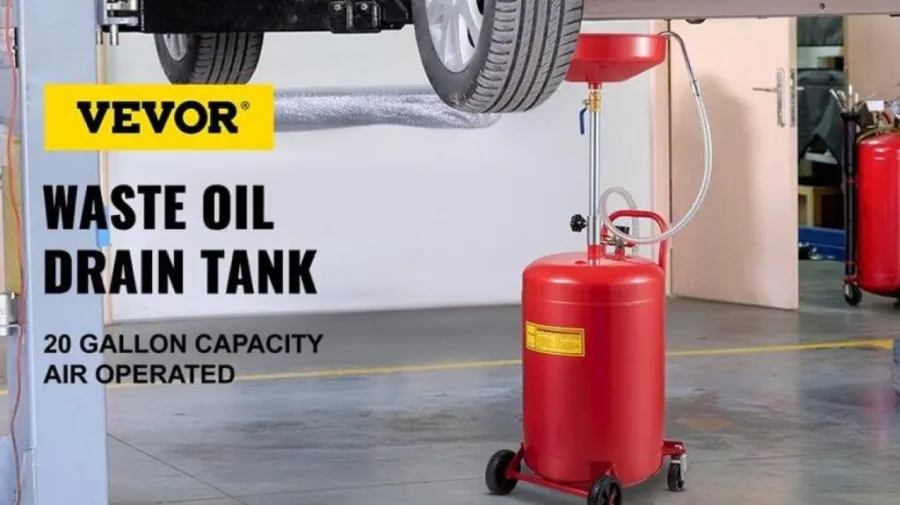
This type requires compressed air to function, making it an automatic tool. The air supplies the power to produce a vacuum in the unit, which then draws oil from the engine’s oil sump. These oil extractor pumps are simple to operate because they are automatic and do not require you to pump a handle.
If you already have an air compressor, this is an excellent, low-effort alternative. They are suited for high-volume applications or retail situations. They’re the go-to for speed.
Electric oil extractor pumps
Electric oil extractors require an electric power source to operate. The source is typically your vehicle’s battery. However, some come with their own batteries; this depends on the type you select.
An electric oil extractor pump normally includes an electric motor to power the pumping mechanism, oil-passing tubes, and wires to connect to a power supply. They come in extremely small sizes. As a result, they are the perfect option for those looking for a portable tool.
They are also easy to use; simply press a button, and the extractor will syphon oil and deliver it to a container. Because they do not have a reservoir, electric oil extractors allow you to syphon all of the oil at once.
Furthermore, they provide a nice combination of power and portability. Once activated, these are typically hands-free. They are extremely useful for driveway tasks.
Benefits of using an oil extractor pump
Once you’ve used an engine oil extractor pump, you probably won’t go back to the old technique. The benefits extend far beyond simply saving time.
Cleanliness
It is the main selling point. An oil change typically entails a significant quantity of pollution. It is important to know that oil flows out of the engine in a large stream, which can spill surrounding the car or the jack.
The advantage of an oil extractor is its extremely tight connection to the engine. The wires coming out of the gadget are snugly connected to the dipstick hole in the engine.
As a result, there is no chance of an oil spill. All of the old oil is contained within the sealed tank. You eliminate spills, splatters, and greasy messes from your garage floor.
Convenience
The old way requires you to go under the car, detach the lower engine cover (if there is one), organise the oil pan, and place something underneath it. This takes a long time! An oil extractor can remove up to 6.5 litres of oil in one minute.
You’ll never have to raise your automobile. There’s no need for a jack, jack stands, or struggling to get a drain pan into position. This simplifies the process.
Thoroughness
The suction tube frequently reaches the very bottom of the oil pan. This means it eliminates sludge and impurities that a gravity drain may not catch.
Safety
To ensure appropriate removal rates, the oil to be replaced should be fully heated. Therefore, you run the danger of getting burned by hot oil if you unscrew the drain cap. However, it can be effectively removed by connecting an oil extractor.
Accessibility
They are ideal for cars with hard-to-reach drain plugs. This includes a lot of contemporary cars and marine engines.
How to pick the best engine oil extractor pump
A quick personal assessment is necessary before selecting the best engine oil extractor pump. The best model is usually the one that best fits your demands, taking into account your car, your spending limit, and how often you want to use it. An investment in your maintenance routine is a reliable unit.
Therefore, take into account these important criteria before making any purchases:
Suction power and tank capacity
The term “capacity” describes the size of the tank; a motorbike needs four litres, but a huge SUV can need eight to ten litres. Speed is determined by suction power. A faster and more thorough extraction is indicated by a higher power.
Invest in a bigger tank with powerful suction if you own multiple vehicles. This makes it easy for you to replace your oil back-to-back.
Hose diameter and construction quality
Different extraction tube sizes must be included in the device. Your dipstick port must be able to accommodate the tube. Seek out fittings and hoses that are reinforced and won’t leak when under vacuum pressure.
Longevity and safety are influenced by building quality. As demonstrated by a black engine oil extractor pump design, sturdy polymers and metal parts lessen the chance of splitting from hot oil.
Which is better for you, electric or manual?
A manual pump is adequate and economical if you change your oil twice a year. Select an electric or pneumatic model if you have a lot of automobiles to maintain or want to save time.
The ideal choice is a portable, manually powered device if you operate away from power outlets frequently. Think about the places you’ll use it most frequently.
Durability and price ranges
The power source and tank capacity are frequently reflected in the price. Large pneumatic equipment are the most expensive, whereas manual pumps are the least expensive. Higher longevity is ensured by making slightly more frequent investments.
A good pump should last for many years. Seek out models that come with replacement hoses and seals, among other spare components.
Extra features
Certain oil extractor pump total tool kits include additional functions. To monitor vacuum strength, look for integrated pressure gauges. You may check the oil’s colour and flow rate using clear tubes.
It is much simpler to move a big, fully laden unit for disposal when it has wheels and handles. The fluid level rise can also be observed through simple eyeglass.
FAQs
Is an engine oil extractor pump safe for all cars?
Any car that has a dipstick tube that attaches straight to the oil pan can use them. The majority of modern cars are compatible. Unusual-shaped pans and some high-performance dry-sump systems might not be appropriate. Therefore, always start by consulting your owner’s manual.
How long does an oil extraction take?
It takes 10 to 30 minutes to use an engine oil extractor pump. Pumping by hand takes the longest. An air-powered device can be emptied in less than 10 minutes using the oil pan. The process is further accelerated by preheating the oil.
Can I use an oil extractor pump for other fluids?
Yes, absolutely. These pumps are ideal for removing gearbox fluid, coolant, power steering fluid, and even brake fluid during a clean. To avoid cross-contamination, make sure you completely clean the tank between different fluid types.
Conclusion
The engine oil extractor pump has profoundly altered the way DIYers approach maintenance. It removes the difficulty and mess that comes with getting underneath your automobile. Learning how to use an oil extractor pump results in a cleaner, faster job every time.
By selecting a high-quality, dependable model, you are investing in a cleaner, safer garage. This pump is one of the best investments you can make in your home maintenance regimen.