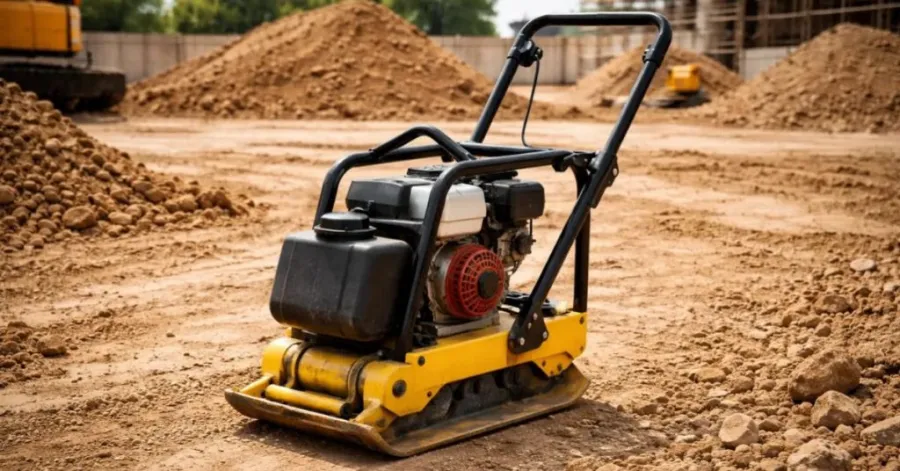
For a driveway, patio, or foundation to be solid, there must be a firm base. What is a plate compactor exactly? It is a heavy machine. The machine pushes the sand, gravel, or soil down by quick shaking. Soil must be adequately packed during construction operations. The deep blows release any air pockets that have become trapped. This method results in a dense, flat surface. When you utilise a plate compactor, you can prevent soil from sinking later on, which is one of the most significant advantages. It also prevents cracks from growing. You secure your painstaking efforts in this manner. Having a firm foundation to build upon is of enormous assistance.
In this article, you’ll learn what a plate compactor is, how it works, and why it’s crucial for building a strong, secure foundation. We will also discuss what it is commonly used for, its top benefits, and some practical ideas on how to choose and use a plate compactor to produce a professional, durable finish on construction and landscaping jobs.
Table of Contents
What Is a Plate Compactor?
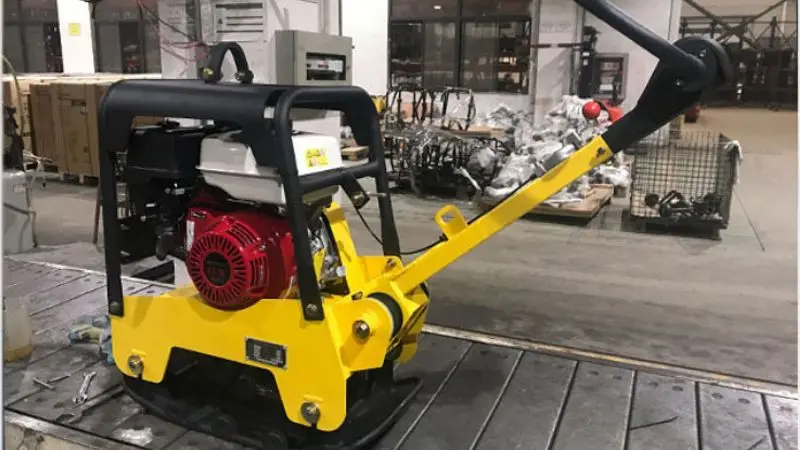
You must be familiar with this instrument, as it will help you select the right product. This is why you must be familiar with it. This plate compactor is built of steel and includes an engine. Aside from that, it is very effective in carrying out the functions that it offers.
Recommended For Your Project
How Does a Plate Compactor Work?
How to use a plate compactor machine? The engine powers these tools. An enormous weight is spun by it. It rotates at a high speed. This motion causes a significant amount of shaking. The huge plate lands on the ground. It strikes multiple times in a short amount of time. Air leaves dry soil behind. Even water can leave the dirt. The slope of the earth becomes exceedingly smooth.
What Is a Plate Compactor Used For?
What is a plate compactor machine used for? These tools are used regularly by people. There is a wide range of professions and fields of work that can benefit from its utilisation. Patios built into homes can be improved by including it in the construction process. It is an appropriate solution for large parking lots.
Here are key job tasks:
| Task Area | Common Applications | Key Benefits |
| Landscaping | Walkways, patio bases, and retaining walls | Increases load capacity |
| Paving | Asphalt repair, sub-base preparation, and paver leveling | Prevents future shifting |
Good tool use helps soil. And it makes a good base. Try it on the beach. Use it on the grit. It also deals with heated asphalt. This device offers many advantages. Surfaces stay flat longer. Jobs get done a lot quicker. You save valuable time. Your earth will last for decades.
What Are the Different Types of Plate Compactors?
What is a vibrating plate compactor? With high-grade tools, the work may be done more rapidly. Designers are makers of one-of-a-kind devices. It has been employed in many different types of soils. Therefore, it is flexible for different work sizes. It is to your benefit to know these choices. You are the one who rides with the best unit.
Single Plate Compactor
What is a plate compactor used for in construction? Only this one instrument will move forward. Simply put, it advances on its own. A compact plate compactor is preferred. It handles light job duties. This walk-behind plate compactor works well. Use it on slim paths. Try thin sand layers. It fits new asphalt drives. Easy builds help users a lot. They handle small sites well.
Reversible Plate Compactor
How does a plate compactor compact soil? This tool can travel in both directions. Use a straightforward and compact lever. The direction you take is altered. This build increases work pace. In confined trenches, it is helpful. It is effective near tall walls. It is not necessary to turn heavy gear. The physical effort you put in is reduced.
High-Performance Plate Compactor
What is a plate compactor machine used for? Power is required for large commercial jobs. These activities are best handled with high-quality equipment. A heavy vibratory plate compactor starts to shake. Soil is compacted by its powerful force. These enormous machines take a deep dive. They help pack major roadways. They establish a strong stronghold.
| Compactor Type | Key Features | Best Used For |
| Single Plate | Light frame, moves forward | Sidewalks, home patios, driveway repairs |
| Reversible | Two-way movement, heavy body | Deep trenches, wall bases, medium jobs |
| High-Performance | Huge shake force, high power | Road bases, deep foundations, hard dirt |
What Materials Can a Plate Compactor Compact?
This machine is stocked with a wide range of supplies that can be used for a variety of different jobs. Base preparation is a vital part of construction—the formation of a solid foundation results from the appropriate combination of tools.
Soil and Dirt
How does a vibrating plate compactor work? To begin, dirt requires a lot of work. Loose soil contains air pockets. The material packing fills up these voids. Wet dirt is highly effective at packing. Particular tampers are required for deep clay. The yard paths are smooth for you. As time goes by, shed bases become stable.
Sand and Gravel
What is a plate compactor used for in construction? Because of the shaking, the granular layers become locked together. Rapid shaking can move small rocks. As soon as you get to work, water the sand down a little bit. Water is beneficial when it comes to preventing slipping. It is possible to avoid ground movement if you pack effectively. Over the course of many years, the walkways have remained level.
Asphalt and Pavers
What is a vibrating plate compactor? Hot asphalt requires smooth passing. On asphalt, workers operate various tools. The edge seals appear to be quite clean. To protect the stones, add rubber pads. Pads prevent chips and scrapes. To pave, a consistent machine weight is required. Great results can be achieved with proper use. Hardscaping projects have a really attractive appearance.
| Material Type | Moisture Requirement | Recommended Technique |
| Loose Dirt | Slight moisture | Multiple light passes |
| Sand & Gravel | Damp surface | Moderate speed coverage |
| Asphalt & Pavers | Dry with rubber pad | Steady, uniform movement |
How to Use a Plate Compactor Safely
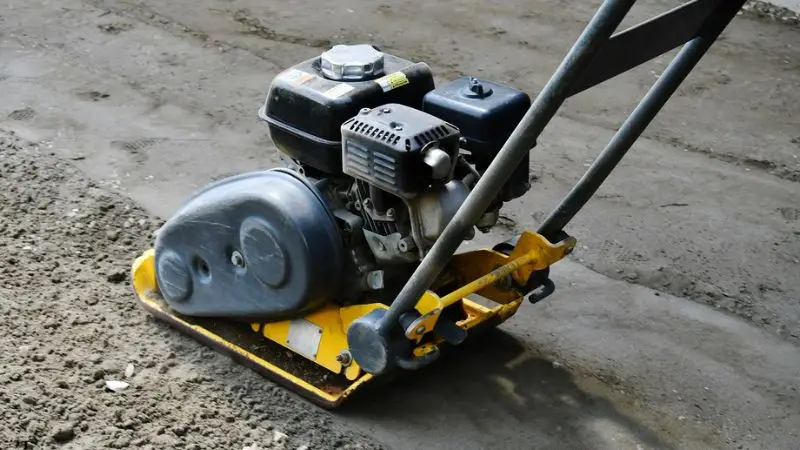
How to use a plate compactor machine? When it comes to massive machines, concentration is necessary. Maintain a good attitude towards your work. Never put anything else before your own safety. Taking measures is the best way to avoid catastrophic injuries. Taking the necessary actions will make the task go more quickly.
Wear the Right Safety Gear
Good gear shields you. Machine shakes make noise. Shaking sends small dirt flying.
-
- Eye Protection: Wear safety glasses for dust.
-
- Hearing Protection: Wear earplugs for noise.
-
- Footwear: Wear steel boots for feet.
-
- Gloves: Wear thick gloves for shakes.
Check Gear Before Work
Check the unit first. Remove the starting cords after this step. Check for any loose bolts. Quickly check for cracks in the frame. Check engine oil. Keep an eye on the gas tanks. Clean the cooling fins. This prevents breakdowns from happening fast. Broken instruments might be quite dangerous.
Pack Dirt in Lines
How does a vibrating plate compactor work? It is strongly suggested that engines be started on flat ground. Make certain that you do not let go of the handles at any point. Spend some time exploring the machines while you are waiting in line. Move between the several path lines that you have available to you.
| Operational Focus | Action Required |
| Path Pattern | Walk in straight lines |
| Control | Hold handles very tight |
| Pace | Let tools move forward |
Remove big rocks first. Simple steps make dirt flat. Repeat passes for solid ground.
Follow Factory Manual Rules
How does a plate compactor compact soil? Before you start working, make sure you read the manuals. Safety regulations are specified in the guides. Get yourself acquainted with your unit. Discover where the quick engine switches are located. Possess an understanding of the limits of a tool.
Plate Compactor vs. Other Compaction Equipment
What is a vibrating plate compactor? Now is the time to choose the most appropriate machine. The different types of soil influence your options. The magnitude of projects is also important. There are a variety of tools that enable you to make a decision. Now is the time to select more intelligent tools.
Plate Compactor vs. Tamping Rammer
Tamping rammers can reach great heights. They make an impact on narrow trenches. Choose rammers for thick clay. A plate compactor operates in a very different manner. On level ground, it shakes. A large plate presses down dirt. Get smooth sand layers quickly.
Plate Compactor vs. Roller
What is a plate compactor machine used for? Big sites need big rollers. Road crews use big rollers. You will need a vibrating plate compactor. For house driveways, use it. Try it out on nearby patios. Small units fit into tight places. No rollers allowed in there. Here, get high working efficiency. It keeps strong packing power as well.
Plate Compactor vs. Hand Tamper
Hand tampers are relatively inexpensive—heavy poles. Frequently smash small areas of dirt. How does a plate compactor compact soil? Manual work tires you out fast—a motorised, gliding plate compactor. Trim large yards in minutes. Stop working long, hard hours.
Common Mistakes When Using a Plate Compactor
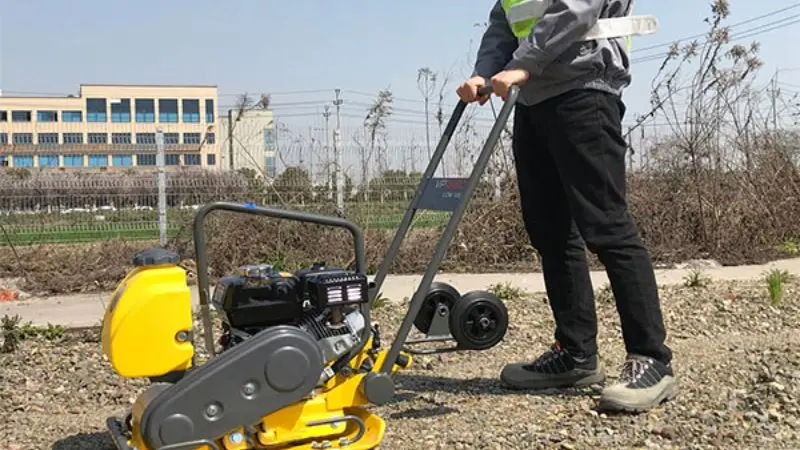
Avoiding errors is essential if you want to achieve successful outcomes. These simple steps help safeguard the equipment. You are more than capable of saving time.
Choosing the Wrong Type of Compactor
Determine the tools based on the type of soil. Consider the depth of the job. How to use a plate compactor machine? A compactor with a small plate fails to work deep. Clay requires a lot of tamping. Small tools result in weak bases. Later on, the ground will sink.
Compacting Material in Layers That Are Too Thick
What is a vibrating plate compactor? The dense dirt has compromised the essential strength, which is the root cause of the issue. There is no way that Shakes could ever reach a sufficient depth; there is no likelihood that this could ever take place.
Moving the Machine Too Quickly
What is a plate compactor used for in construction? A result of the hasty work is uneven ground. The tools should be allowed to move slowly on their own. Proceed to make leisurely passes that overlap one another at this point. This covers everything.
Ignoring Routine Maintenance
Without proper care, tools break quickly. Malfunctioning machines will delay your work. To begin, check the engine oil every day. Perform simple actions daily:
-
- Clean dirty air filters
-
- Check all fuel lines
-
- Tighten loose frame bolts
Daily care stops engine harm. Good belts keep power high. Clean cooling fins after work. Smart care saves money.
Failing to Wear Proper Safety Gear
How does a vibrating plate compactor work? It is quite risky to disregard the guidelines. Both shocks and noise can be painful. Constantly keep safety in mind. Put on some reliable gloves and boots. First things first, put on some eye protection. Start your vehicle’s engine then.
Conclusion
You have gained an understanding of what is a plate compactor as a result of this realisation. This will make it easier for you to complete your building task. The amount of engine power that you choose ought to be suitable for the intended purpose. It is important to take into account the type of soil that currently exists. It is important to consider the scope of your ongoing project. You ought to take into consideration your depth aims. It is recommended that pillows made of flexible rubber be included. This procedure is necessary for critical blocks. When it comes to your computer, you should perform repairs regularly.
FAQ
How deep can a plate compactor compact soil?
Most standard units pack soil up to six inches deep. Heavy commercial models compress materials up to twenty inches. You achieve optimal stability by working in thin four-inch layers.
Do you need to wet soil before using the machine?
Yes, you should moisten dry ground lightly. Water helps particles slide together tightly. However, you must avoid creating thick mud. Mud sticks to the bottom plate and ruins your results.
Besides gravel, what is a plate compactor able to pack effectively?
You can pack sand, dirt, crushed stone, and hot asphalt. However, sticky clay requires a tamping rammer instead. Plate compactors work best on granular materials that settle under vibration.
How many passes should you make over one area?
You usually need three to four passes over the same spot. Walk the machine slowly in straight, overlapping lines. You reach maximum density when the base plate stops sinking into the ground.