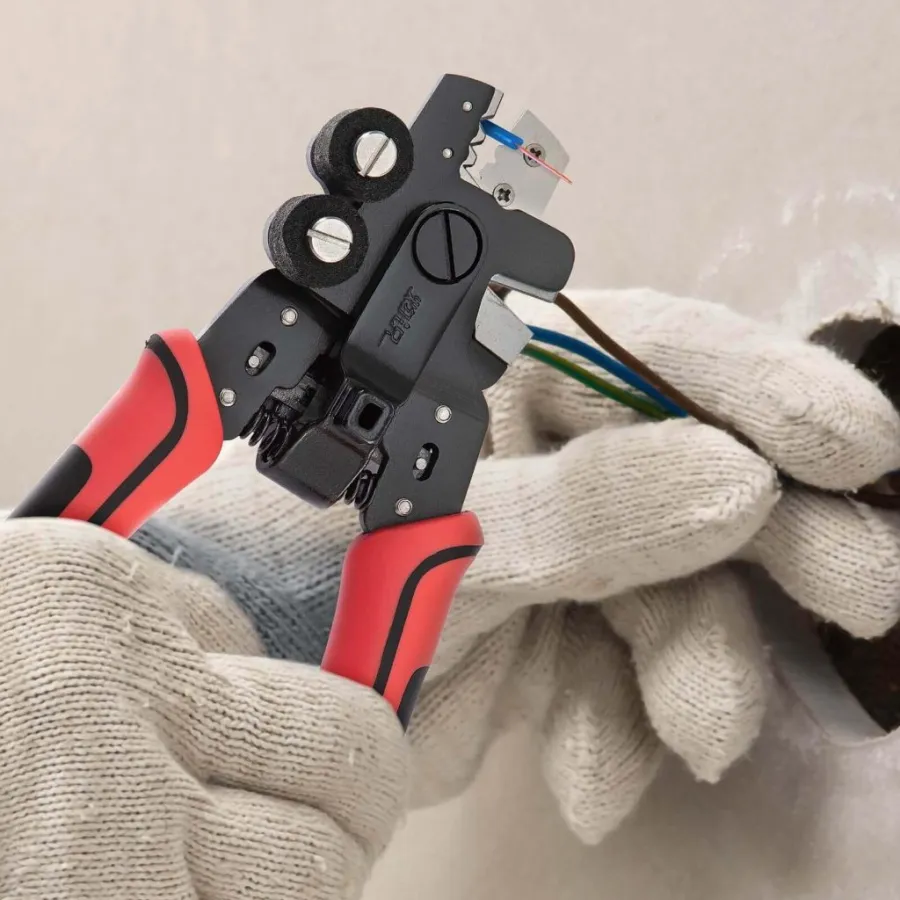
When someone poses, what is a crimping tool? It is a tool used to connect wires to metal connectors. The connector is used by pressing it firmly on the wire, which gives it a firm and good connection. This relation is solid and usually gas-tight, so it does not loosen easily. Crimping tools are frequently used to terminate electrical circuits, network cables, and coaxial cables. They assist you in creating safe and reliable connections without heat or soldering, making your job quicker, simpler, and more effective.
What Is a Crimping Tool and How Does It Work in Simple Words
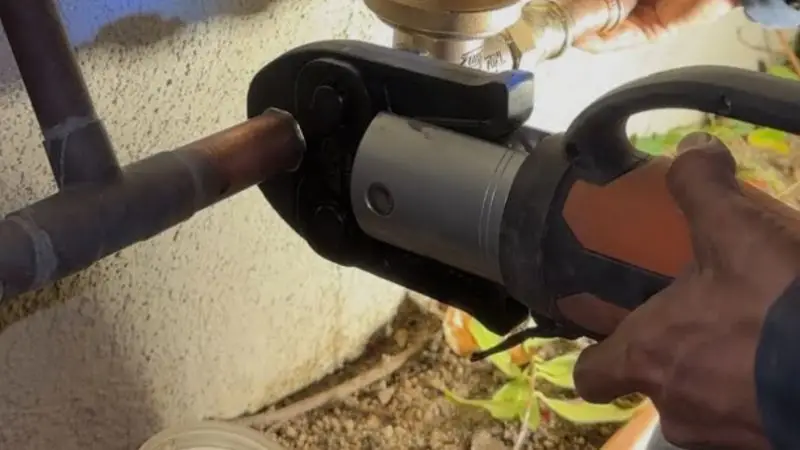
A crimping tool is an extremely handy hand tool used to make connections between wires and connectors by squashing them together. It forms a secure and robust bond without heat, glue, or soldering. This makes it easy for amateurs and experts to operate.
To appreciate the meaning, the working style, and the simple process, it is better to divide it into those. This will make it easy to understand why it is applied in electrical work, during DIY work, as well as in various technical works that require secure connections of wires.
Simple Meaning and Main Purpose of a Crimping Tool
A crimping tool is a device to connect a wire and a metal connector together by pushing the wire and the connector. This is referred to as crimping, in which a tight and permanent bond is created by using force. When you enquire what a crimping tool is, it refers to a tool that helps make firm electrical contacts without any heating.
This tool is primarily meant to ensure that wires remain firmly attached to their terminals. It eliminates slender wiring and minimizes the risk of electrical faults. Many people also look for a beginner’s guide to understanding what a crimping tool is because it is easy to use and does not require technical training. It is typically found in domestic wiring, computer networking, automotive repairs, and little DIY projects that involve secure connections.
How a Crimping Tool Works in Electrical and Plumbing Tasks
A crimping tool is a tool that connects a connector to a wire by applying pressure. It is two-handled and has specially shaped jaws that fit various connector sizes. Pushing the wire and connector in and pressing the handles squashes the metal together and forms a secure grip. This is exactly how a crimping tool works in electrical and plumbing tasks, making it useful in many practical situations.
Both jaws are specific to a connector type, and therefore, it is important to ensure the right placement. When well constructed, the bond is solid and firm and can support electricity or withstand physical pressure. This mode of working is well described in the comprehensive explanation of crimping tools and their operation, which emphasizes their easy, yet effective, pressure-sensitive design.
Types of Crimping Tools and Their Uses in Simple Terms
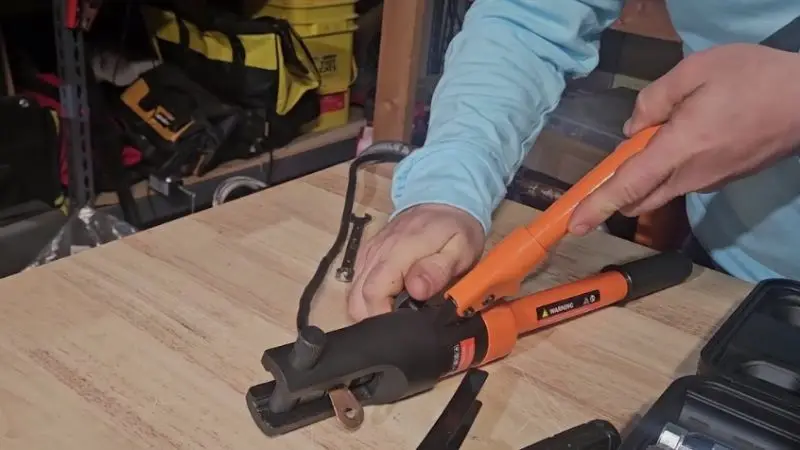
There are various types of crimping tools, and each is aimed at a particular type of work. Others are designed to perform small domestic tasks, and others are designed to be used in heavy industry. Knowledge of these types will aid you in making the correct tool choice in your project and will provide safe and strong connections of wires at all times.
One should understand the functionality of each type of tool and the areas in which it is most effective before deciding on which one to use. It is easier to fit the tool to the size of the wire, the connector type, and the workload.
Manual Crimping Tool for Simple Home and DIY Work
The simplest is a manual crimping tool, primarily applied to small home or DIY projects. It has the advantage of being hand-operated, i.e., you push the handles to crimp the connector onto the wire. It weighs less, can be carried, and is quite user-friendly. Simple electrical repairs such as lamp repair, small appliances repair, speaker wire repair, etc., are often carried out using it.
It is the most appropriate type of work when the volume of work is low, and precision is not highly complicated. It is also cheap and readily available, hence a good place to start with beginners who are learning to use crimping. This is generally the crimping tool of choice among home users when considering the various types of crimping tools.
Ratcheting Crimping Tool for Strong and Accurate Connections
A ratcheting crimping tool is more sophisticated and is more controlled than a manual crimping tool. It has a locking feature that ensures the handles are not taken off until the crimp is completed. This makes sure that the pressure is evenly distributed and the connection is good and tight. Electricians and network technicians generally use it.
The tool is suitable for work such as creating network cables, installing electrical wiring in buildings, and automobile repairs. It minimizes the chances of poorly formed or unformed crimps, which enhances safety and performance. It is the preferred type of professional due to its ability to provide consistent results using less effort. It has various crimping tools, but this is the best known to be reliable and accurate.
Hydraulic and Electric Crimping Tools for Heavy-Duty Work
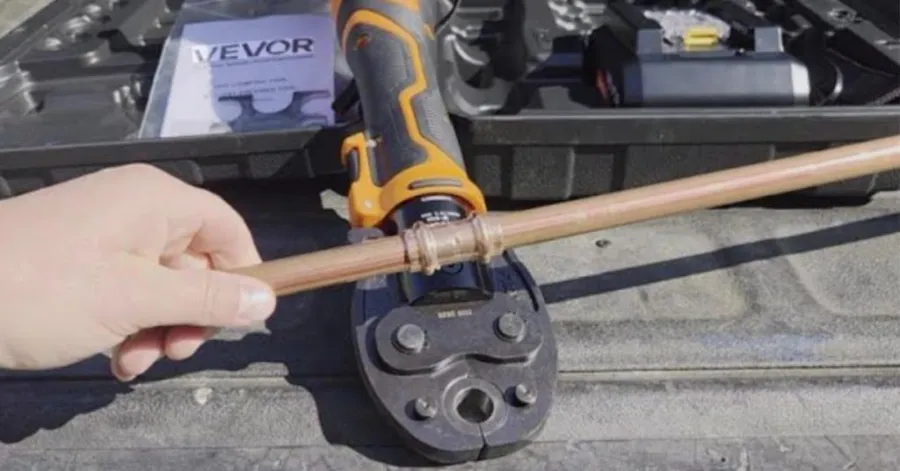
The electric crimping and hydraulic tools are used in large and heavy operations. These are tools that do not require manual effort, but rather hydraulic pressure or electric power to operate; therefore, they are applicable to thick wires and large connectors. They are usually applied in the industries, construction, and manufacturing facilities.
Hydraulic crimping tools use fluid pressure to produce a powerful crimping action, whereas electric tools use motors or batteries to accelerate repetitive operations. This makes them highly effective, with numerous connections. They lessen physical effort and enhance productivity. When discussing crimping tool types, they are regarded as the strongest for professional and industrial use.
@ezequielgutierr87 @Vevor Tools #UN MEXICANO CHINGON
♬ sonido original – UN MEXICANO CHINGÓN
Wire Crimping Tool Uses in Everyday and Professional Work
Many different places where wire connections are required are aided by a wire crimping tool. It is widely used for connecting electrical wires, constructing network cables, and repairing vehicle wiring systems. It aids in establishing close and firm bonds without heat or glue.
It is also used by people for home repairs, schoolwork, and in technical labs, since it is quick and easy to use. It ensures that wires are firmly fixed and minimizes the risk of loose connections. It has many users as it is effective and has long-lasting effects. All in all, a wire crimping tool is a tool that is crucial to anybody dealing with electrical or communication wiring systems.
How to Use a Crimping Tool Step by Step for Strong Connections
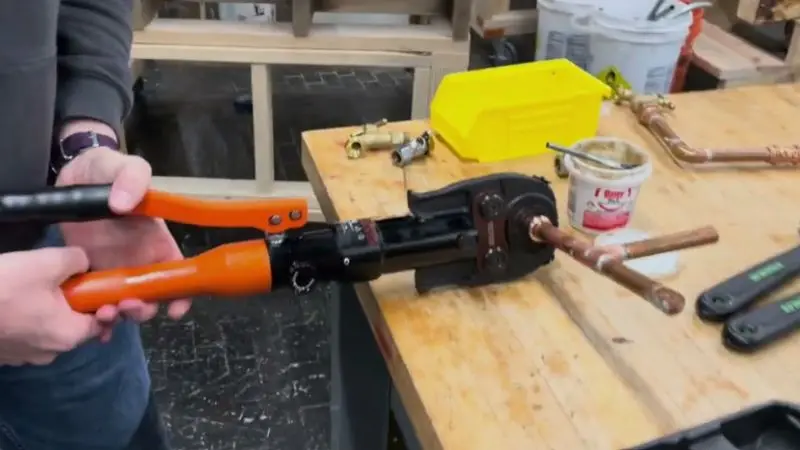
It is not difficult to learn how to use a crimping tool because of the correct steps. This is normally applied in electrical work, car wiring, and network cables. It helps you make good wire connections without soldering or heating. Once you have a correct approach, your outcomes will be secure and dependable even when you are a novice.
Knowing how to do it right will also help prevent errors and poor relationships. Here is a simple and straightforward guide to assist you in using it properly.
Simple Step-by-Step Guide to Use a Crimping Tool
These are the simple steps to follow to use a crimping tool. All these steps will assist you in establishing a good and firm bond:
- Take a wire, a connector, and a crimping tool.
- Cut the wire to the desired length.
- Peel off the strip of insulation on the wire end.
- Insert the wire into the connector.
- Put the connector in the jaws of the crimping tools.
- Squeeze handles firmly
- Pull the wire to check the connection.
Begin by getting ready your materials. Cut and strip the wire, leaving the metal exposed. Make sure that it fits in the connector. Then put it into the tool and squeeze the handles. This is the way a crimping tool that is applied to join wires forms a solid grip without glue or heat.
Once the crimping is done, it is advisable to always pull the wire to test the connection. When it does not move, the crimp is right. The technique is common for repairing homes, electronics, and network cables due to its speed and reliability.
Safety Tips and Best Practices for Better Results
It is just as important to use a crimping tool safely as it is to use it correctly. There are some easy practices that can assist you in preventing harm and achieving better outcomes.
- Wear safety glasses when working.
- Do not put fingers in tool jaws.
- Wire and connector size: match.
- Be careful not to be too forceful.
- Check all completed crimps.
- Always keep the tool clean.
Always wear eye protection, as small metal pieces can move during crimping. Take caution with your fingers because the instrument is very forceful. The second mistake that is the most common mistake is the incorrect connector size, which results in weak joints.
Do not overforce the tool because it may break the wire or connector. Rather, use constant pressure. Test the wire after every usage to make sure it fits. Always take good care of your tool by cleaning it up.
Following these simple safety steps ensures that every crimping tool used for joining wires gives strong, safe, and long-lasting connections.
Crimping Tool vs Alternatives and Why It Matters
One of the tools that is frequently contrasted with other techniques, such as soldering or hand tools like pliers, is a crimping tool. All the approaches attach wires differently and produce various results. Knowing these differences enables you to decide on the safest and most reliable solution to the electrical work, DIY projects, and repairs.
Let us see the most frequent options and why crimping is the most common.
Crimping vs Soldering for Strong Electrical Connections
Wires can be joined by crimping and also by soldering, but these two processes operate in entirely different manners. Soldering is a technique that uses heat to join metals and connect wires. It involves a soldering iron, steady hands, and control of temperature. When done right, it forms a great bond but requires more time and expertise.
Crimping, however, involves the use of pressure rather than heat. A connector is clamped firmly around the wire by a crimping tool, and a secure and stable bond is created. This is quicker, less complicated, and safer, particularly among laypersons. It also forms a gas-resistant bond that is impervious to water and motion.
In a comparison between crimping tools and soldering, crimping is used due to its speed, safety, and ease, and soldering is used because of its advanced or specialized work, which requires permanent bonding.
Why Pliers Are Not a Good Replacement for a Crimping Tool
There are individuals who attempt to use pliers in place of a crimping tool, which often gives poor and untrustworthy outcomes. Pliers simply squeeze the connector, but do not bend it into the right shape around the wire. Due to this, the bond can be tight initially but can weaken with time.
In contrast to pliers, a crimping tool has special jaws that fit connector sizes. This provides a good grip of the wire and even pressure. The connector may also be damaged or cut into the wire using pliers, and this influences performance and safety.
Simply put, pliers do not work well on precise work. This is why professionals do not use them for electrical connections and prefer an appropriate crimping tool to ensure reliable, durable results.
Why Crimped Connections Cannot Be Easily Undone
Another fact a person should be aware of when it comes to crimping is that it is an irreversible connection. When a connector is crimped correctly, it securely holds the wire inside and cannot be taken out without cutting.
This makes crimped joints extremely strong and reliable, but it also implies that you need to be cautious prior to commencing. Once done, you can not un-crimp your connector–you will have to cut it off and start over.
- Joints that are crimped are permanent.
- The wire cannot be pulled out when fixed.
- Corrections on errors involve cutting the connector.
- It is important to check prior to crimping.
Due to this, it is important to prepare diligently. Always ensure that wires are the correct size with the correct connector and positioning before pressing. The crimping tool is meant to be durable, and after connecting the two, it is supposed to be permanent.
Wrap-Up
A crimping tool is a simple yet powerful tool that helps you make safe, strong wire connections without heat or soldering. It is employed in electrical activities, home-based activities, automobile wiring, and networking activities. With the right type and the right steps, you are sure to achieve good results. Its operation also helps you prevent common errors and enhance safety. Whether you are an amateur or a professional, your work will go faster, smoother, and cleaner with a crimping tool to make the long-term electrical connection.
FAQ
What does crimper mean in plumbing?
A crimper is used in plumbing to connect pipes. The tube clamps a metallic ring on the pipe and fitting. This is done to establish a safe rapport. Plumbers prefer crimpers as they are fast and do not require heat.
What is the operation of a terminal crimping tool?
A terminal crimping tool is used to crimp wire connectors onto wires. The connector becomes firmly wrapped around the wire by the tool. This is done by making a crimped connection of wire that remains strong. It can be utilized in electrical work and in repairing cars.
What are the popular crimping tools?
The most common crimping tools are the handheld crimping tool, the ratcheting crimper, the electric crimping tool, and the hydraulic crimper. Everything has a tool to do it. The type of crimping tool depends on the size of the wire and the task.
What makes plumbers see crimpers as pipe work crimpers?
Plumbers take into consideration crimpers, as they form connections faster. Pipe crimping tools are used to assemble pipes without soldering. The wire connection that is crimped remains tight. You save time and avoid leaks. These are some of the reasons why plumbers regard crimpers in most jobs.
How does a wire crimping tool look?
A wire crimping tool has an anatomy that consists of handles, jaws, and dies. You take the handles and insert the wire connectors in the jaws. The crimp is formed by the dies. With the tool, you make a quick and easy connection of wires.