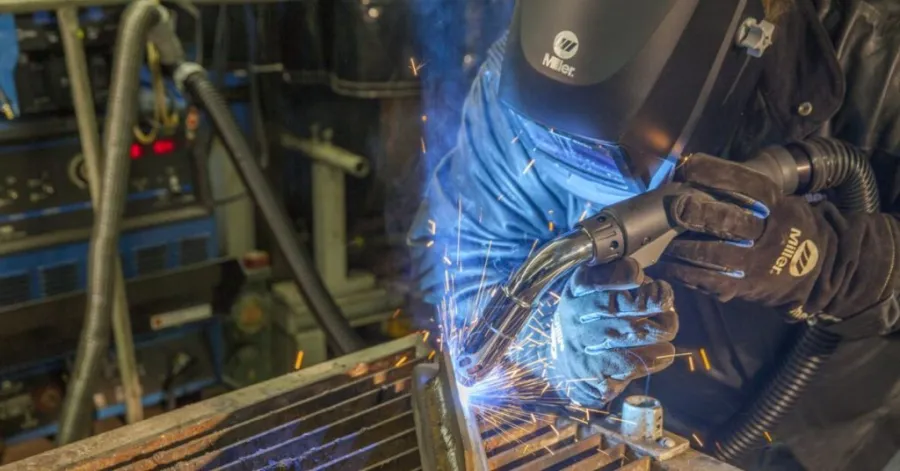
There are several gases suitable for MIG welding, depending on the material and application. Typical shielding gases are argon, carbon dioxide, argon-CO.sub.2 combinations, helium and oxygen mixtures. Each gas plays a critical role in keeping the weld area free from contamination and in achieving strong, clean welds. Selecting the Proper Gas will help stabilize the arc, improve penetration, and produce nice, smooth beads of weld metal. Argon is quite adaptable and works well in many general MIG welding applications.
In this article, we will explain to you what gas is used for MIG welding so that you may select the right shielding gas for different metals and achieve better, cleaner, and stronger welding results.
What Gas Is Used for MIG Welding?
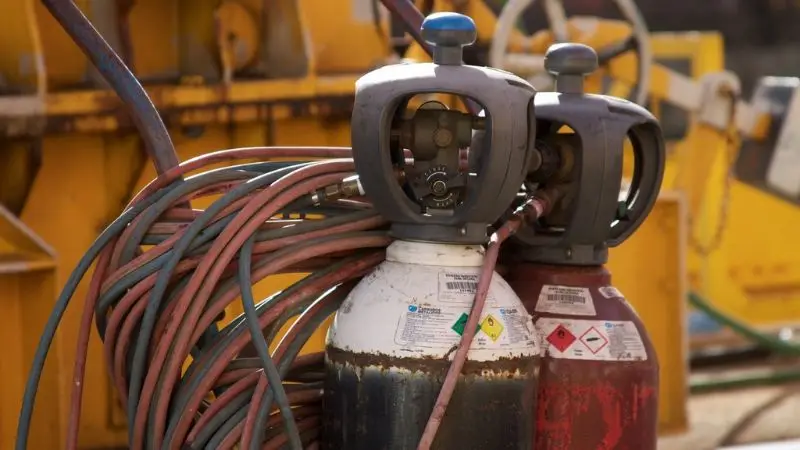
@travistrujillo30 vevor mig-270a pro 3 n 1 welder, this thing welds like a dream #weldernation #weld #fabrication #vevor #mig @vevor shop @Vevor_US
♬ original sound – T-RAV 🔧🪛🛠🔩🔨tools and more
Explaining the most popular MIG welding gases
When you question what gas is best for MIG welding mild steel, you will find many sorts of gas. The most popular options are argon, carbon dioxide, and their mixtures. Some applications also use mixtures of helium and oxygen. Each shielding gas protects the weld pool from air, helping improve your weld quality. You ought to realize argon and carbon dioxide are the most frequent choices. They help you get good arcs and clean weld beads.
Tip: Always examine the material you are going to weld before you pick your shielding gas.
Why Argon is widely used in MIG welding
For many mig welding applications, argon is the go-to choice. Can you MIG weld without gas? You can use argon for welding aluminum, stainless steel, and mild steel. Argon produces a smooth arc and reduces splatter. This gas produces a bright weld bead and helps you prevent flaws. Argon is suitable as a pure shielding gas or in combination with other gases. You will see argon being utilized in both professional and beginner installations.
Role of CO₂ in MIG welding applications
Another response to what gas should I use for MIG welding is carbon dioxide. Carbon dioxide can be used as a pure shielding gas or mixed with argon. Carbon dioxide is less expensive than argon and provides deep penetration. This gas is suitable for welding light steel. Using only CO2 may produce more spattering. Many welders prefer a mix of carbon dioxide and argon for the best-quality welds at the best price.
Argon vs CO₂ vs mixed gases – key differences
| Gas Type | Arc Stability | Weld Appearance | Cost | Penetration |
| Argon | High | Smooth, shiny | Higher | Moderate |
| Carbon Dioxide | Moderate | Rougher, more spatter | Lower | Deep |
| Argon-CO₂ Mix | Balanced | Clean, less spatter | Medium | Good |
What gas is used for aluminum MIG welding? Compare these gas types. Argon offers a stable arc and clean weld. Carbon dioxide provides deep penetration and a cheaper cost. Mixed gases provide the advantages of both. The type of shielding gas you choose will impact the quality of the final weld and your project budget.
Best Gas Mixtures for MIG Welding
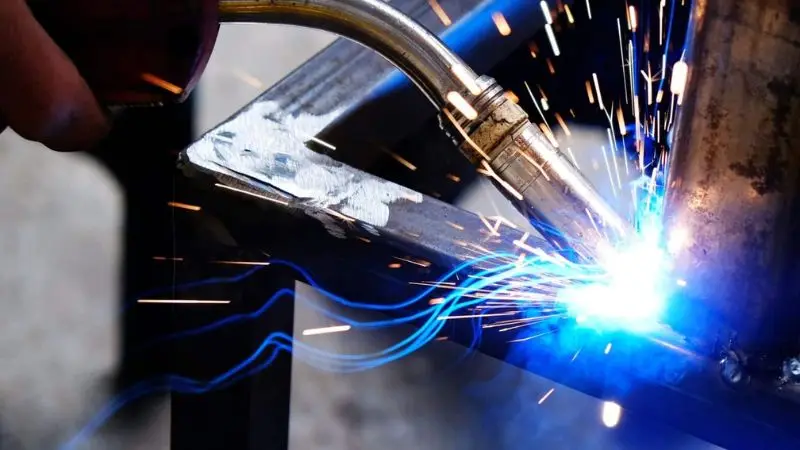
100% CO₂ – advantages and disadvantages
What gas is best for MIG welding mild steel? 100% carbon dioxide is acceptable as a shielding gas for MIG welding. This alternative is less expensive than other gases. Deep weld penetration by means of carbon dioxide. Many people use it for welding thick mild steel. With pure carbon dioxide, you may witness more splatter and a rougher bead. The arc can feel less stable. After welding, there is probably more cleanup to undertake.
Benefits of 100 % CO2:
- A cheaper price
- deep penetration
- Good on heavy steel.
Cons of 100% CO2:
- Additional spray.
- Look more rough Weld.
- Lowered arc stability
Note: You need to use the proper safety gear because carbon dioxide can create more fumes.
75% Argon / 25% CO₂ mix (most popular choice)
What gas is used for stainless steel MIG welding? You will see many welders use a 75% argon and 25% carbon dioxide mix. This blend gives you a stable arc and a smooth weld bead. You get less spatter compared to pure carbon dioxide. The mix works well for most mild steel projects. You can use it with both thin and thick materials. The argon in the mix helps control the arc and improves the look of your weld.
| Feature | 75% Argon / 25% CO₂ Mix |
| Arc Stability | High |
| Spatter | Low |
| Weld Appearance | Smooth |
| Cost | Medium |
Other specialty gas blends for stainless steel and aluminum
What gas should I use for MIG welding? You need different gas mixes for stainless and aluminum. For stainless steel, you could use a mixture of argon and carbon dioxide, and sometimes a little oxygen. This combination provides you with a clean weld and strong corrosion resistance. For aluminum, you need pure argon. Argon provides you with a gentle arc and shiny bead. You do not contaminate by using the proper alloy for each metal.
Tip: Always consult the manufacturer’s instructions to determine the appropriate shielding gas for your project.
Choosing the Right Gas for Different Metals
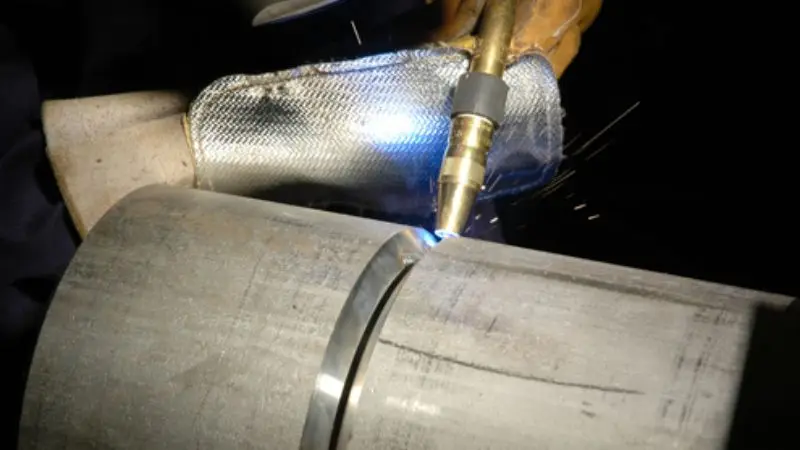
MIG welding mild steel – recommended gases
There are different types of gas for welding mild steel. Can you MIG weld without gas? Most individuals use equal parts of argon and carbon dioxide. Most individuals utilize a mixture of 75% argon and 25% carbon dioxide. This blend gives you a consistent spark and a clean weld. You can also use 100% CO2. This technique is cheaper, allows for a deeper entrance, but may cause more splatter. Choose the argon and carbon dioxide mix for less cleanup and a nicer bead.
Tip: Before choosing a shielding gas for mild steel, be sure you know what type of wire you have and its thickness.
MIG welding stainless steel – ideal gas options
Stainless steel requires a specific technique. What gas is used for aluminum MIG welding? You’re going to mix argon with carbon dioxide, and occasionally a little oxygen. A common mixture is 98% argon and 2% carbon dioxide. This mix helps you produce a solid weld and prevents rust. The argon in the mix provides a clean, smooth arc and a sparkling finish. A little oxygen makes the arc better, but too much can cause trouble.
| Gas Blend | Best For |
| 98% argon / 2% CO₂ | General stainless steel |
| 90% argon / 7.5% CO₂ / 2.5% O₂ | Special applications |
MIG welding aluminum – why pure argon is preferred
Always fuse aluminum with pure argon. What gas is used for stainless steel MIG welding? Aluminum is very reactive with air; you need a shielding gas to protect the weld. Argon provides you with a gentle arc and a bright, clean weld bead. Other gases can produce faults or weaken the weld. Pure argon is ideal for all metal thicknesses. You gain a good look and better control.
Important: Never use oxygen or carbon dioxide mixtures for aluminum. The best results can only be obtained with pure argon.
How Shielding Gas Impacts Weld Quality
Effects on penetration and bead appearance
You control weld quality by selecting the appropriate shielding gas. What gas is best for MIG welding mild steel? The gas affects the weld penetration depth and the appearance of the bead. If you use argon, you obtain a smooth, shiny bead. Argon provides more control and helps avoid rough edges. Carbon dioxide provides better penetration, allowing you to weld thicker materials. Mixed gases balance penetration and bead look. Choose the shielding gas that best meets your project’s needs.
| Shielding Gas Type | Penetration | Bead Appearance |
| Argon | Moderate | Smooth, shiny |
| CO₂ | Deep | Rougher, more spatter |
| Argon-CO₂ Mix | Good | Clean, less spatter |
Tip: Use a higher argon blend for a cleaner bead. For deeper welds, use more carbon dioxide.
Spatter reduction and arc stability
It is important to use shielding gas to reduce splatter and maintain a steady state. What gas should I use for MIG welding? Use argon or argon-rich mixtures, and you get less splatter. This makes it easier to clean up and maintain a tidy workspace. Stable arcs produce consistent welding. “Carbon dioxide on its own can create more spatter and a less stable arc. Select a gas mixture appropriate for your skill level and project.
- Argon-rich mixes: Less splatter, steady arc
- 100% CO₂: More Spatter, Less Stable Arc
Note: A consistent arc allows you to focus on technique and produce better MIG welding results.
Common welding defects caused by wrong gas selection
Using the improper shielding gas can cause faults in your weld. What gas is used for aluminum MIG welding? Typical concerns are porosity, poor welds, and heavy spatter. Porosity arises when air is introduced into the weld pool. Bad welds can crack when stressed. Too much spatter makes the weld seem untidy and wastes material. By choosing the correct shielding gas for your metal and process, you eliminate these concerns.
- Porosity: Air contamination with inadequate shielding gas.
- Defects: weak welds, Wrong gas for the material
- Excessive spatter: Incorrect gas mixture
Always check your shielding gas before starting any MIG welding project. This process helps you avoid errors and produce strong, clean welds.
Common Mistakes When Using MIG Welding Gas
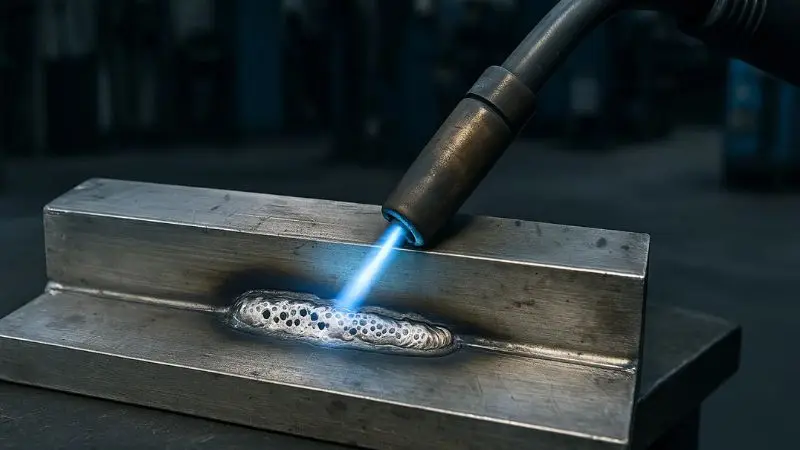
Using incorrect gas for the material
Can you MIG weld without gas? The selection of the shielding gas must match the base metal to be welded. Improper gas can destroy your weld. For example, putting carbon dioxide on aluminum will yield weak welds and a poor bead look. Pure argon or carbon dioxide will not do. Stainless steel needs a particular mix. The metals each respond differently to the shielding gases. Before beginning your job, confirm the type of gas.
These are some frequent mistakes you might make:
- Aluminium welding with pure carbon dioxide
- Argon-oxygen combination for mild steel when it is not needed
- Ignoring the manufacturer’s suggestions for gas mixes
Tip: Always read the label on your gas cylinder! Be sure to double-verify the gas composition before you start MIG welding.
Poor shielding leading to porosity
Porosity occurs when the weld pool is contaminated by air. This condition causes your weld to be weak and full of holes. Bad shielding is one common cause. If you don’t have enough gas flow or the shielding gas is blown away by the wind, you’ll get porosity. A leak in your gas hose or a faulty nozzle might let air in, too.
To prevent porosity, perform the following:
- Set the gas flow correctly (typically 20 to 25 cubic feet per hour)
- Check hoses and fittings for leakage
- Keep the nozzle clear of splatter and clean
- Guard your working area against draughts and wind
| Problem | Cause | Solution |
| Porosity | Poor shielding, air leaks | Check gas flow and leaks |
| Weak welds | Wrong gas for the material | Use the correct gas blend |
Note: The best argon CO2 mix for MIG welding: Good shielding keeps air off your weld, keeping your work strong and clean.
Conclusion:
The choice of shielding gas can significantly impact the quality of your MIG welds, helping you achieve stronger, cleaner, and more professional-looking welds. What gas is used for MIG welding? The appropriate gas will improve weld quality and reduce faults. It will ensure the metals work better together. It also saves you time and money by removing unnecessary effort and streamlining operations. If you are unsure which gas to use for your job, always consult a quick guide or an expert. Or check these charts or the frequently asked questions to find the correct gas for your item quickly. MIG welding is safer and more reliable once you know what gas is being used.
FAQ
What happens if you use the wrong shielding gas for MIG welding?
You risk weak welds, porosity, or too much spatter. The weld may look rough or break easily. Always match the gas to your metal for strong, clean results.
Can you MIG weld without shielding gas?
No, you cannot MIG weld without shielding gas. The gas protects the weld from air. Without it, your weld will have holes and be weak.
Why do most welders use a 75% argon / 25% CO₂ mix?
This mix gives you a stable arc, smooth bead, and less spatter. It works well for mild steel. You get good results with less cleanup.
How do you know if your shielding gas flow is correct?
Check your regulator. Most MIG welding uses 20–25 cubic feet per hour. Too little gas causes porosity. Too much gas wastes money and can disturb the weld.
Can you use the same gas for aluminum and steel?
No, you should not use the same gas. Use pure argon for aluminum. Use an argon-CO₂ mix or CO₂ for steel. The right gas keeps your weld strong and clean.