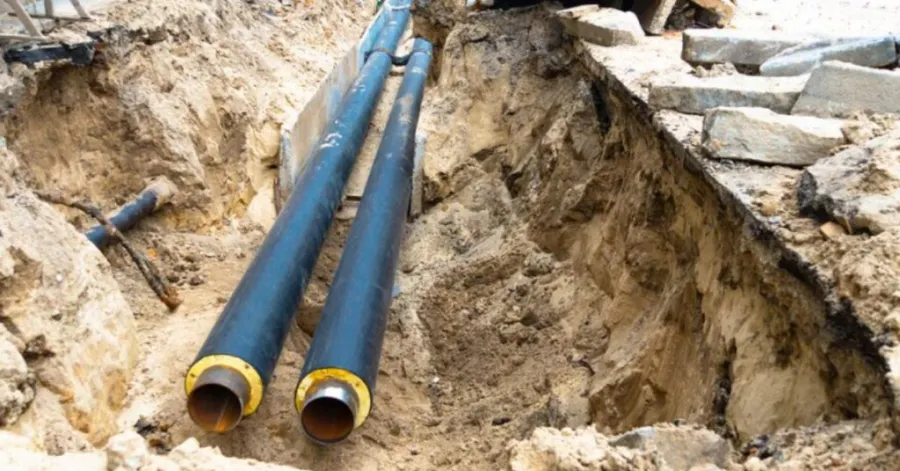
Your house’s sewer system operates quietly every day, transporting wastewater off the premises. Selecting the appropriate sewer pipe material is critical. Various residential sewer pipes have installation costs and performance. Residential sewer pipes come in a wide variety, each with its own conditions and plumbing requirements.
There are materials that belong best in modern homes and those commonly used in old houses. Before recommending a repair or replacement, professionals commonly use a pipe inspection camera to evaluate the condition of the existing sewer pipe and choose the most suitable solution. This guide will describe the most popular types of residential sewer pipes, compare their characteristics, and help you select the most appropriate option based on your home, budget, and the environmental conditions of your area.
What Are Residential Sewer Pipes?
There are various residential sewer pipes that are crucial in the plumbing system of any home. They safely transport wastewater from sinks, toilets, showers, and other drains to the main municipal sewer line or a personal septic system. In the absence of a well-functioning sewer pipe, wastewater cannot be transported effectively, which can result in bad odors, slow flow, and high repair costs.
Residential sewer pipes come in a variety of types, each made of a particular material with its own benefits. The working principles of these pipes and the reasons for using a particular material can help homeowners make a better choice when installing, repairing, or replacing them.
What Is the Purpose of a Residential Sewer Pipe?
A residential sewer pipe is created to dispose of wastewater and sewage safely and efficiently. Each time you flush a toilet, use a washing machine, or empty a sink, the wastewater flows through the sewer line and into the public sewer system or a septic tank. The various kinds of residential sewer pipes all serve the same fundamental role; however, they differ in durability, lifespan, and performance. A pipe inspection camera is often used by plumbers to check the inside of sewer lines and identify hidden cracks, blockages, or root intrusion without digging. A well-laid sewer pipeline will not only avoid backups, but it will also save your home foundation, and your plumbing system will run well over a long period of time.
@dwscustoms vevor borescope #borescope #musthave #dwscustoms
♬ original sound - King Scoot
Why Choosing the Right Sewer Pipe Material Matters
The selection of a sewer pipe is one of the most significant decisions to be made by a homeowner. The various residential sewer pipes are tailored to suit the various soil conditions, costs, and plumbing needs. There are materials that are highly corrosion-resistant, and others that are better suited to heavy loads or long-term durability. The right pipe will save you money in maintenance, enhance the performance of your drainage, and prolong the life of your plumbing system. Knowing the advantages of each material, homeowners can easily choose the most appropriate material for residential sewer pipes and prevent unnecessary repairs in the future.
Different Types of Residential Sewer Pipes
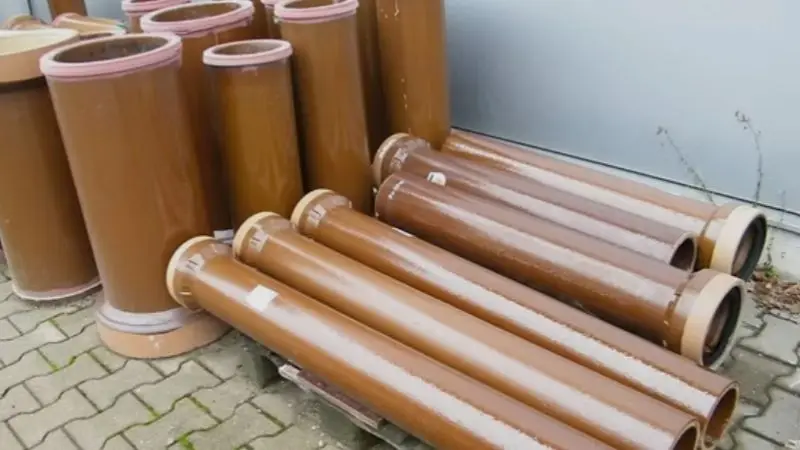
The selection of the sewer pipe material used is also critical since each type has its various advantages, prices, and rates of wear and tear. There are materials commonly used in modern houses, and others commonly used in old houses. Knowing their characteristics can help you make better judgments when constructing a new house or replacing the existing sewer line.
The various varieties of residential sewer pipes will differ in strength, life expectancy, maintenance requirements, and installation requirements. The following are the most popular sewer pipe materials used in plumbing systems in residential houses today.
PVC Sewer Pipes
One of the most popular alternative types of residential sewer pipes is PVC (Polyvinyl Chloride), which is used in modern homes. It is light, cheaper, and not affected by rust, corrosion, and chemical damage. PVC pipes have smooth interior surfaces; as a result, wastewater passes through with little resistance, and they are unlikely to clog. They are also easy to install and are therefore a pocket-friendly option for many residential plumbing projects. Although PVC is suitable in most situations, it might not be the ideal solution in environments subject to very high temperatures. On the whole, it is a dependable substance that provides good longevity with minimal care.
ABS Sewer Pipes
Another standard selection of residential sewer systems is ABS (Acrylonitrile Butadiene Styrene) pipes. Similar to PVC, ABS is lightweight and easy to install, although it is typically tougher to impact and performs better in colder climates. They are black on the exterior and are common in older as well as newer houses. ABS is tough, but it might be more susceptible to direct sunlight, which can cause the material to weaken with time. ABS is one of the varieties of residential sewer pipes that remains a reliable choice for homeowners who need strength, low cost, and easy installation.
Cast Iron Sewer Pipes
For decades, cast iron sewer lines have been used in house plumbing due to their incredible strength and durability. They are extremely strong, offer good soundproofing, and produce a much quieter water flow than plastic pipes. Cast iron sewer systems are still present in many older homes and have been working for decades. These pipes are, however, heavy, costly to install, and do not last long, as they may rust or corrode. Nevertheless, cast iron is still among the toughest alternative types of residential sewer pipes that can be used to ensure long-term performance.
Clay Sewer Pipes
Before the advent of plastic materials, clay sewer pipes were popular. They are inherently impervious to chemical corrosion and can last a long time when well maintained. Yet clay is a brittle material that may break under pressure or when soil moves. The roots of trees are also more likely to penetrate the joints between sections of clay pipes, causing blockages and requiring repairs. Despite their lower prevalence in new construction, clay pipes do still exist in many older houses and are still one of the traditional varieties of residential sewer pipe identified as Eburg Sewer Pipes.
Orangeburg Sewer Pipes
Orangeburg Pipes were popular from the 1940s to the 1970s. They were not made out of metal or plastic but out of asphalt and wood pulp layers. While they were inexpensive at the time, they are much less durable than modern materials. Orangeburg pipes may become soft, deformed, or collapse under pressure, and they frequently need to be replaced altogether. These pipes should be inspected by homeowners who have older properties. Orangeburg is today believed to be one of the outdated varieties of residential sewer pipe, and replacement is normally advised whenever issues are identified.
Concrete Sewer Pipes
Concrete sewer pipes are characterized by high strength and the ability to carry large volumes of wastewater. They are typically deployed in municipal sewer systems, but can also be present in certain residential premises where larger pipe sizes are needed. Concrete can withstand heavy loads, and the service life of concrete is long. It is, however, very heavy and therefore transporting and installing it is more costly than the lighter materials. Concrete is the most favored type of residential sewer pipe due to its durability, although it is not prevalent in normal residential installations.
Copper Sewer Pipes (Less Common)
Today, copper pipes are hardly used in residential sewer lines, but are still commonly used in water supply systems. They are highly corrosion-resistant and have good longevity, but they are very costly compared with contemporary plastic materials. Copper is not a good choice in new sewer installations due to their high cost. Particularly old houses might still have some copper piping, depending on their construction date. Copper has become a rare choice for wastewater drainage systems when compared to alternative types of residential sewer pipes.
HDPE Sewer Pipes
High-Density Polyethylene (HDPE) pipes are gradually gaining popularity due to their flexibility, strength, and good resistance to chemicals and corrosion. They also withstand ground movement better than most rigid pipe materials and can therefore be used in areas with unstable soil conditions. There are also heat-fused joints of HDPE pipes, which minimize the possibility of leaks and root intrusion. They may be more expensive than PVC, but depending on their durability, they can be a good investment. HDPE is one of the finest varieties of residential sewer pipes, and it is one of the most suitable pipes to use in the contemporary residential sewer system.
Comparison of Residential Sewer Pipe Materials
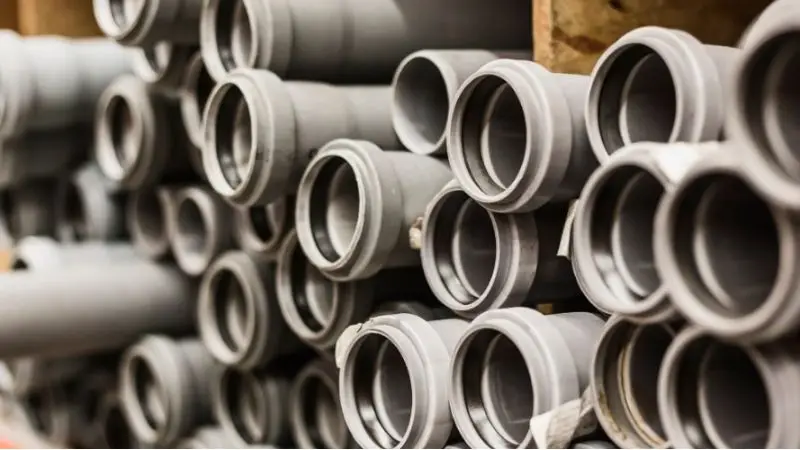
Not every sewer pipe material will perform similarly. Others are designed to take decades to be serviced with minimal service, and others are simpler to install or cheaper to purchase initially. Comparing their main characteristics helps homeowners select the appropriate one based on their budget, property condition, and long-term needs.
There are various categories of residential sewer pipes that have advantages and disadvantages. It is easier to understand how they all fare in terms of their durability, cost, maintenance, and best applications, and thus pick the best material to use in your home.
Durability and Lifespan
The quality of a sewer pipe is determined by the material used in most cases. Cast iron and concrete pipes are characterized by their remarkable power and may serve for several decades with proper maintenance. PVC and HDPE pipes are also remarkable for their durability, thanks to their resistance to rust and corrosion, as well as to various chemical damage.
Clay pipes last longer but are prone to cracking when subjected to pressure or soil movement. Orangeburg pipes, however, are the ones that have the shortest life span and are also commonly replaced in older houses. The various categories of residential sewer pipes include PVC, HDPE, and cast iron, among others, which are usually regarded as the most reliable long-term options.
Cost and Installation
The prices of sewer pipes vary with the material, labor complexity, and installation. PVC and ABS pipes are generally the cheapest materials because they are lightweight, easy to carry, and easy to install. HDPE can be a little more expensive initially, but it can offer greater flexibility and a longer life cycle. The weight of cast iron and concrete pipes makes them difficult to install, as they need more labor and specialized machinery. When comparing residential sewer pipes, it is important that the homeowner weigh the material’s original installation cost against its long-term value.
Maintenance Requirements
All sewer pipes should be periodically maintained, although certain materials may require more maintenance than others. PVC, ABS, and HDPE pipes require little maintenance because they are corrosion-resistant and have smooth inner surfaces that minimize the risk of clogs. Cast iron pipes can corrode over time, whereas clay pipes can have their joints invaded by roots. Orangeburg pipes are prone to frequent inspections because they tend to wear out over time.
Not only does knowing what kind of maintenance the various types of residential sewer pipes require assist homeowners in lowering the likelihood of unexpected repair expenses, but it also helps them prolong the lifespan of their plumbing system. Scheduling regular inspections with a sewer pipe inspection camera helps identify small problems before they become costly repairs, keeping the plumbing system in good condition for years.
Best Uses for Each Pipe Type
Both types of sewer pipes are best in particular cases. PVC is the best choice for most modern plumbing systems in residential buildings due to its low cost, durability, and ease of installation. ABS is a good choice in colder temperatures where impact resistance is a factor. Cast iron is ideal for homeowners looking for long-lasting performance and quieter wastewater flow.
HDPE is effective in regions with potentially unstable soil due to its elasticity, whereas concrete is more suitable for larger sewer systems. The pipes are used in the older houses, and during renovations, the Orangeburg is usually replaced by clay pipes. Being aware of the advantages of the various types of residential sewer pipes will help homeowners choose the most appropriate type for their property.
How to Choose the Right Residential Sewer Pipe
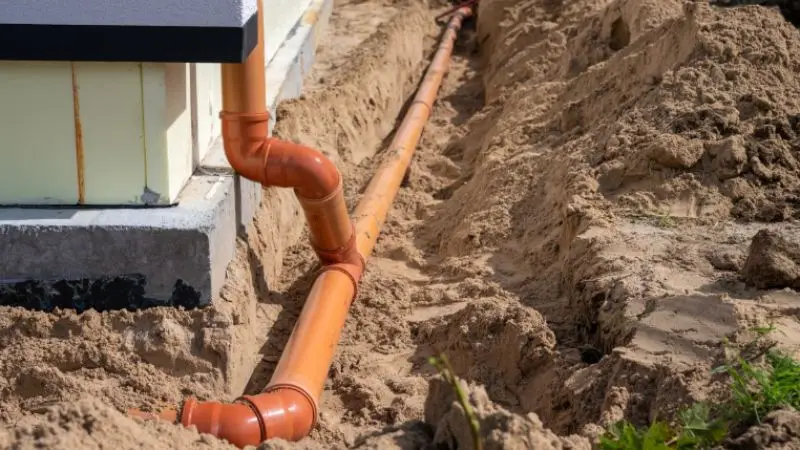
The choice of sewer pipe is one of the key decisions that can influence your home’s plumbing in the coming years. The best option will vary depending on several factors, such as your home’s age, the area’s climate, the soil, and your budget. This information will help you prevent needless repairs and extend the life of your plumbing system by keeping these points in mind prior to installation or replacement.
The fact that there are numerous types of residential sewer pipes means that knowing where and when each type works best will help you make a more dependable choice about which type of sewer pipe to use on your property.
Consider Your Home’s Age
The age of your house may provide useful information about the type of sewer pipe you already have. The older houses might still have clay, cast iron, or Orangeburg pipes, whereas the newer houses tend to have PVC or HDPE. If you’re unsure which material your home’s sewer pipe is made of, a sewer pipe inspection camera can accurately identify the pipe type and reveal its overall condition without damaging your property.
When replacing an existing sewer line, it is easy to install it using a material that will be compatible with your plumbing system, thus enhancing performance. Knowledge of the various kinds of residential sewer pipes in common use at various periods of construction is also useful in ensuring that homeowners know what to look out for in order to prevent some of the problems before they can be costly to fix.
Check Soil and Climate Conditions
Soil type and local weather conditions have a major impact on the performance of sewer pipes. Pieces with varying soils, which often freeze or contain a lot of water, need materials that can resist movement and environmental changes. HDPE pipes are very flexible and work well in unstable soils, whereas PVC is a great option for most standard residential settings. Choosing among the various kinds of residential sewer pipes that best fit your local conditions can reduce the chances of cracks, leakages, and early failure of the pipes over time.
Think About Your Budget
One of the crucial aspects to consider when selecting a sewer pipe is budget. Although PVC and ABS pipes are usually the cheapest types of pipes, higher-end materials, such as cast iron and HDPE, can be more expensive initially but tend to be easier to maintain and offer a prolonged service life. One should not just compare the purchasing price but also the cost of installing, maintaining, and repairing it in the future. By assessing the various kinds of residential sewer pipes based on their long-term value rather than the initial price per se, homeowners can make a smarter investment.
Follow Local Building Codes
Before installing or replacing a sewer line, always check your local plumbing and building regulations. Certain municipalities permit only certain types of pipes to be used in residential sewer systems, and others have particular requirements for the size of pipes, their depth, or installation procedures. Adherence to these rules will help ensure that your plumbing system meets safety guidelines and passes inspections. When comparing the various varieties of residential sewer pipes, ensure that the material that you select is in line with the local building codes to prevent expensive setbacks or subsequent rework.
Wrap Up
Knowing the various varieties of residential sewer pipes can help homeowners make better decisions in building, repairing, or replacing a sewer system. Each pipe material comes with its pros, lifespan, maintenance requirements, and installation prices. The appropriate choice is determined by the age of your home, the soil type, budget, and local building regulations. You can minimize future repair costs and enhance your plumbing system’s performance by comparing available materials and understanding where each is most effective. It is always advisable to consult a qualified plumbing specialist before making a final decision regarding your property.
FAQs
What are the various kinds of sewer pipes in the house?
The various kinds of residential sewer pipes are PVC, ABS, cast, clay, concrete, Orangeburg, copper, and HDPE. Each material has its own benefits, price, and anticipated durability.
Which type of sewer pipe used in homes is the most durable?
A few of the most durable sewer pipes include cast iron, concrete, and HDPE. They can offer effective performance over a number of decades with proper installation and maintenance.
Which sewer pipe is the most suitable for a modern home?
One of the most popular options is PVC, as it is cheap, durable, does not corrode, and is simple to install. Another ideal solution to challenging soils is HDPE.
What kind of sewer pipe does my house have?
A sewer camera inspection enables a professional plumber to know the material of your sewer pipes. Pipes used in older homes are usually clay or cast iron, whereas in newer homes they are usually PVC.
At what point are residential sewer pipes to be replaced?
When sewer lines become prone to frequent leakages, serious corrosion, constant blockages, root penetrations, or structural damage that cannot be fixed efficiently, replacement of sewer pipes is recommended.