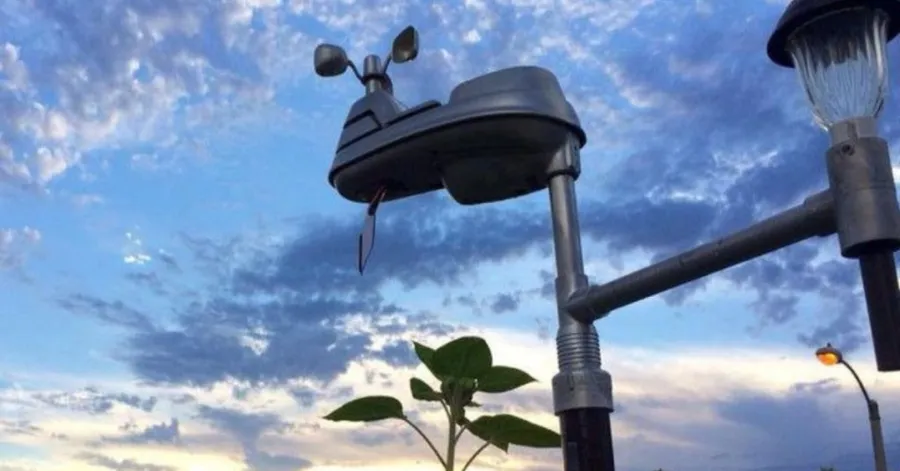
Looking for creative weather station mounting ideas? You want your weather station to give you the best data, so where and how you install it really matters. Consider your home’s layout, the surrounding trees, and the local wind patterns. Anyone can do this with the right advice—no experience needed!
Top Weather Station Mounting Ideas
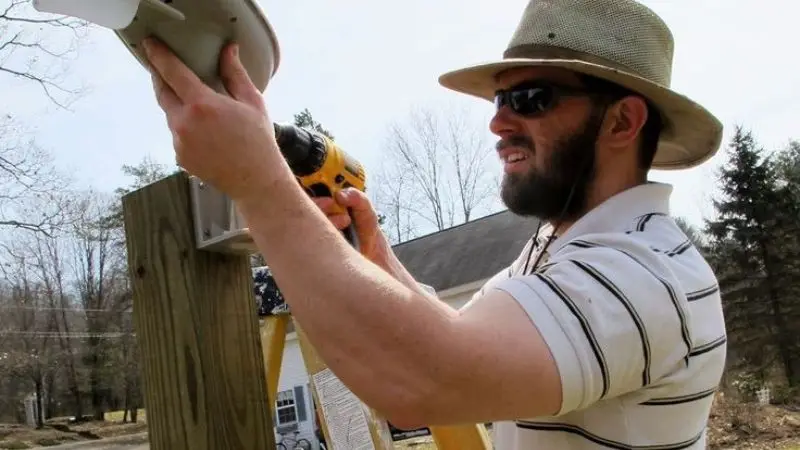
Choosing the right spot for your weather station can make a big difference. You want accurate readings and a setup that lasts. Here are the top weather station mounting ideas to help you get started.
Roof Mount
Mounting your weather station on the roof gives you a clear view of the sky. You avoid trees and buildings that block wind or sunlight. Use a weather station mounting pole to lift your sensors above the roofline. Ensure you use a sturdy mounting kit to keep your station secure during storms. Always check that your roof can handle the extra weight.
Fence Post Mount
A fence post works well if you want easy access. Try mounting on top of a fence pole for better height. This spot keeps your weather station close to the ground, which helps with temperature readings. Use a weather station mounting kit to attach your sensors securely. Make sure the post is stable and not wobbly.
- Great for backyards with open space.
- Easy to reach for cleaning or battery changes.
Tripod Pole Mount
A tripod pole gives you flexibility. You can move your weather station around until you find the best spot. This setup works well in open yards or gardens. Use a weather station pole that is tall enough to avoid bushes or other obstructions, such as fences. Secure the tripod legs to prevent your station from tipping over in strong winds.
Chimney Mount
Mounting your weather station on a chimney puts it high above the ground. You get apparent wind and rain readings. Use a special mounting kit designed for chimneys. Make sure you do not block the flue or vents. Check the stability before you finish the installation.
- Suitable for homes with tall chimneys.
- Keeps sensors away from ground-level heat sources.
Wall Mount
You can attach your weather station to an outside wall. Select a wall that faces an open space, rather than one that is blocked by trees or other buildings. Use brackets from a weather station mounting kit to hold your sensors. Ensure the wall is sturdy enough to support the weight.
Eave Mount
Mounting your weather station under the eaves protects it from rain and snow. You still get good airflow for wind and temperature sensors. Use a mounting kit with adjustable brackets. Ensure the eave does not obstruct the sensors.
- Works well for homes with wide eaves.
- Keeps your station out of direct sunlight.
Ground Stake Mount
A ground stake lets you set up your weather station in the yard. Push the stake deep into the soil so it does not fall over. Use a weather station pole to lift your sensors above grass and plants. This setup is easy to move if you want to try different spots.
Flag Pole Mount
You can use a flagpole for your weather station’s mounting. The height gives you precise readings for wind and rain. Attach your sensors with a strong mounting kit. Ensure the pole is stable and does not sway excessively.
- Perfect for homes with tall flag poles.
- Keeps your station visible and easy to check.
RV Ladder Mount
If you travel in an RV, you can mount your weather station on the ladder. Use a weather station mounting kit made for ladders. This setup allows you to take your station with you wherever you go. Ensure the RV roof does not obstruct the sensors.
Chain Link Fence Mount
A chain-link fence provides a sturdy spot for your weather station. Use zip ties or brackets from a mounting kit to attach your sensors. Ensure the wall is not obstructed by plants or located near buildings. This setup works well for small yards.
- Easy to install and adjust.
- Suitable for renters who cannot drill into walls or roofs.
Remember, the top weather station mounting ideas are most effective when you select the correct location and utilize the appropriate accessories. Always check for obstructions and make sure your station is secure. You want your weather station to last and give you accurate data.
Weather Station Mounting Ideas for Different Locations
Open Yard
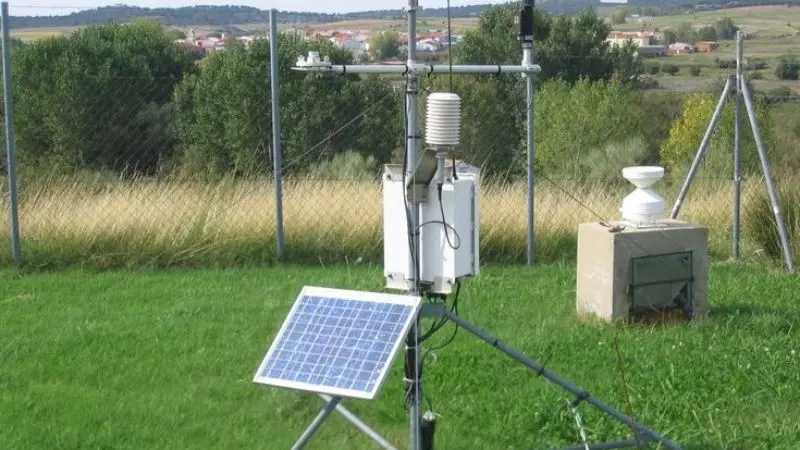
You have an open yard? That’s perfect for a weather station. You get fewer obstructions, so your readings stay accurate. Place your weather station pole in the center of the yard. This spot keeps it away from trees, fences, or buildings. Use a sturdy mounting kit to keep your weather station steady, even on windy days. If you want to try different spots, a tripod pole works well. Be cautious of sprinklers or pets that may bump into your setup.
Limited Space
Small spaces can still work for weather station mounting. If you have a balcony, patio, or small yard, consider a wall mount or a fence post. Use a compact mounting kit to save space. Ensure your weather station is positioned above railings or other nearby objects. This helps you avoid blocked wind or sunlight. Sometimes, you need to get creative. Look for spots with the best airflow and the least shade.
- Wall mounts work well for apartments.
- Fence posts are great for narrow yards.
Mobile Setups
Do you want to take your weather station on the go? Mobile setups are for you. Use a weather station pole with a tripod or attach it to an RV ladder. Pick a lightweight mounting kit for easy travel. This way, you can set up your weather station at campsites or new locations. Always check for obstructions, such as trees or buildings, before collecting data.
Safety and Installation Tips
Secure Fastening
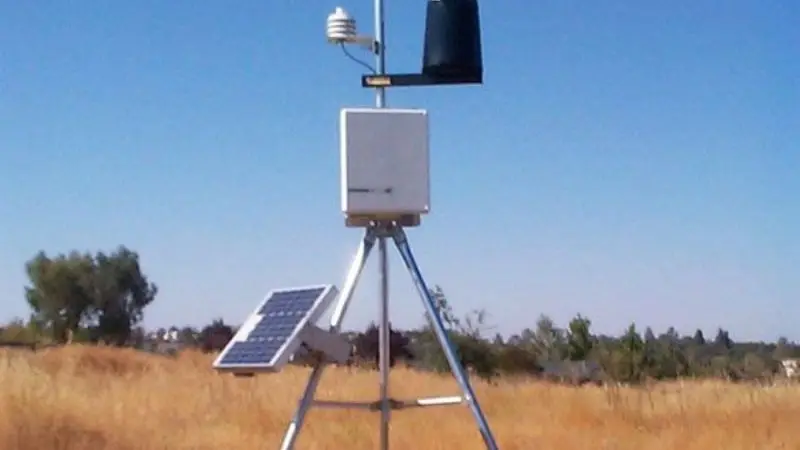
You want your weather station to stay put, even when the wind picks up. Always check that your weather station pole stands straight and does not wobble. Use a strong mounting kit for extra support. Tighten all screws and bolts. If you mount your weather station on a roof or fence, double-check the brackets to ensure they are secure. Also, this is the best height to mount a weather station. But a loose setup can result in inaccurate data or even damage your sensors.
Accessory Selection
Selecting the proper mounting accessories can make a significant difference. Not every weather station uses the same parts. Examine your weather station model to determine which one fits best. Some mounting accessories are better suited for walls, while others are designed to fit a weather station pole. If you want to try new weather station mounting ideas, make sure your accessories match your setup. Always choose rust-proof materials for outdoor use.
- Stainless steel and aluminum last longer outside.
- Plastic parts work for light weather stations.
Maintenance
Keep your weather station in top shape with regular checks. Clean the sensors and remove any dirt or debris, such as leaves. Inspect the mounting accessories for signs of rust or cracks. If you notice any damage, replace the affected parts immediately. A monthly check helps your weather station last longer and ensures your data remains accurate.
Choosing the Right Weather Station Mount
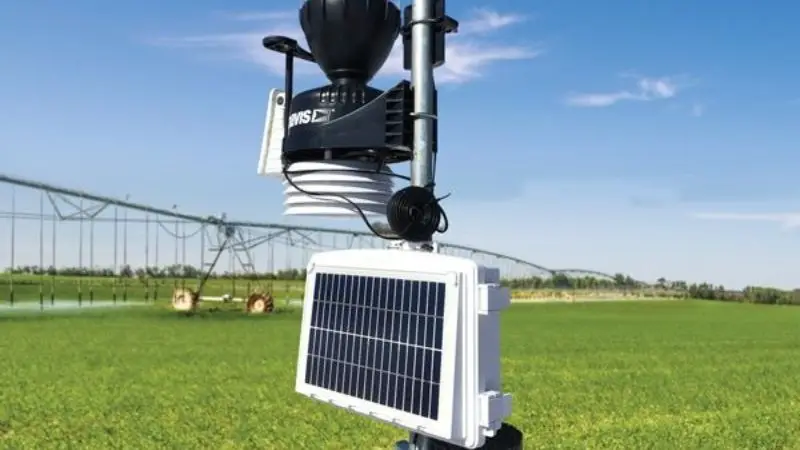
Model Compatibility
You want your weather station to work its best, so start by checking if your mounting idea fits your model. Not every weather station works with every setup. Some stations require a weather station pole, while others are attached to a wall or fence. Refer to your instruction manual or the manufacturer’s website for guidance. You might see a list of recommended mounting options. If you have a weather station mounting pole, make sure your sensors fit on it. Some models need a special mounting kit for a secure hold. Here’s a quick table to help you match your weather station to a mounting idea:
| Weather Station Type | Best Mounting Option |
| All-in-one sensor | Pole, tripod, or wall |
| Separate sensors | Fence, eave, or ground |
| Portable models | Tripod or RV ladder |
Durability
You want your weather station to last through sun, rain, and wind. Select a weather station mounting that utilizes sturdy materials. Stainless steel and aluminum are suitable materials for a weather station pole. Plastic can work for light sensors, but it may crack over time. Check your mounting kit for parts that are rust-proof. A sturdy setup keeps your weather station safe and provides you with more accurate data. If you live in a windy area, use extra clamps or ties for support.
Final Thoughts
When you pick the best spot for your weather station, you get better results. Now you know where I should mount my weather station. Try different creative ideas to mount your weather station. Always check your weather station for accurate safety information. With the proper setup, your weather station gives you exact data. Enjoy watching your weather station work every day!
FAQ
How high should I mount my weather station?
You should place your weather station at least 5 feet above the ground. This helps you get the most accurate temperature and wind readings.
Can I relocate my weather station after it has been installed?
Yes, you can move your weather station if you notice bad readings. Try different locations until your weather station yields the best results.
What should I avoid when installing a weather station?
Avoid placing your weather station near trees, buildings, or vents. These things can block wind or sunlight, making your weather station less accurate.