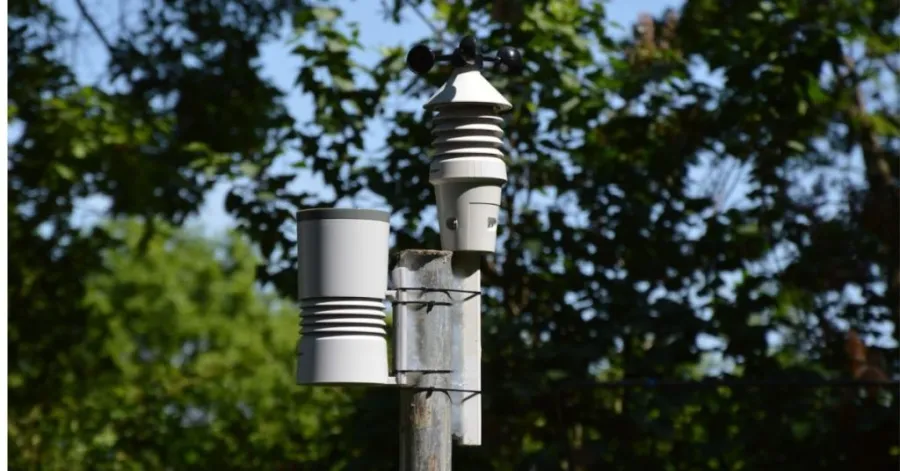
Ever wondered how scientists predict the weather or how you can tell what’s coming next? Weather-measuring tools at the weather station give you a window into the sky’s secrets. A thermometer reveals the air temperature, a barometer tracks pressure changes, and a rain gauge shows how much rain has fallen. Each instrument helps you understand what’s happening in the atmosphere. By learning how these tools work, you can read forecasts more accurately, spot weather patterns yourself, and make smarter choices for your day—whether planning a picnic or preparing for a storm.
Understanding Weather Measuring Tools
Weather has a significant role in everyday life, and its concept begins with appropriate tools. You can use weather-measuring instruments to understand the functioning of the atmosphere, whether you are a student, a hobbyist, or need to understand why the skies are fascinating. Such instruments identify trends, forecast variations, and allow for making a weather measure accurate either at home or in the workplace.
What Are Weather Measuring Tools?
Weather measuring instruments are those tools that are used to view and measure the various weather conditions, and they include the temperature, air pressure, humidity, and rainfall. Such common ones are thermometers, barometers, and rain gauges. The tools are used to perform different tasks, such as a thermometer to measure the temperature, or a barometer to monitor air pressure.
When used together, these tools create a complete picture of the weather. You can find them in schools, homes, and professional weather stations around the world. Starting with a DIY weather measuring device that you made at home and ending with sophisticated devices used by meteorologists, each of them will help you learn the world better and get ready for the future.
Importance of Accurate Weather Measurement
Accurate weather readings are essential for safety and decision-making. Using the best weather measuring tools for home use or professional weather measuring equipment ensures reliable data that can guide daily activities and major operations. For example, farmers depend on precise rainfall and temperature readings to protect their crops, and pilots check detailed forecasts before flying.
Even small measurement errors can lead to incorrect predictions. That’s why understanding digital vs analog weather instruments and choosing the right one matters. Reliable and correctly used tools help you make smart choices—whether it’s dressing for the day, scheduling outdoor work, or tracking climate trends.
Essential Weather Measuring Tools & Their Functions
Learning about weather instruments helps you see how experts collect data to understand weather changes. Each tool has a unique role, helping measure temperature, air pressure, wind, and rainfall. Whether you’re using DIY weather measuring tools or professional weather measuring equipment, knowing how they work gives you clearer insights into daily forecasts and environmental patterns.
Thermometer – Measuring Air Temperature
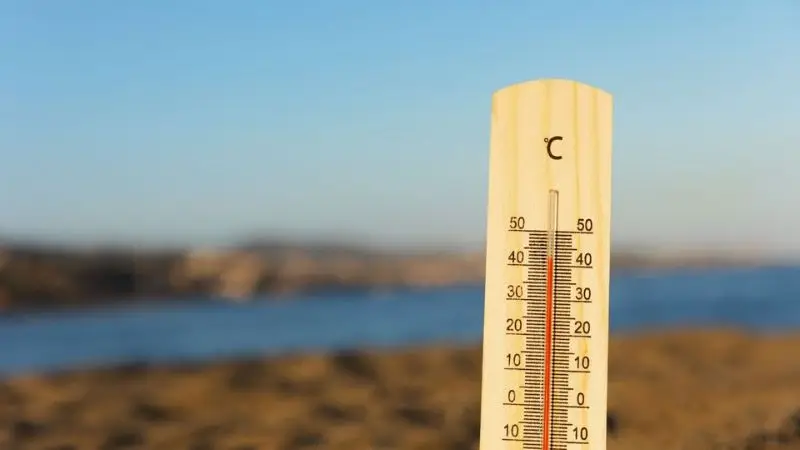
One of the most common weather measuring instruments that is used to test the air temperature is a thermometer. It tells you about the dynamics of the weather, whether it is hot or cold. Scientists also use thermometers in weather bureaus to monitor the changes in temperature, and you can also use them at home to determine what to wear. Digital/analog weather devices can both measure temperature, although digital thermometers provide faster and more accurate readings. Climatic variations influence the way we live, right up to the growth of our plants, and the behaviour of our animals. Knowledge of this tool will make you trace your daily changes in climate and be more prepared for every season.
Barometer – Measuring Atmospheric Pressure
A barometer is used to measure air pressure, which plays a big role in predicting the weather. When the pressure drops, a storm or rain is often on the way; when it rises, you can expect clear skies. Barometers are part of the best weather measuring tools for home use and also appear in advanced professional weather measuring equipment. Knowing how to read a barometer helps you anticipate weather changes before they happen. Whether digital or traditional, this instrument shows how air pressure shifts influence everything from your weekend plans to flight schedules.
Hygrometer – Measuring Relative Humidity
A hygrometer is used to determine the amount of water vapor contained in the air, or humidity. When the humidity is high, the air is warmer and heavier, whereas when it is low, it is cool and dry. It has both digital and analog weather instruments, and the digital ones are frequently more precise at home. This device will make you realise that there are days when you feel sticky or awkward, and there are those when you feel fresh and light. Hygrometers are used by farmers, gardeners, and meteorologists to examine how much moisture there is in the atmosphere, and this influences rainfall, fog, and the level of comfort in the place you are living in.
Anemometer – Measuring Wind Speed
An anemometer measures the speed of the wind. It’s an important part of professional weather measuring equipment because wind speed affects travel, outdoor activities, and weather forecasts. At home, you might use smaller DIY weather measuring tools to see how strong the wind is during a storm. Meteorologists use precise anemometers to detect wind changes that signal incoming rain or storms. Wind speed also impacts temperature and humidity levels, making this tool key for accurate predictions. Whether for fun or research, knowing wind speed helps you stay informed and safe.
Wind Vane – Measuring Wind Direction
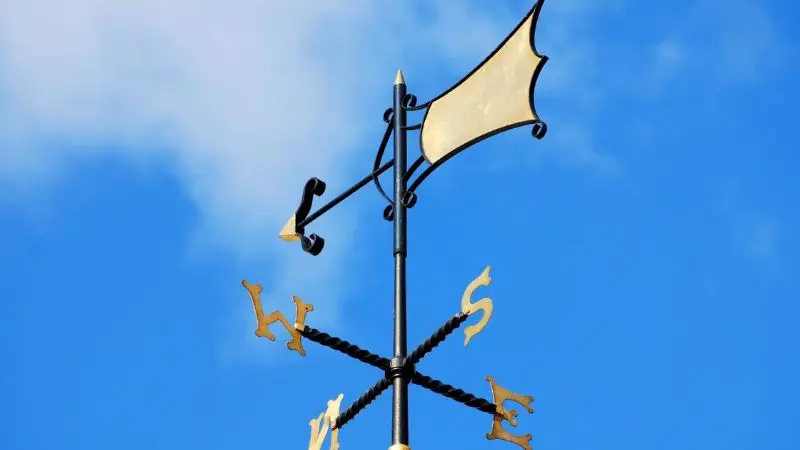
A wind vane indicates the direction towards which the wind is blowing. This aids the meteorologists and the weather enthusiasts in monitoring the direction of air masses and predicting the future weather. As an illustration, when the wind is northwards, it carries cool air, whereas when it is southwards, it carries warm air. Most digital weather measuring instruments currently include the use of wind vanes and anemometers to provide more comprehensive information about the wind. Knowing wind direction enables you to observe the movement of weather systems, and this is a very simple yet important resource in forecasting day-to-day weather and major climate patterns over time.
Rain Gauge – Measuring Rainfall Amount
A rain gauge collects and measures the amount of rainfall over a certain period. It’s one of the best weather measuring tools for home use, perfect for gardeners, farmers, or anyone tracking rainfall. Meteorologists use more advanced rain gauges to record precise rainfall data and study storm intensity. Measuring rain helps in understanding droughts, floods, and overall climate patterns. You can also make your own DIY weather measuring tools to measure rainfall using simple household items. Consistent rainfall tracking improves awareness of local weather and helps plan outdoor activities effectively.
Disdrometer – Measuring Precipitation Drop Size
A disdrometer is a type of instrument that determines the size and speed of precipitation that falls like rain, snow, or hail. It is an enhanced professional weather measuring instrument that gives the scientists more specific information on storms and precipitation patterns. Knowledge of drop size enables weather meteorologists to enhance the models of weather and the forecasting of rainfall., It is not commonly used in domestic applications, but it is used to research the climate. Both readings are useful to fine-tune our weather measurements and provide some insight into how rain and storms form in various settings.
How Weather Tools Work Together for Accurate Forecasting
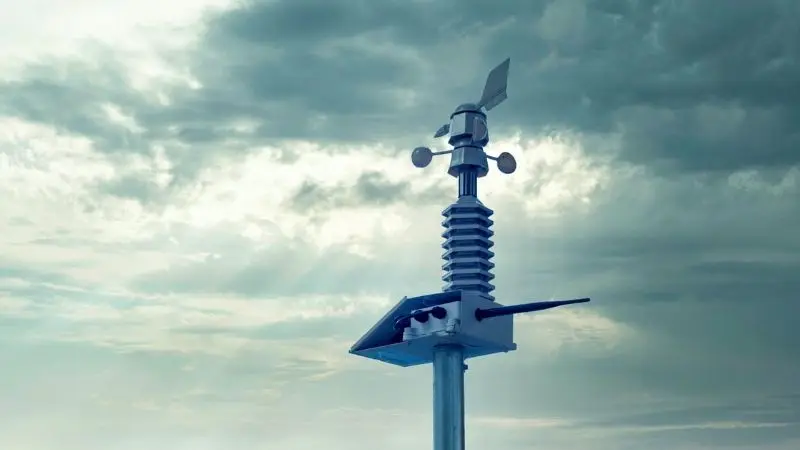
Modern forecasting depends on teamwork between many instruments. By combining data from various weather measuring tools, experts can measure the weather accurately and predict changes in temperature, rain, and wind. These tools, when used together, give a complete and reliable picture of the atmosphere. From simple home setups to advanced monitoring systems, the collaboration of different instruments is what makes accurate forecasting possible.
Integrated Weather Stations
A combination of various weather measuring devices, e.g., thermometers, barometers, hygrometers, anemometers, wind vanes, rain gauges, is connected to an integrated weather station. These are stations present in schools, cities, and airports, which aid in the record-keeping of real-time data. The newer weather stations have digital weather measurement devices that automatically transmit information to computers. They are also joined to satellites and radar, whereby clouds, rainfall, and storms can be monitored at an elevated position. This ground and sky observation will assist scientists in developing more accurate forecasts. Both at home and in large research centers, professional weather-measuring equipment will guarantee the accuracy and consistency in data collection.
Data Collection and Forecasting Process
The data collection process in a weather station happens continuously. Each tool records its measurement—temperature, humidity, air pressure, rainfall, and wind—and sends it to a central computer. Satellites provide detailed images of storms and cloud patterns, while radar identifies where rain or snow is falling. Together, these readings form a detailed weather profile. Meteorologists analyze this data using digital vs analog weather instruments, comparing results for accuracy and consistency. Combining information from satellites, radar, and ground weather observation instruments creates dependable forecasts that help people plan their days, protect crops, and stay safe during extreme weather events.
Modern Weather Technology and Smart Instruments
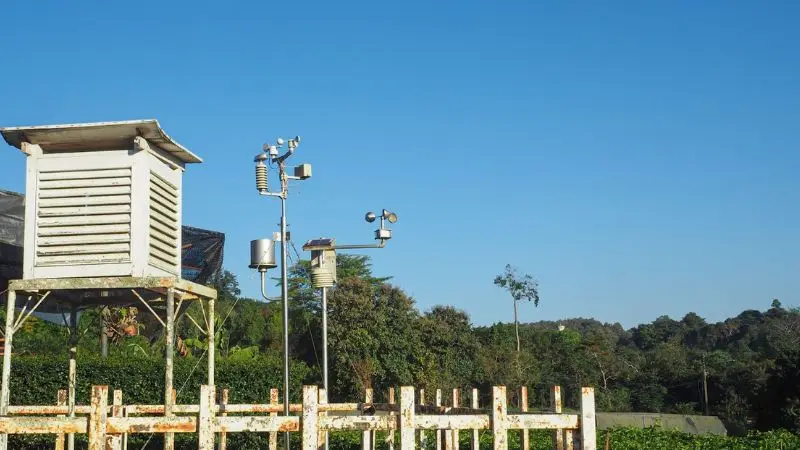
Technology is changing the weather. The current tools are more interlinked, intelligent, and quicker. Due to the digital weather measurement tools, anybody can easily measure the weather from the comfort of his or her home. These instruments collect real-time data and send it to your personal computer or mobile phone, ensuring that you know the dynamic weather.
The Rise of Smart Weather Instruments
Modern smart weather instruments make weather tracking easier and more efficient. Many professional weather-measuring equipment setups now use digital sensors that automatically send readings to computers or apps. You no longer need to check data manually — everything updates instantly.
Common smart weather tools include:
- Digital thermometers – Measure air temperature quickly and accurately.
- Automatic rain gauges – Record rainfall without manual checks.
- Wireless anemometers – Track wind speed and direction remotely.
- Smart weather apps – Display live forecasts and weather alerts.
These connected tools allow you to share local weather data, view global updates, and understand weather changes in real time.
Smart Weather Stations for Homes and Schools
It has become a household feature in schools and backyards to have small digital weather measuring tools. A weather station can be equipped with a smart sensor that will monitor:
- Temperature – Helps prepare the plan of activities per day.
- Humidity -Explains the level of comfort in the air.
- Wind speed– Displays variations that might indicate a storm.
- Rainfall– It is used to monitor the amount of rain that has fallen.
Such stations show the information on a digital display screen and can even issue warnings in case a storm is coming. They also assist families to be informed, be safe, and be prepared for sudden weather changes.
Satellite and Radar Technology
Radar systems and modern weather satellites are used to give a complete picture of the Earth. Images of clouds and movements of storms are registered by satellites in space, and the details of rain, snow, and wind direction are registered by radar on the Earth. They collect and provide scientists with the most accurate measurements of the weather and enhance global predictions. These images are available on the internet, on applications, or on other apps during the TV weather announcement. Using satellite data combined with ground weather observation equipment readings, the meteorologists will be able to forecast the storms earlier and more accurately.
Wrap Up
Weather tools have come a long way—from simple thermometers to smart digital systems. Whether you use DIY weather measuring tools at home or rely on professional weather measuring equipment, each instrument helps you measure the weather accurately and stay prepared. Understanding digital vs analog weather instruments lets you choose what fits your needs best. With modern technology and smart stations, tracking temperature, rainfall, and wind has never been easier. These innovations help everyone—from students to scientists—stay informed, safe, and connected to the ever-changing world around them.
FAQ
Which weather tool is the most significant to beginners?
You may get down to a thermometer. You can use it to measure the temperature of the air. You get to know the outside weather, whether it is hot or cold. The tool is simple to navigate and can assist you in understanding simple weather changes.
How do you read a rain gauge?
You look at the figures on the rain gauge side. And what a lot of rain has come up. You measure the amount in millimeters or inches. This is useful in monitoring rainfall.
What is the reason behind having numerous tools associated with weather stations?
When you use numerous things, you have a whole picture of the weather. All the tools measure different things. You put together temperature, wind, humidity, and rainfall data to have more accurate forecasts. Attempt to use more than a single tool at home to make comparisons.
Are you able to do simple weather instruments at home?
A rain gauge can be made out of a plastic bottle. It is possible to construct a wind vane out of cardboard and a straw. The following homemade tools would teach you the processes used by scientists to measure the weather.
What is the benefit of technology in weather forecasting?
You rely on sensors and smart devices on the web to do it faster and more precisely. Weather applications indicate real-time information. You can have pictures and numbers of other places far off with the satellites and radar.