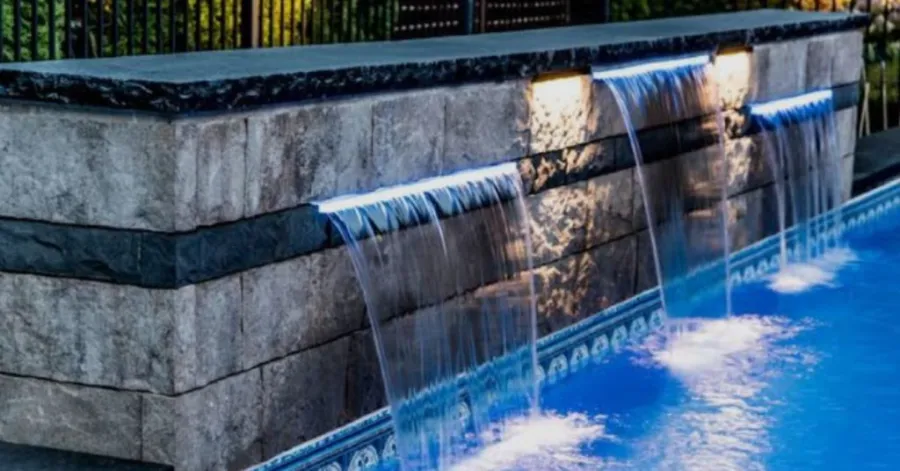
Waterfall pumps help ensure water flows smoothly over garden falls and into ponds. However, running the pump for long periods can increase your electricity bill, especially if your waterfall pump is too powerful or needs regular maintenance. The good news is that a few simple changes can reduce energy use without sacrificing the look and sound of your water feature.
Choosing the right pump size, adjusting the water flow, cleaning the intake, and using quality pipes can all improve efficiency. You can also check the pump’s power consumption and operating schedule to identify where you can save energy. With the right setup and a consistent maintenance routine, your waterfall pump can deliver reliable performance while keeping operating costs under control.
10 Energy-Saving Tips for Waterfall Pumps
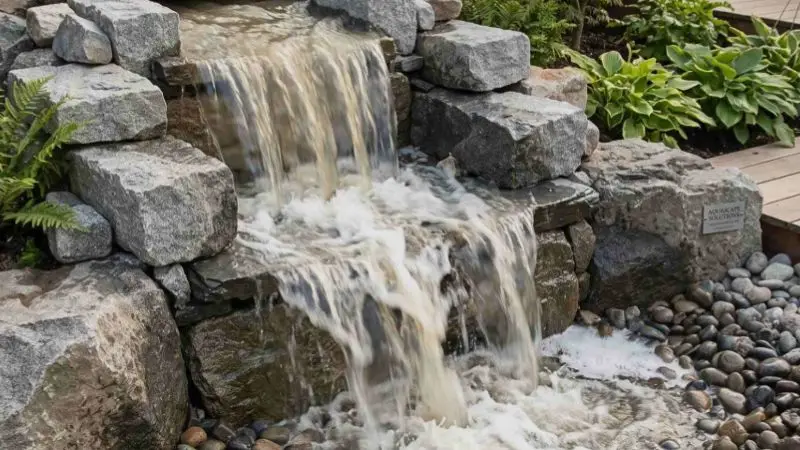
Saving electricity with waterfall pumps begins with selecting appropriate equipment and keeping the system in good condition. The pump can work a little bit harder than necessary when there are small problems like blocked intakes, undersized pipes, or excessive water lifts. Use these useful tips to improve efficiency and avoid unnecessary energy costs when choosing the best waterfall pumps for garden ponds.
Recommended For Your Project
1. Choose the Right Size Waterfall Pump
The pump should generate enough water to create the effect you want without using more energy than needed. An oversized pump can use extra electricity and create a stronger flow than your waterfall needs. At the top of the waterfall, on the other hand, a pump that is too small cannot provide enough water. Choosing the right waterfall pump is an important part of learning how to pick a waterfall pump for your installation.
Before selecting the pump, consider the waterfall width, flow rate, pipe length, and vertical height. Check the pump performance of the manufacturer to see how much water the pump can supply at your desired head height. Selecting a pump that matches your water function helps to compensate for your energy consumption and power, especially if you’re looking for the best pump for a backyard waterfall.
2. Use an Energy-Efficient Waterfall Pump
Not all pumps use the same quantity of electricity to generate the same flow rate. Check the power and consumption of the relevant models before purchase. A pump that delivers the required flow at lower flow levels can contribute to reducing current costs in the long term. Comparison of waterfall pumps with their energy consumption may help you identify the best waterfall pumps for garden ponds.
Look for efficient motor designs and reliable design. Check the pump’s performance on your actual operating head instead of relying only on its most advertised flow rate. As the pump is connected to the pipes and to the height of your waterfall, a pump can offer impressive maximum output but considerably less water. This is particularly important for the choice of a waterfall pump for a large pond.
3. Adjust the Water Flow Rate
Your waterfall might not need to run all the time at its maximum flow rate. If the power consumption of the pump decreases at the chosen setting, it may reduce power consumption. It can also help to avoid splashing and water loss at the edges of the feature. If you use a waterfall pump for a small pond, it may be useful to adjust the waterfall pump to your preferred river.
Use an adjustable pump or an appropriate flow control system to find a setting that produces the desired waterfall effect. Avoid restrictions on the pump outlet unless the manufacturer allows it because it might reduce performance or impair pump construction. If you need less regular power, the adjustable-operation pump can be a better option for a waterfall pump for backyard water features.
4. Clean the Pump and Filter Regularly
Dirt, algae, leaves, and other debris may accumulate and filter into the pump. These materials restrict the movement of the water and can reduce the flow of water by forcing you to operate the system longer, or by increasing your settings for the same outcome. Regular cleaning helps to maintain performance features and ensures effective operation of waterfall pumps, including those that are used as a waterfall pump for natural stone waterfalls.
Disable the pump and switch off the power supply before service is complete. Remove the filter, remove the debris, and check the impeller according to the manufacturer’s instructions. Avoid abrasive tools or cleaning products that can damage the components of the pump. A clean system is easier to maintain and less likely to develop flow problems when using the best pump for a backyard waterfall.
5. Keep the Water Intake Free from Blockages
A blocked water intake may limit the amount of water that the pump can draw. Leaves, small stones, plant roots, and sludge can accumulate around the intake, mainly in ponds and garden water. This may reduce circulation and result in overheating or dry running of some pumps. To keep waterfall pumps free from blockage is essential for the care of the best waterfall pumps for garden ponds.
Check regularly on the intake and remove any debris that might interfere with water movement. Keep the pump well underwater when required by the design and ensure that the water level is within the recommended range of the manufacturer. An unobstructed intake reliably helps to maintain pumping function, reducing the risk of avoidable damage, especially for a waterfall pump for a small pond.
6. Use the Right Pipe Size
The size of the pipe influences the water’s easy flow through your waterfall system. In the case of the system requiring a high flow rate or longer lines, very narrow pipes create larger friction losses. If so, a pump might need to overcome increased resistance in order to supply the amount of water needed. The right pipe sizing helps waterfall pumps work more effectively when the best pump goes into the backyard.
Choose pipes that correspond to the pump outlet, flow requirements, and installation instructions. Consider the diameter of the pipe and its total length, including bends, elbows, valves, and other fittings. Avoid unnecessary sharp bends and limiting equipment where appropriate. Correct pipe sizing can reduce resistance and supply water more efficiently, especially for a waterfall pump for a large pond.
7. Reduce Unnecessary Water Lift
The higher the water must be lifted, the more work the pump must usually do. The vertical distance between the water source and the waterfall outlet, as well as friction losses in the pipes and fittings, contributes to the overall dynamic head. These factors affect both flow rate and energy consumption and should therefore be taken into account in the selection of waterfall pumps for a waterfall pump for natural stone waterfall installations.
Place the pump in the right place and avoid the movement of the pipes above or beyond its requirements. Keep the pipe layout simple and keep secure access for cleaning and repairs. Calculate the vertical lift before buying the pump and explain the pipe resistance. Adjusting the pump to the real head requirement prevents unnecessary energy consumption when selecting the best pump for a backyard waterfall.
8. Use a Variable-Speed Waterfall Pump
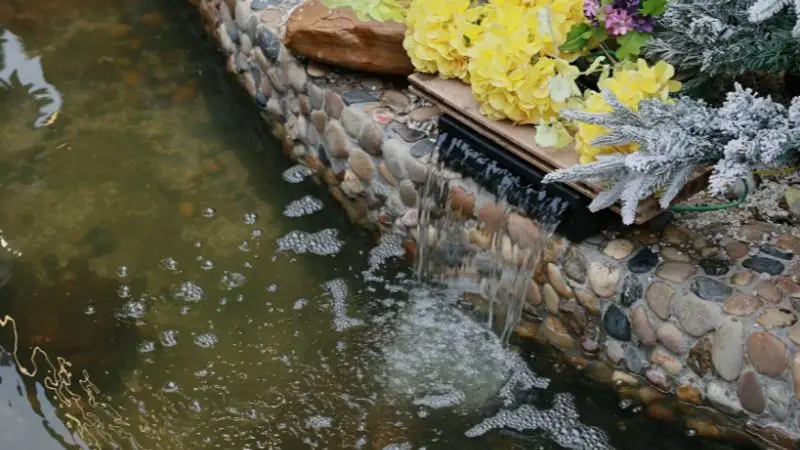
A variable-speed pump lets you adjust the flow to match different conditions. You might want a stronger waterfall during gatherings or a gentler flow in quieter periods. Because the pump’s power consumption declines at lower speeds, adjusting the speed can lead to meaningful savings. Selecting adjustable waterfall pumps can help manage energy consumption in a waterfall pump for a backyard water feature setup.
Please select a model that controls the speed of the pump engine. Do not presume that electricity consumption will decrease by just half at half speed; the result will depend on pump design and operating conditions. Test various settings and monitor the flow to strike a balance between look and energy consumption, especially when choosing the best waterfall pumps for garden ponds.
9. Check for Leaks in Pipes and Connections
Leaks may waste water and affect your waterfall system’s performance. Water that escapes from pipes or connections can decrease the flow that reaches the waterfall and increase the need for refills. This can also affect the pump’s ability to stay fully submerged in a pond or reservoir with limited water. Regular monitoring of waterfall pumps and their connections will help you maintain a waterfall pump for a small pond system.
Inspect pipe connections, seals, valves, and fittings for moist spots or visible drops. Before repairing parts, turn off the system and use compatible fittings and seals. Fix leaks quickly and monitor the water level after the pump is restarted. A well-sealed system helps preserve the intended flow and avoids unnecessary water losses when operating the best pump for a backyard waterfall.
10. Run Your Waterfall Pump on a Smart Schedule
Running a pump longer than needed can increase electricity costs. However, switching off can be inappropriate for a water feature. For ponds that depend on continuous circulation for filtration, oxygenation, or water life, the pump may have to be run around the clock. Before you amend your waterfall pump schedule, check your waterfall pump requirements for a large pond system.
First, you need to determine if your setup requires continuous operation. If intermittent operation is appropriate, use a timer or smart plug capable of handling the electrical load of the pump and the outdoor conditions. Set a schedule that meets waterfall needs without wasting operating hours. Follow the pump manufacturer’s instructions and any filtration or pond care requirements before you reduce the runtime, in particular, when using the best waterfall pumps for garden ponds.
Common Waterfall Pump Mistakes That Waste Energy
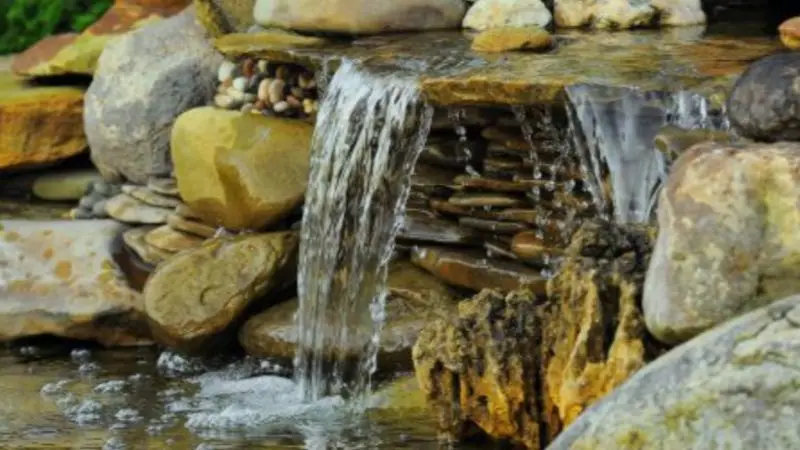
Even a good pump may use more electricity than is required when it is not properly installed or poorly maintained. The wrong pump size, limited pipes, and unnecessary operating hours can increase operating costs. Avoid these common mistakes to keep a steady flow of water and reduce avoidable energy use with waterfall pumps, especially when installing the best waterfall pumps for garden ponds.
Using a Pump That Is Too Powerful
An oversized pump can supply more water than your waterfall needs. This may increase electricity consumption, cause unwanted splashes, and water flow beyond the intended collection area. You may also need additional flow control to achieve the desired appearance. When choosing the best pump for a waterfall in the backyard, an appropriately sized waterfall pump is essential.
Calculate the necessary flow rate and total head before buying a pump. Compare the manufacturer’s performance to your installation and don’t select the model with the highest recommended output. If your existing pump is oversized, check if a lower setting is supported or if proper replacement is more economical. This approach is especially helpful when selecting a waterfall pump for a small pond.
Ignoring Regular Pump Maintenance
A dirty filter that seals the entrance or is covered with debris can restrict water flow. Over time, these problems can reduce flow, cause overheating in certain designs, or shorten pump life. Delaying repairs can also lead to more expensive fixes. Regular maintenance helps keep waterfall pumps efficient when used with a natural stone waterfall.
As recommended by the manufacturer, the pump and its components shall be checked according to a maintenance schedule. Remove debris, clean up the filter, and search for unusual sounds, leaks, or water flow changes. Turn off the power before performing maintenance. Regular checks will help you identify small problems before they become serious, particularly in the maintenance of the best waterfall pumps for garden ponds.
Using Pipes That Are Too Small
Undersized pipes increase the friction when water reaches the waterfall from the pump. This resistance may reduce flow and increase the head the pump must overcome. As a result, even if the pump operates properly, the system cannot function properly. The correct pipe sizing helps waterfall pumps operate efficiently in providing a waterfall pump for large pond installation.
Select the diameter of the pipe which corresponds to the anticipated flow rate and to the requirements of the pump manufacturer. Planning of the configuration shall consider tubing lengths, twists, valves, etc. Replacement of limited pipework can enhance performance, but check out the entire system before modifications, making the new pipe size compatible with the pump and waterfall. If you learn how to choose a waterfall pump, this is an important consideration.
Running the Pump Longer Than Necessary
In terms of electricity costs, the long hours of operation are important. If your waterfall is only running at specific times, an appropriate schedule can reduce consumption without hindering the intended use. Managing runtime can help reduce the cost of running waterfall pumps for the best pump for a backyard waterfall setup.
But don’t assume that any water feature can work safely intermittently. The pond pump can also support filtration, circulation, and the exchange of oxygen. Check the requirements of your pond, fish, and filter system before changing the scheme. If you use intermittent operation, use a reliable timer to control water quality and flow after swapping, especially with a waterfall pump for a small pond.
Wrap Up
Saving energy with a waterfall pump starts with selecting the right equipment and taking care of it. Adapt the flow rate and capacity of the pump to your water function, use the correct pipes, and keep the intake and filter free. These simple steps help waterfall pumps ensure reliable water movement without any unnecessary loads, regardless of whether you select the best waterfall pumps for garden ponds or upgrade an existing system.
Check for leaks, unusual sounds, and changes in the flow regularly. Customize the pump settings when suitable and use a timer only if your waterfall and any attached pond filtration system can work safely according to schedule. Finally, check the electricity costs to see how much the pump contributes to your monthly bill. These controls can help you choose a waterfall pump that meets your needs and support a waterfall pump for a backyard water feature.
FAQs
What are the best energy-efficient water garden pumps and how much can they save on electricity?
Energy-efficient water garden pumps use less electricity while maintaining circulation. Compare wattage, flow rate, and efficiency ratings. Calculate potential savings using daily runtime, electricity rates, and your existing pump’s power consumption.
2. Which water garden pumps are best for powering a waterfall or stream feature?
Waterfall pumps need sufficient flow at the required height. Compare gallons per hour, maximum head height, tubing diameter, and filter compatibility. Choose a pump that maintains the desired flow for your waterfall or stream.
3. What are the best variable-flow water garden pumps for adjustable waterfalls and fountains?
Variable-flow pumps allow users to adjust water output for different features. Look for adjustable speed controls, efficient motors, suitable flow ranges, and reliable performance. Match pump capacity to your waterfall or fountain’s requirements.
4. Which water garden pumps are the most energy-efficient for continuous 24/7 operation?
For continuous operation, select water garden pumps with efficient motors, appropriate flow rates, and low power consumption. Compare wattage, durability, maintenance requirements, and manufacturer recommendations for reliable, uninterrupted circulation throughout the day.
5. Which water garden pumps are best for long tubing runs and higher head heights?
Pumps for long tubing runs require sufficient pressure to overcome elevation and friction losses. Compare pump curves, maximum head, flow at operating height, tubing diameter, and connection compatibility before selecting a suitable model.