Unwanted gases can be present in materials during manufacturing. The vacuum chamber degassing technique helps remove such gases by placing the material in a vacuum. Such an approach improves the quality of metals and other products. With vacuum degassing, one may expect higher-quality manufactured goods.
What Is Vacuum Degassing?
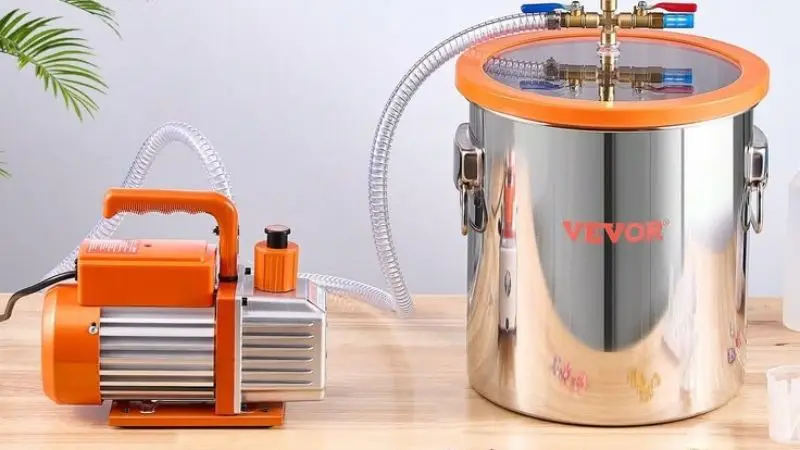
Definition of Vacuum Degassing
Vacuum degassing is the technique that allows the removal of unnecessary gases from materials. It requires placing materials into the vacuum chamber, where the vacuum is formed by removing air from the chamber. Reduced pressure allows the trapped gases to be extracted from the material. The method is widely used in metalworking, but may be applied to other materials as well.
Vacuum pumps do not contain any significant amounts of air. Gases such as hydrogen, oxygen, and nitrogen are extracted from the material. The gases flow from places with high pressure to those with low pressure. It is similar to opening the soda bottle and seeing bubbles rushing out.
Why Is Vacuum Degassing Important?
Vacuum degassing makes sure materials are pure and strong. Gases trapped in metals or plastics cause problems. They can make the material weak or cause cracks. Other times, the gases render the products unsafe for use.
Here are the benefits of using vacuum chamber degassing:
- You obtain high-quality products.
- You reduce the chances of getting defects.
- You ensure products last long.
- You increase safety in automobiles, aircraft, and medical devices.
Failing to apply vacuum degassing in your product may lead to having air bubbles, pores, or voids. These flaws can result in defective products and may lead to accidents. Applying the vacuum degassing method ensures that your products meet the required specifications. Moreover, it enables you to cut costs that arise from repairing or recalling the products.
How Does Vacuum Degassing Work?
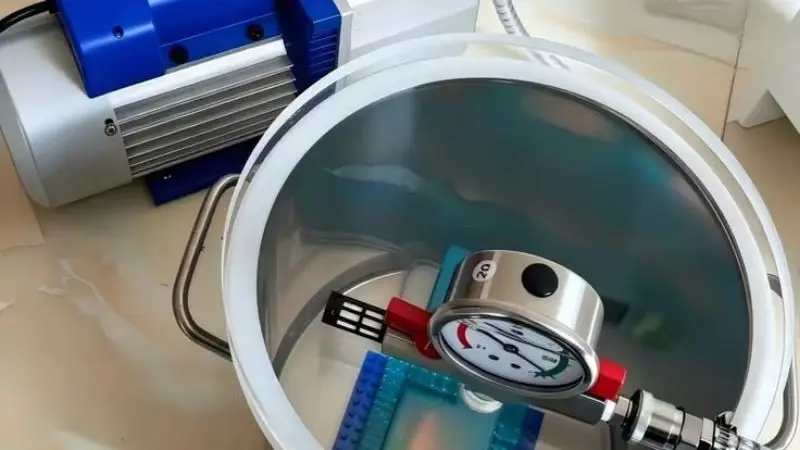
Step 1: Placing the Material in a Vacuum Chamber
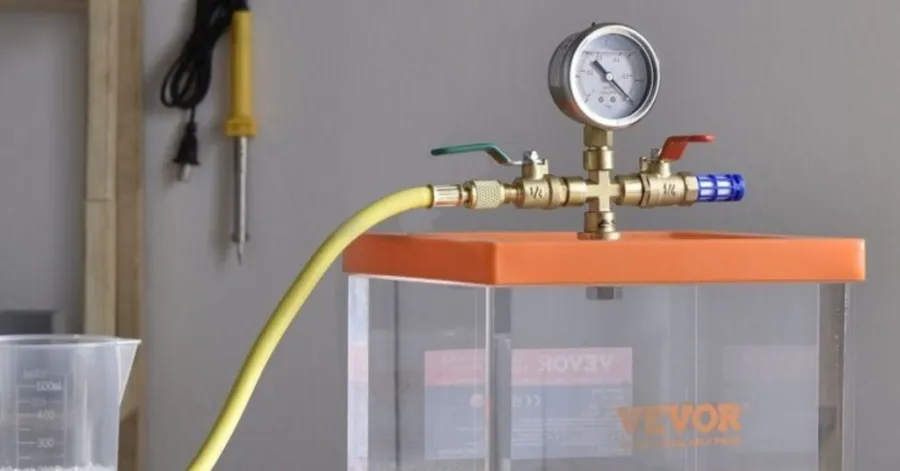
How does vacuum degassing work? First, the material is placed in a vacuum chamber. A vacuum chamber is simply a sealed container whose walls are made of thick materials. It is then sealed such that air cannot enter. The chamber contains metals, plastic, or any other materials that require degassing.
Step 2: Creating a Vacuum
You use a pump to remove air from the chamber. The vacuum pump lowers the pressure inside the chamber. The vacuum forms when almost all air is gone. You watch the gauges to see the pressure drop. The vacuum lets dissolved gases escape from the material. You keep the chamber under vacuum for a certain time. The vacuum must stay steady for degassing to work well.
Step 3: Removing Dissolved Gases
When the vacuum is made, dissolved gases start to leave the material. Gases like hydrogen, oxygen, and nitrogen move out because the pressure is low. You may see bubbles rise to the surface. The degassing process pulls these gases away. You can use heat to speed up removal. The vacuum helps degassing happen more quickly and completely.
Step 4: Creation of Cleaner and High-Quality Material
The material will be cleaner and more durable after the degassing. It becomes free from weak points and bubbles. The vacuum degassing method provides higher quality. You get stronger, better materials, including metals and plastics. This degassing technique allows the creation of safe products used in cars, airplanes, and medical instruments.
Which Gases Are Removed by Vacuum Degassing?
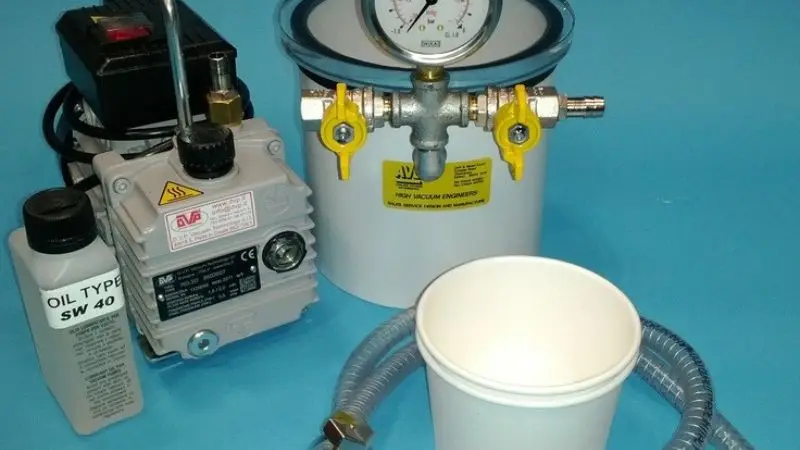
Vacuum degassing removes certain gases from the material. These gases can damage the materials if they remain inside. Removing them with a vacuum pump increases product durability and safety. Every gas has its specific influence on the material. Therefore, it is necessary to degas.
Hydrogen
This gas is present in many metals like steel and aluminum. The presence of hydrogen in metal causes the formation of bubbles and cracks. It negatively affects the durability of the metal. Too much hydrogen in steel can cause quick destruction. Vacuum degassing can help to remove this problem.
Oxygen
Oxygen can react with metal and create oxides. The oxide is a flaw that degrades the quality of your material. You may notice rusting or coloring if oxygen is retained in your materials. Oxygen removal from your materials via vacuum degassing leads to cleaner metals. Metals become shiny and more resilient.
Nitrogen
Nitrogen can affect the material as well. You can find nitrogen in steel and alloyed materials. Retaining nitrogen can lead to hard or brittle spots in metals. Such spots can cause your material to crack under pressure. Vacuum degassing can remove nitrogen, making the product homogeneous and durable.
- Nitrogen makes steel vulnerable to breaking.
- Nitrogen removal toughens steel.
- It helps create safer car and airplane components.
Vacuum degassing removes hydrogen, oxygen, and nitrogen. Each of the gases affects your material in a unique way. By removing these gases, you improve product quality and make them safer.
Applications of Vacuum Degassing
Steel Manufacturing
You see vacuum degassing used most in steel manufacturing. When you make steel, gases like hydrogen and nitrogen can get trapped inside. These gases cause cracks or weak spots. You use vacuum to pull out these gases. This process gives you strong, clean steel. Many companies want the vacuum degassing process in steel making because it meets high safety standards. You find this steel in bridges, buildings, and machines.
Foundries and Metal Casting
Foundries use vacuum degassing to make better metal parts. When you melt steel or other metals, gases can mix in. If you pour the metal with these gases, bubbles form. These bubbles make the metal weak, so you need vacuum degassing in metallurgy. You use vacuum to remove the gases before casting. This step helps you get smooth, solid parts with fewer defects.
Aerospace Industry
The aerospace industry needs steel that will not fail. You use vacuum degassing to make sure the steel is pure. Airplanes and rockets face high stress. If the steel has trapped gases, it can break. You trust vacuum degassed steel for wings, engines, and landing gear. This process keeps flights safe.
Automotive Industry
Car makers use a lot of steel. You want cars to be safe and last a long time. Vacuum degassing helps you get steel that does not crack or rust easily. You find this steel in frames, engines, and wheels. Removing gases with a vacuum pump makes the steel tough and reliable.
Manufacture of Medical Equipment
Doctors and patients need safe equipment. Steel is used to manufacture medical instruments and devices. Vacuum degassing ensures that there are no gases in the material. It provides high-quality, durable steel that does not break during use. This process is trusted by hospitals for its reliability.
Production of Tools and Dies
For the production of tools and dies, you require hard and durable steel. The process of vacuum degassing ensures the production of such kind of steel. When gas removal takes place, the metal becomes durable and sharp. This metal is used for cutting, stamping, and shaping.
Conclusion
The vacuum degassing process eliminates the gases present in the material. The process provides better product quality. There are fewer defects in the products, and hence the products are durable. You can be confident in your statements regarding vacuum degassing. You know the basic concept of the process.
FAQ
What type of materials are vacuum degassed?
Metals, plastics, and some liquids can be vacuum degassed. Most people apply this technique to steel and aluminum. Resins and rubber casting can also be vacuum degassed.
Does vacuum degassing eliminate all the gases?
Most gases, such as hydrogen, oxygen, and nitrogen, will be removed with this method. Some gases may still remain because they bind strongly to the substance. The material will become clean after this process.
How long does vacuum degassing take?
It usually takes several minutes to an hour to vacuum degas the materials, depending on their nature and the amount of gas present. You need to determine the exact duration your material requires.
Is vacuum degassing safe?
This process is generally safe if done correctly. You have to ensure that the chamber is well sealed and pressure is monitored. Always wear personal protective equipment before starting the process.