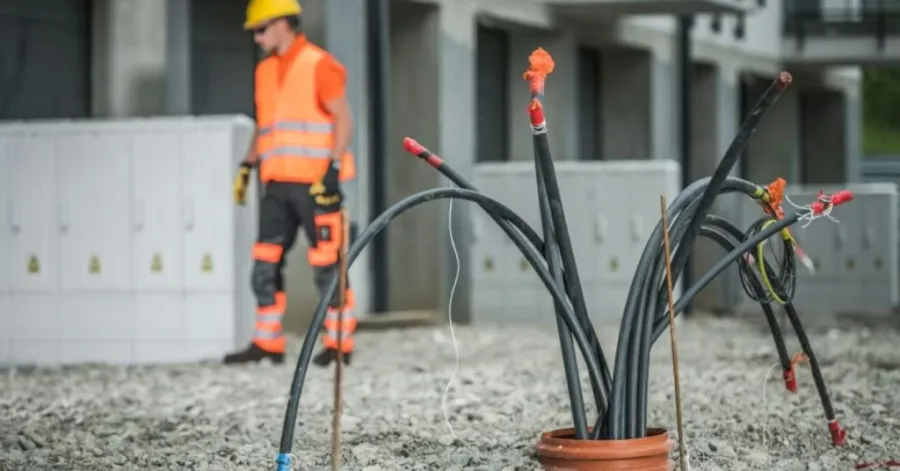
You can safely install underground electrical wiring in 2026 by following new codes and local permit rules. You must always check the latest safety standards before you begin. Plan your path, pick the right materials, dig the trench, run the wire or conduit, make safe connections, test the system, and perform regular maintenance. If you feel unsure at any step, ask a licensed professional for help. Before starting any underground wiring project, you need to understand the latest National Electrical Code (NEC) rules and correct burial depths. The guide also covers important safety tips, common installation mistakes, maintenance advice, and the average cost of underground electrical wiring projects. By following these step-by-step instructions, you can solve the question of how to install underground electrical wire. You can create a dependable underground electrical system that protects your home, family, and property.
- Underground Electrical Wire Installation Requirements in 2026
- Safe Underground Electrical Wiring Tools & Materials Installation
- How to Install Underground Electrical Wire Step by Step
- Avoiding Mistakes When Installing Underground Electrical Wire
- Underground Electrical Wire Safety Tips for Homeowners
- Best Underground Electrical Wire Options in 2026
Underground Electrical Wire Installation Requirements in 2026
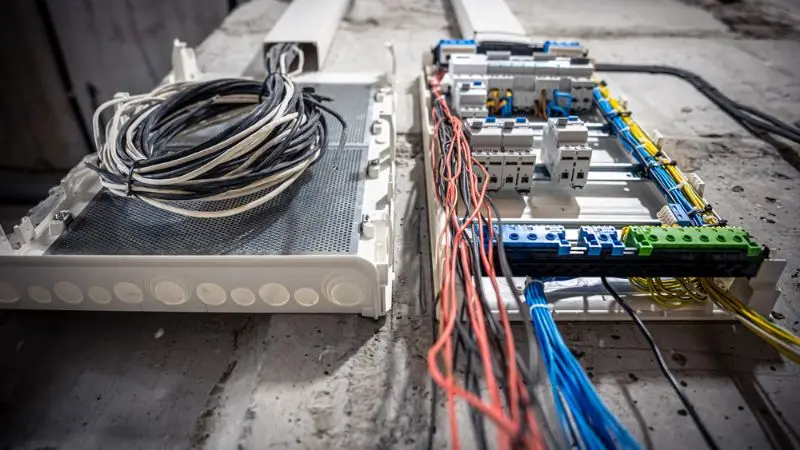
The NEC code changes for 2026 mean that underground electrical wiring installations must comply with current safety regulations. There are also permits and inspections required at the home’s site that the homeowner will need to ensure there are no fines or costly corrections. Homeowners will also need permits and schedule inspections before covering trenches to avoid fines or expensive corrections.
Updated NEC Code Requirements for 2026
The codes you need to use when installing underground electrical wiring are the latest ones. The National Electrical Code (NEC) is revised every three years. There are new rules in 2026 regarding how deep to bury electrical wire underground, which type of conduit to use, and which type of wire insulation to use. Handled rules are in place to ensure that your project is safe and legal. Always check with NEC and local codes before getting started. The NEC is online and at the library. If not done properly, underground electrical projects can be hazardous. Wires that are not buried deep enough can be damaged by digging, weather, and landscaping activities.
Permit and Inspection Requirements
Most electrical work projects in the ground require a permit. Your city or county office will advise you on the forms needed. Inspection of work takes place before the trench is covered. This step helps you to adhere to all rules and to grasp the underground electrical wiring installation guide. Failure to obtain the permit could result in a fine or the need to repeat the work. This helps the user understand the permit requirements before beginning any electrical work. It clearly indicates when a permit is needed and how to obtain it in the user’s locality.
- Check with your local office for permits.
- Make arrangements for inspections before filling.
Underground Utility Marking and 811 Services
You must call before digging. This rule keeps you and your property safe. Utility companies mark gas, water, and other lines underground for free. These marks show exactly where it is safe and unsafe to dig. This step is essential because many utilities are buried and cannot be seen from the surface. You should always call before you dig, even for small jobs. The marked lines help you plan a safe path for your underground electrical cable for house connection. Call at least 3 days before you dig. You can dial 811 or visit their website; you should never skip this step. Hitting a buried line can hurt you or cause power outages. This feature also helps users avoid costly mistakes and repair expenses.
Safe Underground Electrical Wiring Tools & Materials Installation
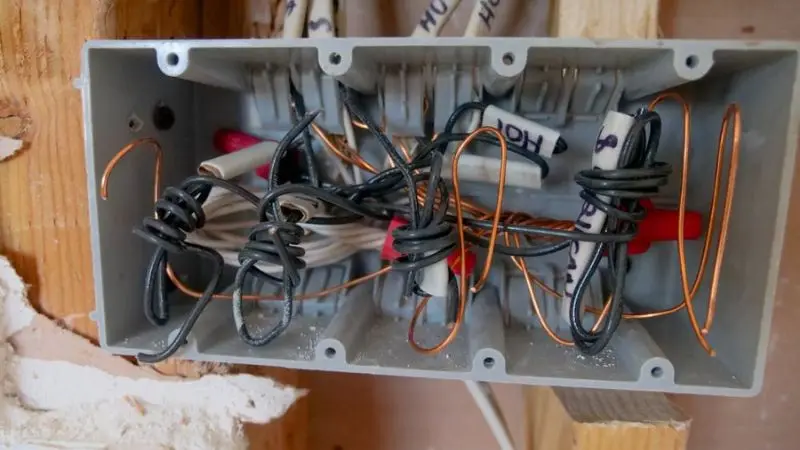
The installation of underground electrical wiring must be performed safely and, as such, requires the appropriate tools, materials, and protective gear. Installation is easier and more accurate with essential tools such as trenching spades, tape measures, wire strippers, fish tape, and voltage testers.
Essential Tools for Safe Installation
The right tools make installing the underground electrical wire guide easy. Your work becomes easier, and you will not make any mistakes by using these tools. If not properly equipped, the user can endanger themself or damage or incorrectly install the conduit. This feature includes important safety-related tools, such as voltage testers and insulated hand tools.
These items should be prepared before beginning:
- Dig a trench with a shovel or trenching spade.
- You can use a tape measure to see how deep your trench is.
- A level is used to maintain the conduit’s straightness.
- Wire cutters and wire strippers prepare wires.
- The wire is inserted into the conduit by fish tape.
- Use a screwdriver and pliers to connect.
- A voltage tester is used to determine whether voltage is present.
Best Wire Types for Underground Use in 2026
For jobs underground, it is important to select the appropriate wire. The majority of people will use UF-B cables for direct burial in 2026. Conduit used: THWN-2 wires are suitable for conduit because they are moisture-resistant. Always check the label to see whether the wire is designed for underground use. This will assist users in determining differences between wire types. So many people take it for granted that all electrical wires are the same, but there is a best wire for underground electrical installations that requires special protection. Underground wires are exposed to moisture, soil pressure, temperature fluctuations, and long-term outdoor conditions. This feature is designed to clarify which wires are intended for these specific circumstances and to prevent misconceptions and poor choices.
Safety Equipment Checklist
You need to protect yourself when working with electricity. Wear safety gear every time you handle underground electrical wire installation. Without proper safety equipment, users could suffer electric shocks, cuts, falls, or other serious injuries. This feature helps users prepare properly by showing them which protective items are necessary and why they matter. You should always test wires before you touch them. Safety gear helps lower your risk of shock or injury.
Here is a list of what you need:
- Insulated gloves
- Safety glasses
- Work boots with rubber soles
- Hard hat if you dig deep trenches
- High-visibility vest
How to Install Underground Electrical Wire Step by Step
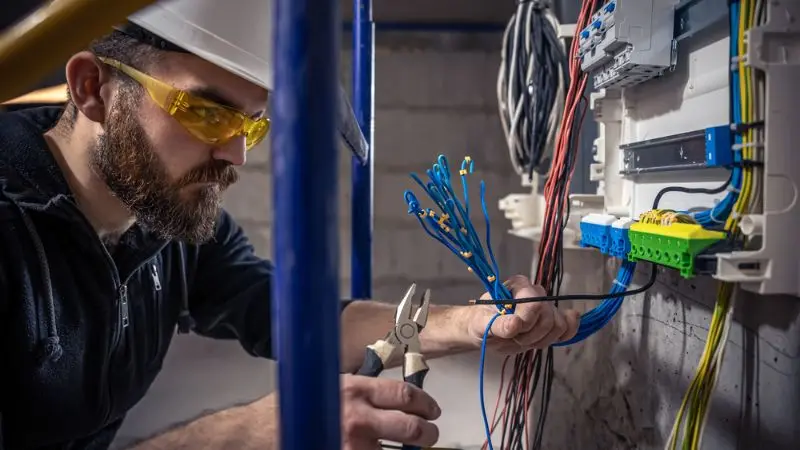
The safe installation of underground electrical wire begins with careful planning and trench preparation. Trench digging and conduit or direct-burial cable installation are part of the installation process and are performed to the proper NEC depth. After that, properly join the wires and test the wiring before backfilling the trench.
Plan the Underground Wire Route
Begin with effective planning and an Underground Electrical Wire installation guide. You’ll need to walk the property to identify the location of the electrical wire to be placed underground. Trees, rocks, or other obstacles may present obstacles; make sure to mark the path with flags or spray paint. Before any trench excavation, users should be aware of what lies below the surface. Under the surface could be buried gas pipes, water pipes, internet cables, sewer pipes, or existing electrical lines. This feature will help users thoroughly review the property and plan to navigate around such obstacles. These features provide users with foresight to help prevent hazardous situations and utility-wrecking accidents during installation.
Turn Off Power Safely
Turn off the power at the main breaker before installing. A voltage detector should be used to check for the presence of an electrical current in the area. How to install underground electrical wire? Electricity flows through the body very rapidly and can cause burns, severe injury, or death if precautions are not taken. Lots of people think they can just switch the light off, but often you may need to switch off the electricity at the main switchboard. This step will prevent shocking. This is an extra safeguard since circuits can be mislabeled, improperly connected, or run from another energy source. The feature helps to educate users to test wires before handling them, further protecting them from potentially hazardous errors.
Dig the Trench to Proper Depth
Start digging the trench along your marked path and refer to the NEC for the required depths. Typically, 18 to 24 inches of depth is needed for underground electrical cable for house connection in most codes. Use a measuring tape to verify the depth of excavation. Clear rocks and roots from the trench. It takes time to dig the trench; make sure to work carefully to avoid mistakes. This feature provides, in basic terms, instruction on how deep to dig the trenches for the underground placement of electrical wire or conduit. Damaged electrical wires pose severe risks, including electric shock, short circuits, and fire. This feature eliminates these risks and helps users select the appropriate trench depth to better protect the electrical system.
Install PVC Conduit or Direct Burial Cable
Lay the conduit or direct burial cables in the trench. If conduit is used, install and strap every few feet. Ensure that the conduit is laid flat on the bottom of the trench. Place the cable at the proper depth for direct burial, and cover with a layer of sand for added protection. Do not have sharp bends in the conduit. PVC conduit provides a formidable protective barrier around the wire and some protection against damage. Direct burial cable, however, is engineered with thick insulation to protect against the conditions it faces underground, and is safe to use in many circumstances without the need for conduit.
Connect the Electrical Wire
Pull the wires through the conduit using fish tape. Connecting the wires at both ends as per the manufacturer’s instructions is advised. Waterproof connectors are also used for outdoor connections. Double-check all connections to ensure you are installing electrical wiring safely underground. This feature is designed to ensure proper wiring and requires users to confirm each connection before restoring power. This minimizes the risk of electrical hazards and of this system being used over the long term. It provides secure and dependable electric connections.
Test the Underground Electrical Circuit
Before covering the trench, test and inspect the installation. Check for electricity and test for proper functioning with a voltage tester. If you notice something is not working, address it first before going on to the next problem. Without testing, the user may fill the trench without considering potential problems, and those problems may remain underground and be difficult to correct. This feature allows the user to test the circuit before installation, reducing the risk of electric shock, overheating, short circuits, or fire. The feature also helps ensure that the entire electrical system is in good working order.
Avoiding Mistakes When Installing Underground Electrical Wire
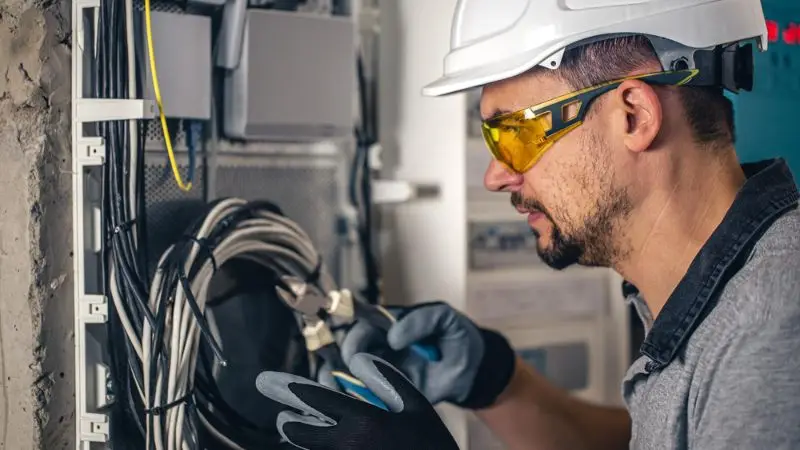
These are basic precautions to avoid common errors in underground electrical wiring and ensure safety, reliable performance, and longevity. All electrical connections must be waterproofed to prevent corrosion and electrical shorting in an outdoor environment. Another important consideration is avoiding circuit overloading; the wire size should match the breaker rating to ensure a safe and efficient underground electrical system.
Using the Wrong Wire Type
Choose the correct wire needed for the job. Some people have wiring inside, and want to take it outdoors, but it is a problem. How to install an underground electrical wire? Direct-burial underground feeder cable should be used for underground jobs. Or use wire labeled for direct-burial. These cables are more moisture-resistant and durable. Be sure to read the label before purchasing. Underground environments are completely different from the indoor environment. Underground wires are subjected to soil pressure, temperature variations, moisture, and dirt. This point is why you should know which wire types can be safely used in underground applications.
Ignoring Burial Depth Requirements
Observe rules on depth of burial. The wire will be damaged if it is buried too shallowly. The wire may be damaged by digging or weather. The NEC specifies the maximum burial depth for each wire type. In the majority of houses, dig at least 18 inches. The first thing you need to do before installing wire is to measure the trench. If you follow these instructions, you should learn how deep to bury electrical wire underground.
- Direct-burial cable: This type of cable should be installed at a depth of at least 24 inches.
- Wire in conduit: Should be at least 18 inches deep.
Failing to Waterproof Electrical Connections
If not all connections are waterproofed, water can enter the underground boxes. This leads to shorts or corrosion. Therefore, waterproof connectors and sealed boxes need to be tightly sealed. This step ensures your system is safe and continues to operate for years. Soils, rainwater, and groundwater are always sources of moisture for underground wiring. Water can get into the electrical connections when they aren’t sealed. Water and electricity don’t mix, which can lead to short circuits, power outages, or other electrical problems. This underground electrical wiring installation guide will help users reduce future repair costs and ensure system reliability.
Overloading the Circuit
Know how much power your circuit can handle. Overloading makes wires overheat and fail. You should check the amp rating for your wire and circuit breaker. You never add too many devices to one circuit. This feature explains what happens when too many electrical devices or appliances are connected to one circuit and why it is important to stay within safe limits. It helps users plan their underground electrical system properly so it runs safely, efficiently, and without failure. Every circuit is designed to handle a specific amount, so you should choose the best wire for underground electrical installation. If you are unsure, ask an electrician to help you plan your underground electrical wire system.
Underground Electrical Wire Safety Tips for Homeowners
Make your home safer for underground electrical work: turn off the electricity before doing anything on it; use waterproof electrical connectors, sealed junction boxes, and silicone caulk to keep it dry. Regular seasonal checks and maintenance can detect problems early and ensure that underground electrical systems stay safe.
How to Prevent Electrical Shock Hazards
Electrical shock hazards can be prevented with simple precautions. Always disconnect the power at the main breaker before working on the wires. Check wires with a voltage detector to ensure they are not energized. For additional safety, wear insulating gloves and rubber-soled boots. Never work on wet ground because water makes one more susceptible to electric shock. Stop if you see damage to wires and call a licensed electrician. These dangers can be prevented by understanding how deep to bury electrical wire underground. A useful feature is the stress on switching off the power before any work is carried out. When operating electrical equipment, have a first aid kit readily available.
Weatherproofing Underground Wiring Systems
Weatherproofing helps prevent water and moisture from reaching underground wiring. It is essential to use waterproof connectors and weatherproof junction boxes. Then you seal the holes with silicone caulk and place warning tape over the wires in the trench. This will prevent a system-digging incident. Weatherproofing minimizes corrosion and helps protect your system for years.
- Avoid letting water get into electrical connections by using waterproof connectors.
- Electrical connections should be protected from precipitation and other weather conditions by using boxes.
- Resin-based adhesive: Glues together, excludes moisture
Child and Pet Safety Around Outdoor Wiring
Children and animals spend a considerable amount of time outside. They need to be protected from electrical dangers—tamper-safe outdoor outlets. Discuss with children that they should not touch electrical boxes or wires. Keep pets away from places where they may be in danger, such as underground cables. Be sure to label the route of the wire in your property map. With this, you’ll be able to install the underground electrical cable for the house connection safely. Its purpose is to help users make outdoor spaces safer. It protects against unintentional contact with electrical parts. Where kids play or pets roam around the yard should be taken into account when installing underground electrical wiring.
Cost to Install Underground Electrical Wire in 2026
The cost of underground electrical wiring installation in 2026 is subject to change depending on the types of materials used, the labor involved, the trench-digging methods, and local regulations and ordinances. The costs of having a licensed electrician install the equipment are higher, but it will be done professionally. Several other variables, such as trench depth, soil conditions, conduit type, and the number of electrical connections, influence the overall cost of the installation.
Average Material Costs
Before embarking on your underground electrical wiring project, you should have your materials budgeted. The main materials used are wire, conduit, connectors, and safety tape. Depending on the types and lengths of wire you choose, the price may also vary. Buy some additional wire and conduit. This is beneficial when you get it wrong or want to change your path. At this juncture, you can easily determine the cost of underground electrical wiring.
Here is a very simple cost table to give an idea of the cost:
- UF-B Direct Burial Wire: $80 – $120 per 100 ft
- THWN-2 Wire: $60 – $100 per 100 ft
- PVC Conduit: $30 – $50 per 100 ft
- Waterproof Connectors: $10 – $20 per pack
- Warning Tape: $5 – $10 per roll
Labor and Trenching Expenses
Labor costs may be prohibitive. When hiring a professional, you can expect to pay $50 to $100 an hour. The costs of underground electrical wiring will vary with the trench’s length and depth. The cost of machine trenching is $5-$15/foot. Hand digging is more time-consuming than mechanical digging, but less expensive.
- Machine trenching: Fast and even, but more expensive.
- Hand Digging: cheaper, slower, and harder.
DIY vs Hiring a Licensed Electrician
It is possible to save cash by doing it yourself. DIY projects will cost less because you do not need to pay for labor. These are available for purchase as tools and materials. If you employ a certified electrician, you pay more, get a job done by an expert, and are at rest. Electricians are familiar with the codes and can perform inspections. Work underground requires excavation, electrical wiring, and working with electrical power, all of which are hazardous unless performed correctly. The installation is clearly indicated as suitable for use by the user on a small, simple project; the user must be familiar with minimum electrical precautions. Helps users to make decisions based on skill level and experience.
Factors That Affect Installation Cost
If there are problems with large rocks or tree roots, be prepared for additional expenses. Before beginning play, always refer to local prices and rules. In brief, this feature explains the factors that would help or hinder installation costs. Thus, the user knows how to install underground electrical wiring within their budget. It can also serve as a cost benchmark, helping users avoid unpleasant surprises and make more informed financial decisions.
There are a lot of factors that can impact the overall cost of your project:
- The distance the wire is laid.
- Type of soil (rocky soil is more expensive)
- Depth of trench
- Local permit fees
- It is important to know the type of wire and conduit to use.
- Number of connections and outlets
Best Underground Electrical Wire Options in 2026
Choosing the best underground electrical wire in 2026 depends on your project size, distance, and installation method. UF-B cable remains a popular choice for residential direct-burial projects. At the same time, THWN-2 wire in conduit is ideal for long-distance underground runs because of its strong resistance to moisture and heat. PVC conduit remains the most commonly used option due to its durability, waterproofing, and ease of installation.
Best Wire for Residential Projects
You need the right wire for your house. UF-B cable is good for most homes. This wire keeps out water and can be buried. Use UF-B for sheds, lights, or garages. The THWN-2 wire fits in conduit and is the best wire for underground electrical work. It protects from water and heat. Many homeowners are unfamiliar with the types of electrical wiring and may feel confused when choosing materials. This feature highlights safe wire options, such as UF-B cable for direct burial and THWN-2 wire for use in conduit. It helps users avoid dangerous mistakes and ensure their home electrical system remains secure. You should always read the label before buying wire. Make sure it says the wire is for underground use.
Best Underground Cable for Long Distances
Long wire runs need special cables. Choose a higher-gauge wire to reduce voltage drop. For runs over 100 feet, use THWN-2 wire in conduit. This keeps your system safe and working well. Aluminum wire costs less for long runs. Copper wire lasts longer and works better in wet dirt. With this guide, you can choose a better underground electrical cable for a home connection.
Here are the three best cables:
- THWN-2: Best for long distances – water resistant
- UF-B: Best for shorter runs – direct burial
- Aluminum: Best for budget projects – lightweight
Top-Rated Outdoor Electrical Conduit Options
A conduit protects the wire from damage. PVC conduit is the most popular. You can easily cut and join PVC. It does not rust and keeps out water. The Rigid metal conduit is strong for busy areas. Flexible conduit bends around things. You should use conduit for all underground jobs unless your wire is made for direct burial. You should also use straps to hold the conduit every few feet. This keeps the wire safe and stops it from moving.
- PVC conduit: Easy to use, waterproof, and not expensive.
- Rigid metal conduit: Strong, lasts long, good for driveways.
- Flexible conduit: Works in tight spots and curves.
Underground Electrical Safety Tips
You make your home safer by following every step for underground electrical wire installation. You must always choose the right materials and check local codes before starting. Check your work twice and ask a professional if you are not sure. Good planning and safe steps help you avoid problems. Careful installation keeps your electrical system safe and working well for many years.
- Wear safety gear each time you work.
- Test your system before you put dirt back in the trench.
- Write down where you put your wire.
Wrap Up
The safe installation of underground electrical wiring in 2026 will require careful planning and adherence to the required standards. From obtaining permits to testing the system, each step is essential to ensuring a safe and reliable installation. The right type of wire, burial depth, and conduit can all help eliminate electrical hazards. Installing underground electrical wires guided by the step-by-step instructions in this guide will enhance the durability of underground electrical systems. Routine testing and correct wiring connections, along with proper waterproofing, help to ensure long-lasting performance. Cost factors can also be understood, allowing the user to plan their project accordingly to keep it within budget. This guide enables a user to construct a safe, efficient, and code-compliant underground electrical system.
FAQ
What is the depth underground of the electrical wire?
Most underground electrical wires should be buried 18-24 inches deep. Before starting an excavation job, always consult the latest NEC code and local rules.
Is it possible to install conduit-free underground wiring?
The direct-burial cable (such as UF-B) can be installed without conduit. Standard wire should be installed in a conduit for safety and code.
Is a permit required for installing underground electrical wire?
Sure, you do. Typically, it’s a permit. Rules will be explained to you by your city or county office. Obtain a permit before undertaking a project.