Cleaning window blinds can be a daunting task. Traditional methods often involve tedious scrubbing and dusting. But what if there was a better way? Enter ultrasonic window blind cleaning. This innovative method uses sound waves to clean blinds efficiently. It’s a game-changer for homeowners and professionals alike. Ultrasonic cleaning is not only effective but also gentle on your blinds. It reaches into crevices that manual cleaning often misses. This ensures a thorough clean without the risk of damage. The process is quick, saving you time and effort. It’s perfect for busy homeowners who want spotless blinds without the hassle. Plus, it’s environmentally friendly, using less water and fewer chemicals.
For those new to this technology, the idea might seem complex. However, with the right guidance, anyone can master it. Whether you’re a DIY enthusiast or a professional cleaner, ultrasonic cleaning offers numerous benefits. In this guide, we’ll explore everything you need to know. From understanding the technology to choosing the right equipment, we’ve got you covered. Say goodbye to scrubbing and hello to sparkling clean blinds!
- What Is Ultrasonic Window Blind Cleaning?
- How Ultrasonic Cleaning Works: The Science Behind the Sparkle
- Ultrasonic vs Manual Blind Cleaning: A Detailed Comparison
- Types of Blinds Suitable for Ultrasonic Cleaning
- Choosing the Right Ultrasonic Blind Cleaning Machine
- Step-by-Step: How to Clean Blinds with Ultrasonic Devices
- Selecting the Best Blind Cleaning Solution for Ultrasonic Machines
- Safety Tips and Best Practices for DIY Enthusiasts
- Professional Ultrasonic Blind Cleaners: When to Call the Experts
- Maintenance and Care for Your Ultrasonic Cleaning Devices
- Conclusion: Embrace the Future of Blind Cleaning
- FAQ
What Is Ultrasonic Window Blind Cleaning?
Ultrasonic window blind cleaning utilizes sound waves to clean blinds efficiently. This method is both innovative and effective. But how does it work, exactly?
At its core, ultrasonic cleaning involves submerging blinds in a tank filled with a cleaning solution. High-frequency sound waves then pass through the liquid. This creates tiny, high-energy bubbles.
These bubbles collapse rapidly, generating a cleaning action known as cavitation. This process lifts dirt, dust, and grime from every nook and cranny. Unlike manual cleaning, ultrasonic technology can reach areas that are usually hard to clean.
Here are some key benefits of ultrasonic window blind cleaning:
- Gently removes dirt without damaging blinds.
- Cleans quickly, saving time and effort.
- Reaches spots that manual cleaning often misses.
This method is suitable for various types of blinds, including those made of fabric, metal, or plastic. It provides a thorough clean, leaving blinds looking new. With this knowledge, you can see why ultrasonic cleaning is gaining popularity. It’s an efficient, gentle, and effective way to maintain blinds.
How Ultrasonic Cleaning Works: The Science Behind the Sparkle
Ultrasonic cleaning, despite sounding complex, is straightforward in principle. It starts with filling a tank with a cleaning solution. The blinds are then immersed in this liquid.
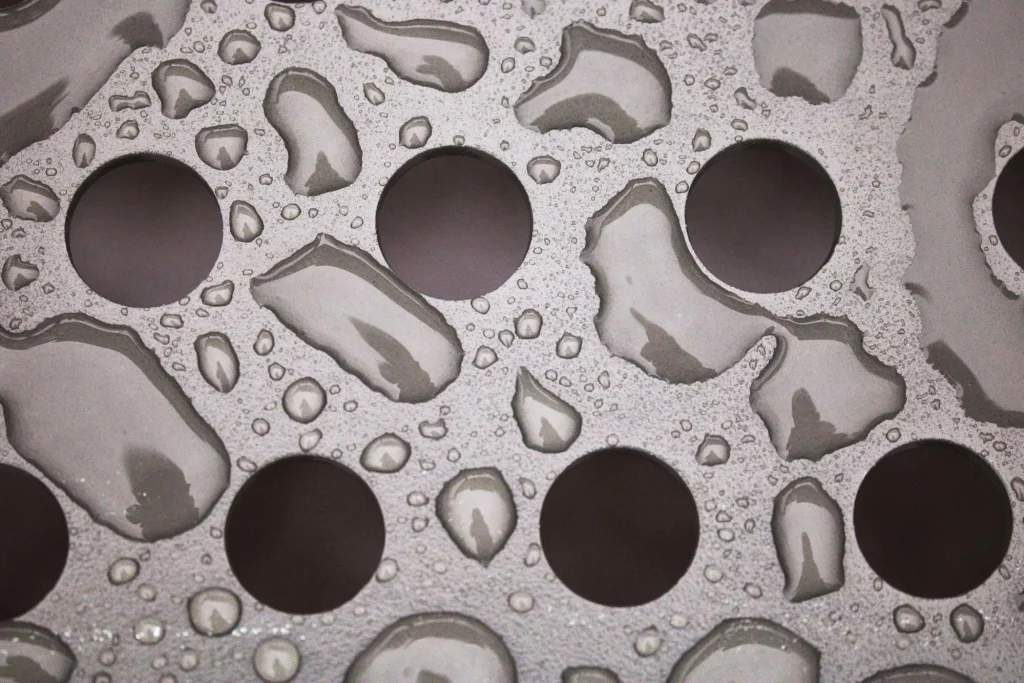
Next, high-frequency sound waves, typically between 20,000 and 400,000 Hz, are introduced. These sound waves create microscopic cavitation bubbles in the solution. It’s this bubbling action that effectively dislodges dirt.
The process relies on cavitation, a powerful and efficient cleaning method. When bubbles implode, they produce a high-energy impact. This impact breaks the bonds between dirt and the blind surfaces.
The result is a deep, thorough cleaning without abrasion. Thanks to this technology, even stubborn grime and allergens are removed. Here’s what makes ultrasonic cleaning so effective:
- Non-contact method prevents physical damage.
- Quick operation saves time while being highly efficient.
Ultrasonic cleaning operates quietly yet powerfully. The process goes largely unnoticed, ensuring a non-disruptive home environment. This harmony of technology and simplicity is what sets ultrasonic blind cleaning apart.
Ultrasonic vs Manual Blind Cleaning: A Detailed Comparison
Cleaning blinds manually often requires a lot of scrubbing. This traditional approach can be time-consuming and strenuous. You risk damaging delicate materials in the process.
Ultrasonic cleaning, on the other hand, offers a modern solution. It uses technology to clean effectively without physical effort. This method is often faster and more thorough.
Let’s compare the benefits of each approach:
Manual Cleaning:
- Labor-intensive and may require several tools.
- Difficult to reach tight spaces and crevices.
- Risk of damaging blinds with excessive scrubbing.
Ultrasonic Cleaning:
- Gentle on blinds, reducing the risk of damage.
- Cleans efficiently, reaching areas that are hard to access.
- Saves time and effort, offering convenience and effectiveness.
Choosing between the two methods often comes down to priorities. Manual cleaning might appeal to those who prefer hands-on methods. Ultrasonic cleaning is perfect for those seeking efficiency and technological solutions.
While the initial investment in an ultrasonic machine can seem high, it pays off over time. The savings in time and effort make it an economical choice. Plus, ultrasonic cleaning is environmentally friendly, using less water and fewer chemicals.
In conclusion, ultrasonic cleaning is a superior, modern option. It addresses the challenges of manual cleaning and enhances the overall cleaning experience.
Types of Blinds Suitable for Ultrasonic Cleaning
Ultrasonic cleaning is versatile, catering to a range of blind materials. Whether your blinds are made of fabric, metal, or plastic, ultrasonic machines can clean them effectively. This flexibility makes ultrasonic cleaning a popular choice for various homeowners.
Different blind materials each have unique cleaning needs. Ultrasonic machines cater to these differences effortlessly, ensuring a thorough clean. They utilize gentle technology to maintain the integrity of all blind types while enhancing cleanliness.
Here are some common types of blinds that benefit from ultrasonic cleaning:
- Fabric Blinds: Ideal for removing dust and allergens.
- Metal Blinds: Cleans without causing scratches or damage.
- Plastic Blinds: Effective for detailed crevices.
In summary, ultrasonic cleaning is adaptable to many blind types. This adaptability ensures you can rely on it for maintaining diverse window dressings in pristine condition. Its effectiveness across a range of materials enhances its value, ensuring blinds remain clean and durable over time.
Choosing the Right Ultrasonic Blind Cleaning Machine
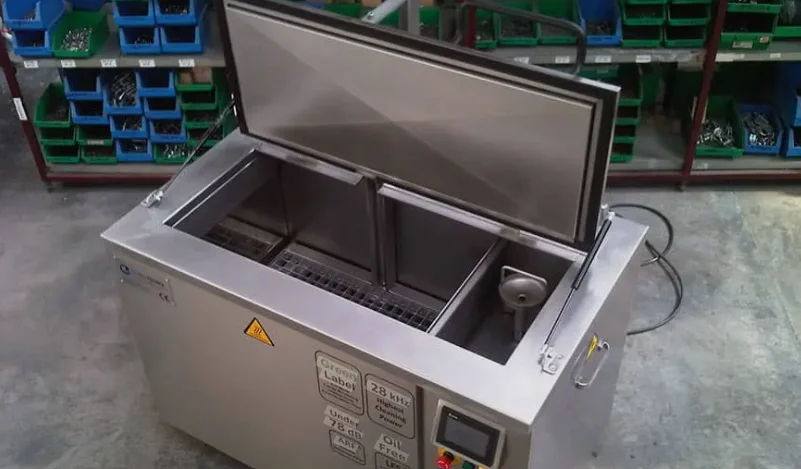
Choosing the right ultrasonic blind cleaning machine is crucial for efficient and effective cleaning. These devices vary in size, power, and capacity, influencing their suitability for different needs. Understanding your specific requirements will guide your selection.
When selecting a machine, consider the volume and type of blinds you need to clean. A larger machine may be necessary for businesses or large households. Meanwhile, a more compact model might suffice for occasional home use.
Key features to look for in an ultrasonic blind cleaning machine include:
- Size and Capacity: Ensure it accommodates the number of blinds.
- Power Settings: Adjustable settings cater to various materials.
- Portability: A portable machine is useful for at-home tasks.
Additionally, consider the build quality and warranty of the machine. Investing in a durable model ensures long-term performance. A warranty can provide peace of mind, safeguarding your investment. Balancing these considerations will help you find a machine that meets your needs and offers reliable service for years.
Step-by-Step: How to Clean Blinds with Ultrasonic Devices
Cleaning blinds with ultrasonic devices is a straightforward process that combines modern technology with user-friendly design. Before beginning, gather all necessary tools and materials for a seamless experience.
Step 1: Preparation
Start by taking down the blinds from the windows carefully. Check for any damages or repairs needed before cleaning. This ensures all parts are intact and ready for cleaning.
Step 2: Setup the Machine
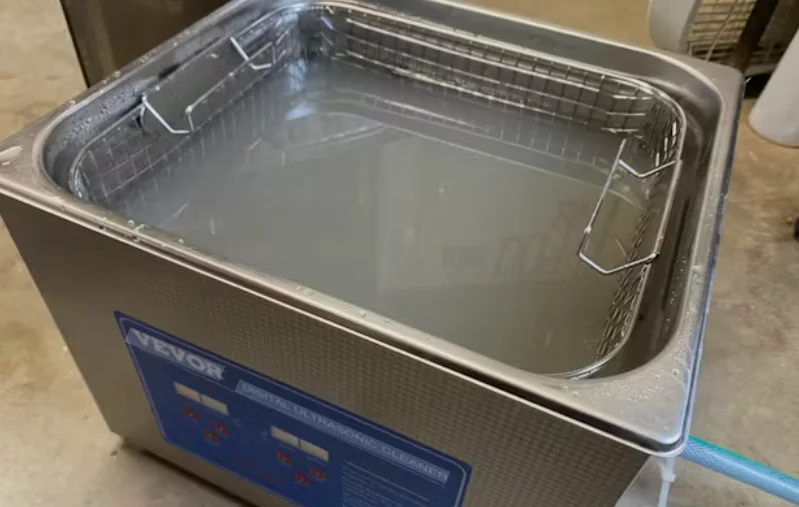
Fill the ultrasonic blind cleaning machine with water and add a suitable blind cleaning solution. Refer to the machine’s manual for specific measurements. Ensure the solution matches the material of your blinds.
Step 3: Placing Blinds in the Machine
Gently submerge the blinds into the cleaning solution within the device. Make sure they are fully immersed for optimal cleaning. The machine’s tank size should accommodate your blinds without overcrowding.
Step 4: Select Cleaning Settings
Adjust the machine’s settings according to your blinds’ material and dirt level. Some devices offer customizable cycles for different cleaning intensities. This ensures both gentleness and thoroughness.
Step 5: Initiate the Cleaning Process
Once settings are configured, turn on the ultrasonic cleaner. The duration of a cycle typically spans a few minutes. The device’s sound waves work to eliminate dirt and grime from every nook and cranny.
Step 6: Remove and Rinse
After the cycle, carefully remove the blinds from the machine. Rinse them with clean water to remove any residual cleaning solution. Proper rinsing prevents solution buildup that could compromise the blinds.
Step 7: Dry and Reinstall
Dry the blinds thoroughly using a clean towel or allow them to air dry. Once dry, hang the blinds back in place. Enjoy the spotless and refreshed appearance that ultrasonic cleaning provides. This efficient method ensures your blinds look brand new, extending their lifespan and maintaining their aesthetic appeal.
Selecting the Best Blind Cleaning Solution for Ultrasonic Machines
Choosing an appropriate cleaning solution is vital for ultrasonic blind cleaning. The right formula enhances the machine’s effectiveness and protects the blinds’ materials. Certain solutions are designed to interact gently with delicate surfaces while efficiently removing dirt.
When selecting a cleaning solution, consider the type of material used in your blinds. Each material, whether metal, plastic, or fabric, may require a different formulation to avoid damage. Verify that the solution you select is compatible with ultrasonic cleaning techniques.
Key Considerations for Cleaning Solutions:
- Material Compatibility: Ensure it’s safe for your blinds’ material.
- Eco-Friendliness: Opt for environmentally safe products.
- Efficacy: Choose a formula that effectively dissolves grime.
Before using any new product, consult the ultrasonic machine’s manual and test the solution on a small section of the blinds. This simple precaution ensures you maintain your blinds’ integrity and achieve the best cleaning results.
Safety Tips and Best Practices for DIY Enthusiasts
Safety is paramount when using ultrasonic cleaning devices. These machines combine electricity and water, creating potential hazards if not handled carefully. By following a few key practices, you can ensure a safe and effective cleaning process.
Firstly, always read the user manual and adhere to the manufacturer’s instructions. Familiarizing yourself with the machine’s operation can prevent accidents and damage. Additionally, inspect the equipment and power cords for any signs of wear or damage before each use.
Essential Safety Tips:
- Use Protective Gear: Wear gloves and safety goggles.
- Proper Ventilation: Ensure the cleaning area is well-ventilated.
- Avoid Overloading: Do not exceed the machine’s capacity.

Carefully select cleaning solutions compatible with both the machine and the blinds. Avoid solutions that might produce harmful fumes or damage the equipment. By implementing these safety measures, DIY enthusiasts can safely benefit from ultrasonic blind cleaning’s efficiency and convenience.
Professional Ultrasonic Blind Cleaners: When to Call the Experts
Ultrasonic blind cleaning can be a simple DIY task, yet there are times when hiring professionals is the best choice. Experts possess specialized equipment capable of handling large volumes and various blind types efficiently. They are also trained to tackle stubborn stains and delicate materials without causing damage.
You may consider professional services if:
- Time Constraints: Lack of time for DIY efforts.
- Complex Materials: Dealing with sensitive or rare blind materials.
- Extensive Cleaning: Large quantities or very dirty blinds.
Professional cleaners provide additional treatments, such as anti-static or UV protection, which enhance blinds’ appearance and longevity. By opting for expert services, you can achieve a thorough and reliable clean, ensuring the blinds maintain their original beauty and functionality for years to come.
Maintenance and Care for Your Ultrasonic Cleaning Devices
Regular upkeep of your ultrasonic cleaning devices is crucial to ensure their longevity and efficacy. Proper maintenance not only preserves the machine but also enhances the quality of cleaning. Neglect can lead to decreased performance or even damage.
Key maintenance tips include:
- Rinse the Tank: Rinse and dry the tank after each use to prevent residue buildup.
- Check for Wear: Inspect cables and plugs for any signs of wear.
- Clean Components: Wipe down controls and surfaces regularly.
By following these simple steps, you can avoid costly repairs and extend the life of your machine. Adhering to manufacturer instructions further ensures that your cleaning device remains in optimal condition, providing effective results every time.
Conclusion: Embrace the Future of Blind Cleaning
Ultrasonic window blind cleaning transforms an arduous task into a simple one, offering both efficiency and effectiveness. By leveraging cutting-edge technology, it delivers pristine results while minimizing effort.
This method is more than a convenience; it’s a smarter, eco-friendly alternative that aligns with modern living standards. Embrace ultrasonic cleaning to maintain your blinds’ beauty and functionality, enriching your home environment. The future of blind cleaning is here, and it shines bright with promise and practicality.
FAQ
Is ultrasonic cleaning safe for all blinds?
Yes, it is generally safe for most types of blinds, including fabric, metal, and plastic. However, always check the manufacturer’s guidelines for any specific material considerations.
What is the cost of a professional ultrasonic cleaning service?
Costs vary based on blind size, material, and service provider. It is best to get quotes for an accurate estimate.
Can I use ultrasonic cleaning for other items?
Yes, ultrasonic machines can clean various household items such as jewelry, eyeglasses, and small tools, expanding their utility beyond blinds.