Ultrasonic cleaning machines clean objects using high-frequency vibrations in a liquid, driven by controlled electrical energy. The internal circuit board controls this energy and determines the intensity or the mildness of the cleaning process. Knowing the ultrasonic cleaner board’s power allows you to use the machine more efficiently and prevent the breakage of fragile objects. It also describes the influence of settings, frequency, and solution choices on performance. Once you understand how the system works, you will be able to achieve higher cleaning performance, enhance safety, and prolong the life of your ultrasonic cleaner by adopting easy, proper cleaning habits.
Understanding Ultrasonic Cleaner Board Power Basics
Ultrasonic cleaning machines rely on regulated electrical energy processed by the main circuit board. This energy is not just any; it is strictly controlled so as to bring out the cleaning effect. When the system is functioning properly, it generates effective yet harmless vibrations in the liquid. These vibrations help clean various surfaces without manual scrubbing.
A proper understanding of this system can save you from loss, improve cleaning performance, and help with troubleshooting. The concept of ultrasonic cleaner board power is easy: a constant electrical input is altered into a high-frequency output to achieve cleaning performance. It is this power/control ratio that makes ultrasonic cleaning effective on delicate and tough objects.
What Is Board Power in an Ultrasonic Cleaner?
The electrical power that is controlled by the circuit board to operate the cleaning system is known as the ultrasonic cleaner board power. It determines the strength of the ultrasonic waves within the tank. The waves pass through the liquid and form tiny bubbles that remove dirt and oil from objects.
This power is typically measured in watts, and various levels are applied in various cleaning works:
- Low power (approximately 60W): Ideal when dealing with small or delicate objects.
- Medium power: Cleaning with a balanced power on normal objects.
- High power (up to 180W or more): Powerful cleaning of heavy dirt or industry.
The working idea behind how the ultrasonic cleaner board’s power works is based on energy conversion. The board converts normal electrical power into high-frequency signals. These signals then get transmitted to the cleaning tank to generate ultrasonic vibrations. The correct amount of power should be selected, as excess power can damage delicate objects, while insufficient power may result in poor cleaning.
@small.engine.repa Replying to @user1559568511368 ultrasonic cleaner and solution #macanic #cleaner #ultrasonic #fyp
♬ original sound – small engine repair shop
Main Components of the Circuit Board System
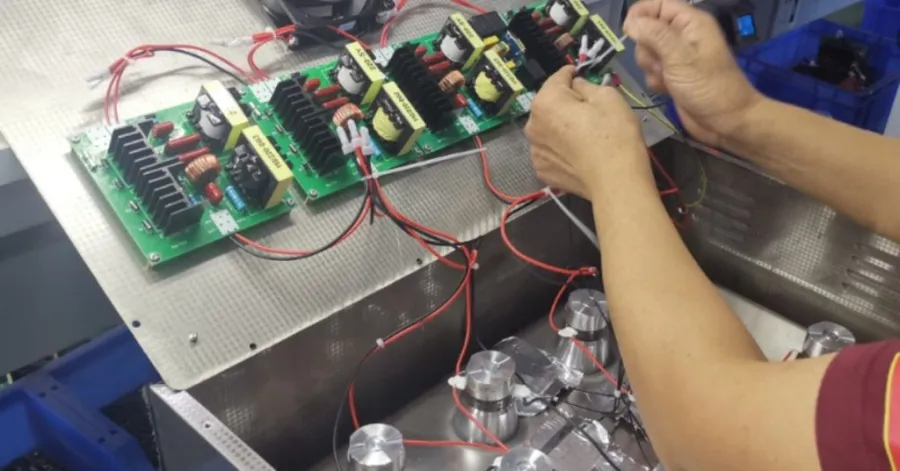
The ultrasonic cleaner circuit board consists of a few electronic components integrated into a miniature control system. The components play a particular role that leads to stable performance and safe operation.
Key components include:
- Power transistors
- Oscillator circuit
- Filter system and rectifier.
- Control chips
All these components are significant in controlling the power of the ultrasonic cleaner board.
The power transistors are electronic switches. They determine the amount of electricity that goes to the transducers. The oscillator helps generate high-frequency signals necessary for ultrasonic wave generation. In its absence, there would be no cleaning effect. The rectifier and filter transform unstable AC power into smooth DC power, preventing damage to the system. Control chips enable the user to customize settings such as time, intensity, and cleaning mode.
The machine works well and safely when it is all working together. Nevertheless, in case of a failure, problems may require ultrasonic cleaner board troubleshooting to detect the cause. In more serious cases, technicians may perform ultrasonic cleaner generator board repair or even an ultrasonic cleaner power board replacement to restore full performance and ensure long-term reliability.
How Board Power Works in an Ultrasonic Cleaner
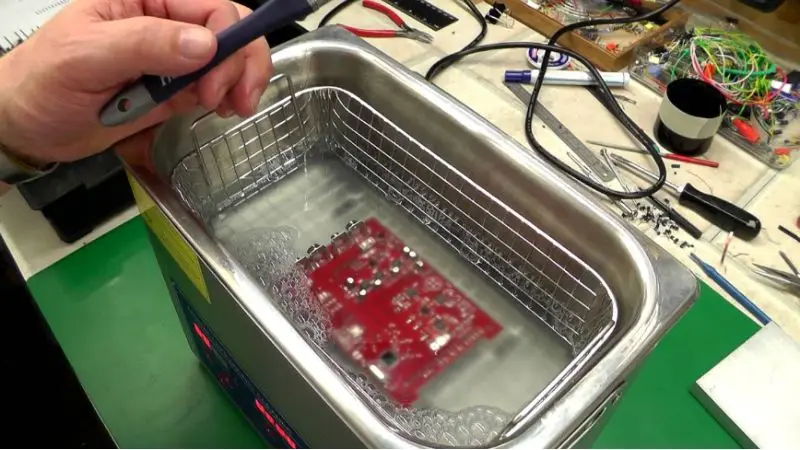
Ultrasonic cleaning is based on the principle of transforming electrical energy into high-frequency vibrations within a liquid. The circuit board controls this process by controlling stability, strength, and timing. The concept of the ultrasonic cleaner board power is to make sure that the machine provides the appropriate cleaning force without damaging objects. All steps within the system are interrelated; hence, a minor problem can impact overall performance and cleaning quality.
Power Conversion Process Inside the Circuit Board
It begins with the cleaning process, where electricity is fed into the outlet and then converted by the circuit board into useful energy. The rectifier and filter first convert AC to smooth DC power. Then the oscillator produces high-frequency signals required for ultrasonic waves. The power transistors rapidly switch the flow of energy, and the control chips regulate settings such as intensity and duration. This process explains how the ultrasonic cleaner board’s power works and ensures stable cleaning output for different materials.
Role of Transducers in Ultrasonic Cleaning
Transducers are electrical devices that convert electrical energy into mechanical vibrations that propagate through the cleaning liquid. These vibrations form small bubbles that clean surfaces. The effectiveness of this action is determined by the power of ultrasonic cleaner boards, which govern the amount of energy delivered to the transducers. When there is too little power, cleaning is feeble. When too high, the fragile objects can be damaged. Failure to meet performance requirements may necessitate repairing the ultrasonic cleaner generator board or replacing the ultrasonic cleaner power board.
How Board Power Affects Cleaning Results
The power of the ultrasonic cleaner board is directly related to cleaning performance. The low power is used to clean jewels and watches, medium is used to clean up everyday items like glasses and coins, and high power is used to clean heavy tools or engine parts. The appropriate level will guarantee the safety of objects and the machine. The wrong environment can lead to low efficiency, and troubleshooting the ultrasonic cleaner board might be necessary if difficulties persist during operation.
Factors Influencing Board Power Performance
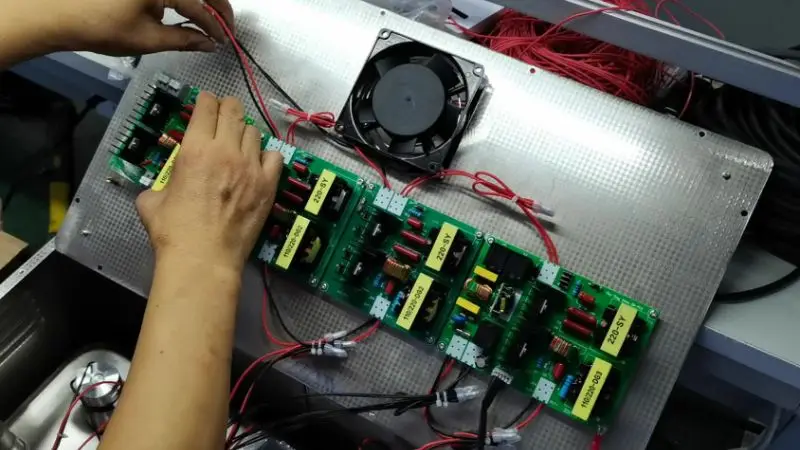
The operation of an ultrasonic cleaner depends on several interdependent variables. Although the machine is in good shape, improper settings or incorrect use may reduce cleaning quality. All these factors revolve around the power control of ultrasonic cleaners’ boards since it determines the distribution of energy to the cleaning system. Knowledge of these elements can make you achieve better results and prevent damage.
Frequency and Power Settings
Cleaning strength varies with the frequency and power adjustments. Sensitive items can be cleaned at lower power settings, whereas more powerful cleaning is done at higher settings. This is a critical aspect of ultrasonic cleaner board power practice.
Cleaning behavior is also influenced by frequency. A higher frequency produces smaller bubbles, which provide mild cleaning. Lower frequencies generate bigger bubbles that clean more thoroughly yet more violently. The combination selection aids in protecting items and enhances outcomes. With improper settings, cleaning can be either ineffective or so rough that it affects performance and safety.
Cleaning Solution Effects
The cleaner, too, is a significant factor in performance. Different solutions vary in the formation of bubbles and dirt removal. Cleaning can be done using water only, but adding the correct solution helps to increase efficiency and speed.
Improper use of liquids also influences the power condition of the ultrasonic cleaner board. Too much or too little will have a negative effect on cleaning performance, and running the machine without the liquid can cause damage to internal parts.
Water can only provide the basic cleaning of the light dirt. Mild detergent enhances the overall cleaning of everyday products. Grease, oil, and tough contamination are treated using a heavy-duty solution. The appropriate level supports the stability rate and helps secure the system.
Material and Size of Items
The nature of the item being washed greatly influences the amount of power that is to be applied. Small, fragile devices need smaller settings, whereas big and robust devices can be powered by higher powers. This will provide safe and effective cleaning without damage.
The strength of the material is also significant. When the ultrasonic cleaner boards are overpowered, soft materials may be damaged. Metal tools are hard and can withstand more vibration and more profound cleaning.
Power-to-size and material matching enhance performance and safeguard the object and the machine. Wrong settings may result in inadequate cleaning or unjustified wear of internal parts, decreasing the long-term performance.
Safe and Effective Use Tips for Ultrasonic Cleaners
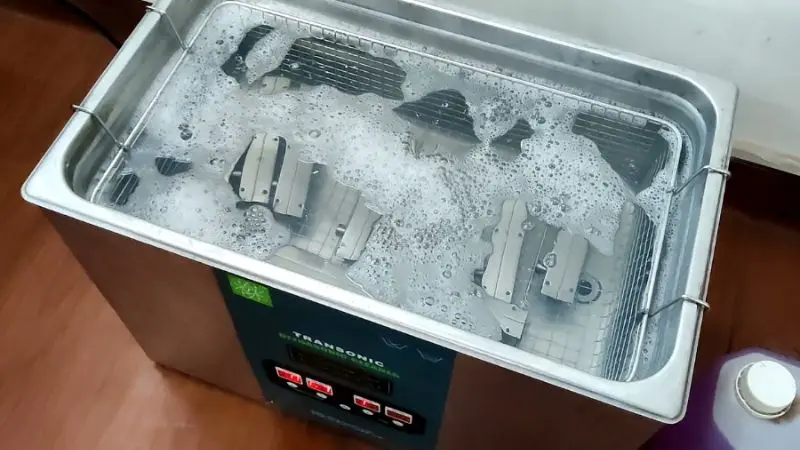
Proper use of an ultrasonic cleaner can not only enable you to achieve better cleaning results, but it can also prevent damage to the machine. Handling settings, liquid, and timing are all factors that influence the power performance of ultrasonic cleaner boards. The machine operates well and is much more durable with proper usage, without problems or poor cleaning results.
How to Choose the Right Power Level
Choosing the right power level is highly significant for effective and safe cleaning. When cleaning delicate objects like jewelry, watches, or glasses, always begin with low power. Better-built tools or metal parts can be safely operated at higher power settings.
This is a balance in the power of ultrasonic cleaner boards to clean the objects without injuring them. Adjustable settings can be found on many machines, with 50 percent to 70 percent for sensitive products. The timer also comes in handy, as it helps avoid over-cleaning and keeps the item, along with the internal system, from being exposed to undue stress.
Safety Rules to Follow While Using the Machine
Safety is also of great concern since ultrasonic cleaners combine the use of electricity and liquid. One of the fundamental principles is not to operate the machine when the tank is empty. It can easily destroy the system and affect the ultrasonic cleaner’s power performance.
The lid should always be closed when operating to prevent splashes. Do not touch the water or objects when the machine is operating. If your cleaner has a temperature setting, use moderate heat, as extremely hot water may damage fragile materials.
The most common errors are incorrect liquid usage, overfilling or underfilling the tank, and disregarding the recommended power levels. Such errors diminish the quality of cleaning and may decrease the machine’s lifespan.
How to Maintain Your Ultrasonic Cleaner
Regular services ensure the machine runs smoothly and extend its lifespan. Clean the tank after each use to remove any dirt and solution left behind. Safe cleaning can be done with a soft cloth.
Always check the power cord and plug to be on the safe side. Ensure there is no obstruction in the ventilation areas to prevent overheating of the machine. Checks such as timers and temperature control can be used to ensure that nothing is going wrong.
Good maintenance helps maintain stable ultrasonic cleaner board power and reduces the need for troubleshooting. In some cases, poor care can lead to ultrasonic cleaner generator board repair or even ultrasonic cleaner power board replacement, so regular upkeep is very important.
Wrap Up
The performance of the ultrasonic cleaner is determined by the control and understanding of the power system. A combination of settings, cleaning solution, and item type is the right way of guaranteeing that cleaning is safe and effective. Ultrasonic cleaner board power should be handled properly, not only to enhance cleaning results but also to safeguard internal components from stress and damage. Frequent maintenance, proper use, and prevention of typical errors can keep the machine running longer and more productively. For problems, early ultrasonic cleaner board troubleshooting or professional repair will restore performance, prevent costly damage, and ensure your cleaner is reliable and lasts a long time.
FAQ
What does the circuit board do in an ultrasonic cleaner?
The way the cleaner operates is determined by the circuit board. It controls electricity and transmits signals to other components. This helps ensure that your cleaner works in a safe and healthy manner.
What is an ultrasonic driver, and how can it be used to clean?
The transducers are powered by the ultrasonic driver. It converts electricity to ultrasonic waves. These waves form bubbles, which clean your stuff.
What are the reasons why power transistors are significant in ultrasonic cleaners?
The electricity is switched and controlled by power transistors. They transmit the correct energy to the transducers. This maintains your cleaning as powerful and secure.
What is a power oscillator that is highly tuned?
The circuit board has a highly tuned power oscillator. It makes high-frequency signals for ultrasonic cleaning. This assists your cleaner in creating solid and consistent waves.
Is there any item you can clean using an ultrasonic cleaner?
There are lots of things you can clean, but not everything. Wash not soft gems, pearls, or objects with loose parts. Before you click, always consult the guide by the manufacturer.