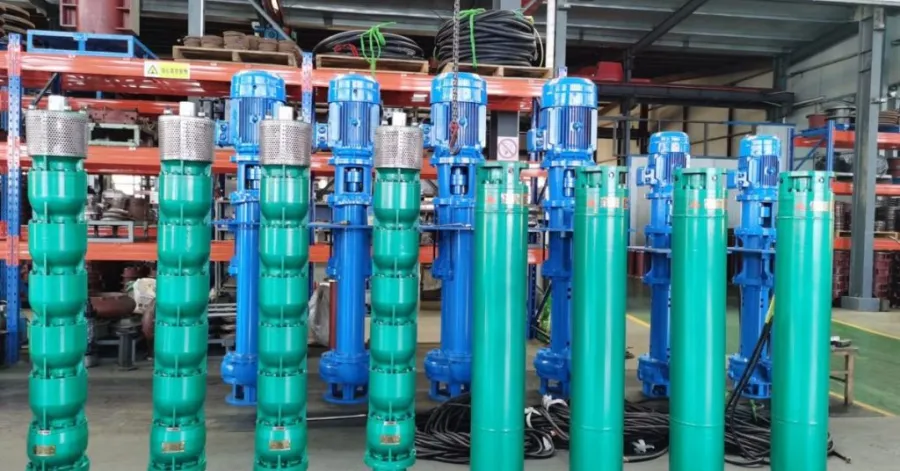
When you purchase a water well pump, there are several directions you might pursue. There are many types of water pumps used for wells, such as positive displacement pumps, submersible pumps, jet pumps, centrifugal pumps, hand pumps, and the most popular one is solar-powered pumps. First, check that the pump is suitable for your well depth and water volume requirements. You need to look at what power source is available at your well location. Choosing the right pump for your well will provide a steady water flow.
In this article, we will talk about the different types of water pumps for wells and how to choose the right one for your needs. You will learn about submersible, jet, centrifugal, hand, solar-powered, and other options.
Main Types of Water Pumps for Wells
@thrivingcountry This 3000W grain mill delivers serious grinding strength for fast, fine milling of corn, wheat, spices, and soaked grains. Its cast-iron discs, stainless funnel, and adjustable thickness make it a durable, versatile choice for home processors and homesteaders. #tiktokshopcreatorpicks #thrivingcountry #grainmill #hunting #tiktokshopblackfriday
♬ original sound – Thriving Country
What type of water pump is best for a deep well? There are several options for water well pumps. Different types are ideal for different wells and water needs. Understanding the various types of water pumps will help you make the best choice.
Here are the many types of water well pumps:
- Submersible Pumps
- You put these pumps down the wely. They bring water to the surface. Submersible pumps work well in deep wells and deliver good water flow.
- Jet Pumps
Jet pumps are above ground. They suck the water out of the well with suction. Jet pumps can be used on shallow or deep wells but are optimal for wells less than 25 feet deep. - Centrifugal Pumps
These pumps employ centrifugal force to transfer water. Centrifugal pumps are good for shallow wells and deliver water quickly. They are typical in water-scarce households. - Hand Pumps
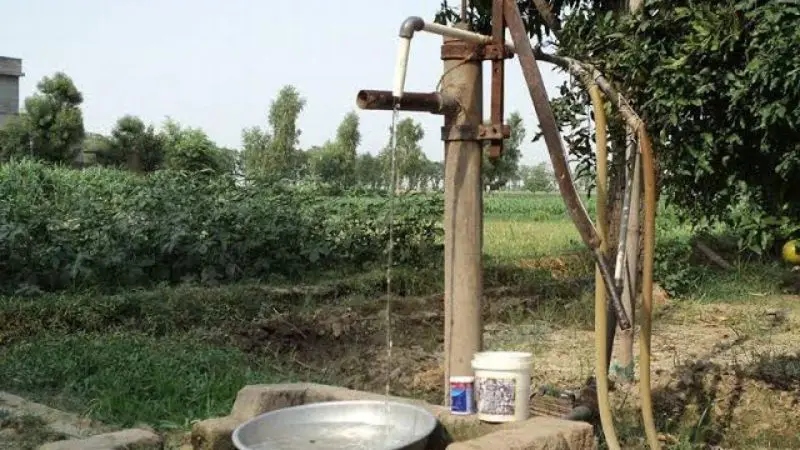
Hand pumps allow you to obtain water by hand. These pumps are not electrically operated. Hand pumps are ideal for wells in distant locations or for emergency use during power failures. - Solar-Powered Pumps
Solar-powered pumps take energy from sunlight. They can be used for off-grid well placements. These pumps save you money on energy bills and perform fine where there is no electricity. - Positive Displacement Pumps
These pumps move water by trapping it and propelling it through the system. Positive displacement pumps can handle thick or filthy water. They can be used in low-water-level wells or for specific needs.
1. Submersible Well Pumps
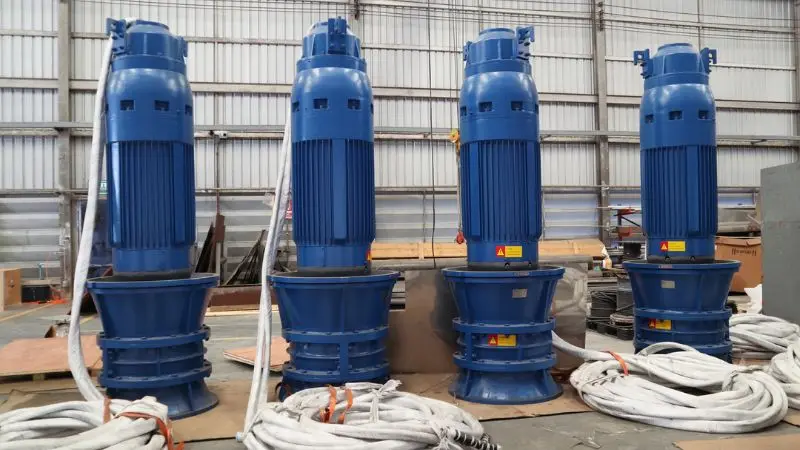
How Submersible Pumps Work
Your well has a submersible pump at the bottom, underwater. How does a well water pump work? You drop the pump down into the well so it is always fully submerged. This design allows the pump to propel water to the surface with a strong force. Submersible pumps have motors sealed to keep water out. The motor is attached to a string of impellers that force water through the pump and up the well pipe.
You operate a submersible electric pump using electricity from your home or a generator. You turn on a faucet, or your pressure tank needs water, and the pump kicks in. The water then goes from the well, through the pump, and into your home’s plumbing system. The submersible pumps are always submerged, so they don’t need priming.
Best Applications for Deep Wells
If the well is deep, a submersible pump is recommended. These pumps function best in wells that are 25 feet deep or deeper. A submersible pump can lift water from hundreds of feet below the surface if you have a very deep well. This makes them an ideal alternative for houses, farms, or companies that require a consistent water supply from a deep well.
2. Jet Pumps
How Jet Pumps Operate
The difference between submersible and jet pump for wells: Jet pumps pull water from your well using suction and pressure. Jet pumps are installed above ground, typically close to the well. An electrical motor powers these pumps to generate high flow. Water flows through a little nozzle in the pump. The nozzle makes the water go faster. The nozzle creates a vacuum. That vacuum draws water up from the well and forces it into your home.
Shallow Well Jet Pumps vs Deep Well Jet Pumps
What type of water pump is best for a deep well? There are two types of jet pumps to choose from: shallow-well and deep-well. Each variety is designed for different well depths and water needs.
- Shallow well jet pumps are used for wells less than 25 feet deep. Use this pump if your water supply is near the surface. A shallow-well jet pump draws water through a single pipe. Fast water flow for the tiny home or garden.
- Deep well jet pumps are used for wells deeper than 25 feet. This pump is used when your well is deeper. A deep well jet pump has two pipelines. There’s one pipe for the water to come down, one for it to go up. It provides a robust water supply for a larger home or farm.
3. Centrifugal Pumps
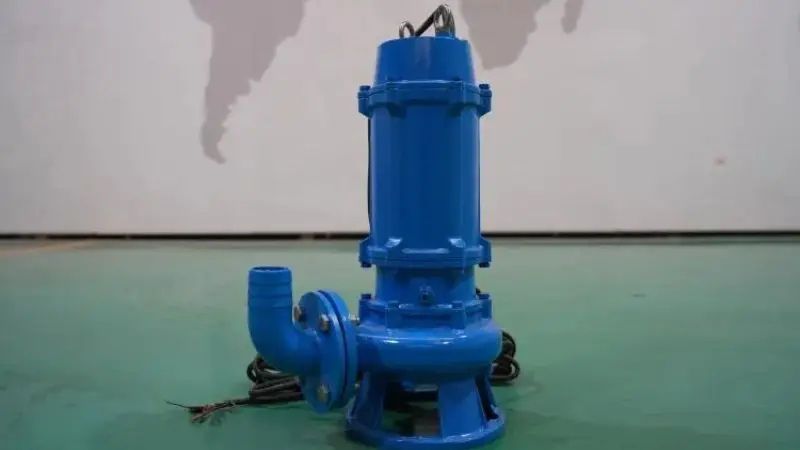
Working Principle of Centrifugal Pumps
You will discover that centrifugal pumps are basic yet effective in design. These pumps have a rotating impeller inside a casing. When you turn the pump on, the impeller rotates swiftly. This turning action pulls water out from the center to the sides. The impeller creates a force that pushes water through the pump and into your well system.
Centrifugal pumps don’t have that many moving components. The best pump for rural water supply from wells, ensuring a consistent flow of water. Simple upkeep required, no need to worry. The pump uses electricity to run the motor. Install the pump on your well and start pumping water immediately. Keep these pumps below the water level, and you will not have to prime them often.
Ideal Use Cases for Shallow Wells
Centrifugal pumps are used in shallow wells. Best type of pump for a well less than 25 feet deep. If you have a home or garden with a small yard, pumps can be beneficial. They offer adequate water for everyday needs without excessive energy use.
4. Hand Pumps for Wells
How Manual Hand Pumps Work
You can use hand pumps to draw water from your well without electricity. A simple lever or handle operates these pumps. Moving the handle up and down creates suction in the pump. The suction pulls water up from the well, raising it to the surface. The pump has a piston and cylinder. Each time you work the handle, the piston rises inside the cylinder, forcing water up.
Which pump is used for borewell water extraction? Hand pumps are most effective for wells with a shallow to moderate depth. No complicated parts or wires needed. These pumps are easy to install and maintain with basic tools. Many people use manual pumps as a backup in case the electric pumps fail. They can be relied on in emergencies or when the electricity goes out.
Best Situations for Hand Pump Use
If your well is in a distant location, you may want to explore manual pumps. These pumps are great if you don’t have power. They work great in cottages, campsites, or on farms. Hand pumps are very useful in natural disasters. If storms or power outages occur, you can still acquire water from your well.
5. Solar-Powered Well Pumps
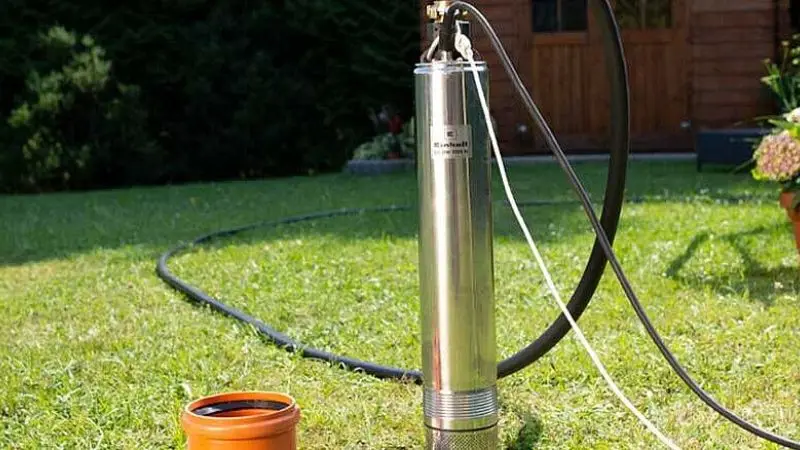
How Solar Well Pumps Function
You can use solar-powered pumps to draw water from your well. Those pumps contain solar panels that capture sunlight and convert it to power. How does a well water pump work? Electricity powers the pump, which moves water from the well to your storage tank or directly into your home. These pumps do not need to be connected to the electricity grid.
Most solar pumps use direct current (DC) motors. When the sun shines, the solar panels provide power directly to the pump. There are batteries in some systems. The batteries store power so that you can operate the pump on overcast days or at night. Solar-powered pumps come in numerous sizes. Some work for tiny wells, some for larger water needs.
Off-Grid Water Solutions Using Solar Pumps
If you live in a remote location or want to save on energy costs, you can rely on solar-powered pumps. The best pump for rural water supply from wells provides you with water from your well even without electricity. Many people use them for cabins, farms, or gardens away from the city. Solar pumps are a cost-effective option for off-grid life.
You can use these pumps for animals, irrigation, or home water. They are good for deep or shallow wells. No need to worry about fuel or excessive electric expenses. The solar-powered pumps are also good for the environment since they run on pure energy.
6. Positive Displacement Pumps
Overview of Positive Displacement Technology
There are two primary types of positive displacement pumps for wells. One is the piston pump. It has a piston that rotates up and down, sucking in water and then pushing it out. The best water pump for 100 ft deep well uses a soft, flexible bit to push water through the pump. Both types can transport heavy or muddy water that could clog other pumps. If your well has low water pressure or contains sand or silt, you can use these pumps.
When to Use Positive Displacement Pumps
How to choose a water pump for a well? Suppose your well is not like most; then you should look at these pumps. They are useful for wells that do not yield much water at a time. They can be used for small or deep wells. They work to bring water to homes and animals and to water crops. Many people use these pumps away from the town where the other pumps may not function.
How to Choose the Best Water Pump for Your Well
Understanding Well Depth and Pump Compatibility
Before you purchase a water well pump, you need to know difference between submersible and jet pump for wells and your well’s depth. Shallow and deep wells require different pumps. Submersible pumps are great for deep wells. Jet pumps and centrifugal pumps are suitable for shallow wells. You need to measure your well from the ground to the water level. This will help you choose the correct pump for your water well system. Got a deep well? Choose a pump that can lift water from deep underground.
Calculating Water Demand and Flow Rate
You need to know how much water your home or farm needs each day. Count how many humans, animals, and fixtures require water. Add up the gallons per minute (GPM) of each use. This is the number of gallons per minute your water well pump must produce. How to choose a water pump for a well? If you have a large family or use water for irrigation, you need a pump with a higher flow rate. Residential well pumps with lower flow rates are suitable for small homes or cabins.
| Use | Average GPM Needed |
| Shower | 2 |
| Toilet | 2 |
| Washing Machine | 3 |
| Garden Hose | 5 |
Energy Efficiency and Operating Costs
You want to find the energy-saving pumps. Efficient pumps cost less to operate and last longer. Solar-powered pumps harness sunlight and reduce your expenditures. How does a well water pump work? Deep wells often require less power to run submersible pumps. Check the pump power rating against your requirements. As time goes by, energy-efficient pumps will save you money and keep your water well system functioning properly.
Budget and Installation Considerations
You have to spend on the pump and the installation. Which pump is used for borewell water extraction? Some types of water pumps cost more to buy and install. Submersible and solar pumps can be more expensive to purchase upfront. Centrifugal pumps and hand pumps are cheaper. Take into account the expense of repairs and upkeep. Choose a pump that is affordable for you and performs well in your well water system. If in doubt, seek a professional for advice.
Conclusion
Selecting the right types of water pumps for wells is vital decision to a stable water supply. The best choice will depend on factors such as depth, household water use, accessible power sources, and overall system needs. When studying different kinds of pumps, you can check out comparison charts and selection checklists to help you choose the one that fits your needs. It’s also a good idea to have your existing well system looked at before you make a decision. I’m not sure which pump is ideal for you. Seek advice from a skilled well specialist.
FAQ
What is the best pump for a deep well?
If you have a deep well, then you should go for a submersible pump. These pumps perform well at depths below 25 feet and provide a strong, continuous flow of water. Robust submersible pumps with a large capacity.
How often should I service my well pump?
Test your well pump every year. Regular maintenance lets you catch problems early. Check for leaks and clean filters. If you see low water pressure or weird noises, call a pro.
Can I install a well pump by myself?
A few shallow-well pumps can be installed with basic plumbing skills. Deep-well and submersible pumps require particular tools and safety procedures. An expert is best at these jobs, so you do not make mistakes.