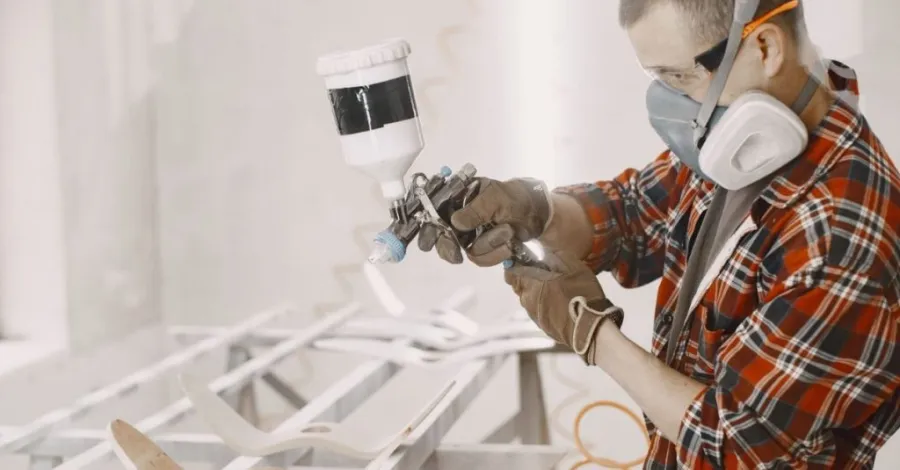
When it comes to painting, using the right tool makes a big difference. A paint sprayer can help you cover large or small surfaces faster and with a smooth finish. There are different types of paint sprayers, such as compressor sprayers, airless sprayers, HVLP sprayers, air-assisted sprayers, and electrostatic sprayers. Each type works in its own way and is best for certain projects like walls, furniture, or metal. Knowing the options will save you time and effort. If you want the best results, learning about the main types of paint sprayers will help you pick the right one.
Different Types of Paint Sprayers for Home and Professional Use
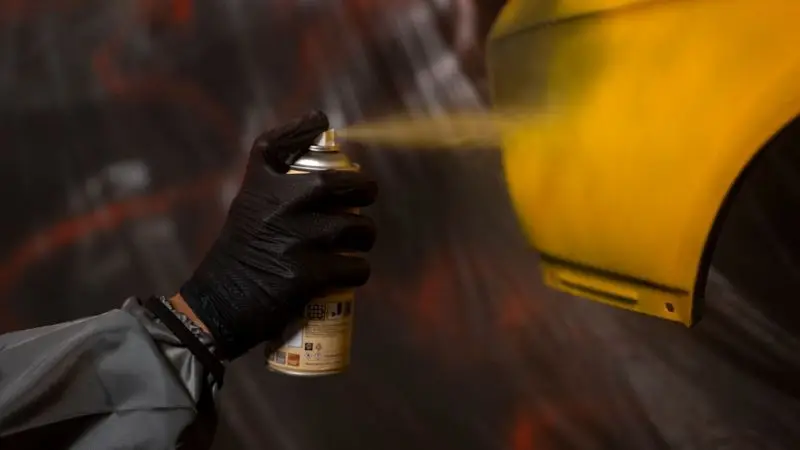
When you look for a paint sprayer, you will see many options. Each type works in its own way and suits different projects. Some sprayers are best for small jobs like furniture, while others cover large areas like walls and ceilings in less time. Choosing the right sprayer depends on the surface, paint type, and finish you want. Let’s go through the main types of paint sprayers for home use, furniture, and walls and ceilings, so you can decide what type of paint sprayer you need for your project.
Compressor (Pneumatic) Paint Sprayers
Compressor sprayers, also called pneumatic sprayers, use compressed air to push paint through the nozzle. The air mixes with the paint to form a fine mist, giving smooth results. These sprayers are mostly used on furniture, cabinets, and cars, where you need a clean finish.
They work best with thin paints but are slower on large areas. Many professionals use them for detailed projects. Keep in mind, compressor sprayers need regular cleaning to avoid clogs in the nozzle and hose. If you are looking for types of paint sprayers for furniture or detailed work, compressor sprayers are a reliable choice.
Airless Paint Sprayers
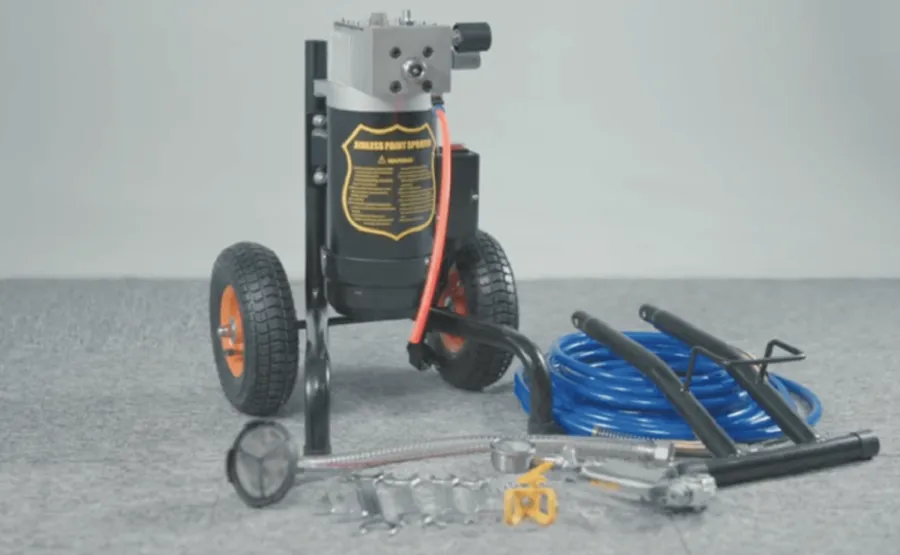
Airless paint sprayers do not use air. Instead, they push paint out under high pressure through a small tip. This creates a strong spray that covers large areas fast. They are great for walls, fences, and ceilings, making them one of the best types of paint sprayers for walls and ceilings.
These sprayers work well with thick paints like latex, primers, and stains. Since they create more overspray, wearing protective gear is important. Homeowners and contractors often choose airless sprayers when they want speed and power. If you wonder what type of paint sprayer I need for big jobs, airless sprayers are a good option.
HVLP Paint Sprayers
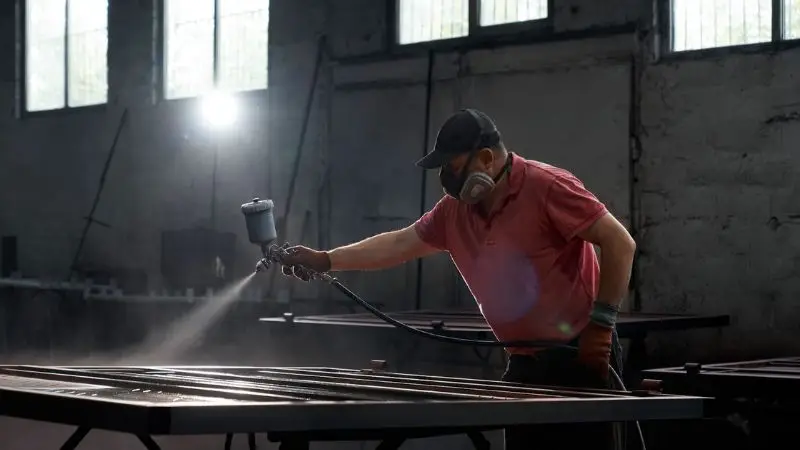
HVLP stands for high volume, low pressure. These sprayers use a lot of air but at low pressure, which gives you more control and less paint waste. HVLP sprayers are ideal for cabinets, trim, and furniture because they deliver a fine finish.
Many DIYers use HVLP when working indoors since they produce less mess and overspray. These sprayers work best with thin paints and stains. If you want types of paint sprayers for furniture or detailed projects with smooth results, HVLP sprayers are a top pick. They are simple to handle and help you get professional-looking results at home.
Air-Assisted Airless Sprayers
Air-assisted airless sprayers combine two systems: the power of airless sprayers and the fine finish of pneumatic sprayers. They use a small amount of air to shape the spray pattern. These sprayers are common in workshops and factories because they work on wood, metal, and large surfaces.
You will find them useful when both speed and quality matter. However, they need careful adjustment of both air and paint pressure for the best outcome. For people who want balance between fast coverage and smooth finishing, air-assisted airless sprayers are a strong choice among the types of paint sprayers for home use and professional work.
Electrostatic Paint Sprayers
Electrostatic sprayers use electricity to charge paint particles, making them stick better to the surface. This reduces waste and gives even coverage. They are mostly used on metal, machinery, and cars, where a smooth and long-lasting finish is required.
These sprayers are popular in auto shops and industries because they can cover hard-to-reach areas with less paint. Safety is important when using electrostatic sprayers, so proper handling is a must. For people asking what type of paint sprayer I need for metal projects, electrostatic sprayers are one of the best options.
Comparing Different Types of Spray Guns
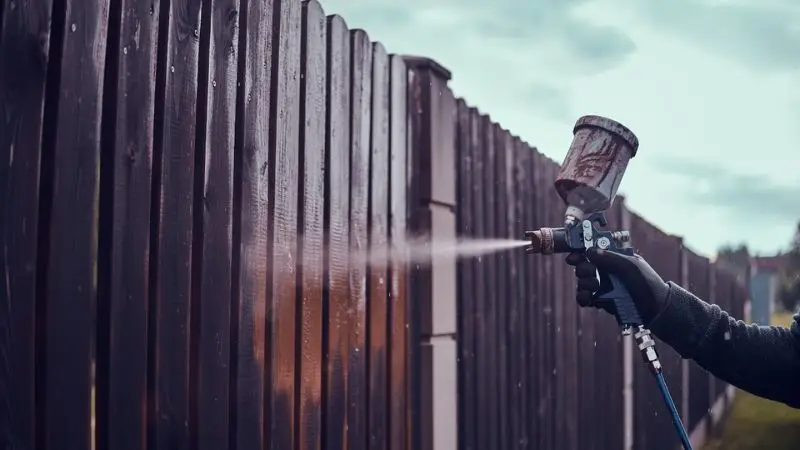
Once you know the basic types of paint sprayers, it also helps to compare similar models. Some spray guns look alike but work differently. By knowing the differences, you can choose the one that matches your project. Let’s compare HVLP vs. LVLP spray guns and also look at airless vs. pneumatic spray guns.
Both HVLP and LVLP sprayers use air to move paint, but they work in unique ways. HVLP stands for high volume, low pressure. These sprayers need a lot of air but create less overspray and give a smooth finish. They are perfect for cabinets, trim, and furniture, making them one of the most common types of paint sprayers for furniture.
On the other hand, LVLP stands for low volume, low pressure. These sprayers use less air, so they can run on smaller compressors. LVLP sprayers are slower but save more paint and are good for detail or touch-up jobs. If you want to finish larger areas faster, HVLP is the better choice. For small projects with less air supply, LVLP works best.
Airless vs. Pneumatic Spray Guns
Two other popular sprayer types are airless and pneumatic spray guns. Airless sprayers use high pressure to force paint out in a strong stream. They cover large surfaces quickly and are ideal for walls, fences, and ceilings. This makes them one of the top types of paint sprayers for walls and ceilings. Pneumatic spray guns, also called compressor sprayers, use compressed air to create a fine mist.
These are better for furniture, cars, and detail work, giving you a smooth finish. Airless sprayers are great for thick paints and fast results, but they create more overspray. Pneumatic sprayers give you better control for small projects, though they need regular cleaning to avoid clogs. If you want power and speed, go with airless. If you want detail and a finer finish, pneumatic sprayers are the right choice.
Choosing the Right Paint Sprayer for Your Projects
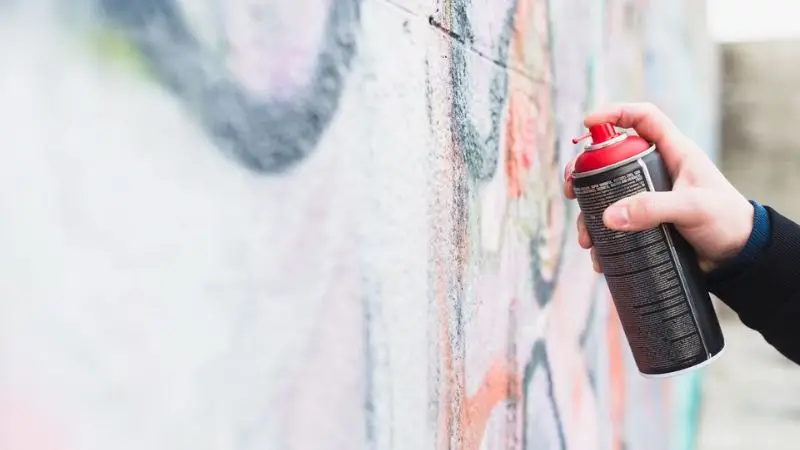
Picking a paint sprayer is not only about knowing the types. You also need to think about your project size, budget, and how often you plan to use it. Let’s look at some key points that will help you decide what type of paint sprayer you need for different needs.
Project Size and Surface
The size and surface of your project decide the sprayer you should buy. Smaller projects need sprayers that give you more control, while bigger ones need faster coverage.
- Small projects like chairs, cabinets, or trim → Best with HVLP or compressor sprayers. These give a smooth finish.
- Large projects like painting walls, fences, or ceilings → Airless sprayers are better. They cover more area quickly.
- Rough or textured surfaces → Airless sprayers push paint deep into cracks and corners.
- Fine detail or trim → Choose a sprayer with a gentle spray pattern for accuracy.
Always test your sprayer on scrap wood or cardboard before painting the real surface. It helps you adjust the spray for the best finish.
Budget and Frequency
Your budget and how often you paint are just as important. Spending too much or too little can both cause problems.
- Occasional use: HVLP or compressor sprayers are enough.
- Frequent use: Airless or air-assisted sprayers are better. They last longer and handle more work.
If you only paint a few times a year, a simple model saves money. But if you plan to paint walls, fences, or furniture often, investing in a durable sprayer is smarter. Make a list of your upcoming projects before buying so you can balance cost with your real needs.
Maintenance and Cleaning
No matter which sprayer you choose, cleaning is key. A dirty sprayer will clog and stop working.
- Airless sprayers: Need careful cleaning since dried paint can block the system.
- HVLP and compressor sprayers: Easier to clean, but still need regular care.
- Some sprayers: They have parts that can be removed for quick washing.
- Others: Need flushing with water or solvent after each use.
Many buying guides for types of paint sprayers for home use include cleaning and storage tips. Proper care keeps your sprayer ready for the next project and makes it last longer.
Wrap Up
Choosing the right sprayer makes painting faster, smoother, and easier. Each type has its own strength. Compressors and HVLP sprayers give control for furniture and detail work. Airless sprayers cover walls, ceilings, and fences quickly. LVLP sprayers save paint on small projects, while electrostatic sprayers are best for metal jobs. Before buying, think about project size, budget, and how often you will use the sprayer. Always keep your sprayer clean so it lasts longer. By learning about the different types of paint sprayers, you can match the tool to your project and get the best results.
FAQ
What type of paint sprayer should you use for furniture?
You should use an HVLP or compressor sprayer for furniture. These sprayers give you a smooth finish and good control. HVLP sprayers work well with thin paints and stains.
Can you use any paint in a paint sprayer?
You need to check the paint type before spraying. Some sprayers handle thick paints like latex. Others need thin paints or stains. Always read your sprayer’s manual for paint compatibility.
How do you prevent overspray when using a paint sprayer?
- Adjust the spray pattern and pressure.
- Hold the sprayer close to the surface.
- Use masking tape and drop cloths to protect nearby areas.
Do you need to clean your paint sprayer after every use?
Yes, you must clean your paint sprayer after each use. Cleaning prevents clogs and keeps your sprayer working well. Follow the cleaning steps in your manual for best results.