Tree trimming is more than just cutting branches—it’s about keeping your trees healthy, your yard safe, and your work easier. To get the best results, you’ll need the right tree trimming tools for the job. Hand pruners are perfect for small twigs, loppers handle thicker branches, and pruning saws or chainsaws tackle the heavy work.
For hard-to-reach spots, pole pruners and pole saws are a must. Hedge shears keep shrubs neat, while wedges and climbing gear help with bigger tasks. Don’t forget safety equipment—gloves, goggles, and helmets protect you while you work. Always check your tools before starting to ensure smooth trimming.
Why Tree Trimming Tools Matter
When it comes to caring for your yard, the tools you choose make a big difference. Good equipment not only keeps you safe but also makes the job faster and easier. Clean, precise cuts are better for your trees, while sturdy handles and sharp blades are better for you. Let’s break down why the right tree trimming tools matter.
Staying Safe While Trimming Trees
Working with trees always comes with some risks, but the right tools can help reduce them. Using sharp blades allows you to cut cleanly without forcing the branch, while strong handles with good grips keep your hands steady.
If your gear is dull, rusty, or cracked, accidents are more likely. That’s why checking your equipment before every project is so important. Safety gear like gloves, helmets, and goggles adds another layer of protection from falling branches or flying debris. When you prioritize safety, you work with more confidence and get better results, especially with the best tree trimming tools for large branches.
Working More Efficiently with the Right Tools
Maintaining a yard shouldn’t be a hard task that takes hours to complete. You can get pruning done in a matter of minutes and with little effort. Hand pruners are designed to cut small trees; if you have bigger limbs and branches, then a chainsaw gets the job done with zero difficulty. People who are trying to figure out how to maintain trees with no access to a ladder can benefit from a pole saw.
You pick the right tool that will accomplish the task at hand ,and you will have more time and effort to move on with the rest of your trees. A smart yard that has healthy trees takes little effort to maintain if you are willing to work efficiently.
Quick Results, Less Effort, Healthier Trees
The real benefit of using the right tools is that everything comes together—your work is faster, your energy is saved, and your trees stay strong. Clean cuts heal quickly, preventing disease and damage. With the right gear, trimming stops being a tiring chore and becomes something you can do with ease.
Whether it’s shaping the canopy, removing dead branches, or just tidying up, the right equipment makes all the difference. Investing in quality tools means investing in safer, more efficient work and healthier trees for years to come.
Essential Tree Trimming Tools
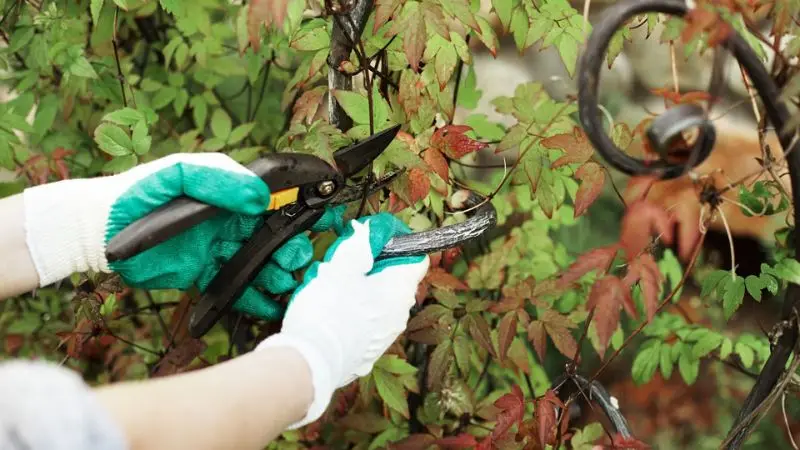
To keep your yard healthy and safe, you need the right set of tree trimming tools. Each tool is designed for a different job, whether it’s cutting small twigs, thick branches, or shaping hedges. The right choice makes your work smoother, faster, and less tiring. Below are the most useful tools every homeowner should know about, and how they help in keeping trees strong and neat.
Hand Pruners for Small Branches and Stems
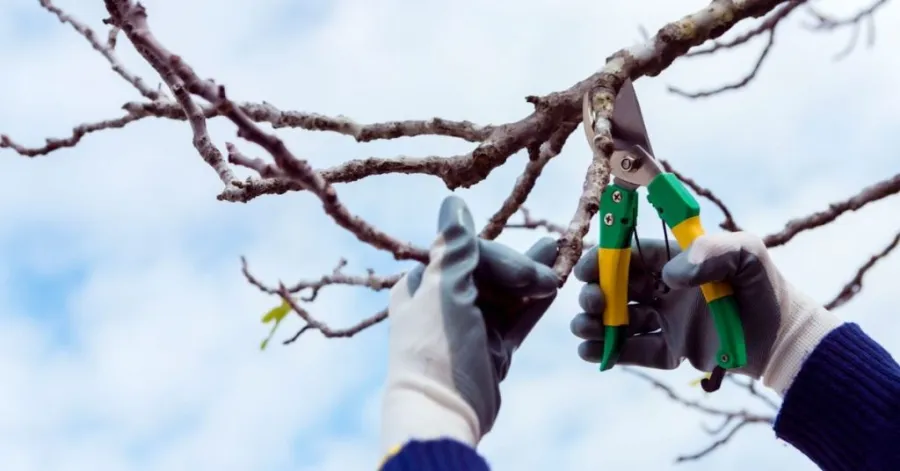
Hand pruners are lightweight tools that fit comfortably in your hand. They are best for trimming small branches and stems up to three-quarters of an inch thick. You can choose between bypass pruners, which make clean cuts on live wood, and anvil pruners, which are better for cutting dry or dead wood.
When picking hand pruners, look for models with cushioned grips, a locking mechanism, and sharp blades. Some pruners even have replaceable blades, which save money over time. Seniors often find them helpful as lightweight tree pruning tools for seniors make trimming easier and reduce hand strain.
Loppers for Thicker Branches
Loppers are designed for cutting thicker branches that hand pruners cannot handle, usually up to two inches wide. Their long handles give you extra power and make the task less tiring. Like pruners, they come in bypass and anvil types—bypass for live branches and anvil for dead wood.
Some loppers include telescopic handles that extend your reach, allowing you to trim higher without climbing. Cushioned grips also reduce hand fatigue during longer jobs. A good pair of loppers gives you strength and reach in one tool, helping you handle larger cuts without needing a ladder or extra equipment.
Pruning Saws for Large Cuts
When the branches are too thick for loppers, pruning saws are the preferred tool, as they are able to handle cuts two inches or more in diameter. Pruning saws are specifically designed to cut on the pull stroke, which is more controlled and less aggressive, and are smoother to operate.
There are folding saws with curved blades for compact storage and fixed-blade saws with more cutting power. It’s crucial that the handle is ergonomically designed to minimize strain. Keeping the blade sharpened adds to the efficiency of the saw. Pruning saws are an excellent tool to have when trying to cut thick and difficult branches.
Chainsaws for Heavy-Duty Tree Trimming
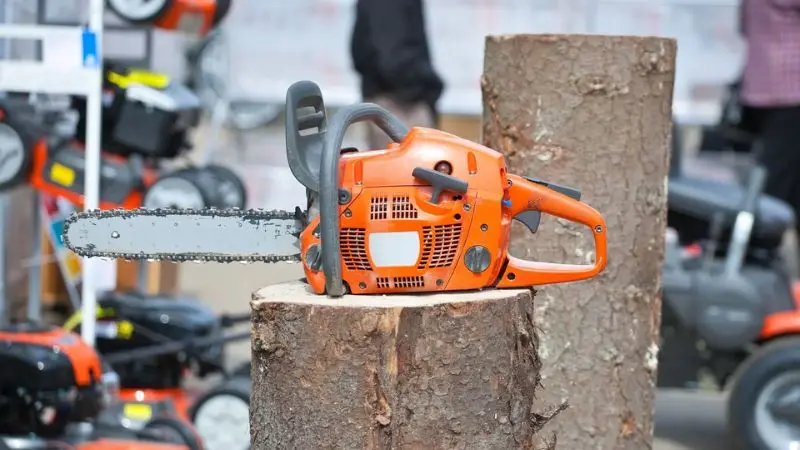
Chainsaws are powerful tools for cutting large branches and even tree trunks. They are available in gas, electric, and battery-powered models. Gas chainsaws are the most powerful, while electric and battery options are easier to start and lighter to handle. Look for features like chain brakes and low-kickback designs for added safety.
Always wear protective gear when operating one. The best cordless electric tree trimmer gives you mobility without the noise and fumes of gas. Chainsaws are perfect for big tasks but should always be used with care, making them best suited for heavy-duty trimming jobs.
Pole Pruners for High Branches
Pole pruners make it possible to cut higher branches without leaving the ground. These tools feature a cutting blade attached to the end of a long pole, operated by pulling a rope or handle. They work well for branches up to one and a quarter inches thick.
Many pole pruners come with telescopic poles, so you can adjust the length for taller trees. Lightweight yet strong models are best, especially if you use them often. Keeping the blade sharp ensures clean cuts. With pole pruners, you can learn how to trim trees without a ladder while staying safe on the ground.
Pole Saws for Cutting Thick High Branches
Pole saws aid in the easy cutting of branches that are too thick for standard pruners. These are also known as power saws and are available in both manual and powered versions. A powered pole saw can be electric, battery, or gas powered, while, for manual saws, a long curved blade is used. The handy, adjustable-topped telescopic poles also help with taller trees.
The height of these poles is adjustable, making them useful for tall trees. A weak, cheap pole can lead to dreadful safety issues, so always ensure a strong, durable pole is chosen. Gear that protects against injuries is a requirement, while using protective equipment is highly advisable. A pole saw helps in cutting down branches that are too high and too heavy, and helps in reducing the need to climb.
Hedge Shears for Shaping Shrubs and Hedges
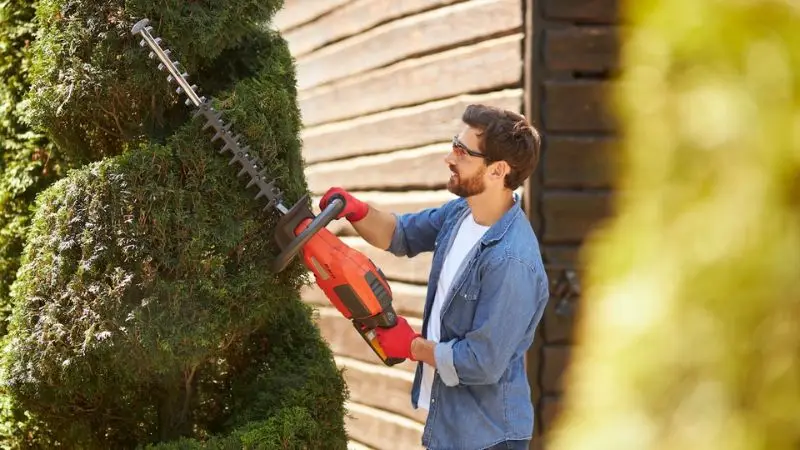
Hedge shears are perfect for trimming soft, leafy growth and shaping hedges or bushes. They have long, straight blades that provide control and even cuts. Some models come with wavy blades that grip branches better, while cushioned handles help reduce fatigue during longer jobs. Choosing lightweight hedge shears makes them easier to use, especially for seniors or those who trim regularly.
Keeping the blades sharp is important for clean, neat results. Hedge shears are not for thick wood but are excellent for giving shrubs and hedges a tidy, professional appearance while keeping growth under control.
Wedges for Splitting and Guiding Tree Cuts
Wedges are simple but powerful tools that assist in splitting large branches or guiding tree falls. Typically used with a hammer or mallet, they are placed into a cut and tapped in, forcing the branch or trunk to split in a controlled direction.
Plastic wedges are commonly used because they are safer and work well for most trimming jobs. Metal wedges are stronger but should be avoided when using a chainsaw, as they can damage the chain. Wedges are especially useful when working on large trees, helping direct the cut safely and reducing risks of unpredictable falls.
Climbing Gear for Safe Tree Work

Climbing gear is essential if you need to work off the ground. A complete set usually includes a harness, ropes, and carabiners. Some gear has climbing spikes that grip the tree trunk, but these should only be used if you are experienced.
Inspect your equipment before each use to ensure ropes are not frayed and buckles are not worn. Proper climbing gear keeps you secure and reduces the risk of falls, but it should only be used if you are confident in your skills. If not, it is always safer to hire a professional to handle higher tree work.
Safety Equipment for Protection
Safety equipment is just as important as trimming tools because it protects you during the job. Basic safety gear includes gloves, safety glasses, a helmet, and sturdy boots. When using loud tools like chainsaws, ear protection helps prevent hearing damage. For heavy-duty tasks, face shields and protective chaps add extra protection.
Always check your gear for cracks or damage before use, and replace anything worn out. By wearing the right safety equipment every time you trim, you reduce the risk of injury and make your work more comfortable and controlled, no matter how big or small the task.
Pruning Basics for Healthy and Beautiful Trees
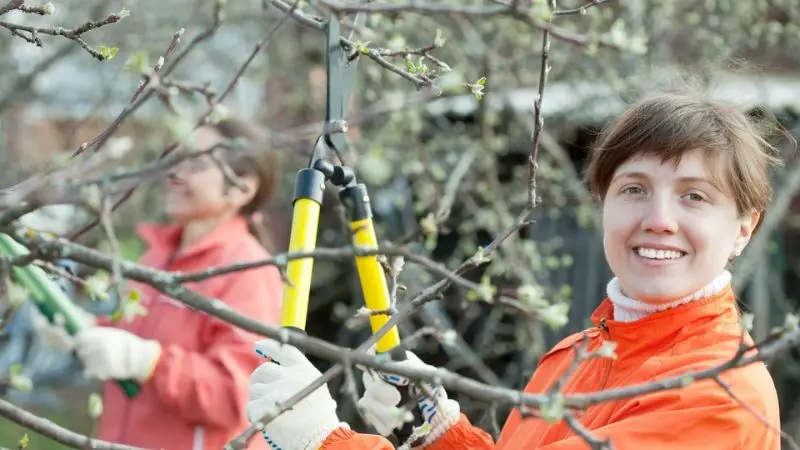
Pruning is one of the most important steps in keeping trees healthy and beautiful. Done the right way, it improves growth, prevents damage, and shapes your trees for a neat look. With proper timing and the right tools, pruning becomes easier and safer. Here’s what you need to know about when and how to prune your trees.
When to Prune Your Trees
The best time to prune most trees is in late winter or early spring. During this season, trees are bare, which makes it easier to see the branches that need attention. This timing also allows trees to heal quickly as they begin their growth cycle.
Avoid pruning in the fall since cuts heal more slowly and may invite pests or disease. If you notice broken or dead branches, you can safely remove them at any time. Fruit trees, in particular, should be pruned before new buds appear, giving them the best chance to grow strong and produce healthy fruit.
How to Prune Properly
Choosing the right tool for each job makes pruning safer and more effective. Hand pruners work well for small twigs, while loppers handle medium-sized branches. For thick cuts, a pruning saw is ideal, and chainsaws are reserved for heavy-duty tasks.
If you need to reach higher branches, pole pruners and pole saws are the safer choice, letting you learn how to trim trees without a ladder. Always make clean cuts near the branch collar to prevent tearing bark. Begin by removing dead or diseased limbs, then thin out crowded areas. Step back often to check the shape and balance of the tree.
How to Choose the Right Tree Pruning Tools
Picking the right tree pruning tools is the key to safe, efficient, and effective yard work. Every tool is built for a different job, so knowing what to look for makes trimming easier. By paying attention to size, weight, and comfort, you’ll be able to choose tools that suit your needs while keeping your trees healthy.
Important Features to Look for in Tree Pruning Tools
Before buying, think about the type of branches you’ll be cutting. For twigs and small stems, pruners are ideal because they fit easily in your hand. For thicker branches, loppers give you more power, while pruning saws help with bigger cuts. Always check the weight of a tool since heavy options tire your arms quickly.
Lightweight tree pruning tools for seniors are especially useful because they reduce fatigue and allow longer trimming sessions. Look for cushioned grips, telescopic handles for reaching higher spots, and sharp blades that make clean, smooth cuts. Replaceable blades are a bonus, helping you save money over time.
Comparing Different Tree Pruning Tools
Tools can be quite numerous, and each one is made for a different purpose. For small branches, hand pruners work best, then loppers for medium-sized ones, and for thick and stubborn limbs, pruning saws work. For branches that are high off the ground, a pole pruner works very well, allowing you to keep your feet on the ground.
You don’t have to limit yourself to one type of tool; mixing and matching different ones grants you the ability to work on various tasks in your yard. Multiple pruning tools for large branches ensure cuts made are clean and heal quickly, so the tree remains strong and is not prone to disease. It is a win-win situation, your work is effortless and the trees remain healthy.
Tool Care and Maintenance for Long-Lasting Performance
Taking care of your tree pruning tools is just as important as choosing the right ones. Clean, sharp, and well-stored tools last longer and give better results. When your equipment is properly maintained, you work faster, safer, and with less effort. Here are the three key steps to keeping your pruning tools in great condition.
Cleaning Your Tree Pruning Tools
Healthier trees and a healthier you start with clean tools. For every pruning task, clean the edges of the hand pruners, loppers, and saws of any dirt, resin, or junk. Most of the dirt can be removed with a damp cloth or brush, while tougher grime can be removed with soap and water. Rust can be removed with gentle scrubbing with steel wool.
Your tools should be completely dry every time after being washed, because blades rust quickly when wet. Regular cleaning avoids the spread of plant diseases and enables the tools to cut with ease. Clean tools lead to faster healing in trees and better results with little effort.
Sharpening Blades for Better Performance
Sharp blades are the secret to easy, effective pruning. Dull tools crush branches, making cuts messy and stressful for trees. To sharpen, use a sharpening stone or file and keep the blade at the correct angle as you work along the edge. Check your pruners, saws, and even chainsaw chains regularly before use.
If they feel dull or sticky, sharpen them right away. A properly sharpened tool gives smooth, precise cuts that help your trees heal quickly. Whether you’re using hand pruners or the best cordless electric tree trimmer, sharp blades make every job cleaner, faster, and safer.
Storing Tools the Right Way
Proper storage keeps your tree pruning tools safe and ready for the next job. Hang pruners, saws, and loppers on hooks in a dry place where they won’t touch the ground. A toolbox or shed also works well for keeping tools protected.
Before storing, add a light coat of oil to the blades to prevent rust and keep moving parts working smoothly. Make it a habit to check your storage space regularly, ensuring it stays dry and free from moisture. With good storage practices, your tools will last for years, saving you money and effort in the long run.
Wrap Up
Caring for your trees becomes much easier when you use the right tree trimming tools and keep them in good condition. From hand pruners for small twigs to chainsaws and pole saws for heavy jobs, each tool has its role in keeping your yard safe and tidy. Clean, sharp, and well-stored tools not only last longer but also protect your trees from damage.
Whether you prefer lightweight options for easy handling or powerful equipment for larger cuts, the right choice helps you work faster and safer. With proper care, your trees will stay strong, healthy, and beautiful all year round.
FAQ
When is the tree trimming season?
Winter is possibly the coldest and driest season, and thus the month of December is ideal, as it gives a clear view of the branches, and the tree recovers faster.
How often should I sharpen my tree-trimming tools?
Use the blades for the first time after checking them, during which time cuts may be difficult. The blades should be sharpened immediately for smoother cuts.
Do I need safety gear for small pruning jobs?
Of course. Protective gloves and goggles prevent cuts and flying debris, and should be the minimum for small jobs. Safety first.